Social Change Ecosystem Immersive Library
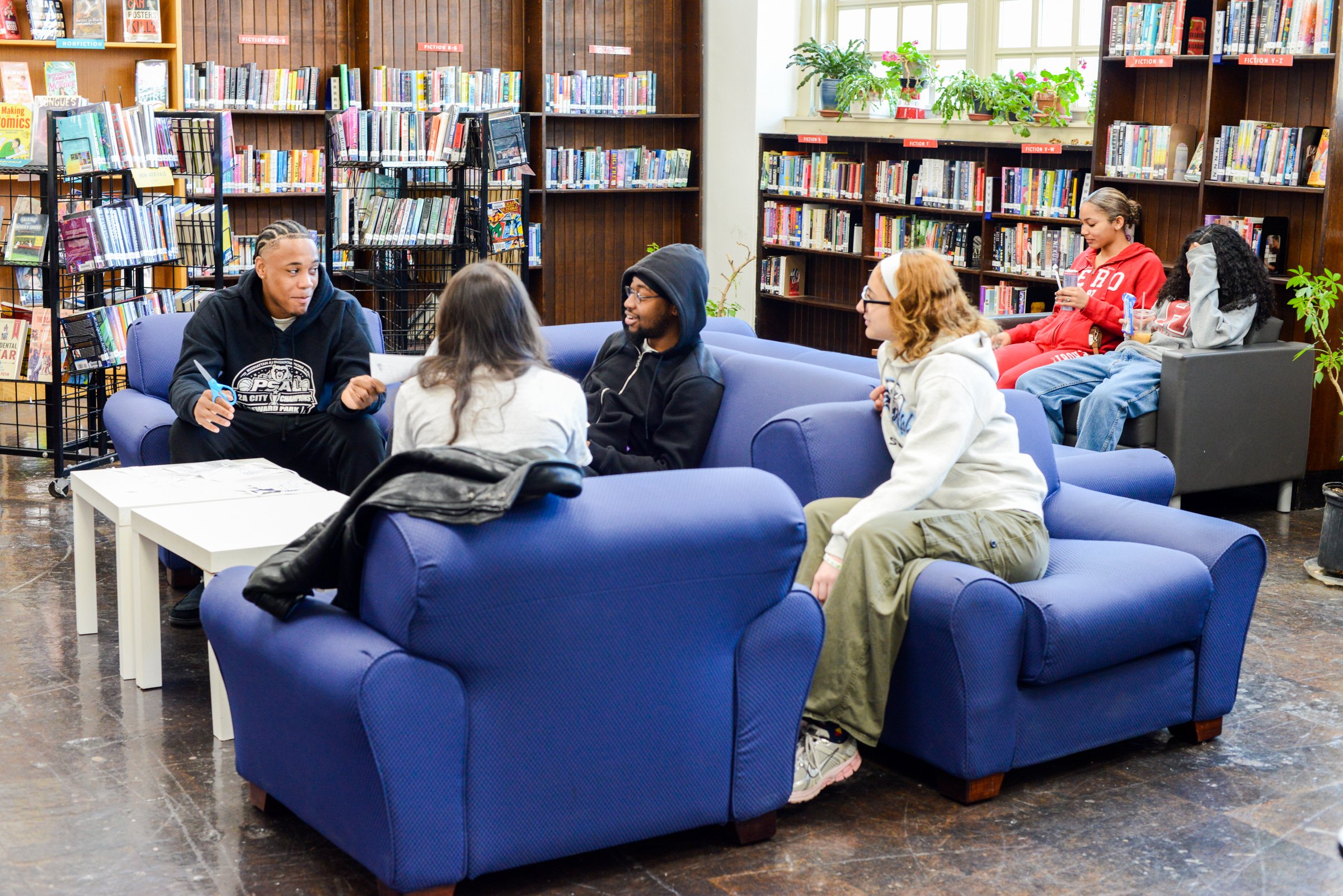
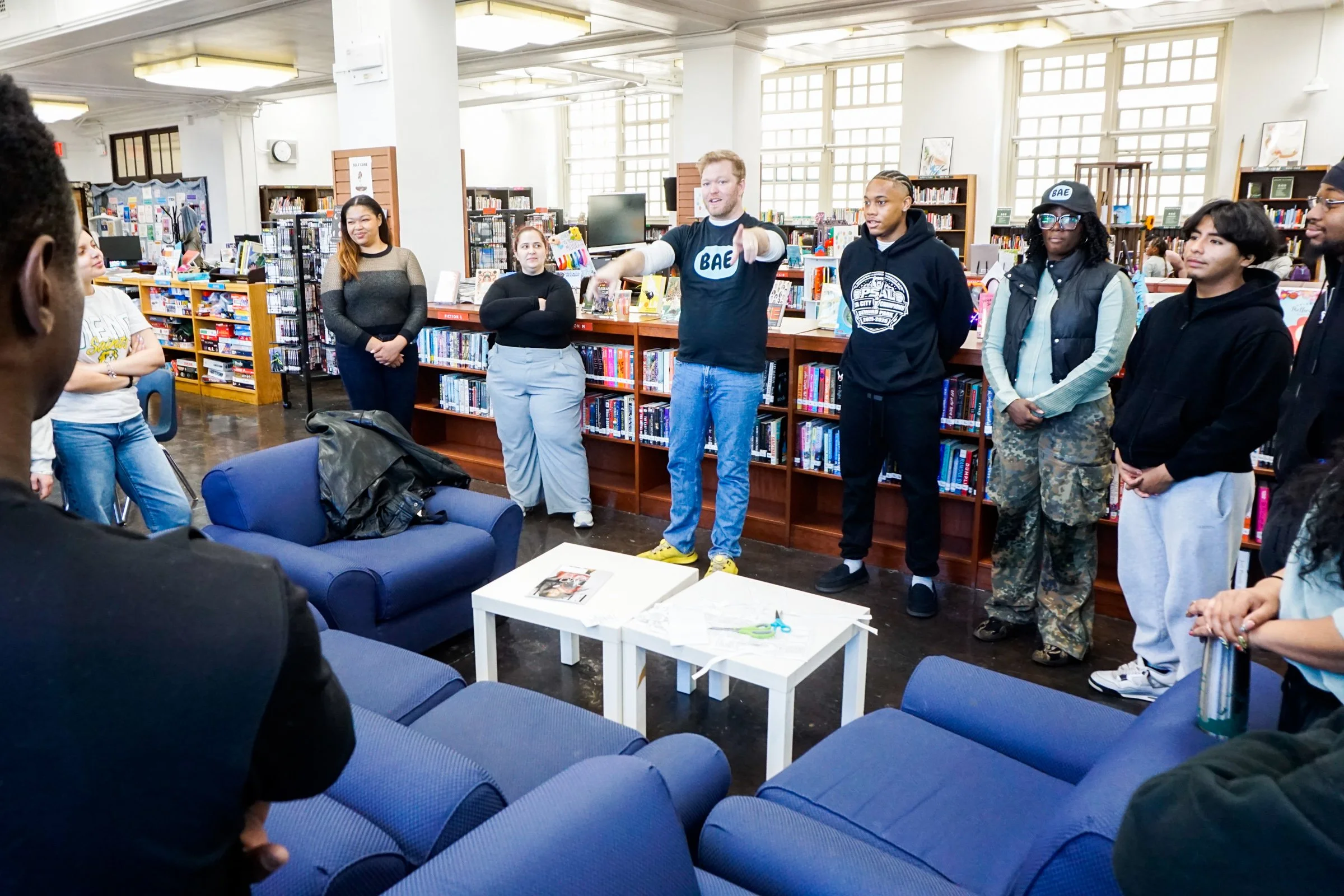
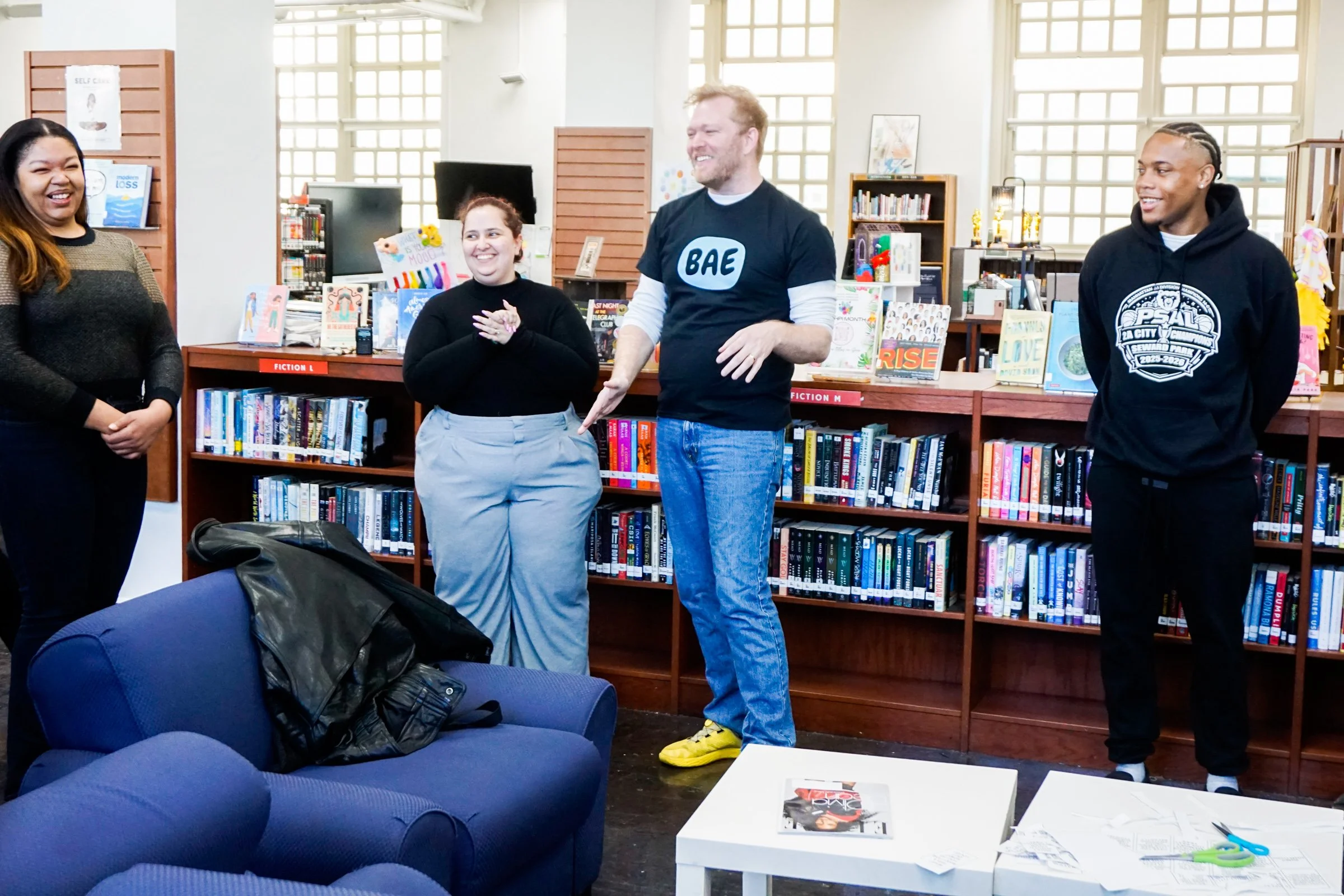
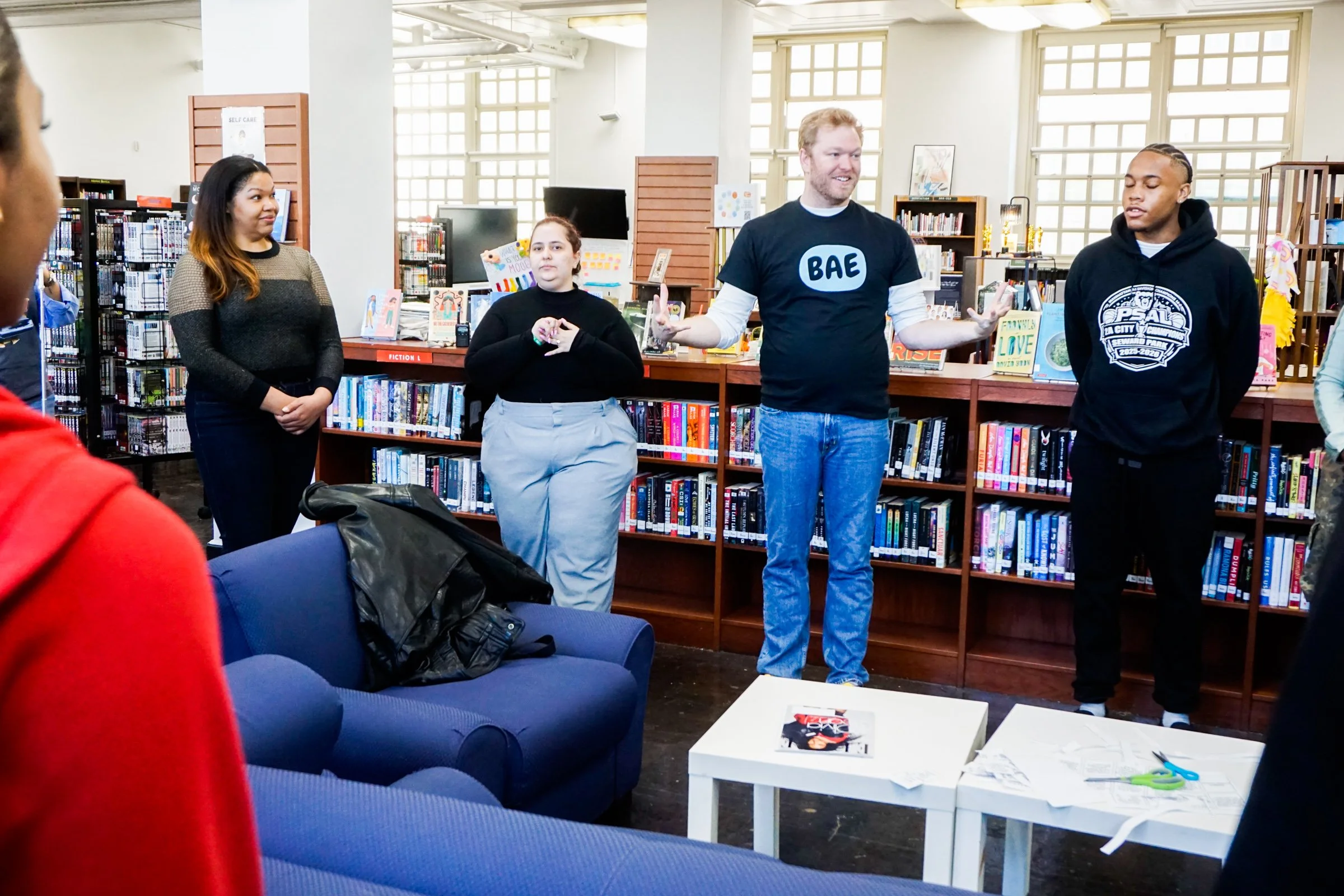
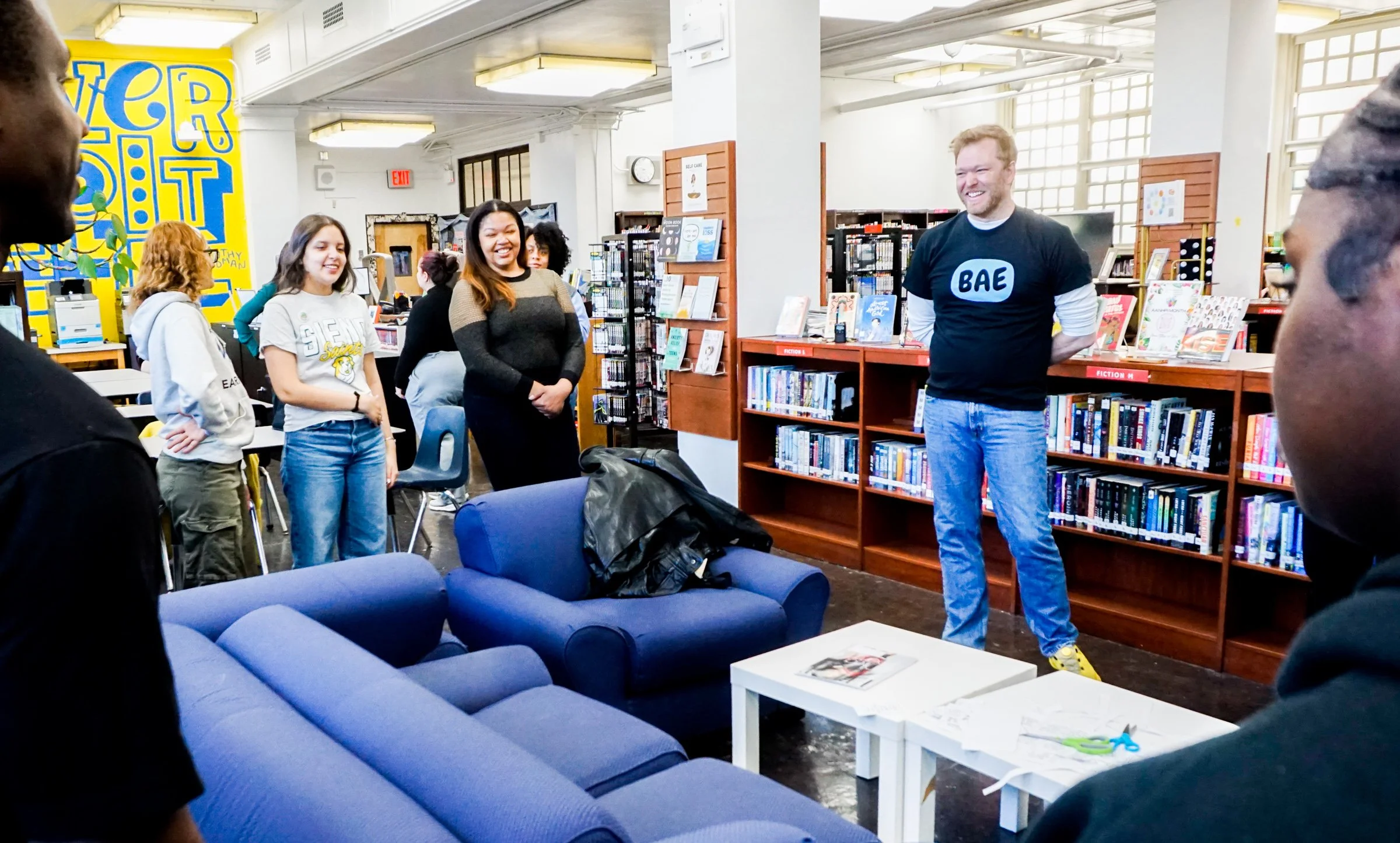
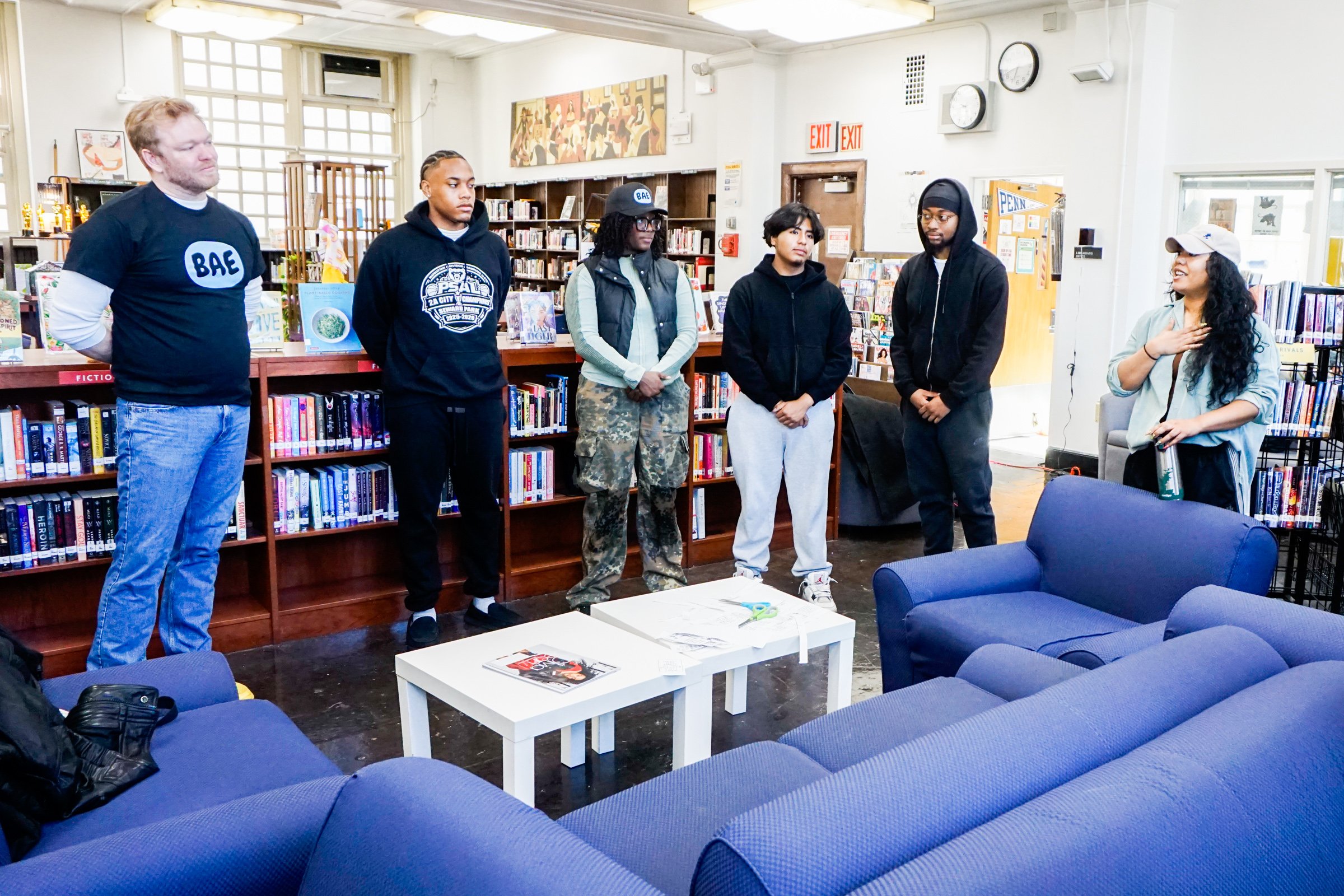
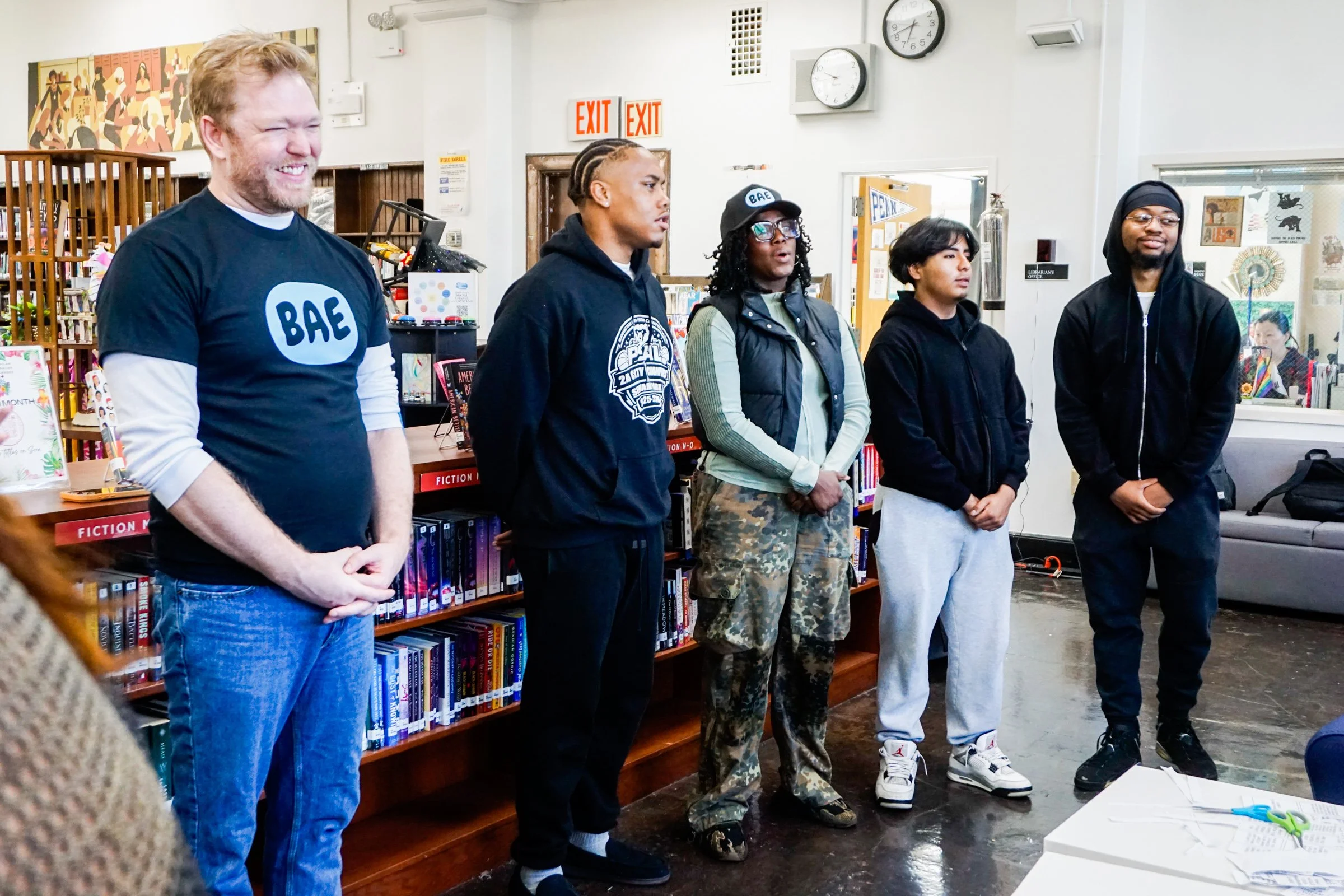
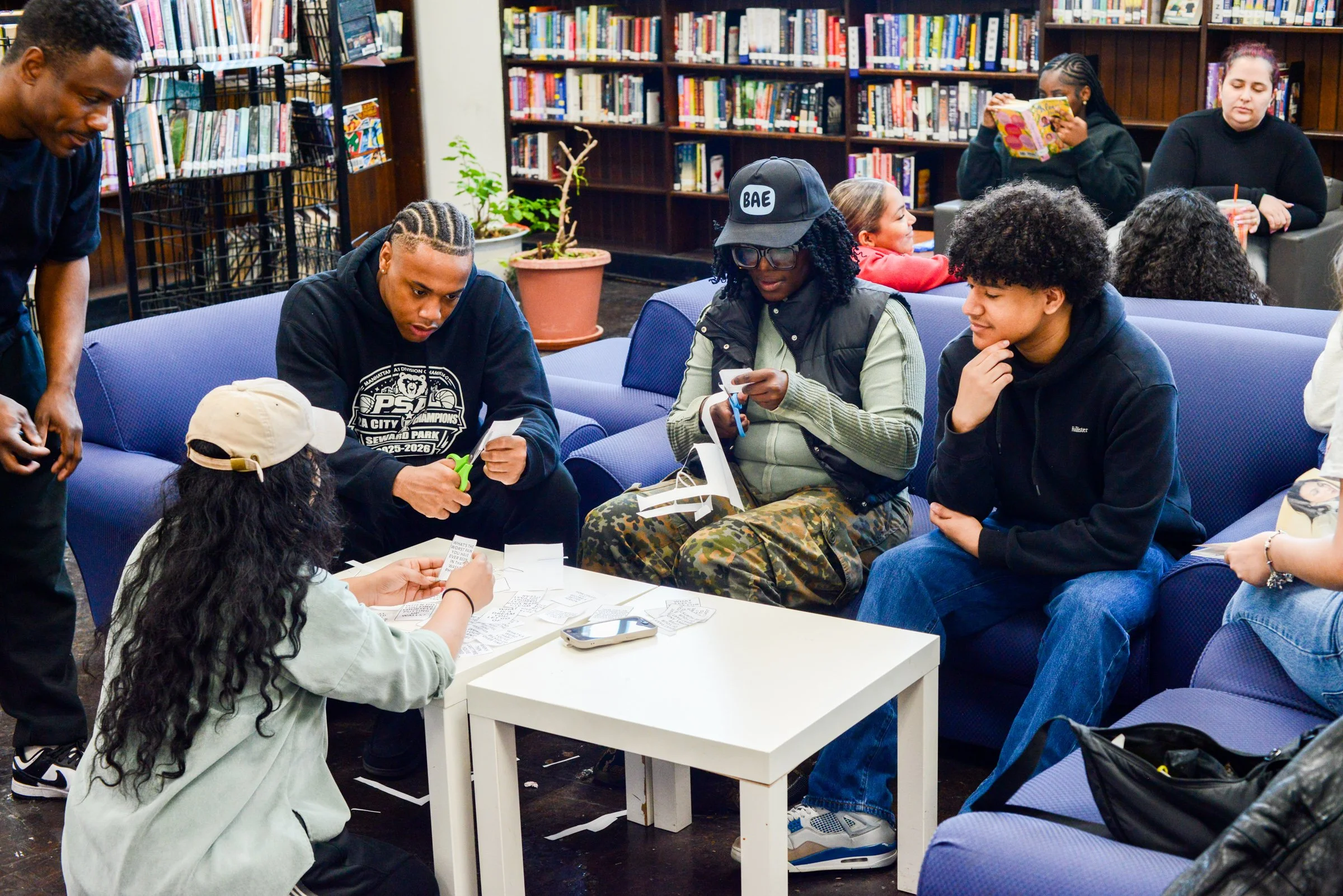
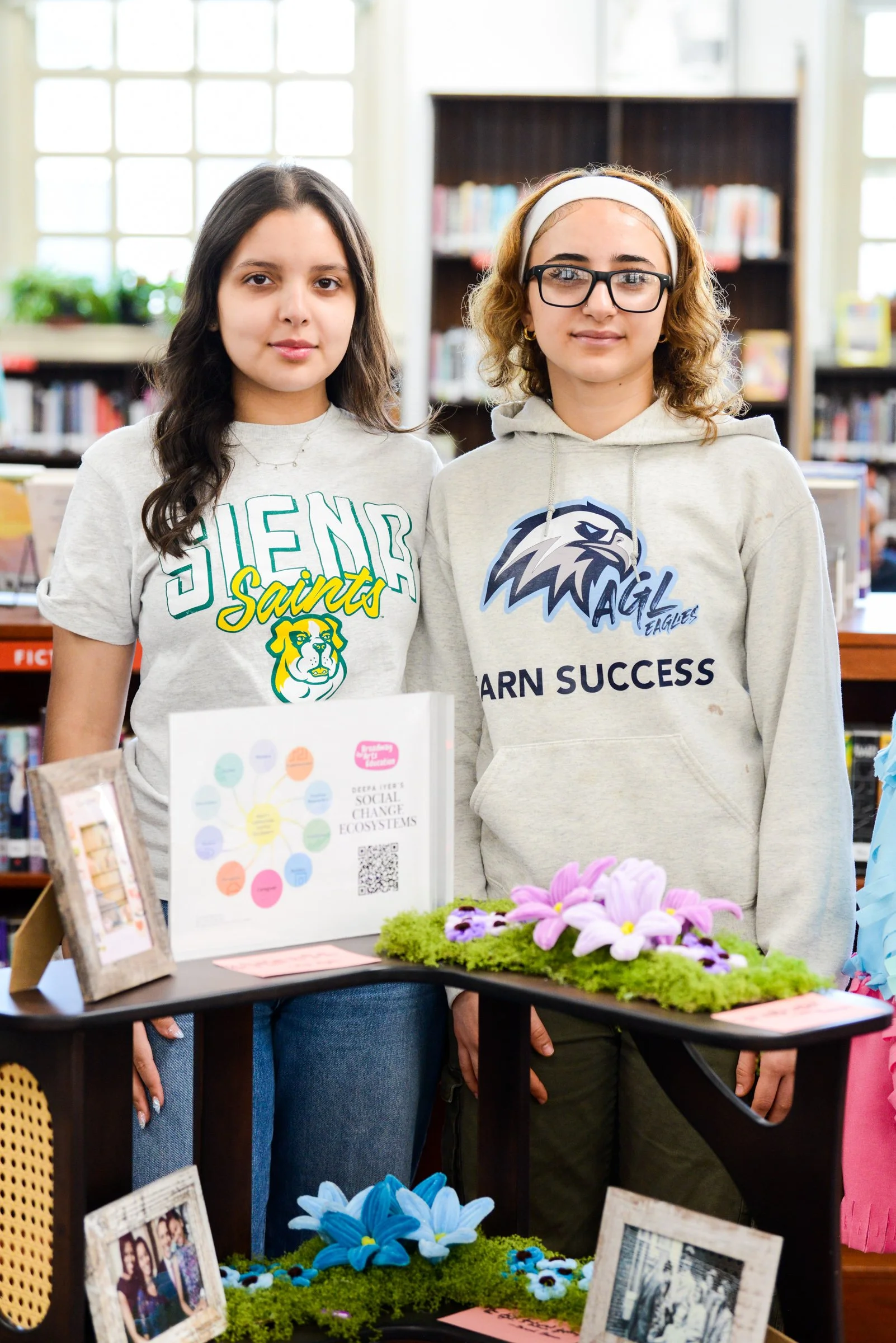
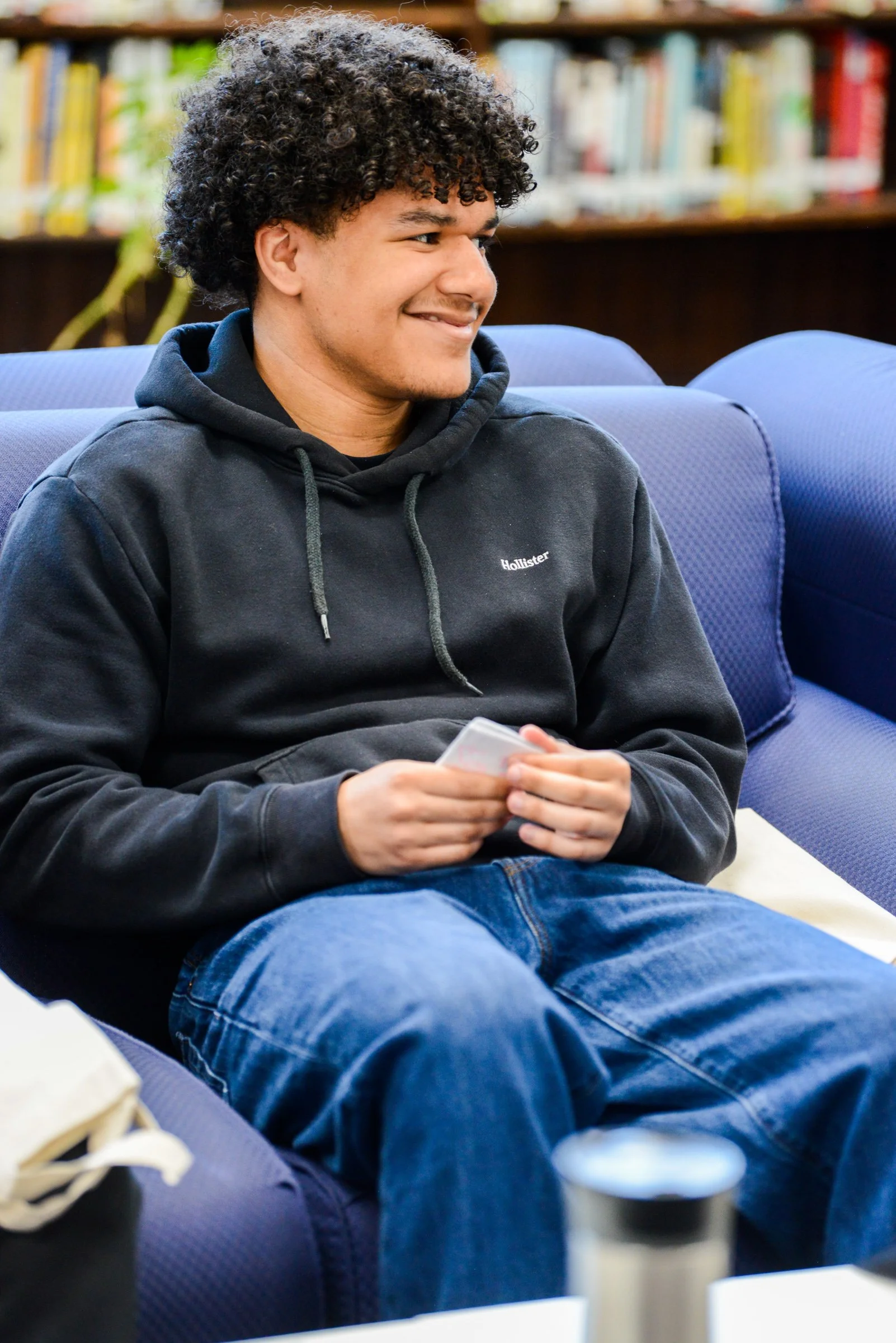
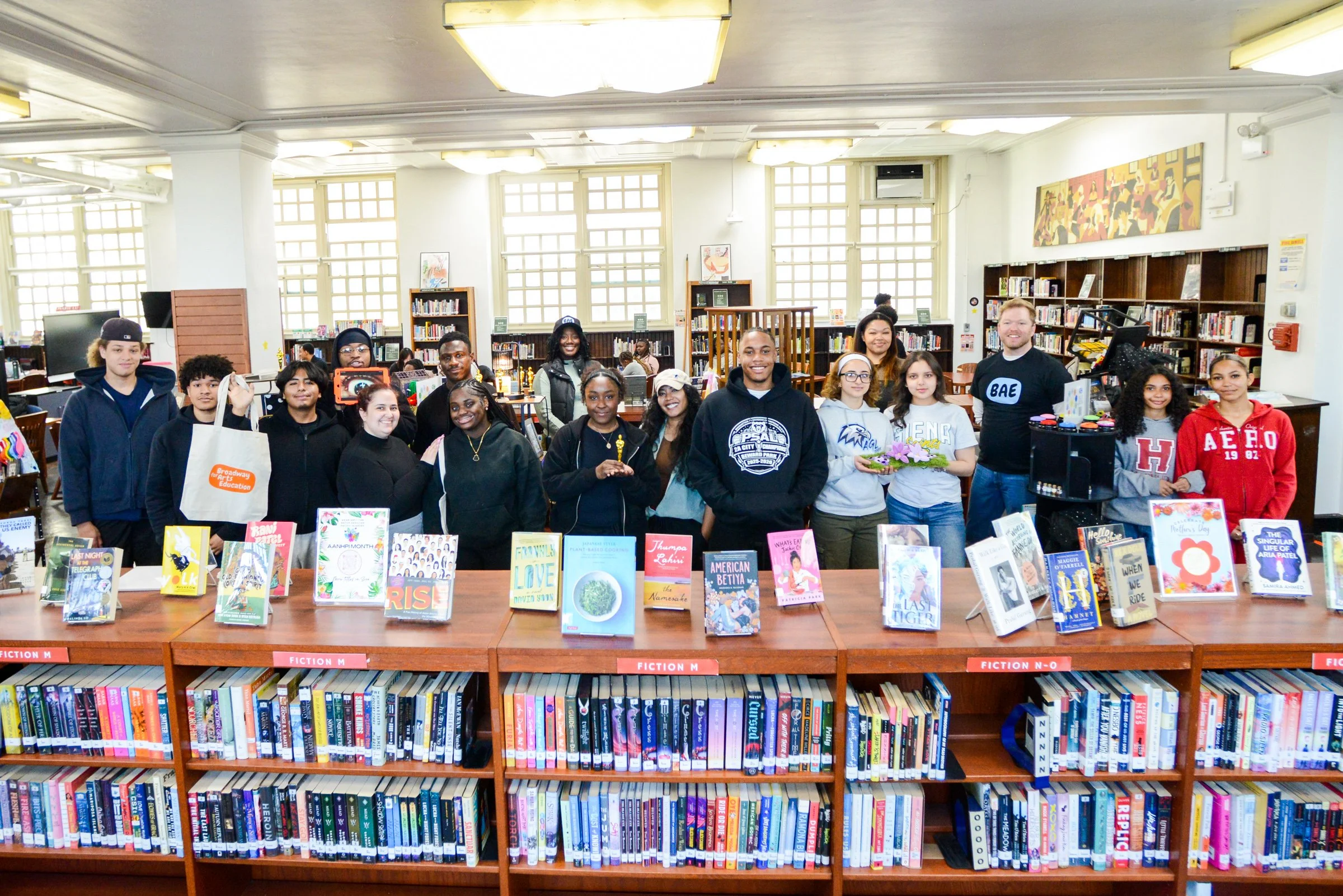
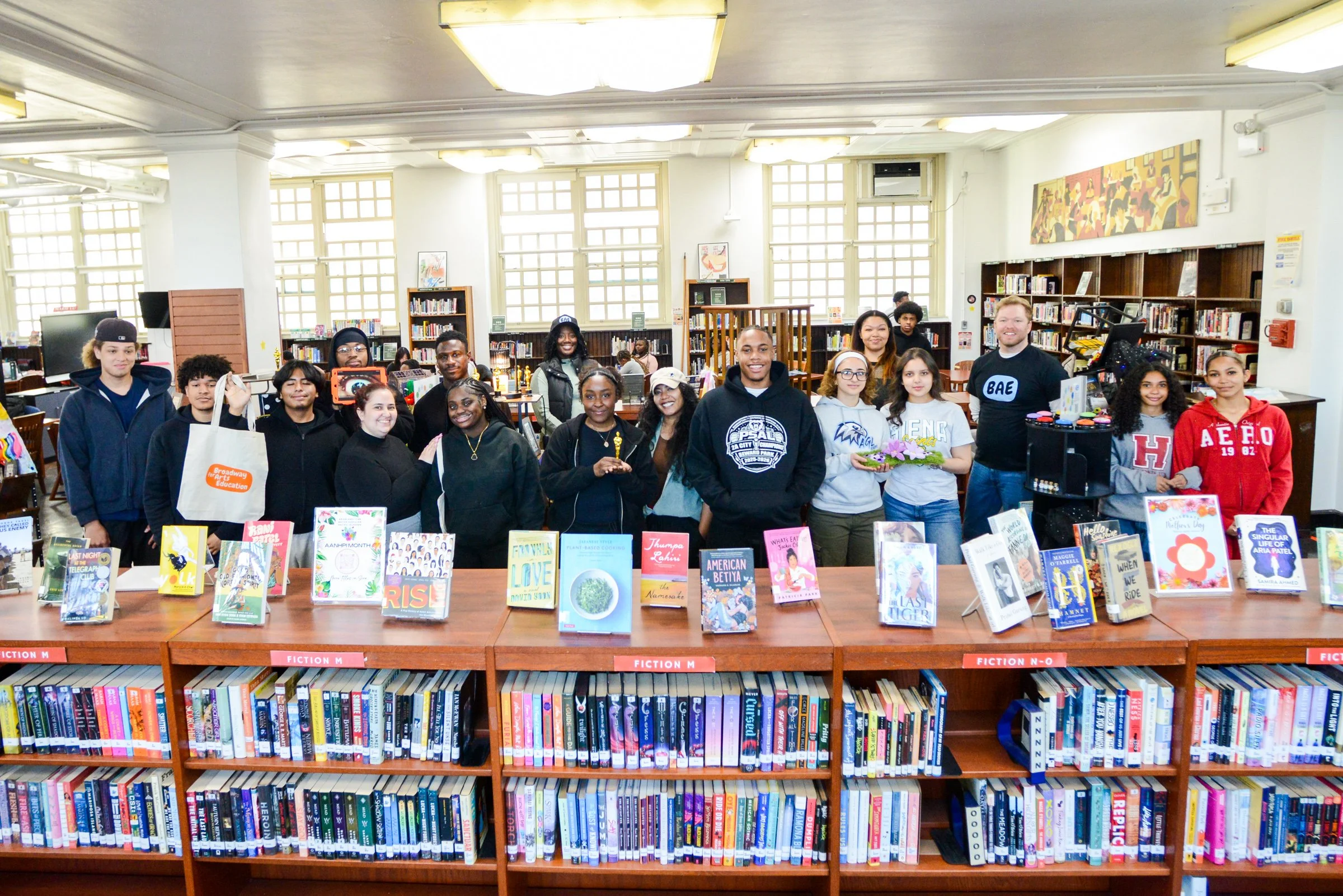
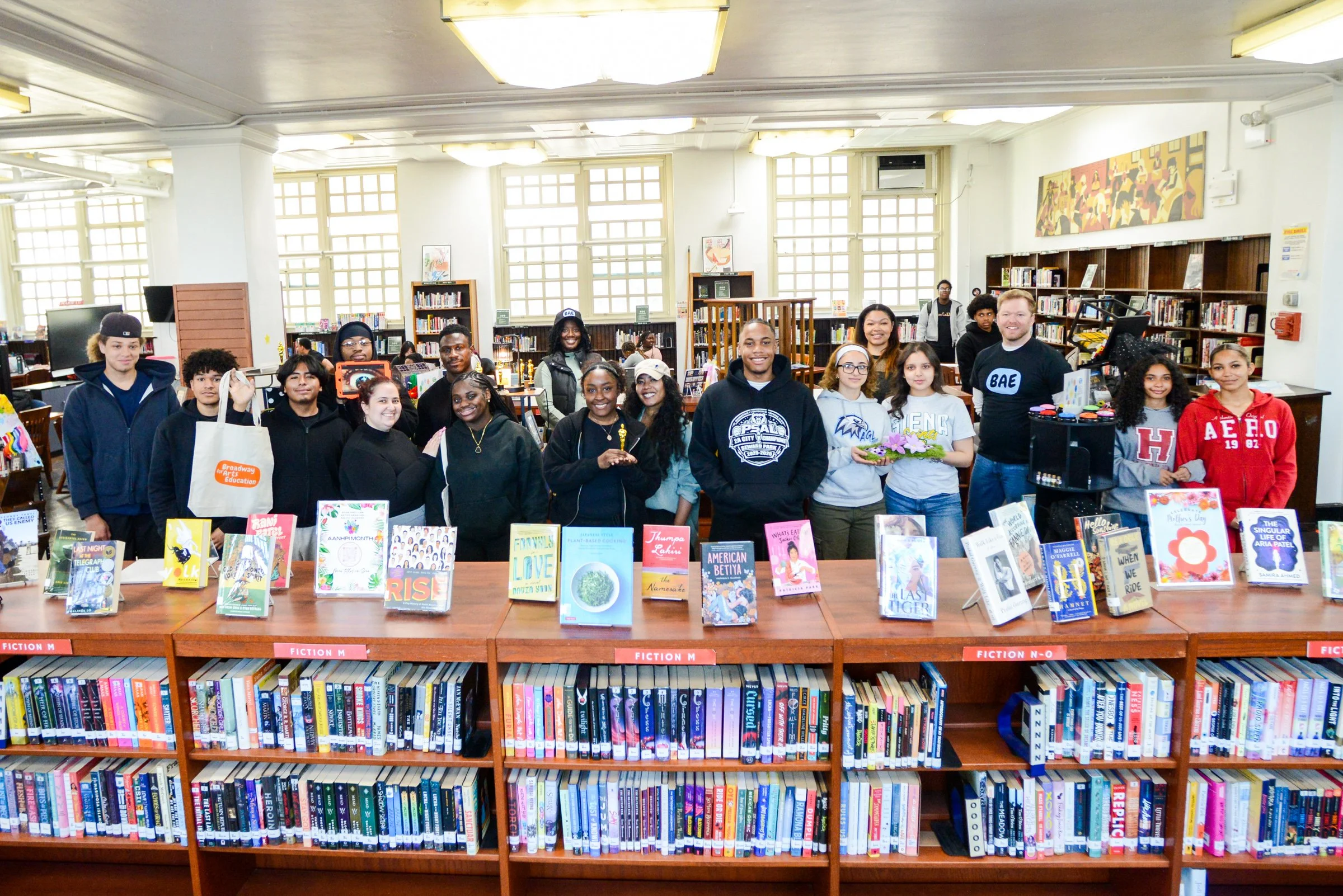
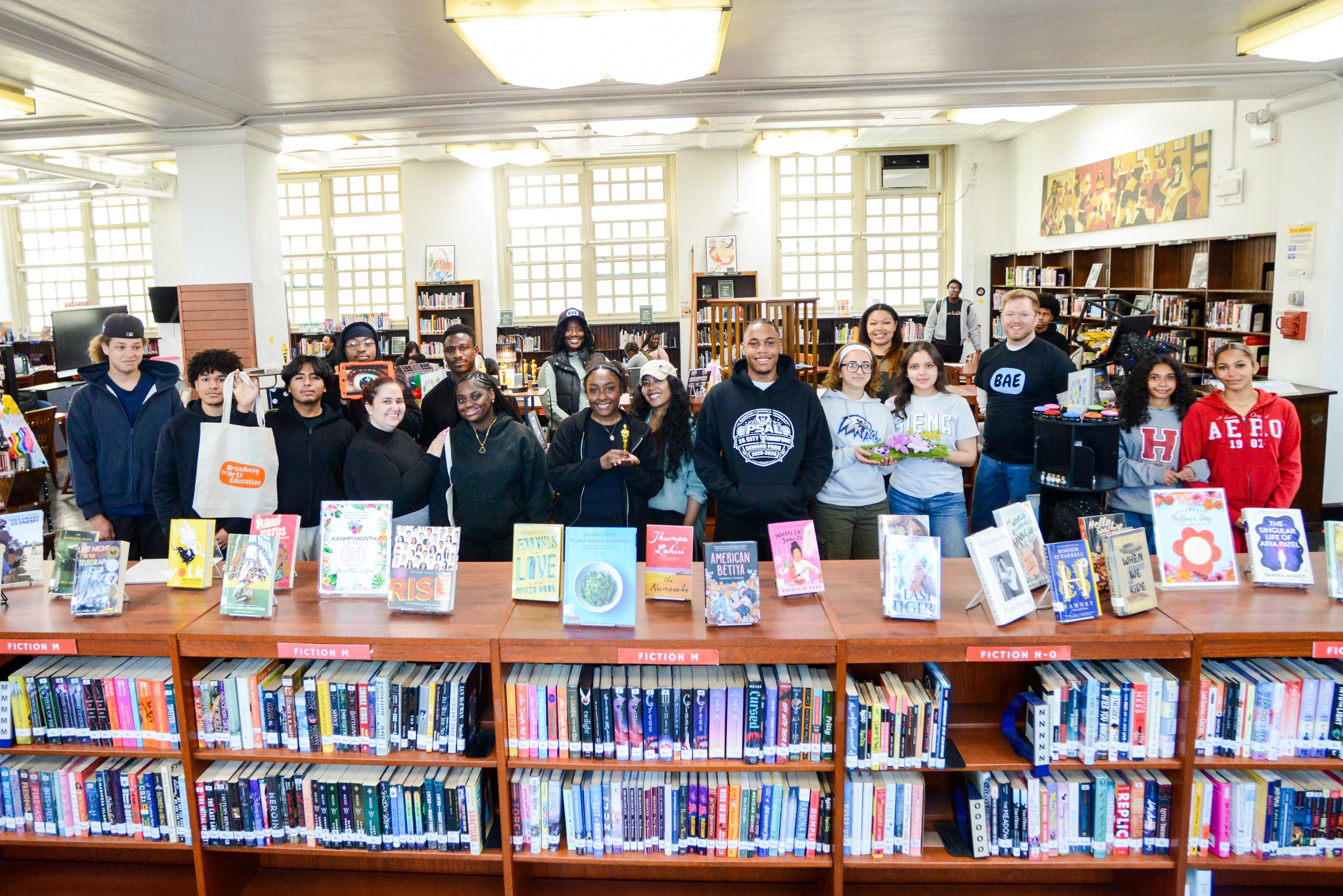
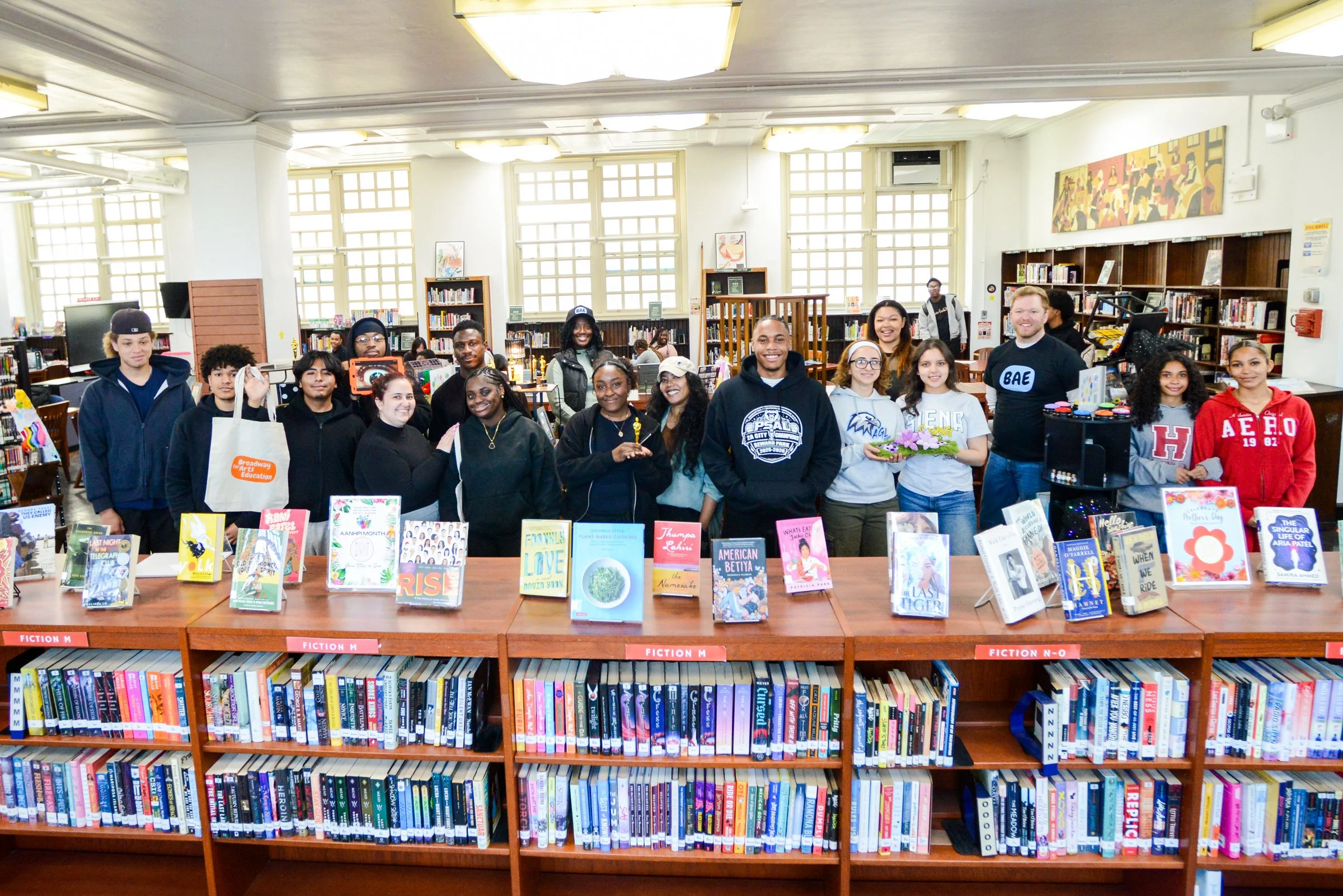
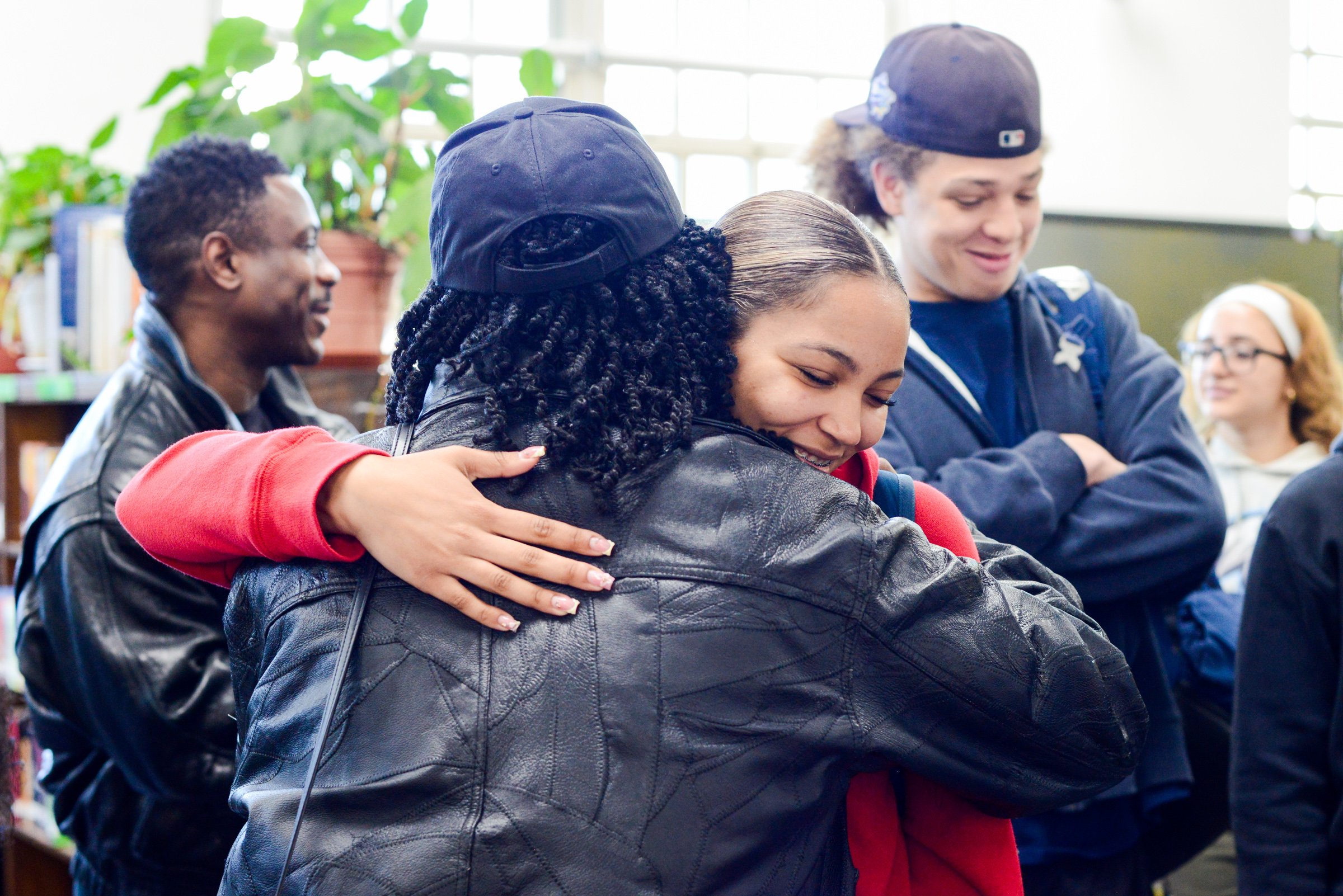
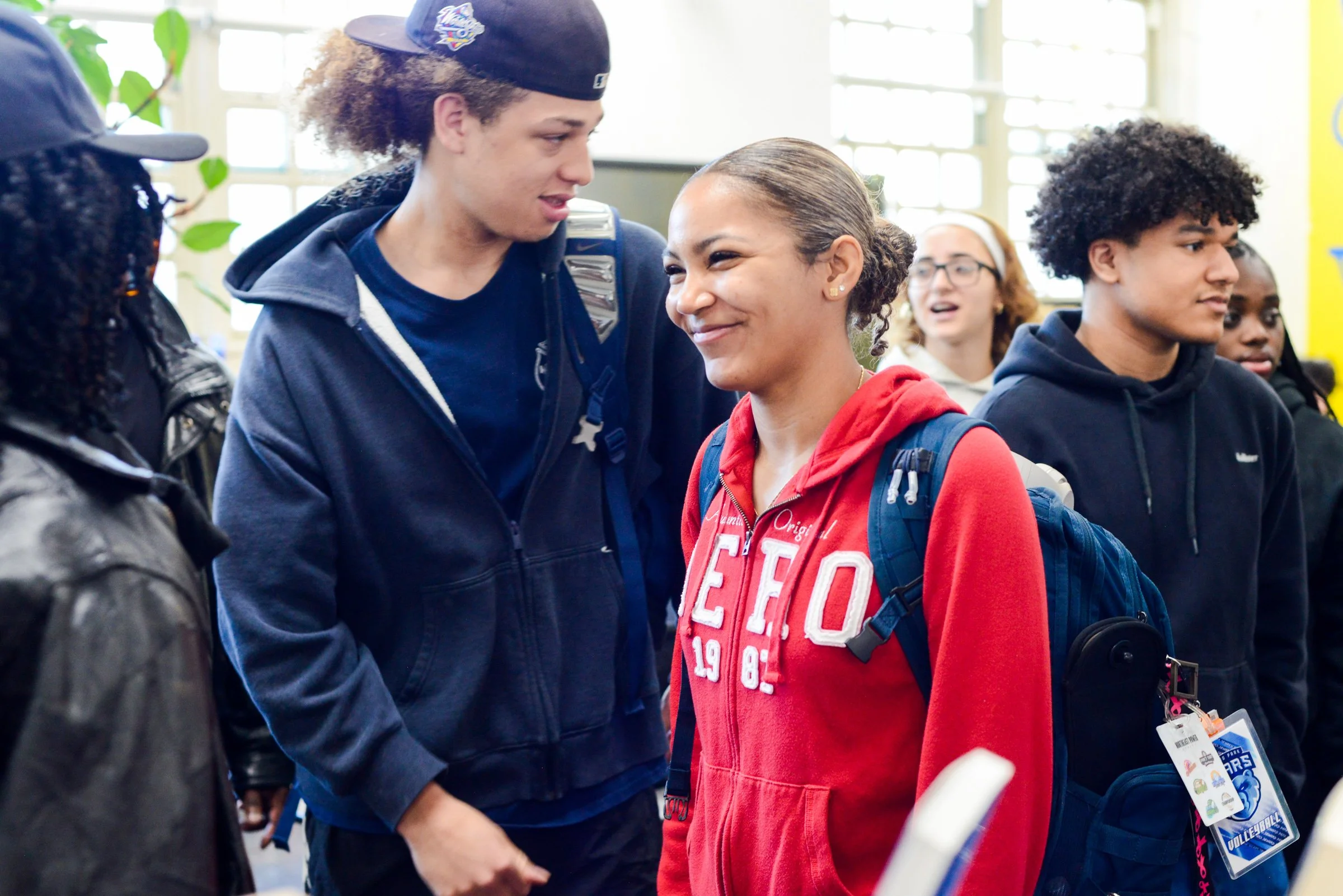
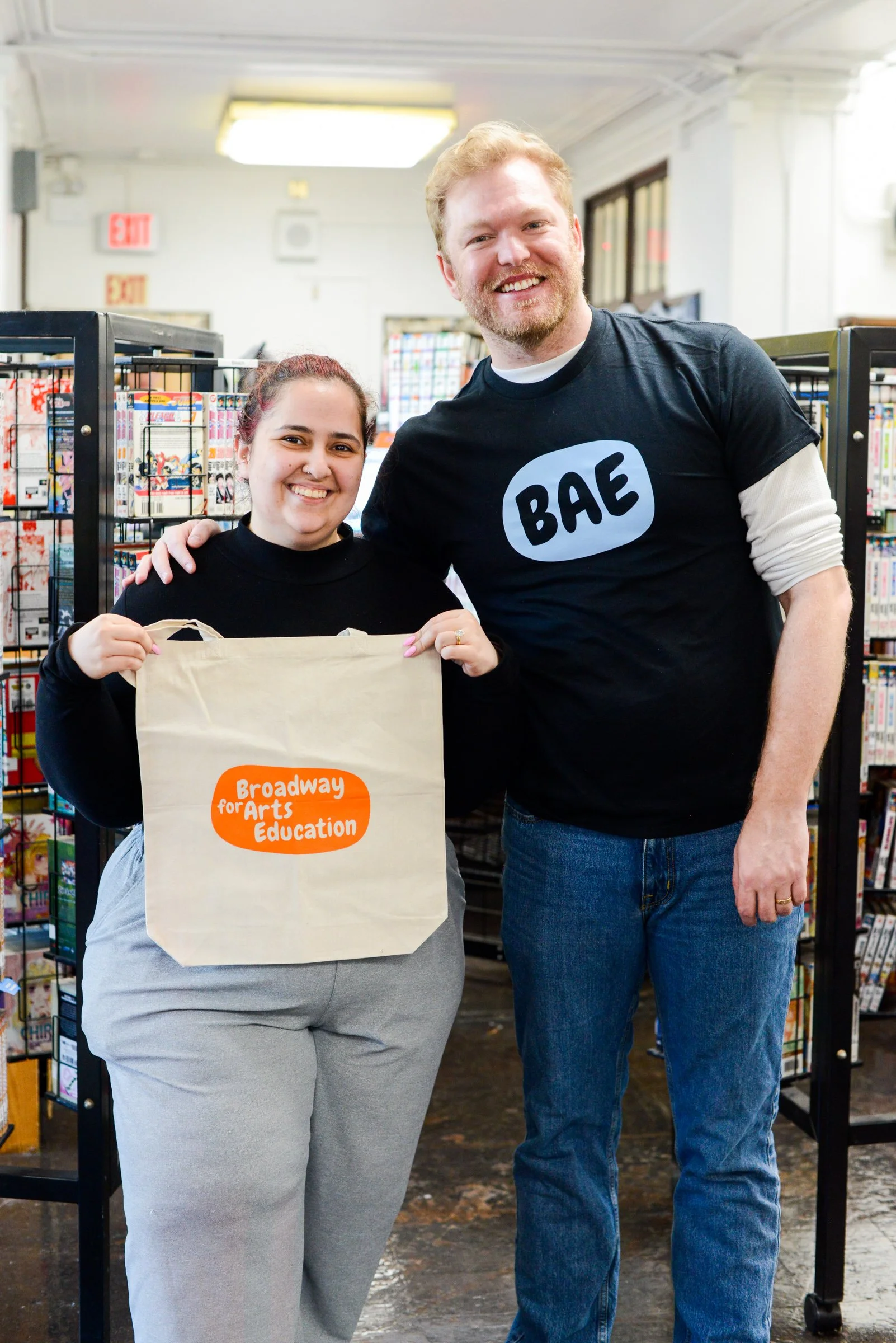
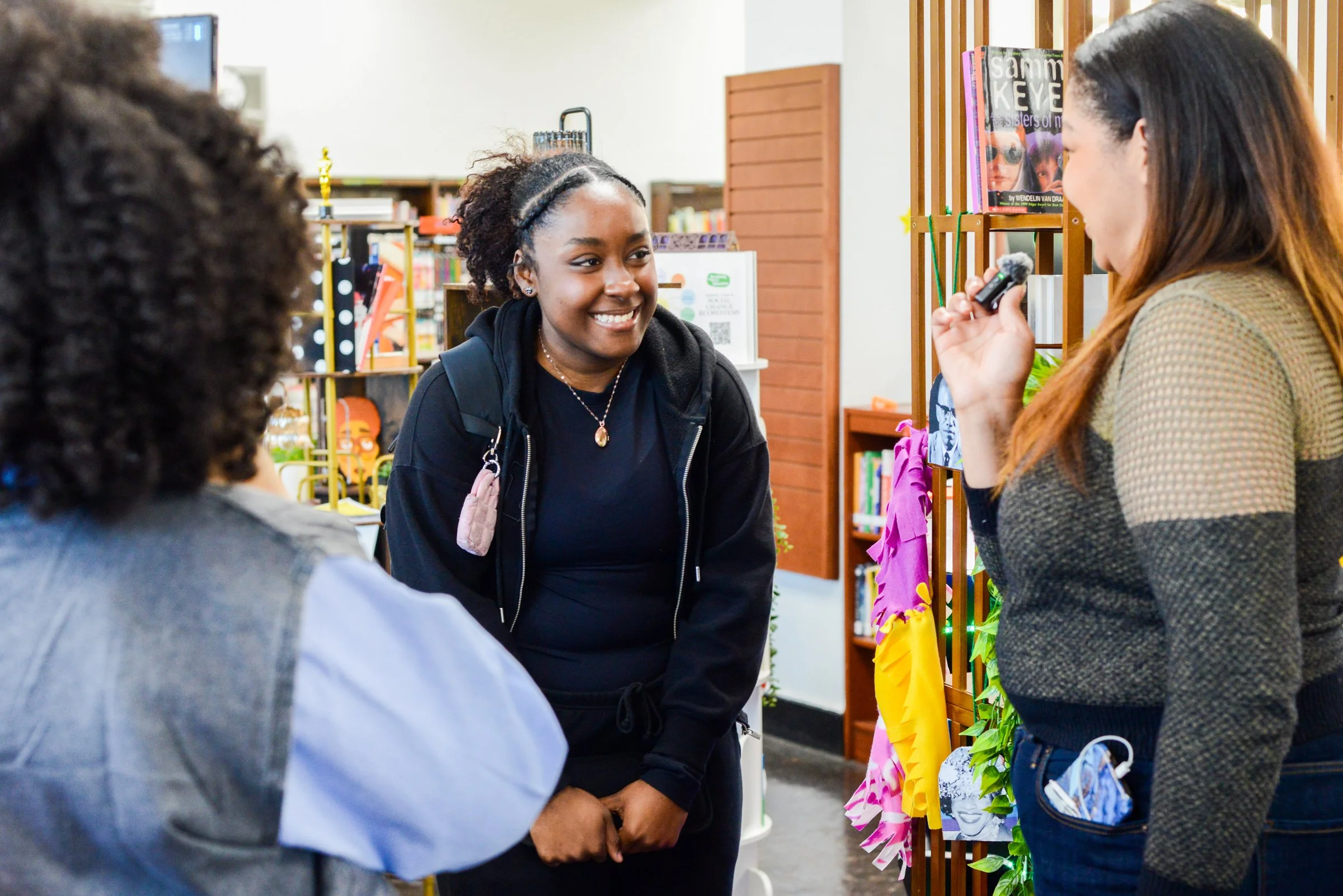
Students and Broadway Buddies pose with their completed immersive library project at the Academy of Government and Law in NYC
Finding a Place in the Ecosystem
Ask a group of young people how they want to change the world, and many will immediately begin listing careers.
A lawyer.
A doctor.
A teacher.
A politician.
An artist.
For students at the Urban Assembly Academy of Government and Law (AGL), a semester-long exploration of Deepa Iyer's Social Change Ecosystem framework offered a different question entirely.
Not what do you want to be?
But rather:
How do you want to contribute?
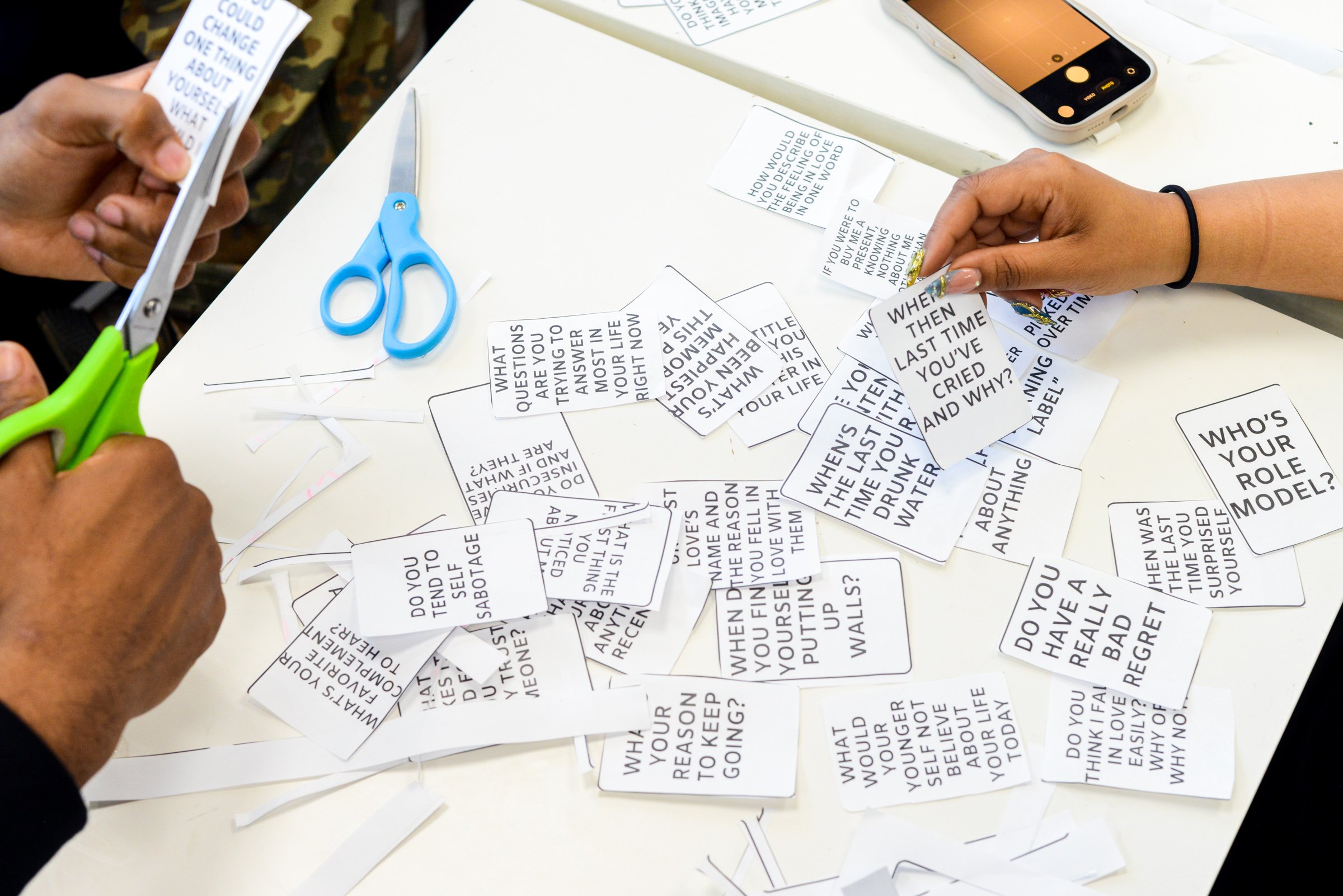
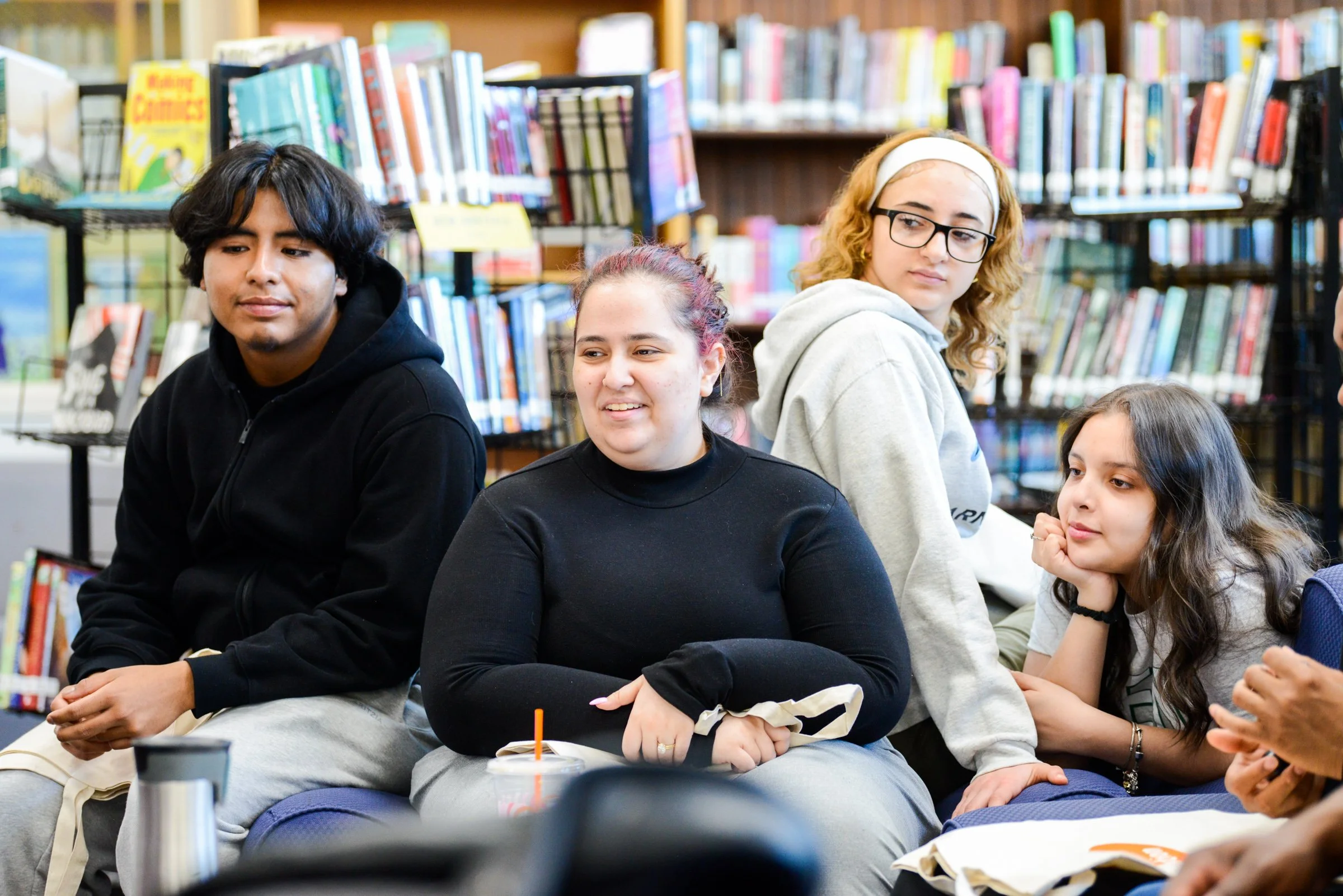
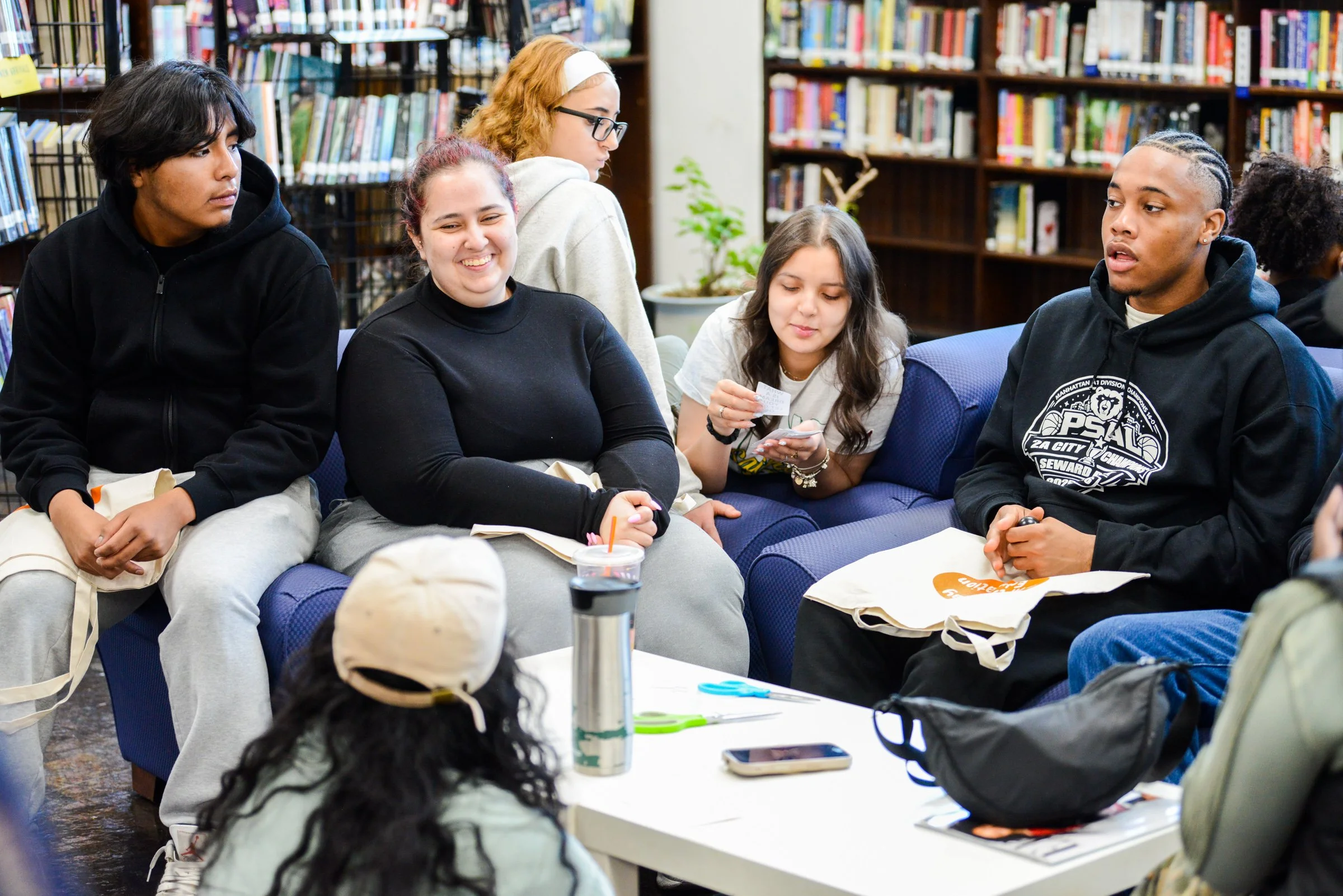
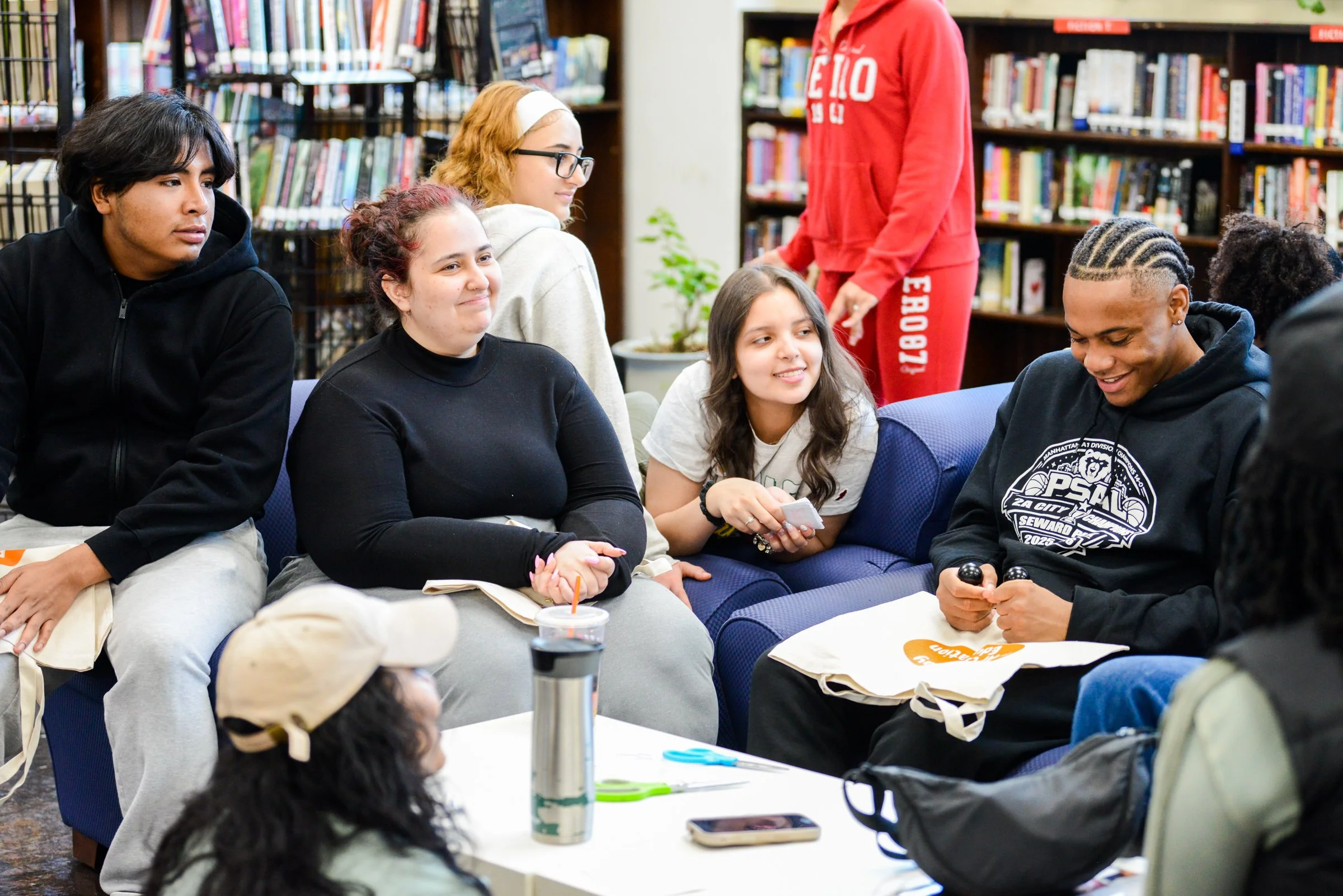
Throughout the spring, Broadway for Arts Education partnered with AGL's English Language Learners and Social Justice Visual Arts classes to explore storytelling, social change, identity, and civic engagement through an ambitious interdisciplinary project. Guided by Broadway Buddies, teaching artists, and classroom educators, students spent months investigating the many roles that individuals play in creating meaningful change in their communities.
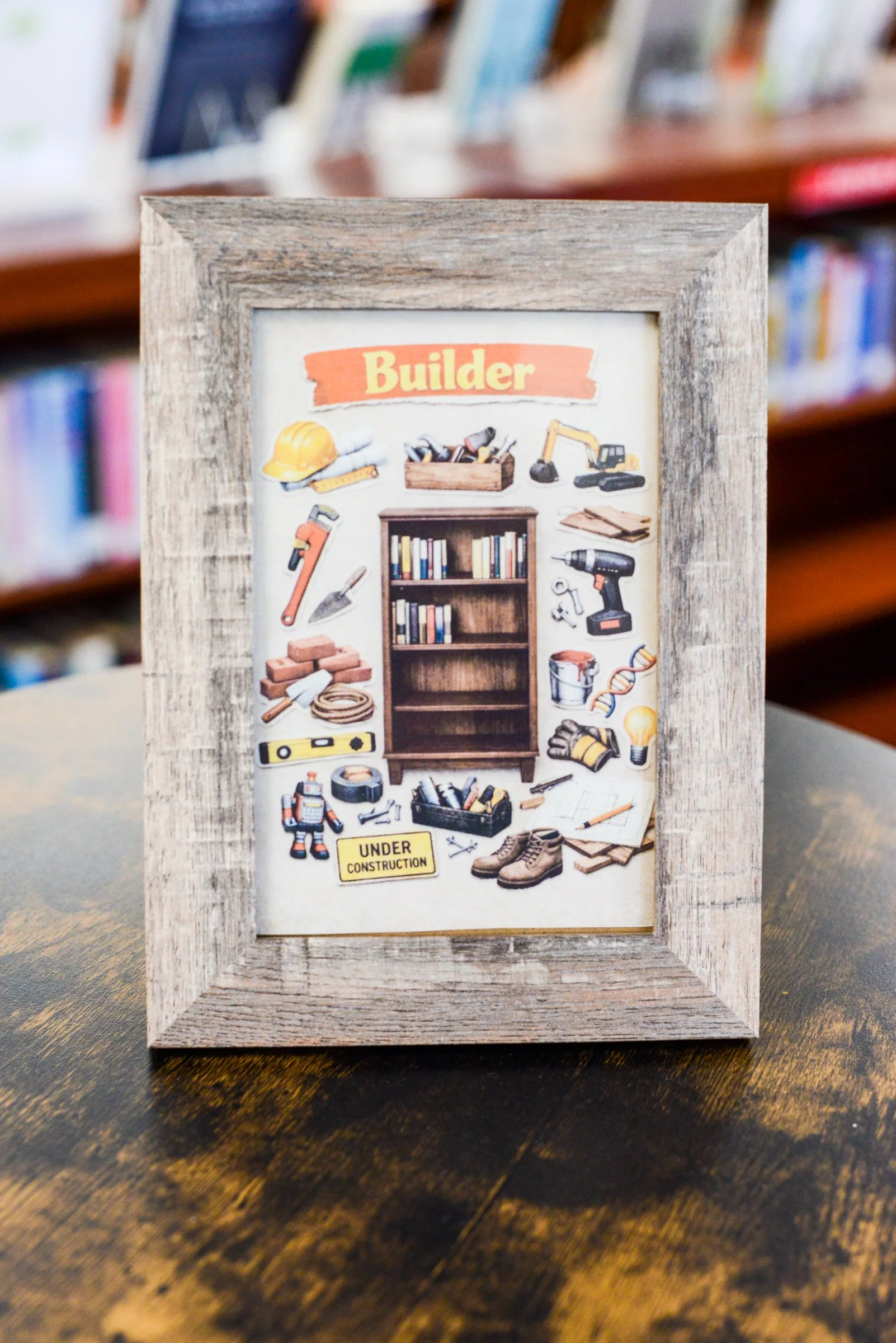
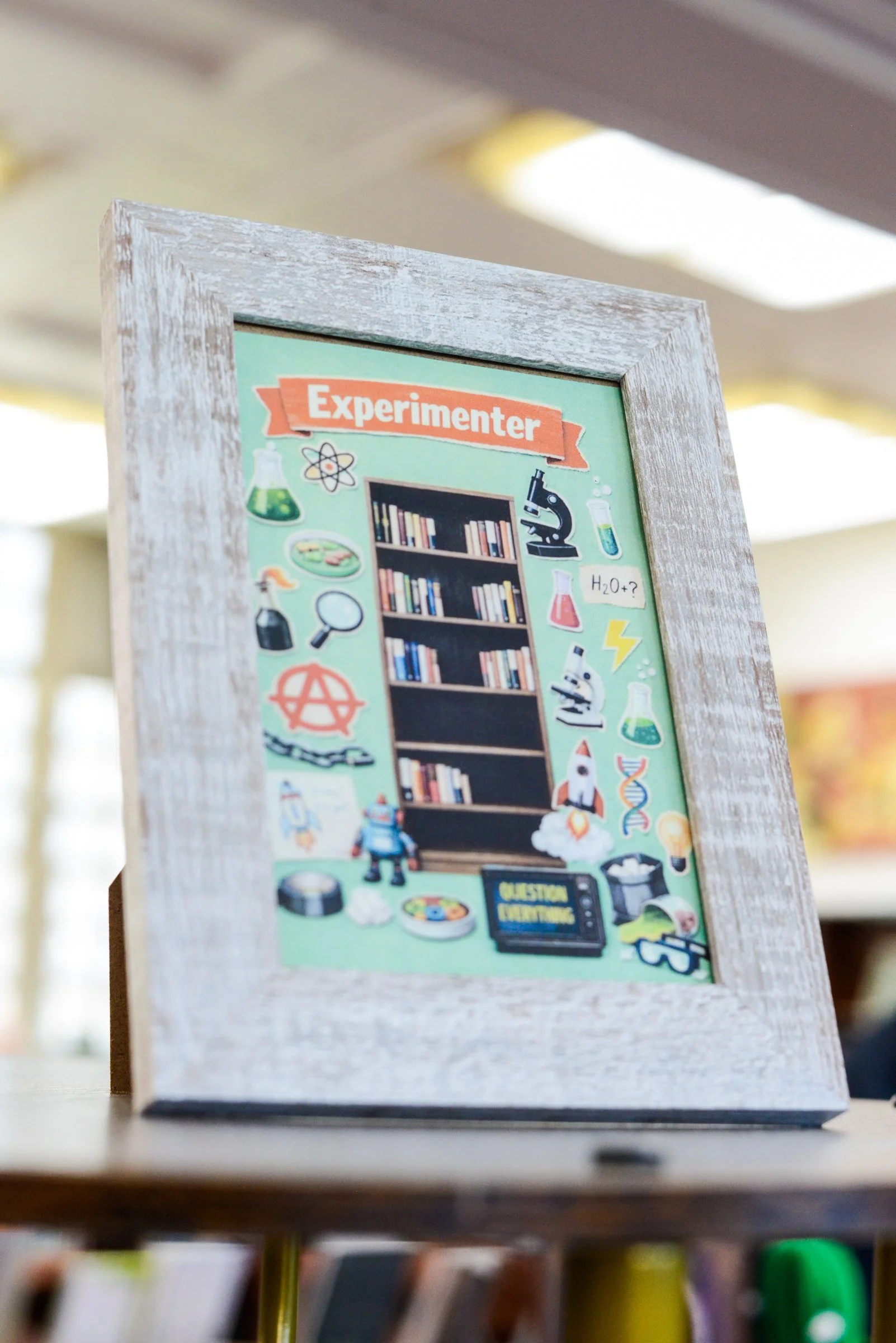
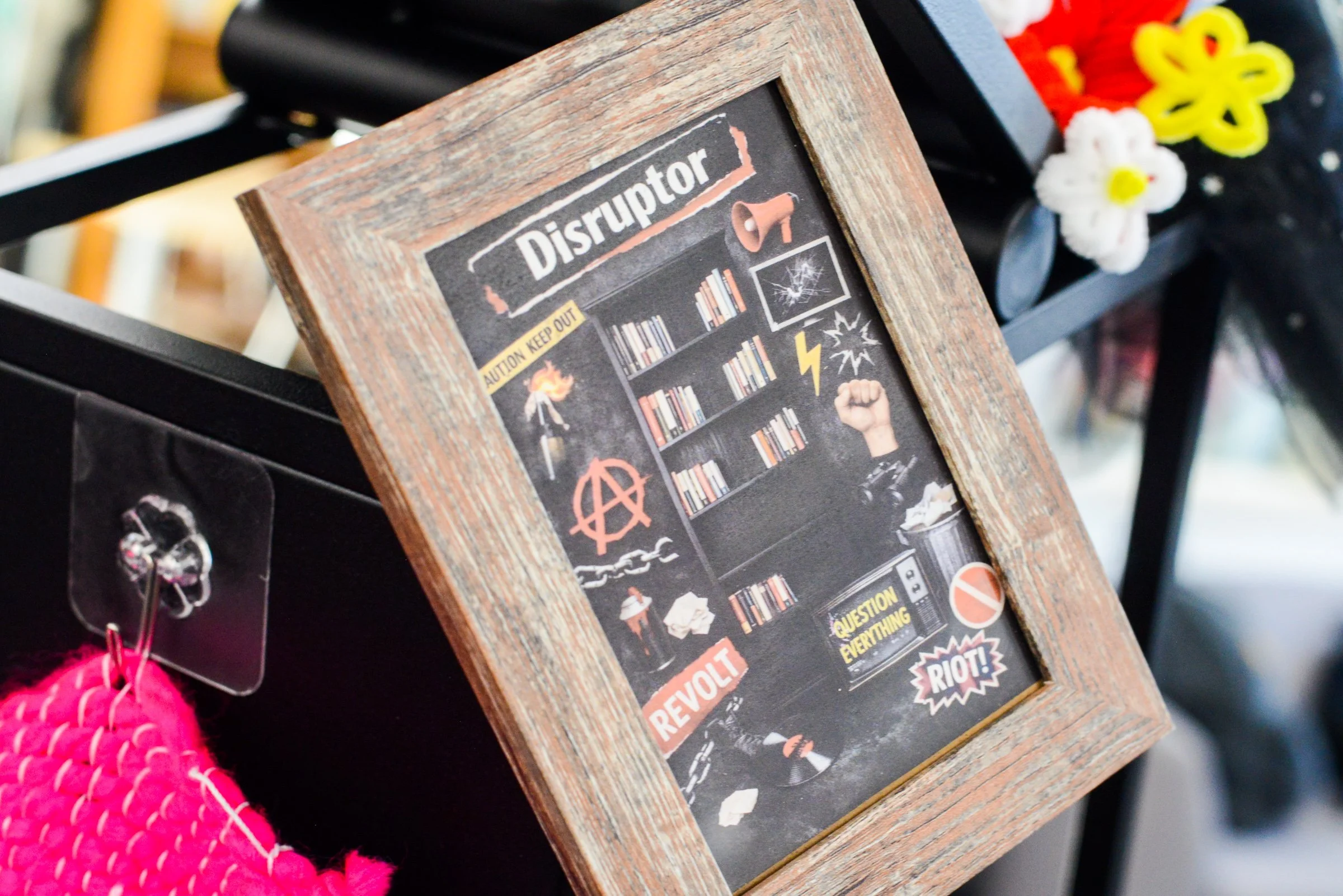
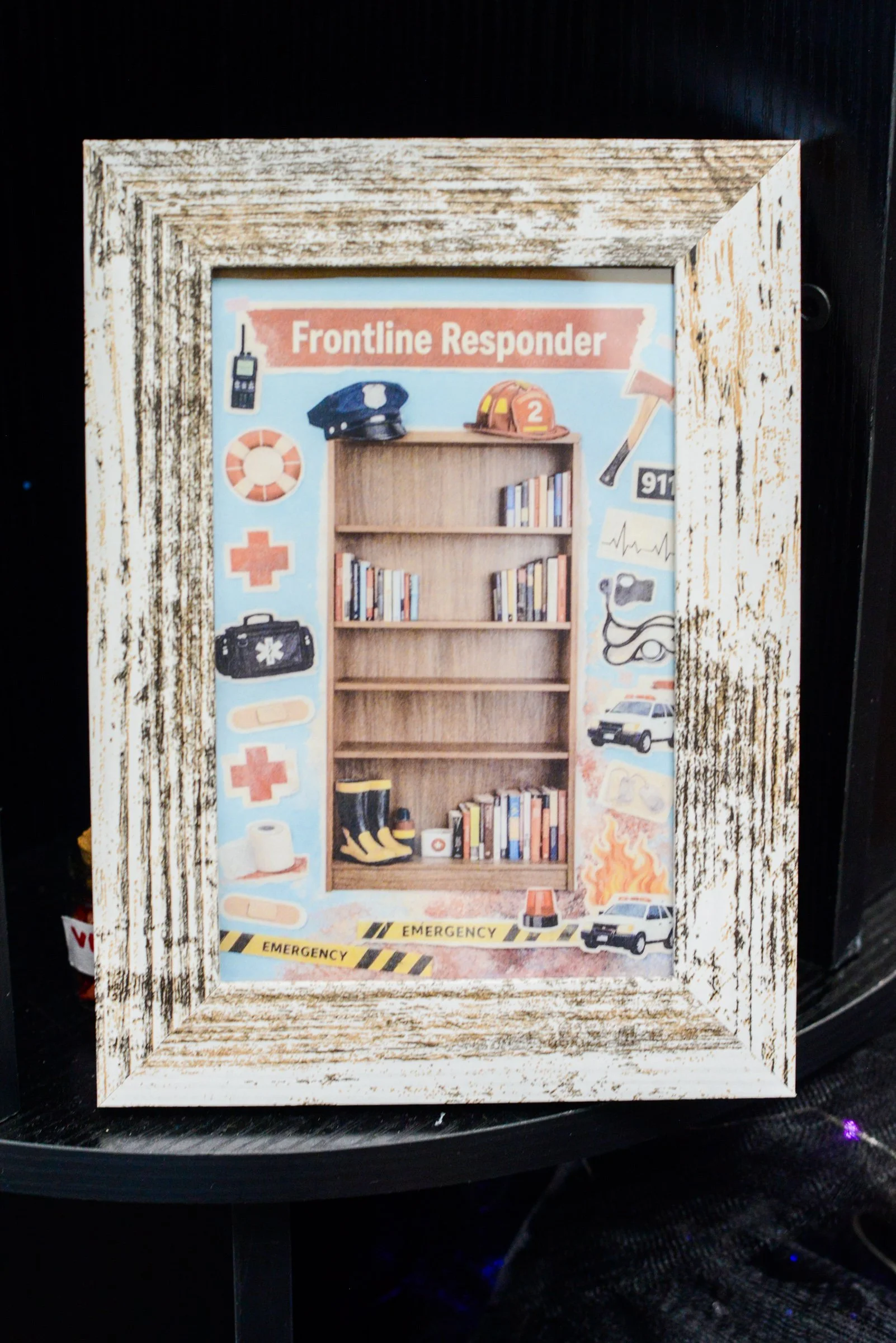
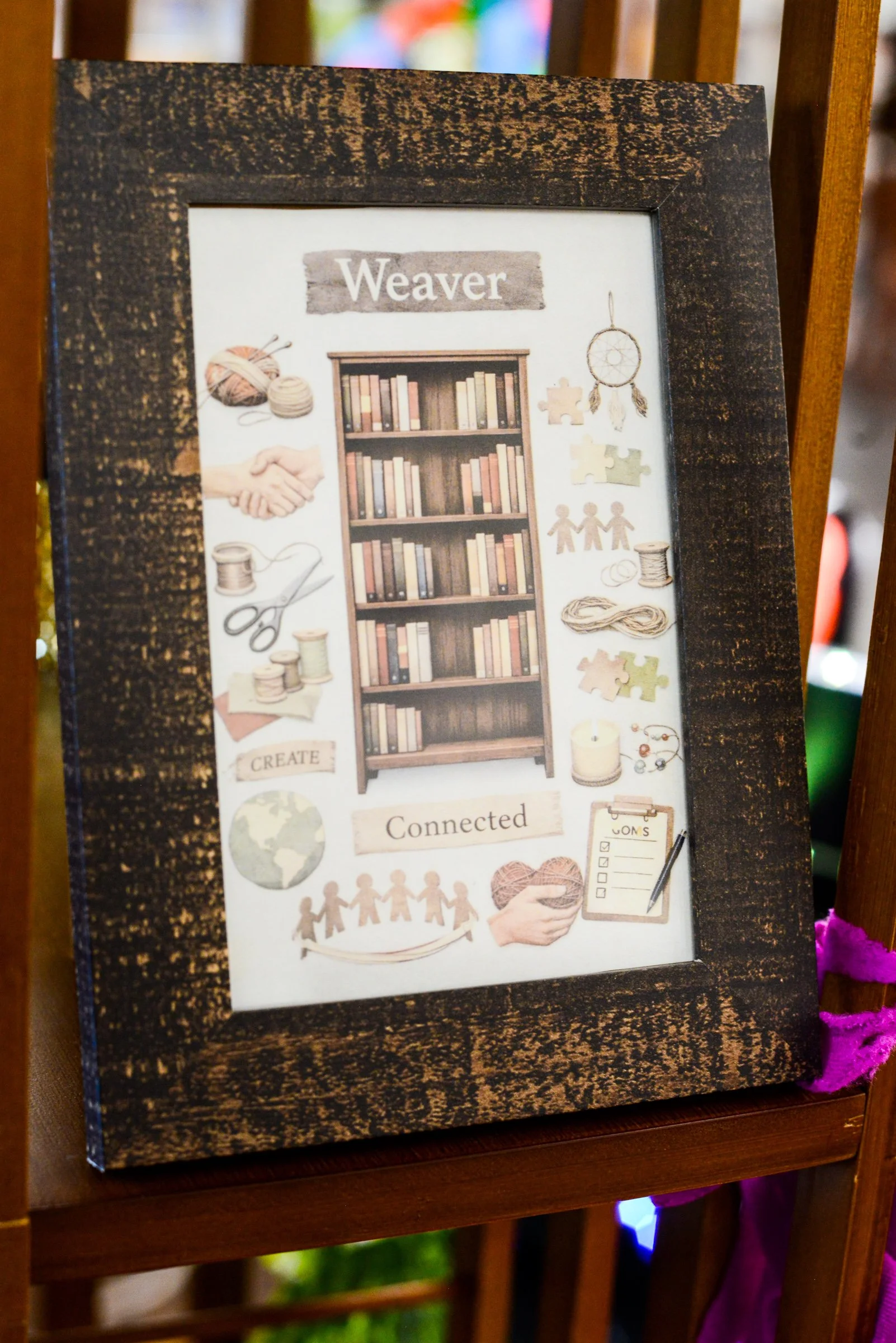
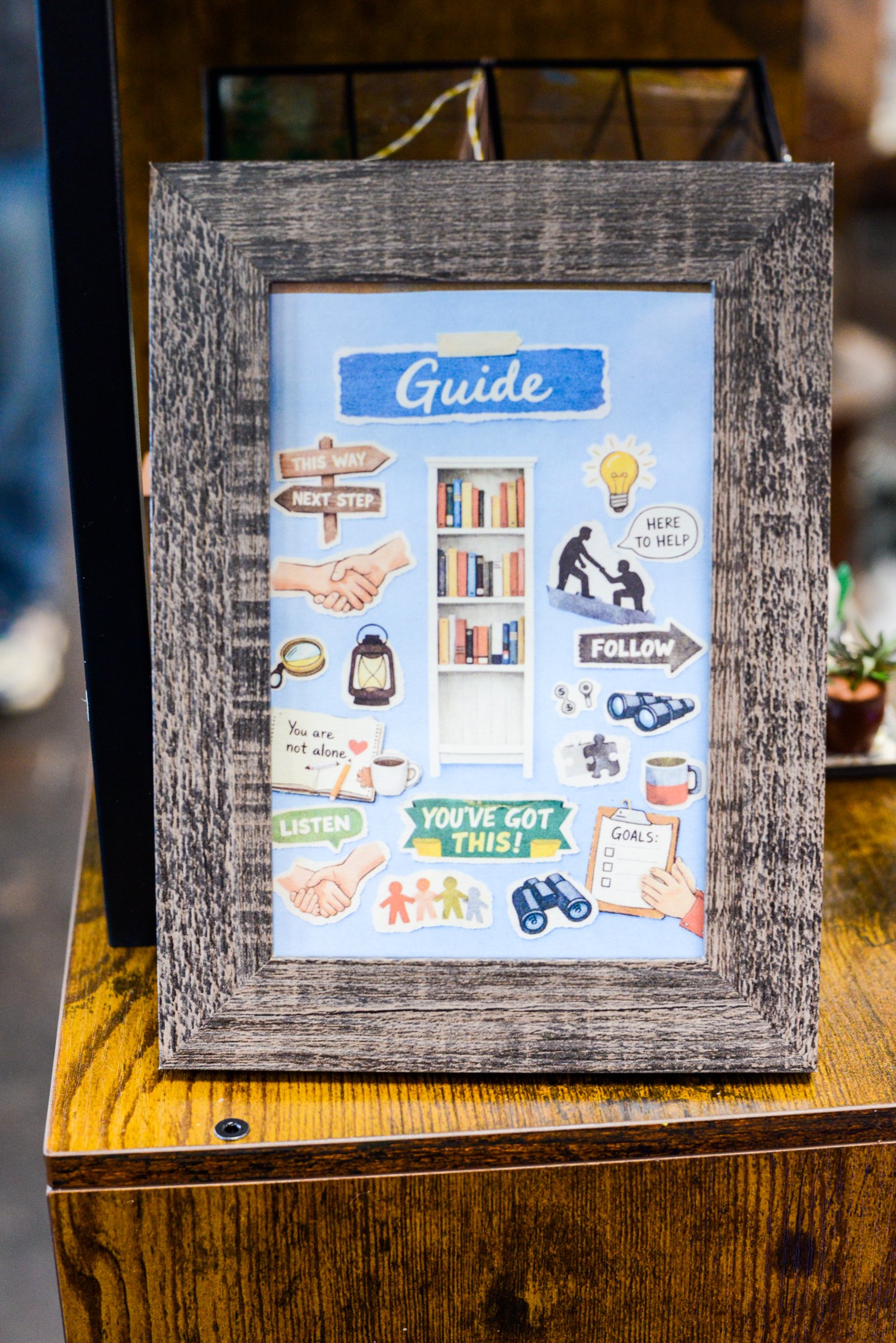
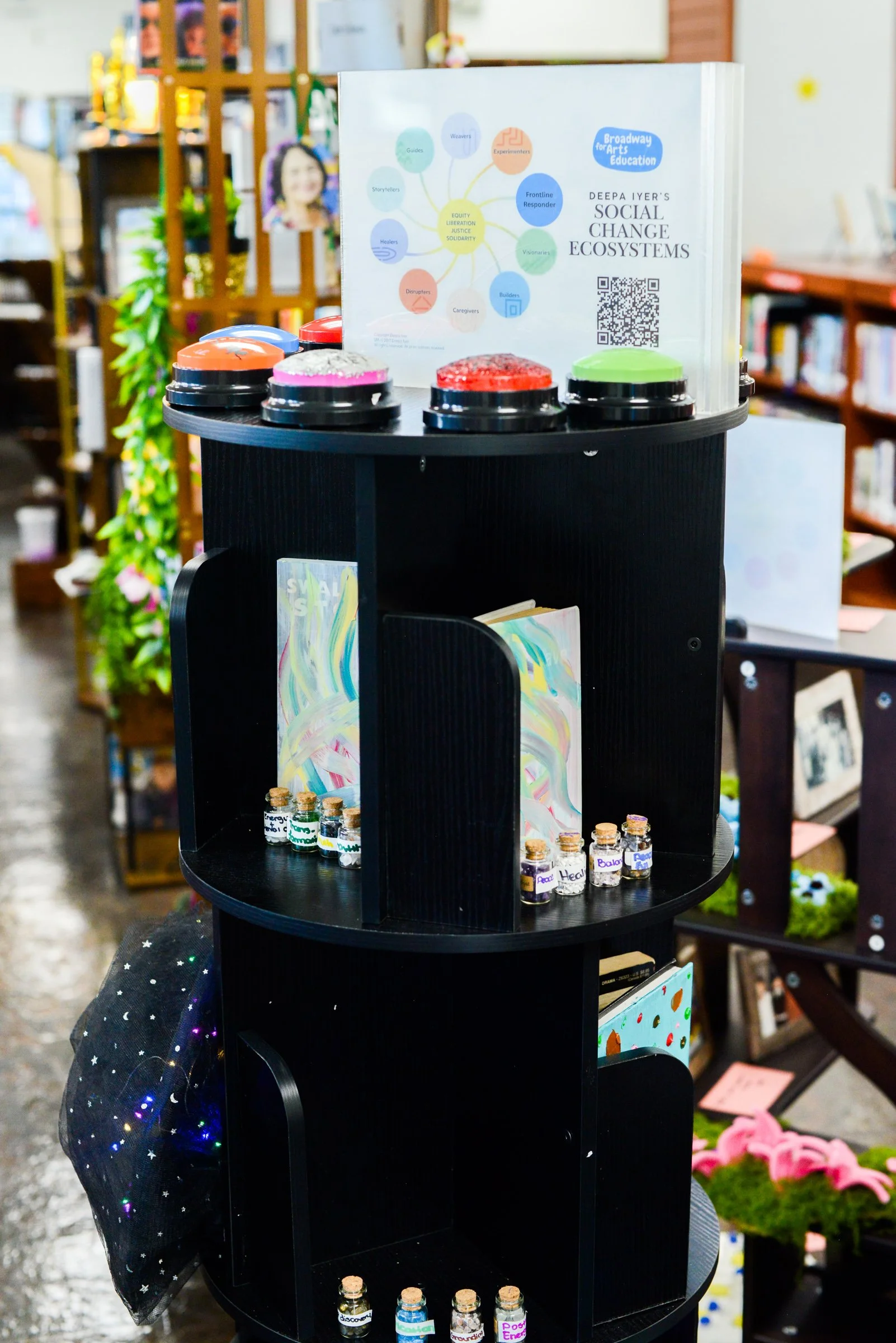
At the center of the project was Deepa Iyer's Social Change Ecosystem framework, a model that recognizes that social change requires many different kinds of contributors. Some people are Builders who create structures and systems. Some are Storytellers who shape narratives. Some are Weavers who connect people and communities. Others serve as Caregivers, Visionaries, Guides, Experimenters, Healers, Frontline Responders, or Disrupters. Each role brings unique strengths, and lasting change depends on all of them working together.
For many students, this framework offered a new way of understanding themselves.
Rather than asking students to fit into a predetermined mold, the project invited them to reflect on their own strengths, interests, values, and aspirations. Students considered where they naturally gravitated within the ecosystem and how their individual gifts might contribute to something larger than themselves. The framework gave language to questions that many young people are already wrestling with: What am I good at? What do I care about? What kind of impact do I want to have? Where do I fit?
The answers emerged gradually through conversation, experimentation, and relationship-building.
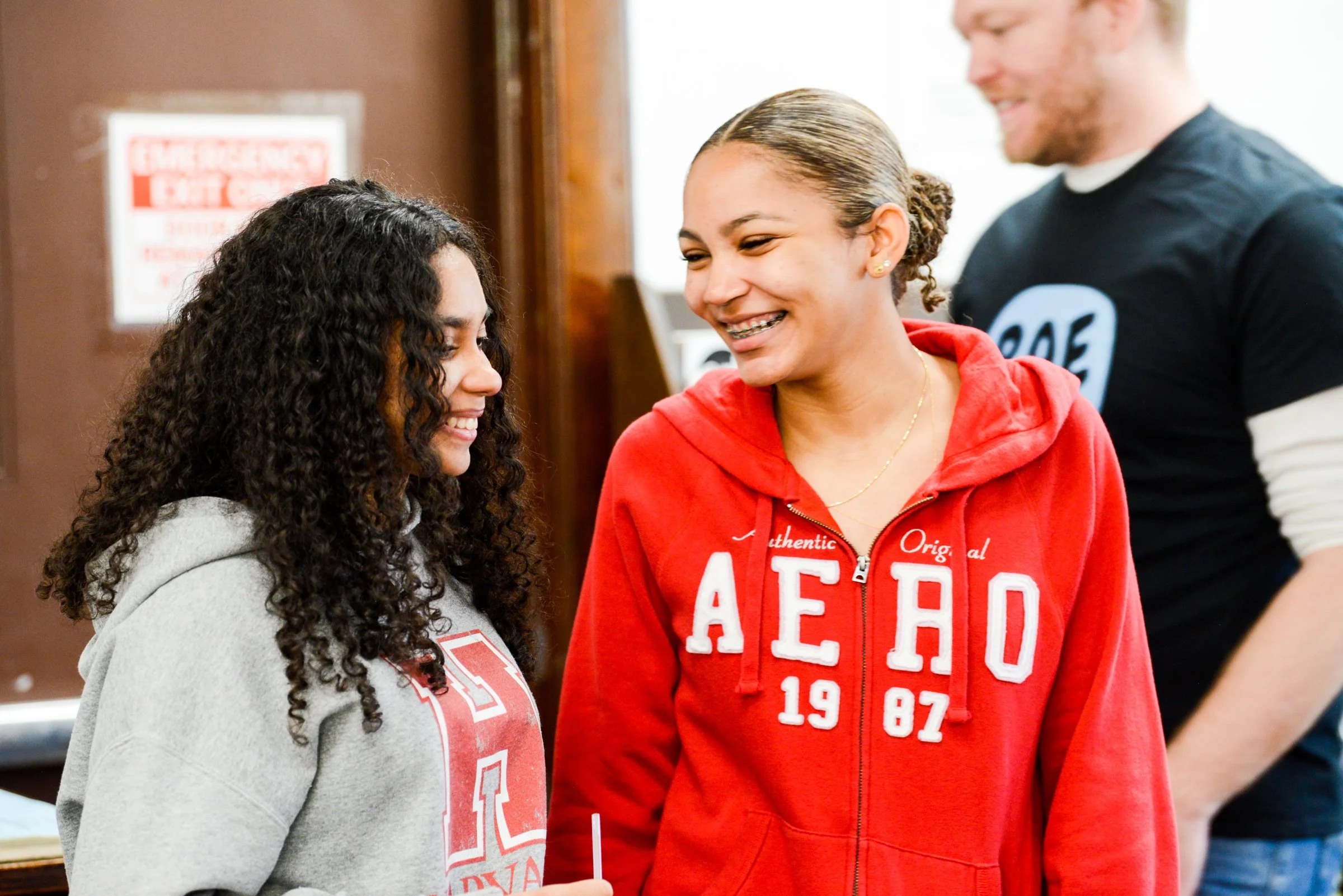
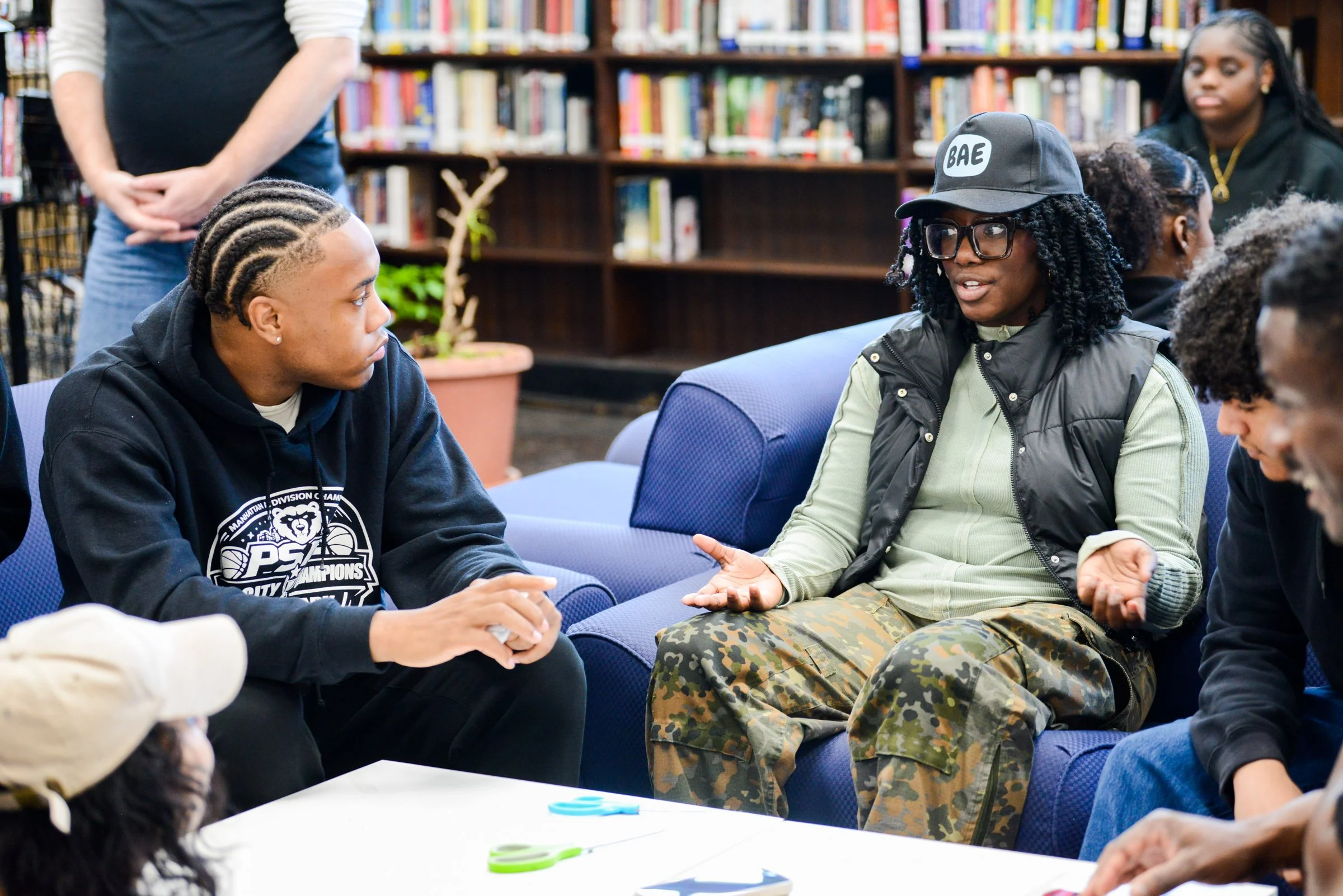
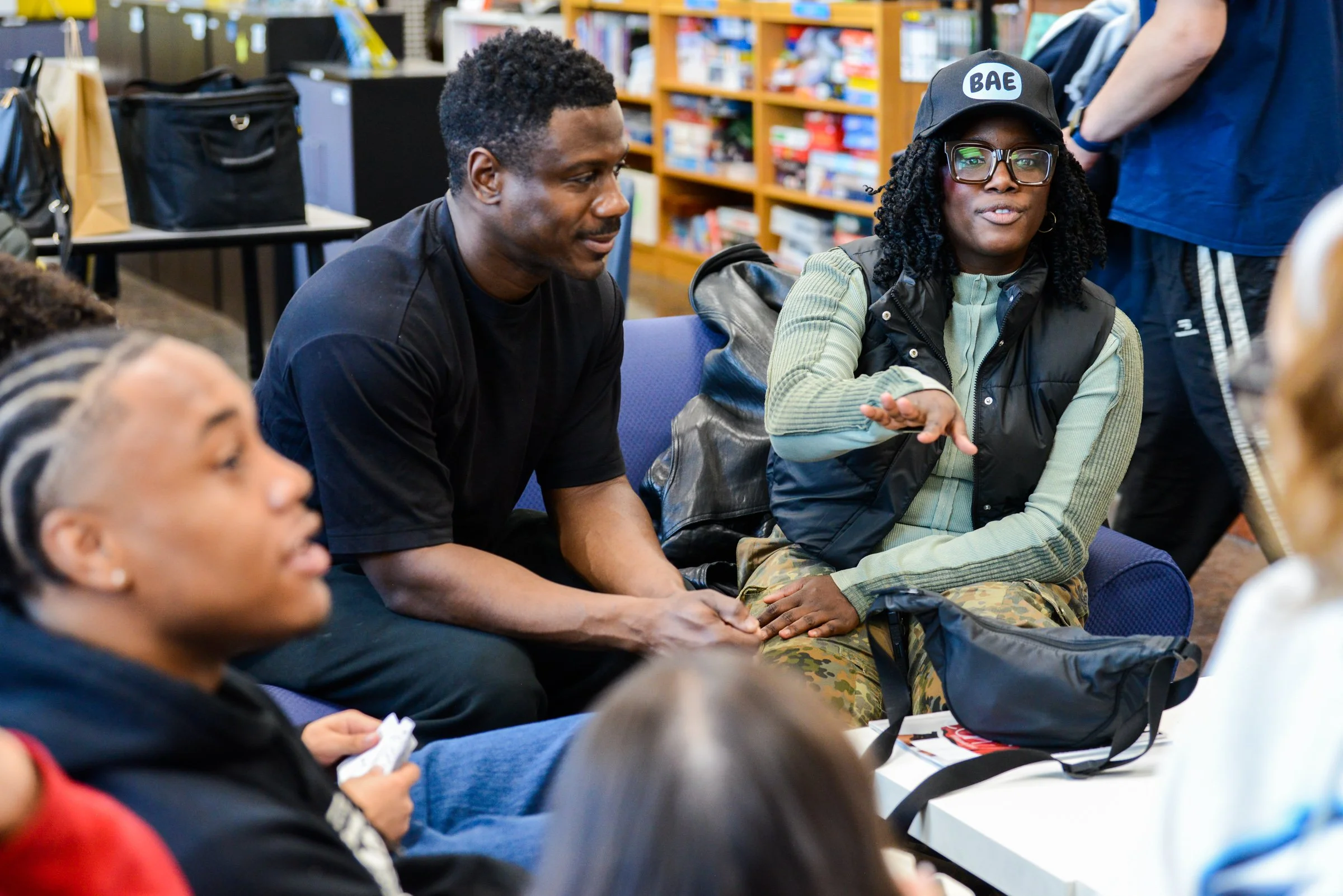
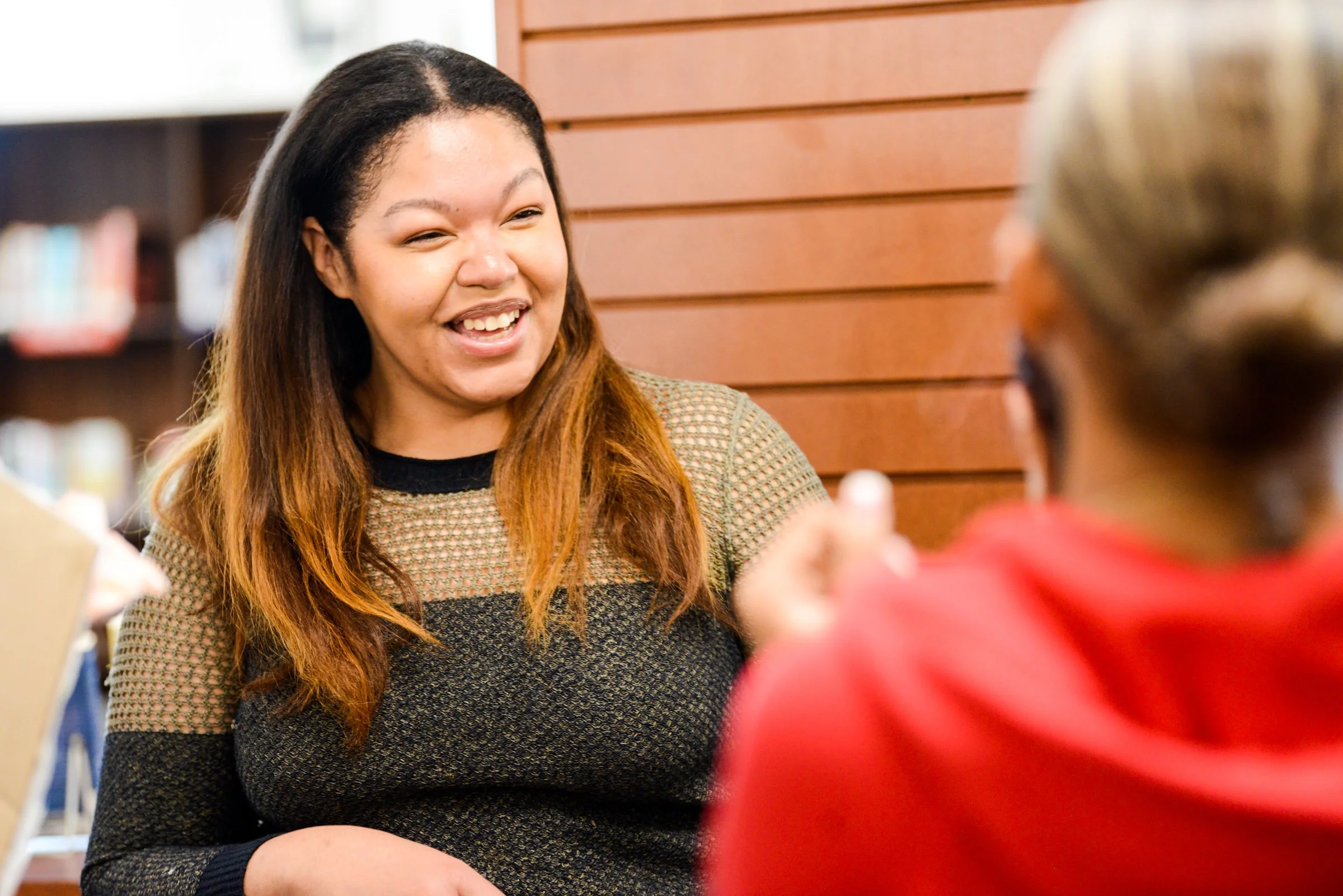
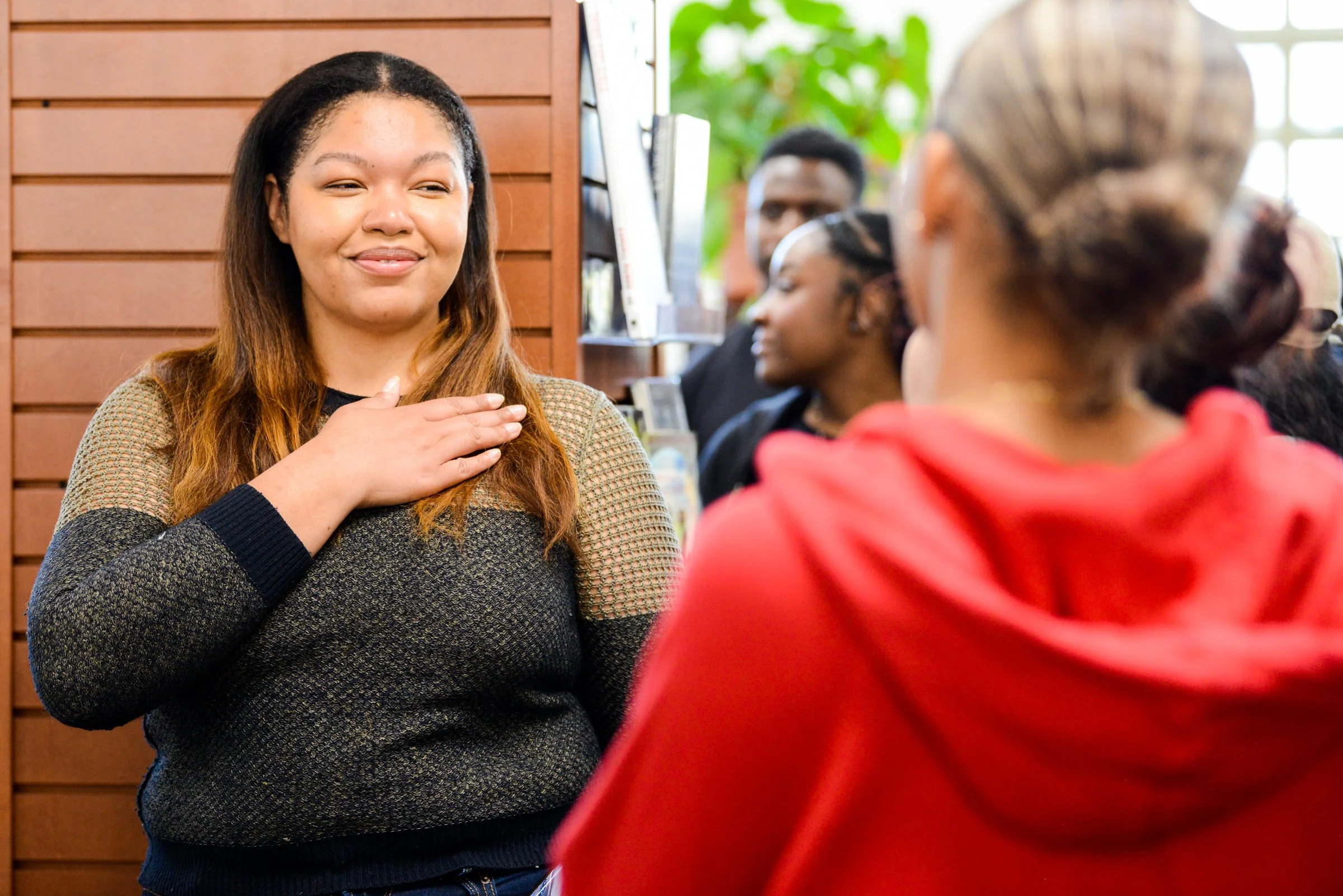
From January through May, Broadway Buddies worked alongside students, leading community-building activities, facilitating theater games, and helping establish a classroom culture rooted in trust and curiosity. As the semester progressed, their role evolved. Rather than directing students toward predetermined outcomes, the Buddies became mentors, thought partners, and guides. They asked questions, encouraged reflection, and supported students as they developed their own ideas.
Some of the most meaningful learning happened during moments that could never appear on a syllabus.
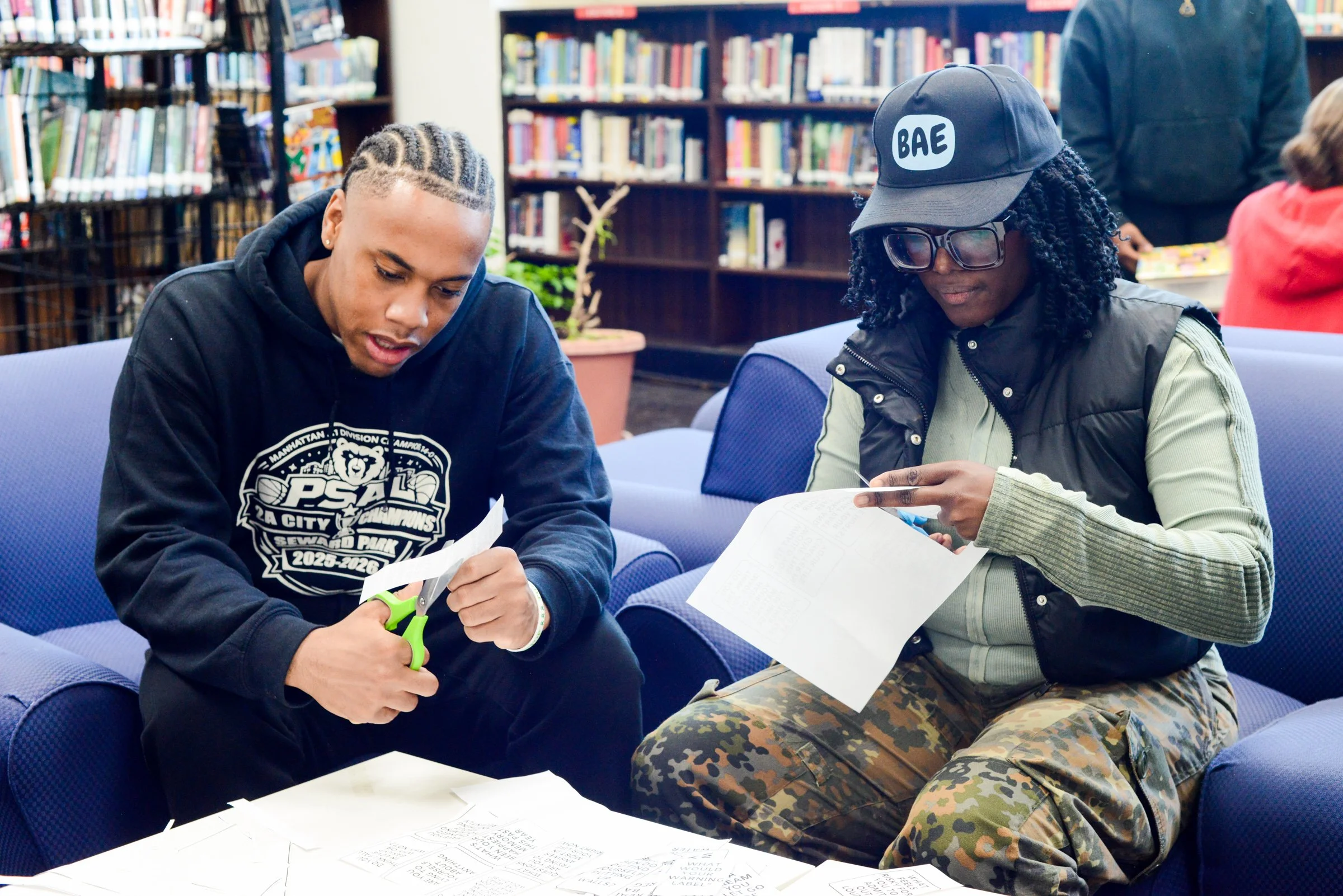
It happened while students worked side by side on a project. It happened through conversations sparked by a shared challenge. It happened when a Broadway Buddy offered encouragement during a frustrating moment or helped a student think through an idea from a new perspective. The social and emotional development that occurs when people are building something together is difficult to quantify, but it was visible throughout the semester. Relationships deepened. Confidence grew. Students became increasingly willing to share ideas, ask questions, and take ownership of their work.
That ownership became especially apparent during the construction phase of the project.
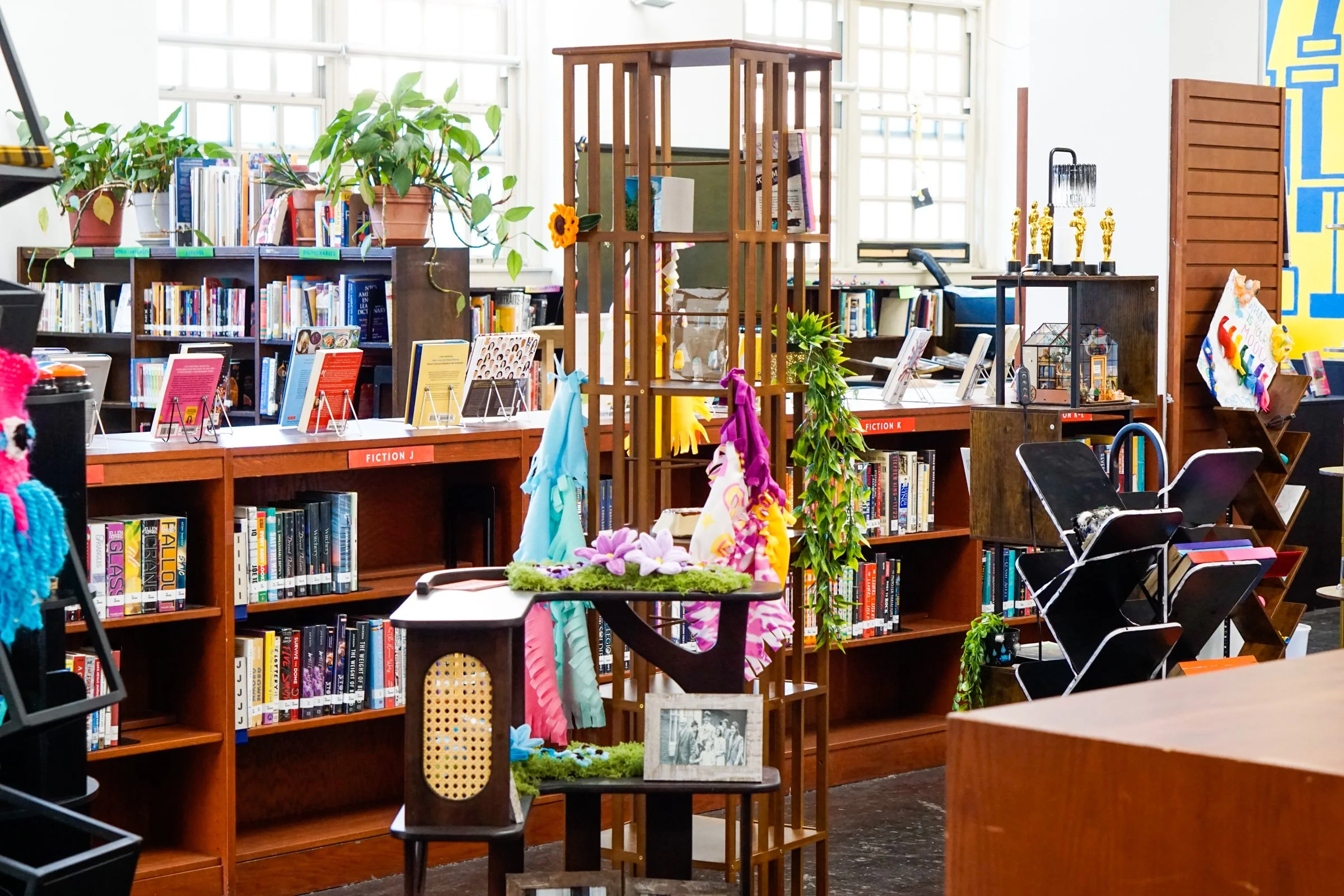
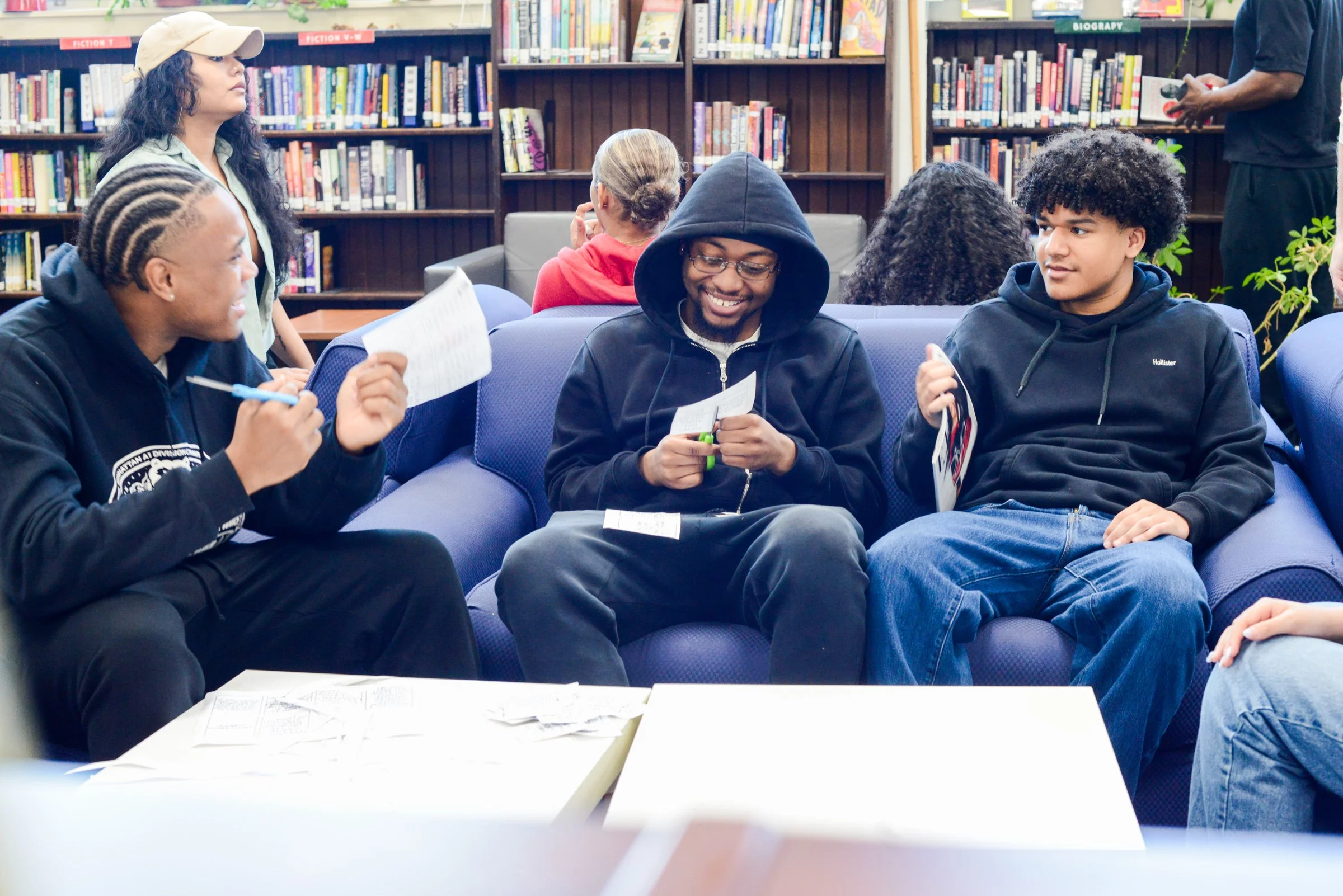
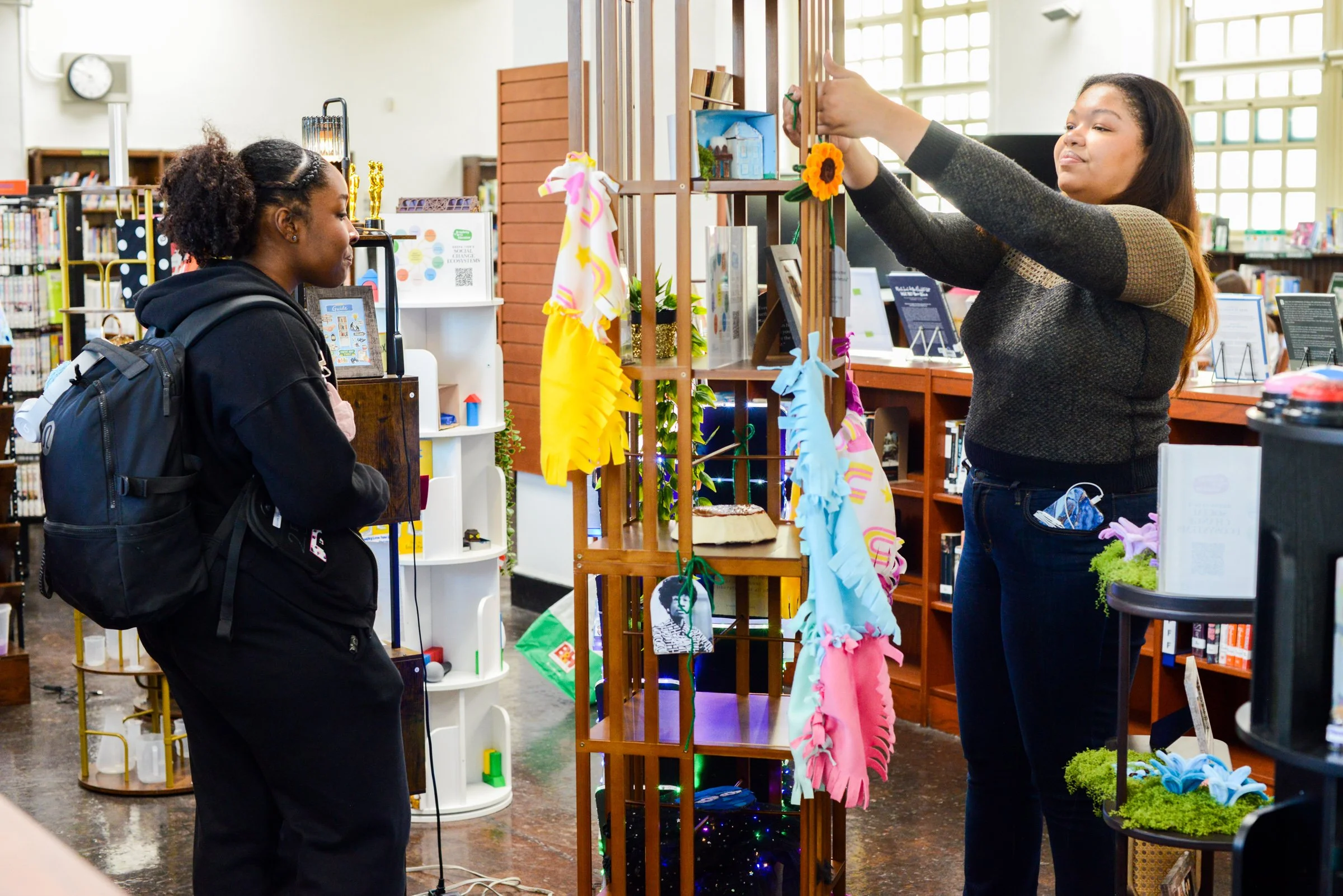
After spending time exploring the Social Change Ecosystem framework, students were tasked with building ten bookshelves, each representing one of the ecosystem's roles. What might have seemed like a straightforward construction project quickly became one of the most engaging phases of the entire semester.
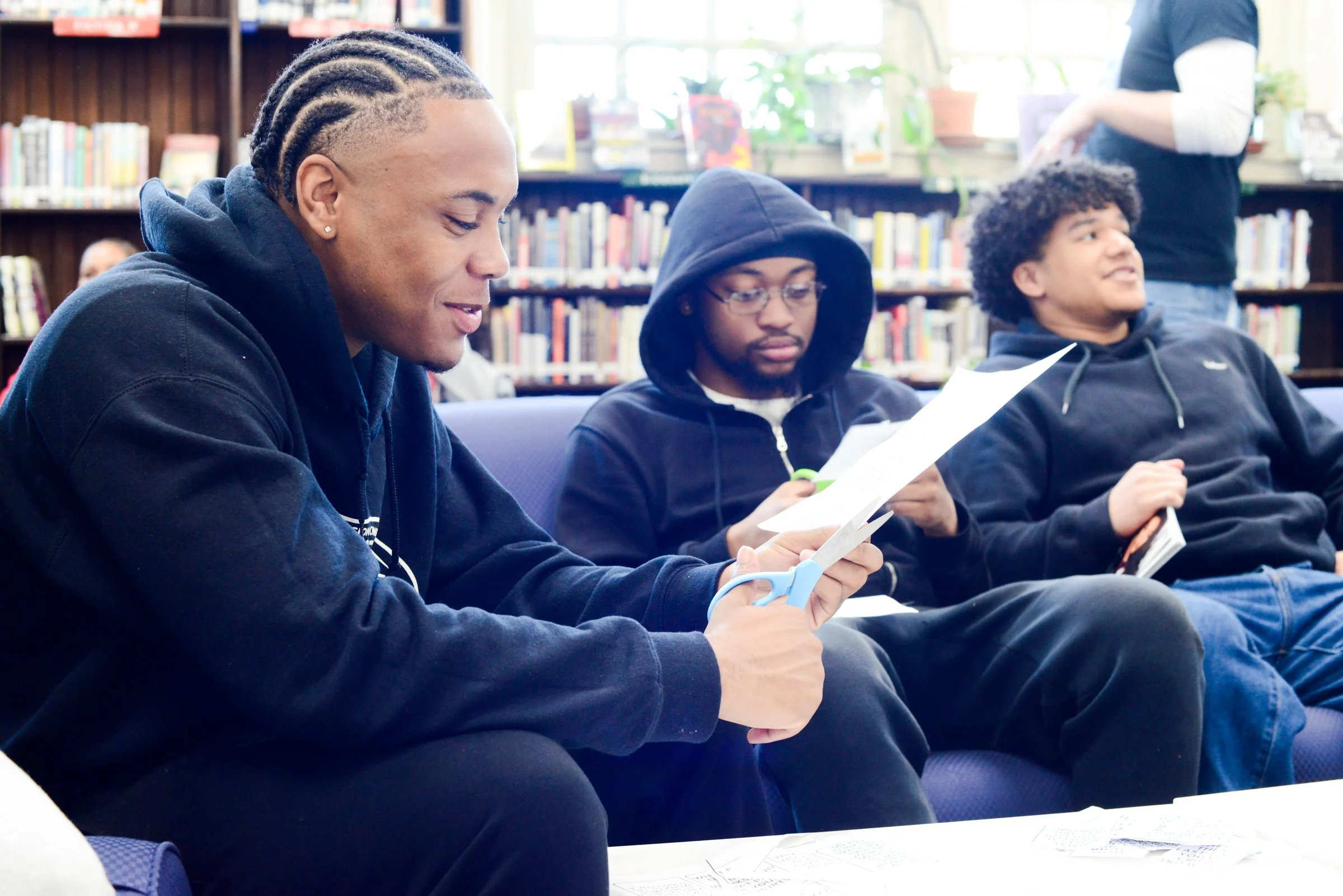
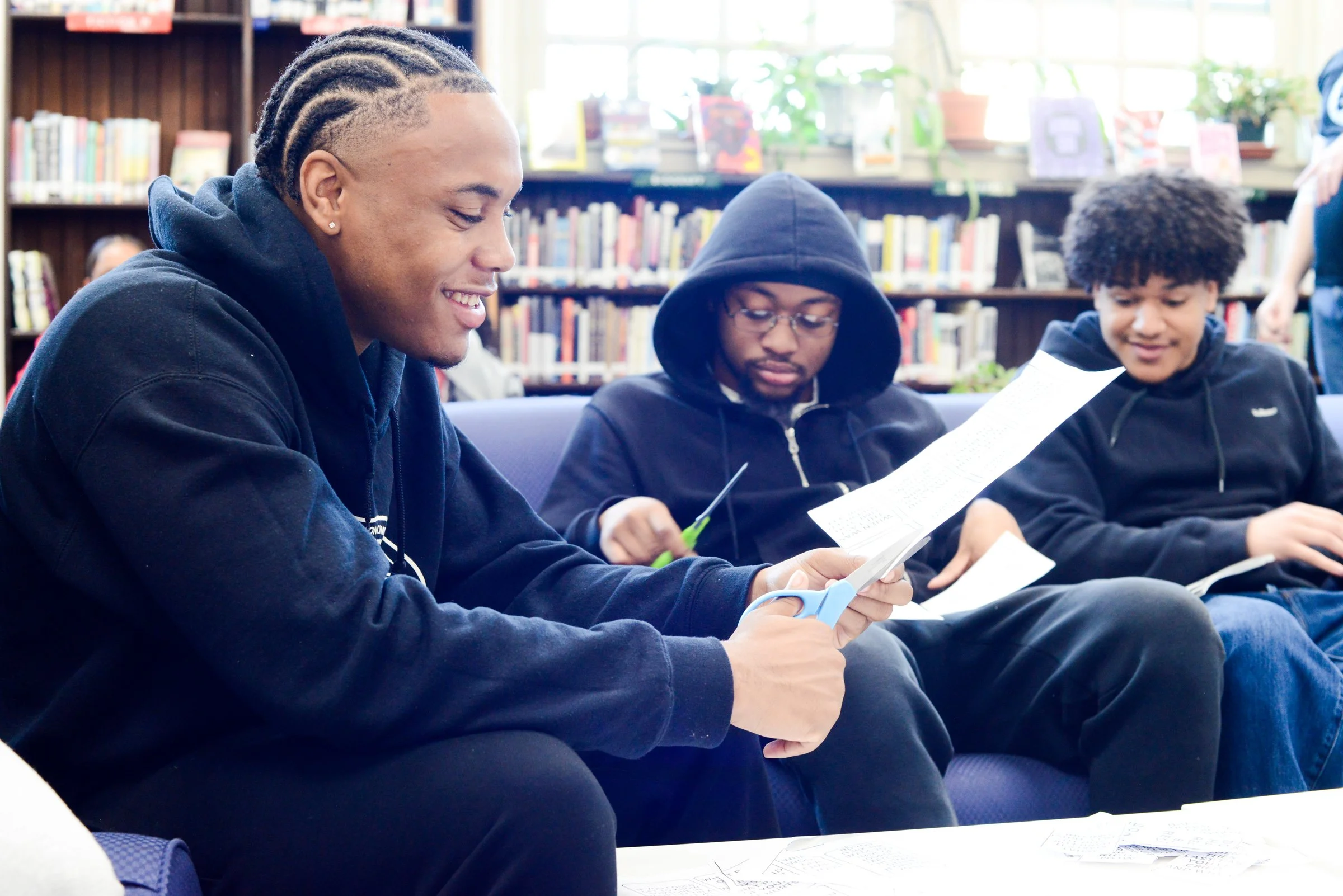
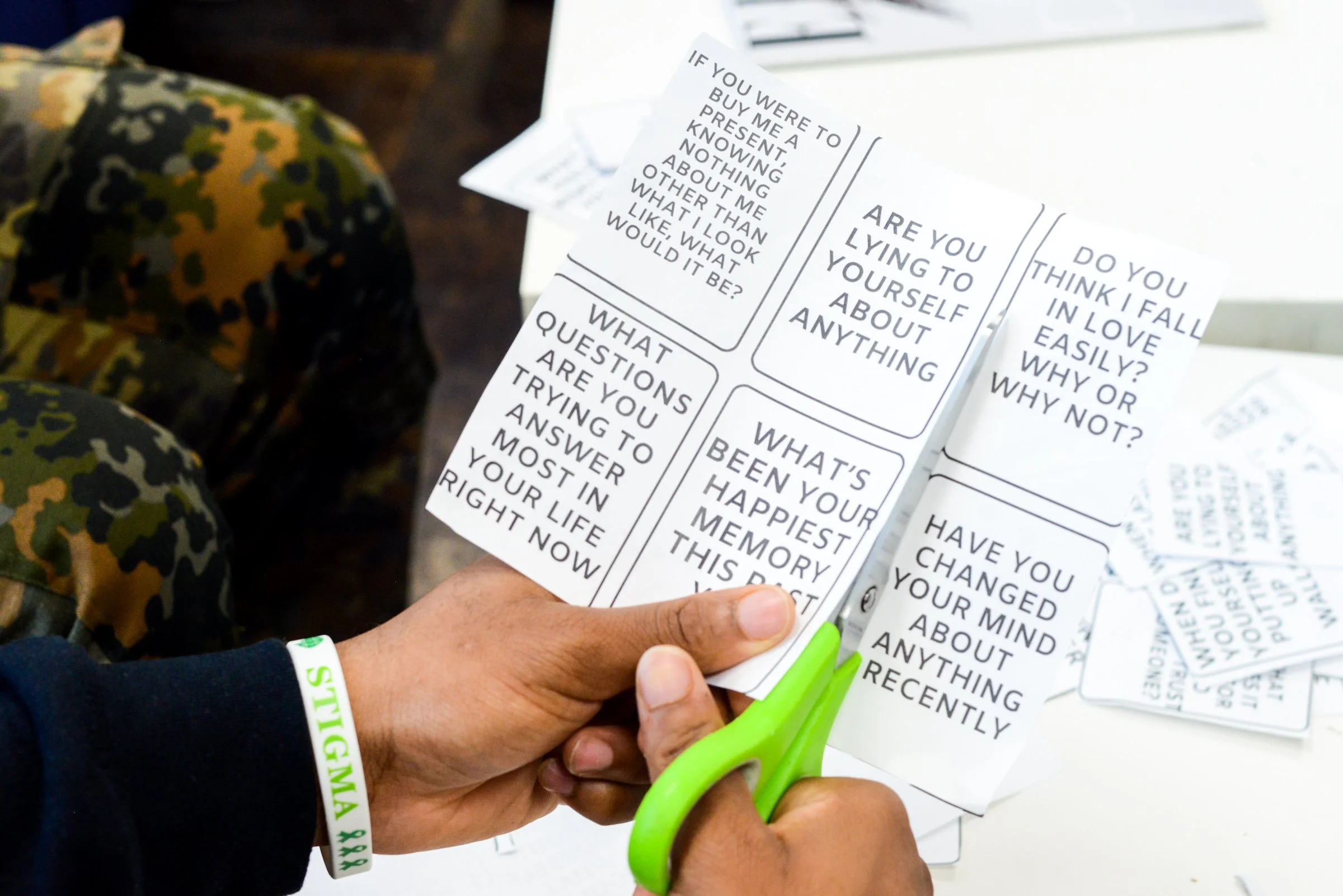
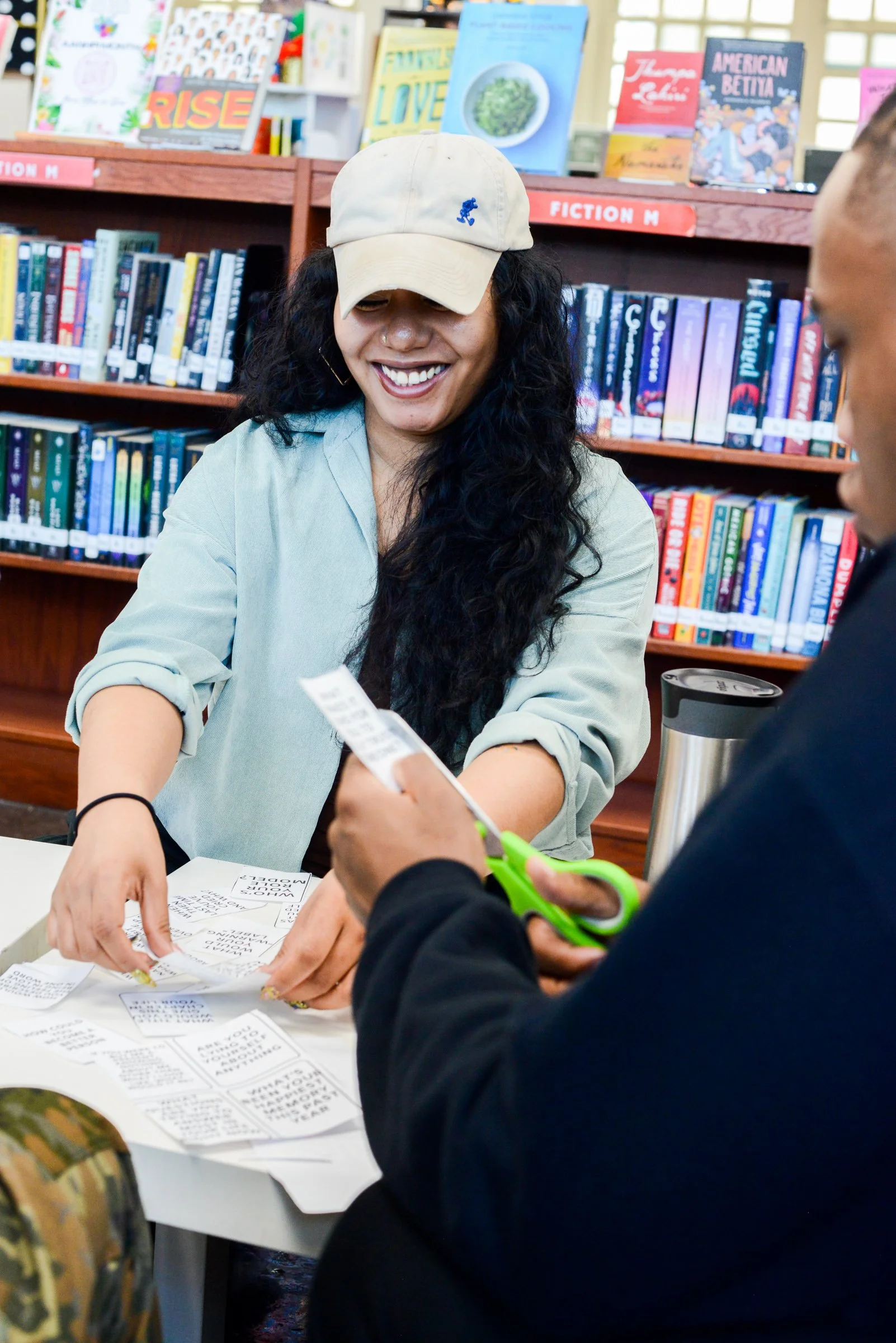
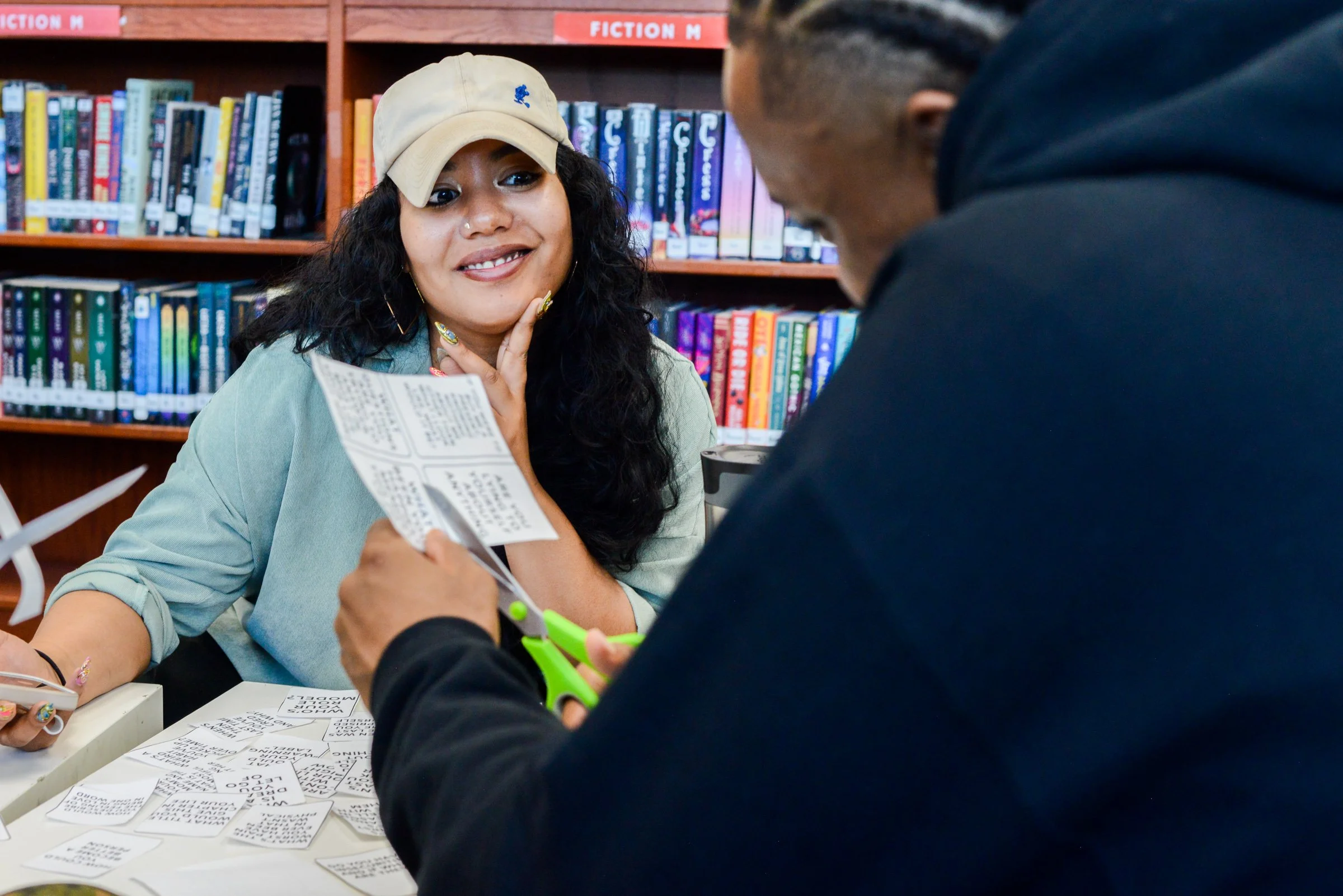
Students eagerly studied instructions, collaborated on assembly, and worked through challenges with remarkable persistence. When tools were unavailable, they improvised. One student famously resorted to using a pair of scissors as a makeshift screwdriver while waiting for the proper equipment to arrive. Mistakes were treated as problems to solve rather than reasons to stop. Students who might normally become discouraged by minor setbacks demonstrated resilience, patience, and determination as they worked toward a shared goal.
There was something profoundly rewarding about creating something tangible.
In a school environment where much of learning can feel abstract or disconnected from immediate outcomes, building the bookshelves offered students an opportunity to see their effort transformed into something real. Each completed shelf represented progress. Each obstacle overcome built confidence. The process demanded collaboration, perseverance, and problem-solving while providing an immediate sense of accomplishment.
More importantly, the bookshelves would become the foundation for something larger.
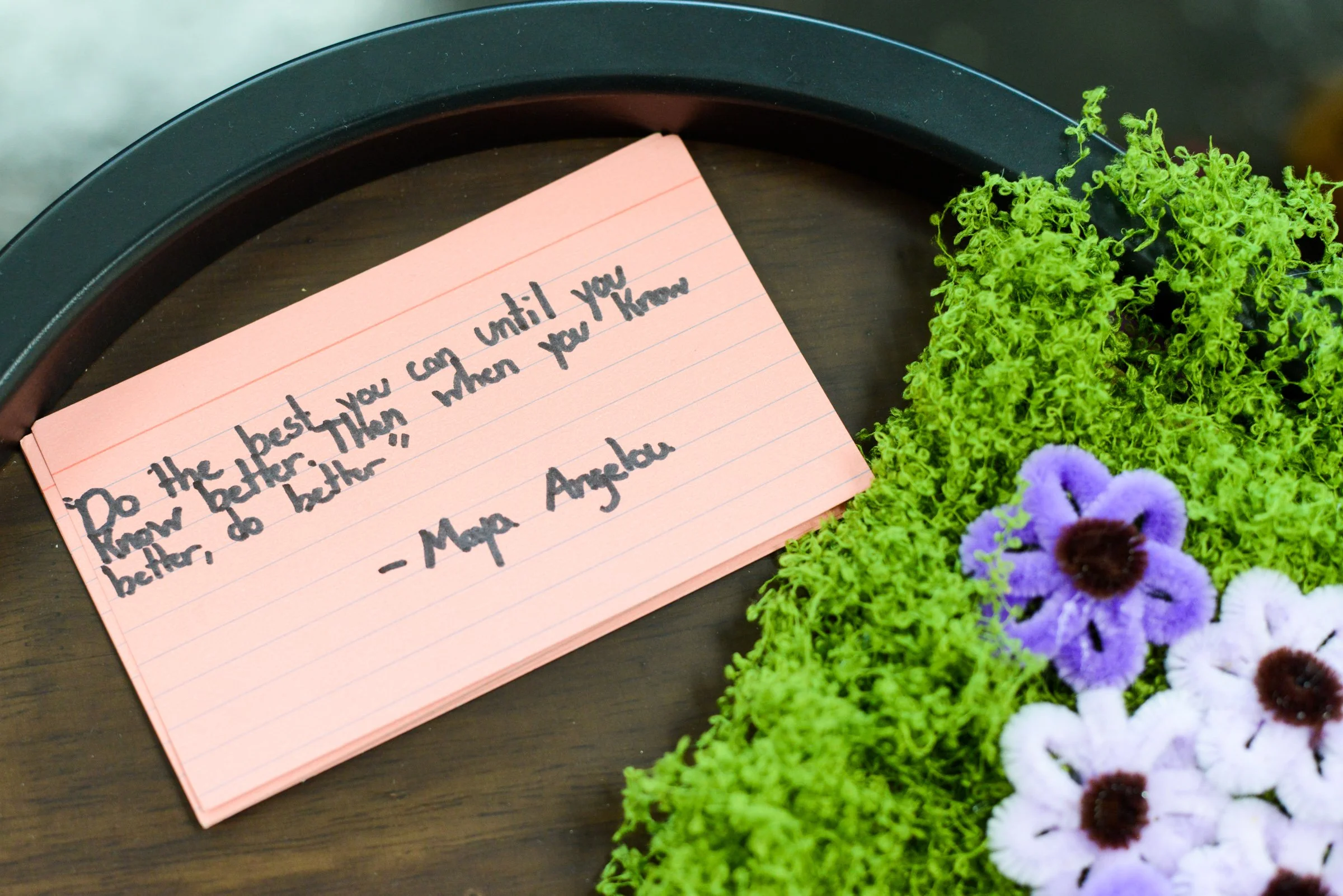
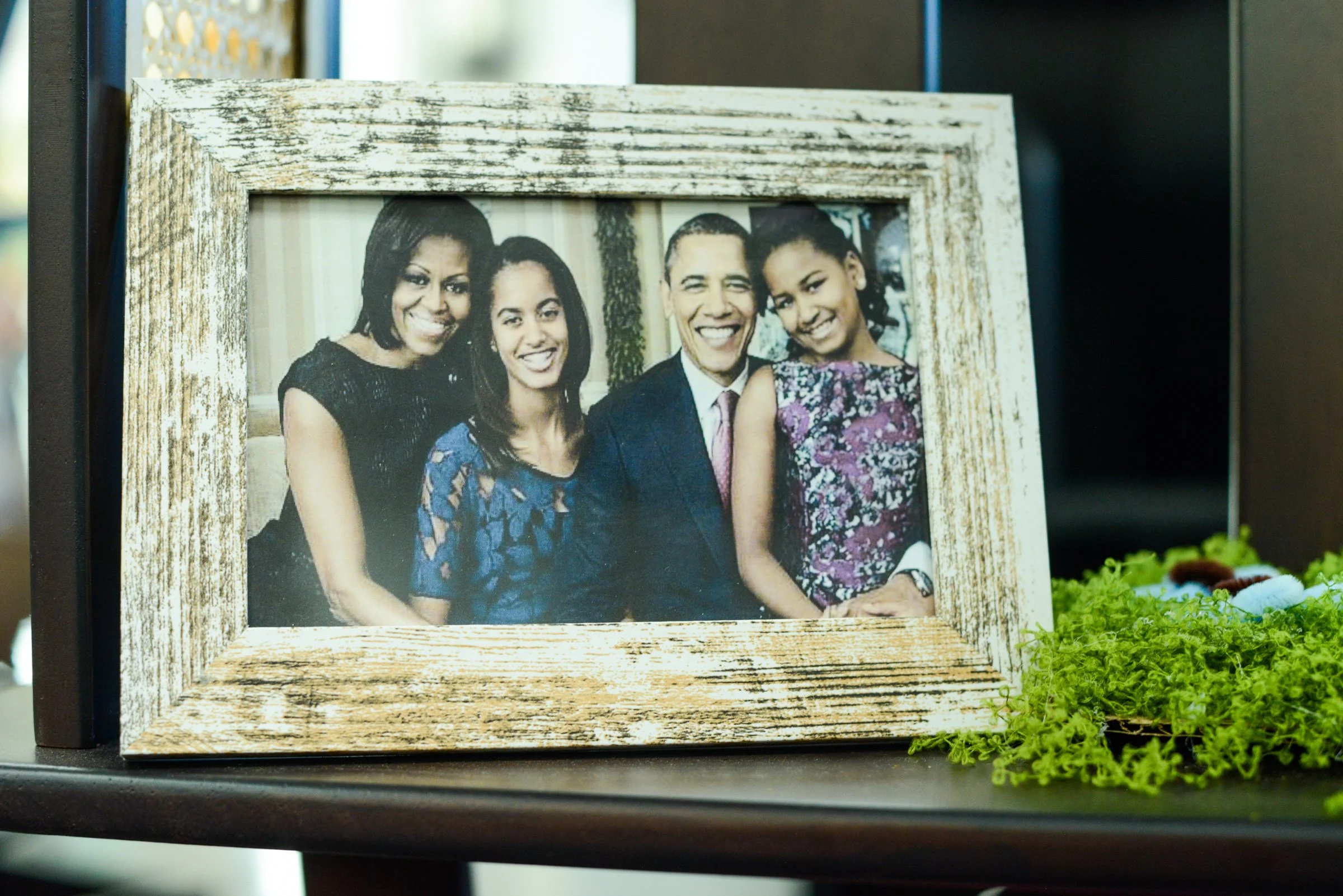
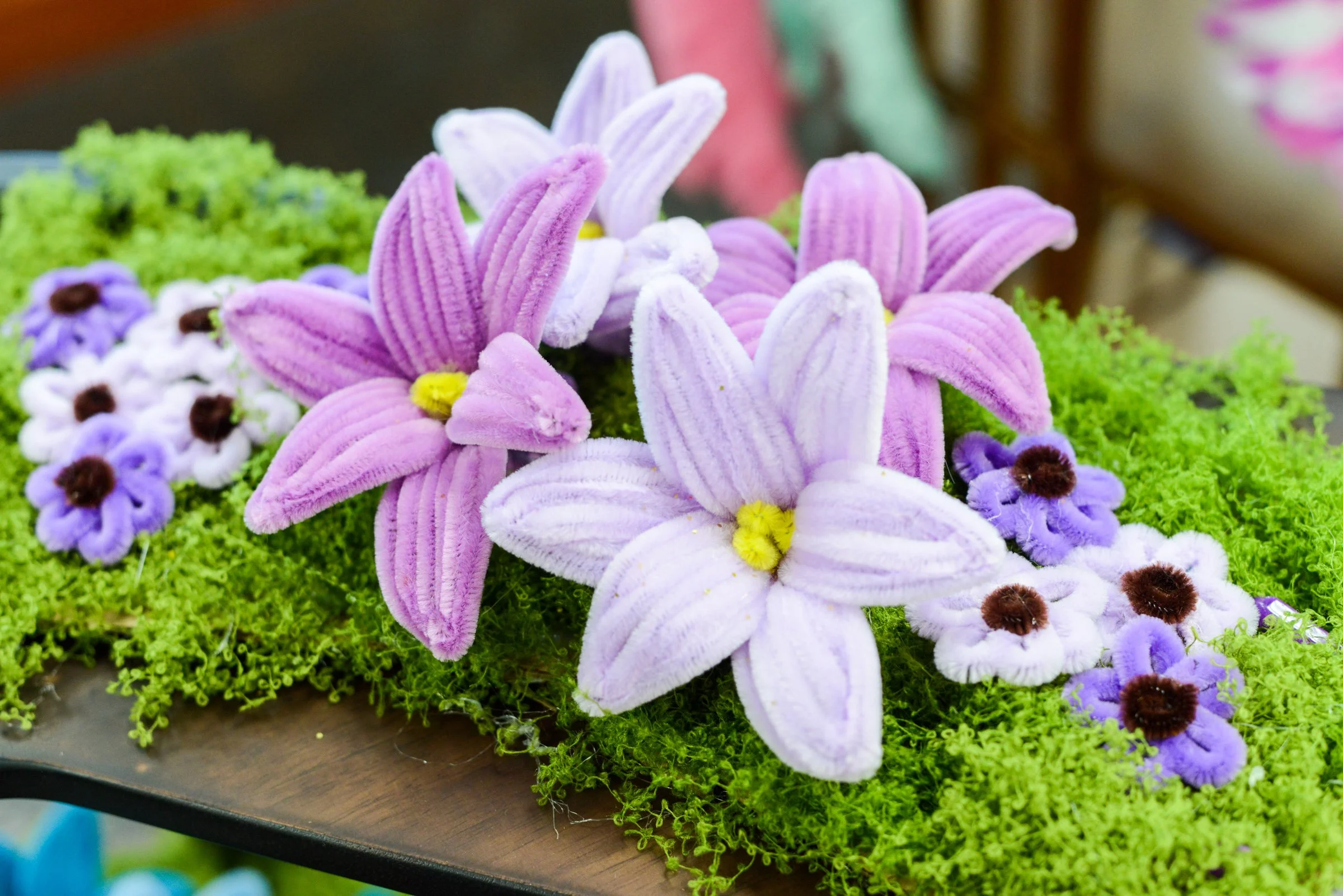
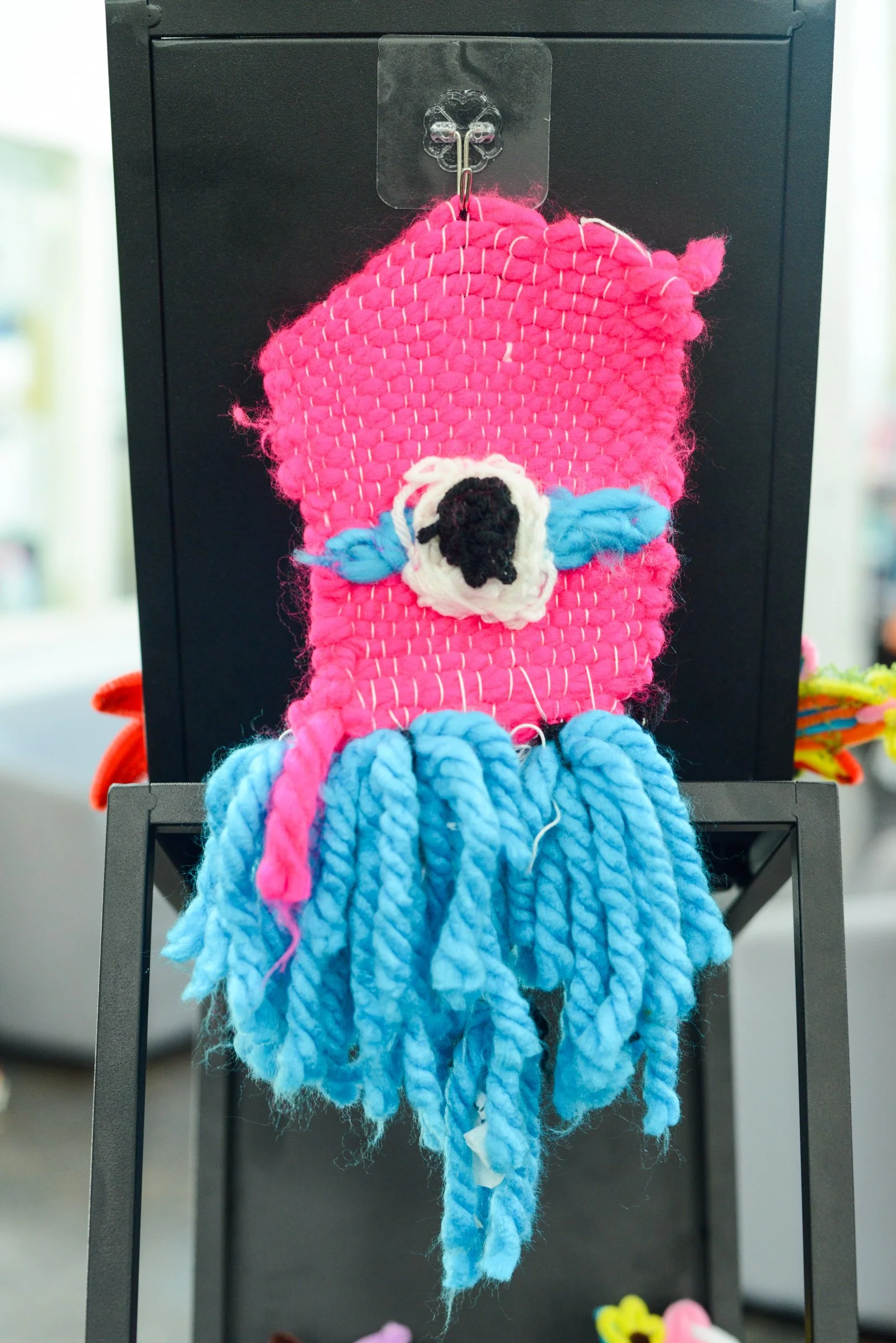
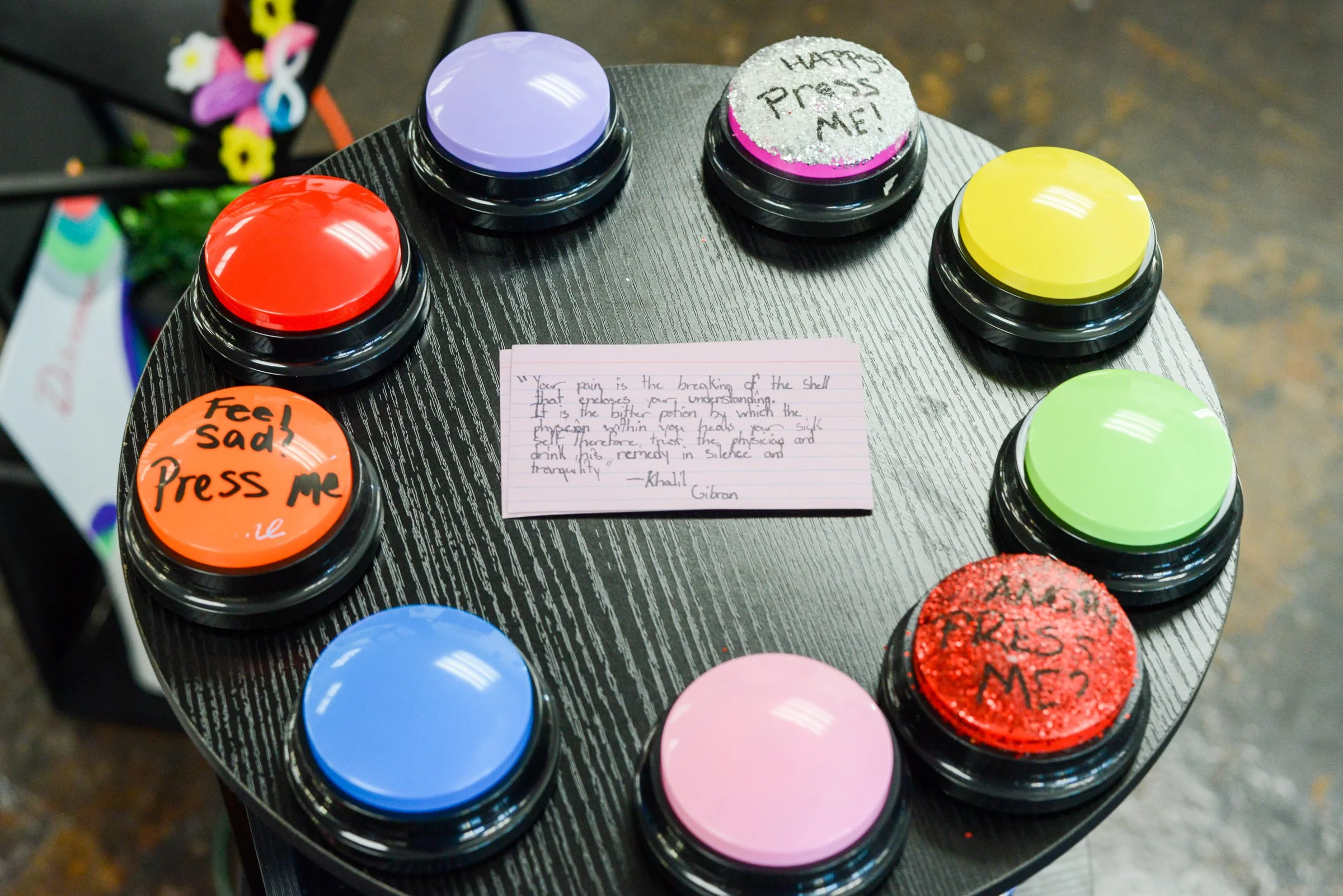
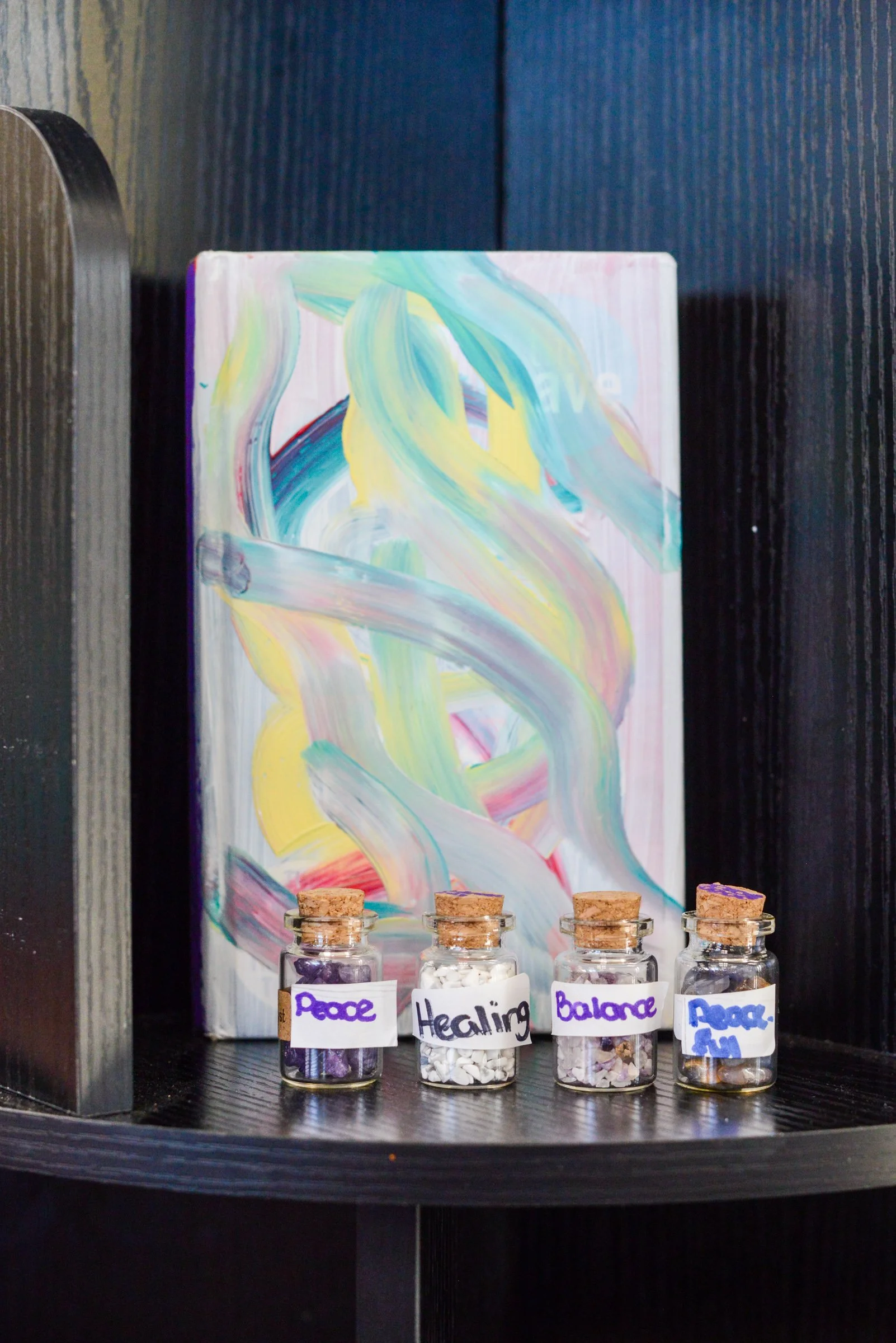
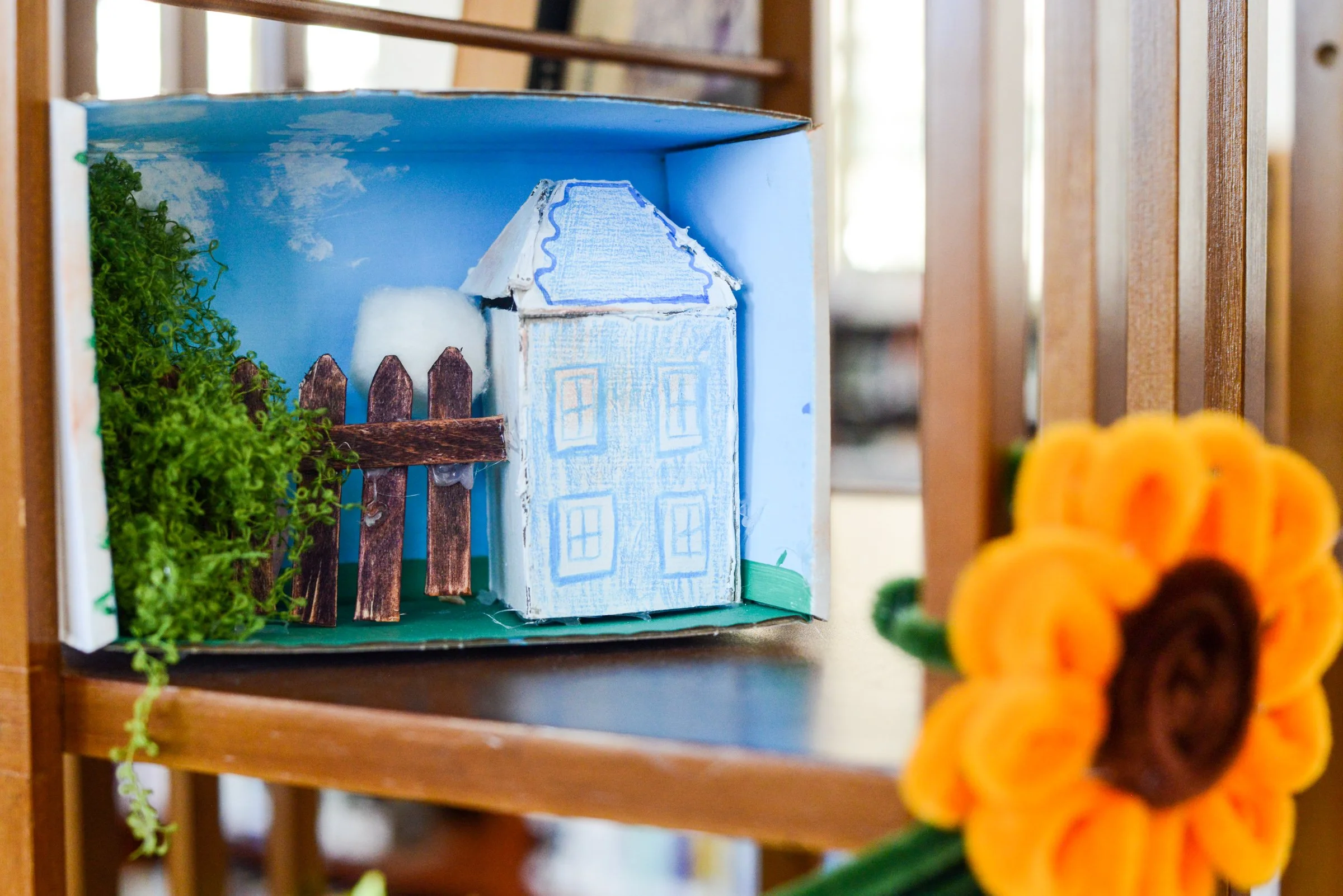
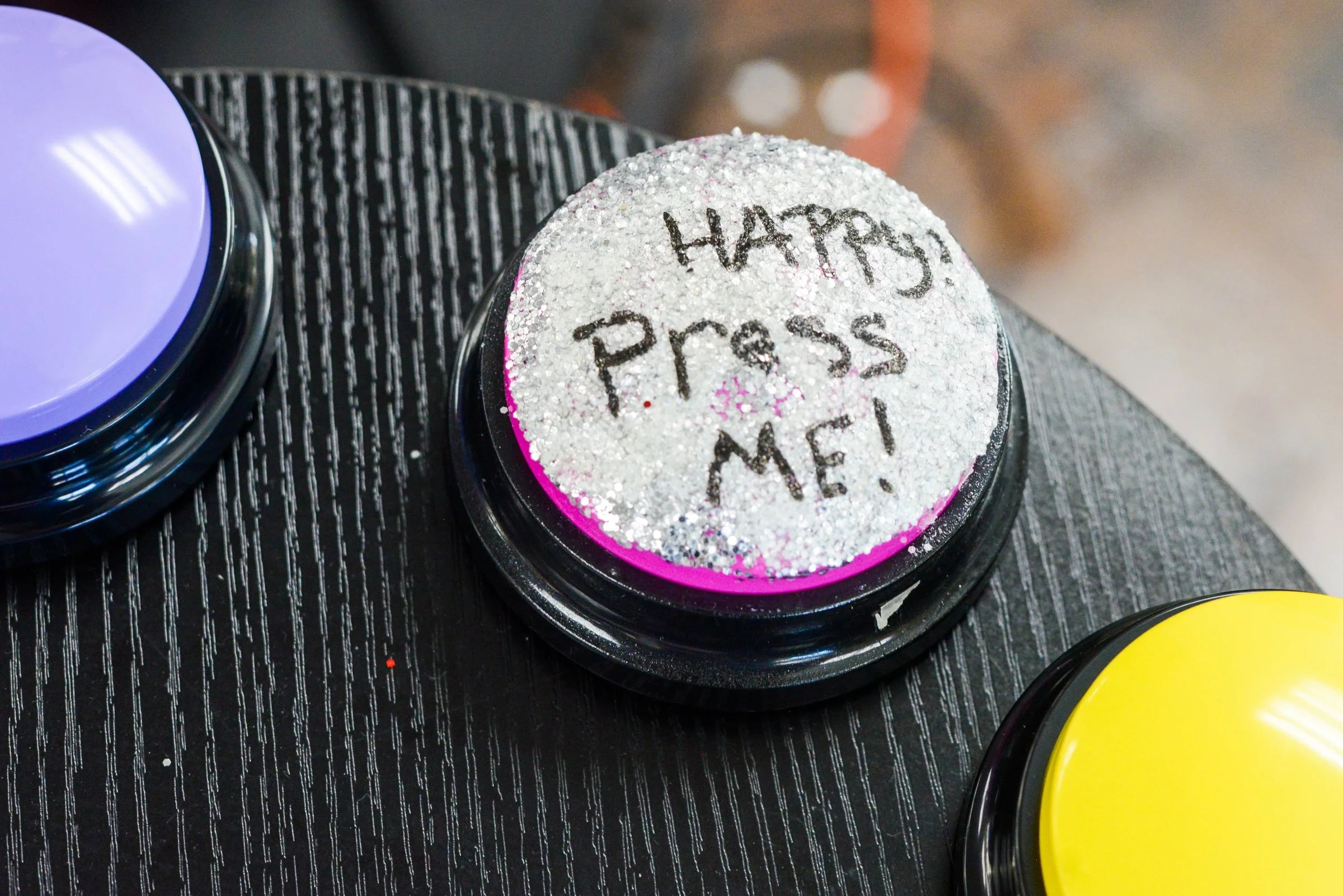
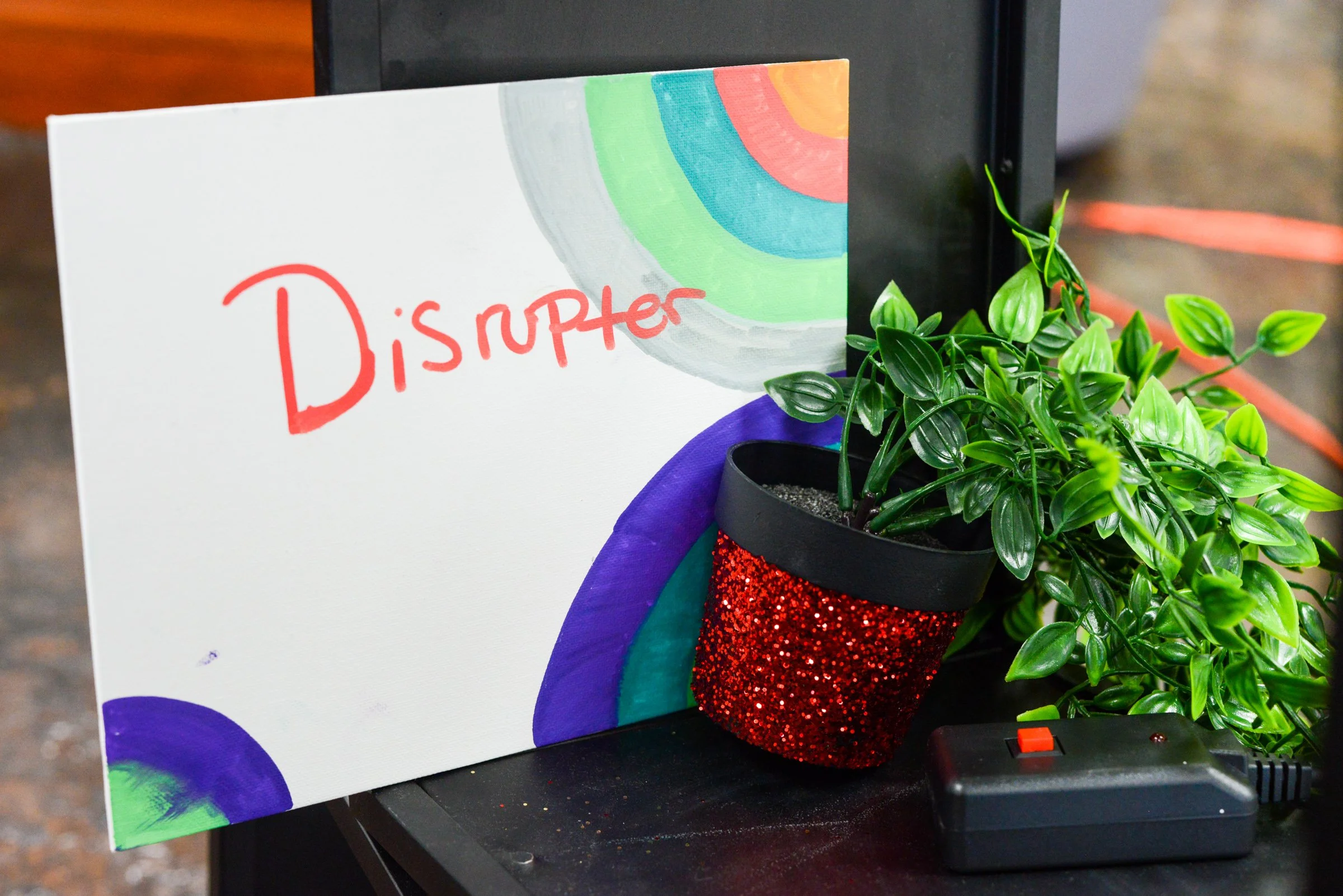
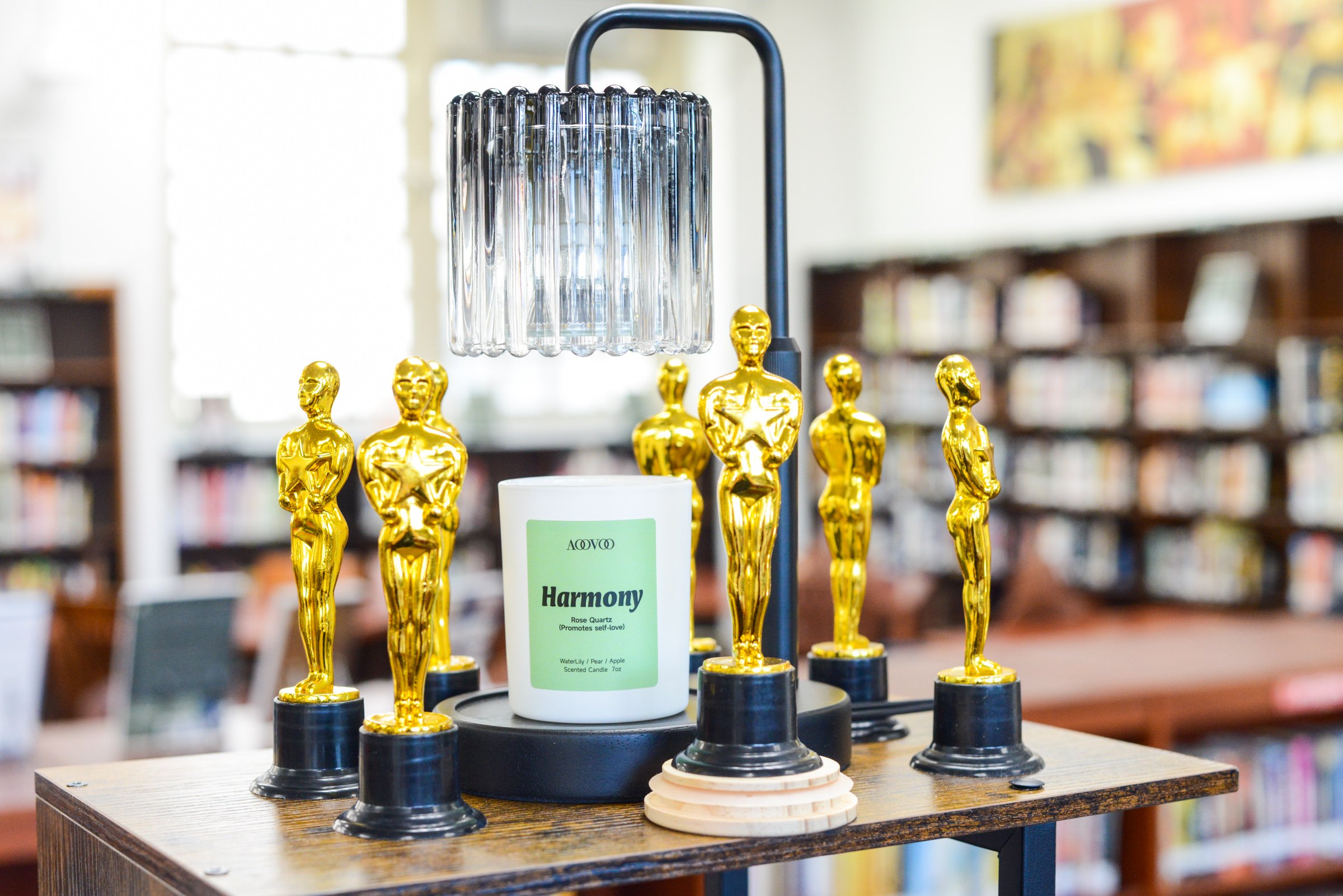
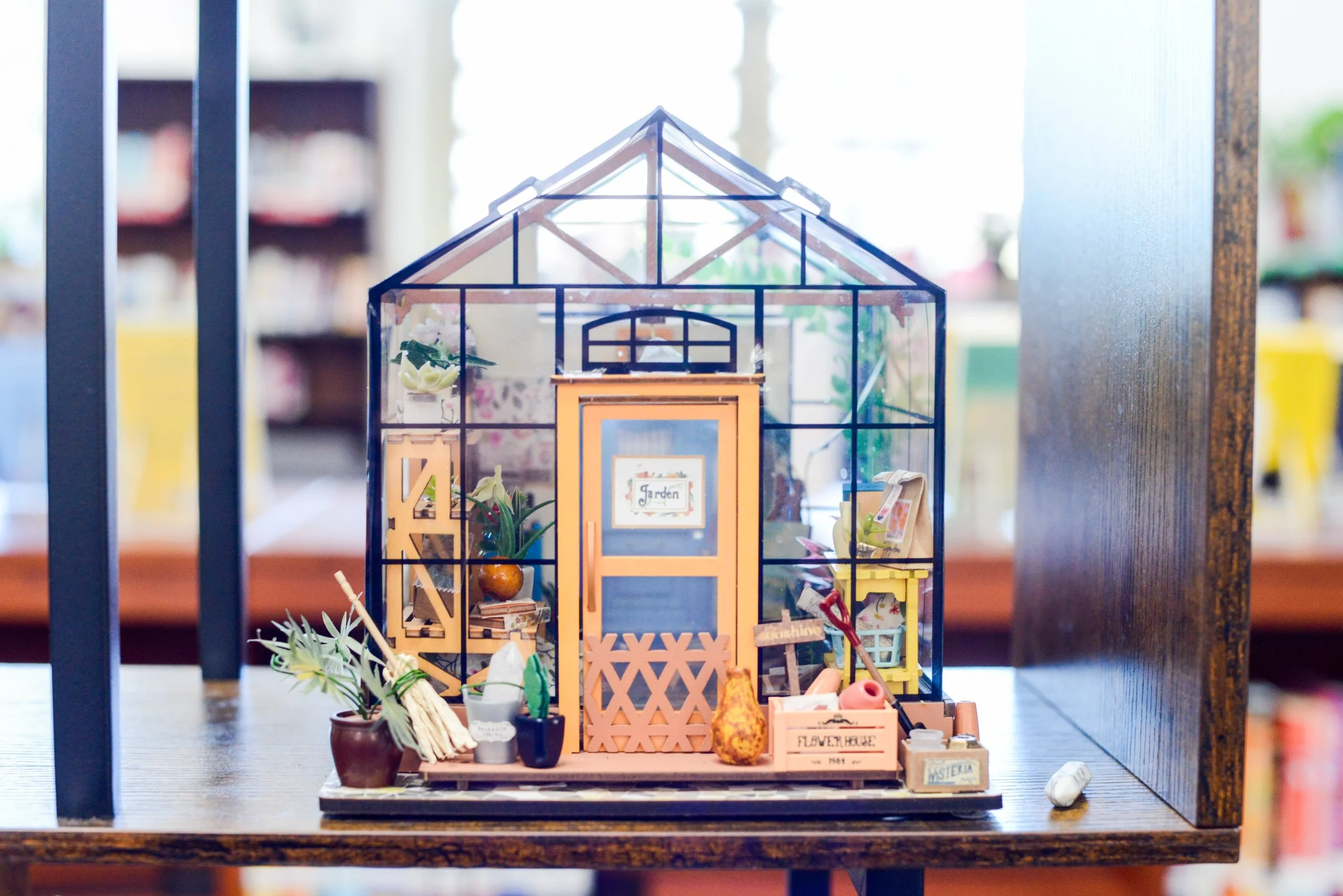
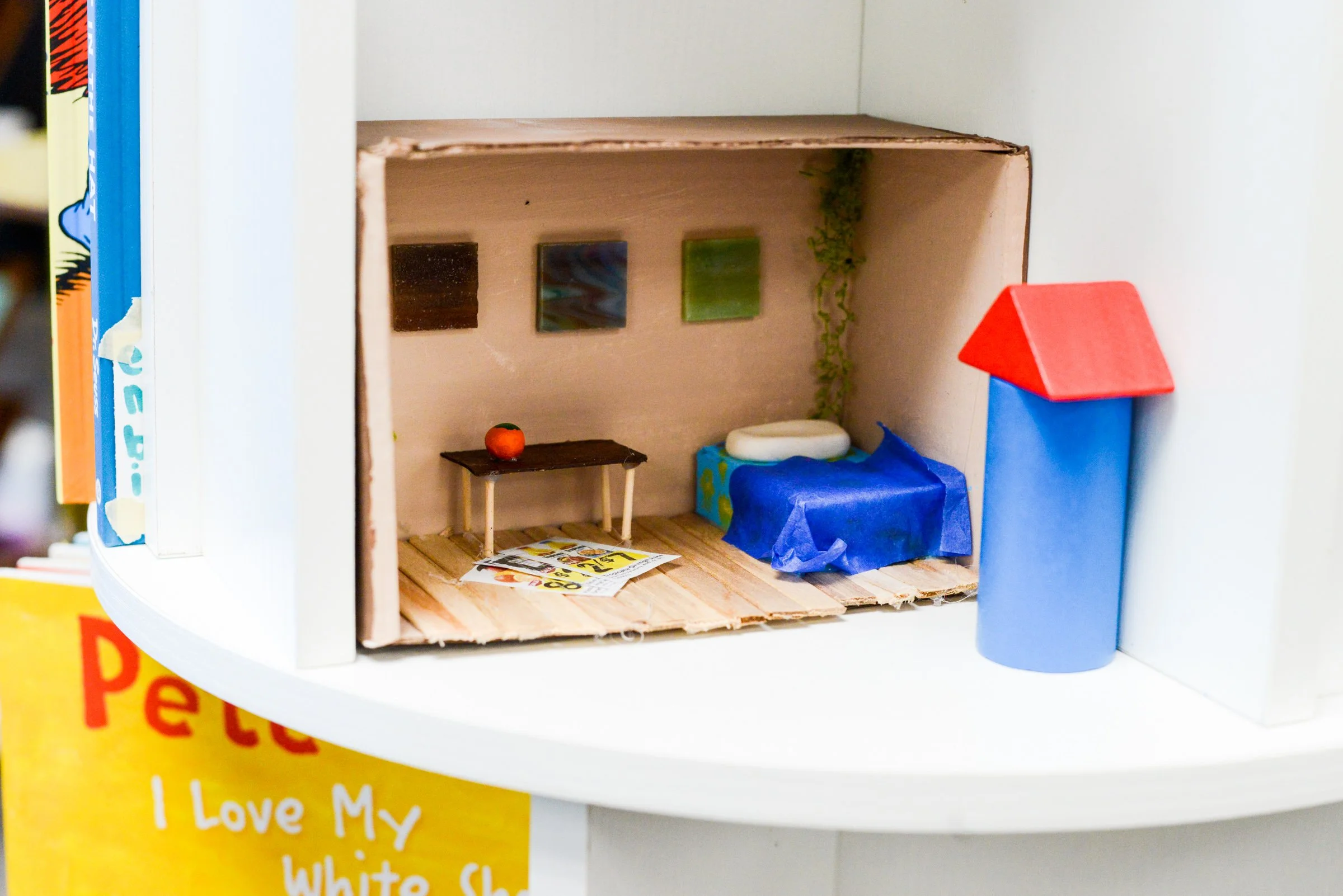
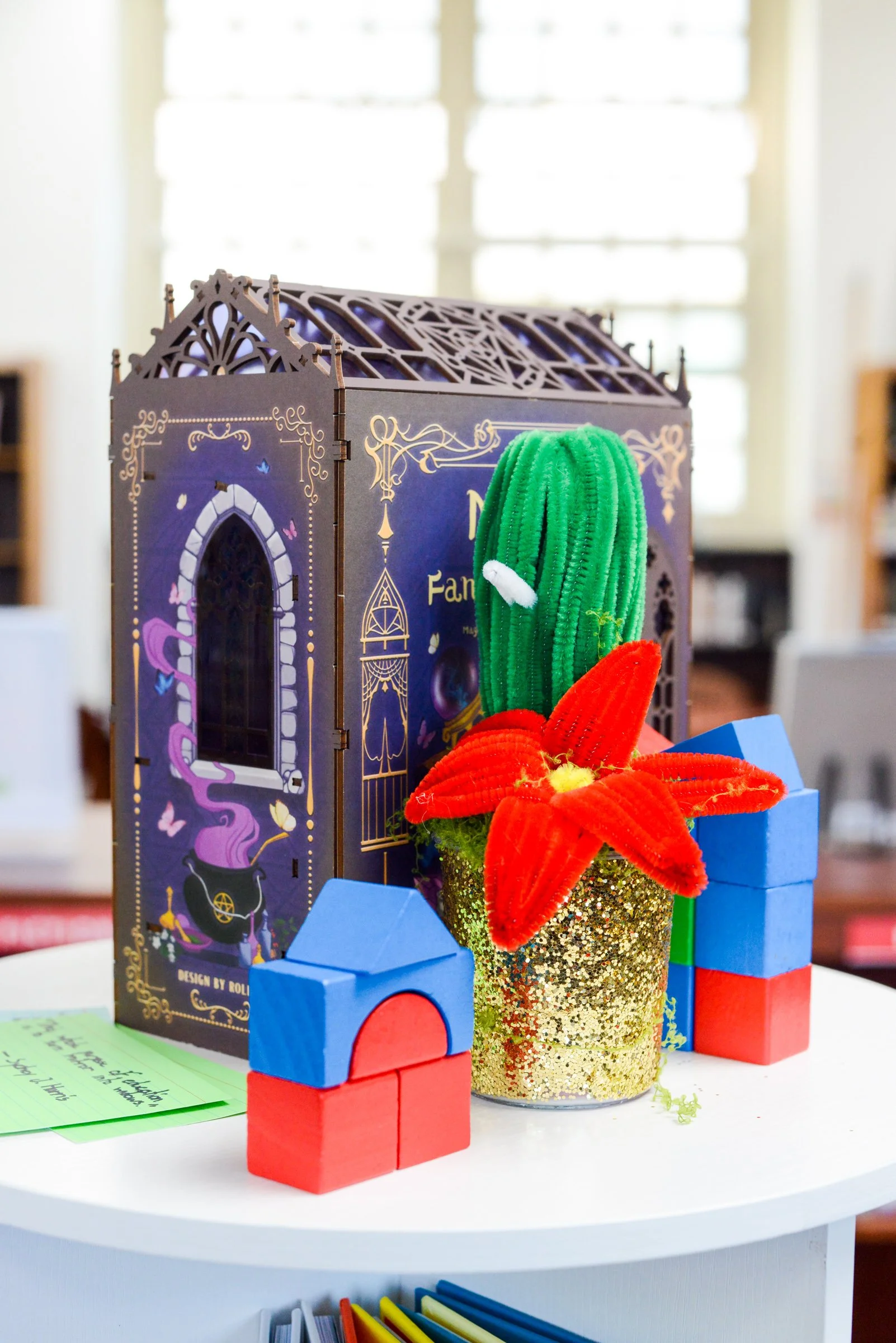
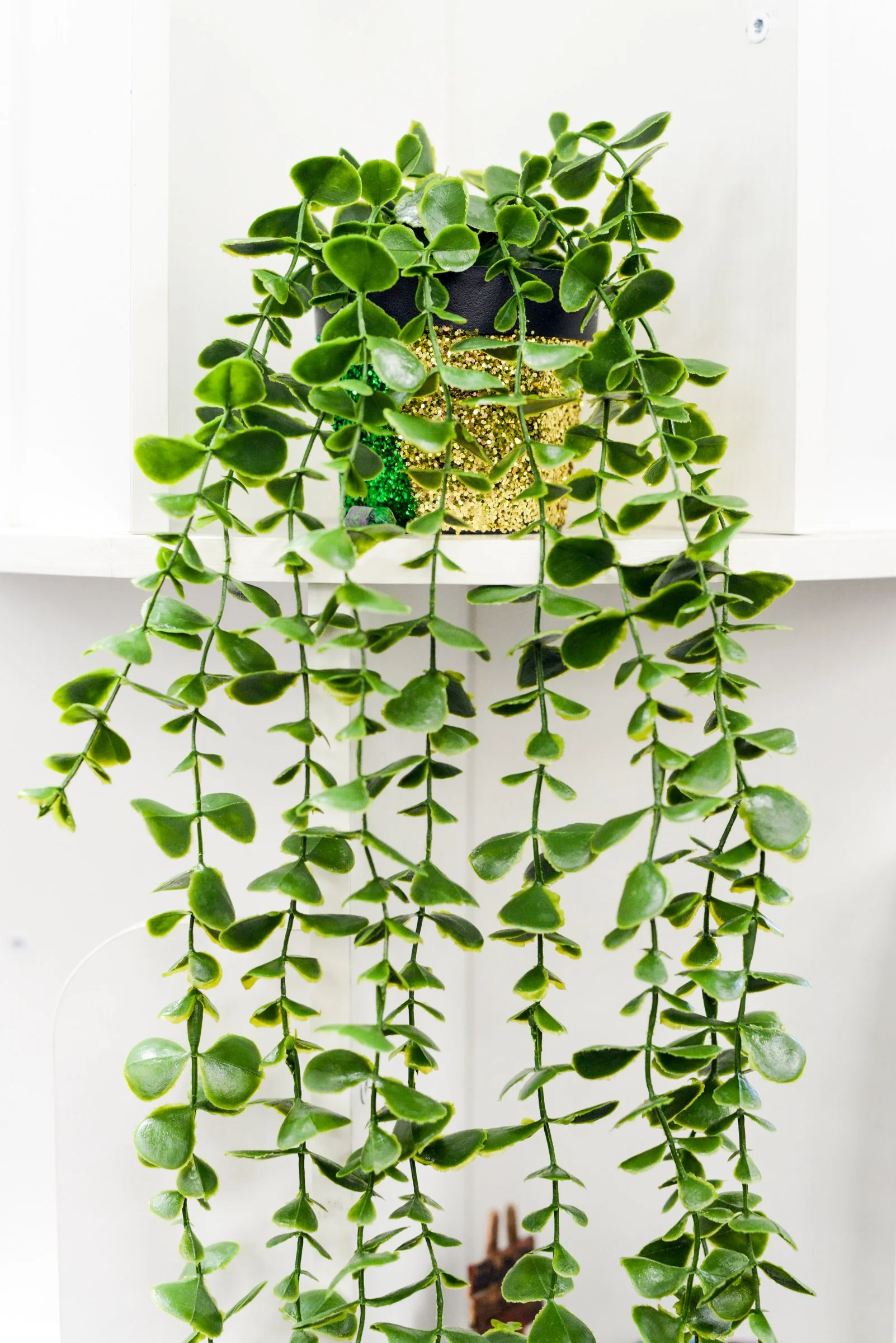
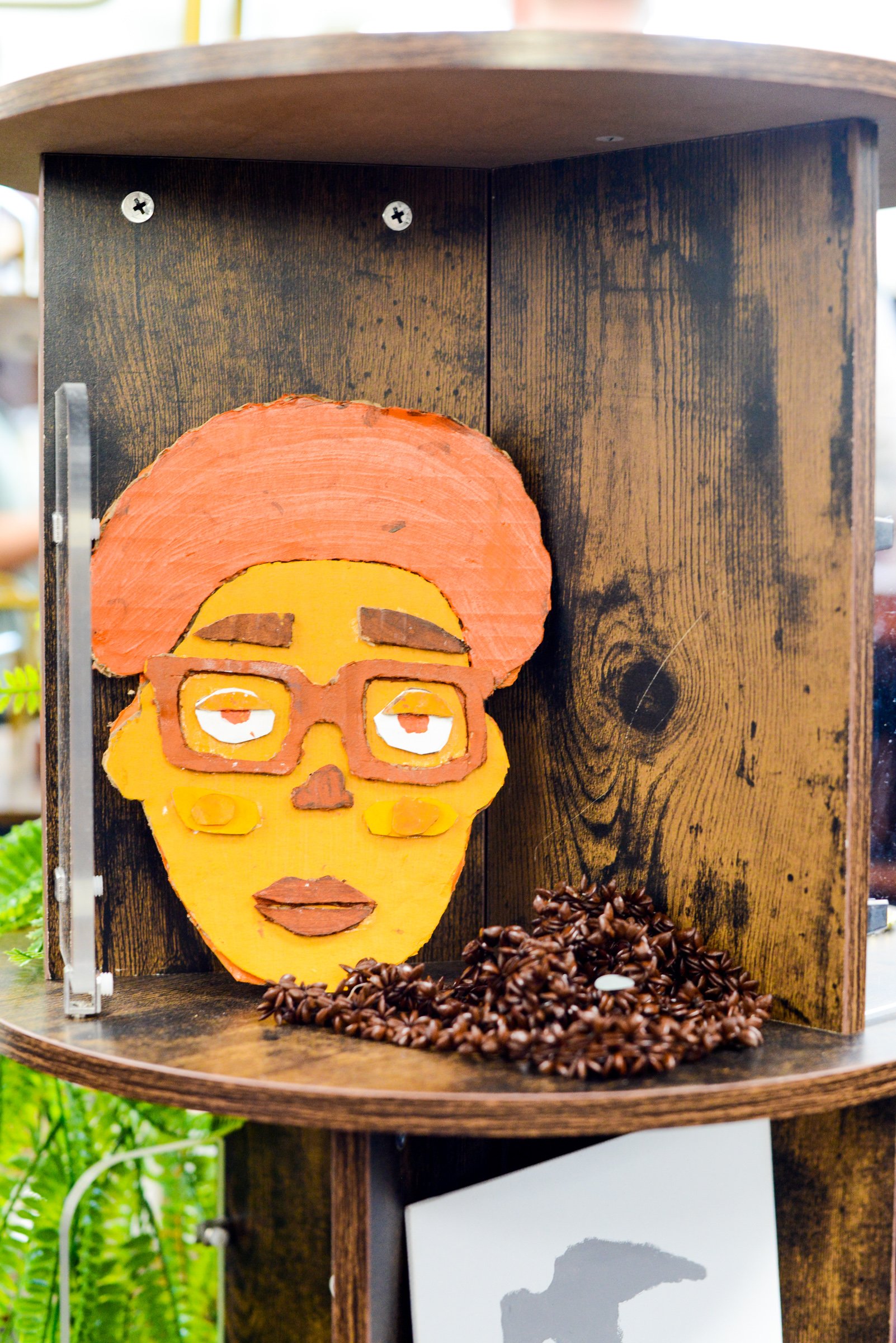
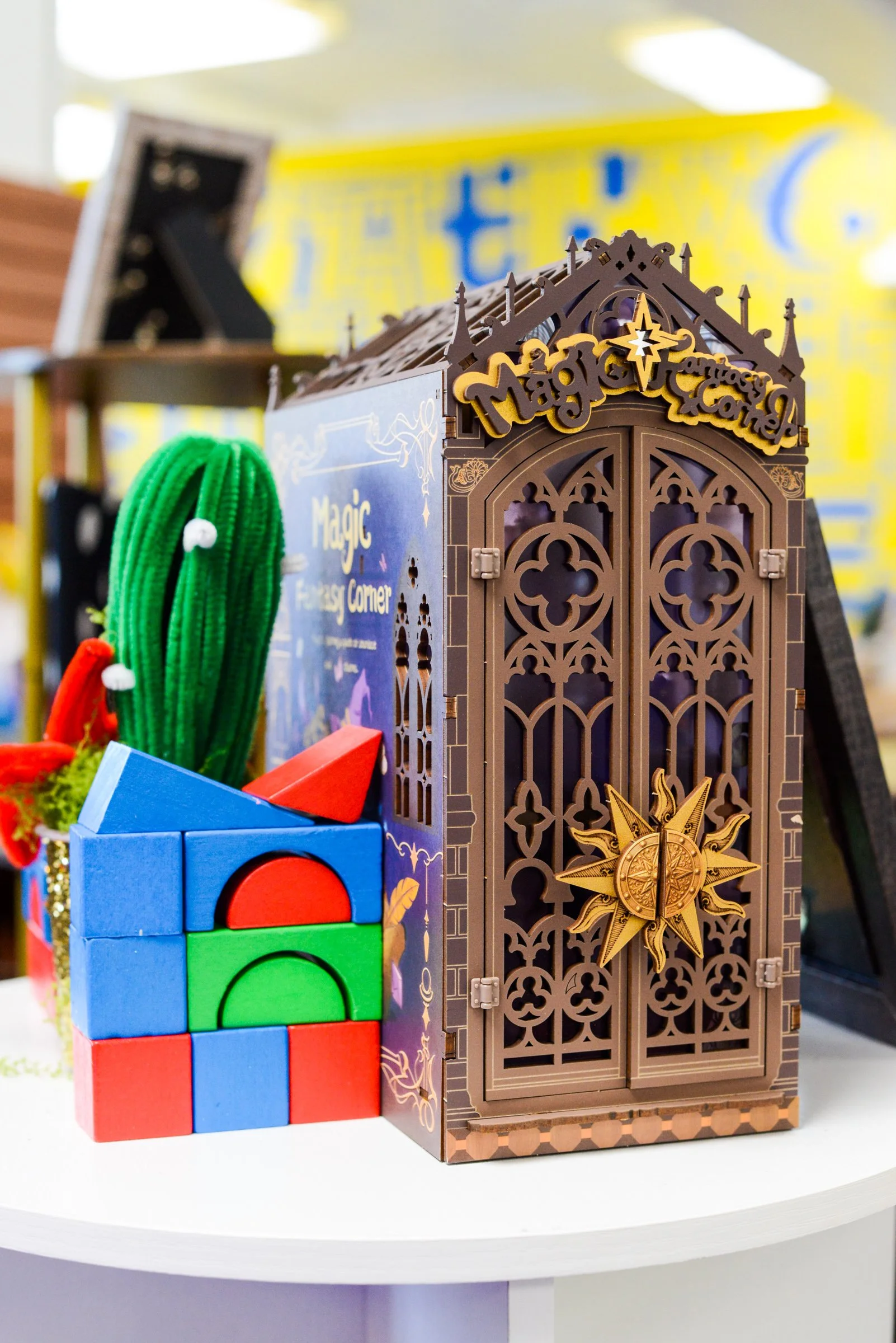
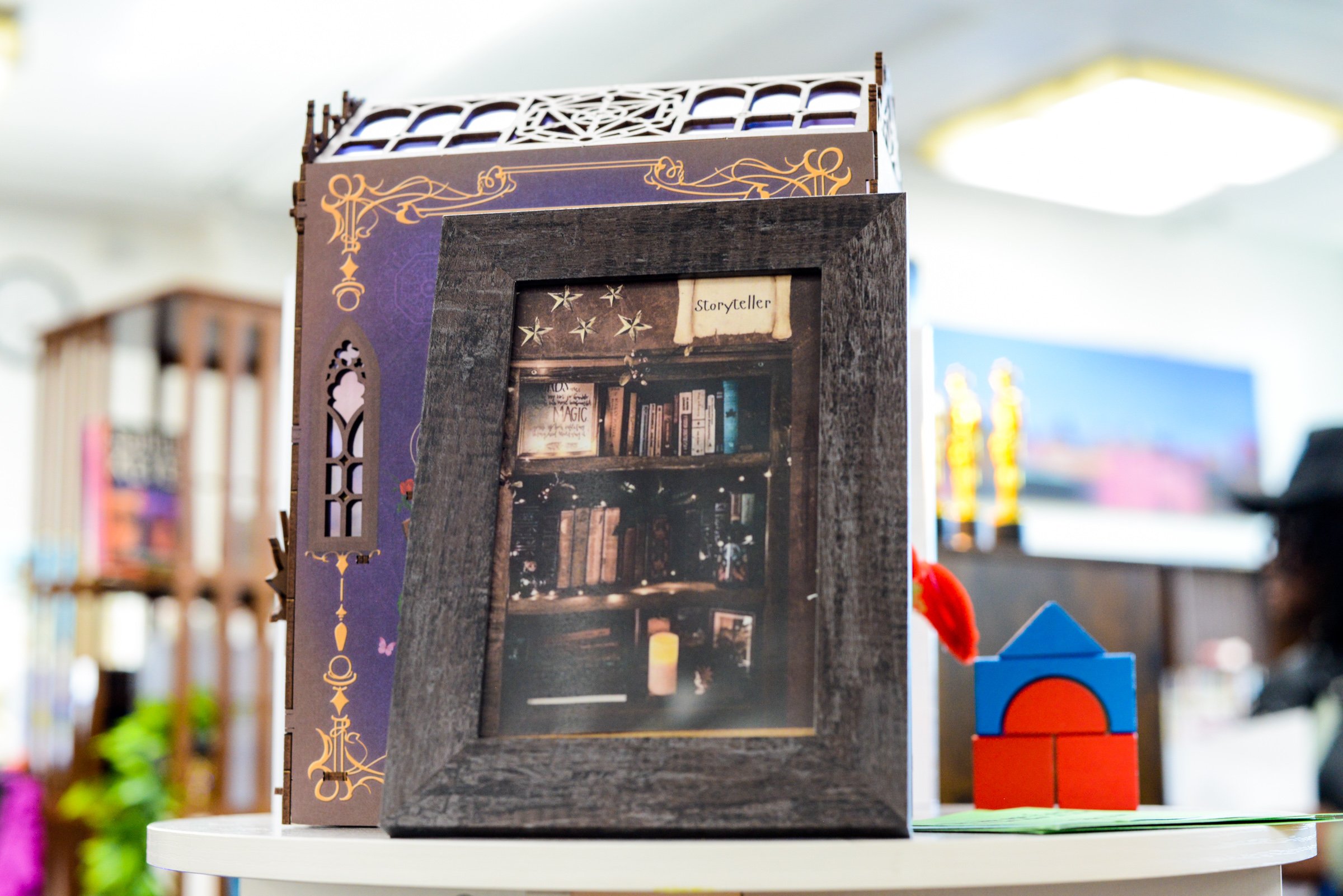
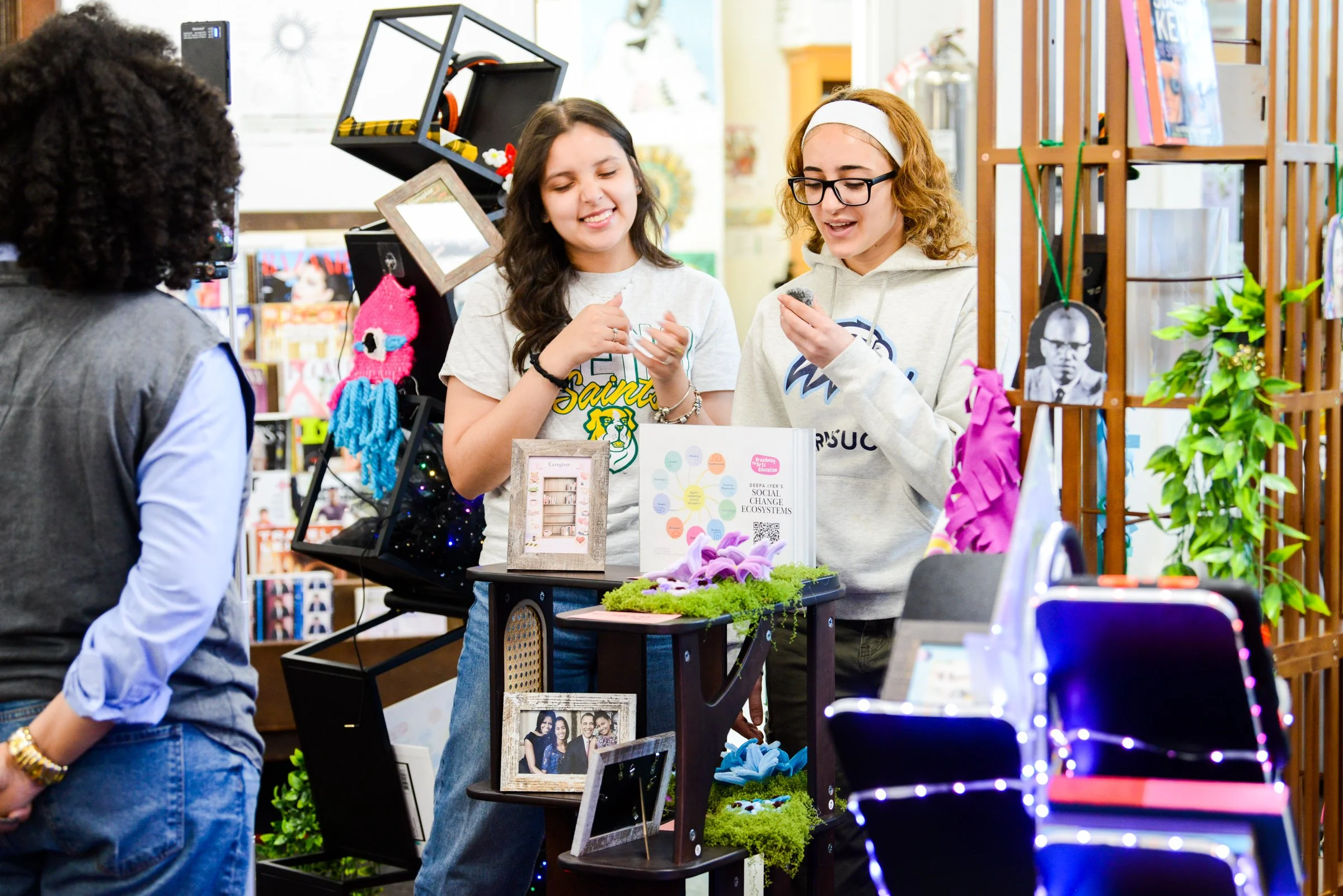
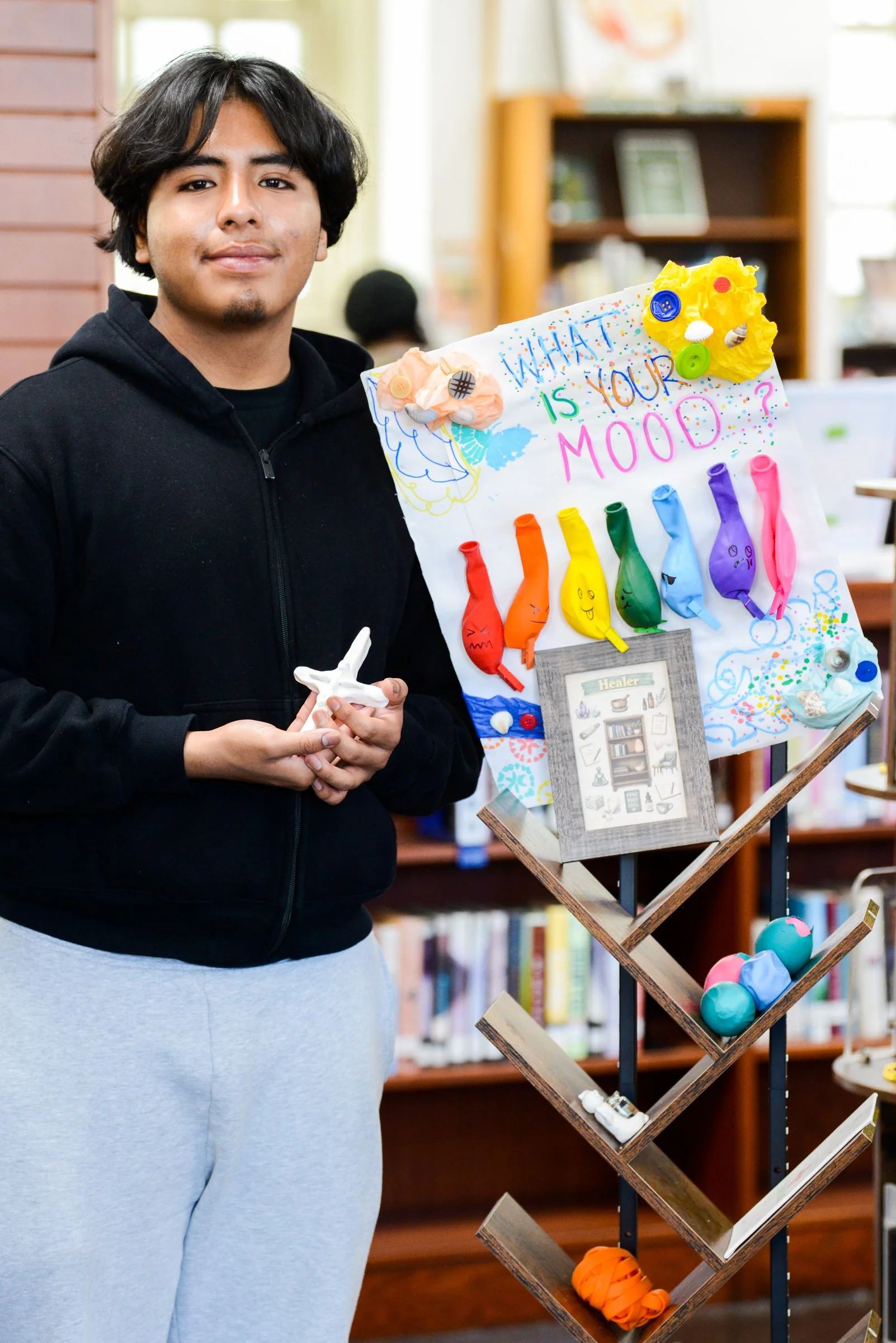
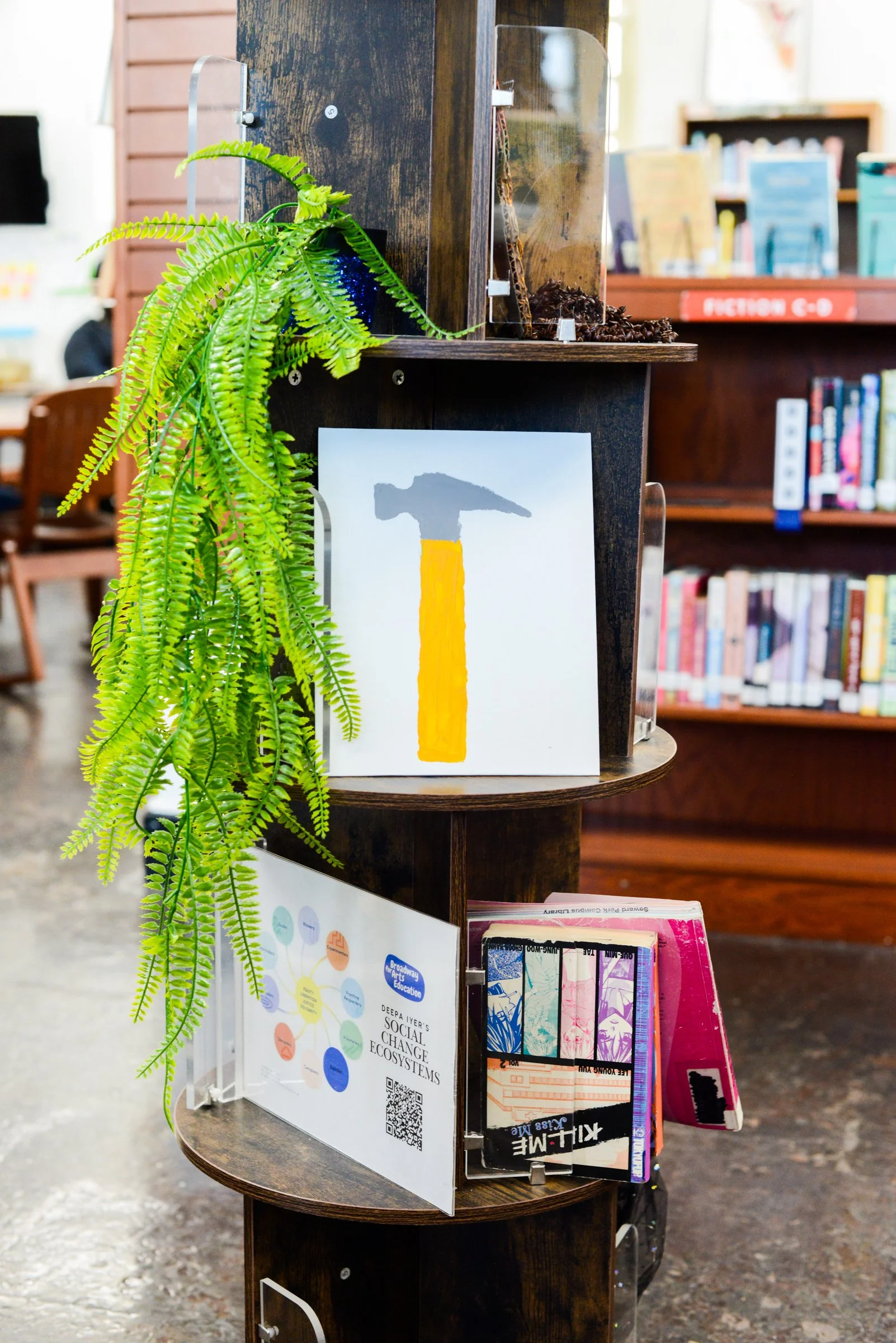
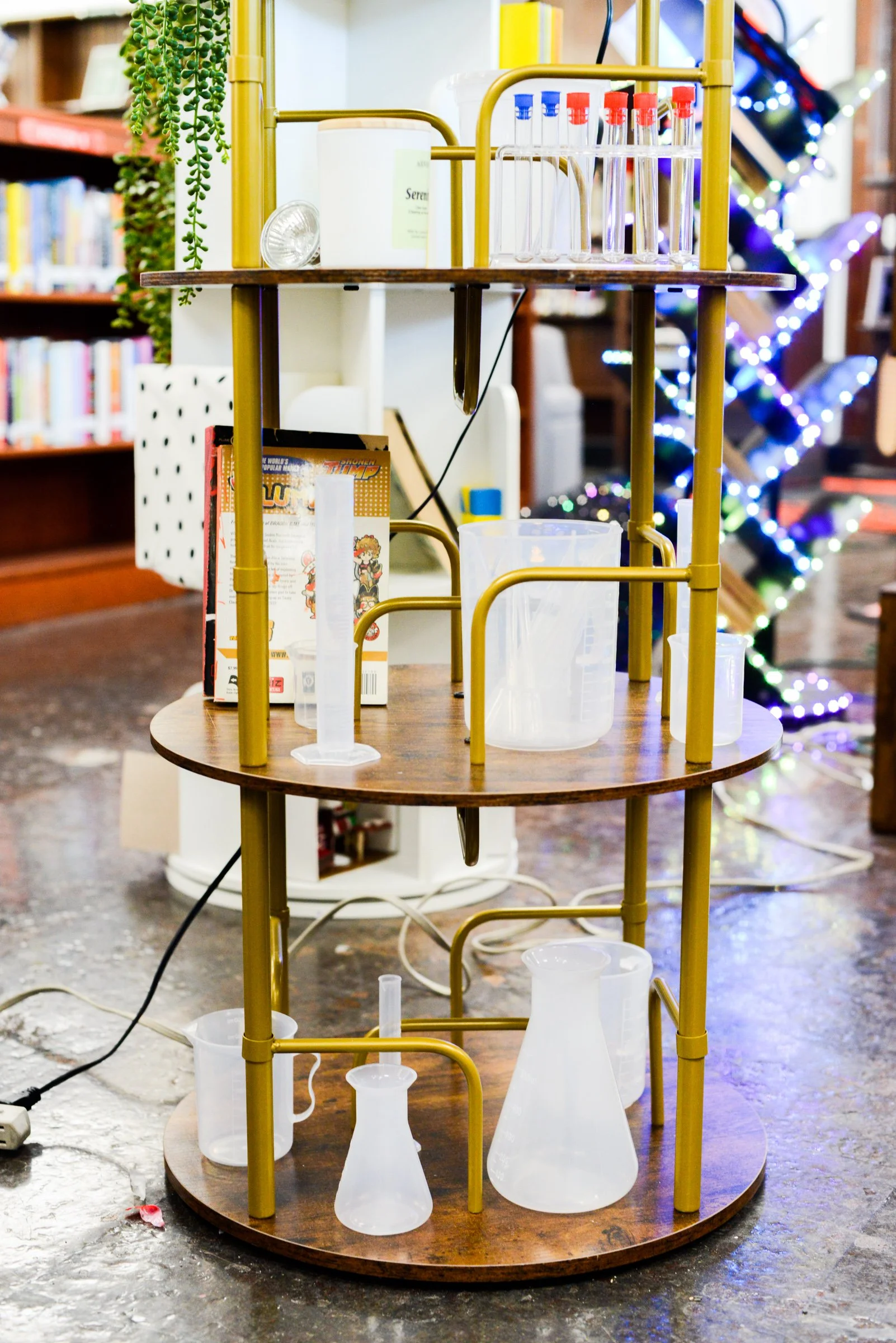
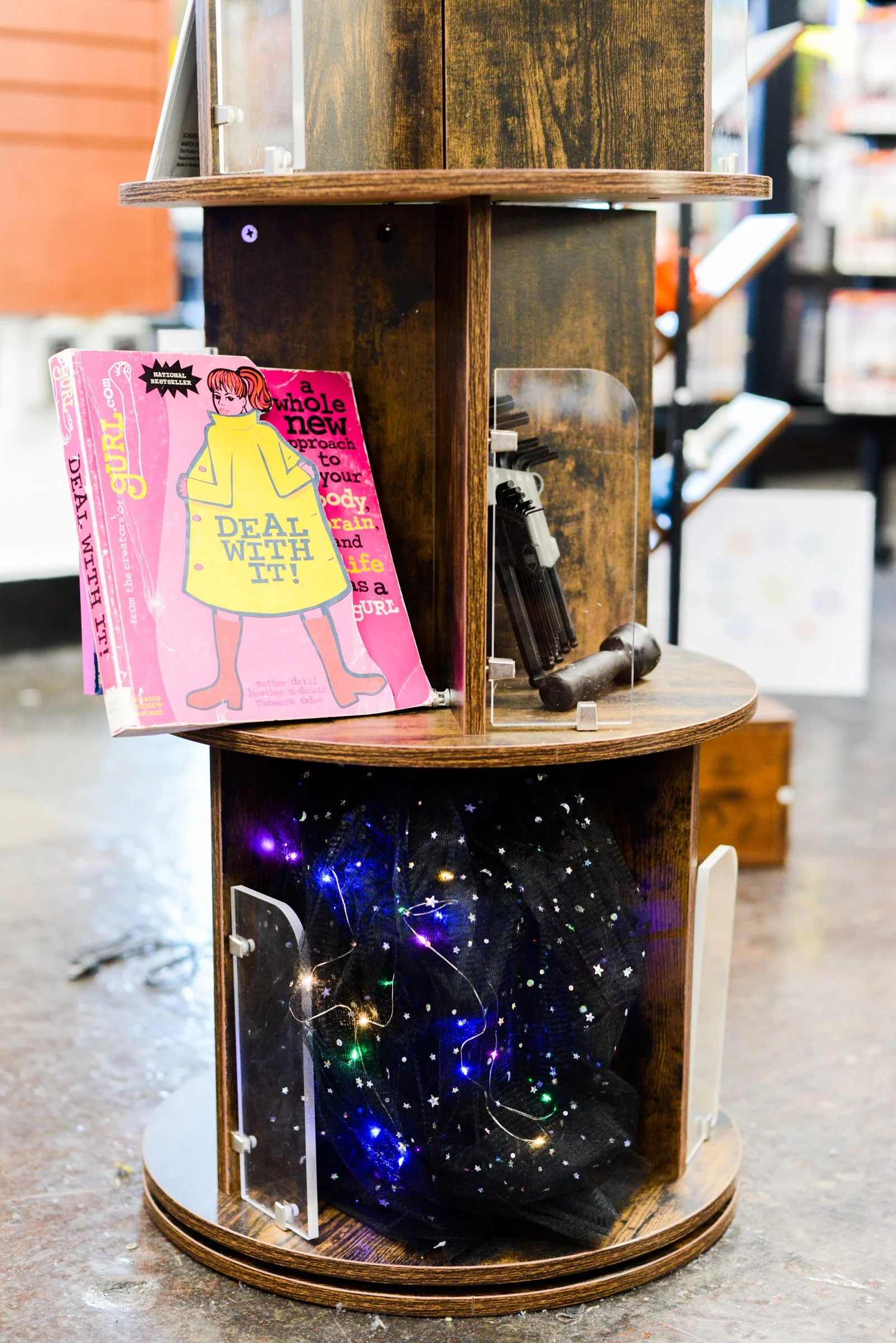
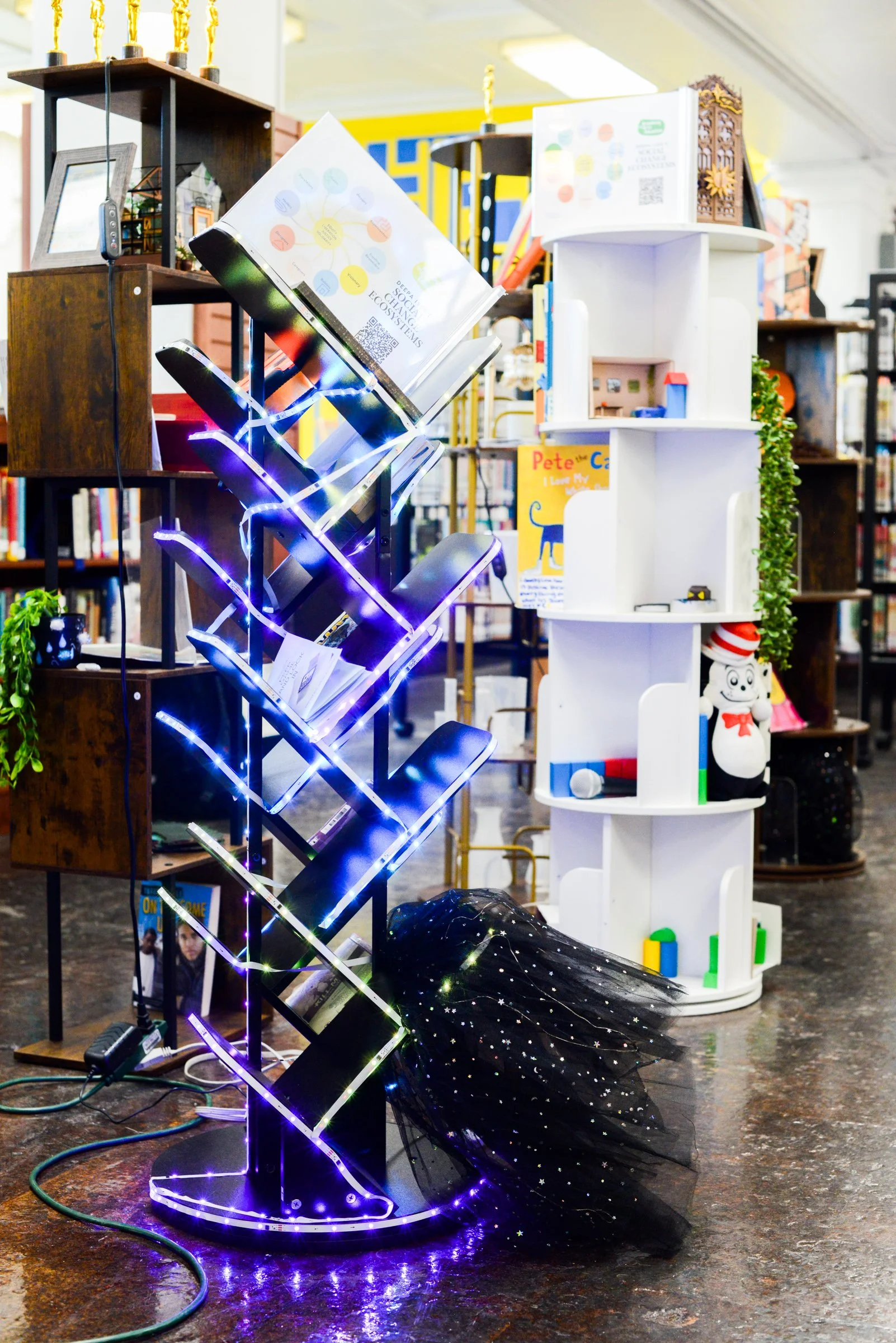
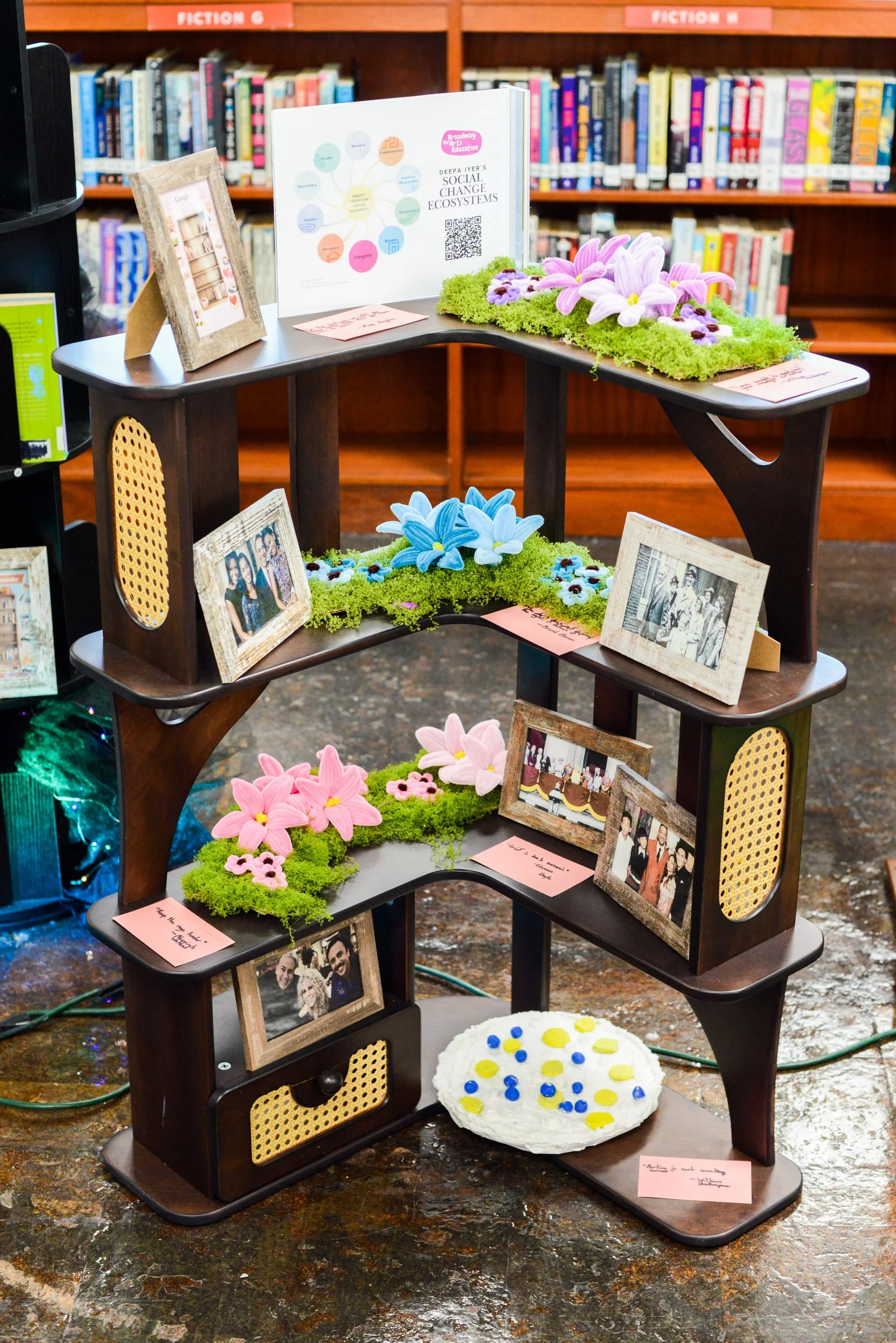
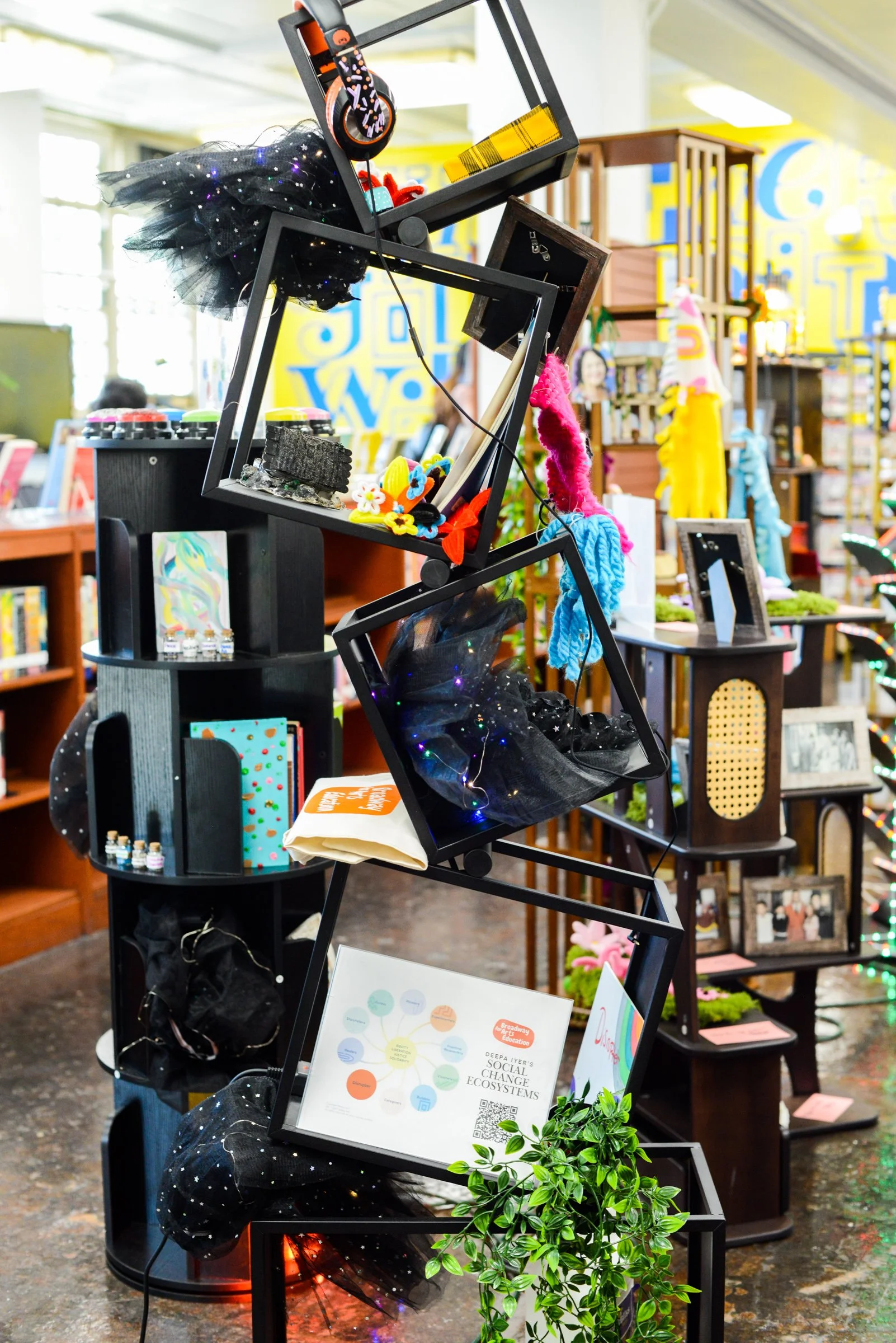
The completed shelves were installed in the school's library as part of an Immersive Library exhibition, transforming the space into an interactive exploration of the Social Change Ecosystem. Each shelf represented one of the ten roles and was filled with artifacts, creative responses, and student-created materials that interpreted and embodied that role. Visitors were invited to learn about the characteristics associated with each role while engaging with the students' own understanding of what those contributions look like in practice.
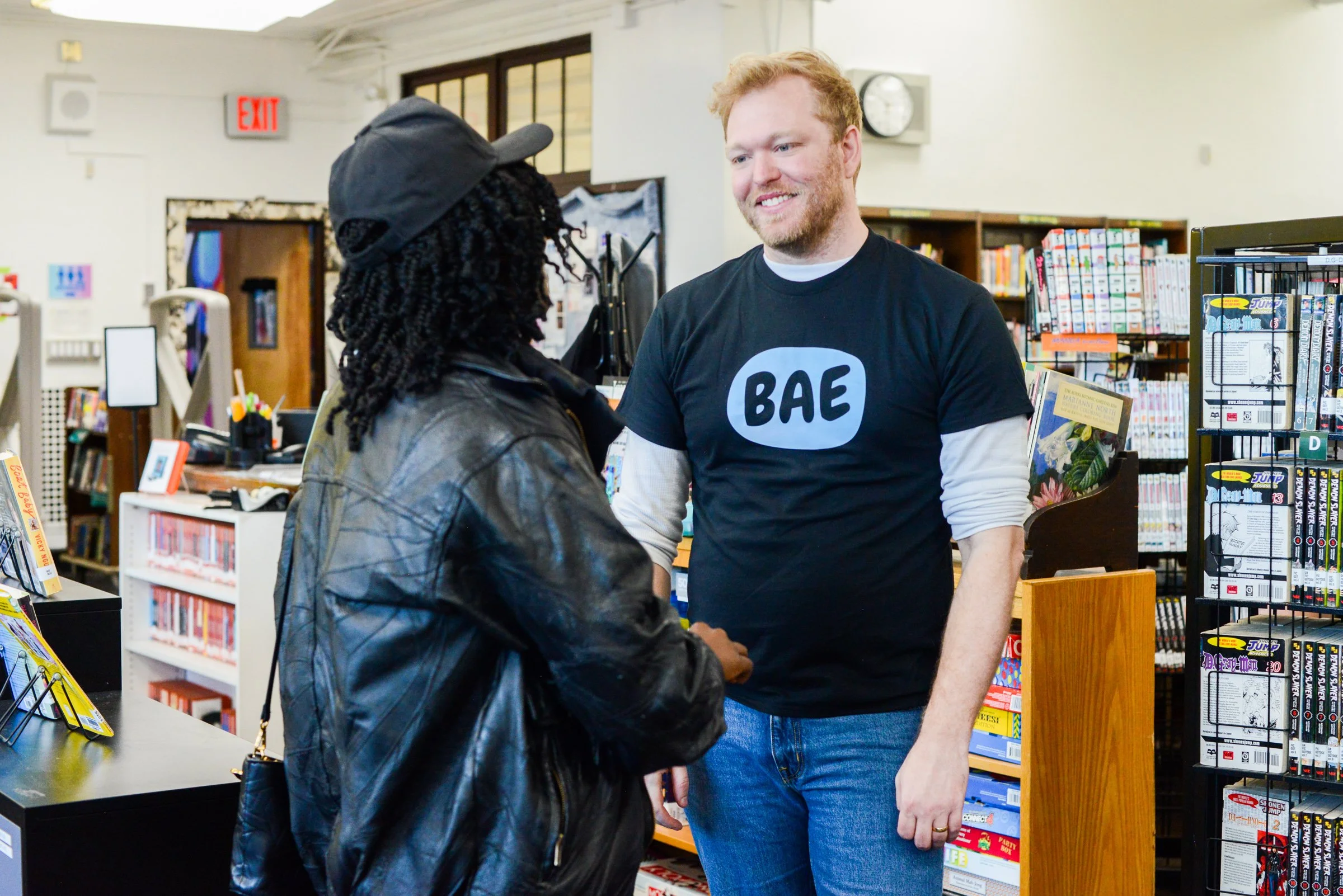
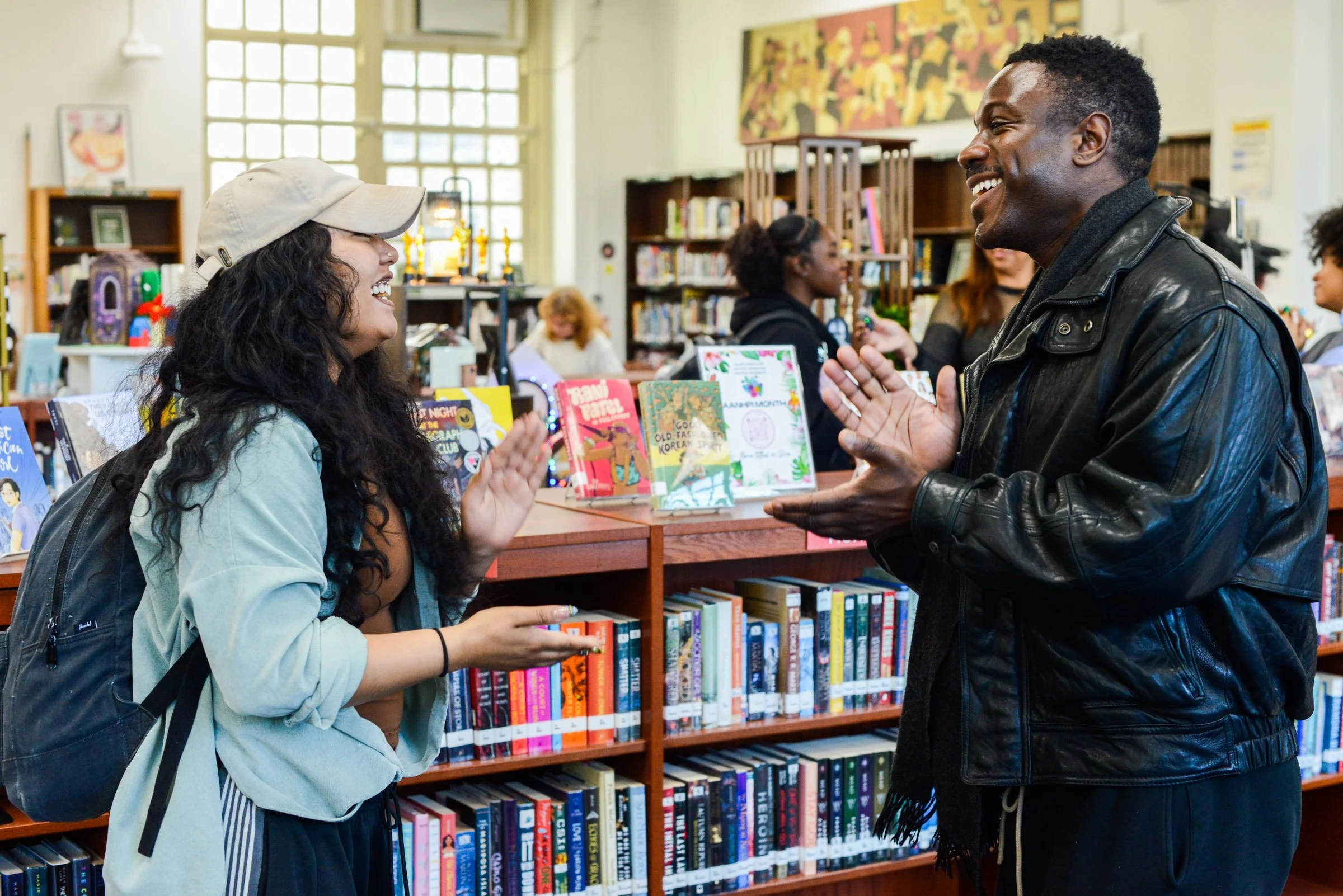
For a month, the exhibition served as a destination for students, teachers, administrators, and community members. Because the library is shared by five schools, the installation reached far beyond the students who had created it. Visitors wandered through the displays, explored the artifacts, and engaged with ideas about leadership, community, and social change. Teachers and administrators were impressed not only by the quality of the work but by the depth of thought reflected throughout the exhibition.
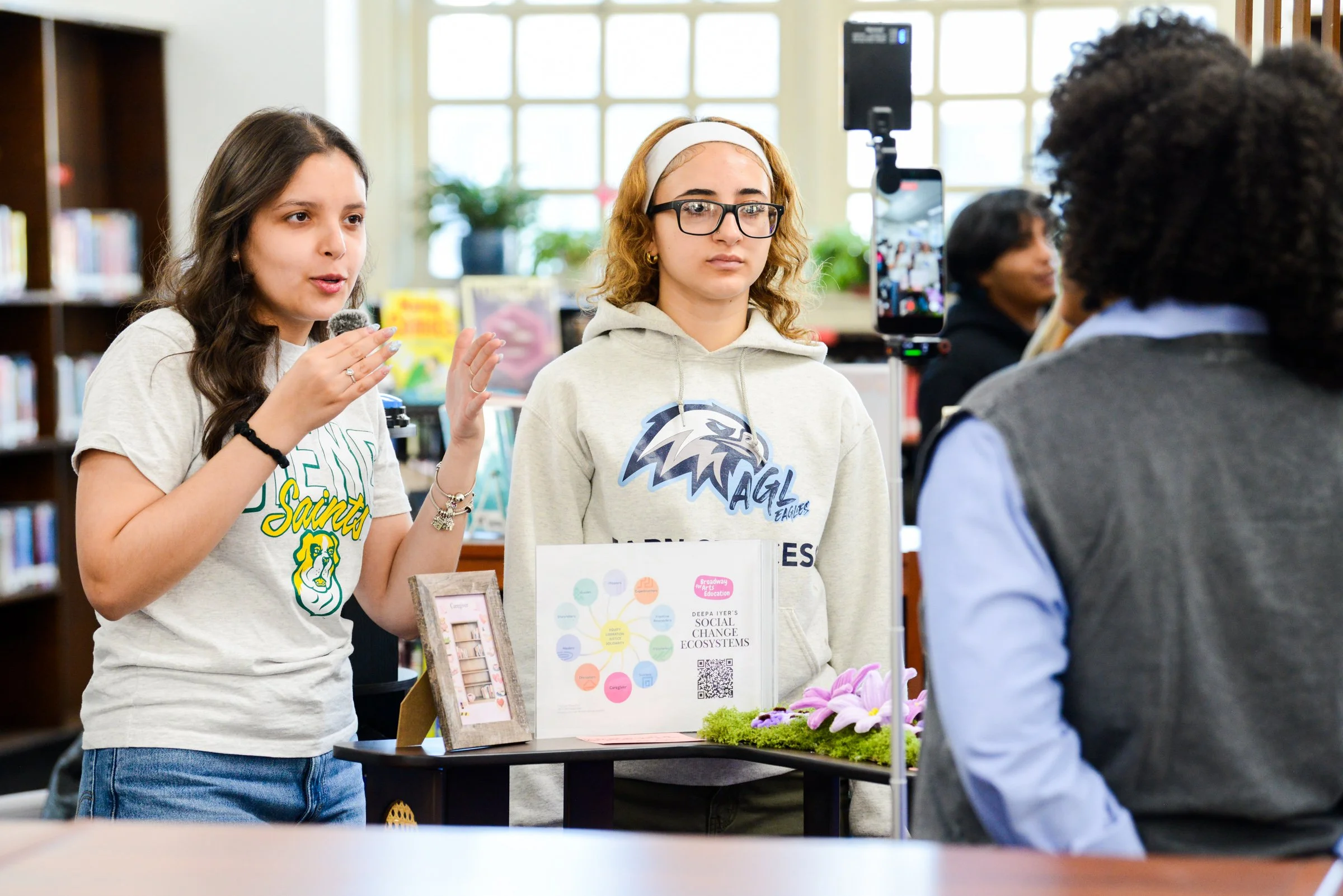
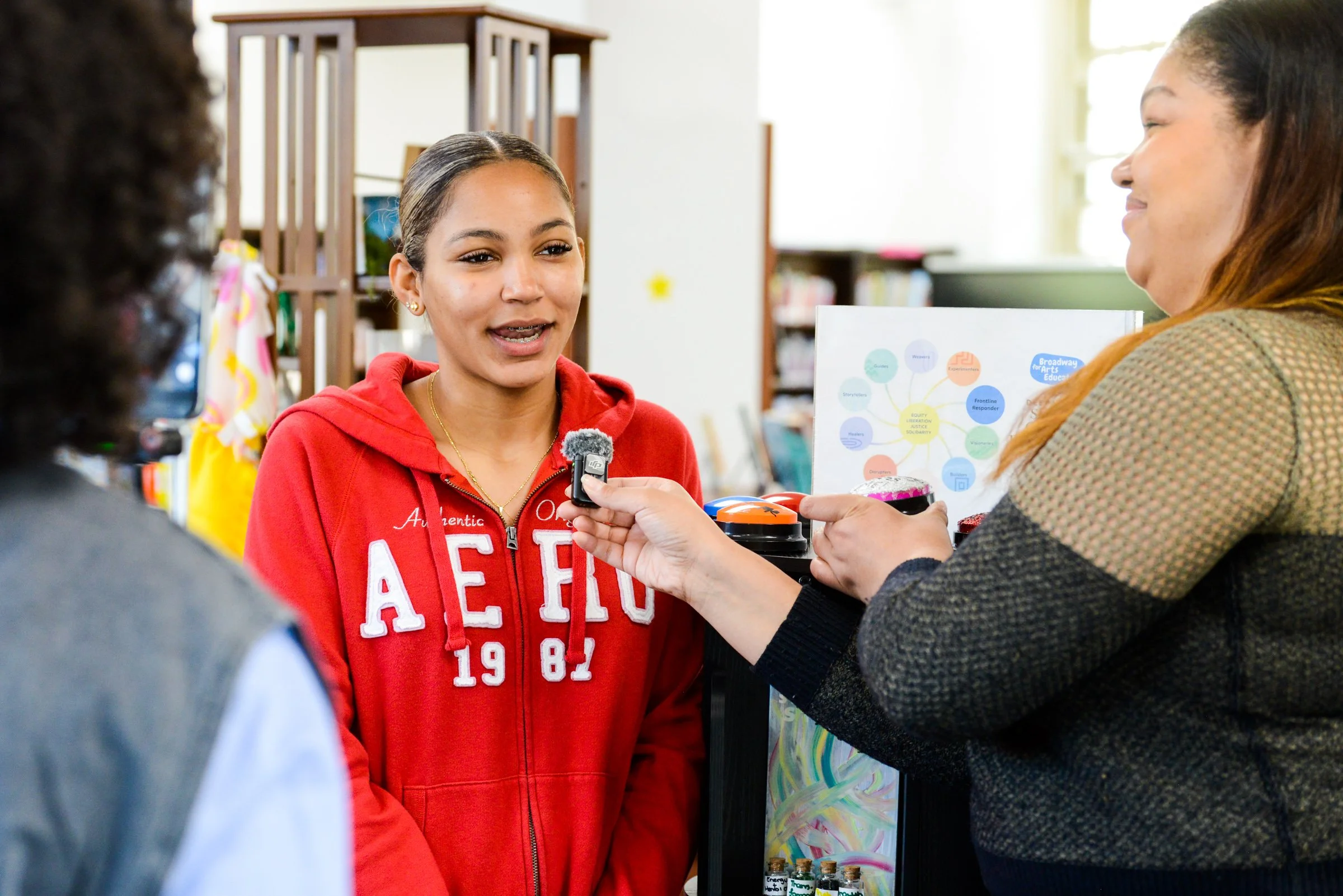
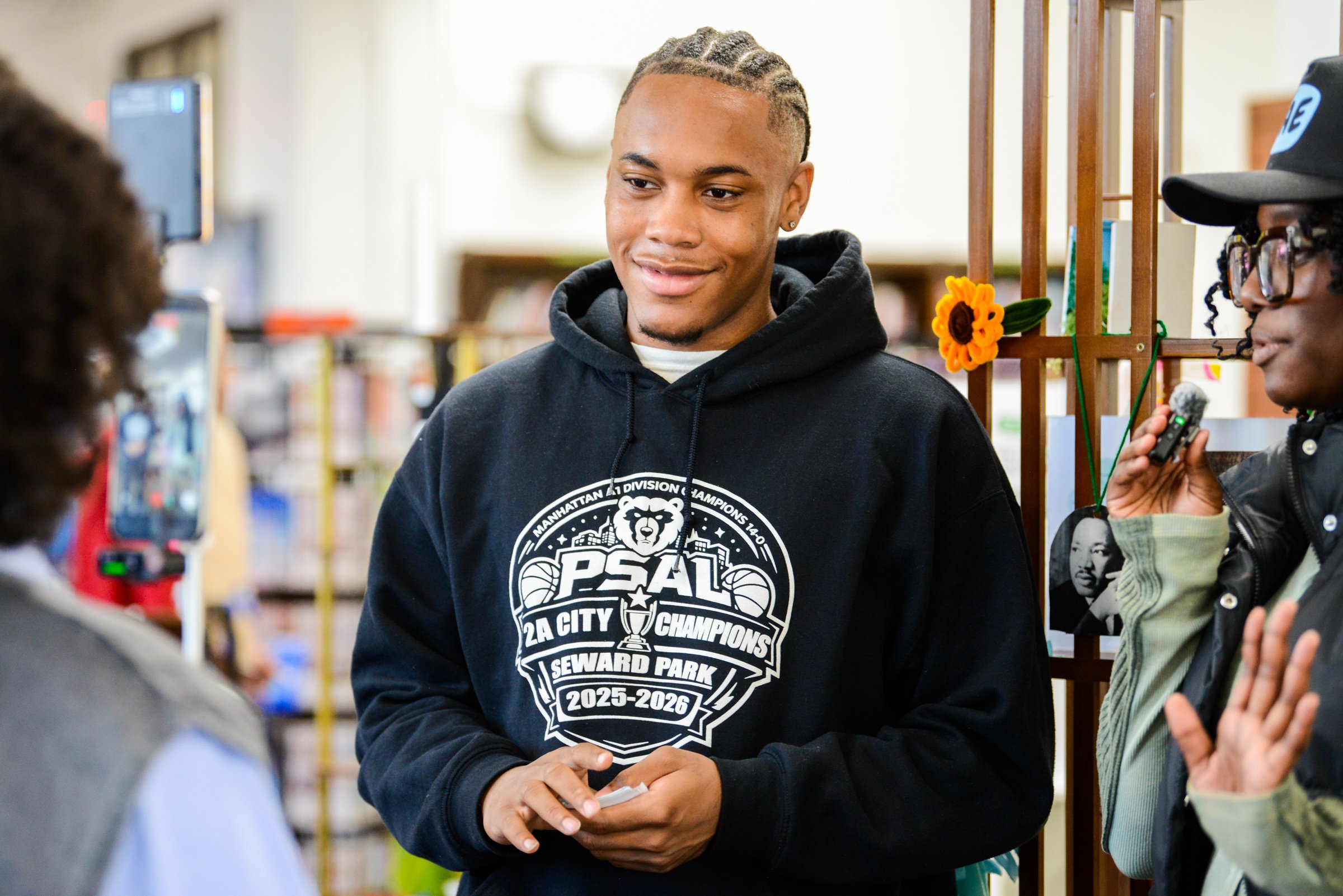
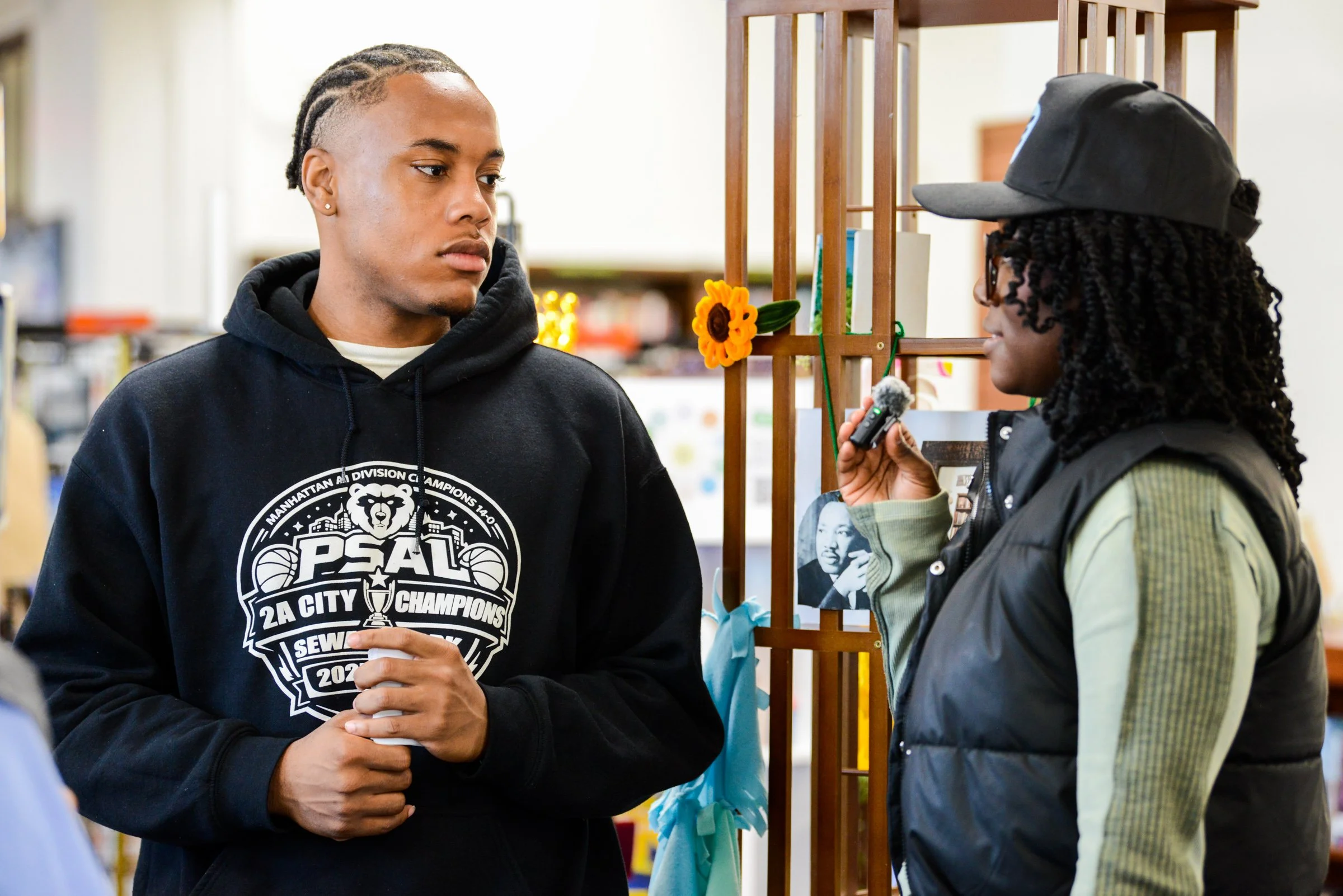
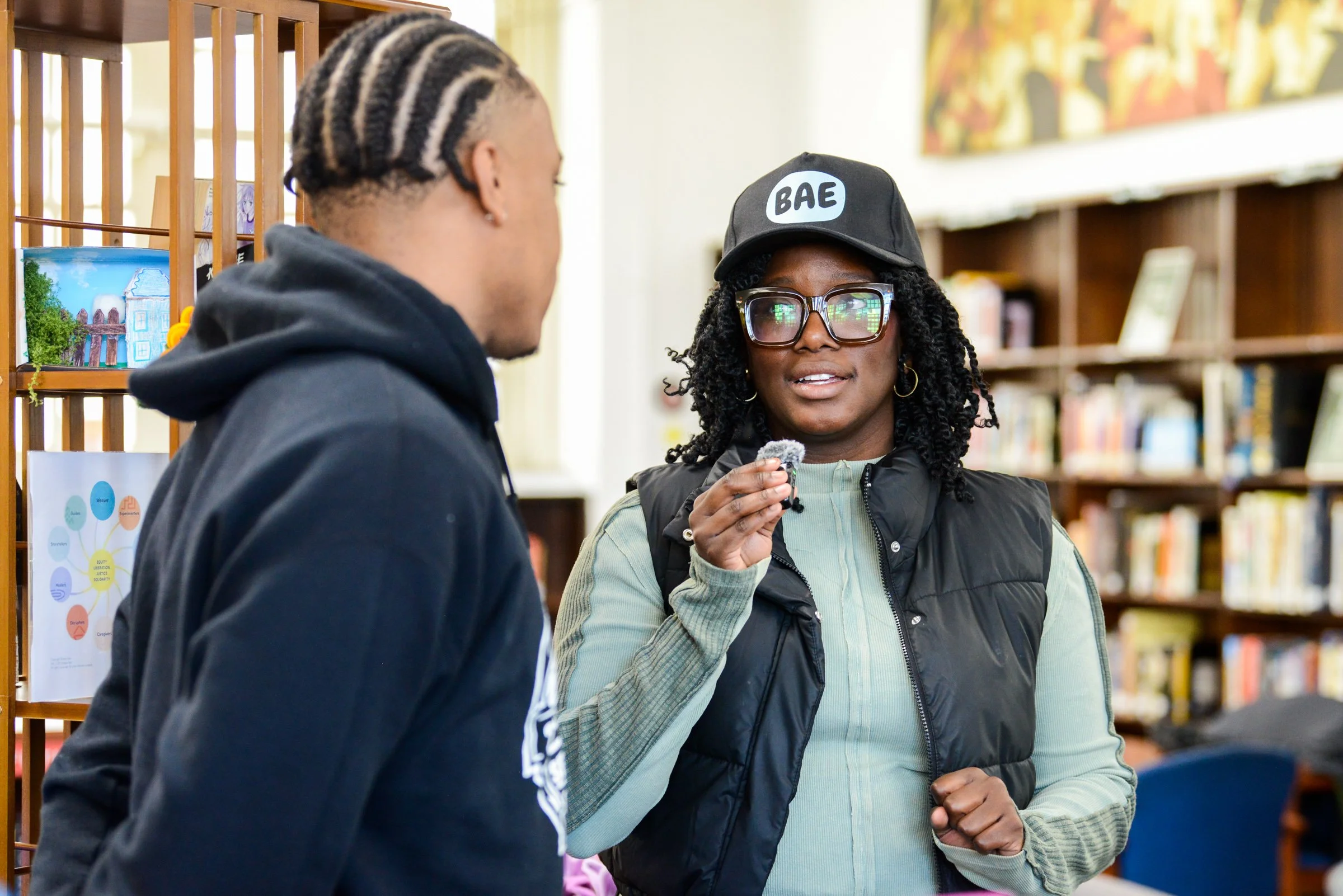
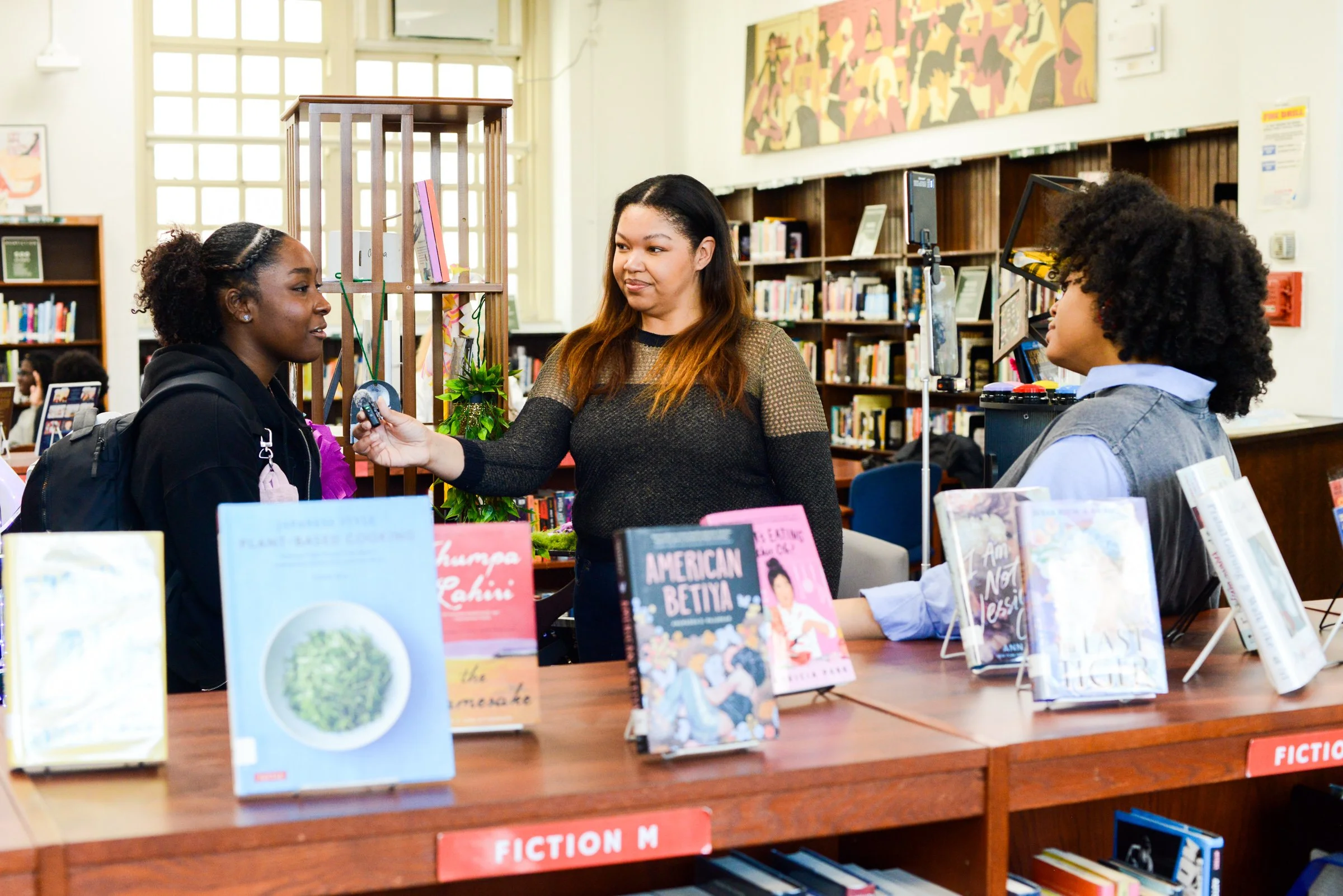
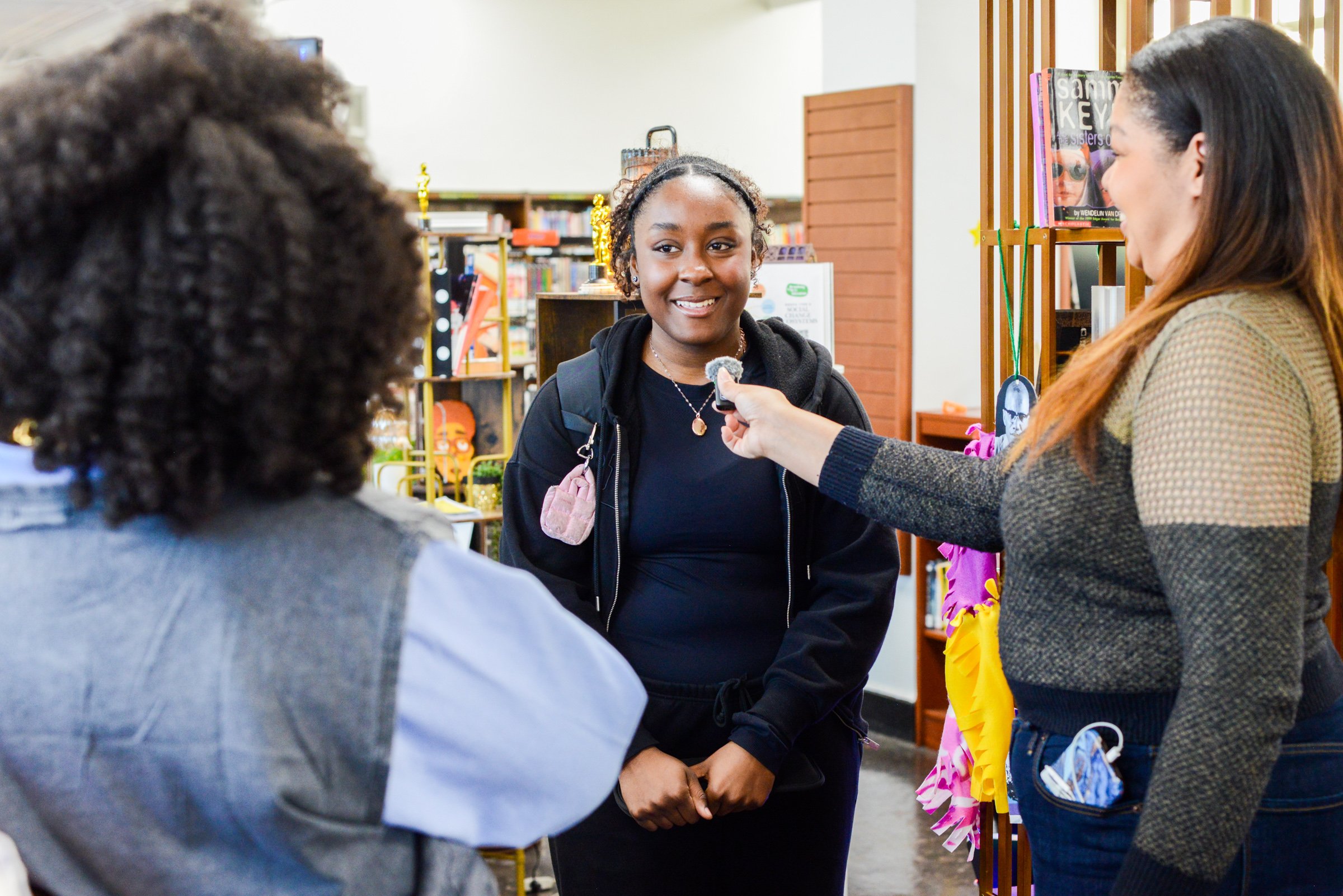
Students themselves became ambassadors for the project. Through interviews conducted with Broadway Buddies, they discussed the meaning behind their artifacts, explained their connections to specific ecosystem roles, and reflected on their own experiences throughout the process. Their ability to articulate these ideas revealed just how deeply they had internalized the framework.
Yet the most meaningful impact was not the exhibition itself.
The bookshelves remained in the library for a month. The ideas remained much longer.
As the semester progressed, students began using the language of the Social Change Ecosystem in their own conversations and analyses. They started to think differently about themselves and the people around them. They recognized that not everyone contributes in the same way and that difference is not a weakness but a necessity. They became more aware of their own assets, aspirations, and boundaries. They began to understand not only what they had to offer the world, but also the kinds of work that energized them and the roles that felt most authentic to who they were.
That shift may ultimately be the most important outcome of the project.
Too often, young people are asked to imagine their futures in narrow terms. They are encouraged to choose a profession, define a destination, and work toward a singular vision of success. The Social Change Ecosystem offers a broader perspective. It suggests that meaningful contribution can take many forms and that healthy communities depend on people bringing diverse strengths to a common purpose.
The goal of this project was never to convince students that they must change the world on their own.
It was to help them understand that they already have something to contribute.
By the end of the semester, students were not simply learning about social change. They were beginning to see themselves as part of it. They understood that their individual piece of the puzzle matters, that their perspective has value, and that meaningful change happens when many different people bring their unique gifts together in service of something larger than themselves.
The Immersive Library may have transformed a physical space.
The deeper transformation was helping students discover where they fit within the larger ecosystem of change—and recognize that they belong there.