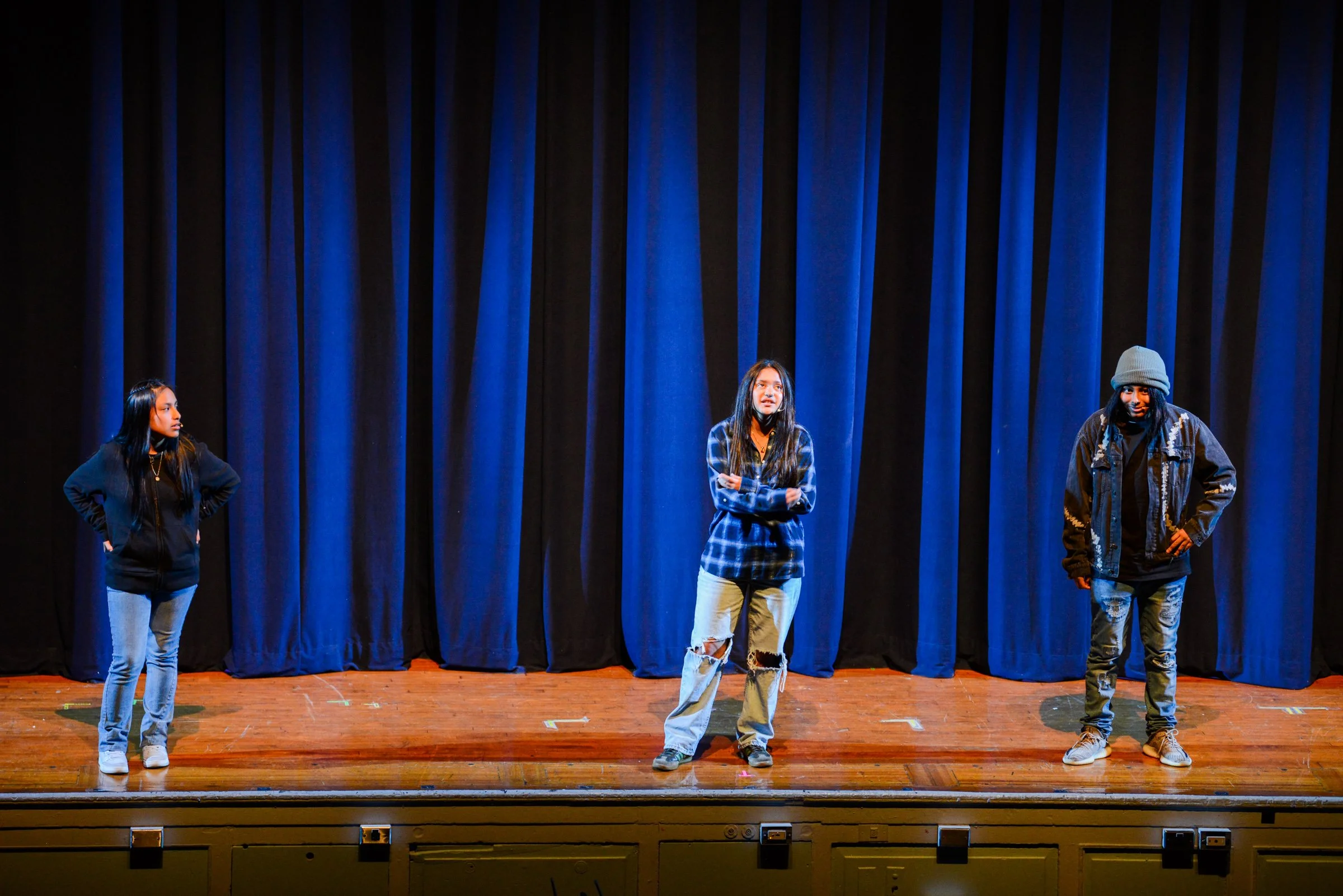
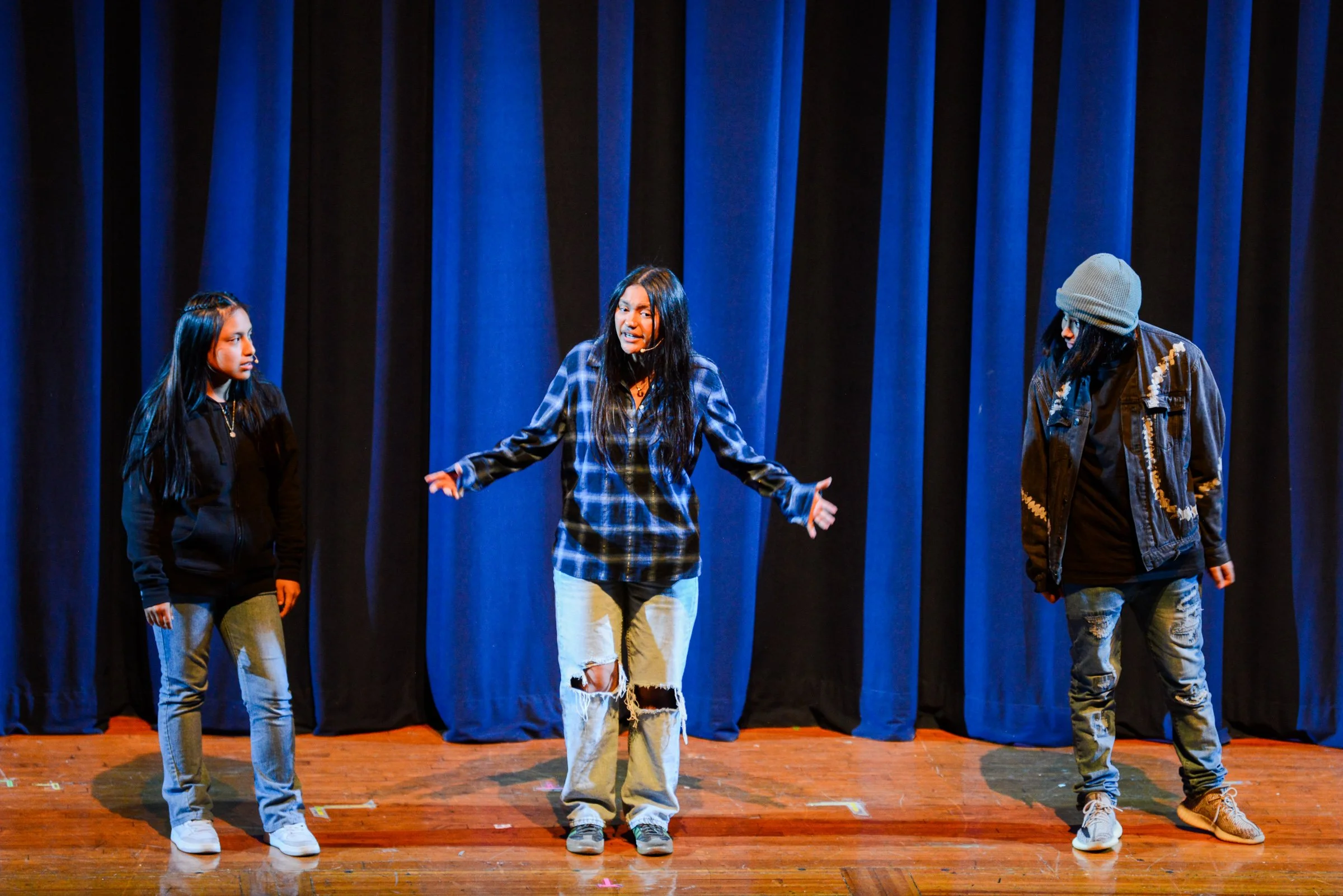
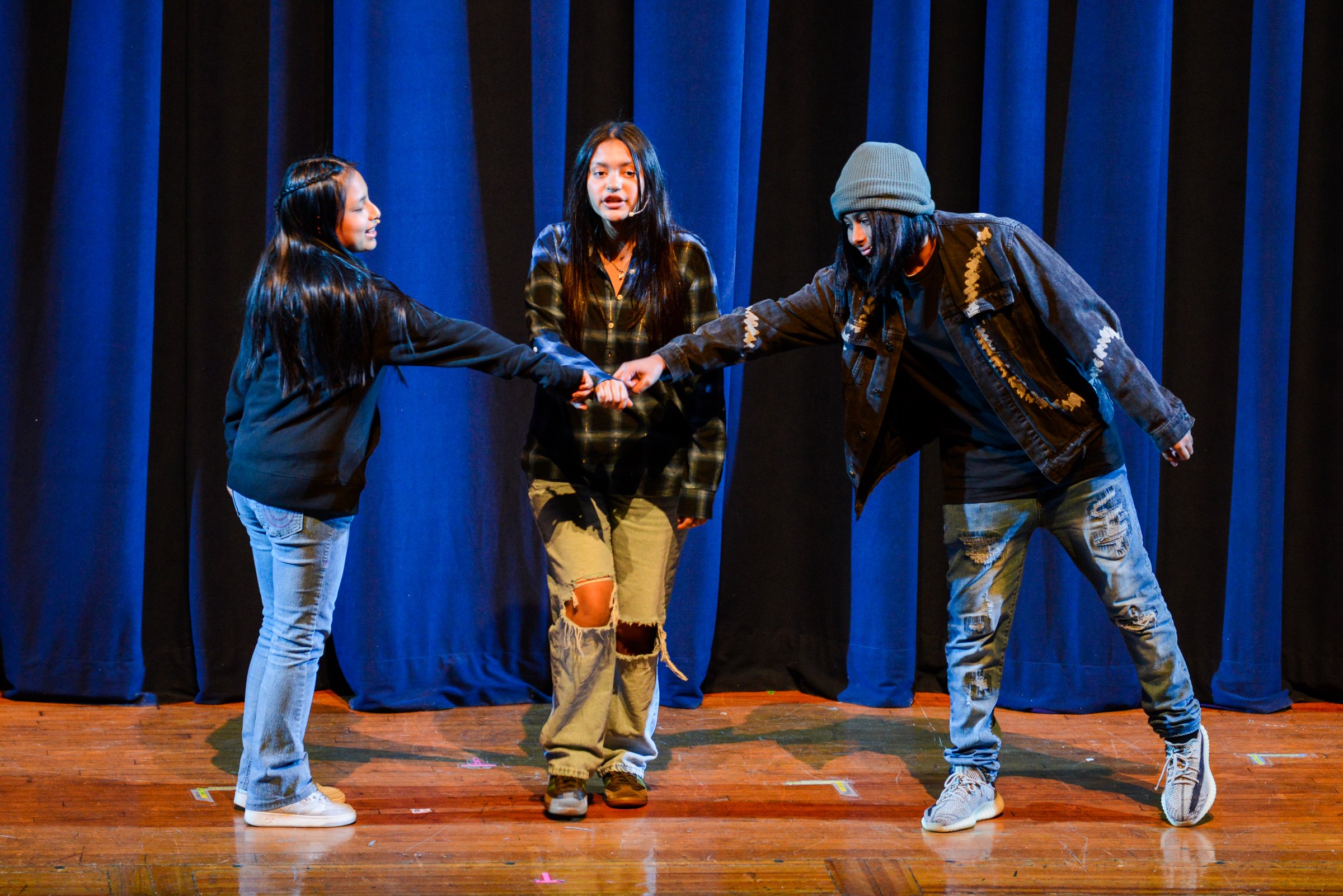
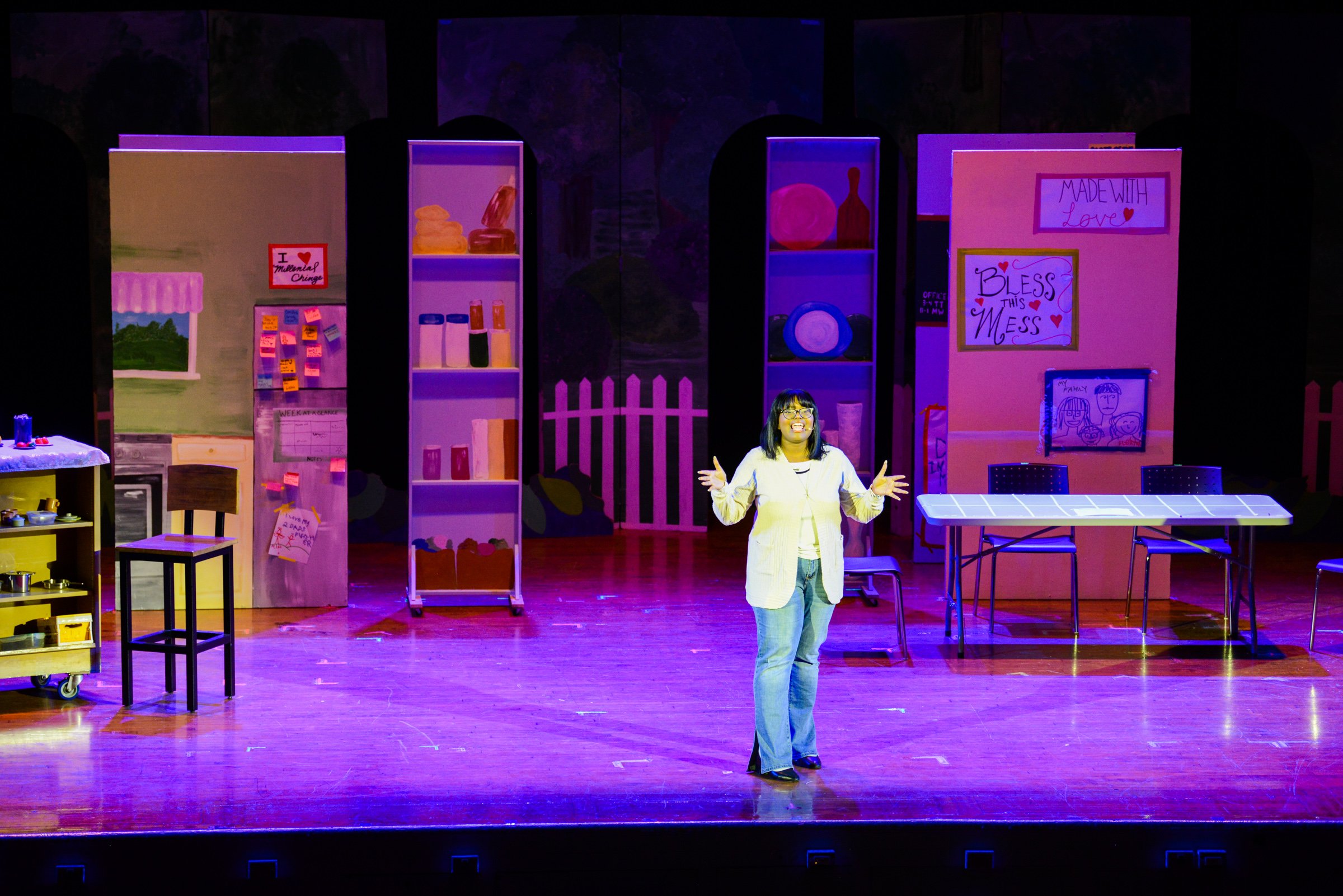
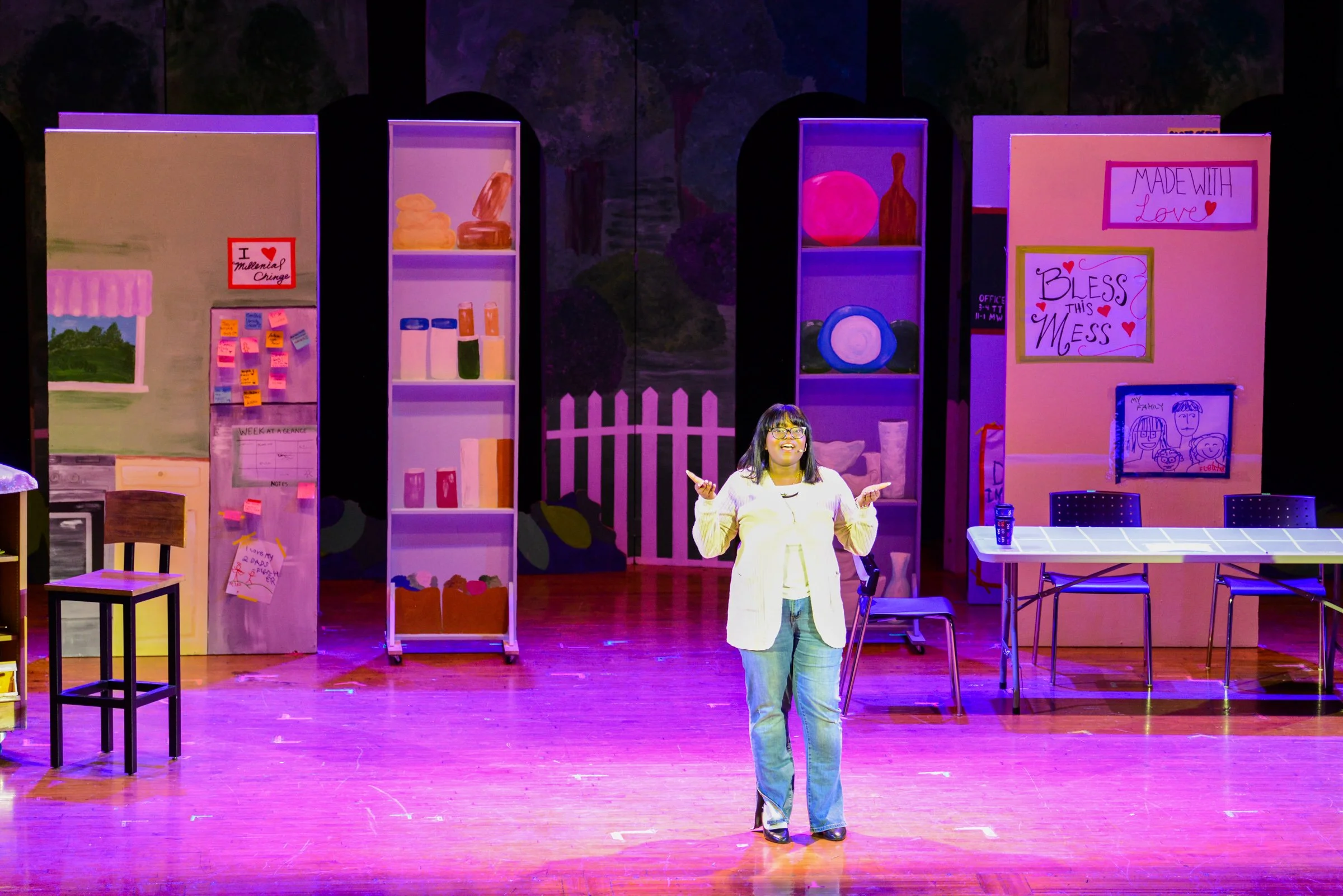
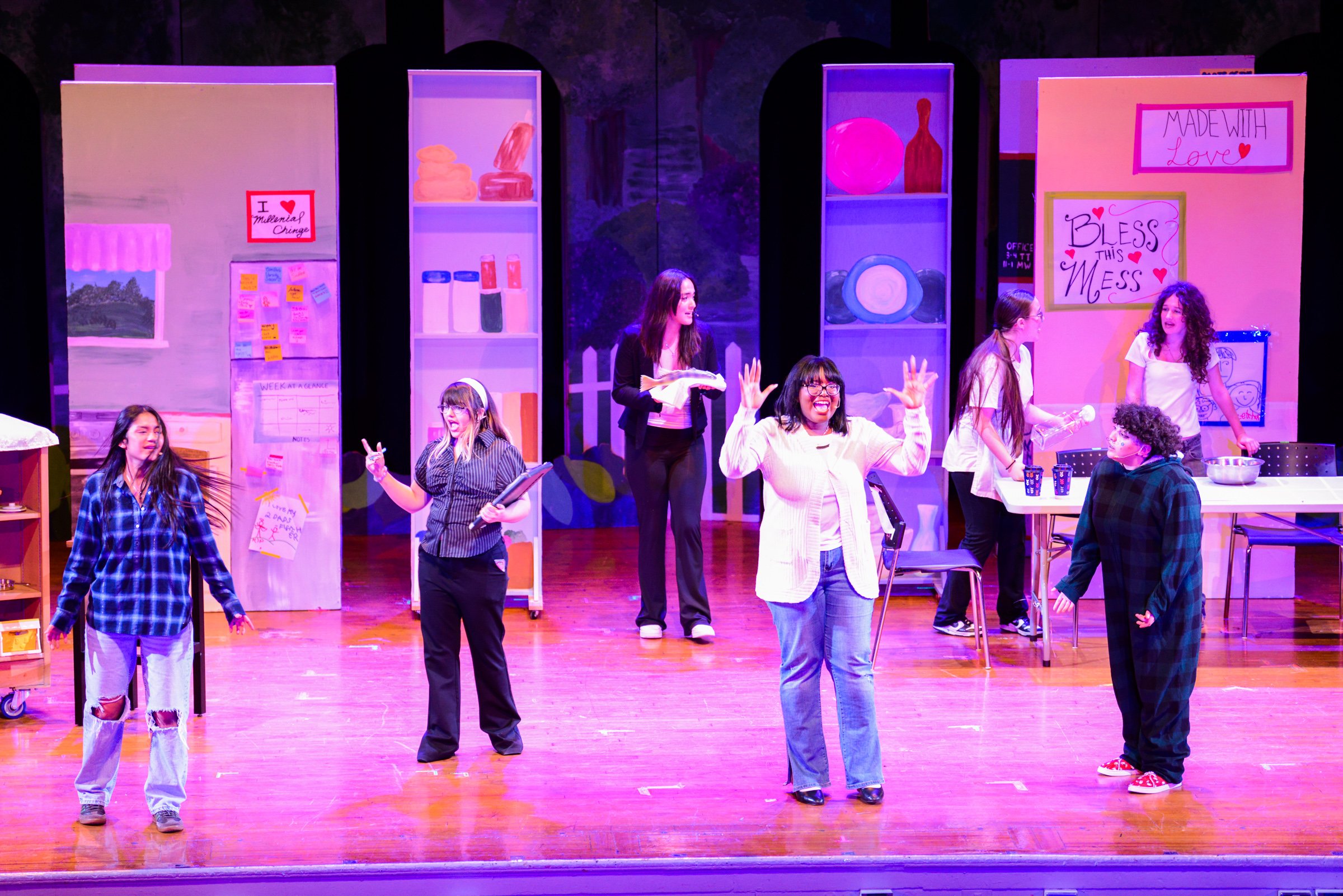
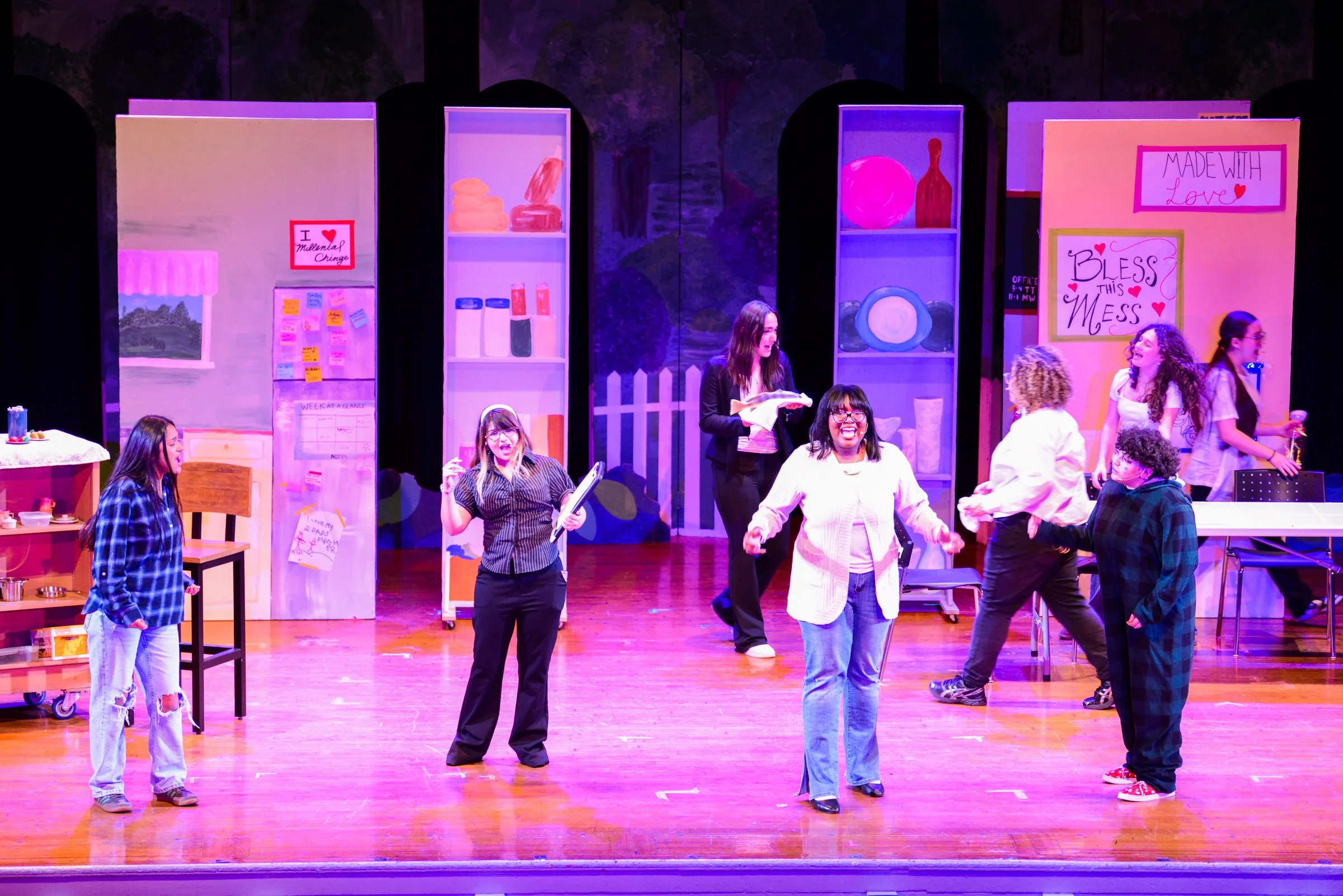
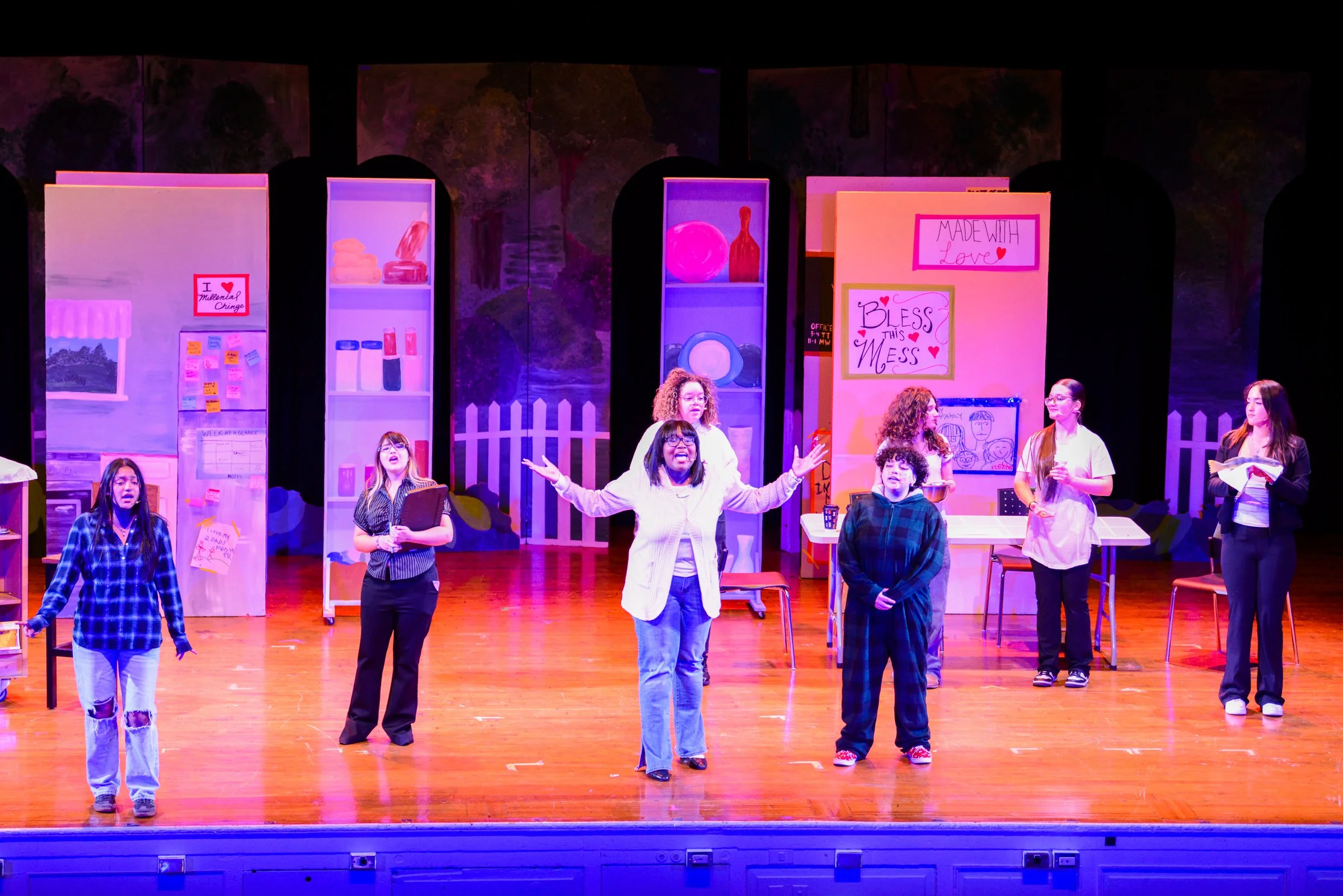
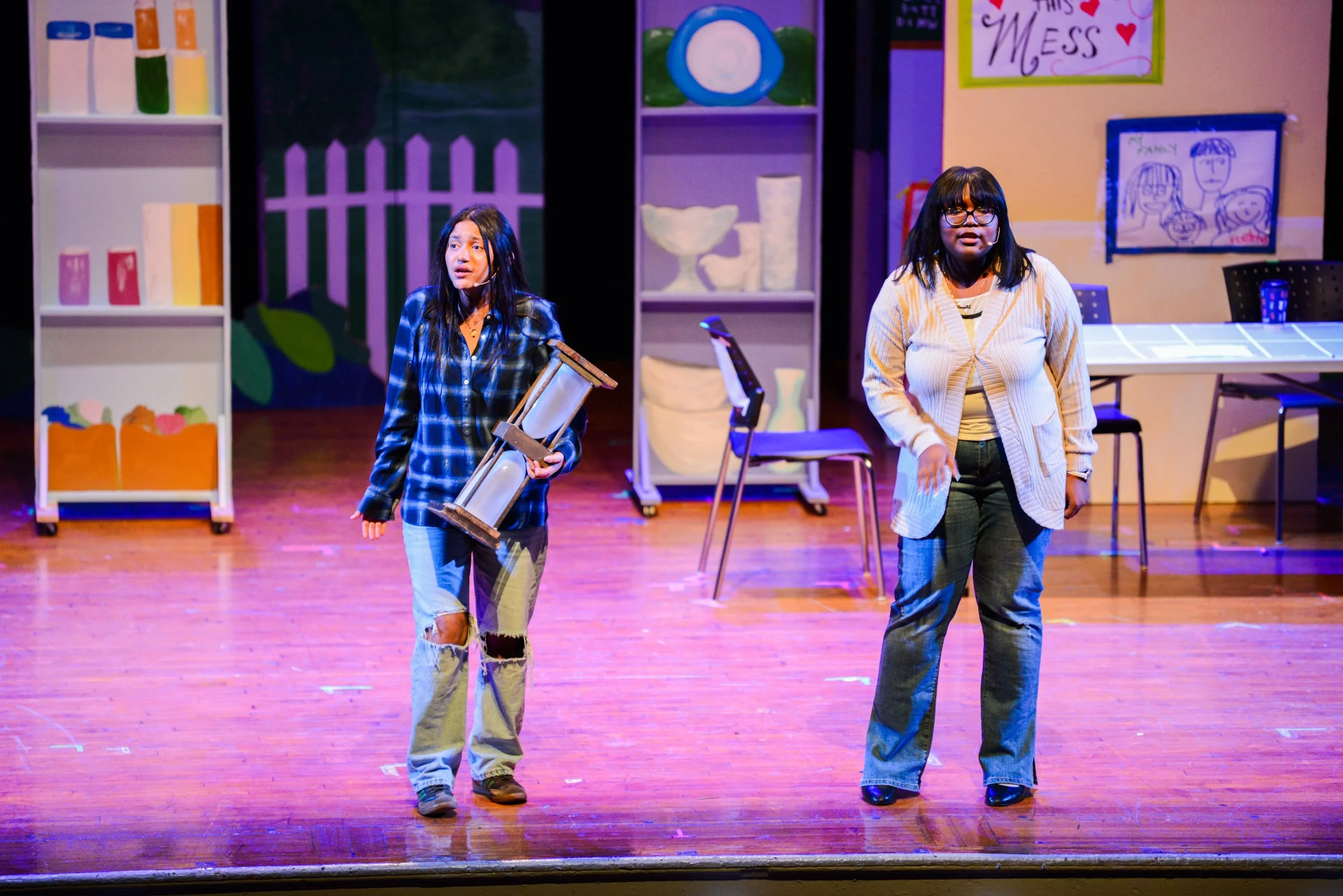
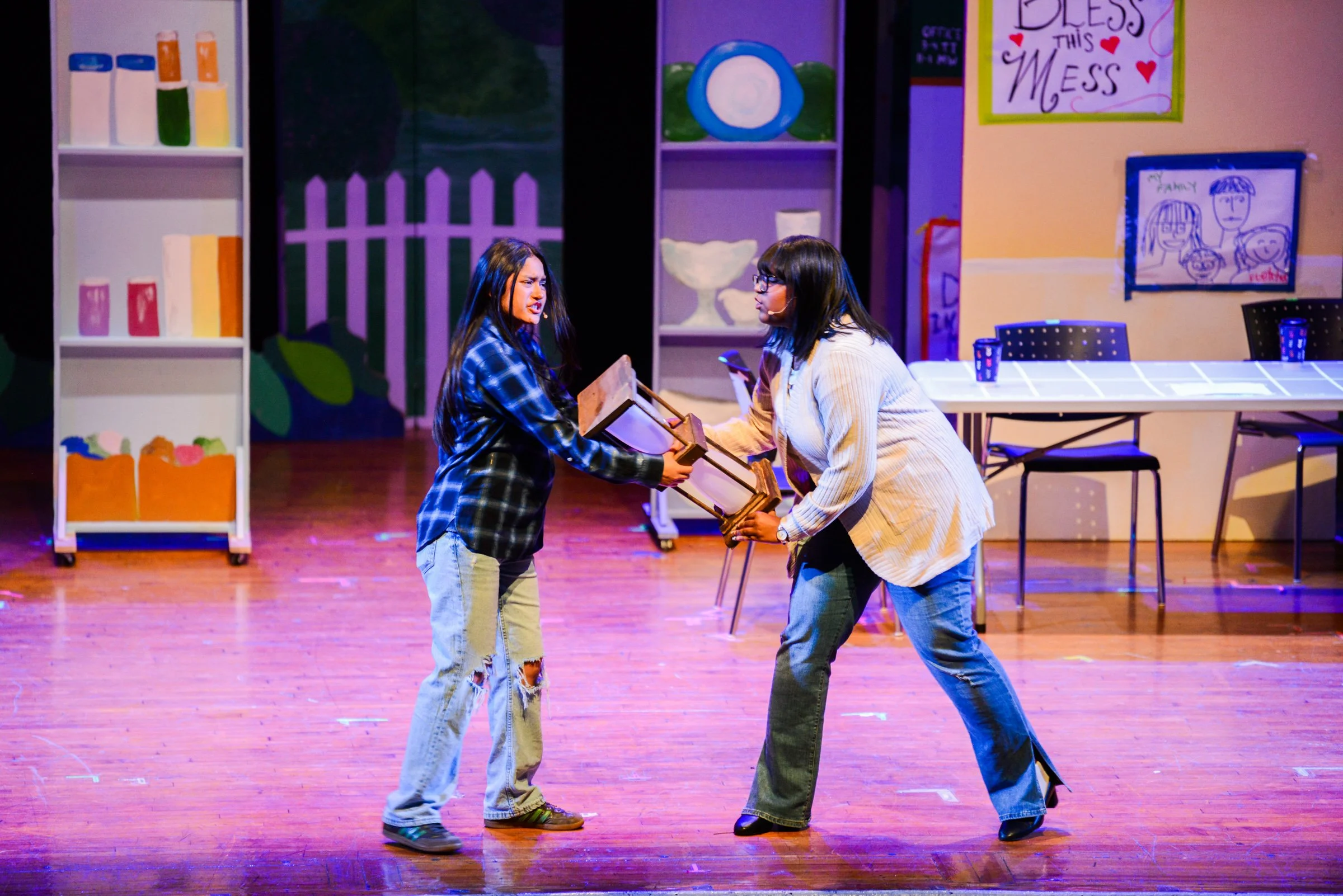
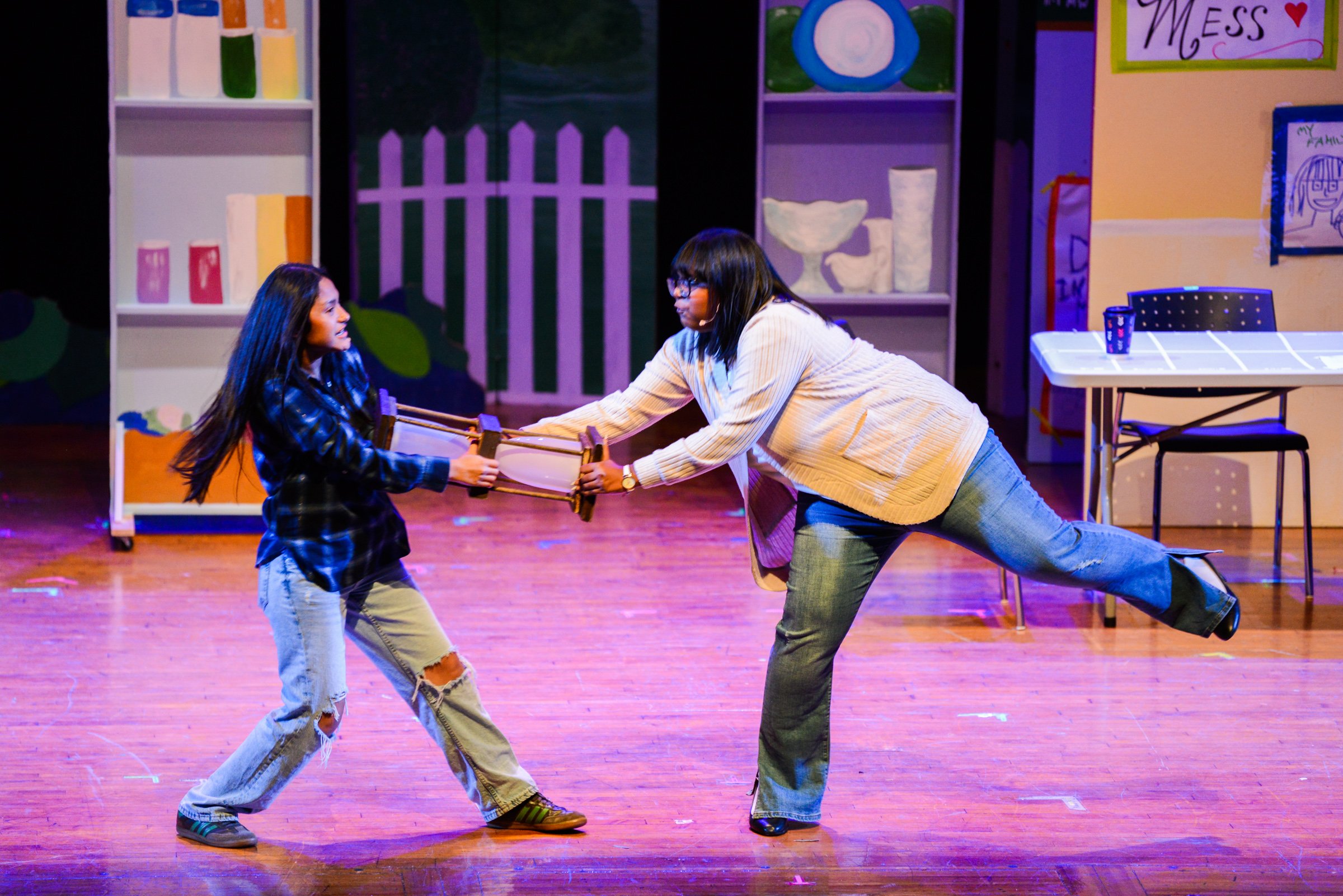
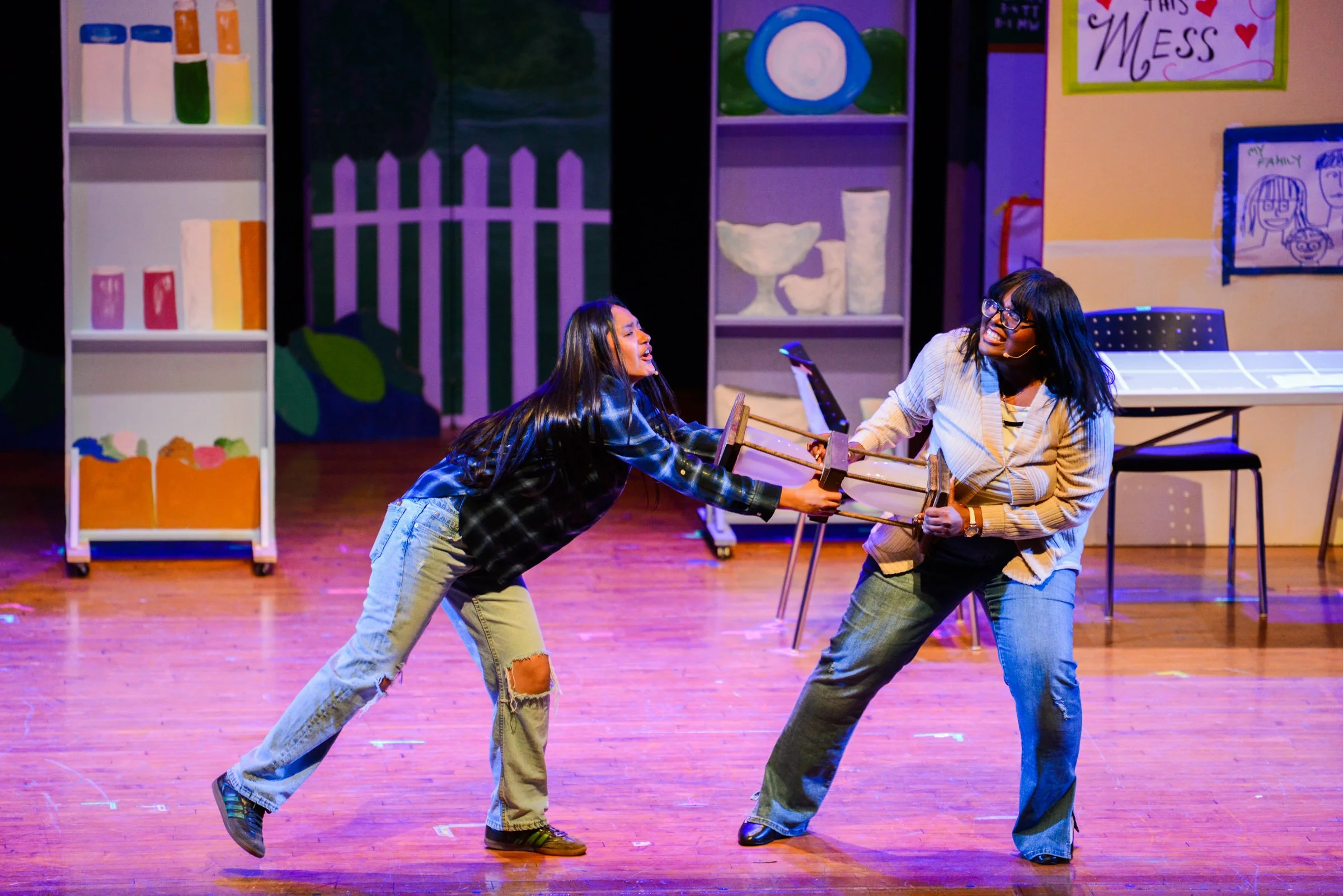
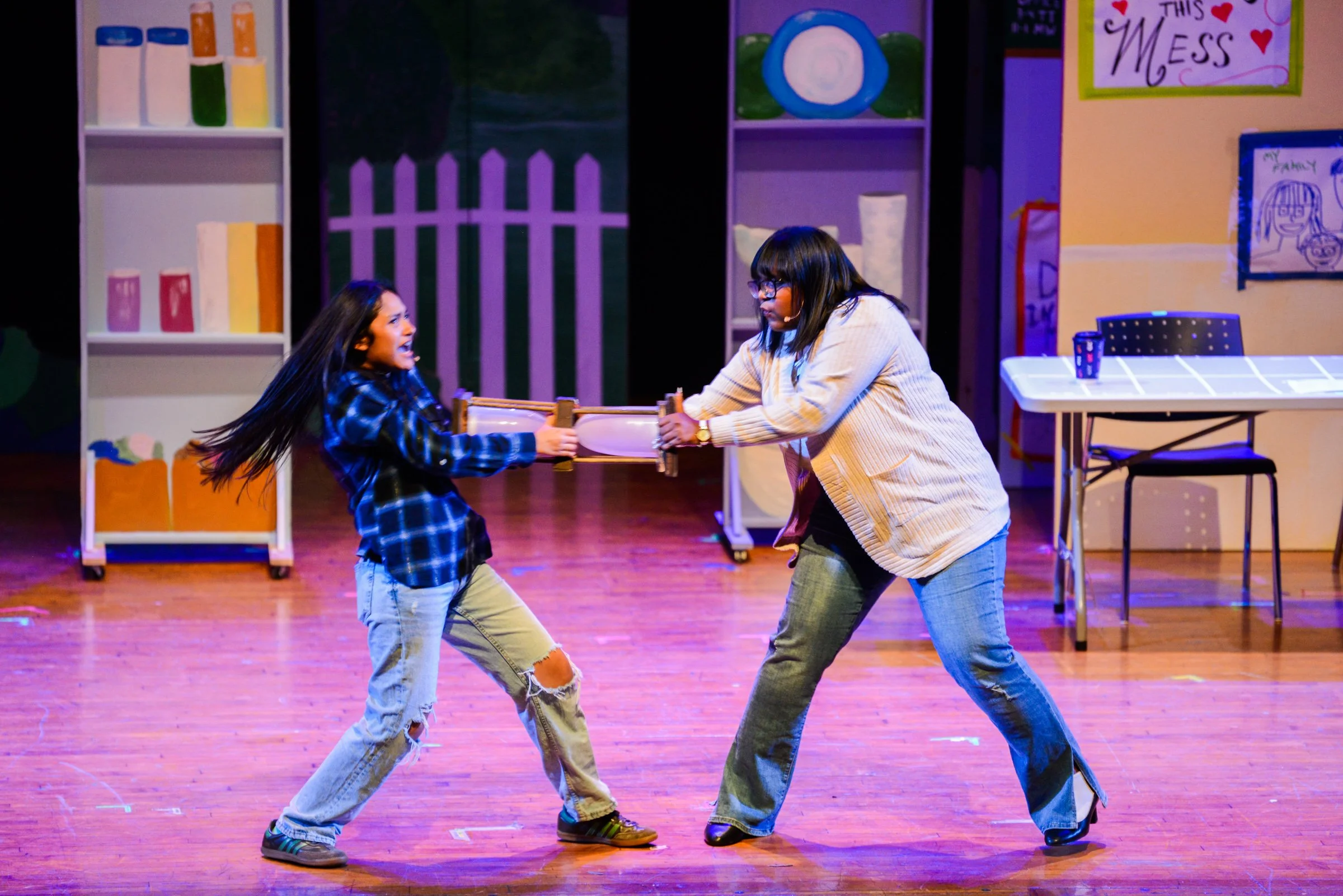
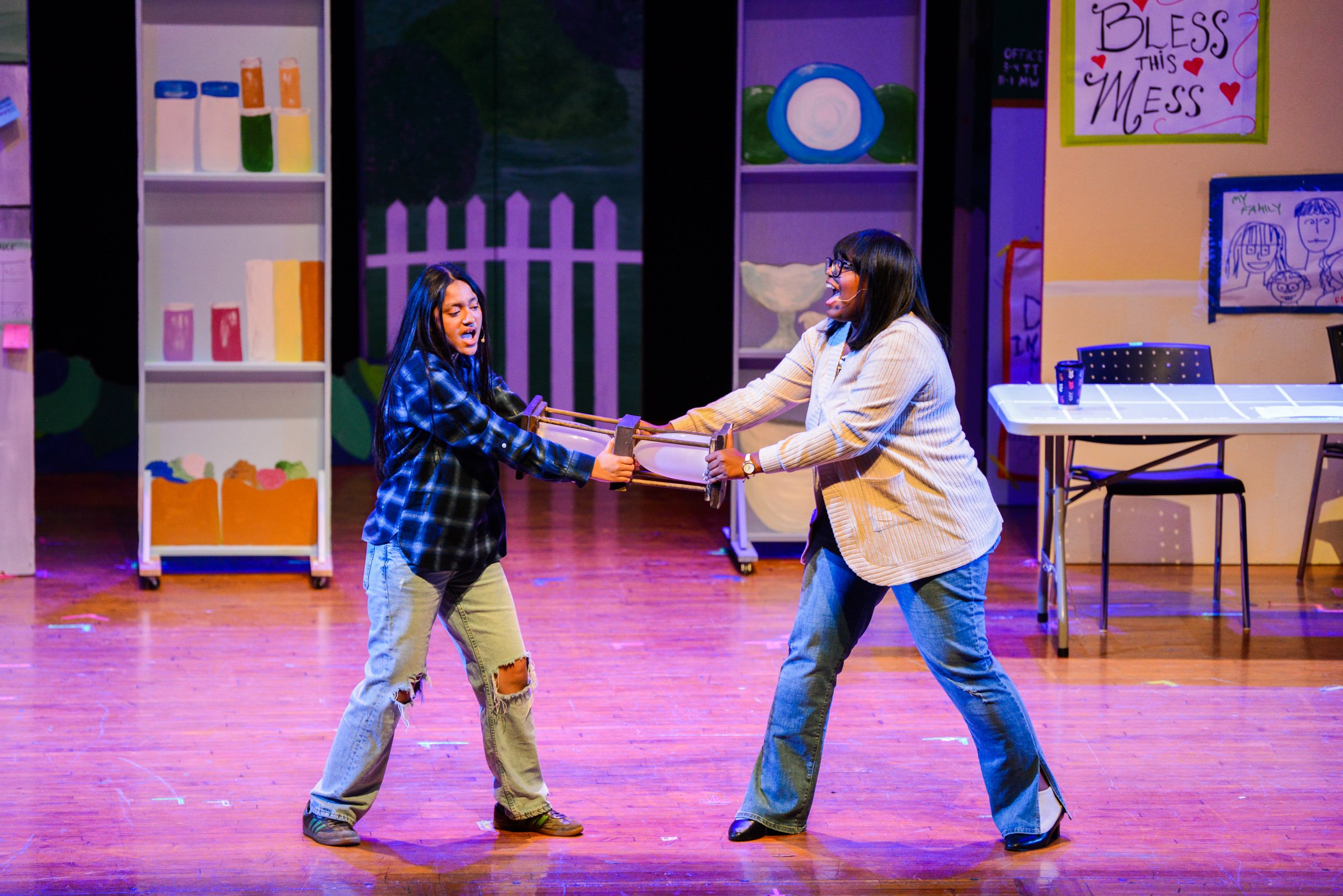
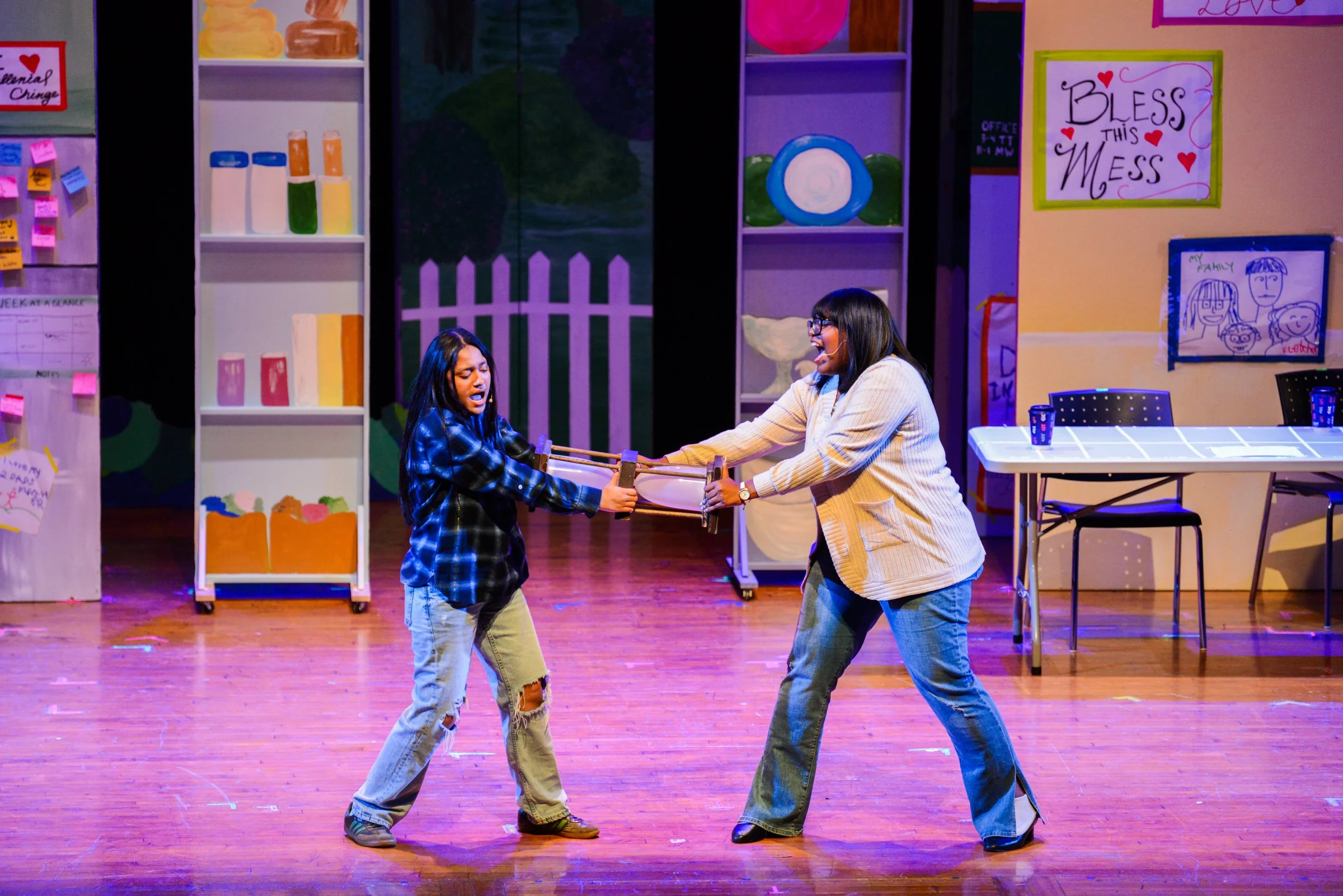
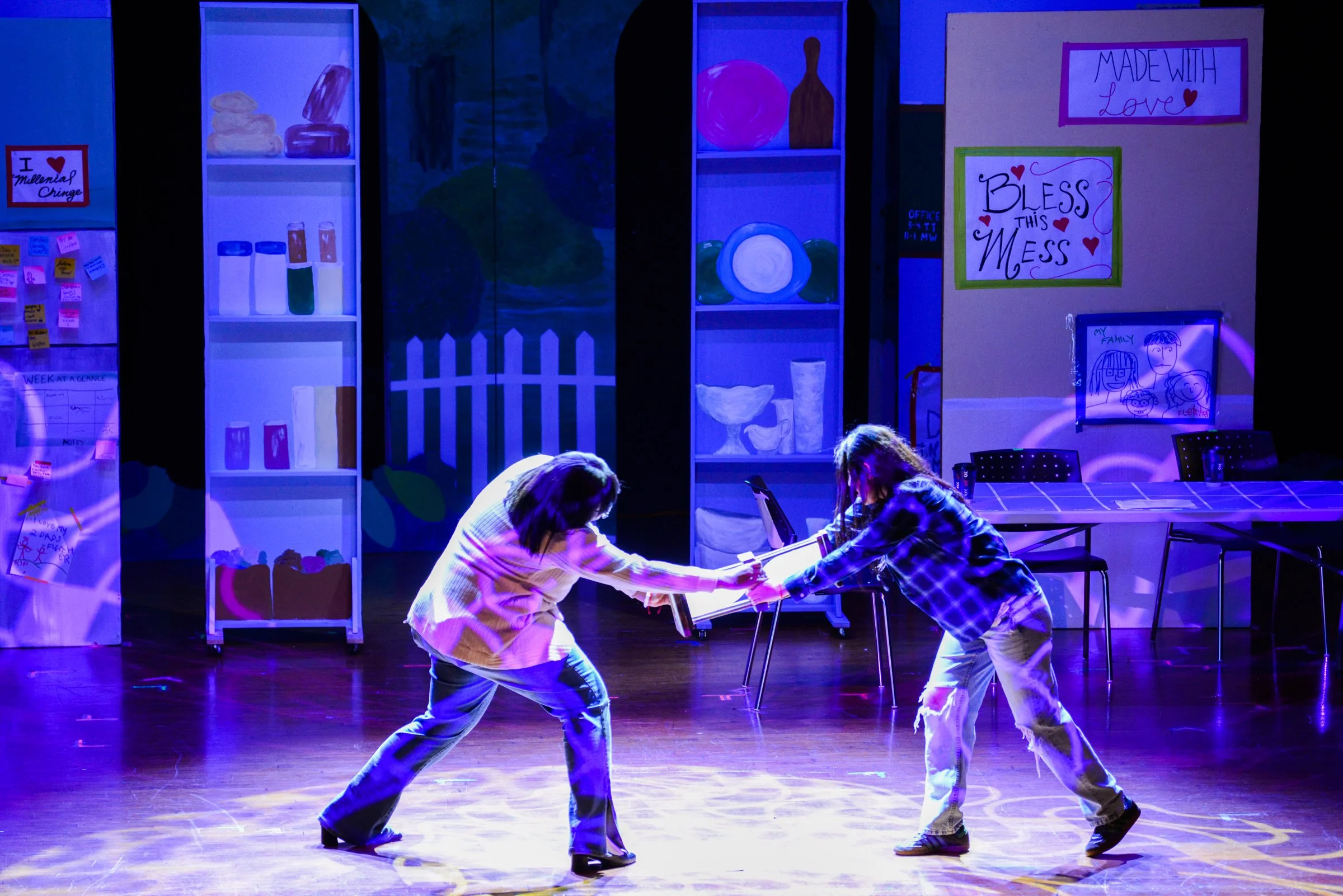
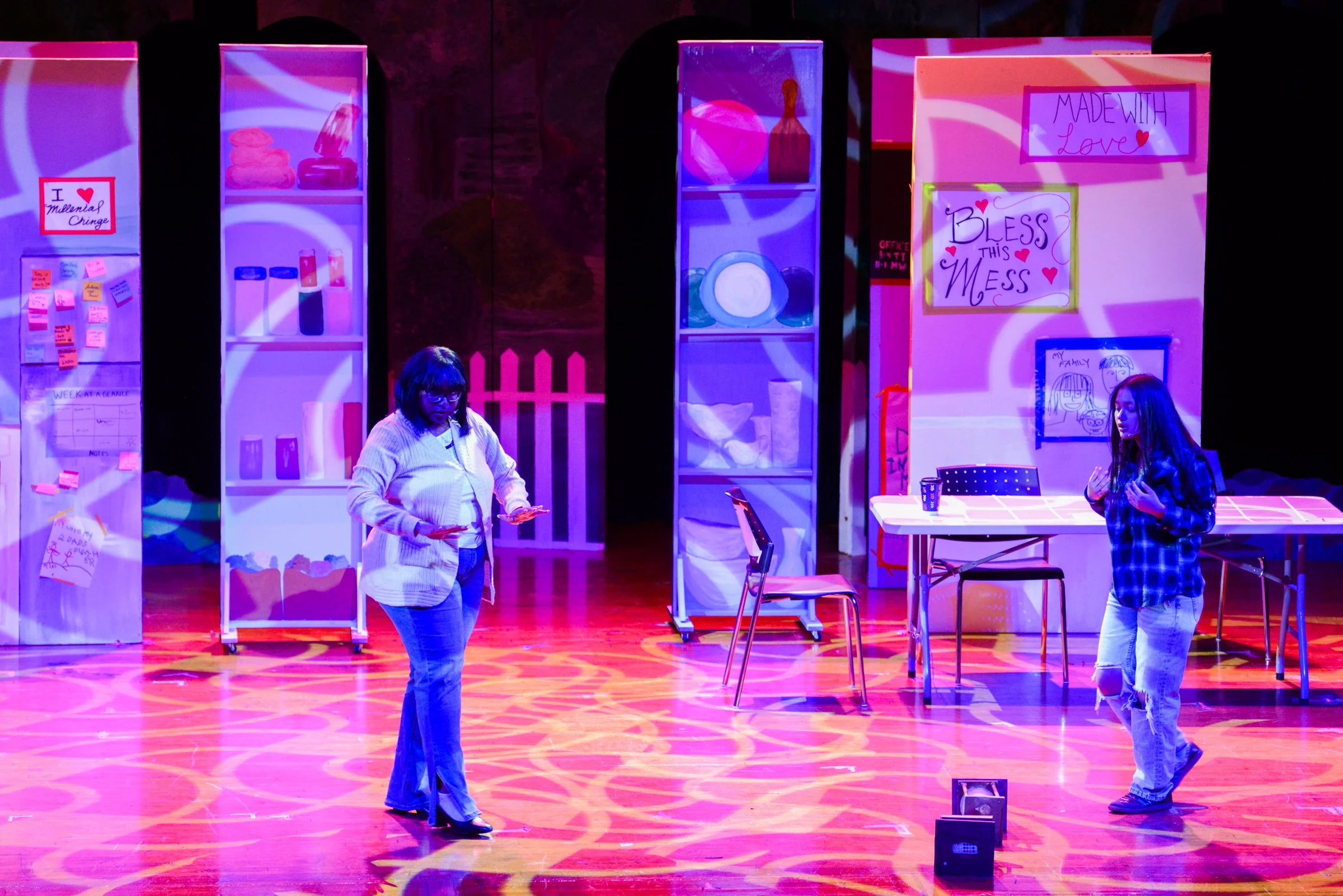
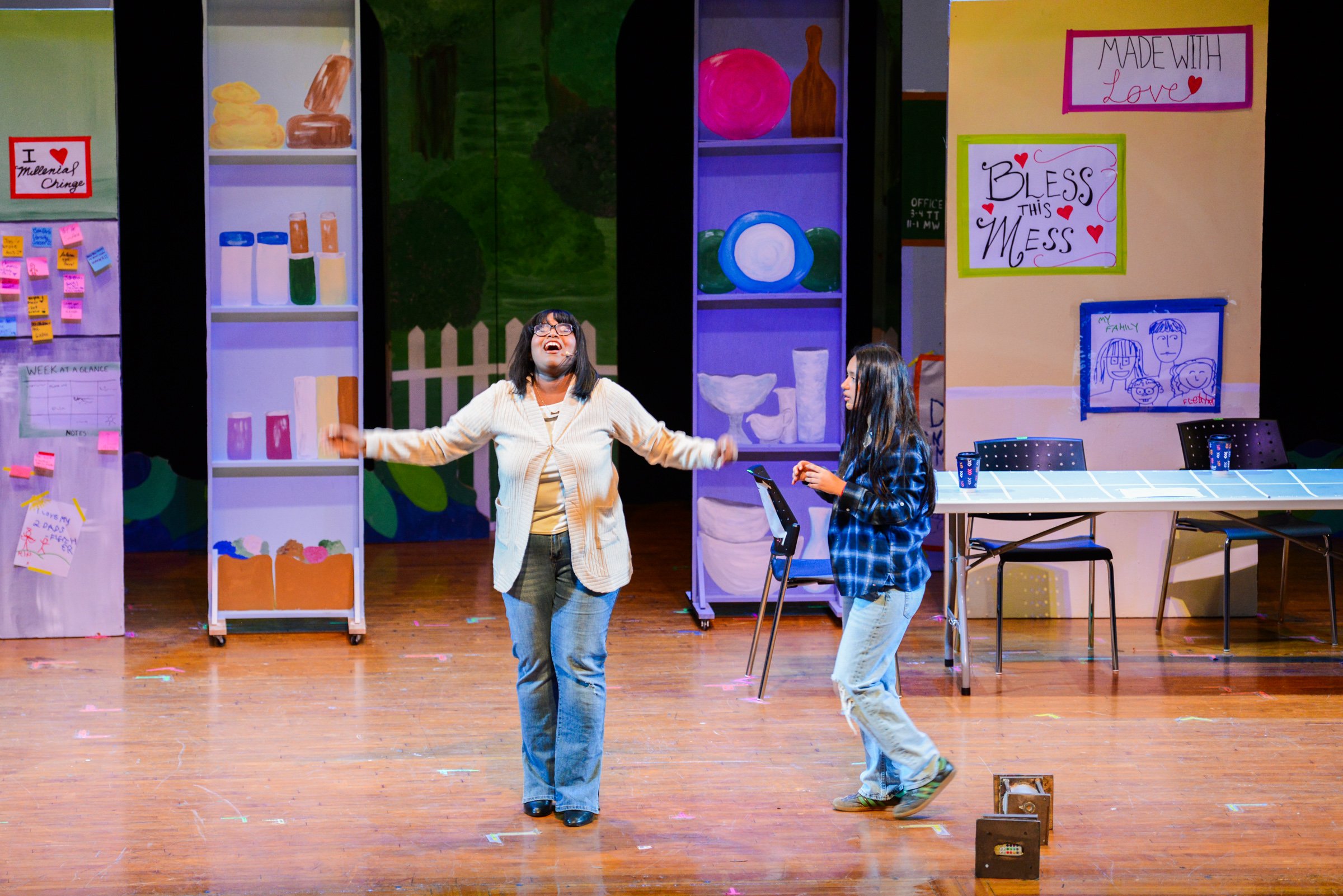
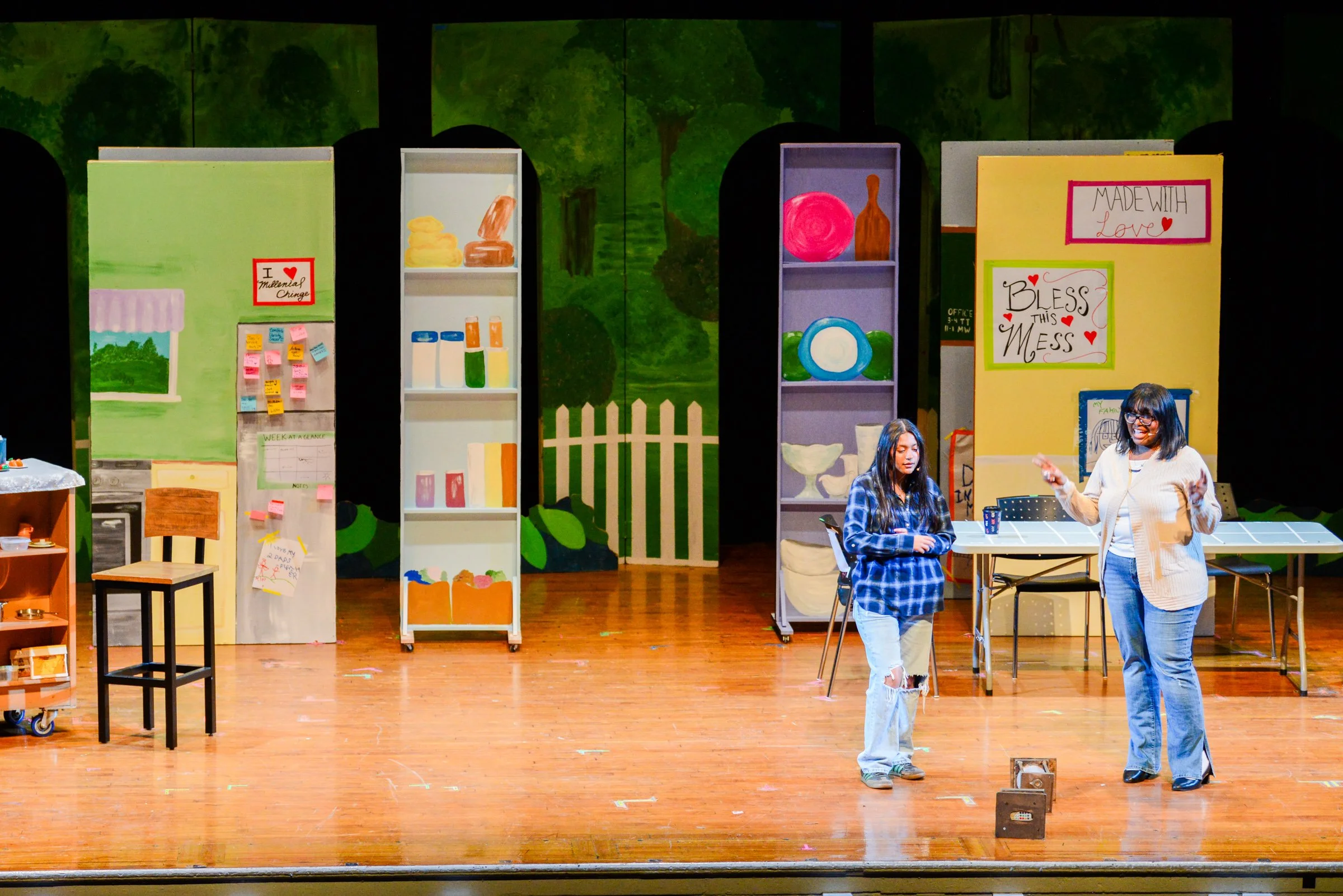
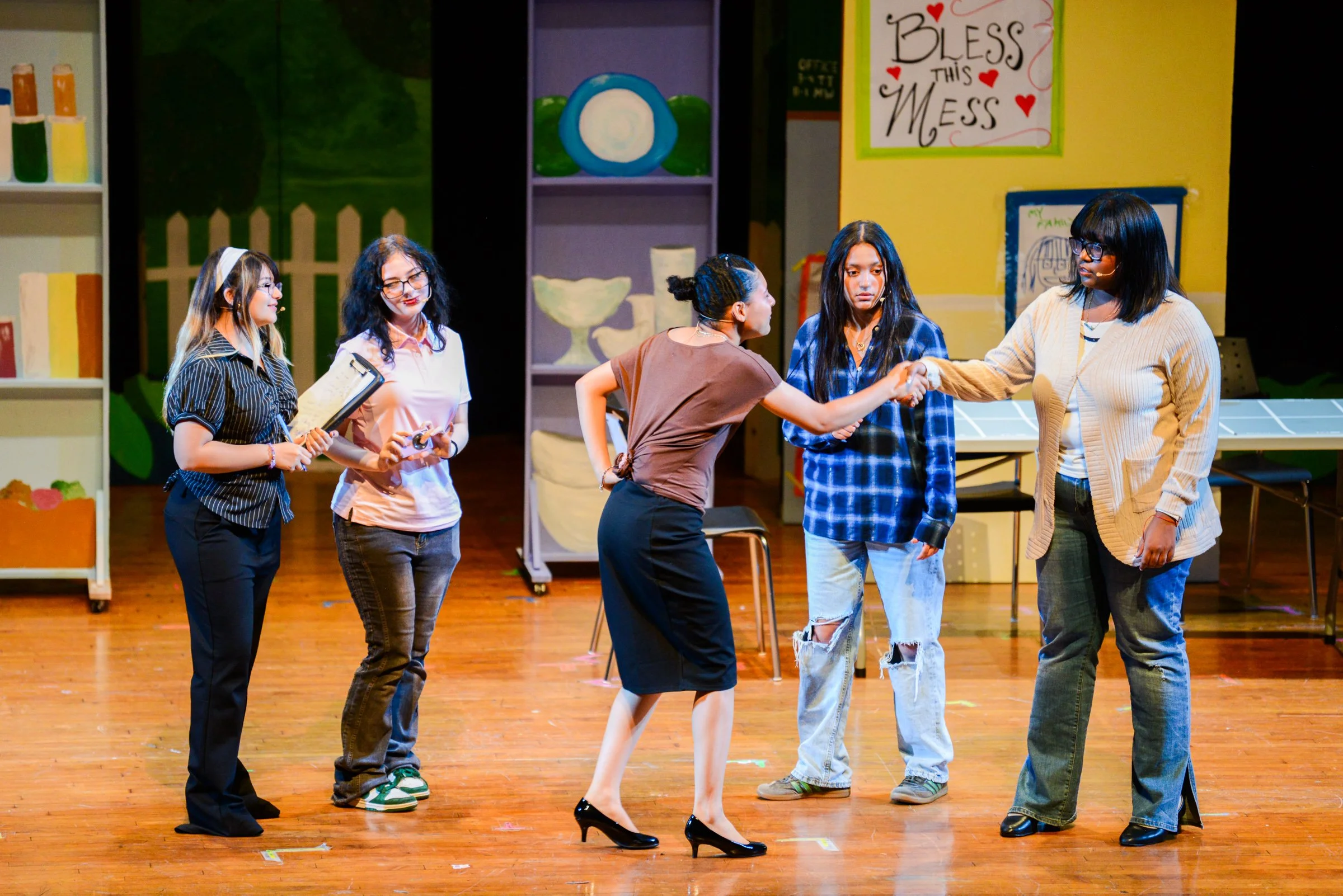
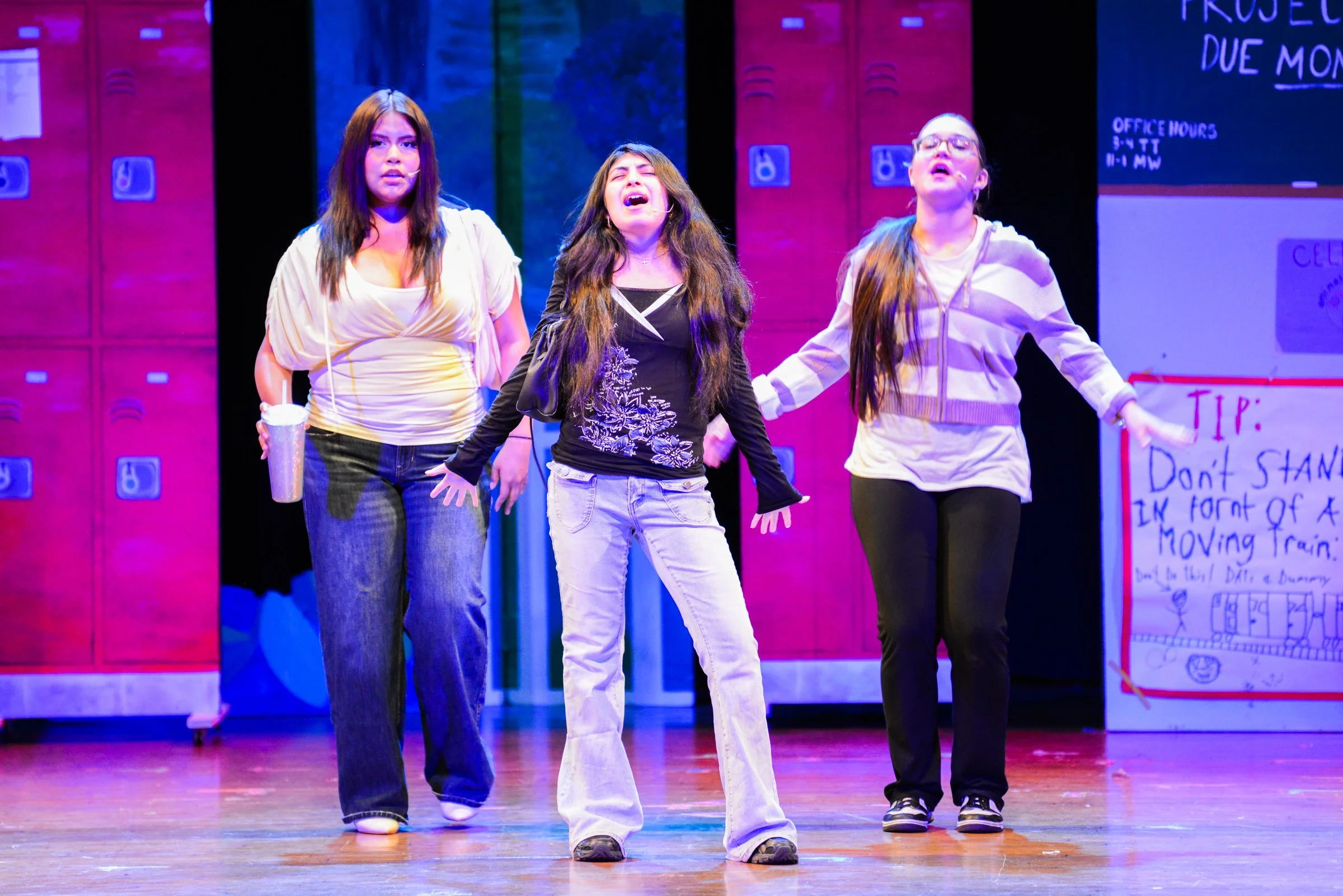
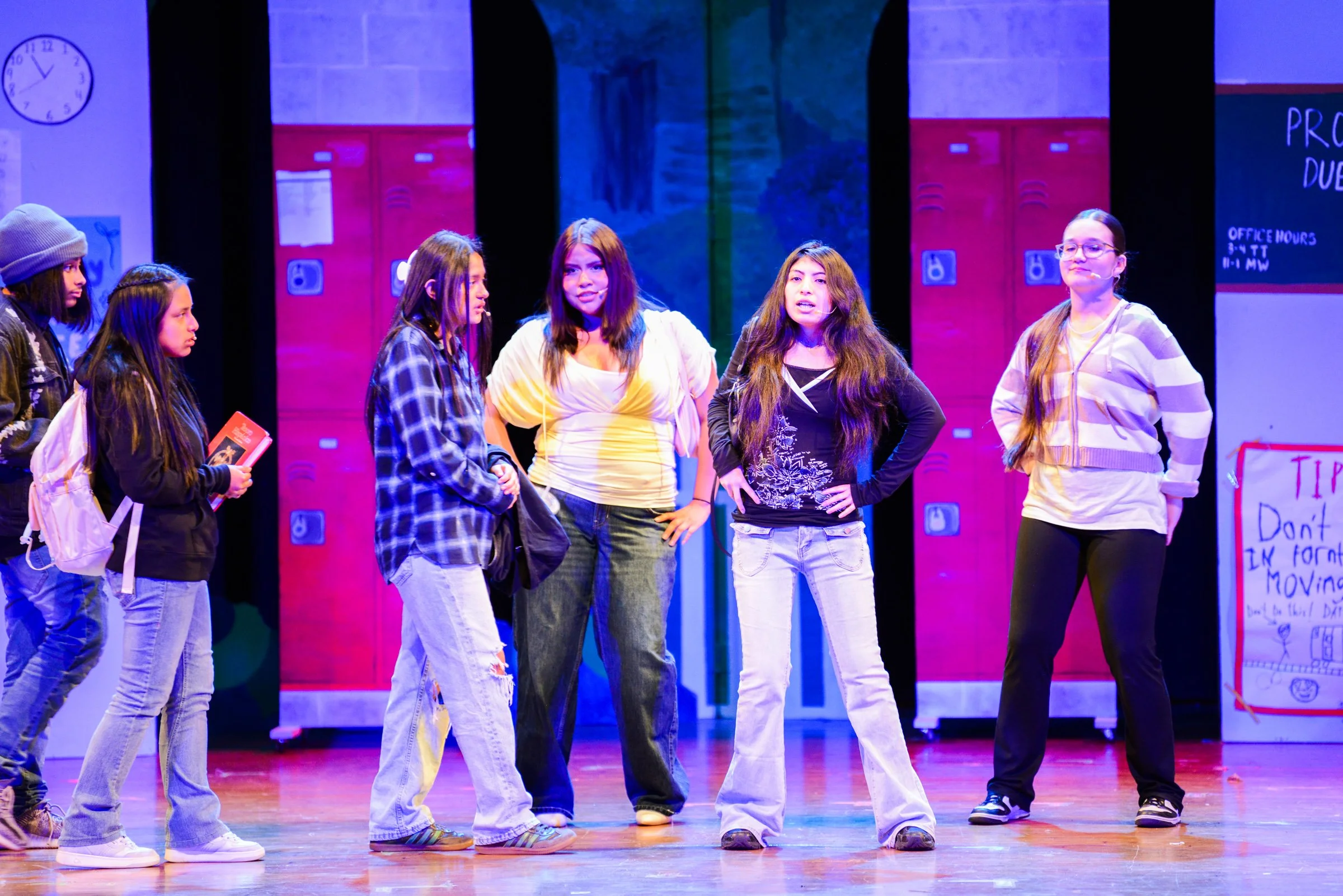
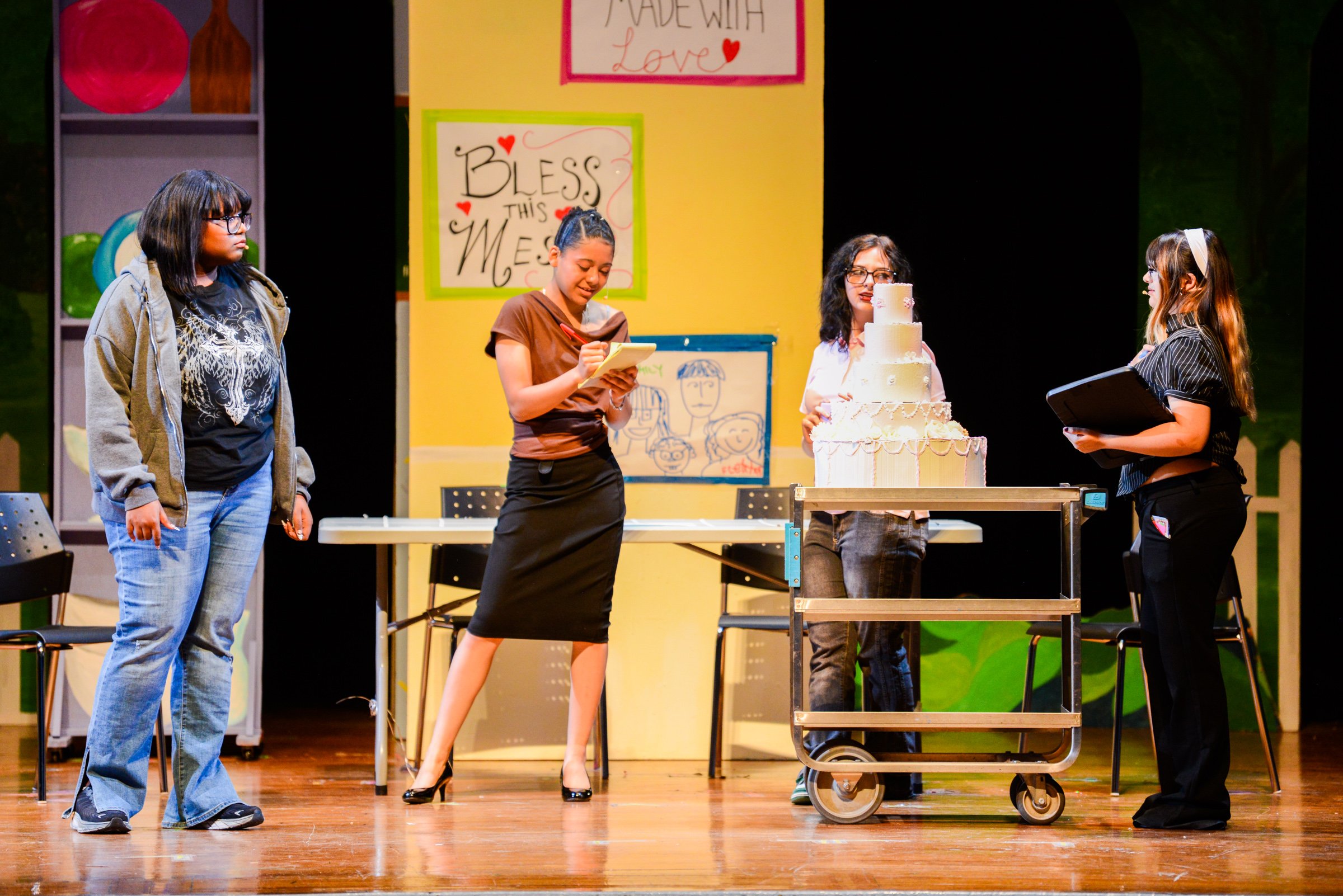
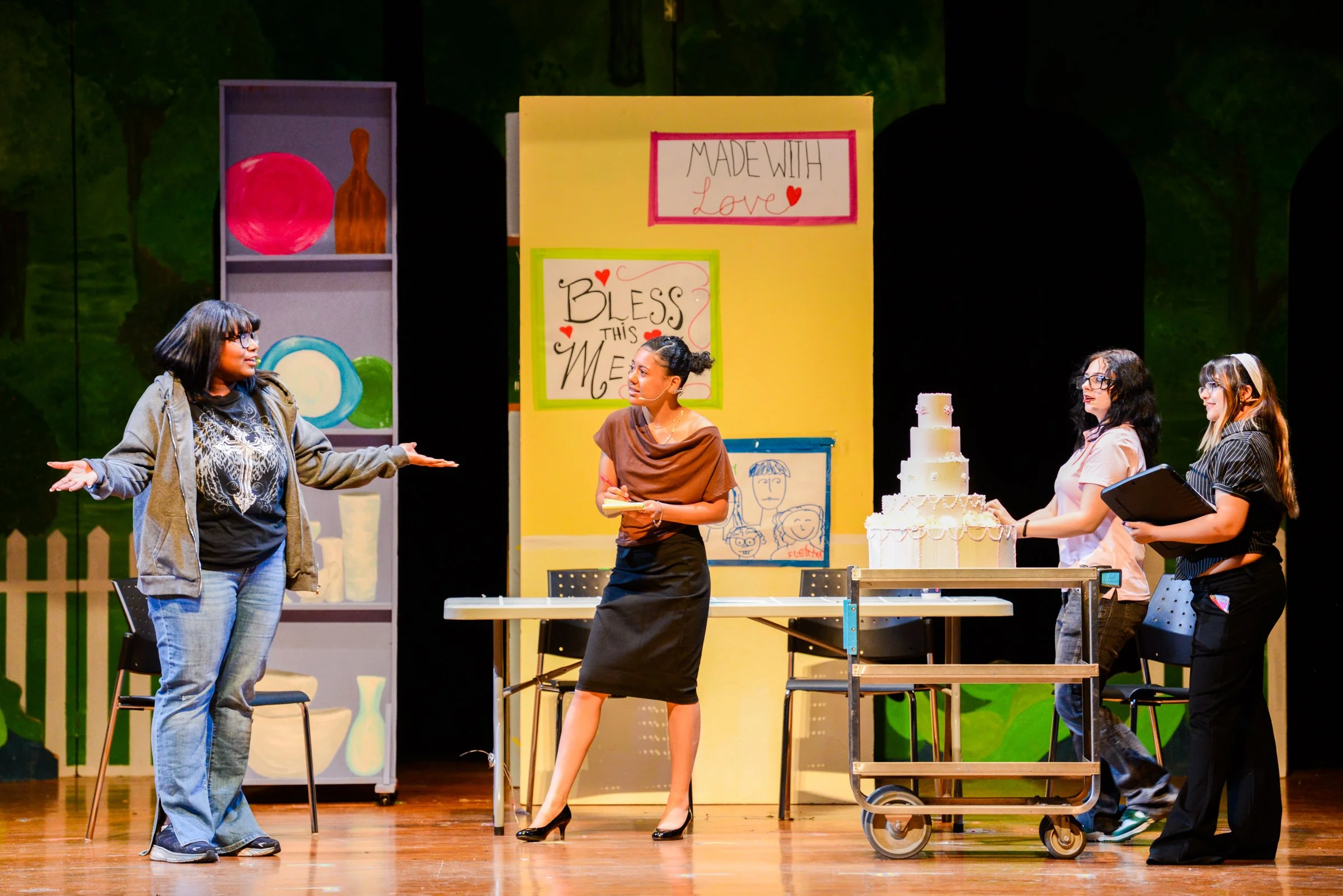
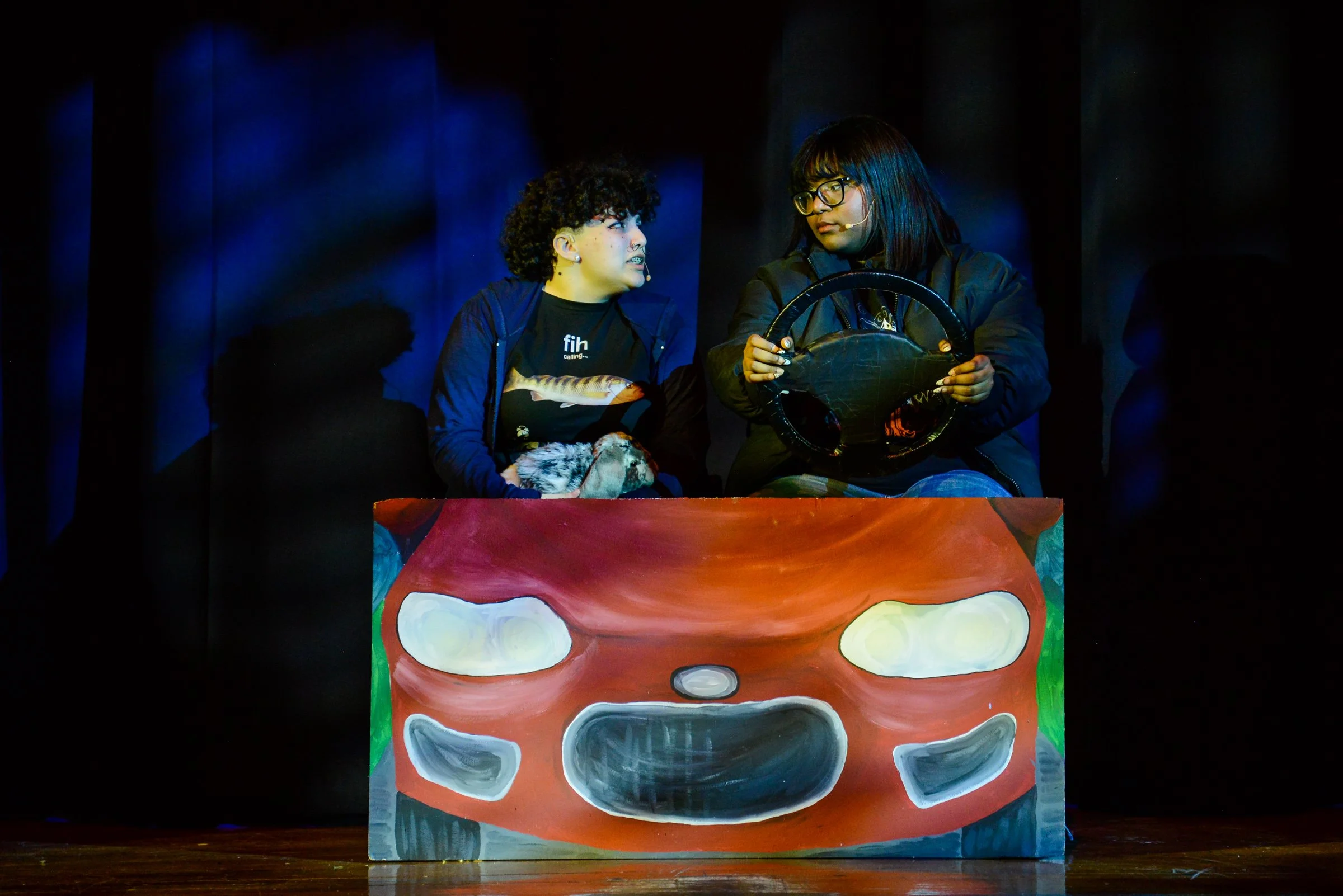
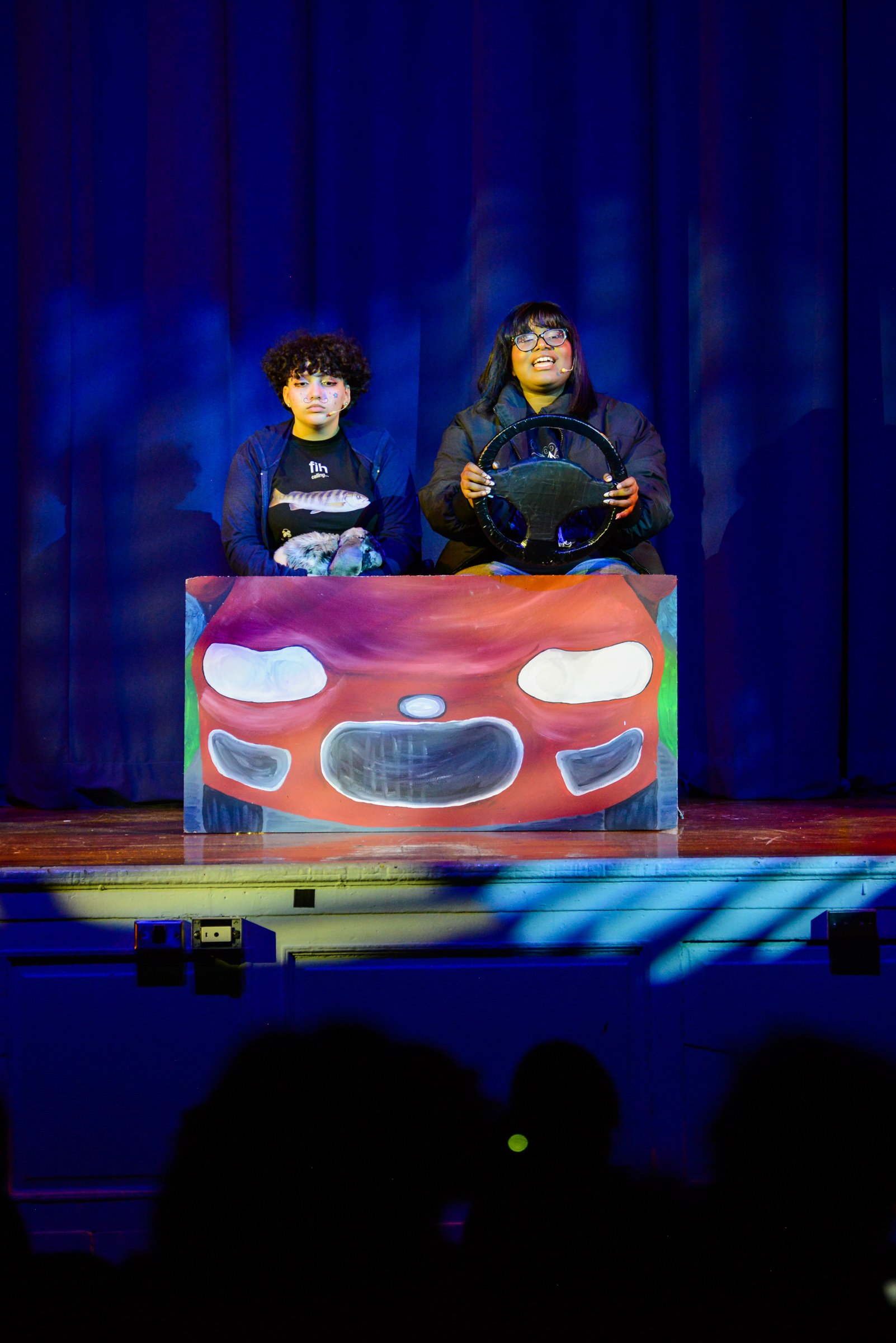
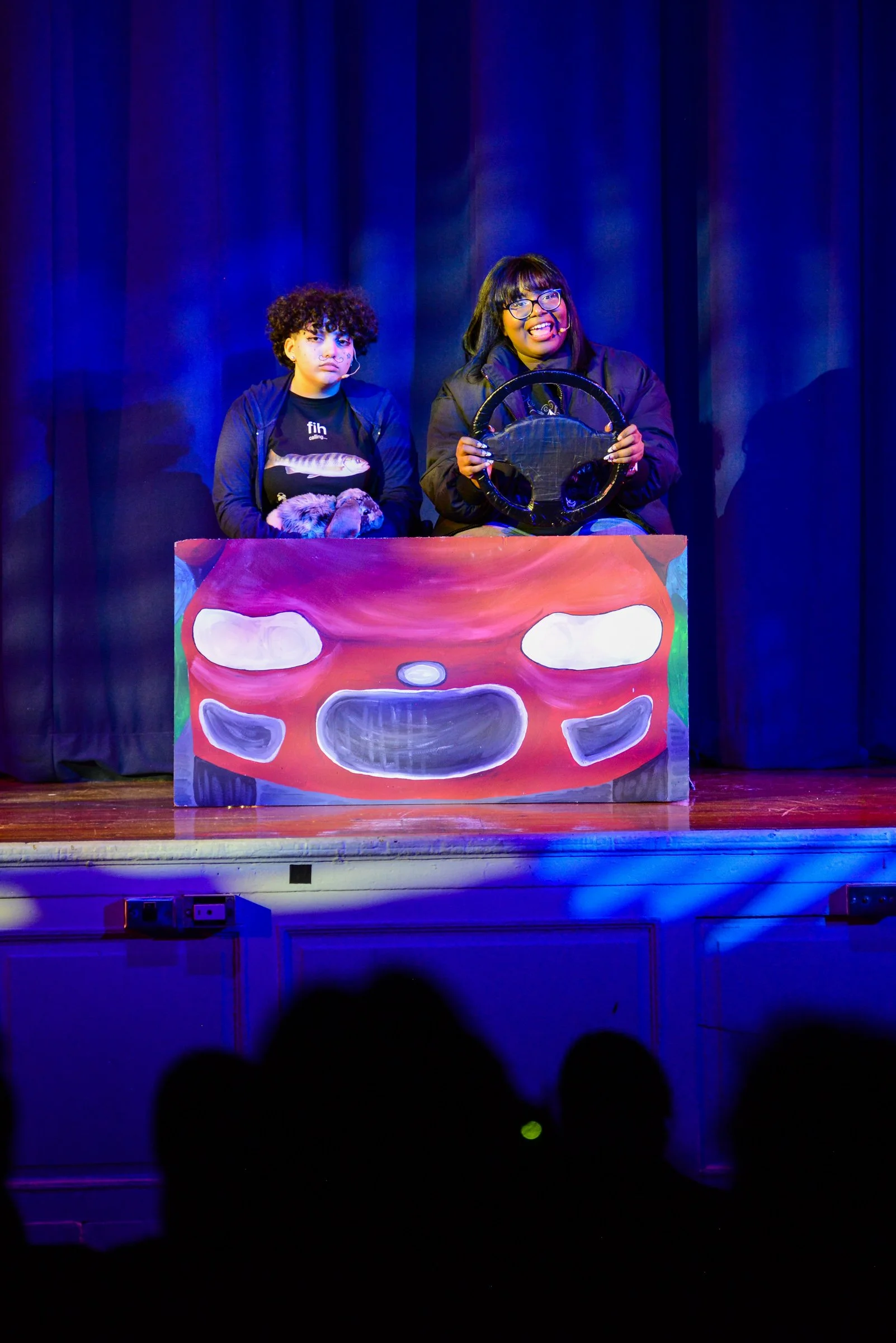
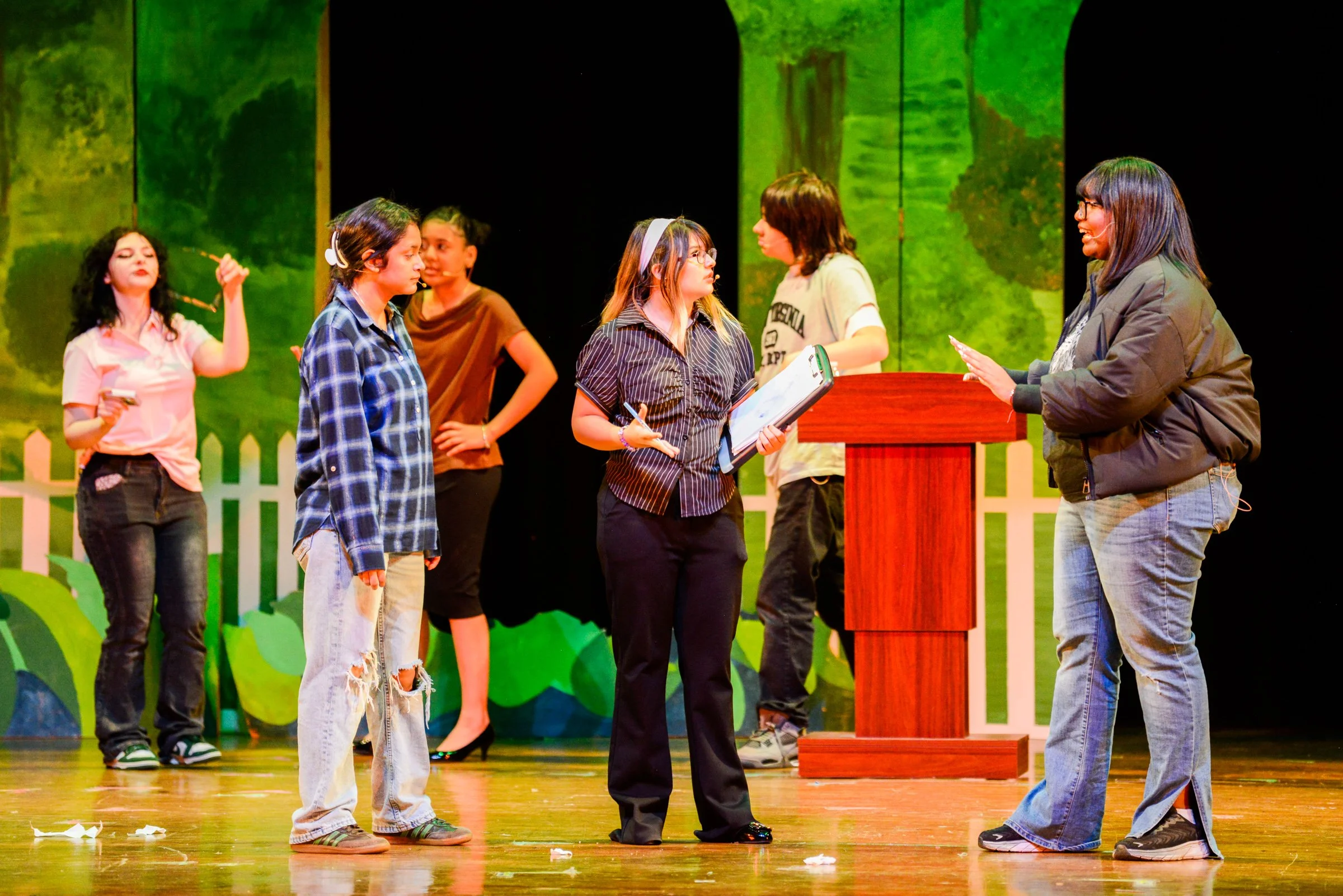
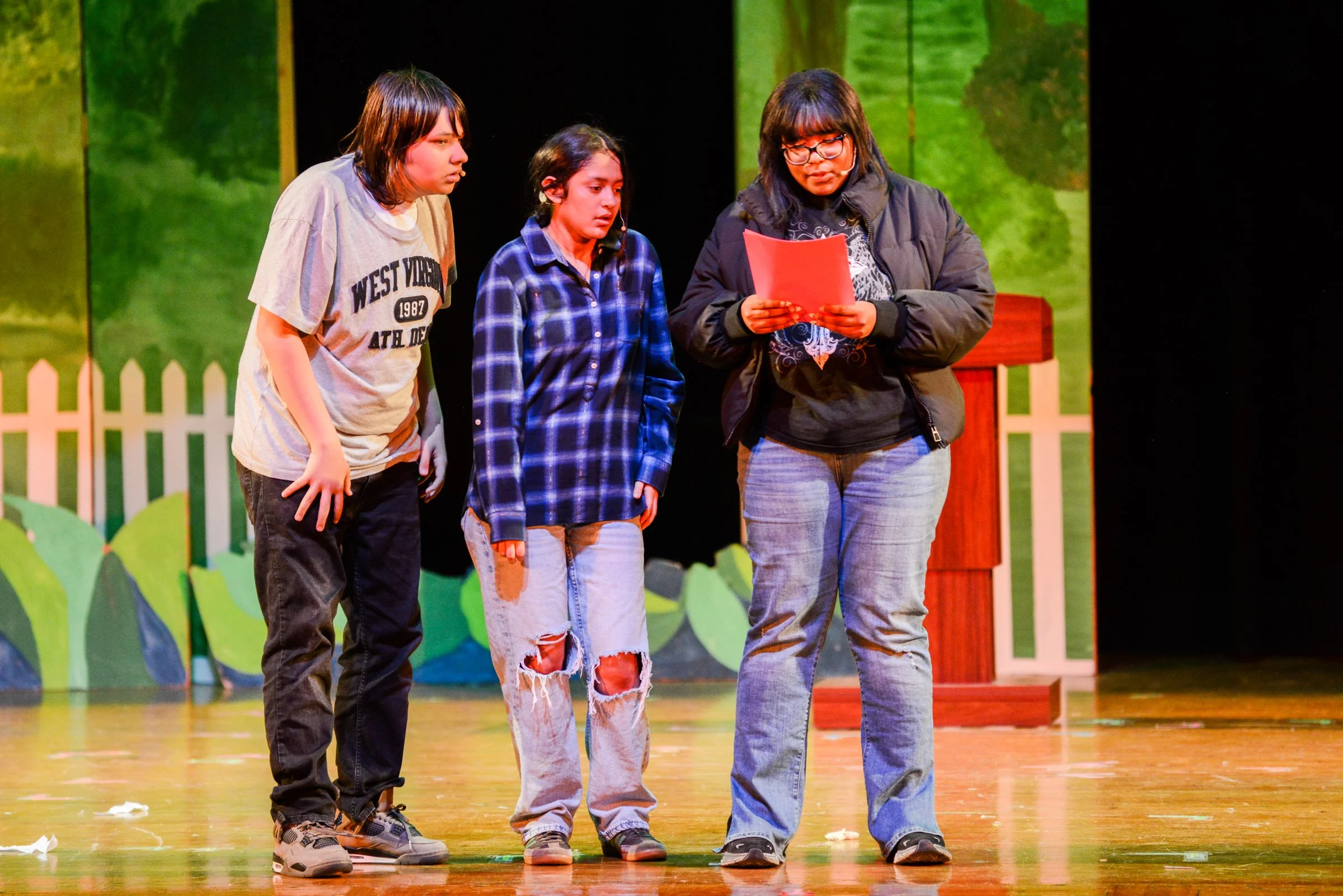
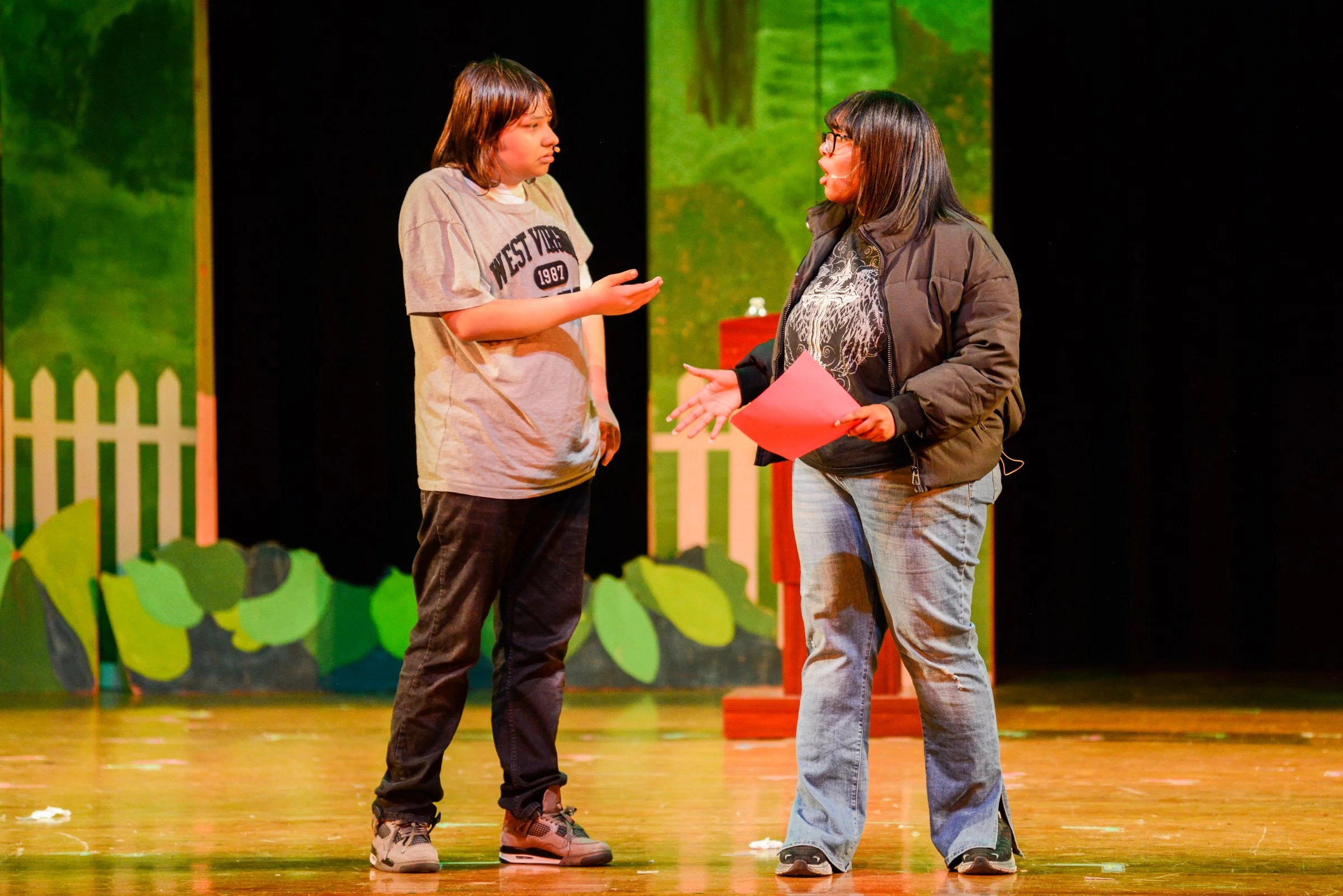
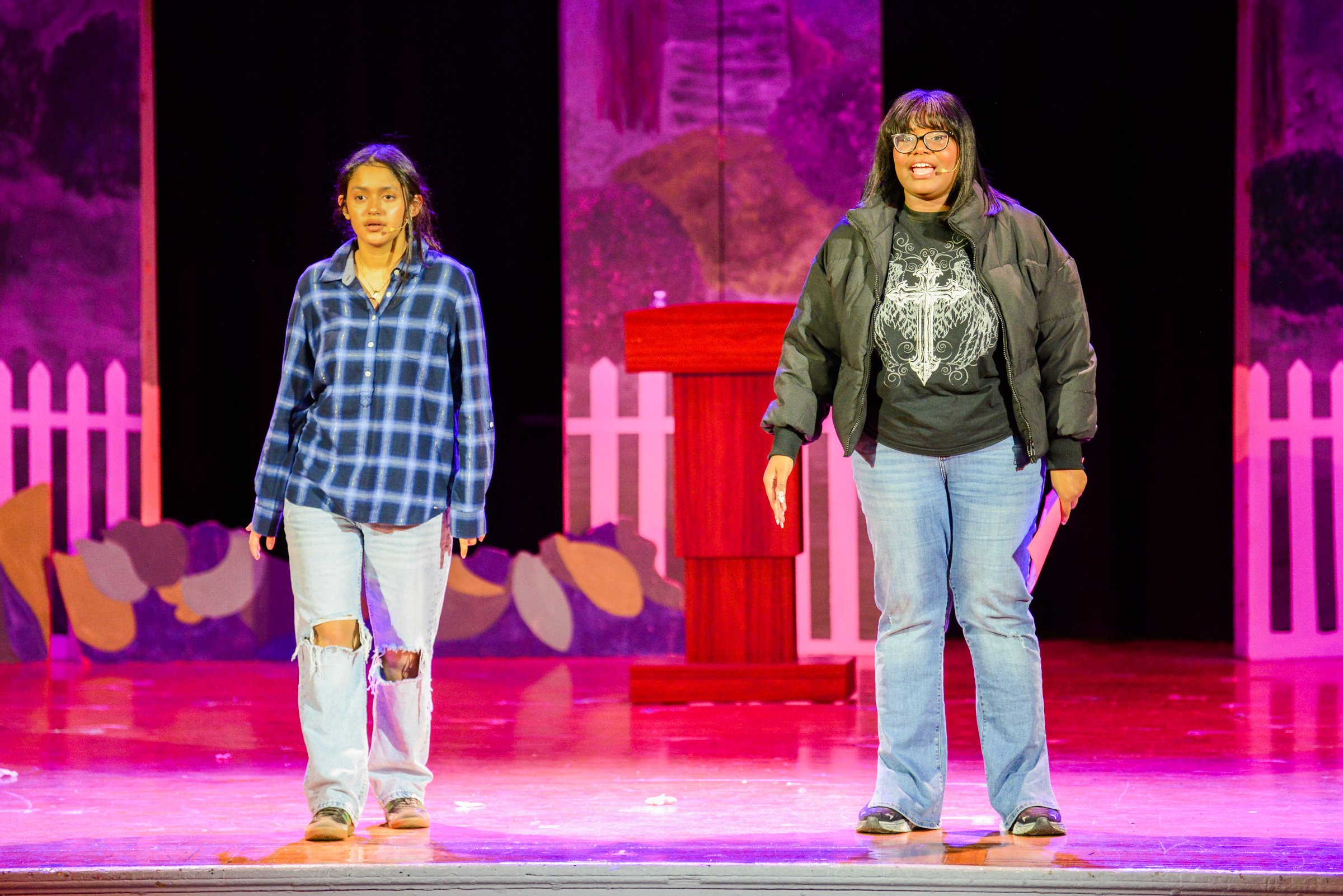
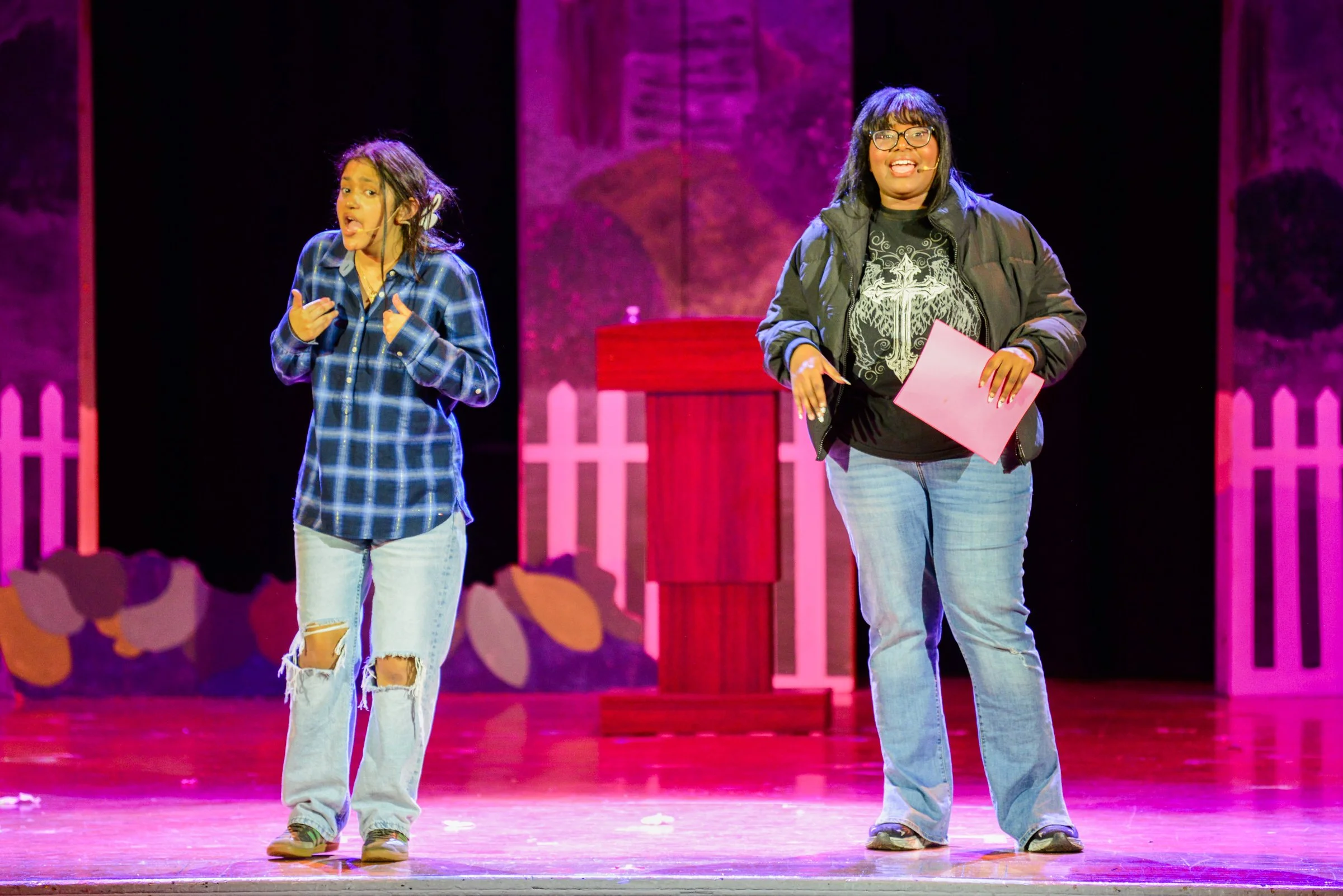
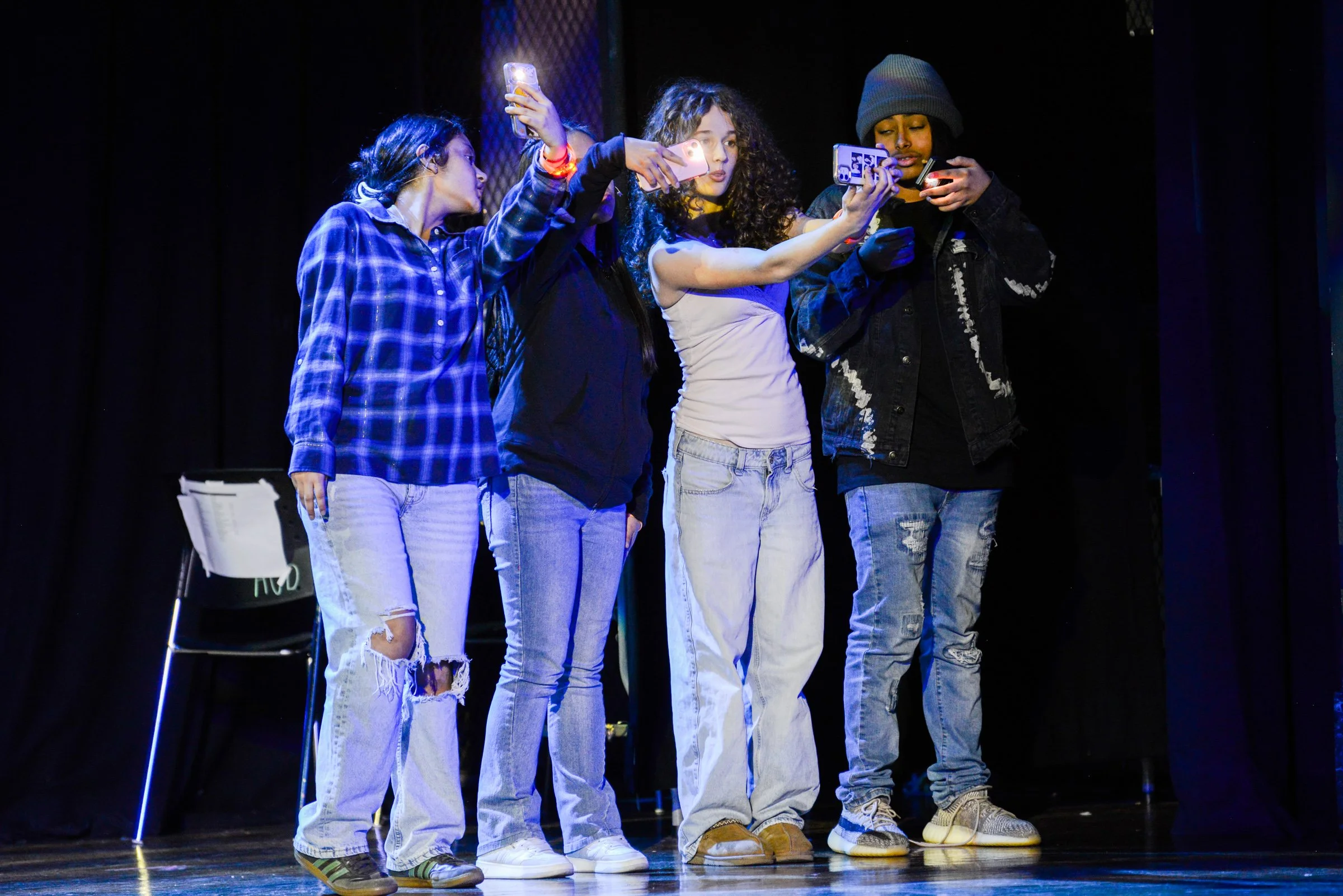
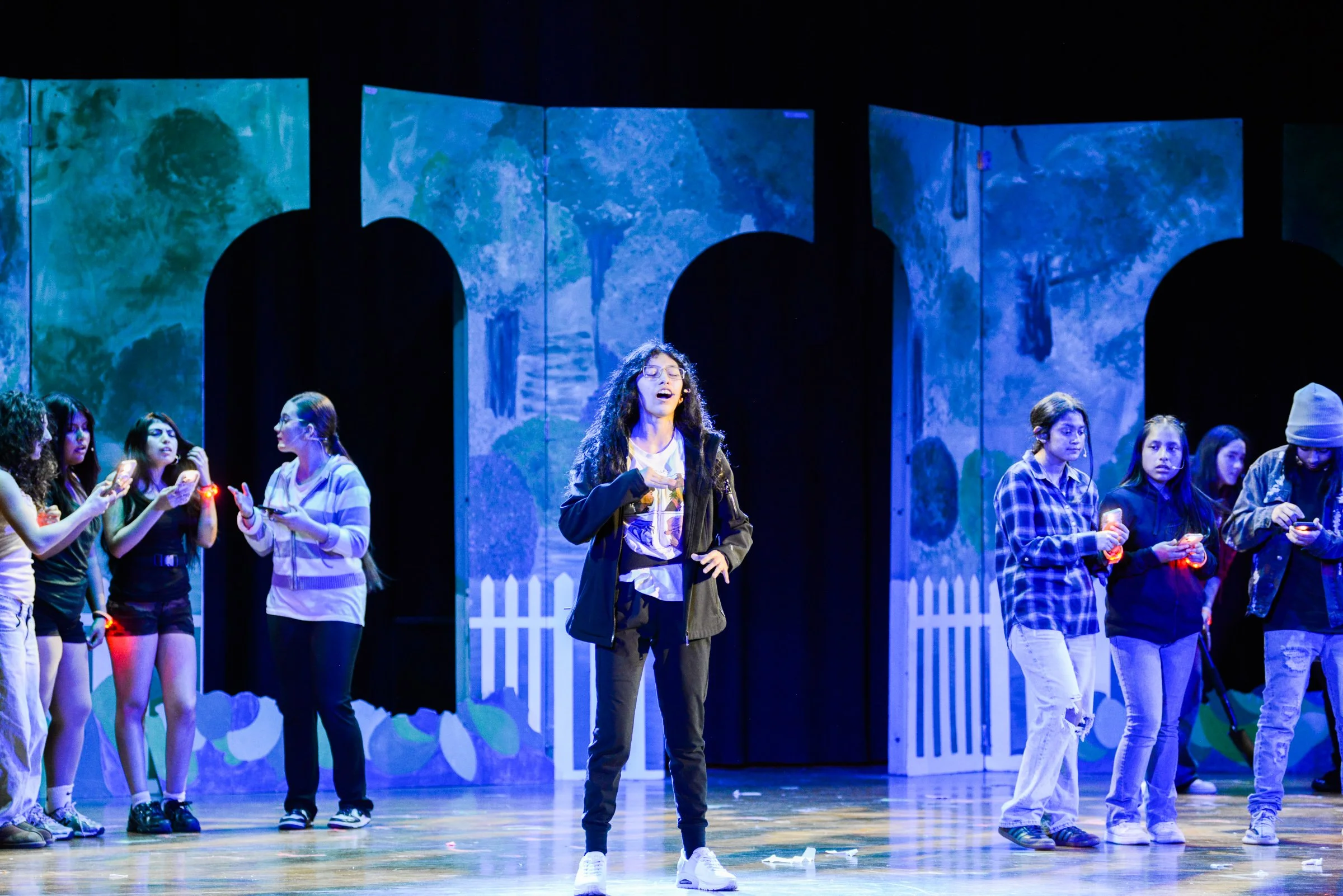
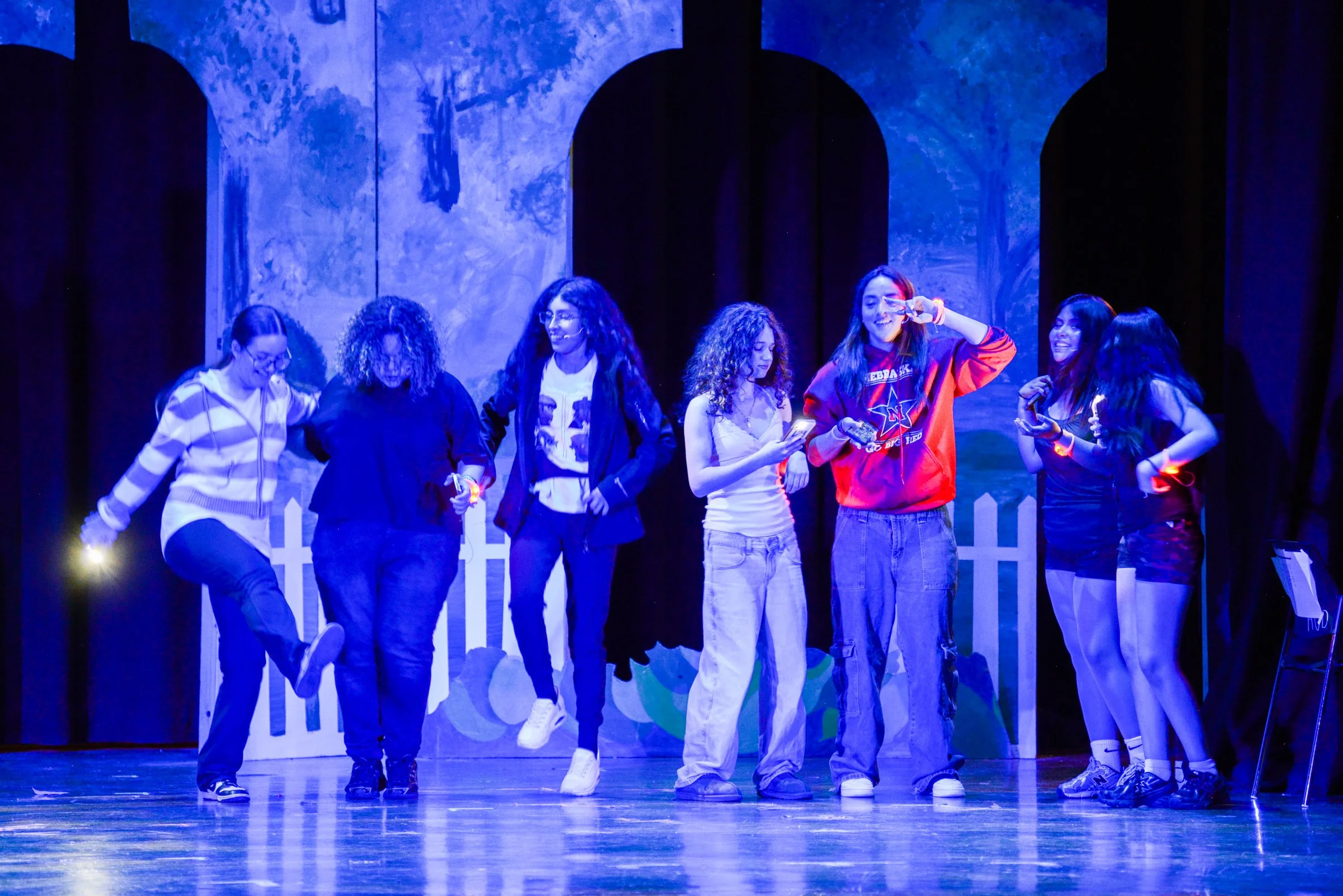
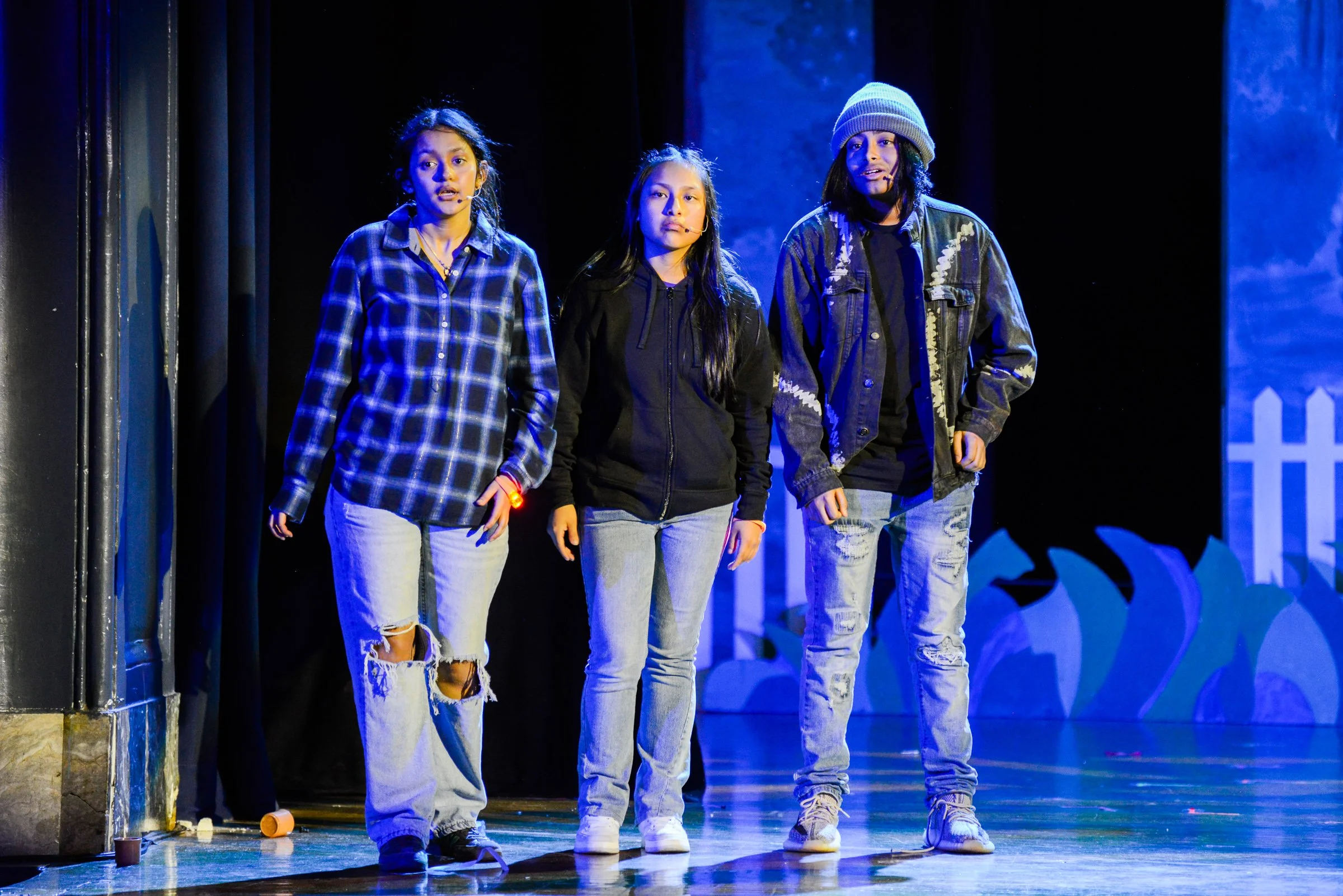
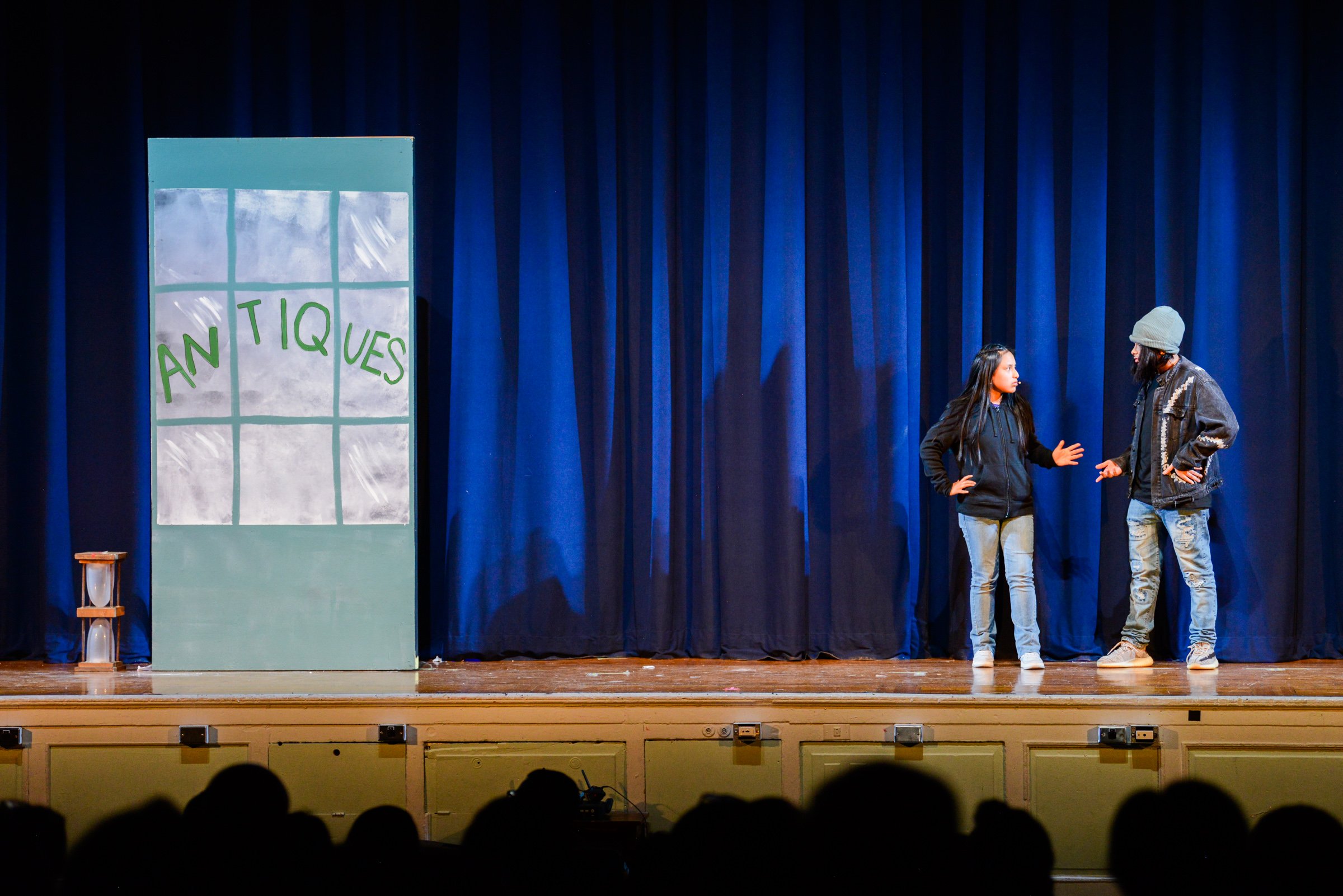
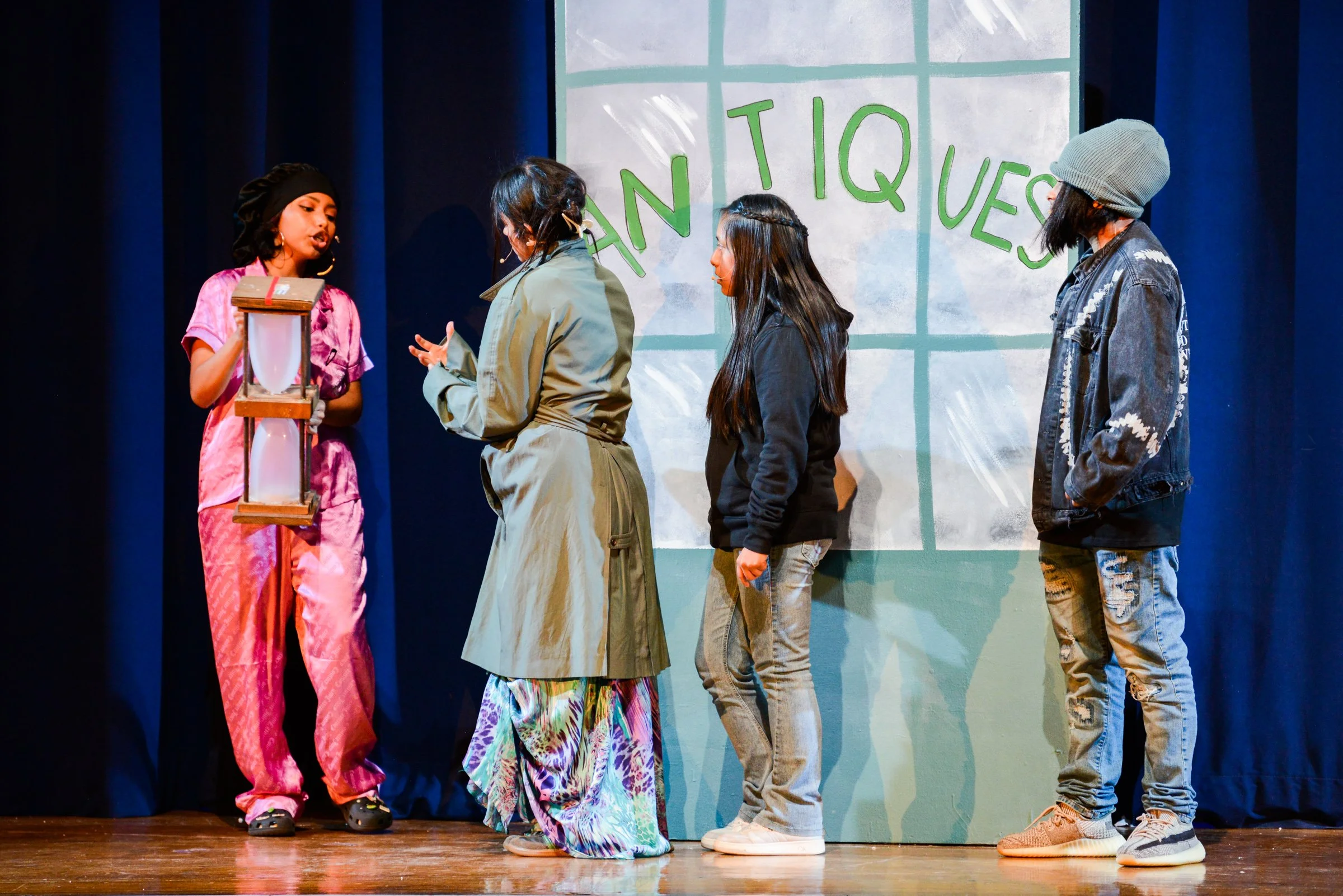
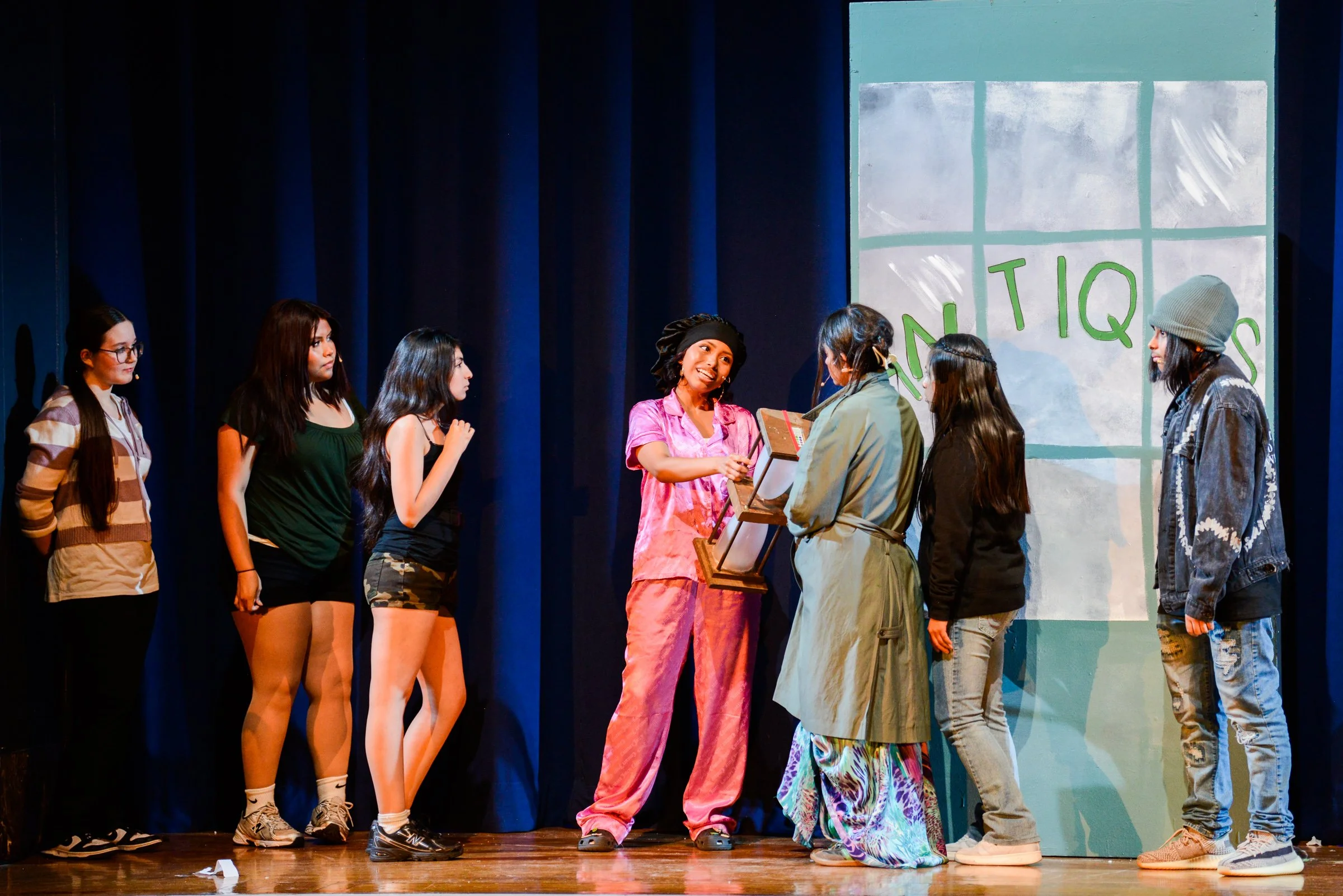
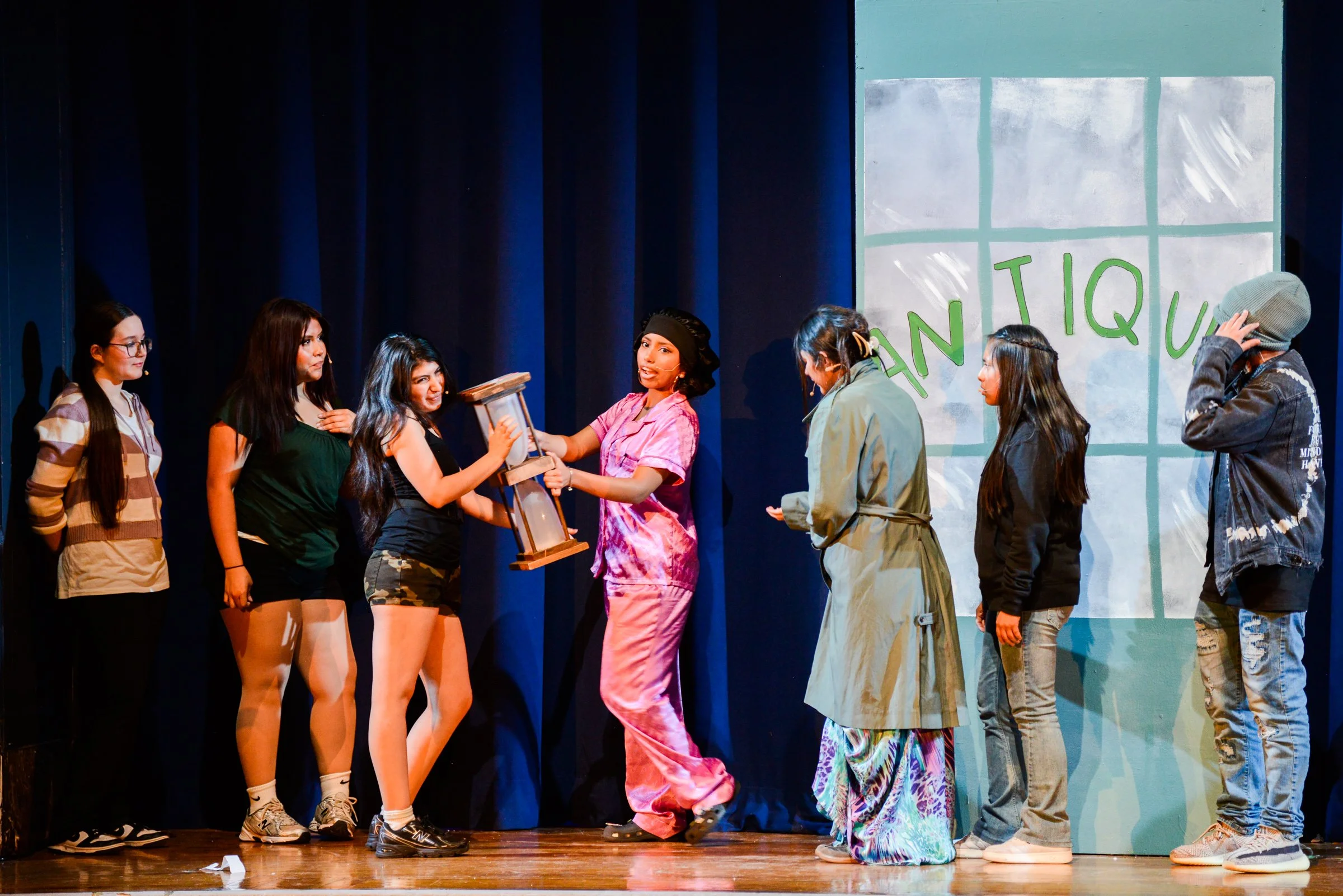
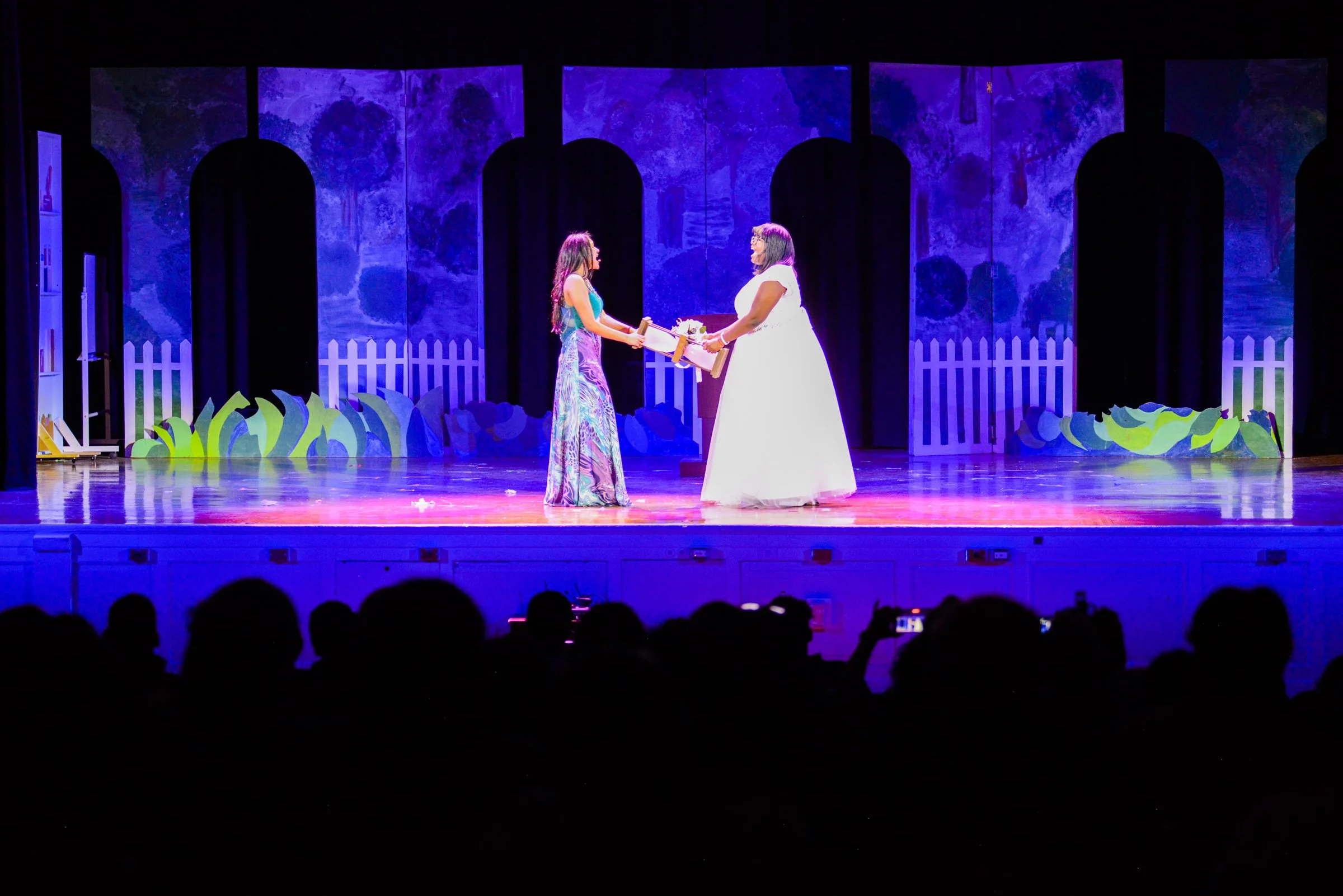
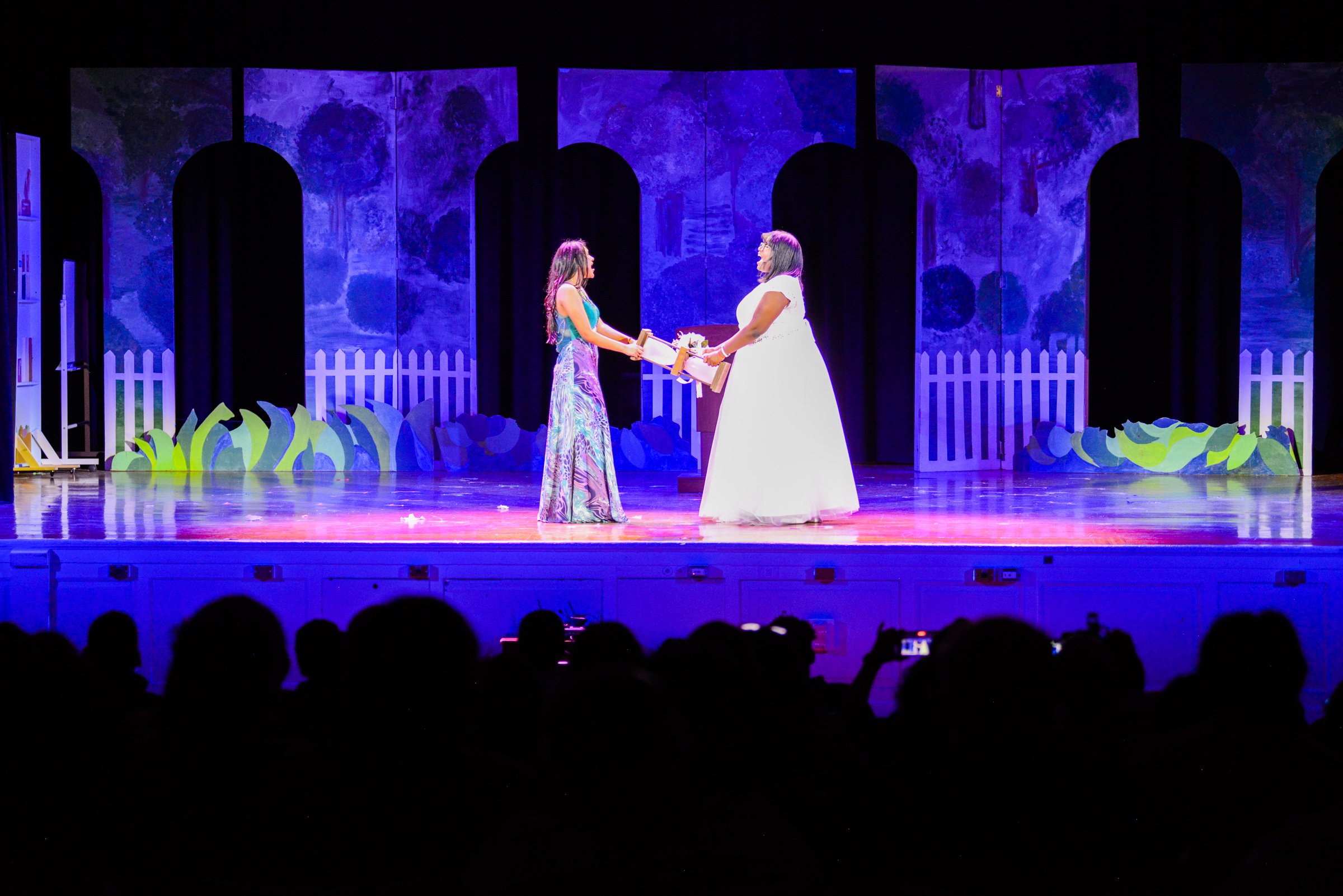
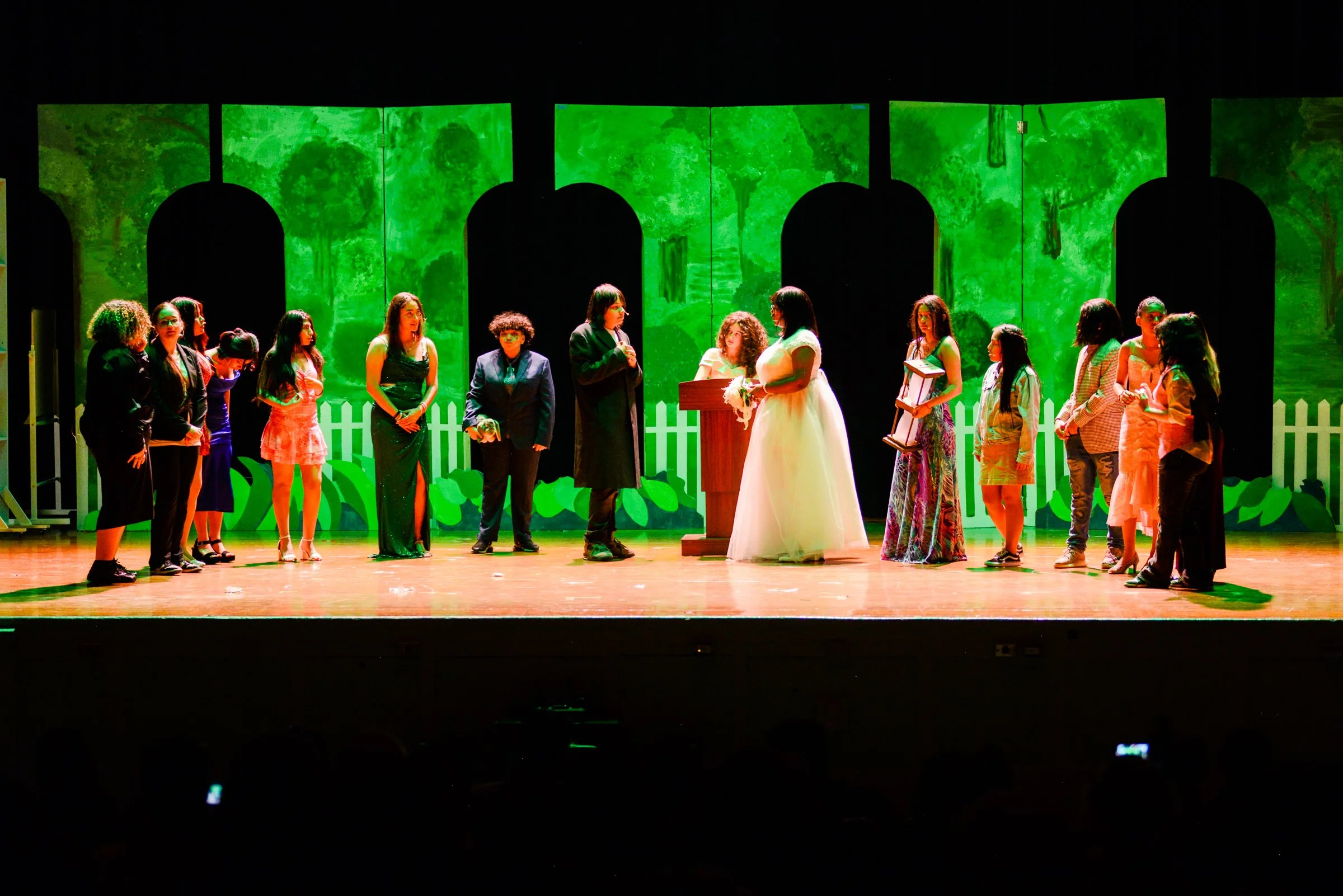
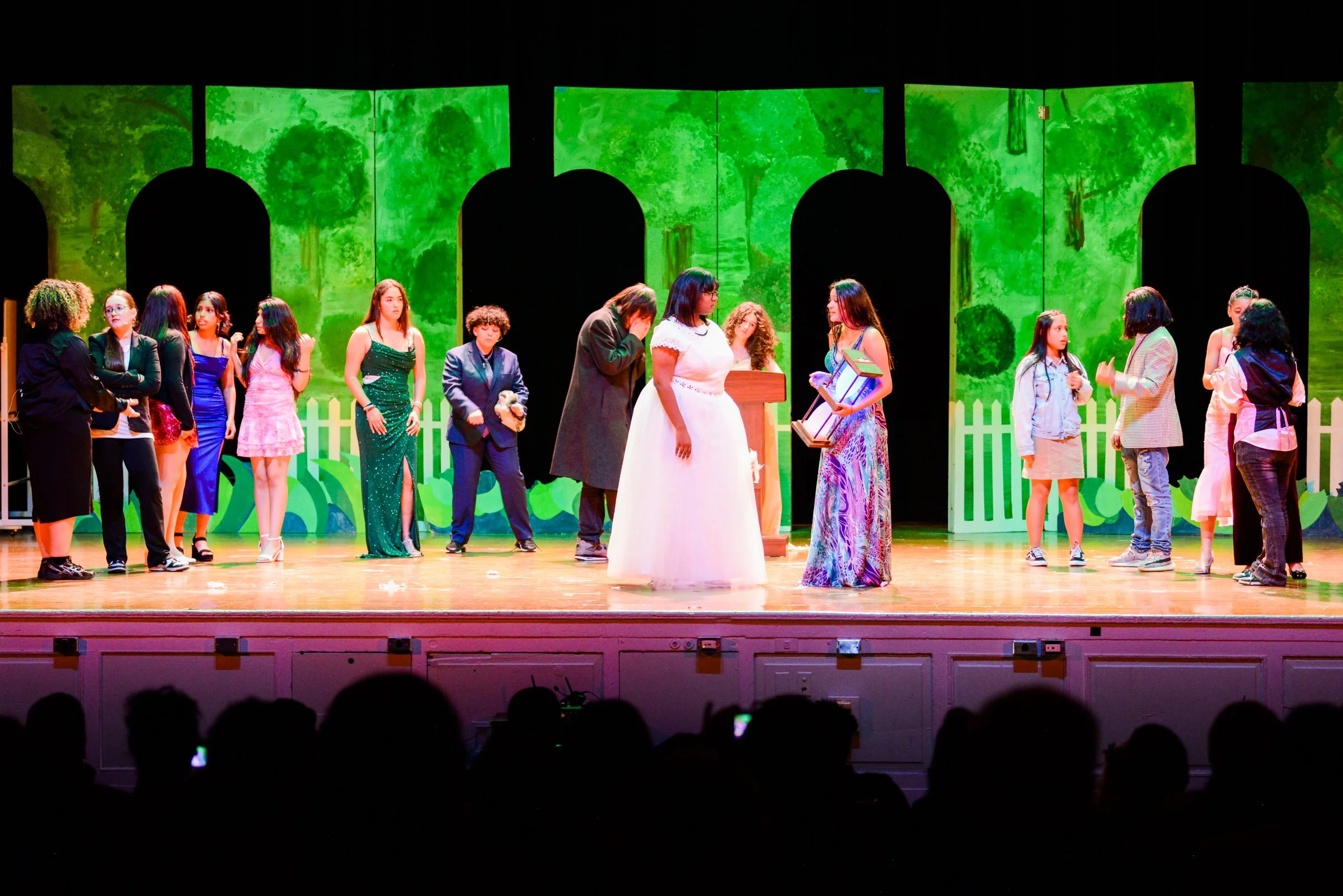
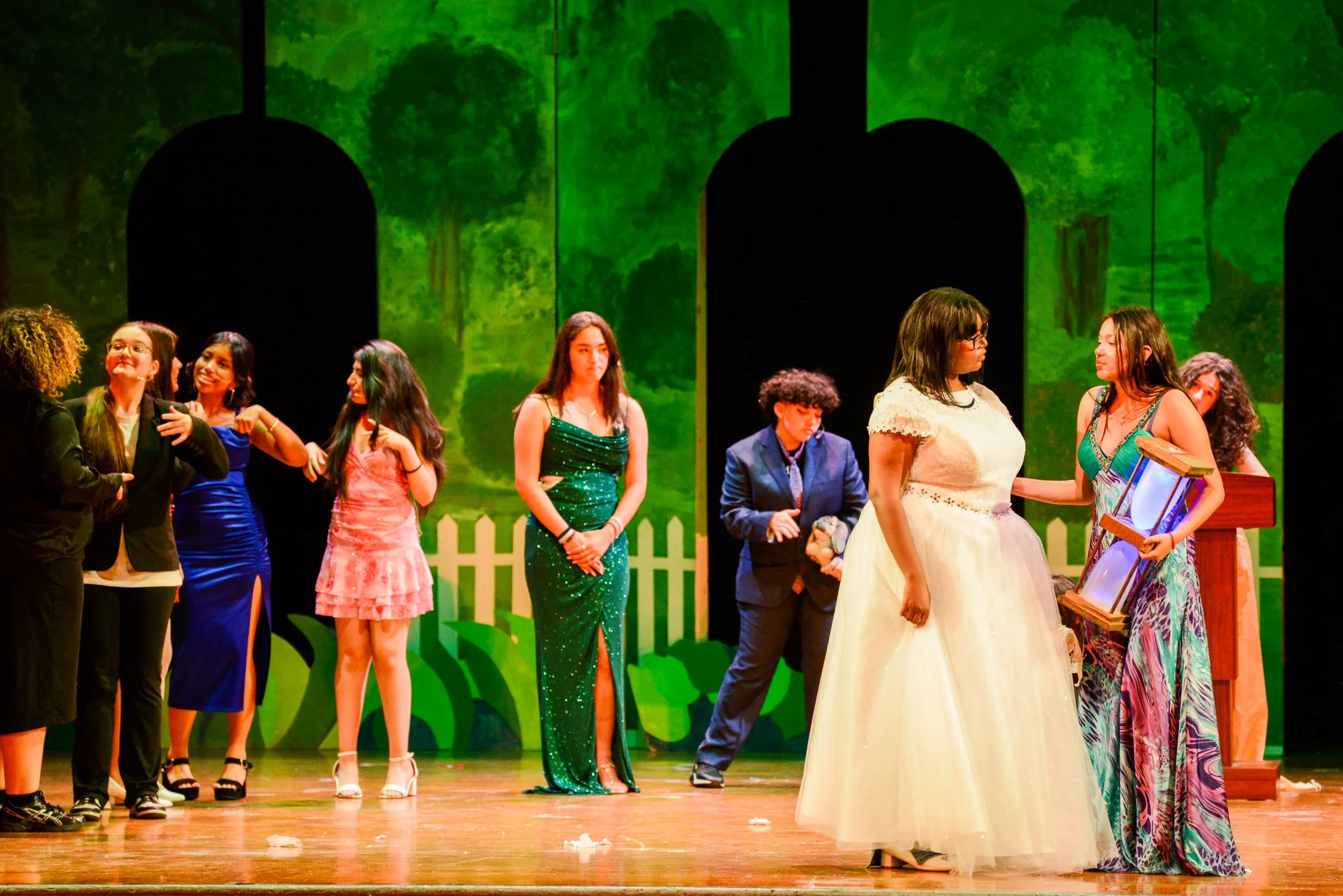
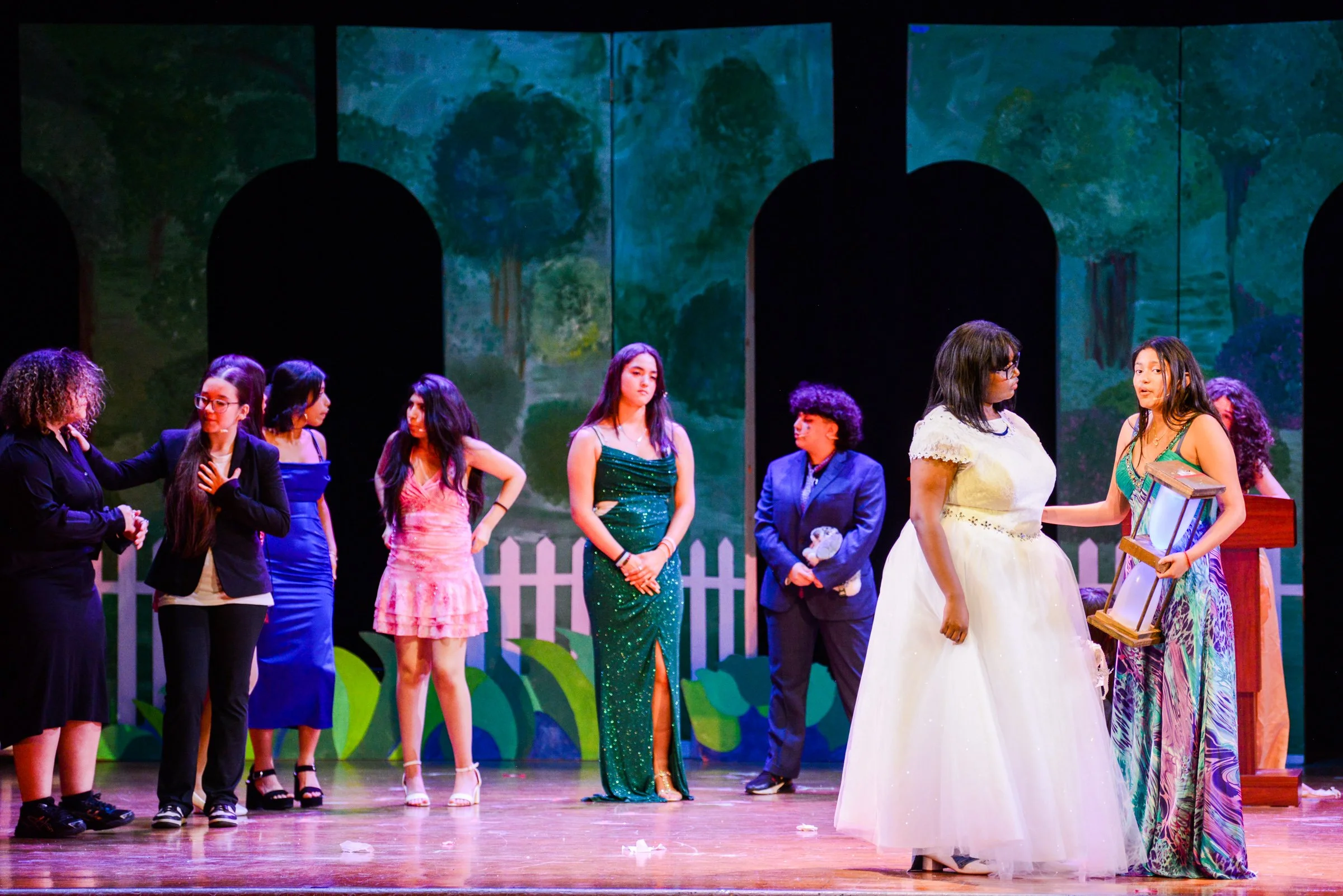
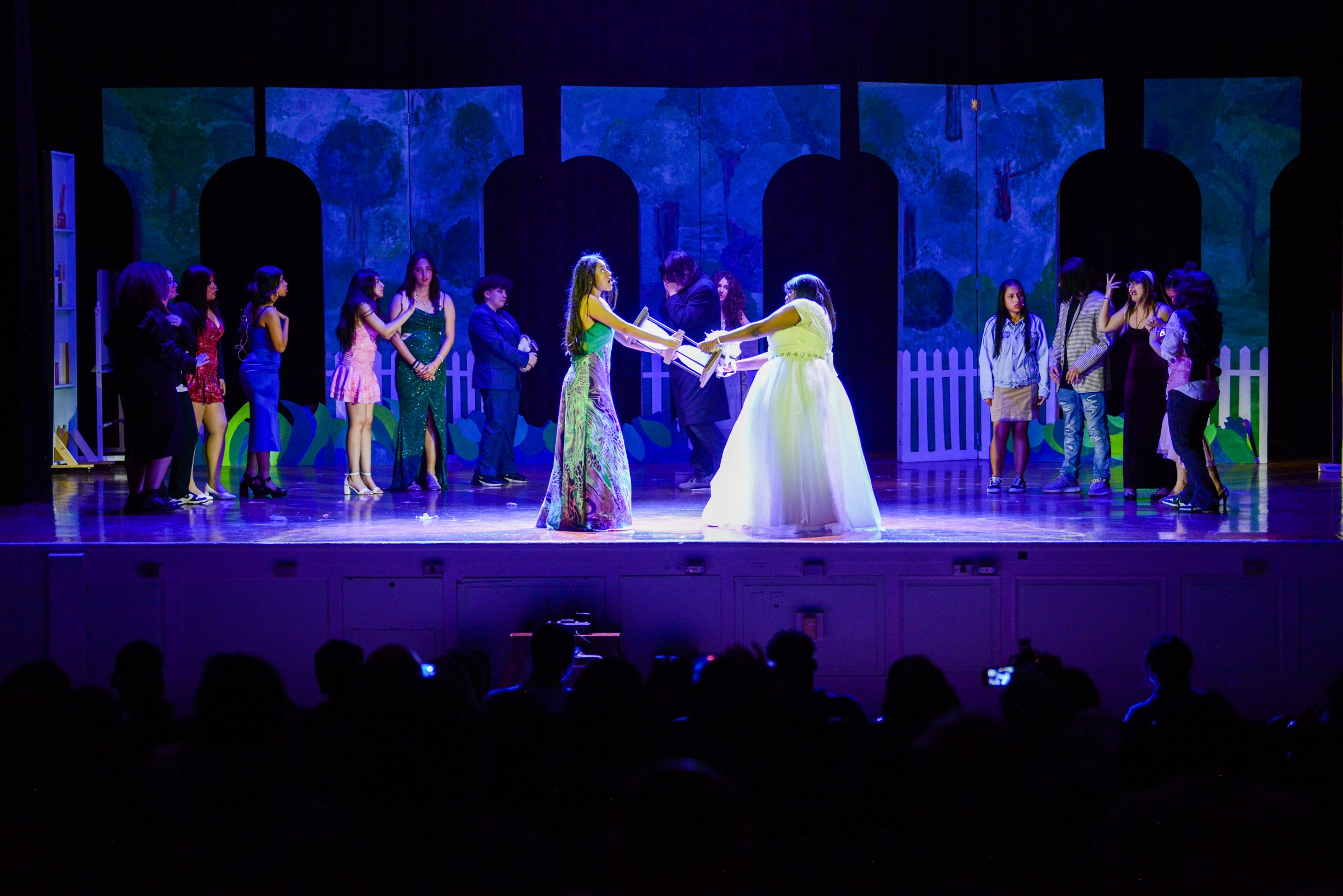
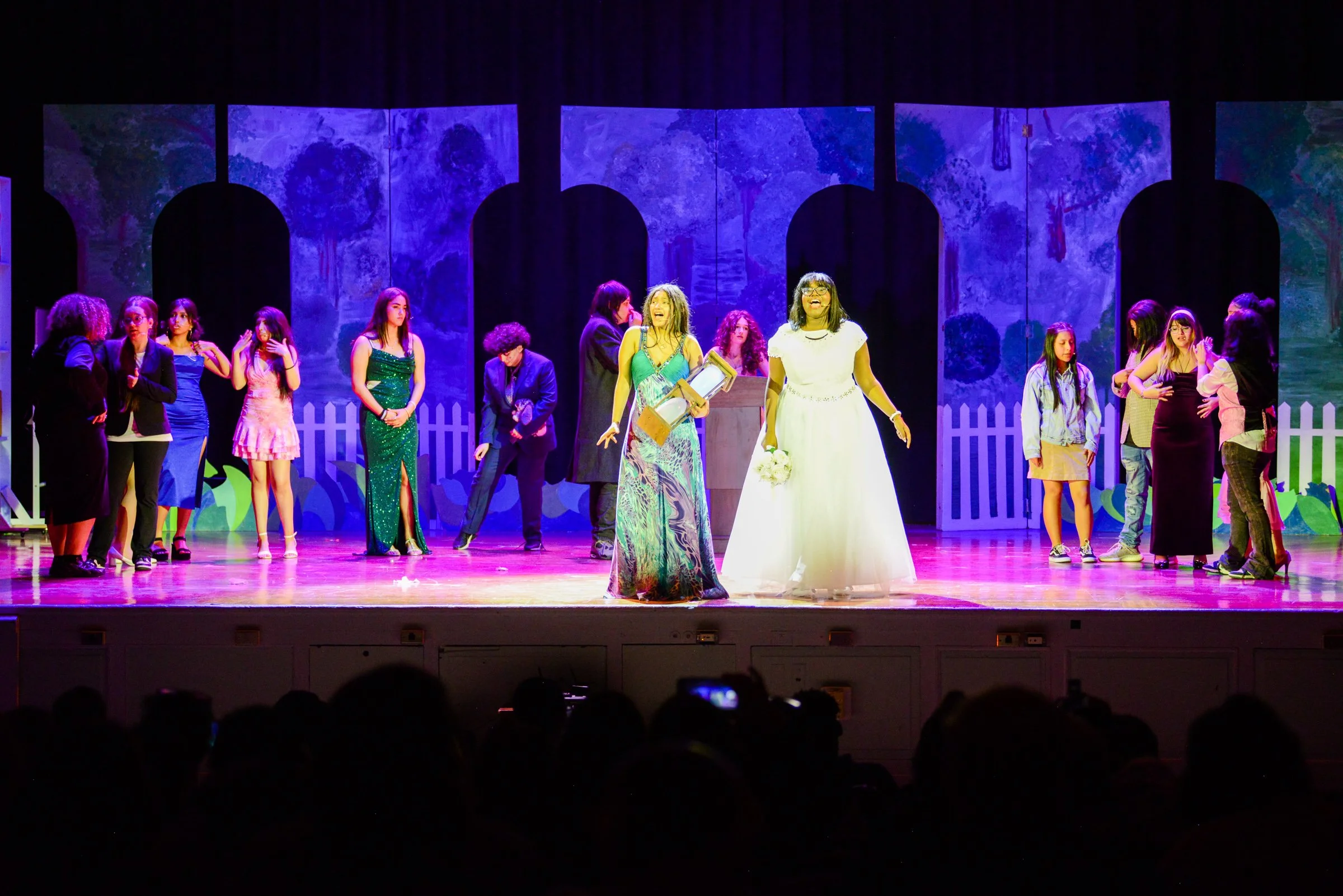
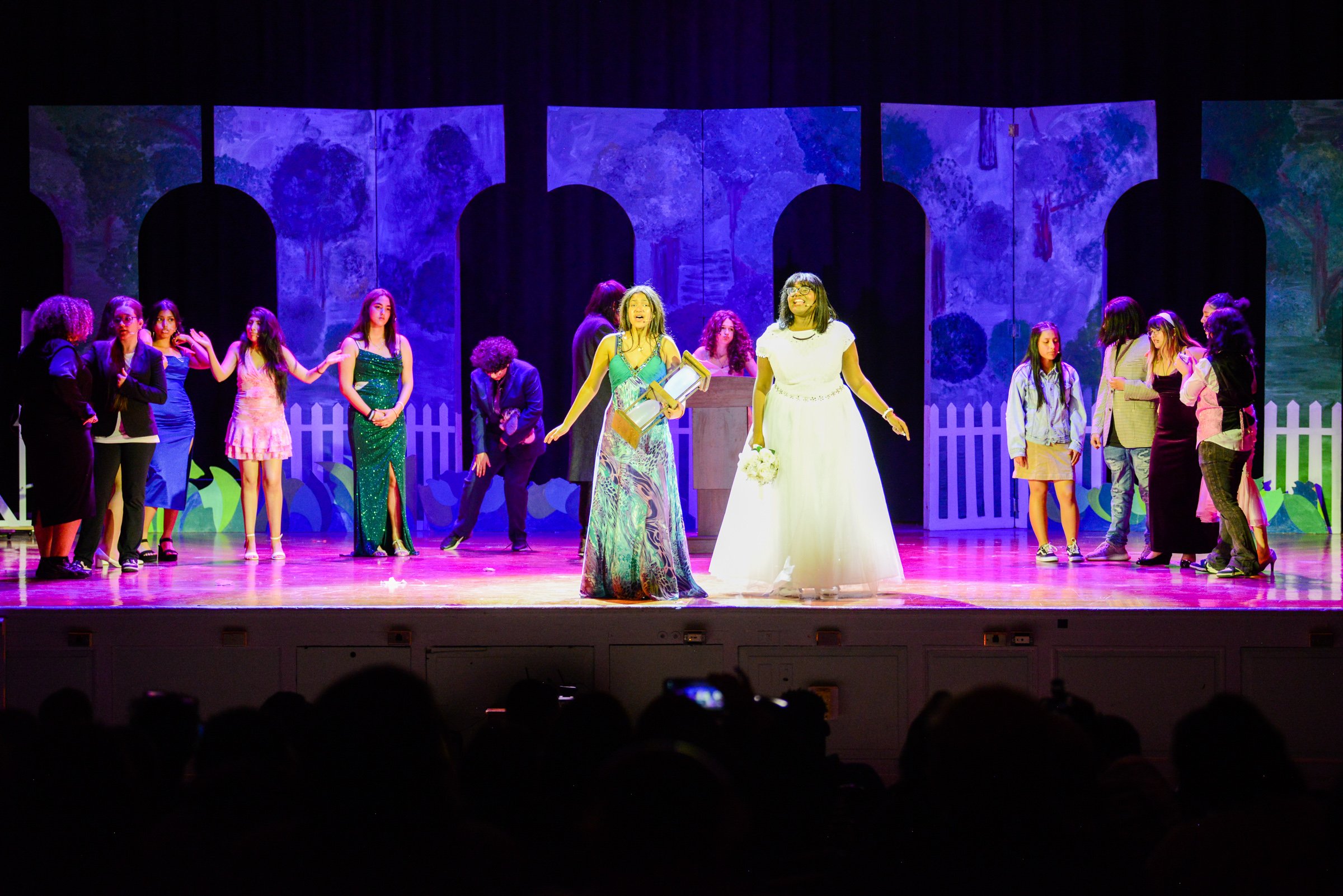
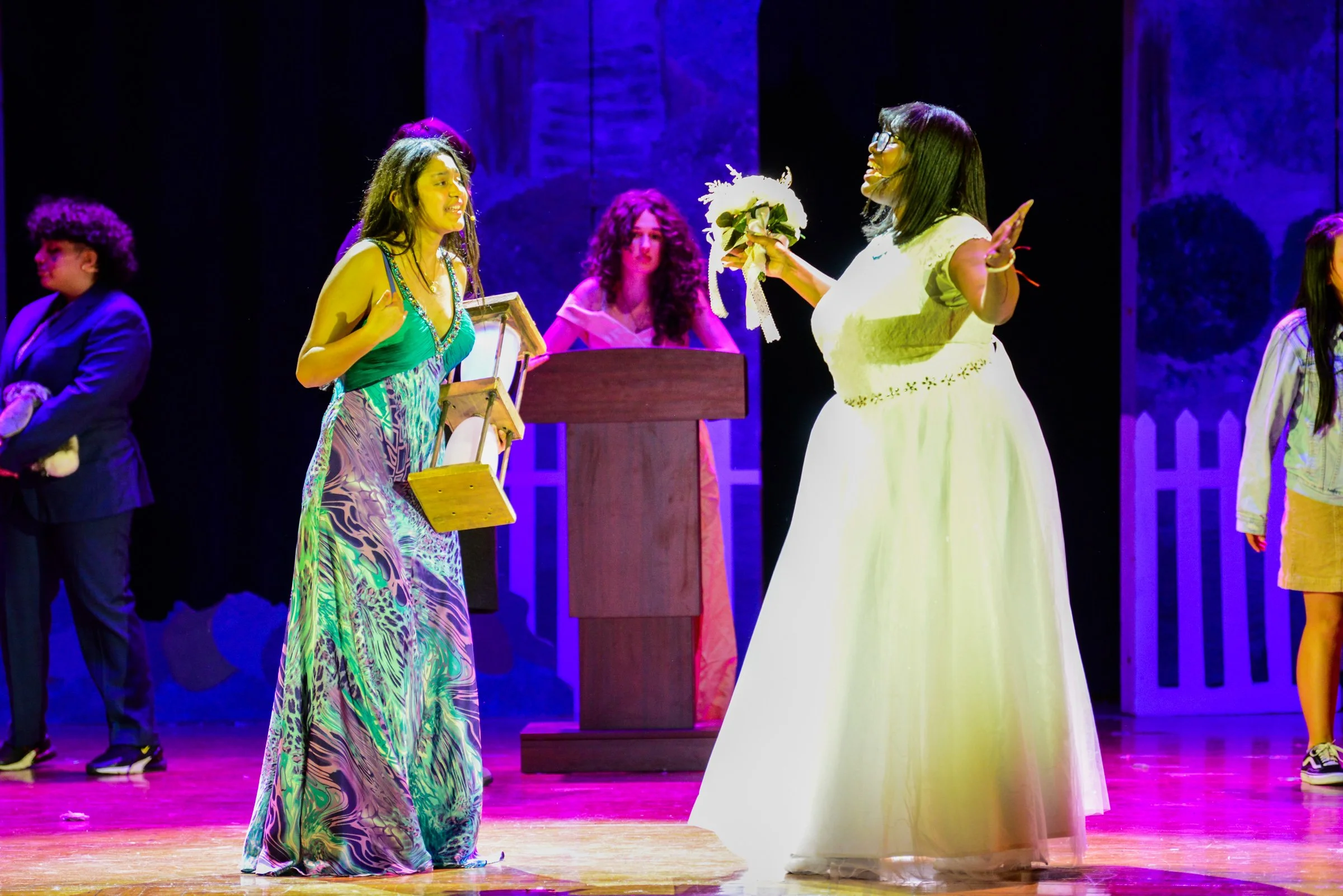
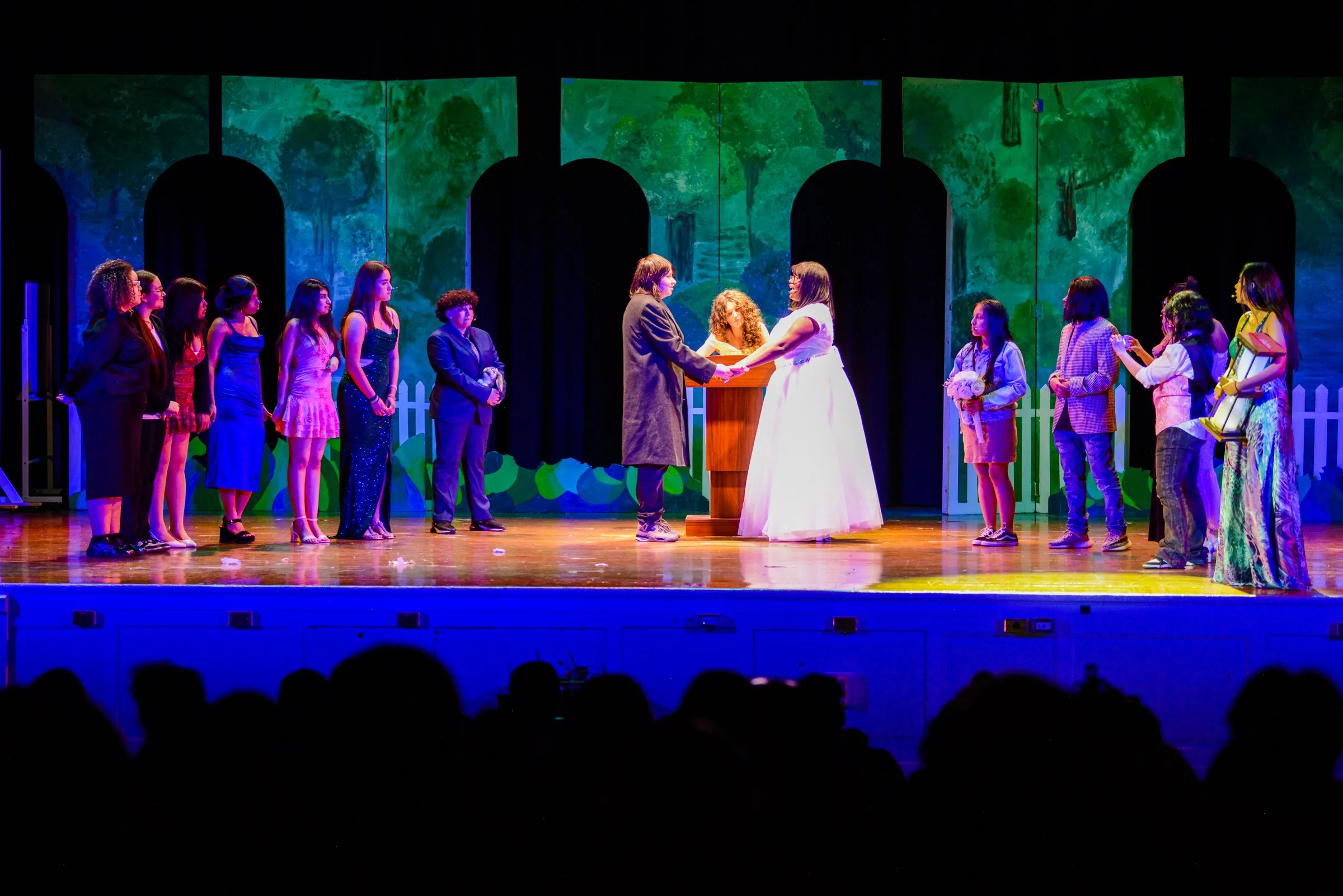
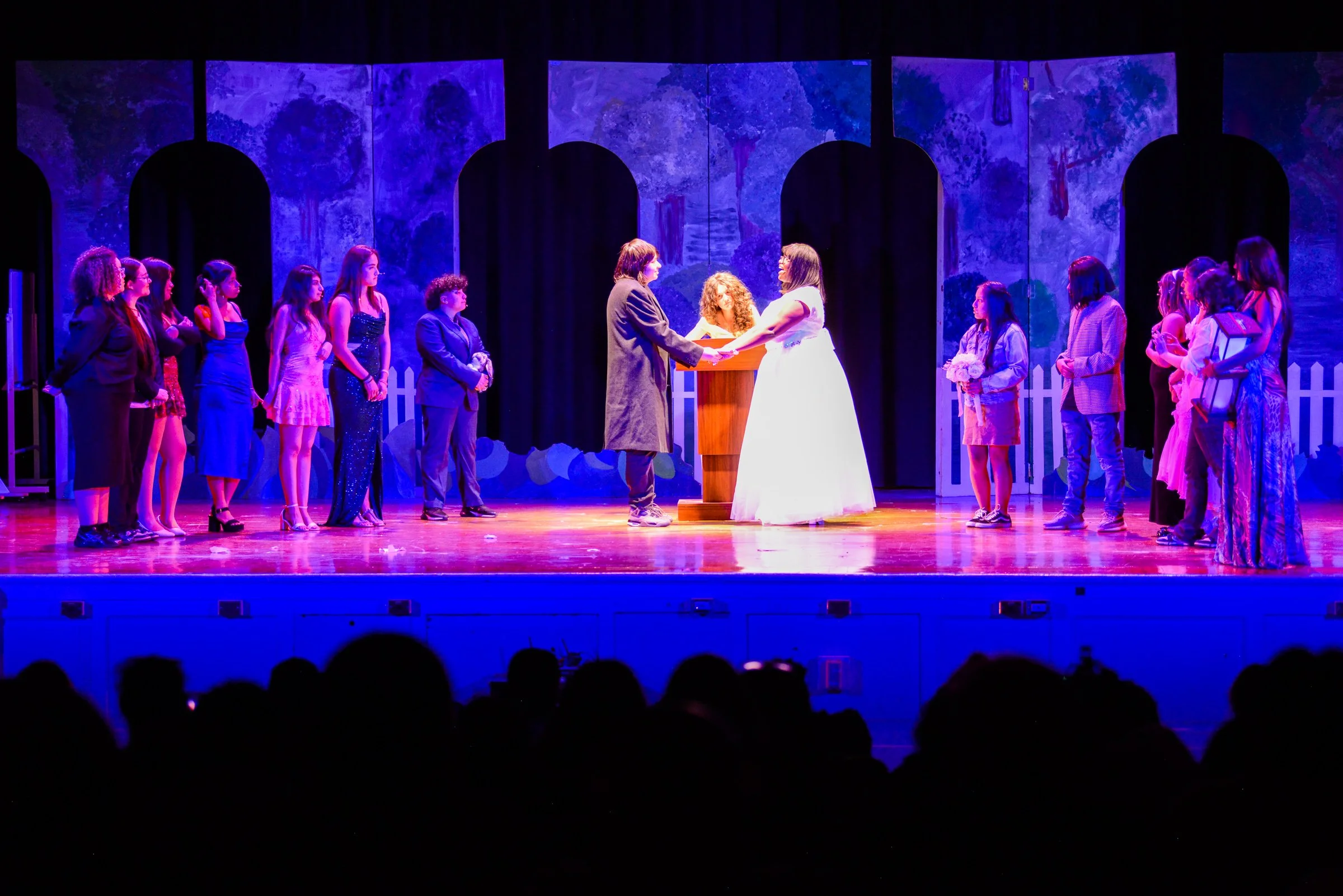
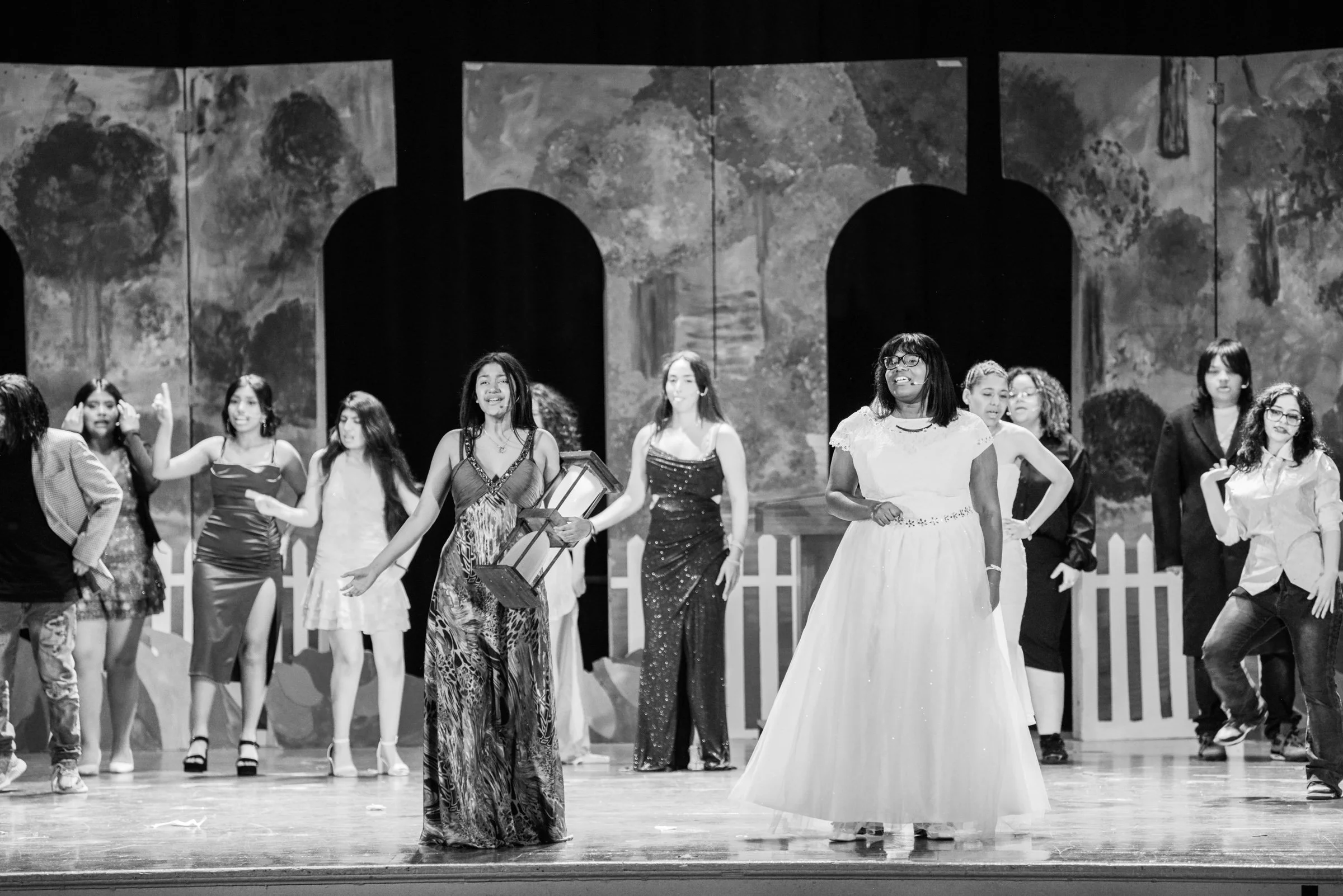
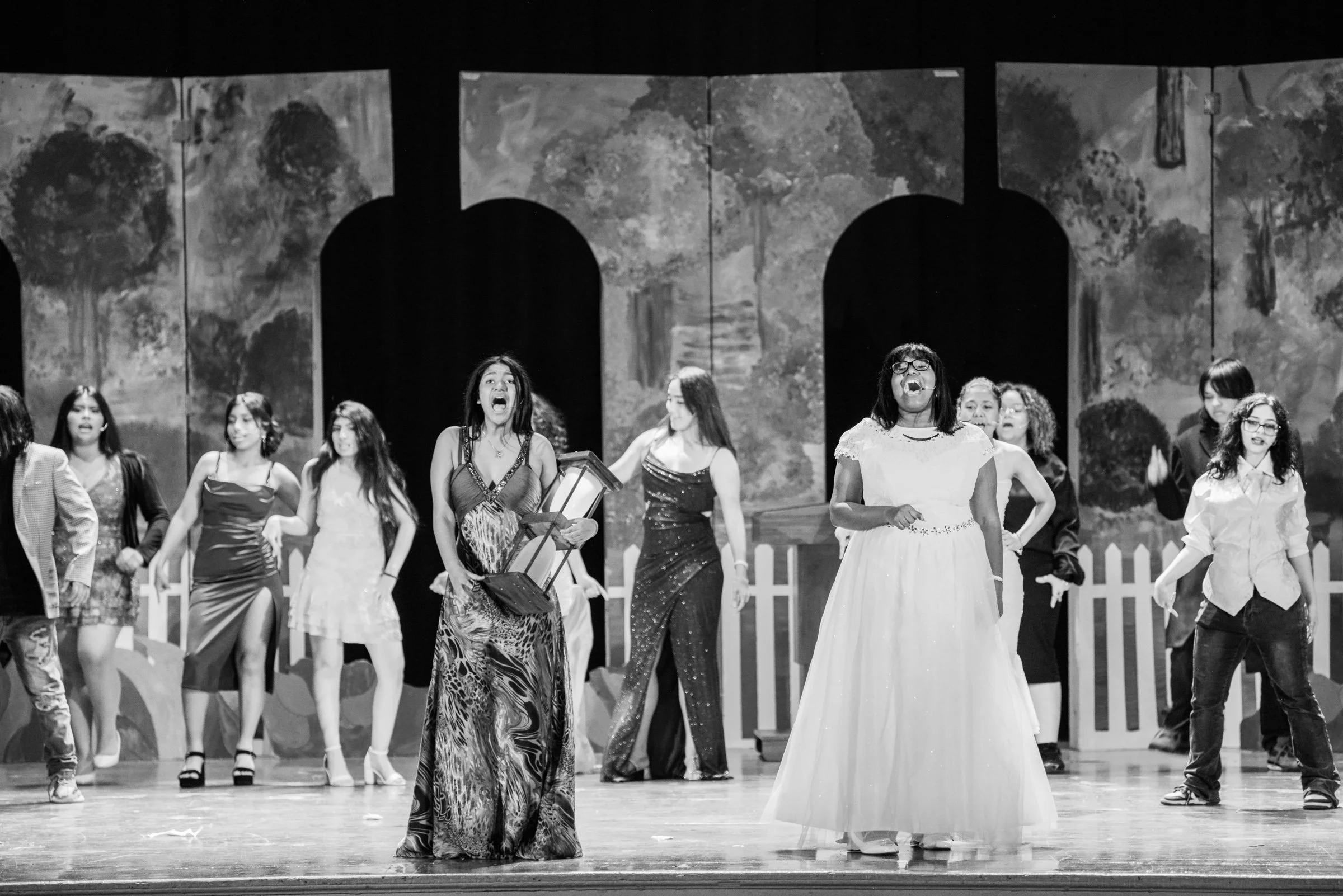
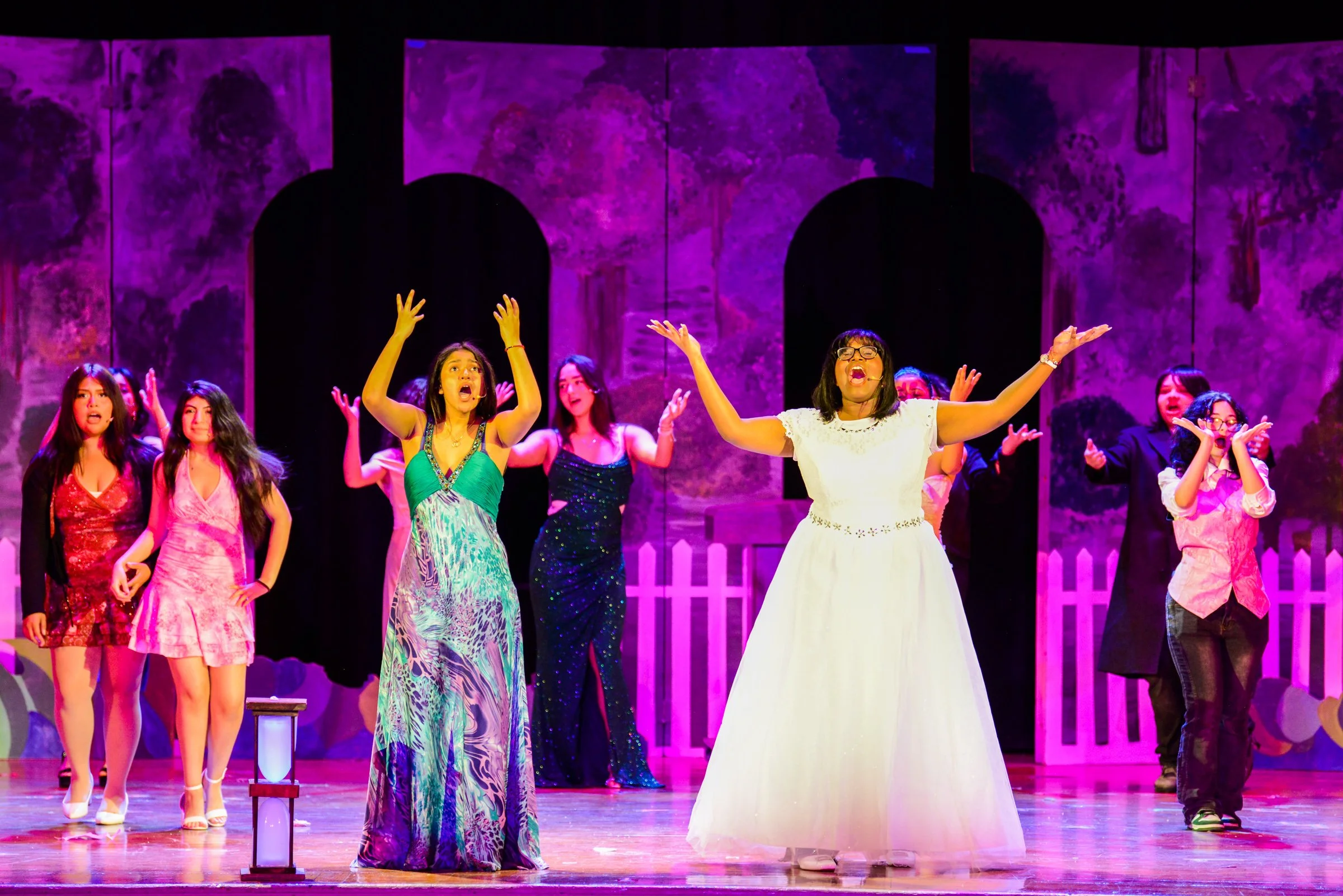
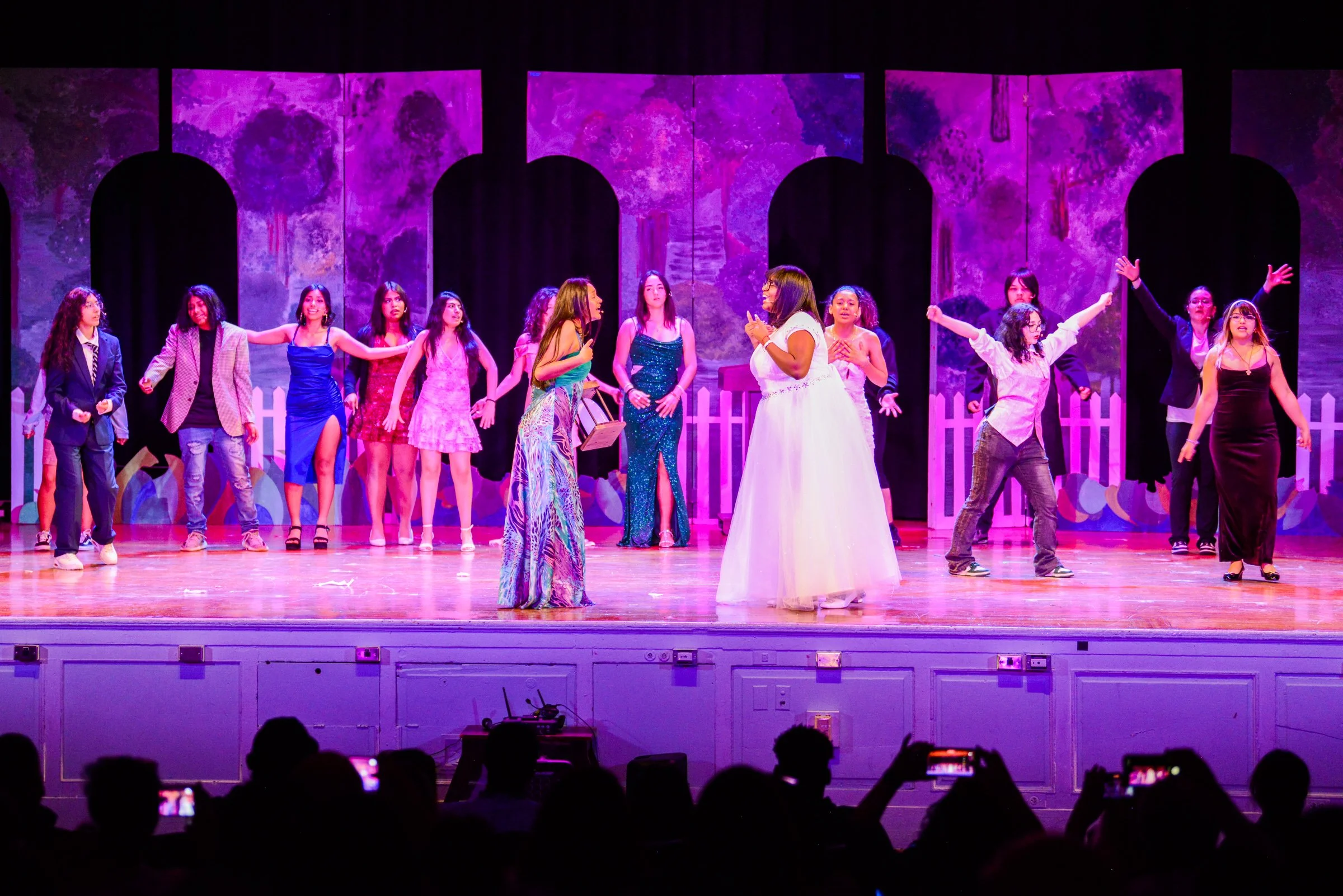
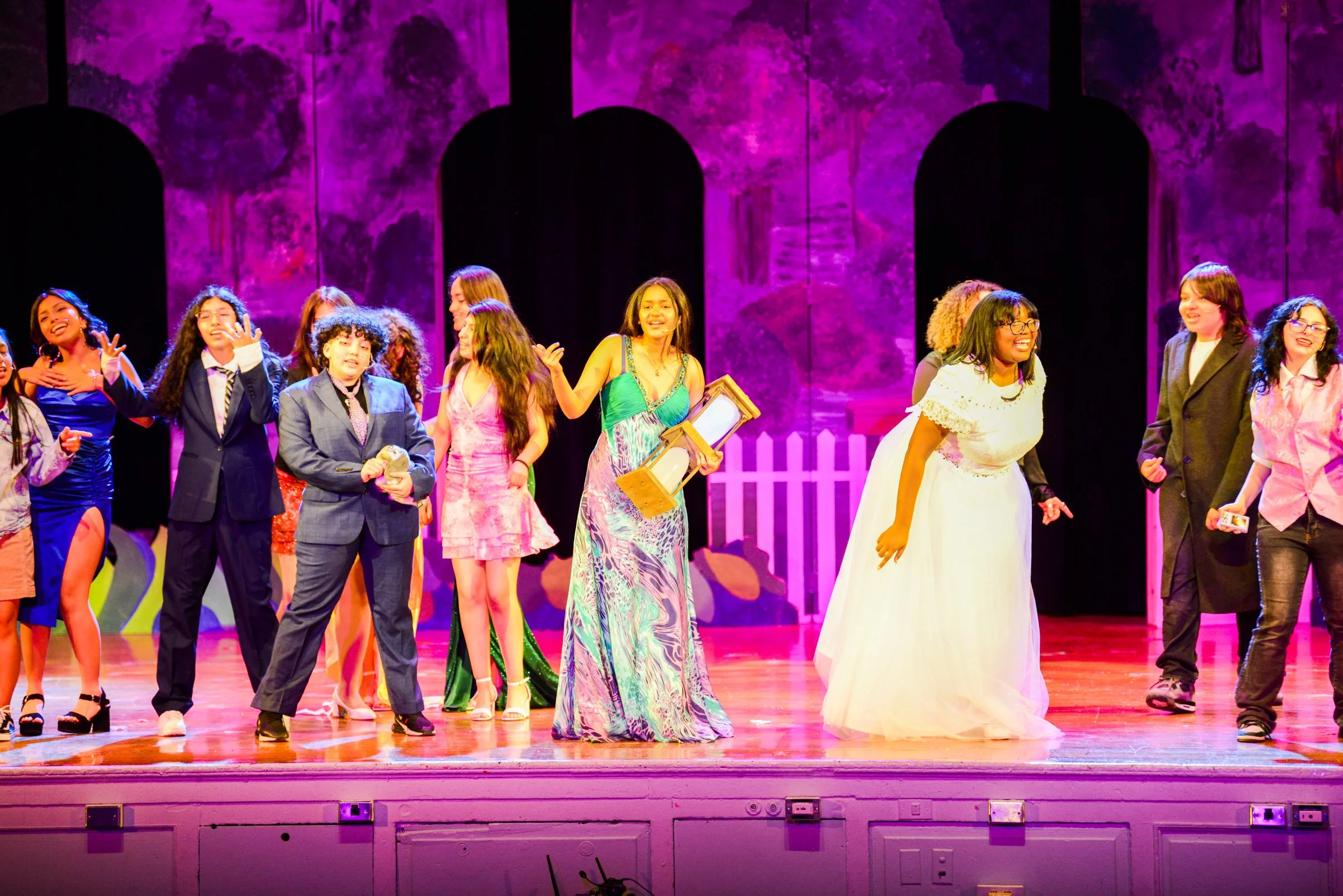
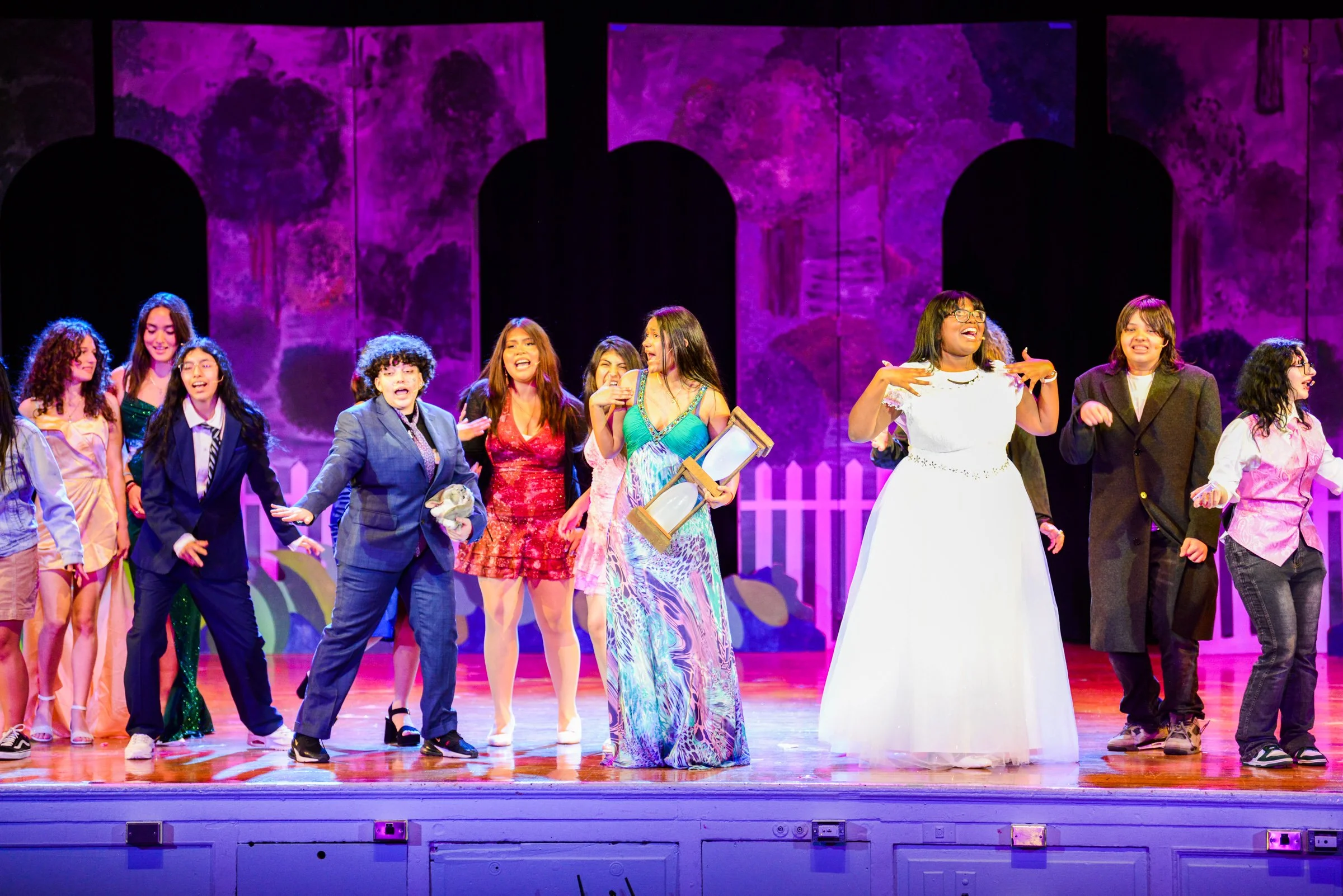
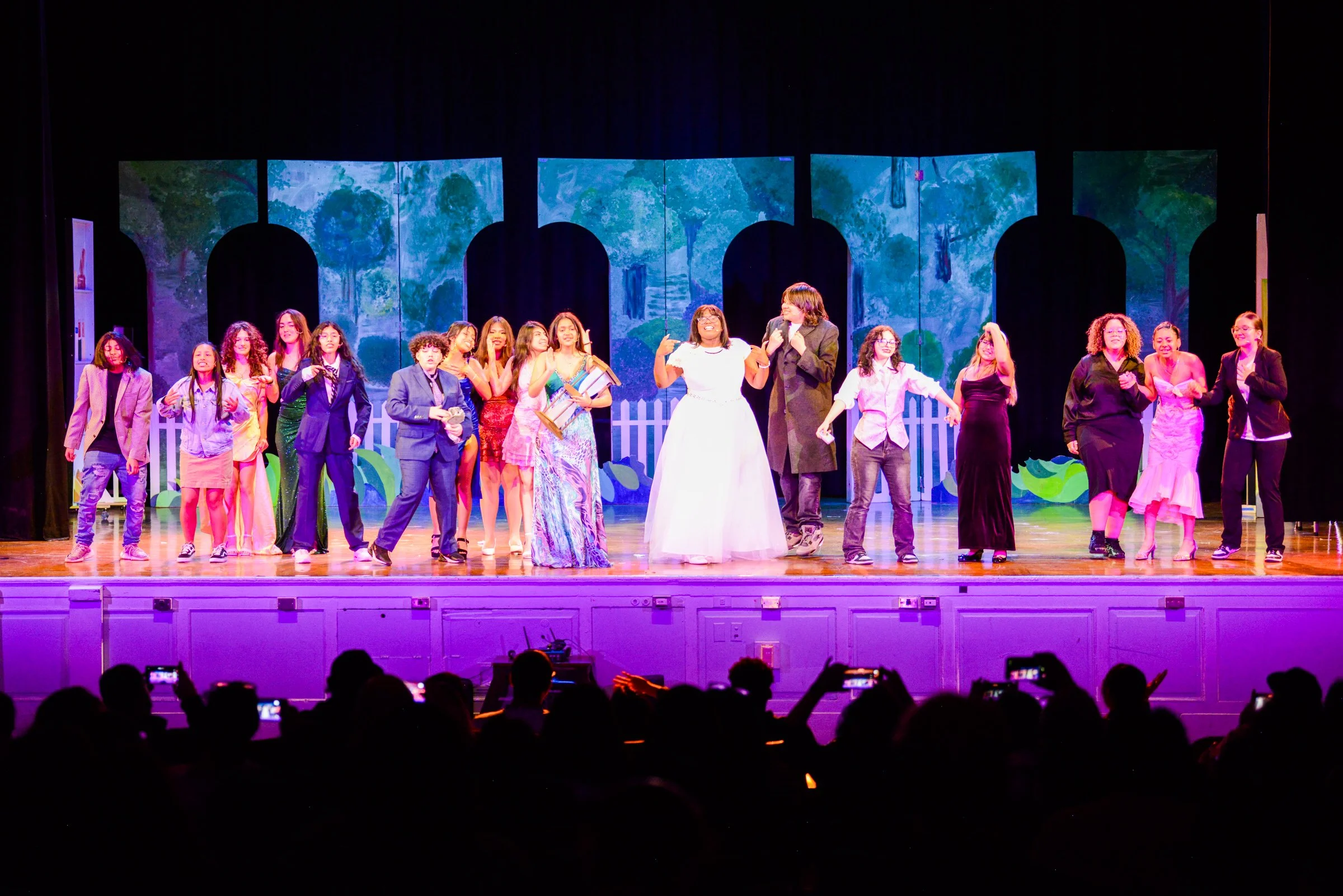
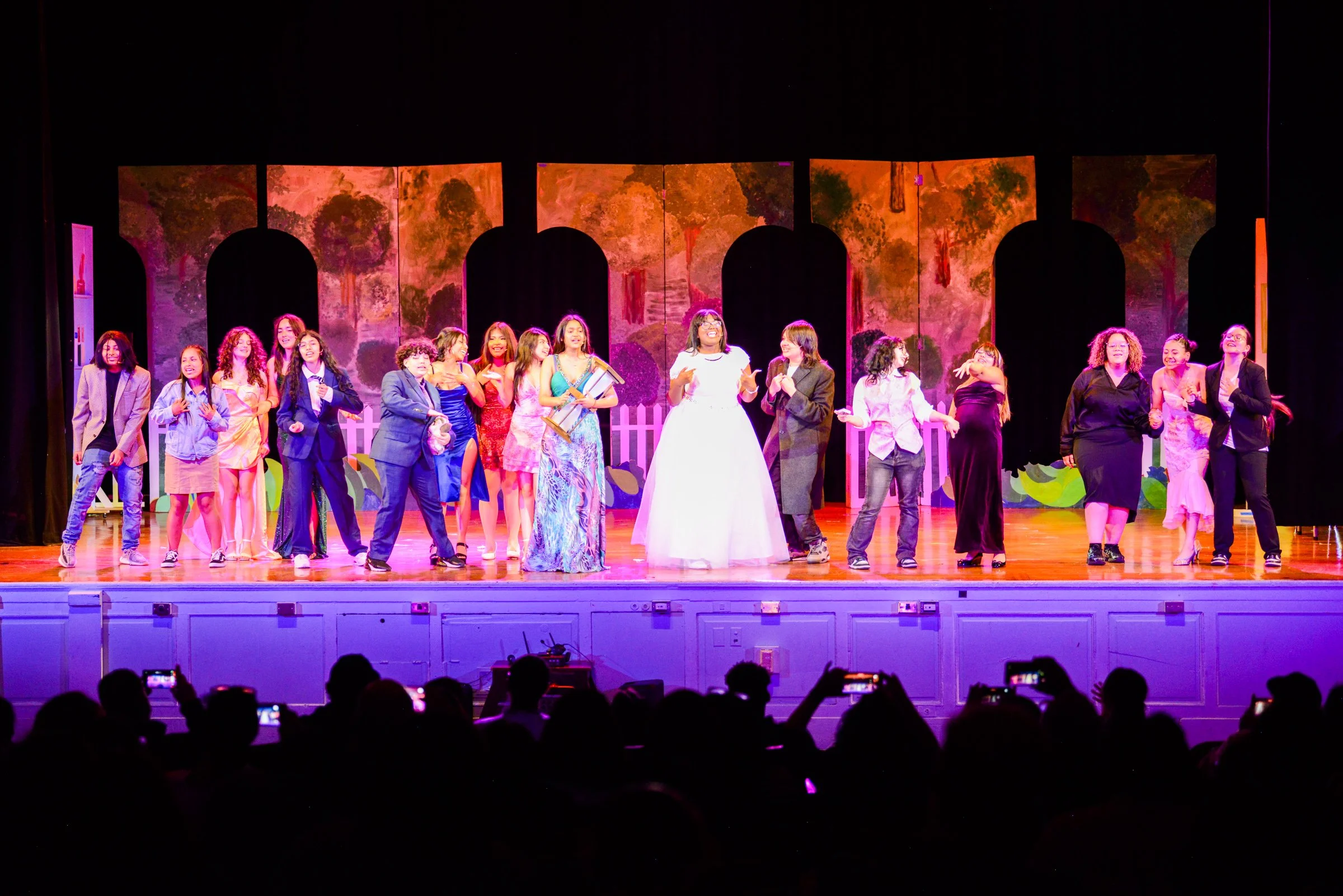
Freaky Friday
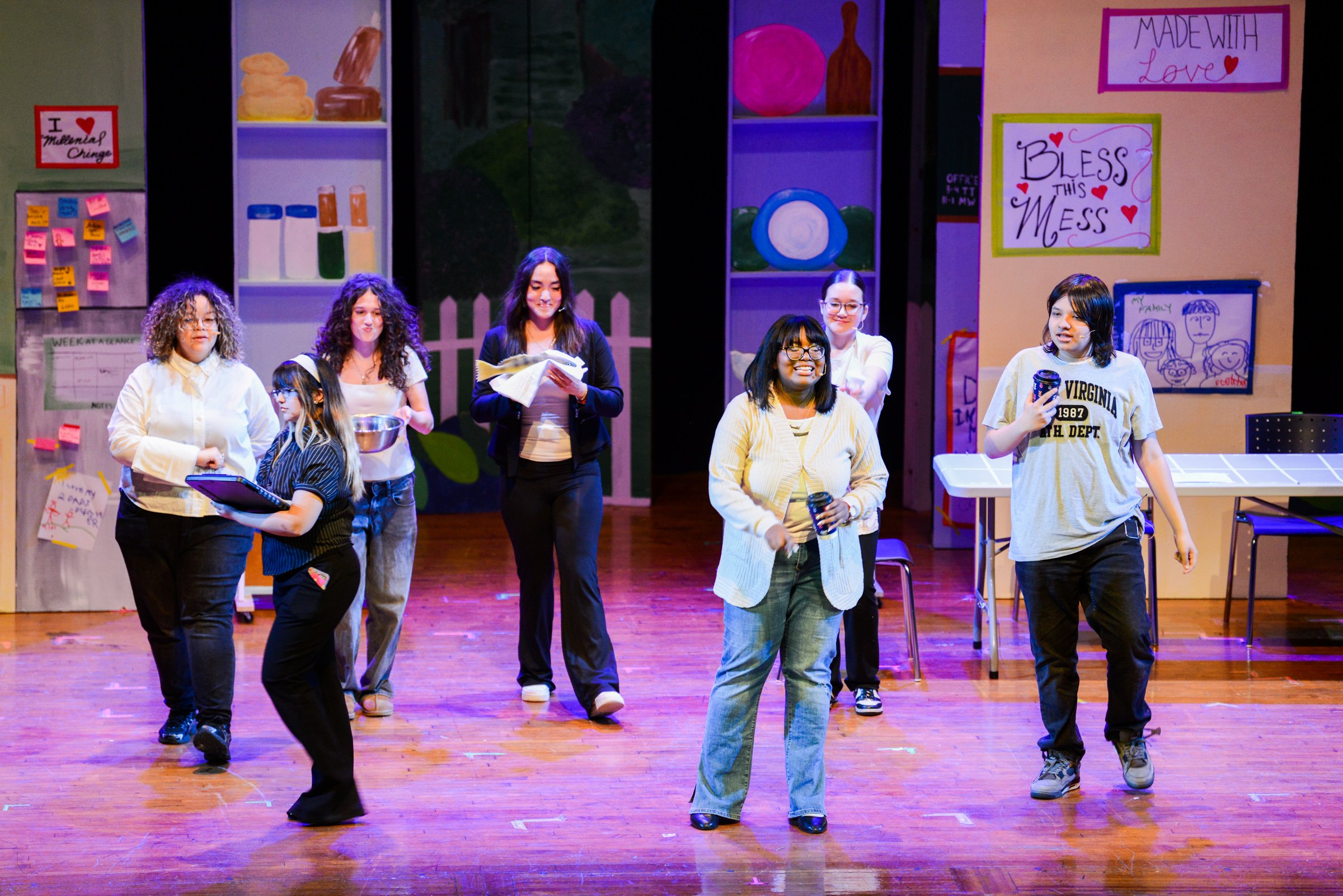
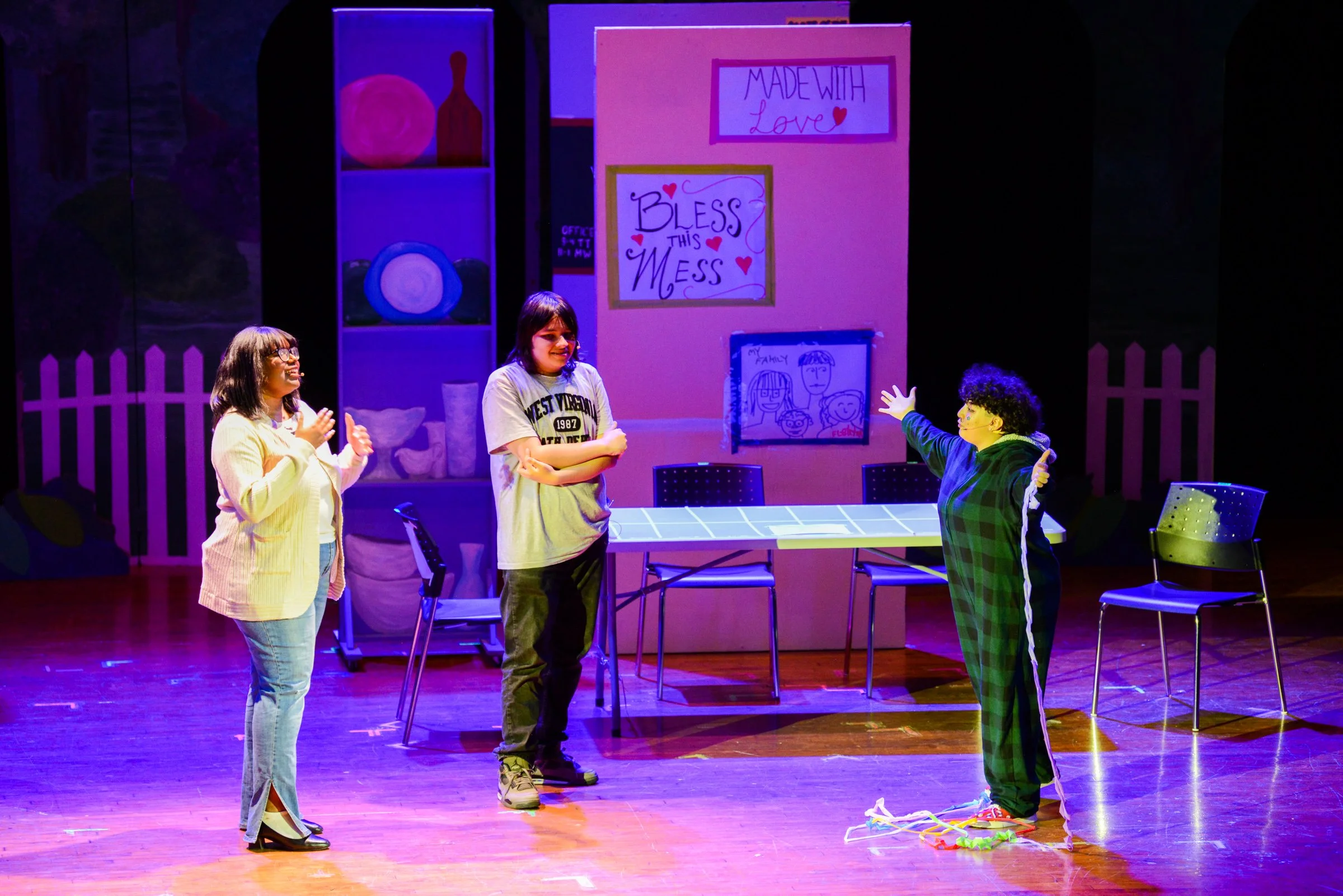
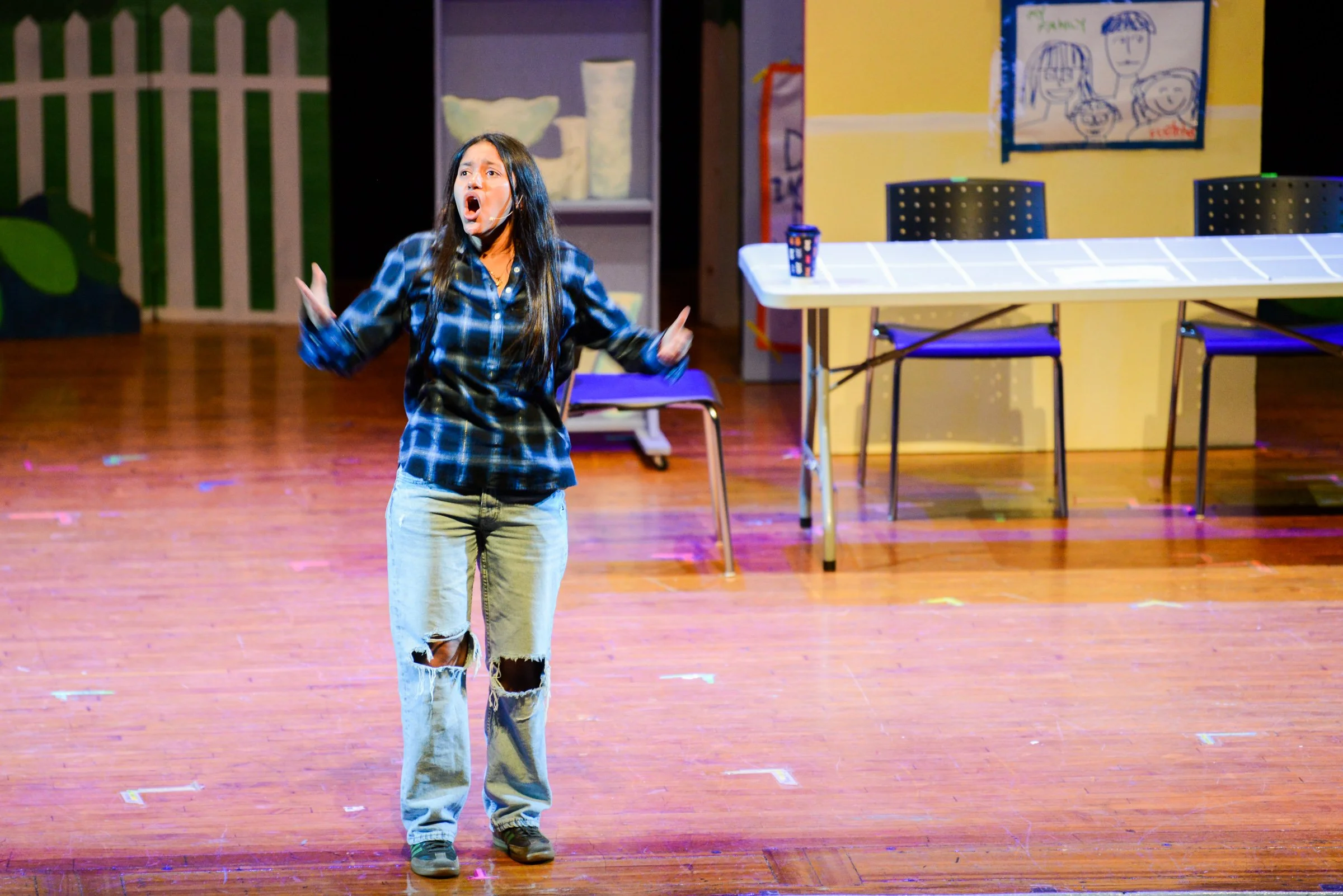
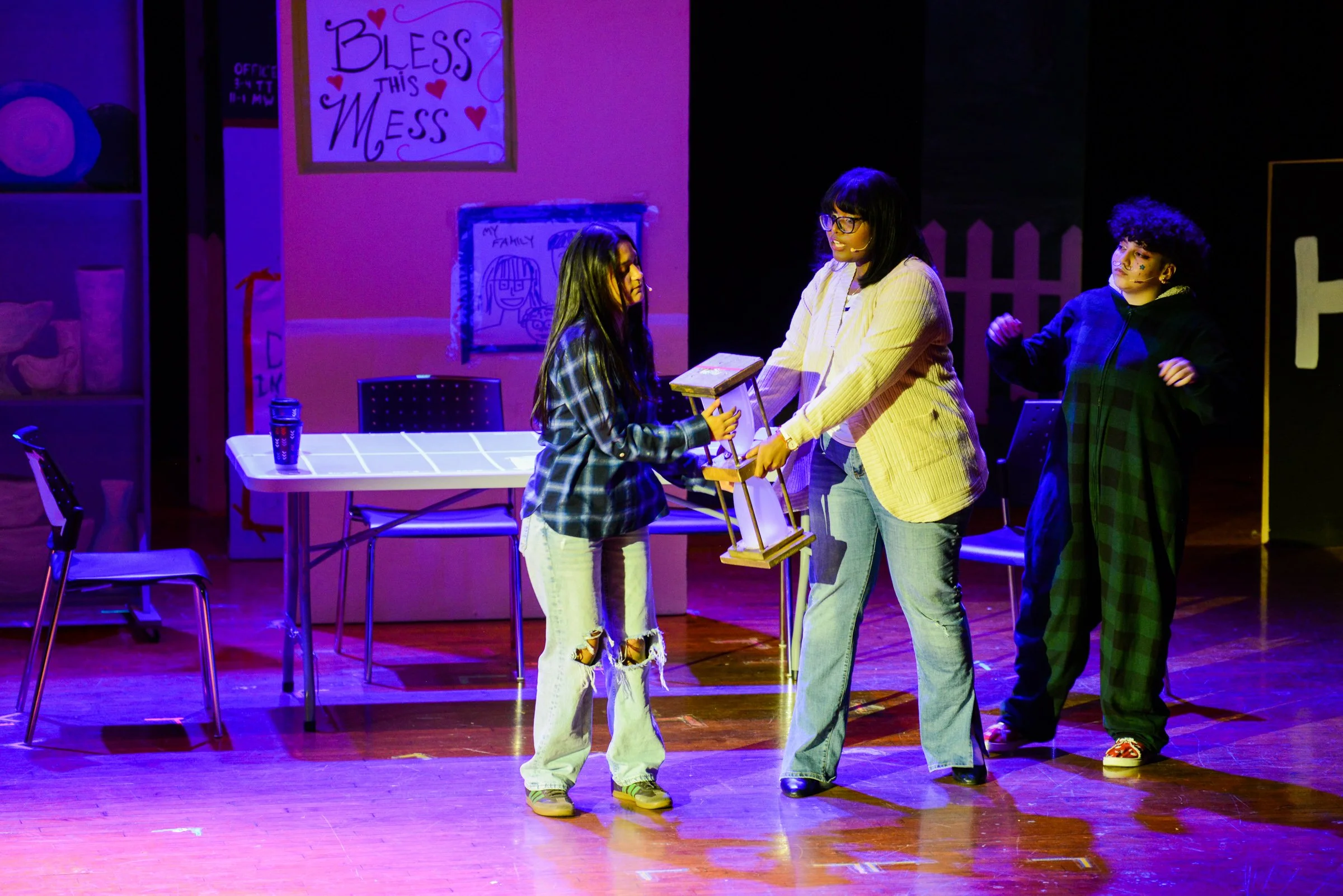
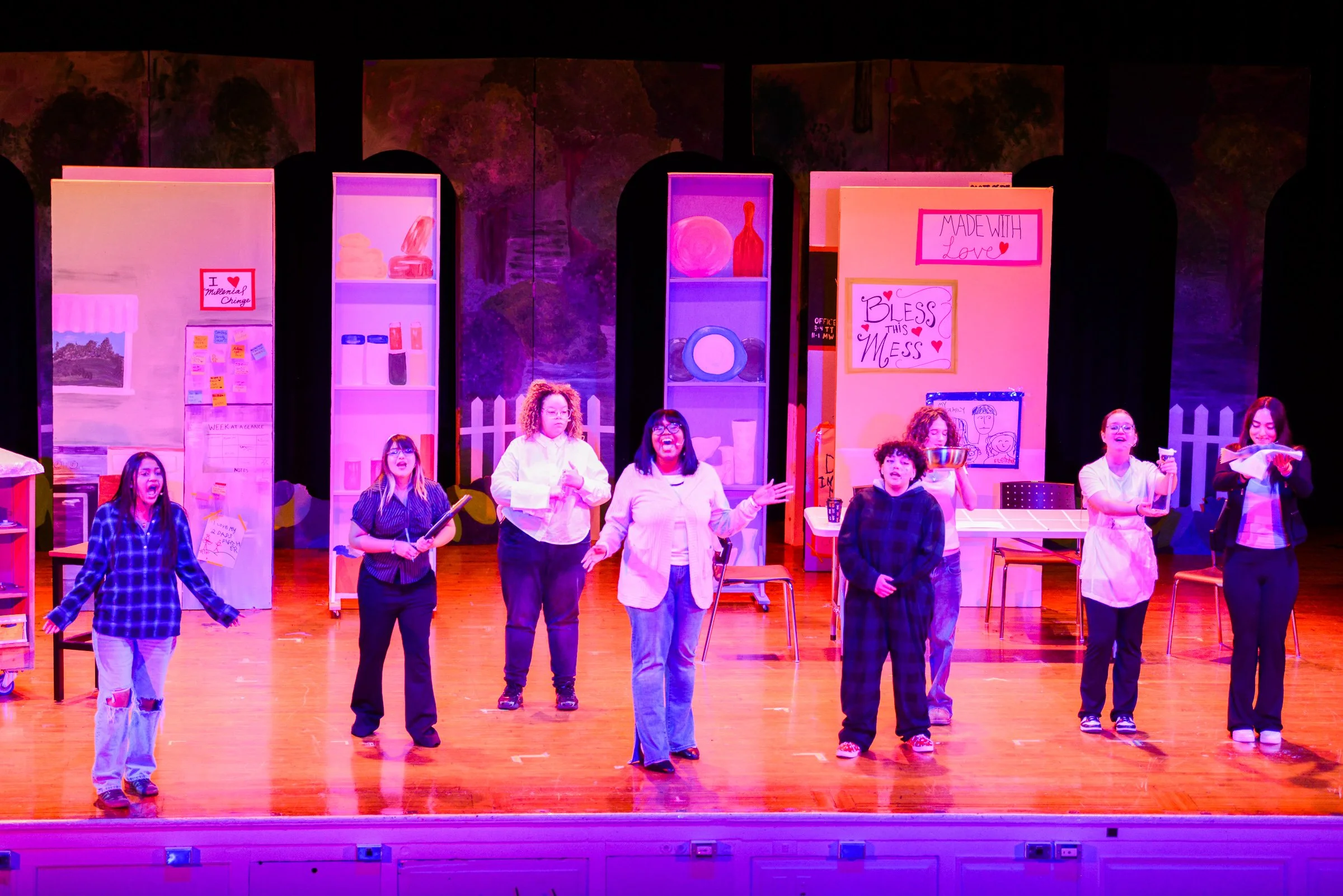
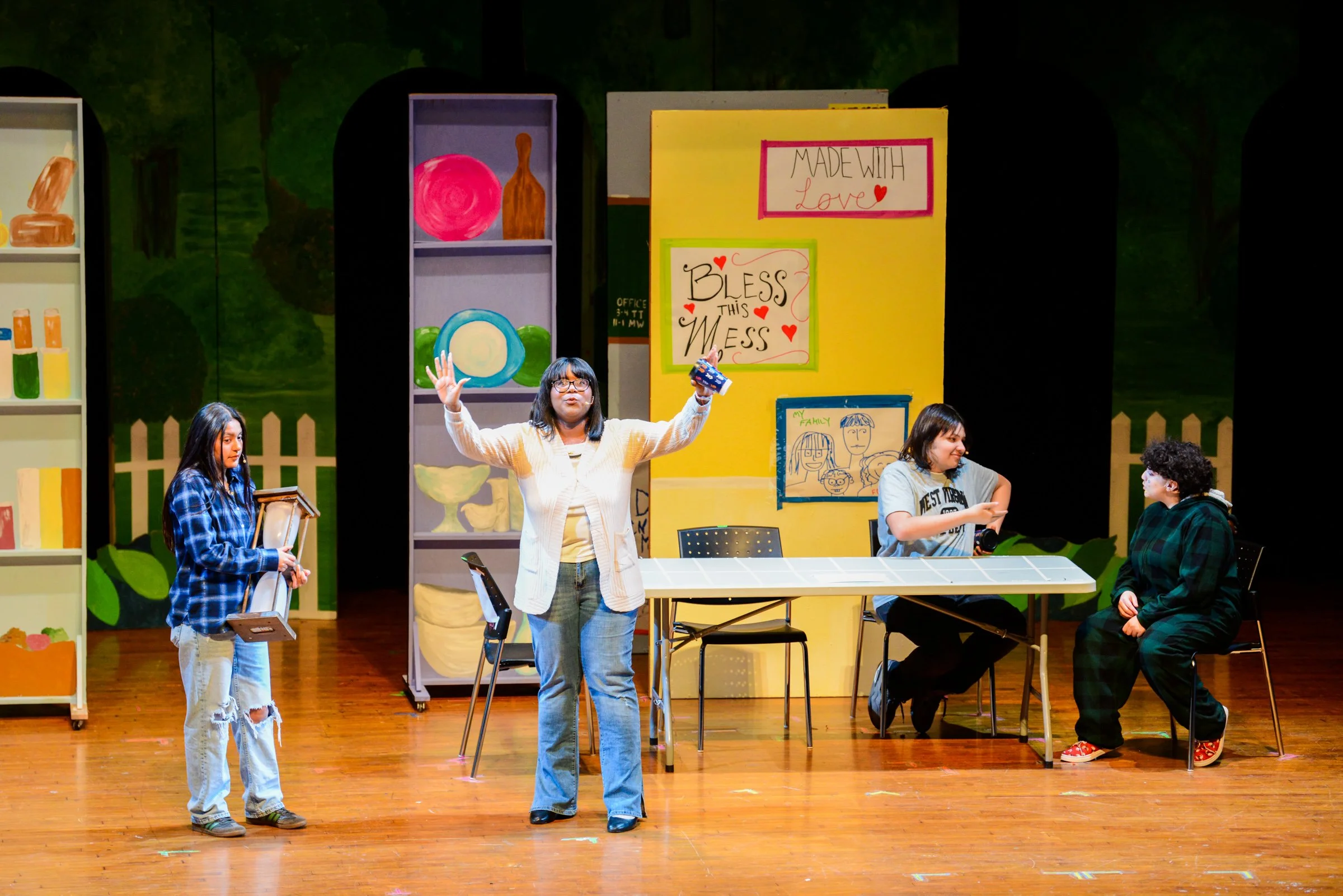
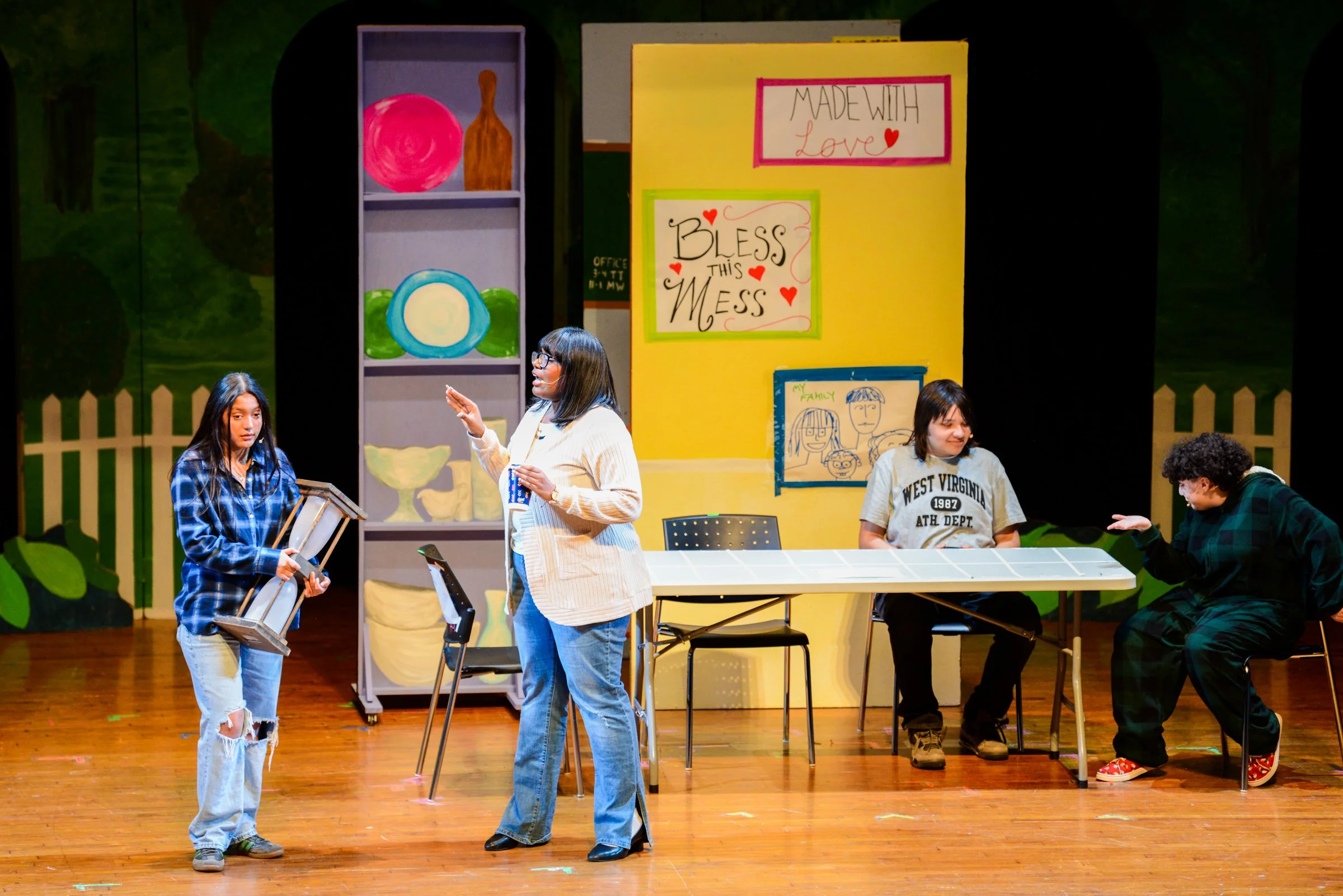
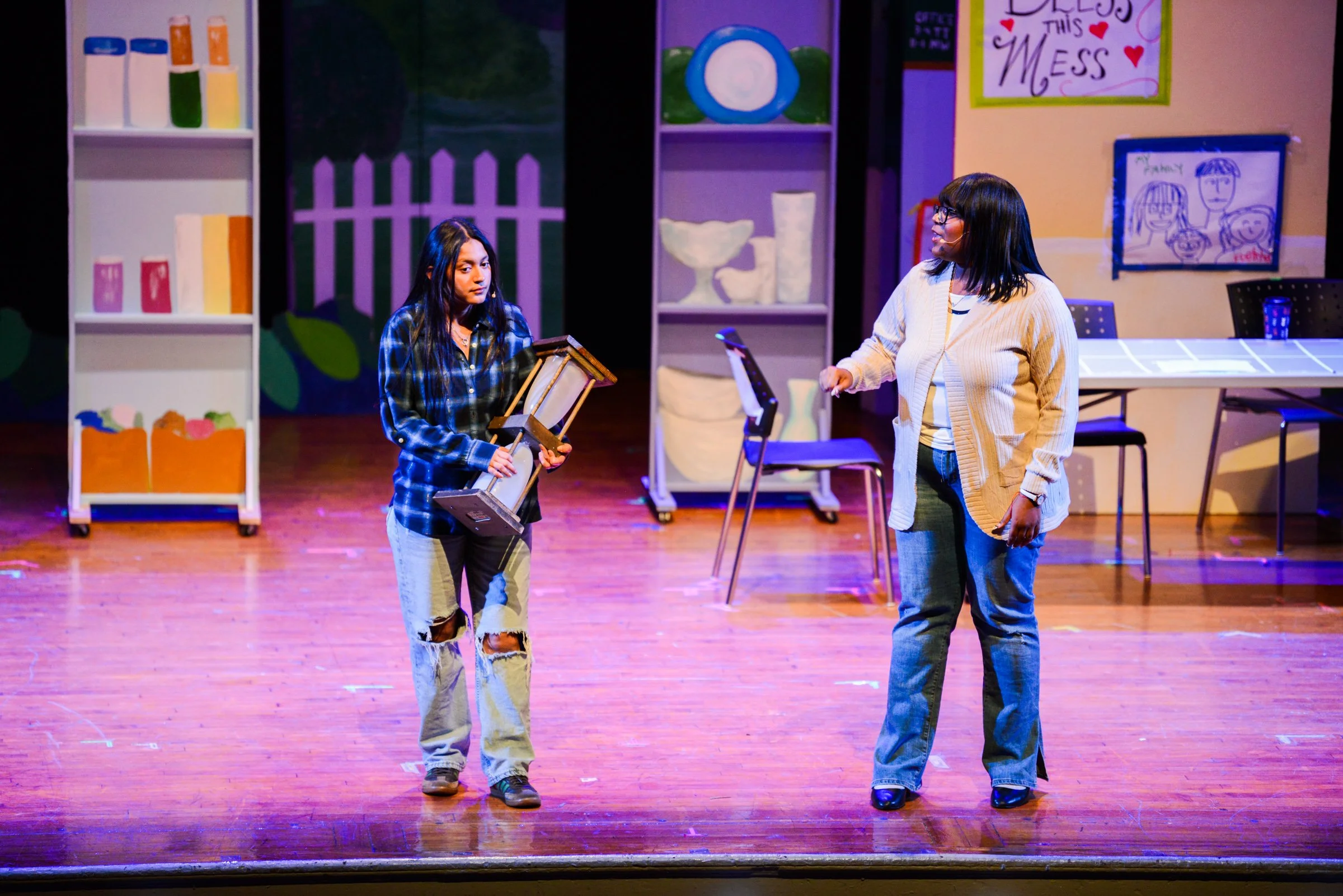
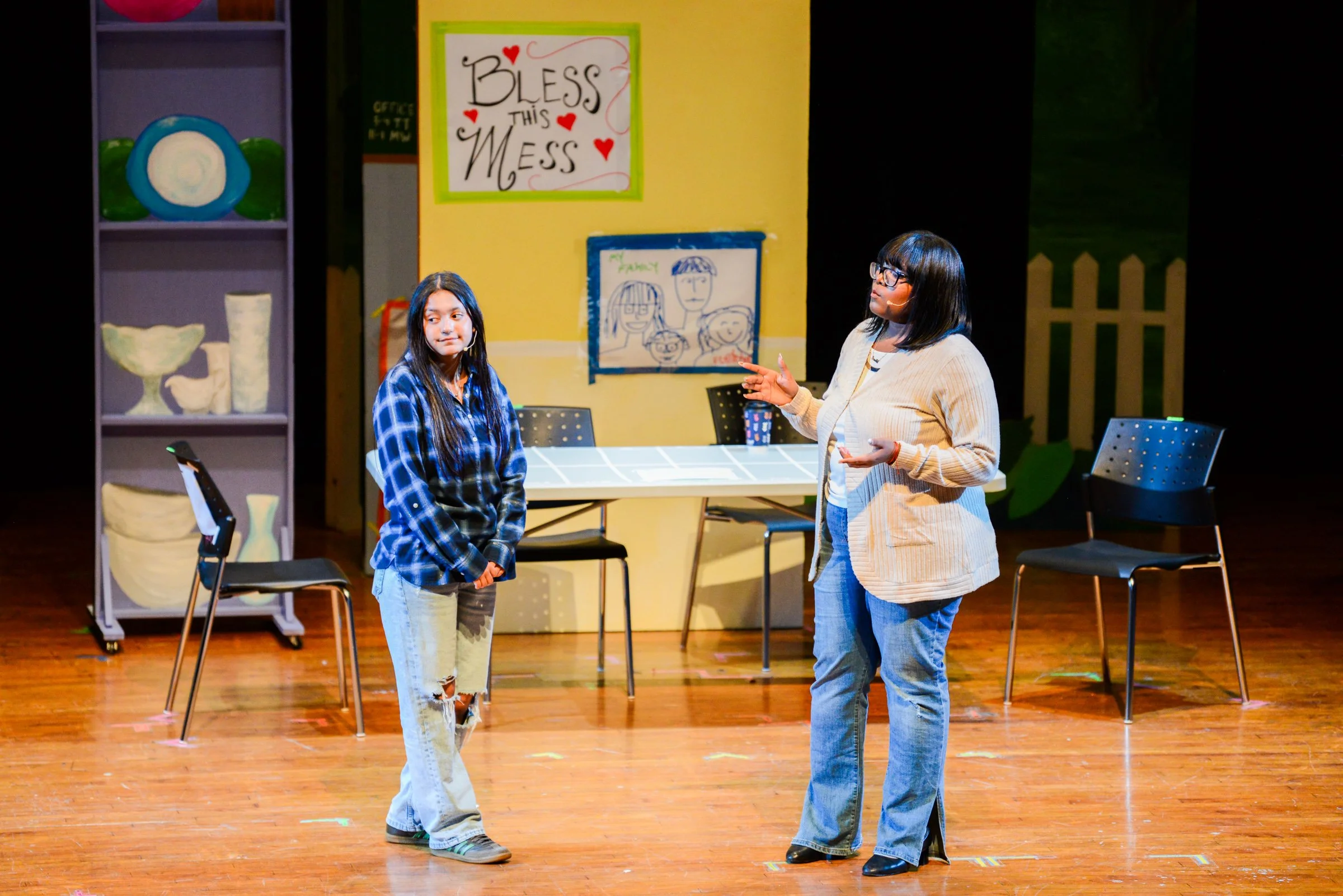
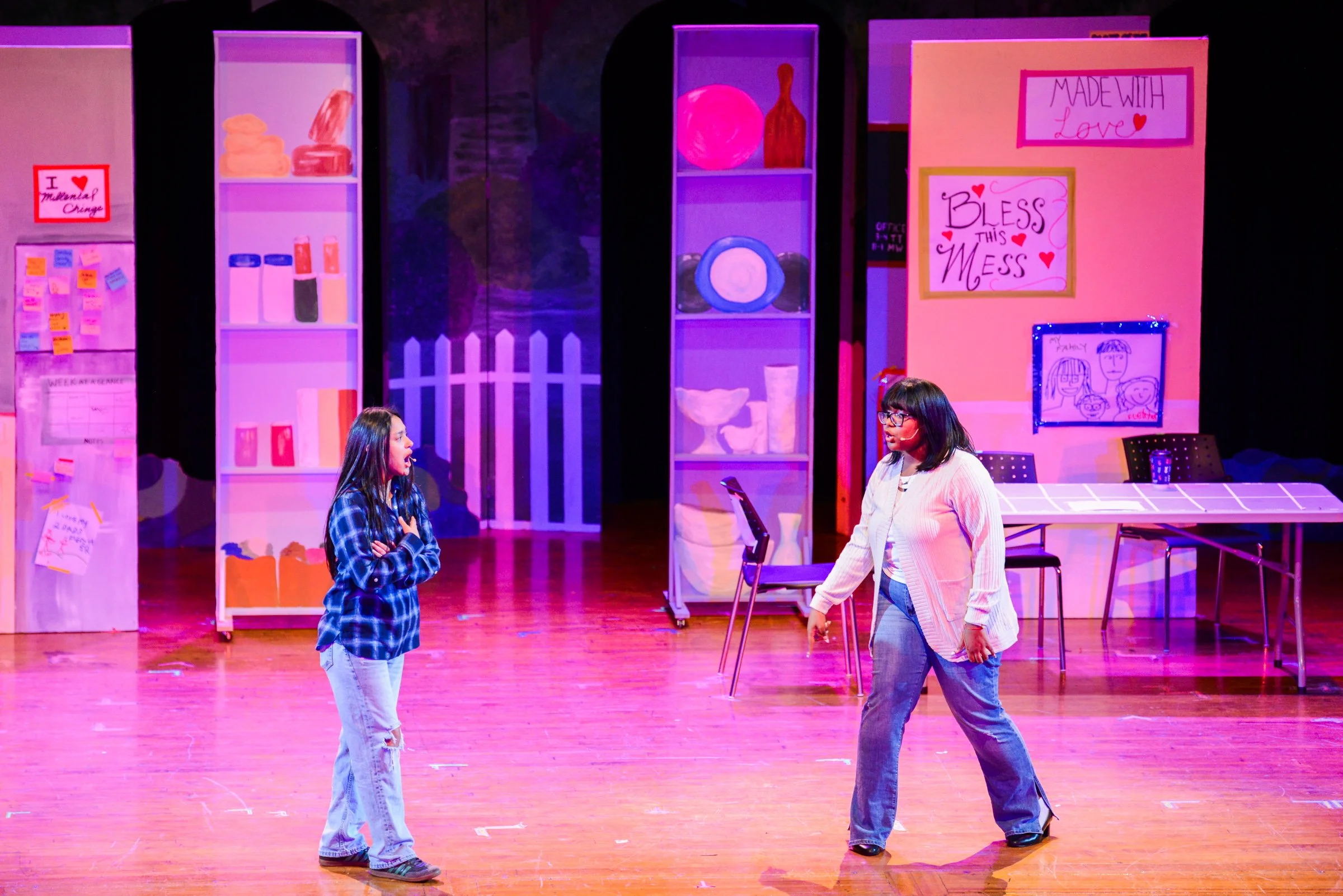
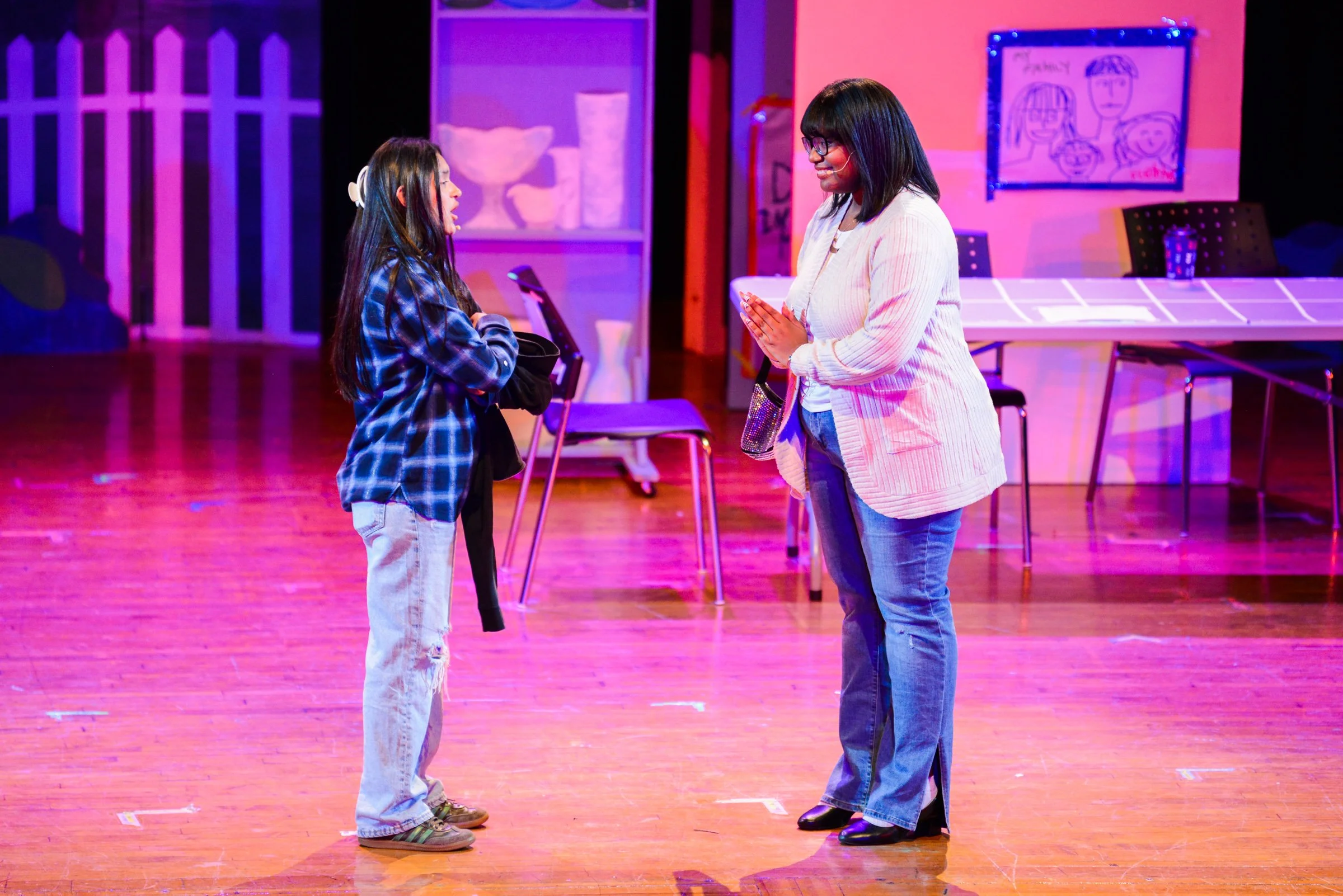
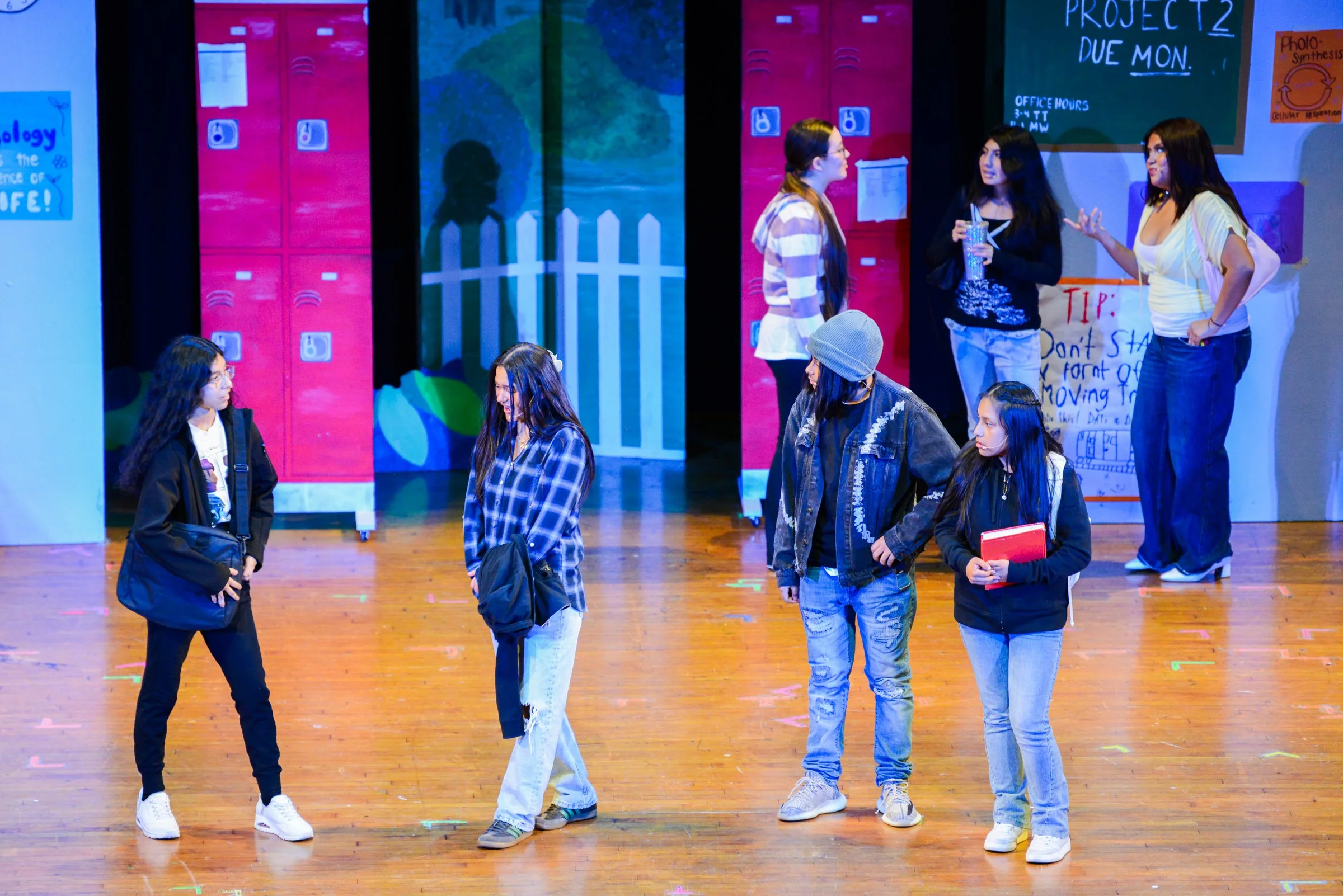
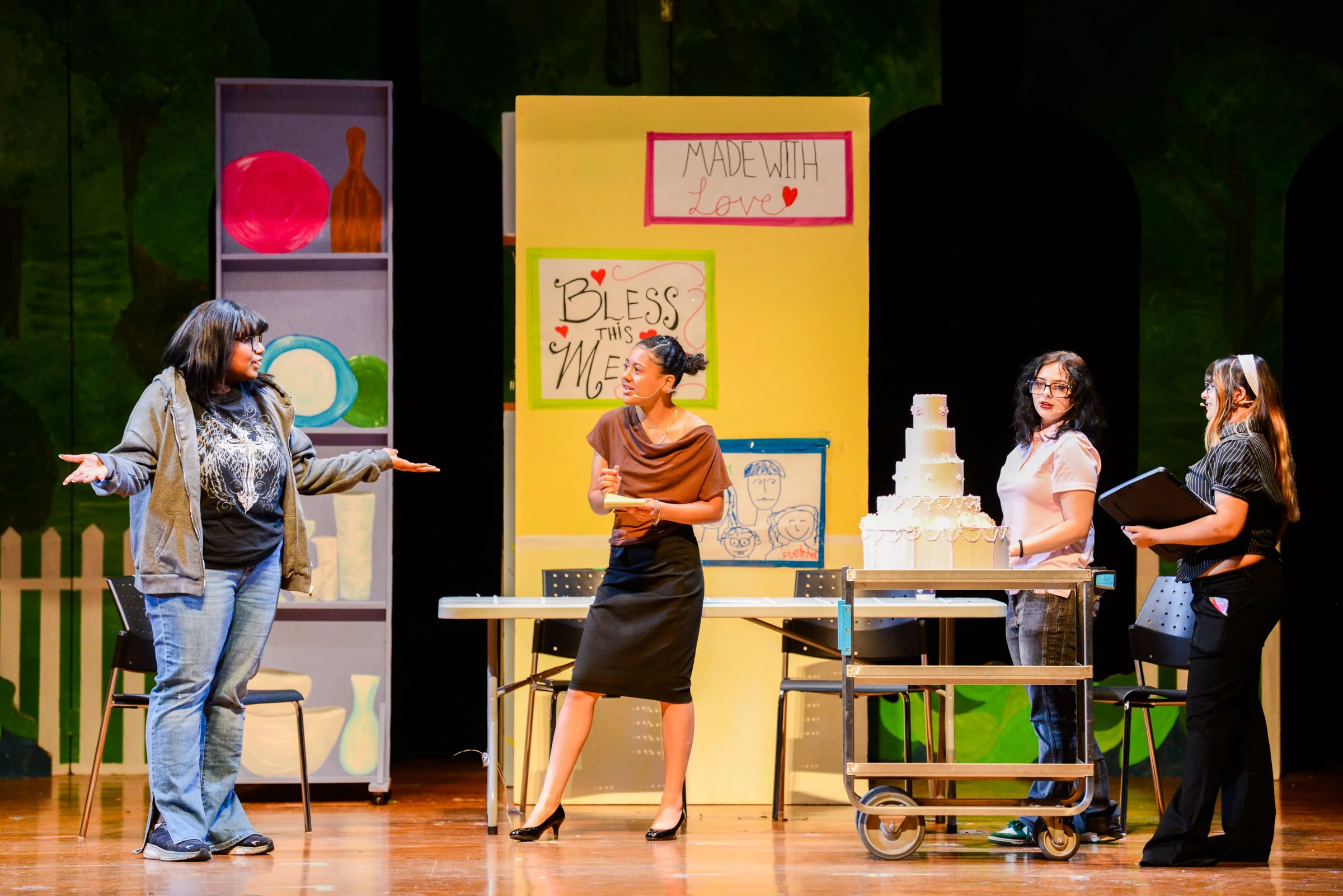
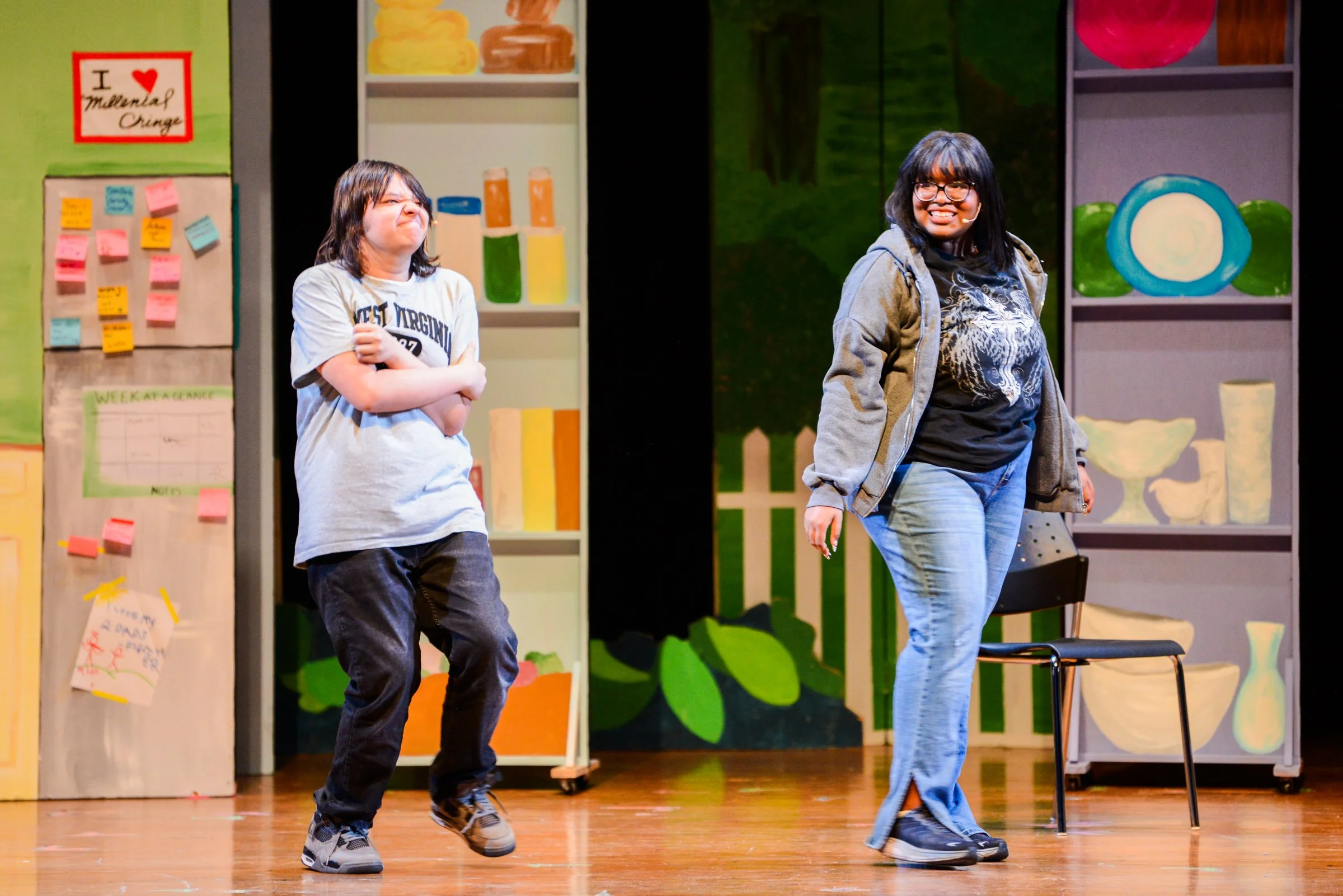
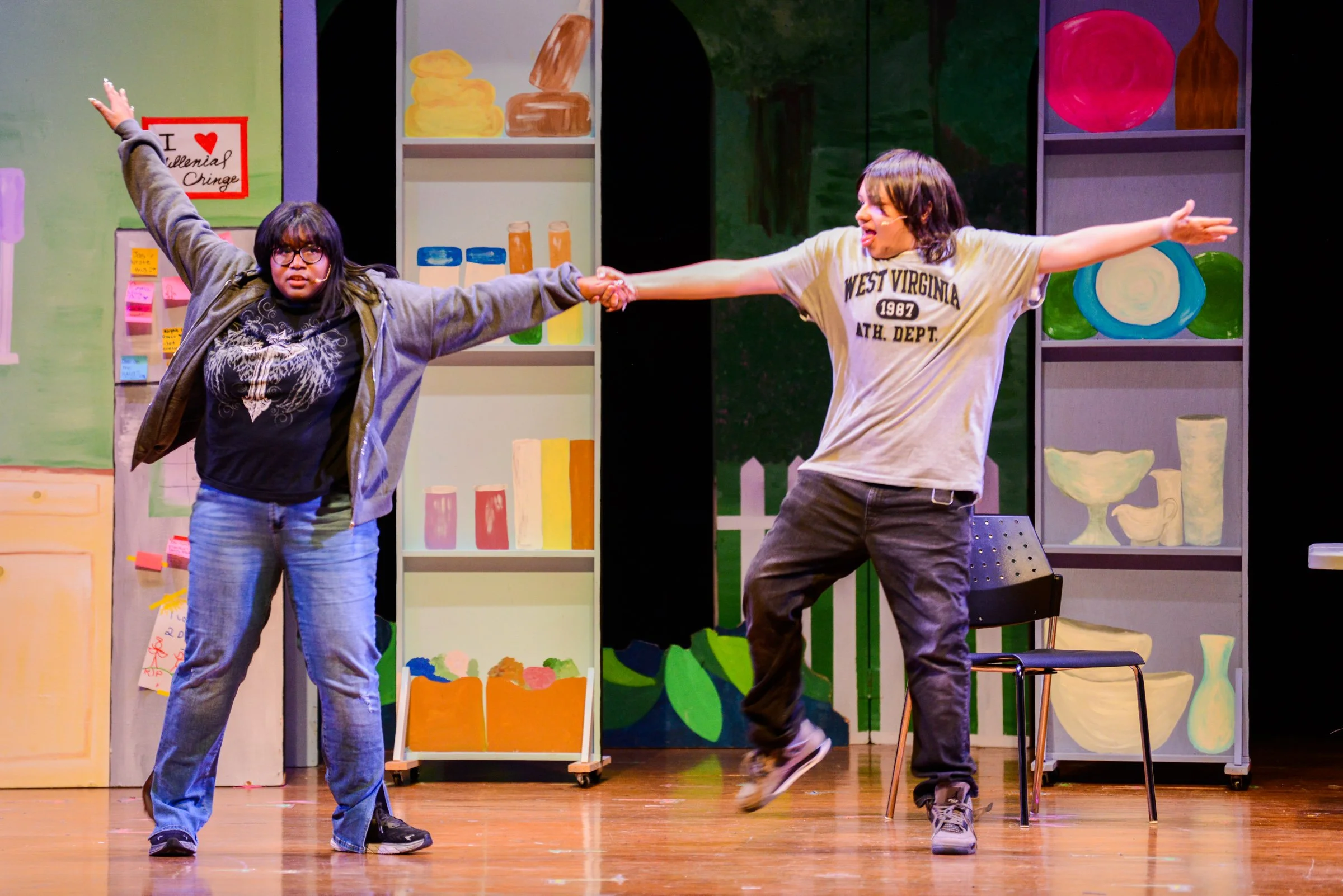
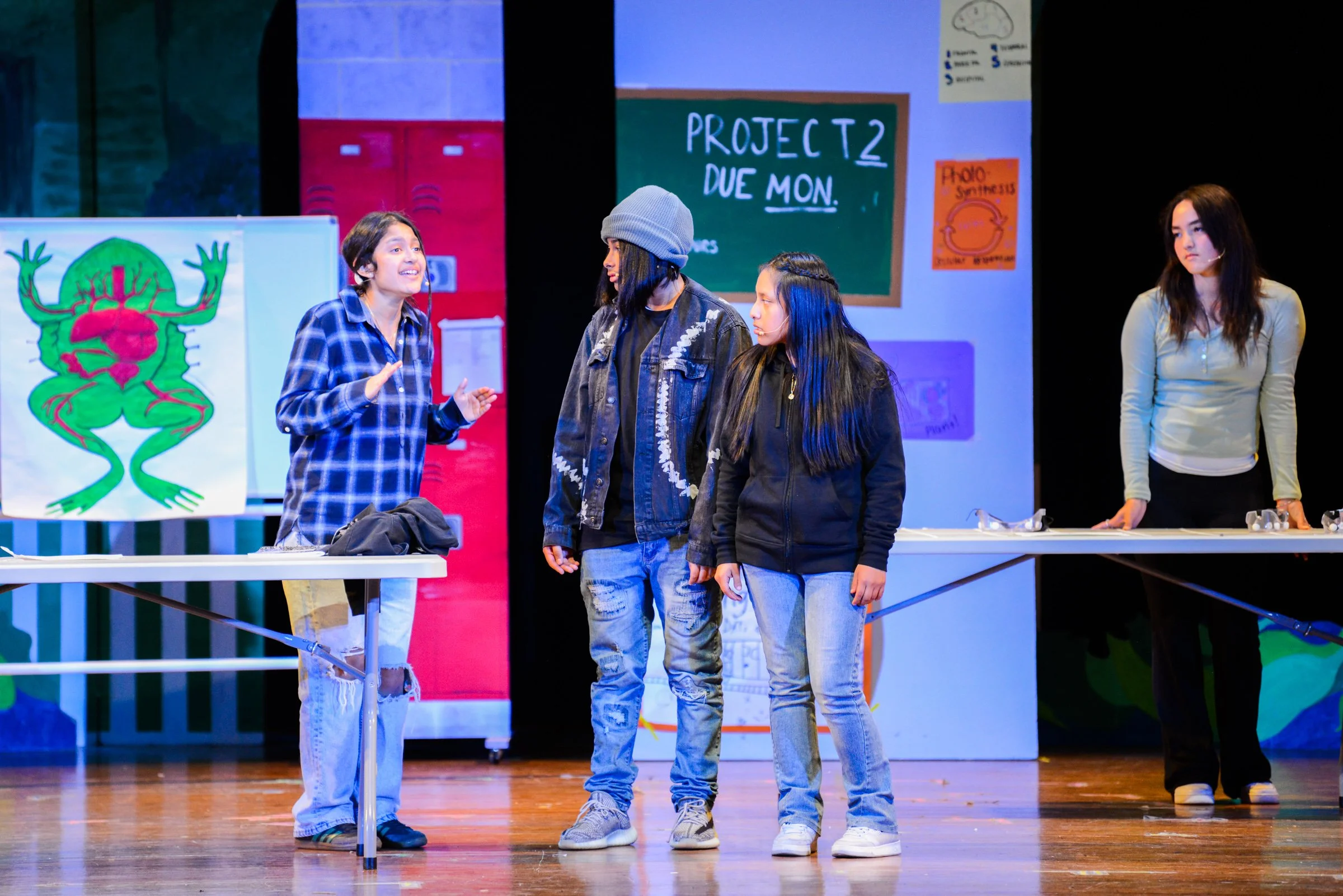
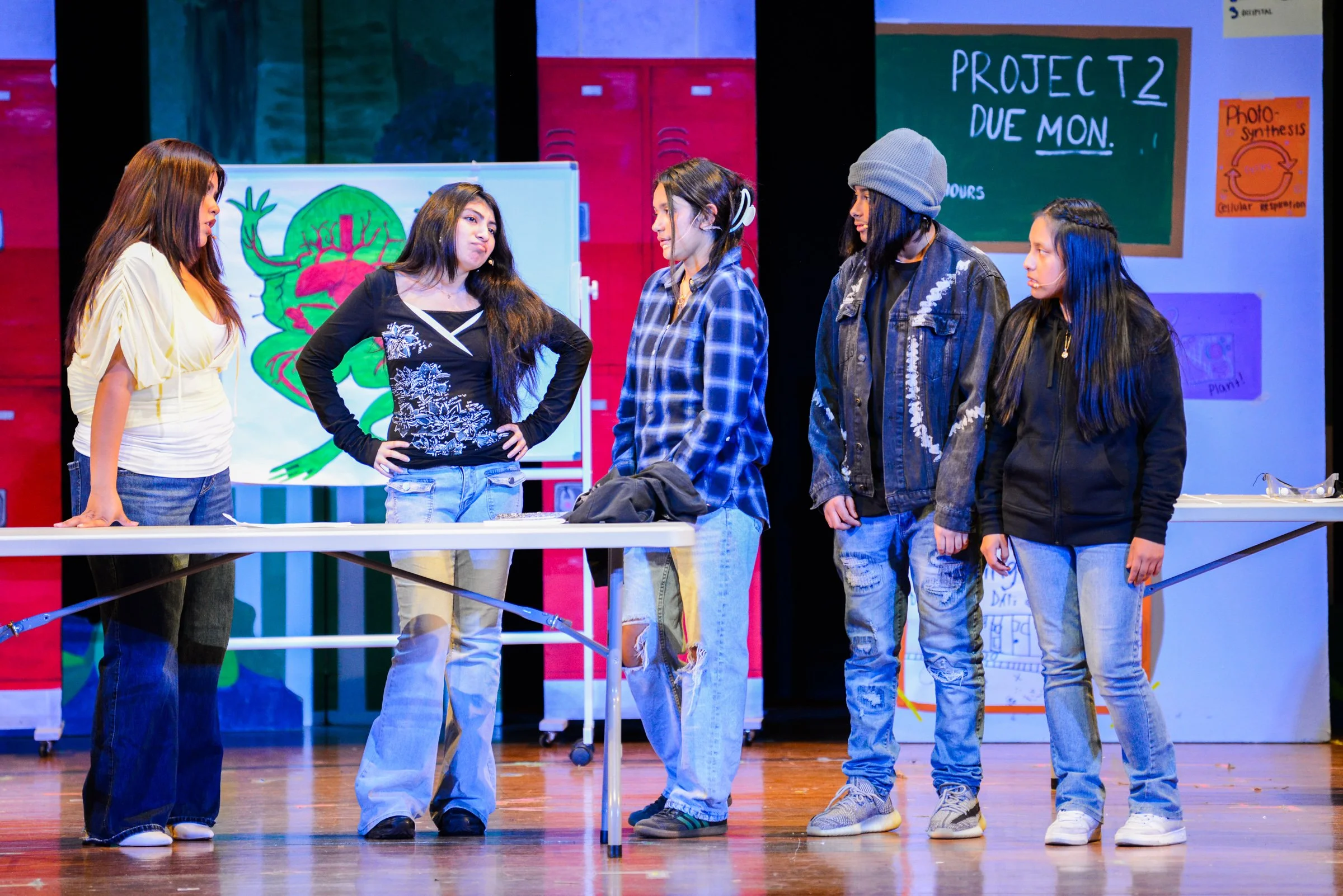
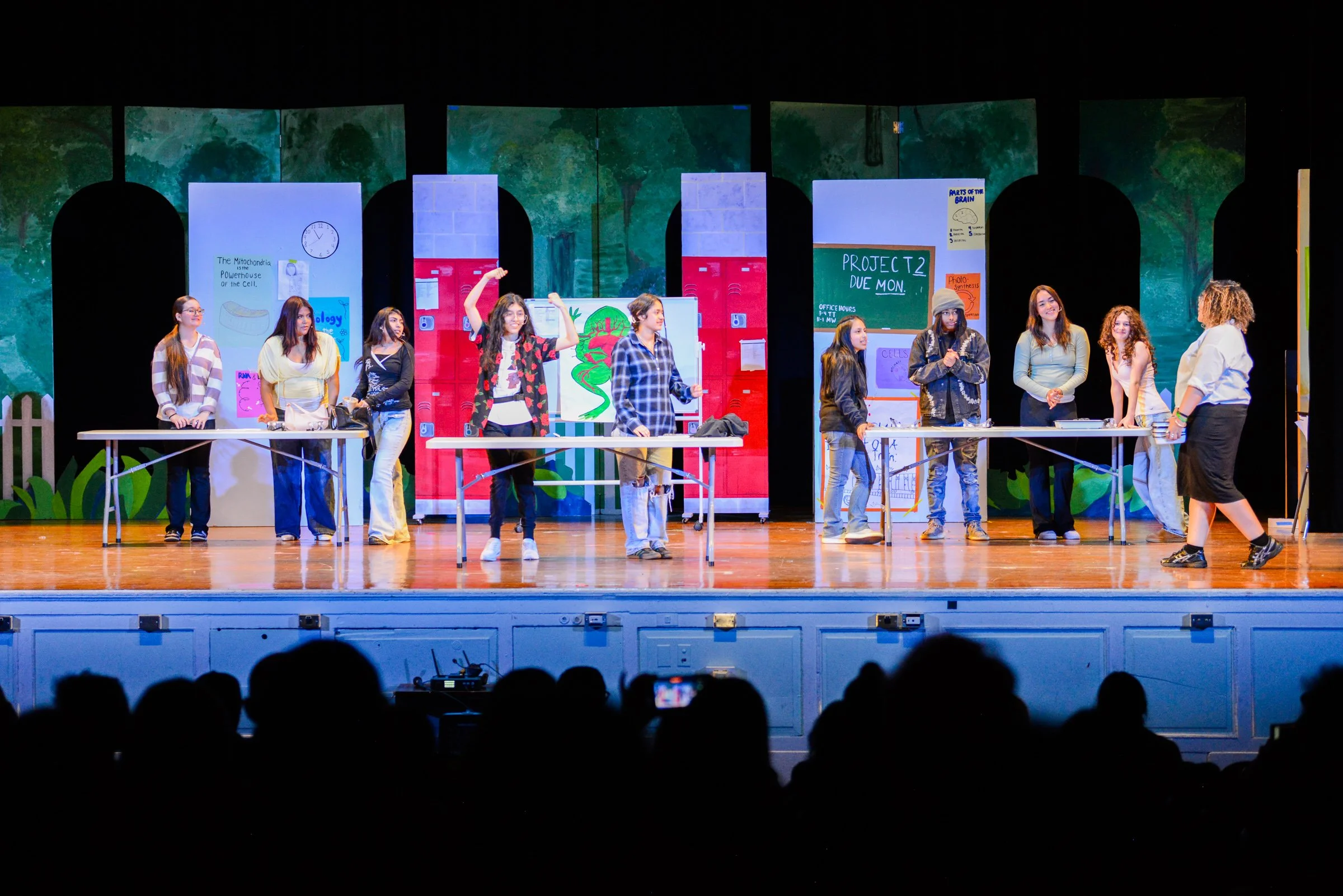
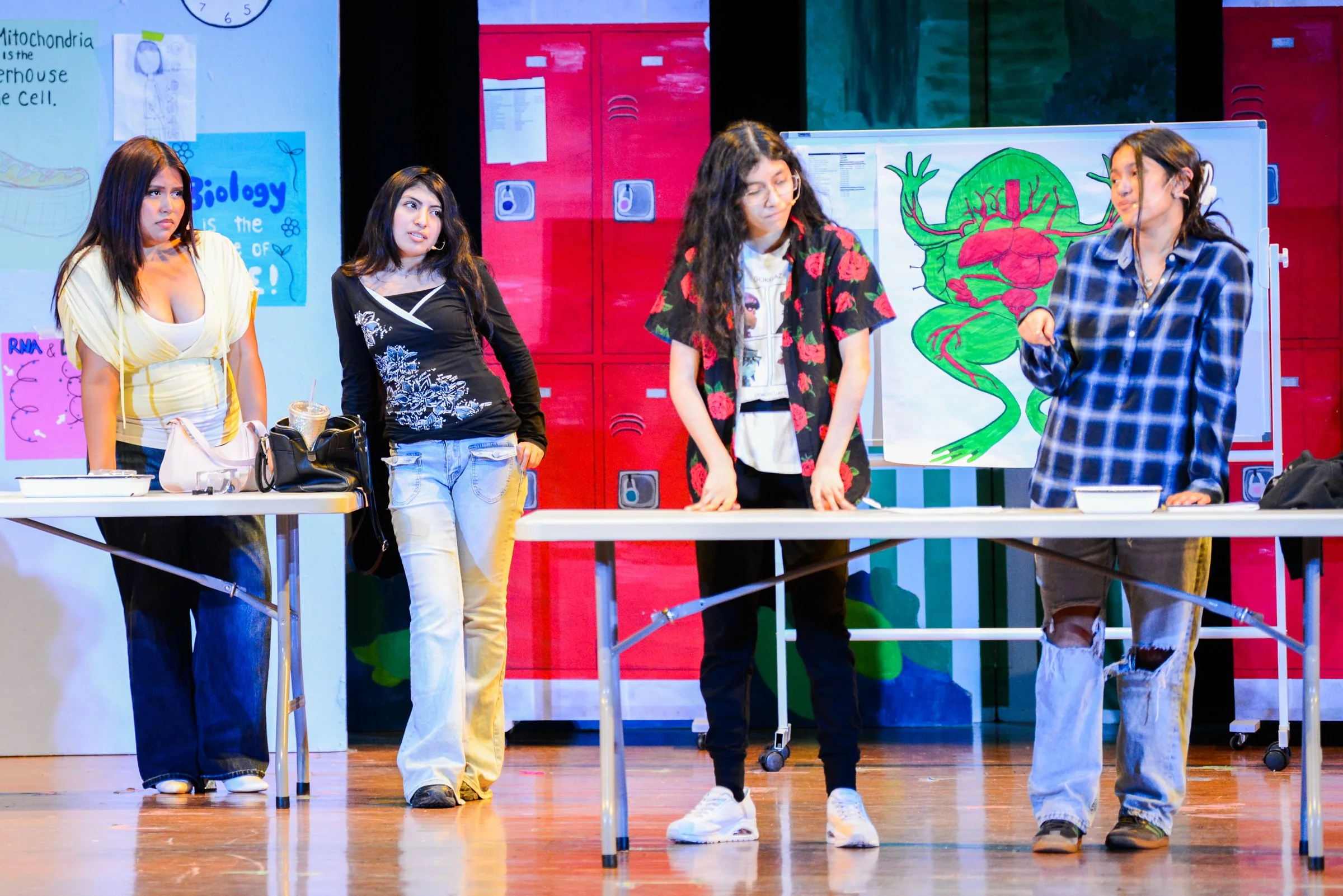
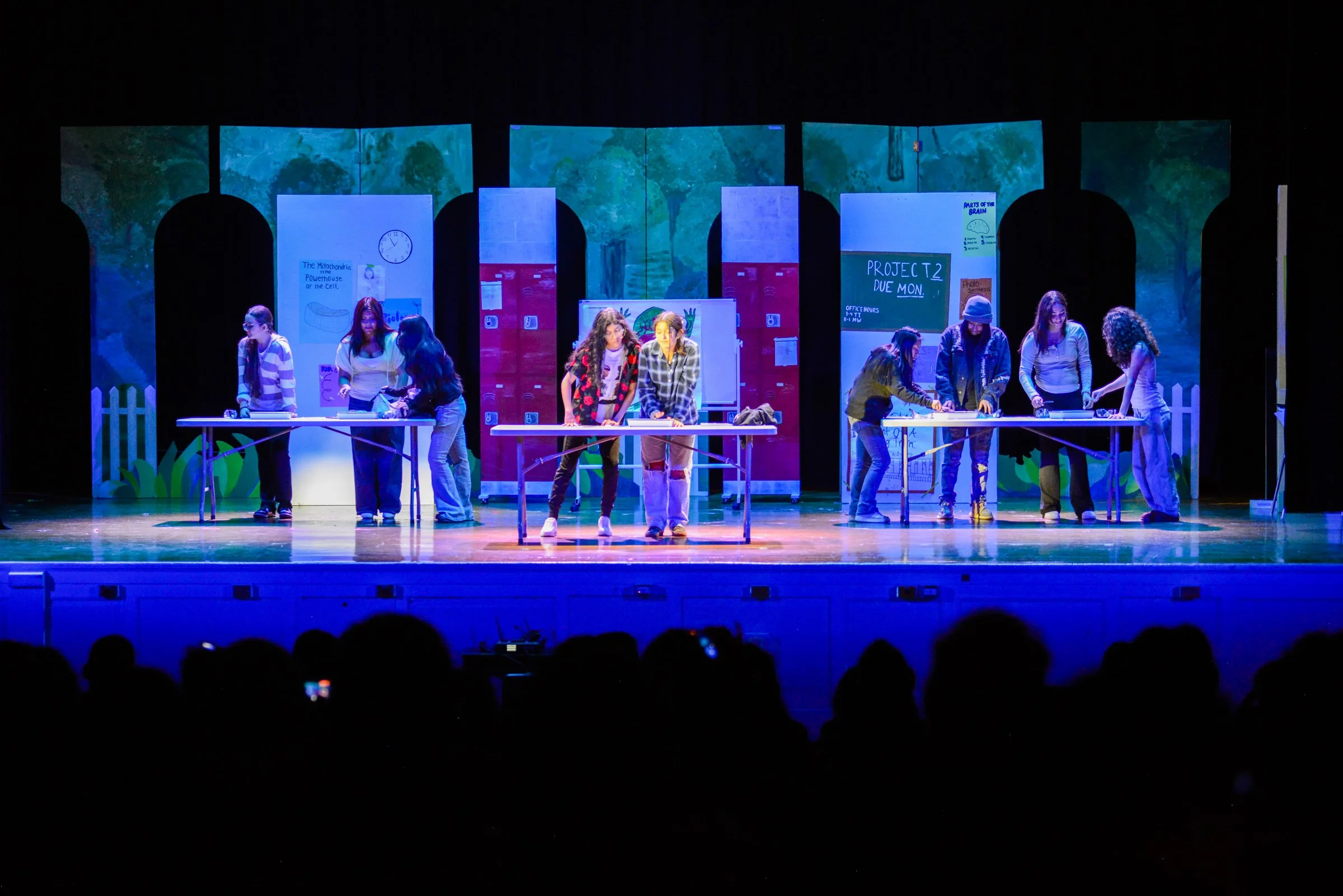
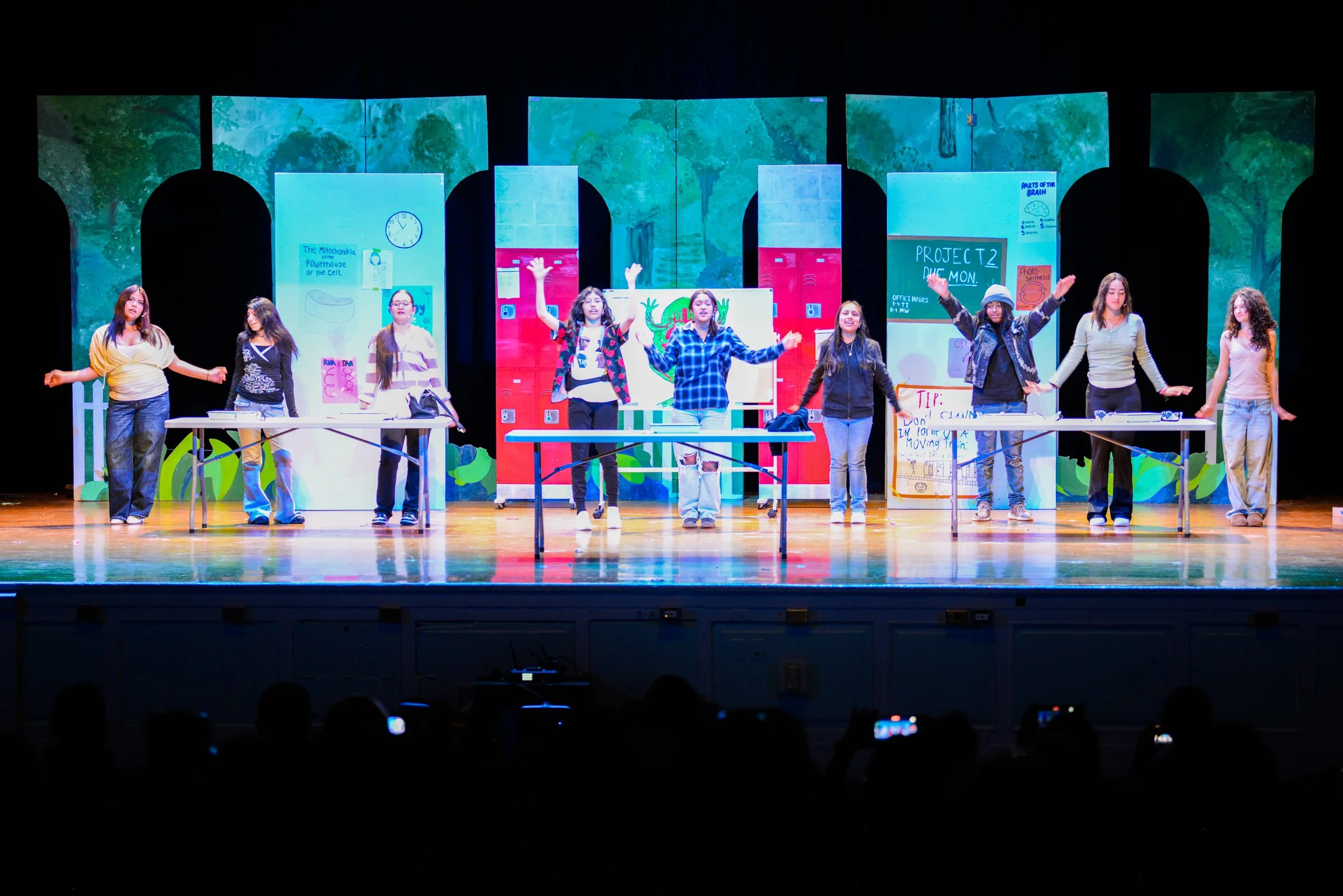
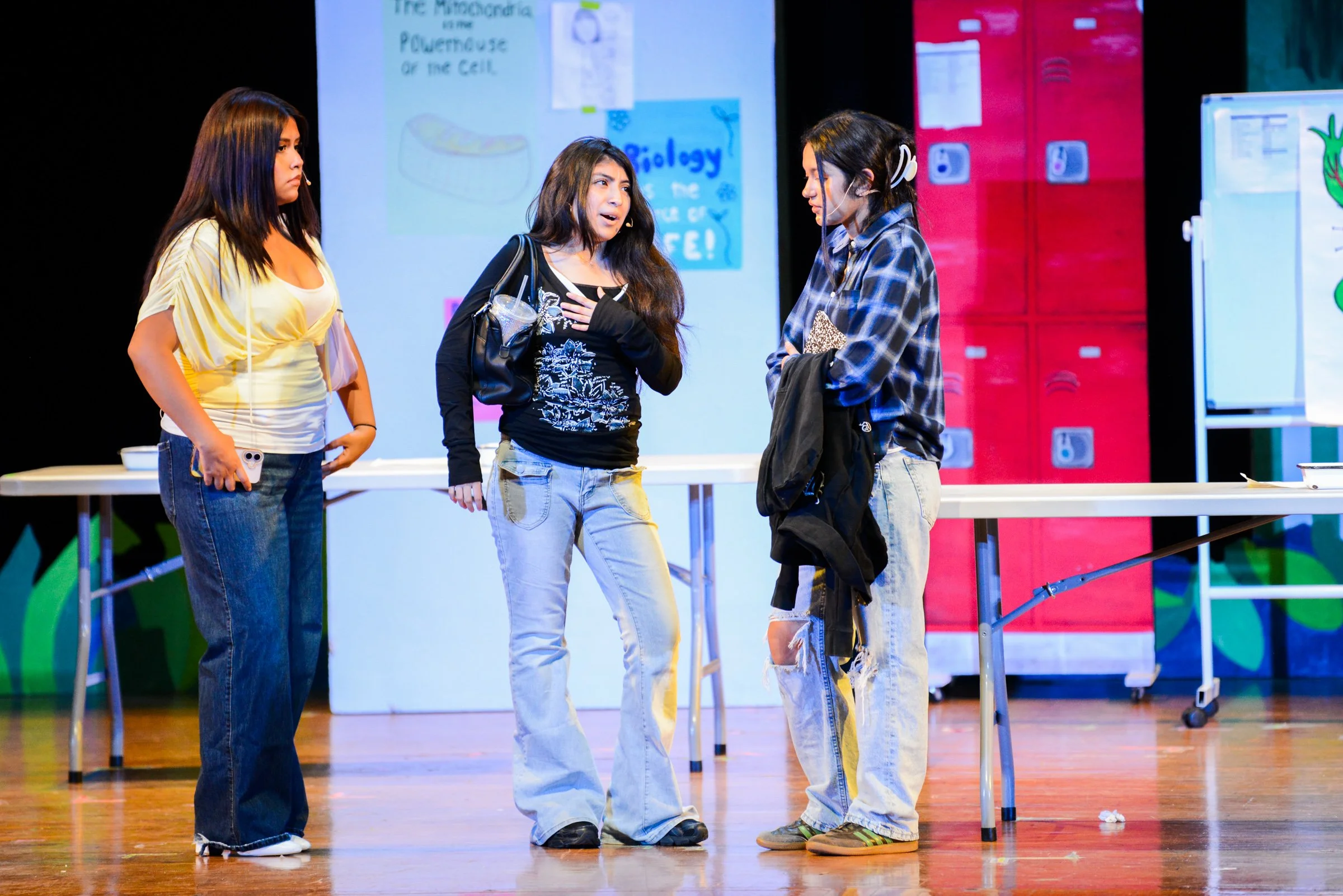
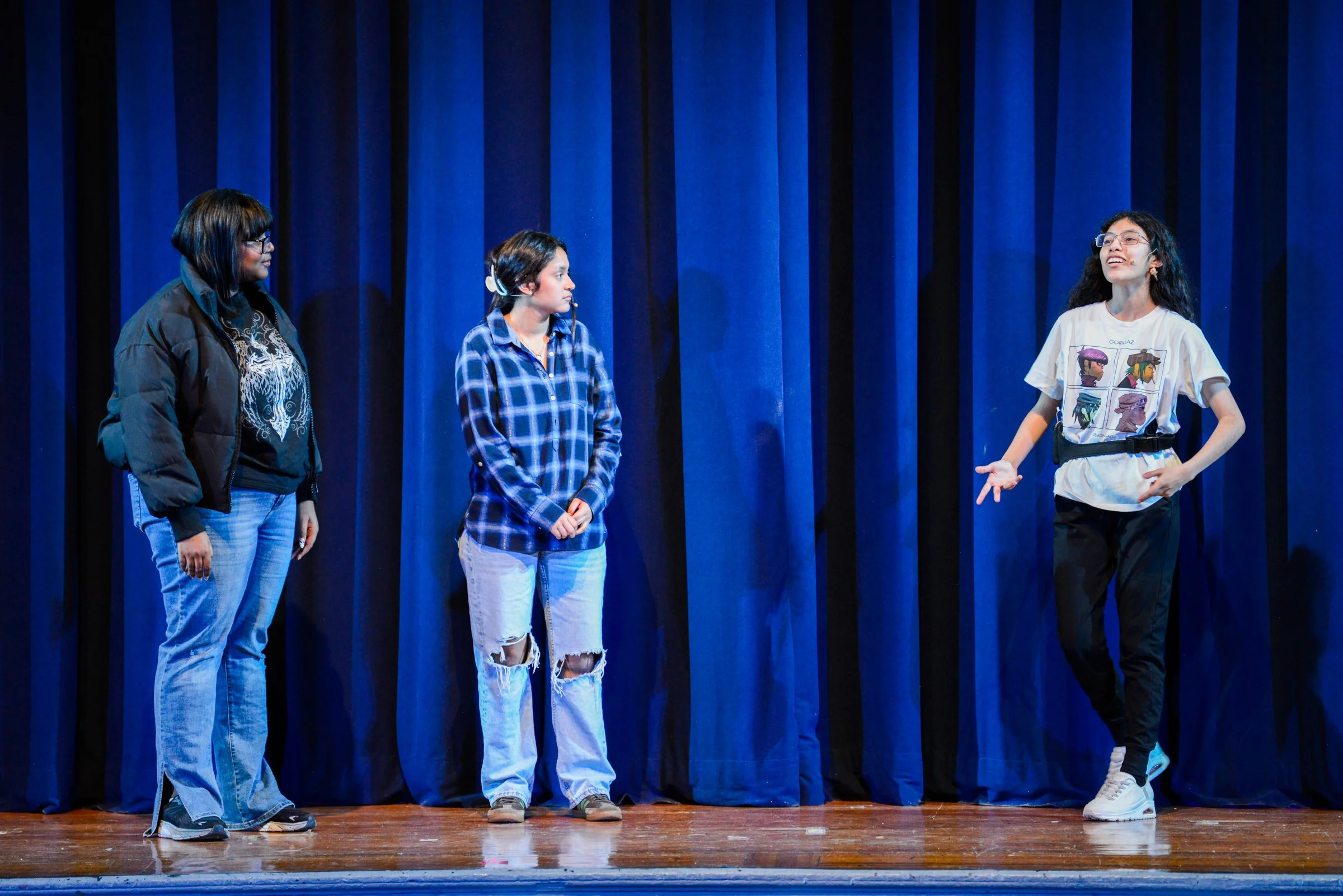
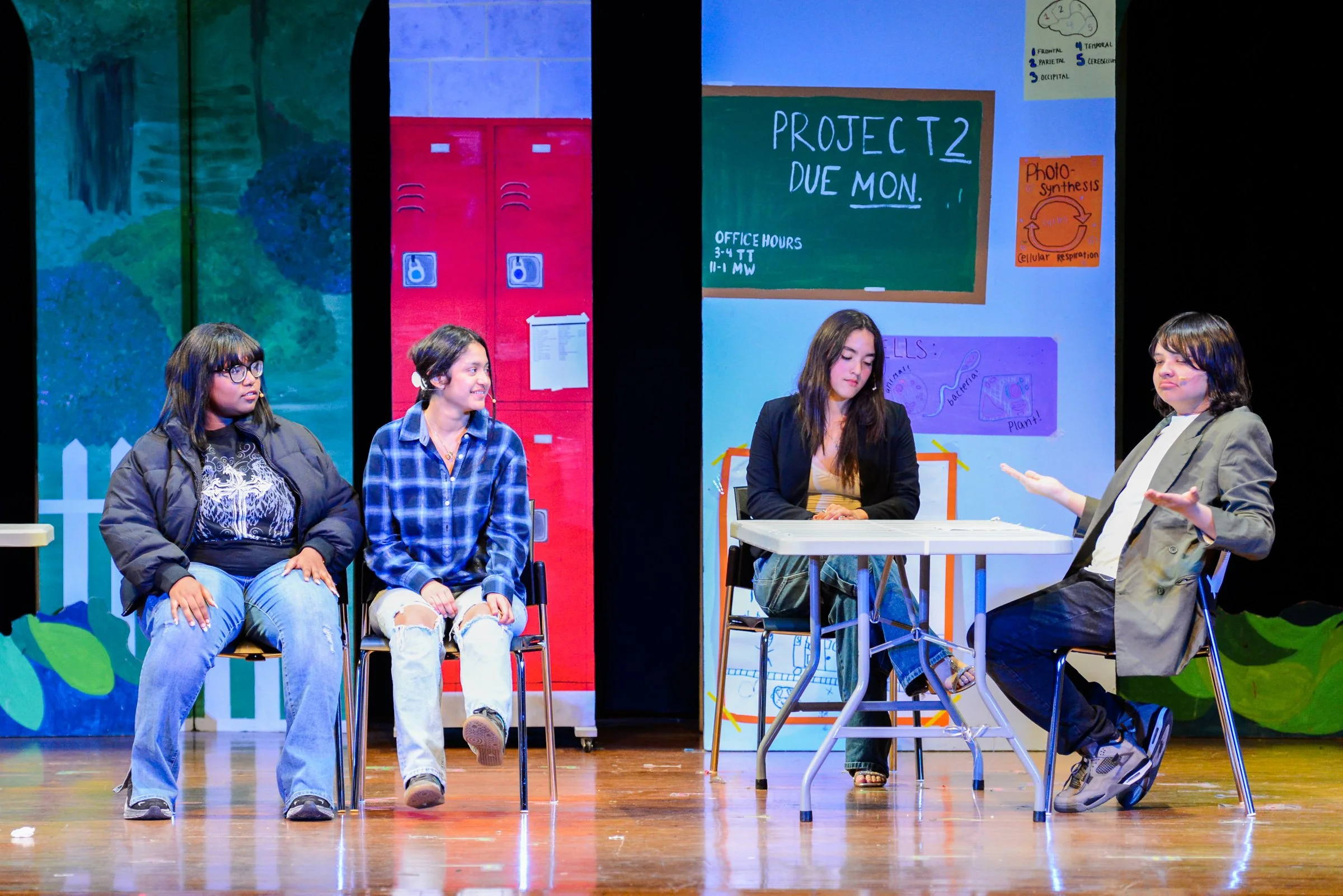
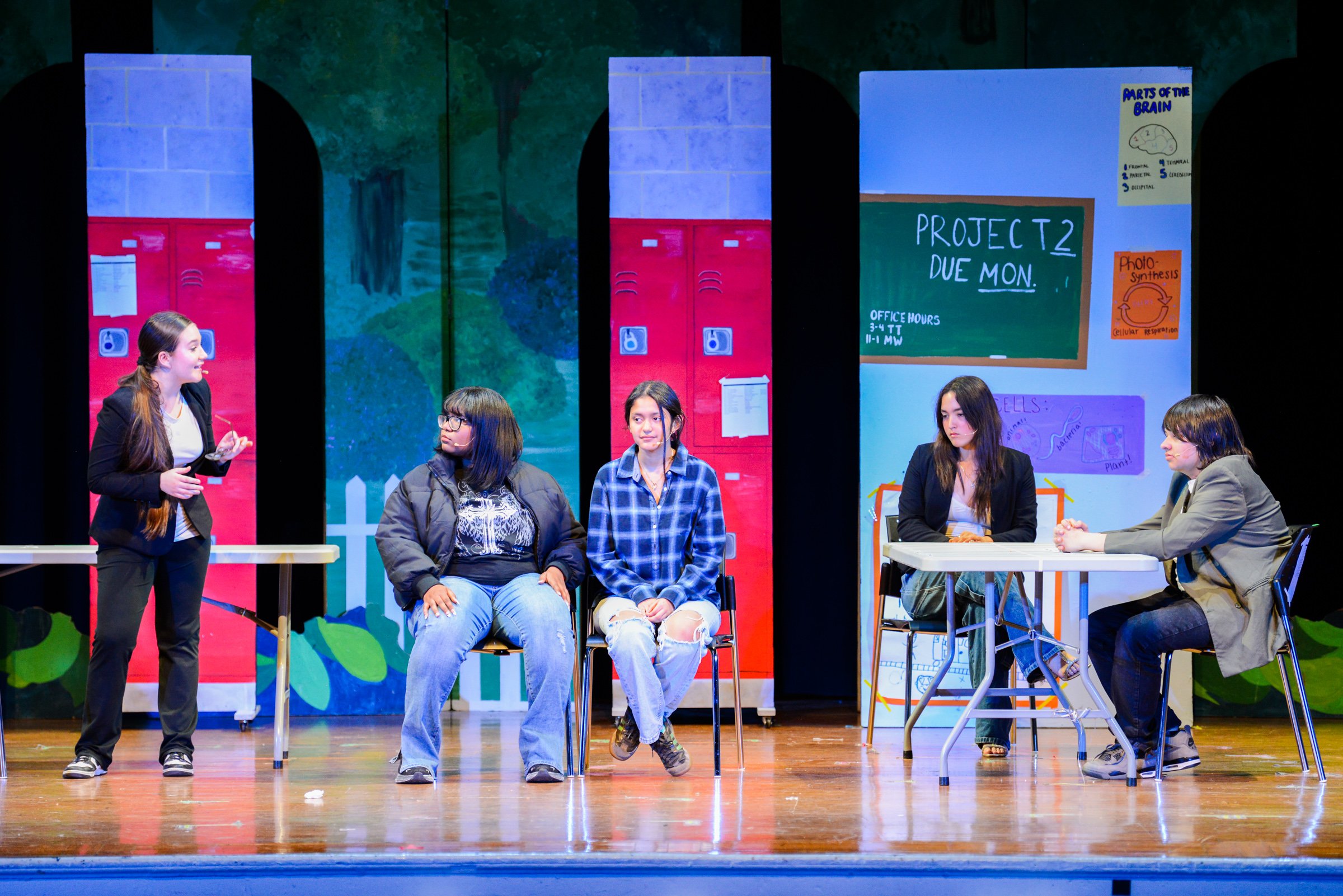
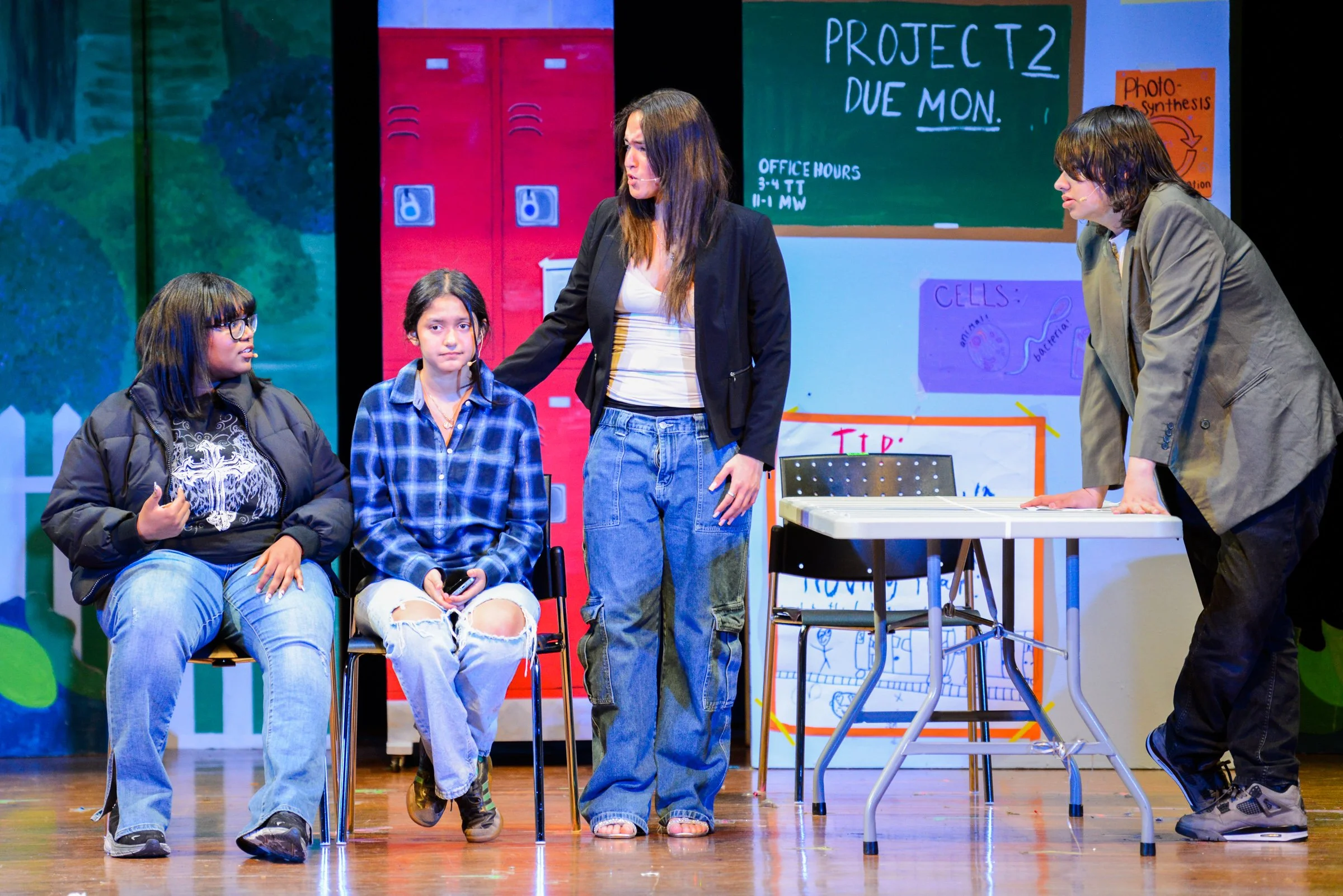
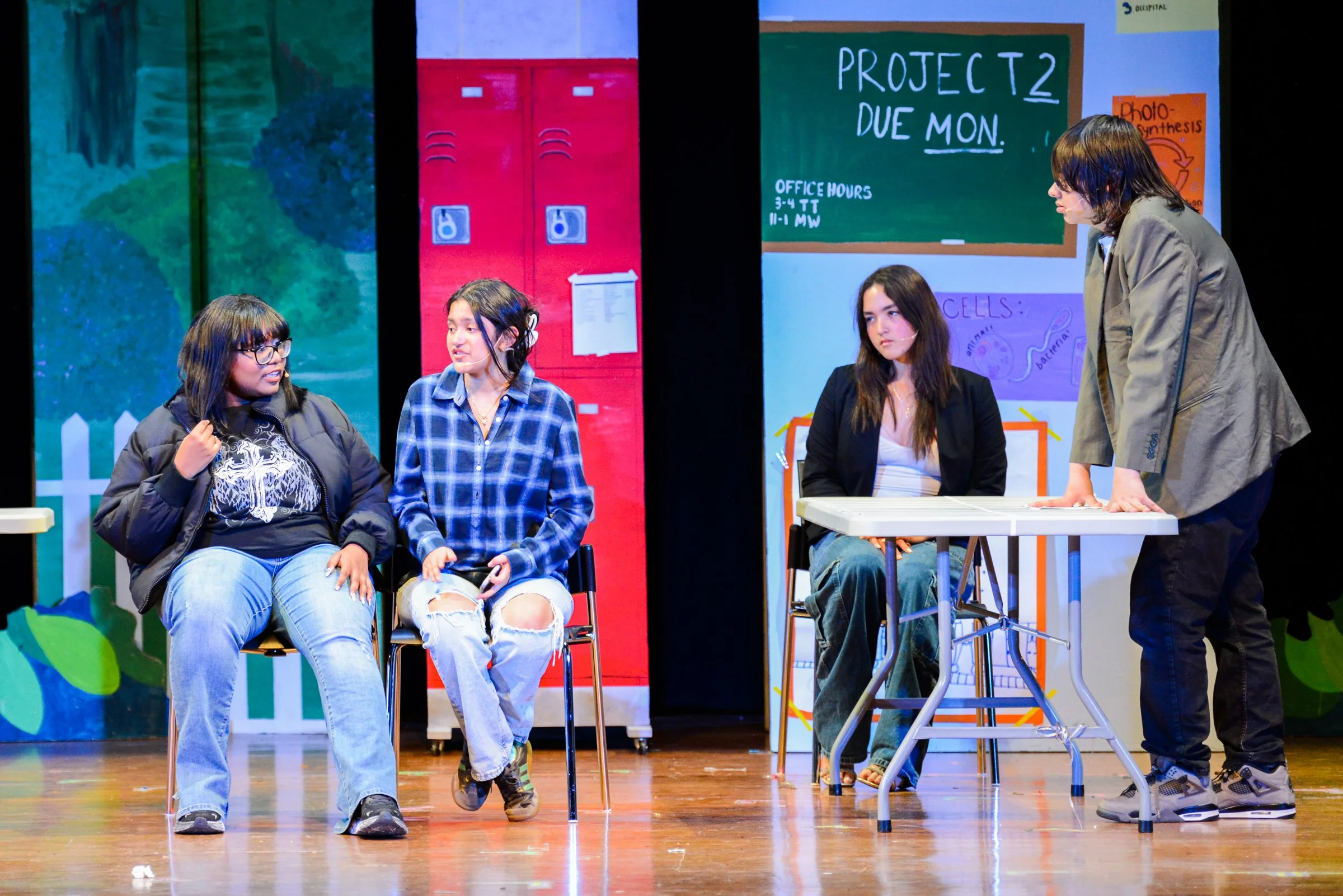
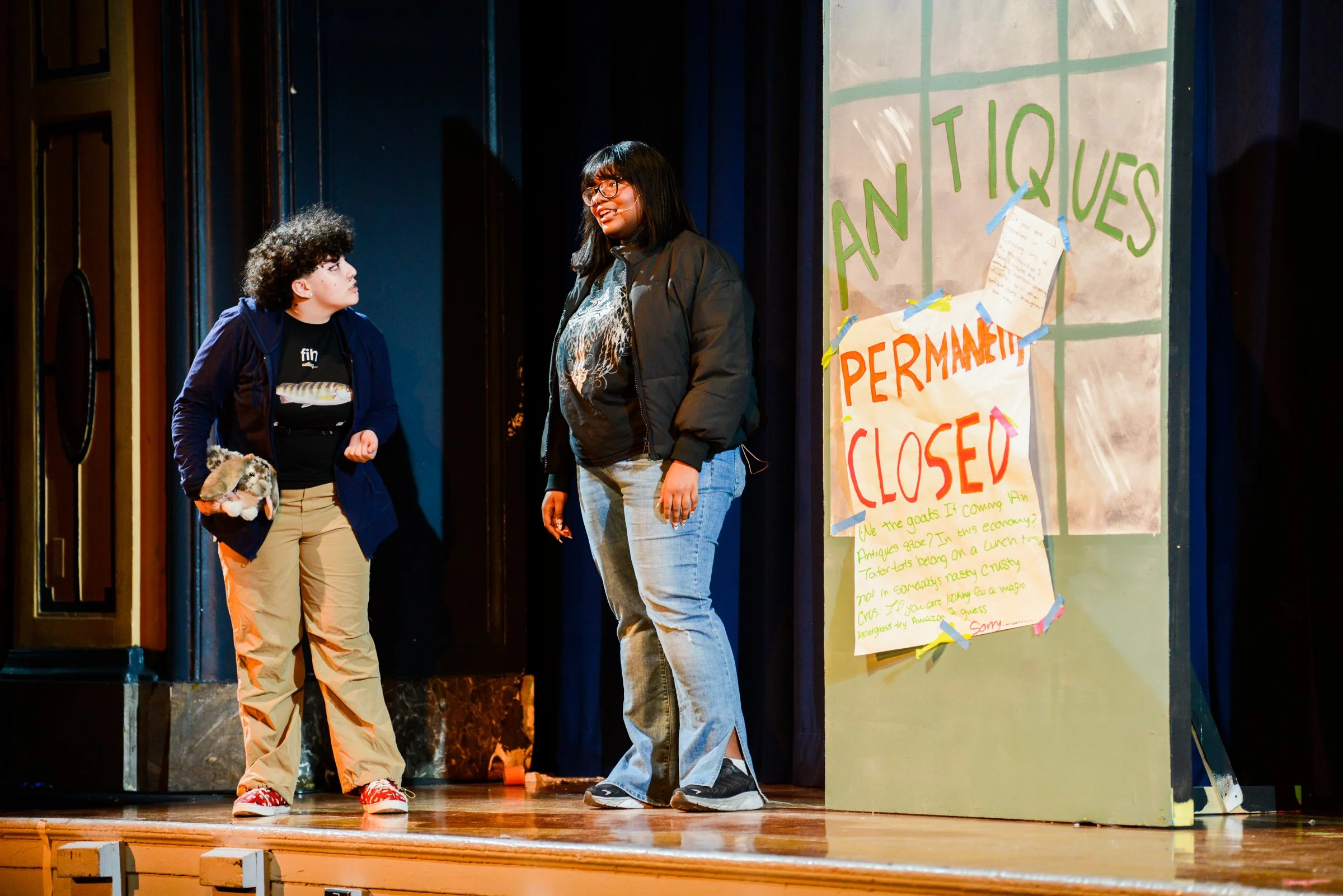
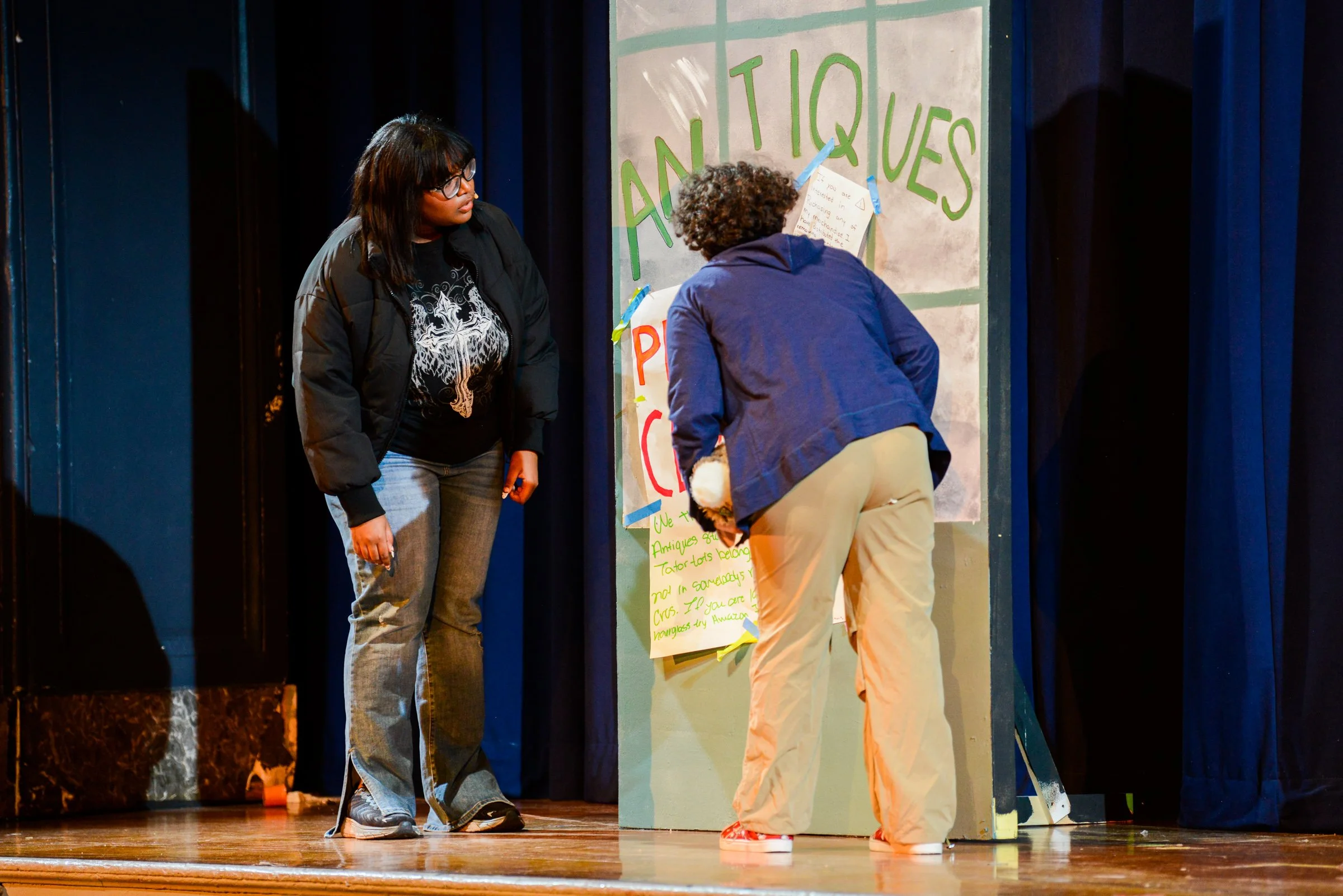
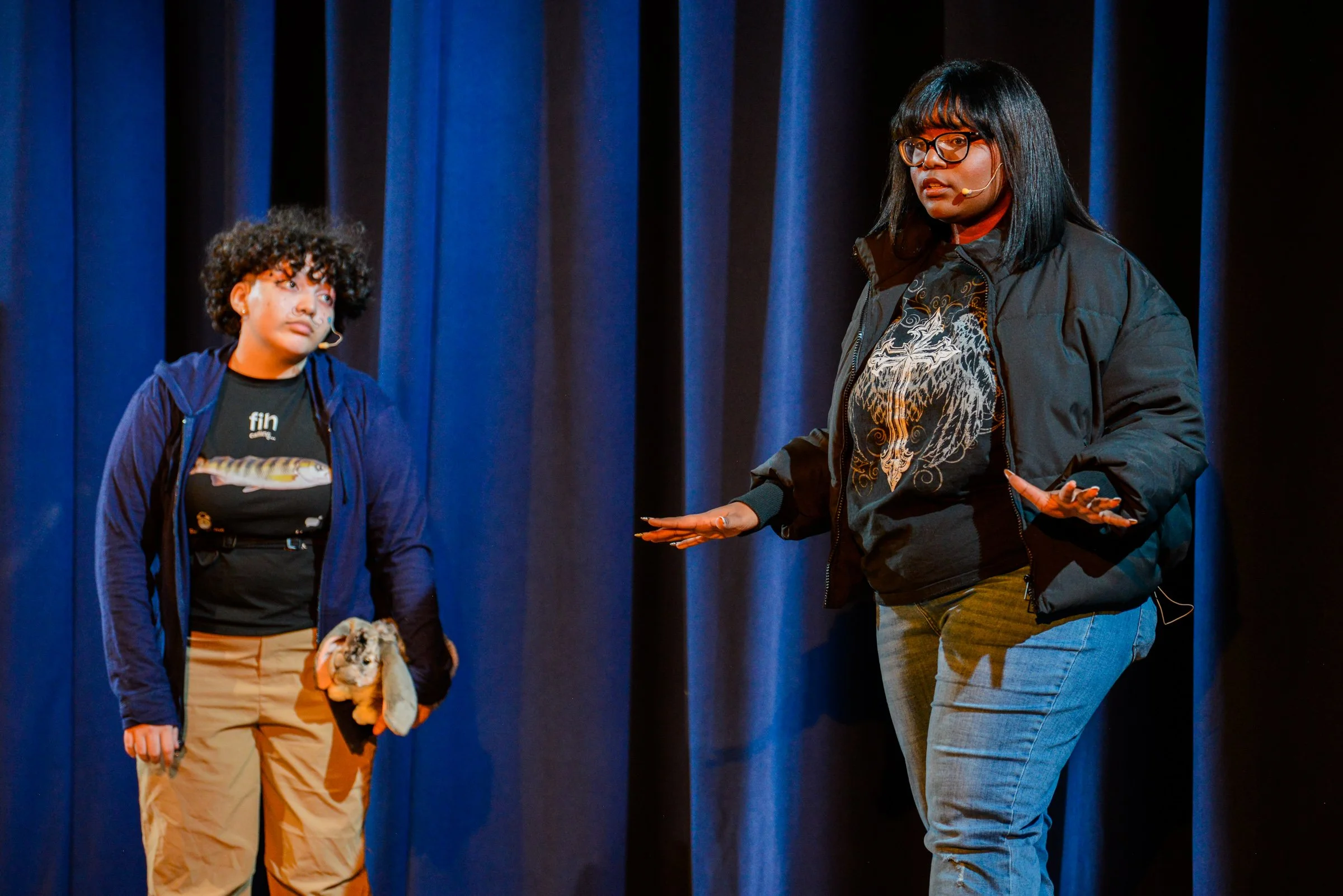
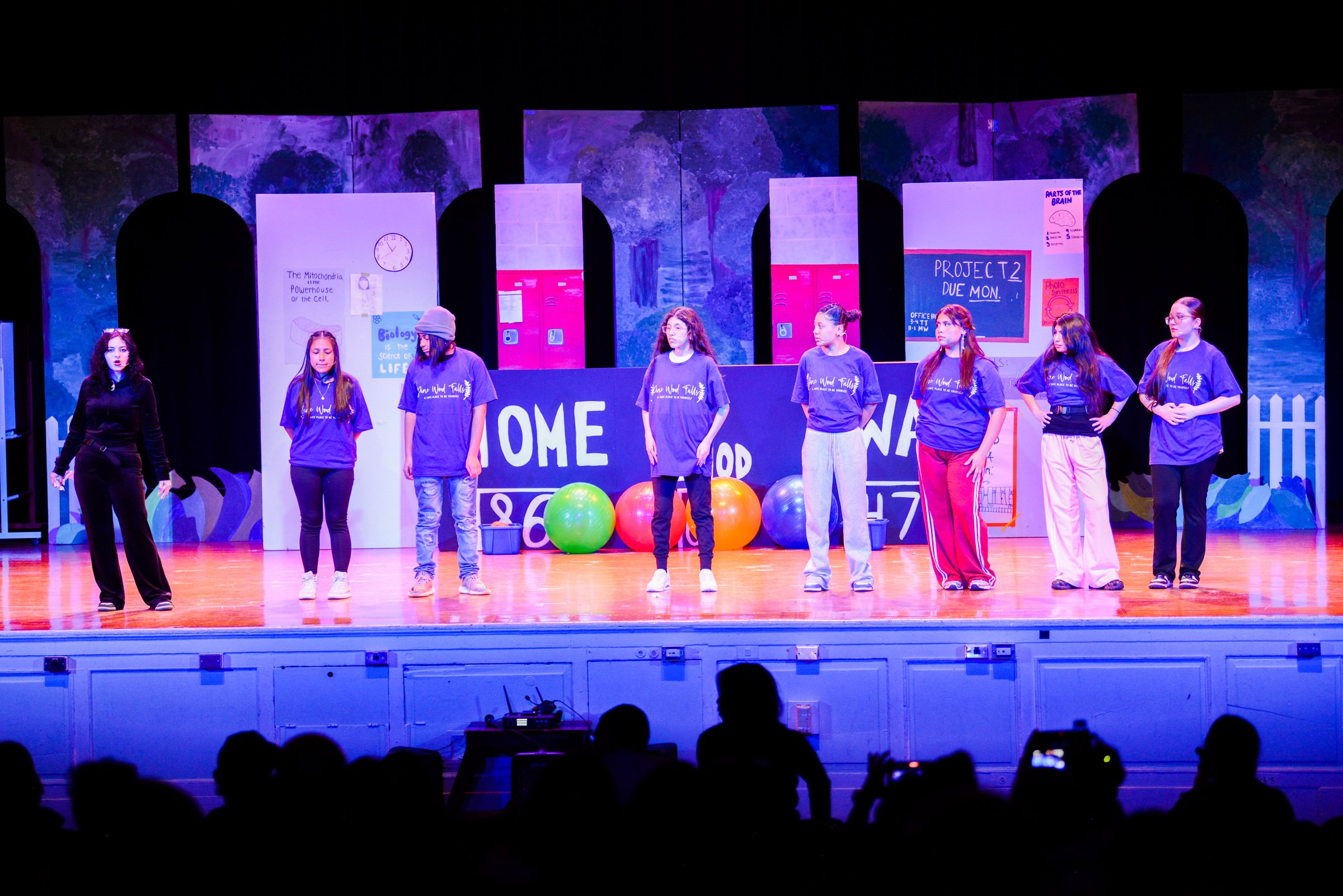
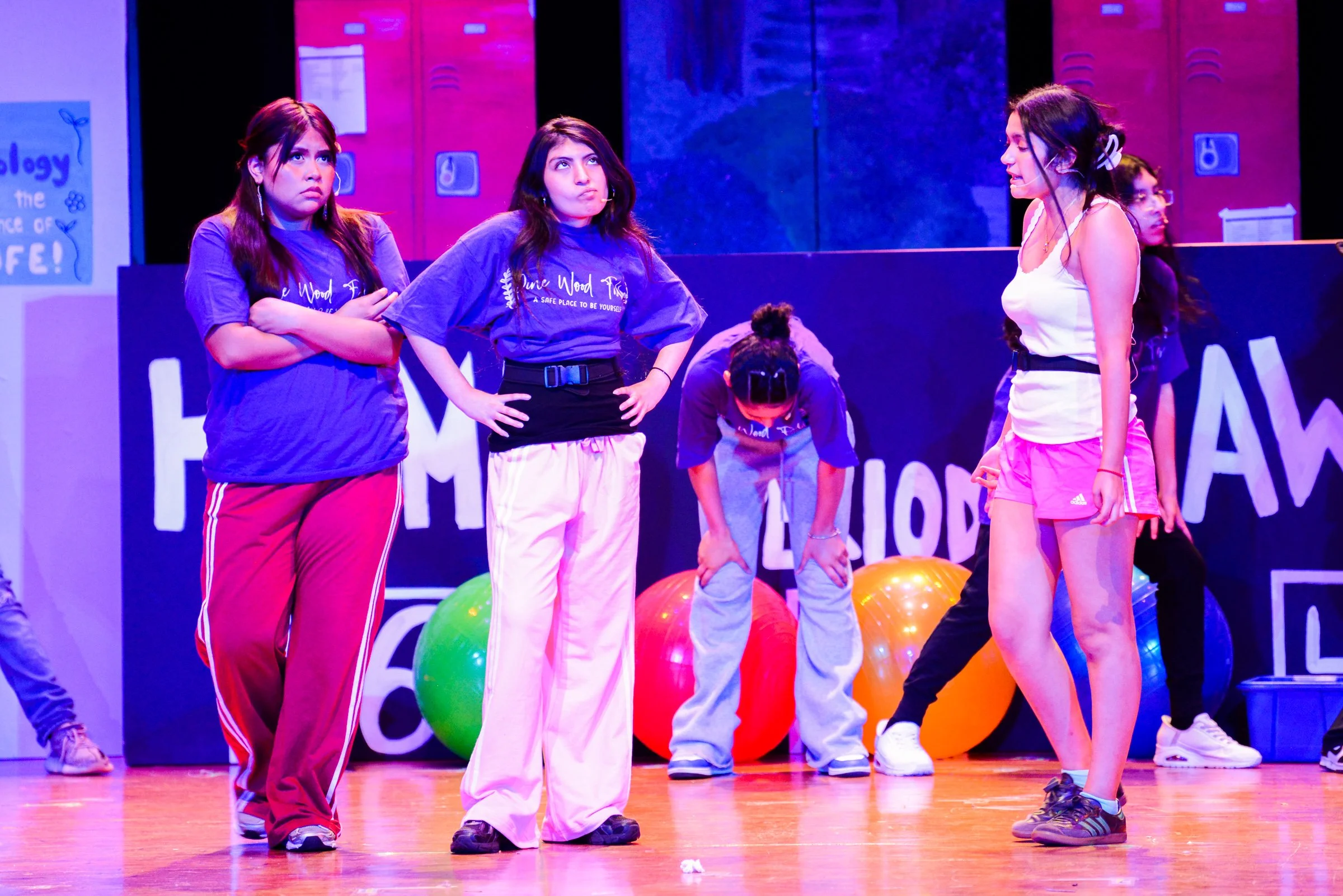
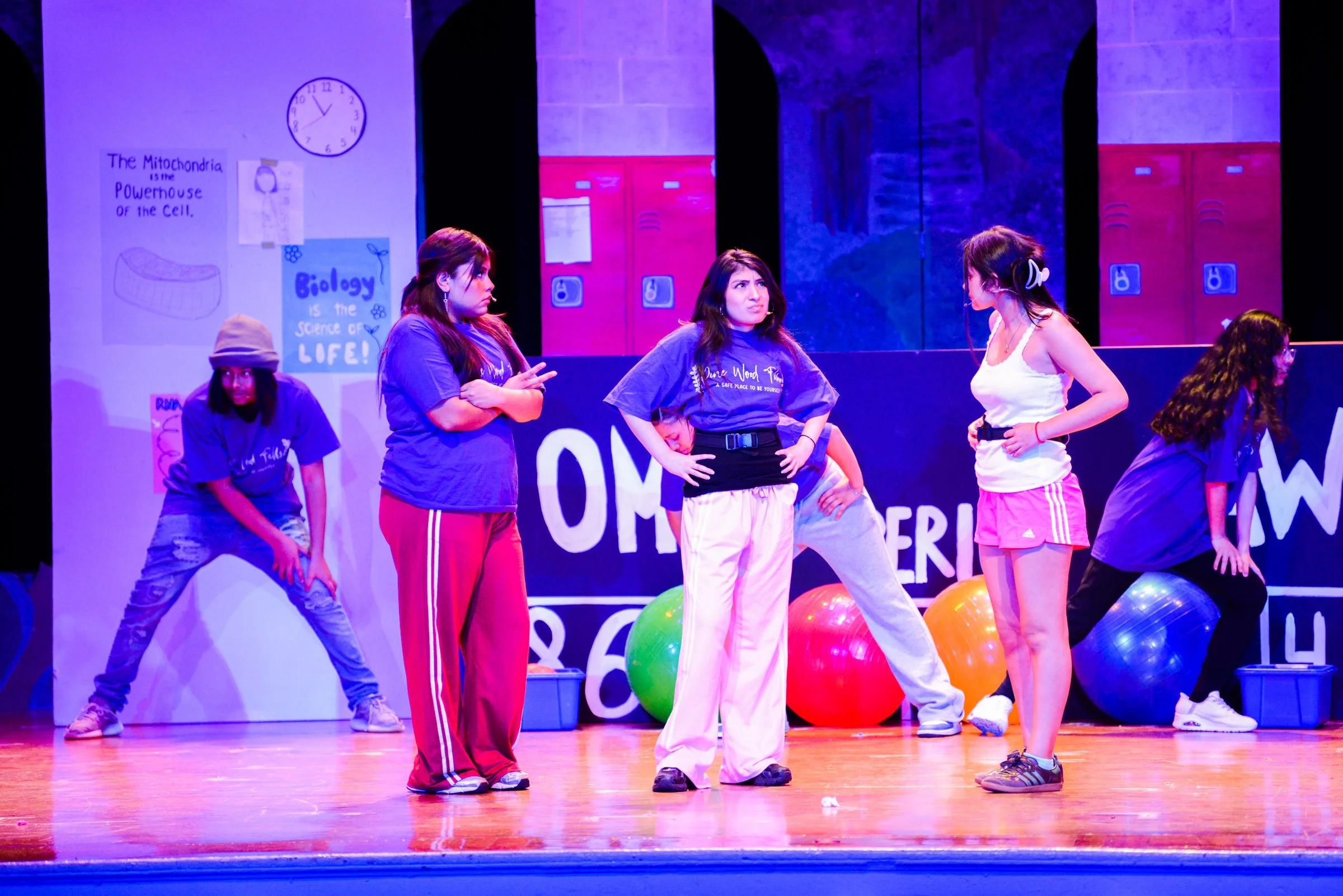
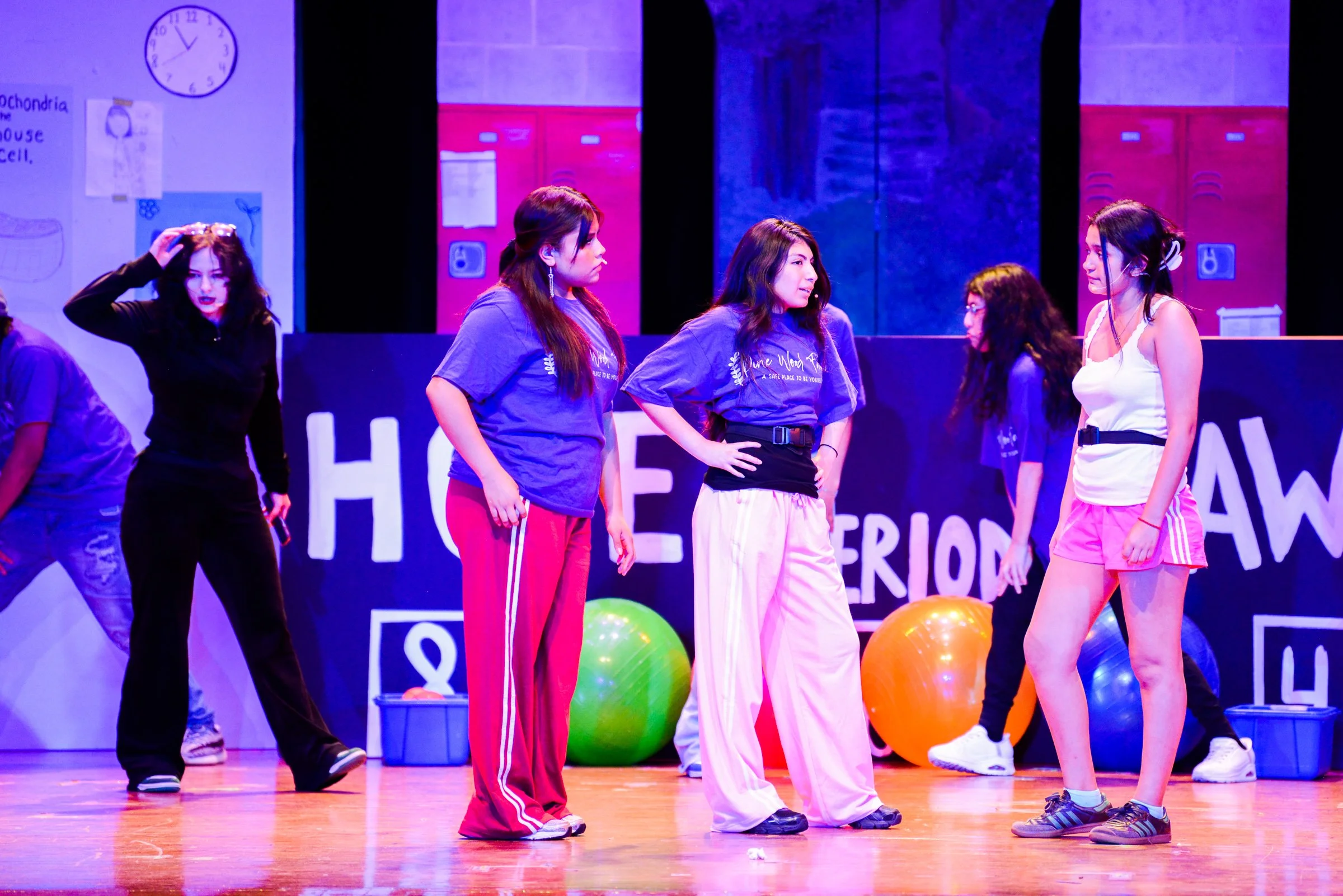
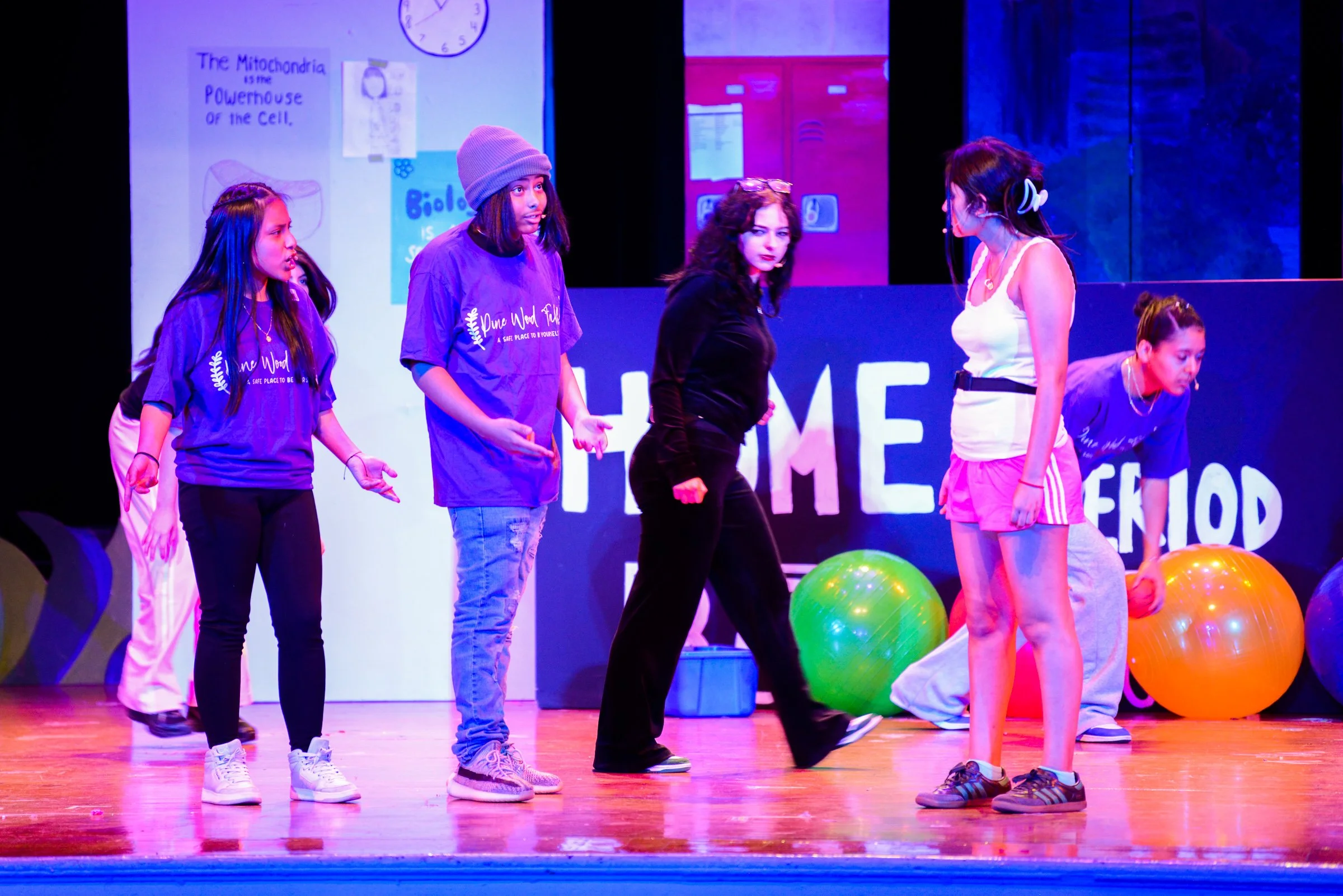
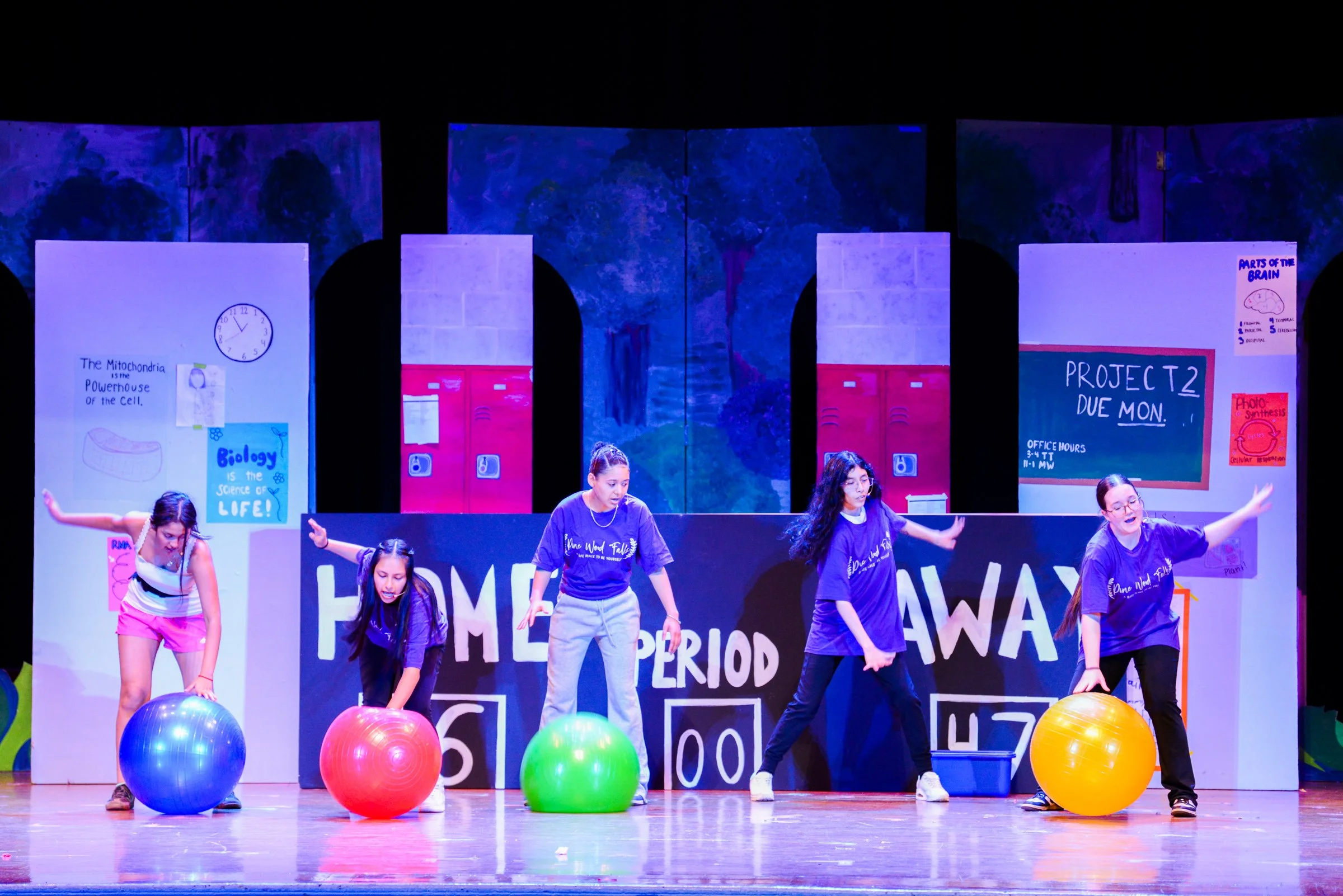
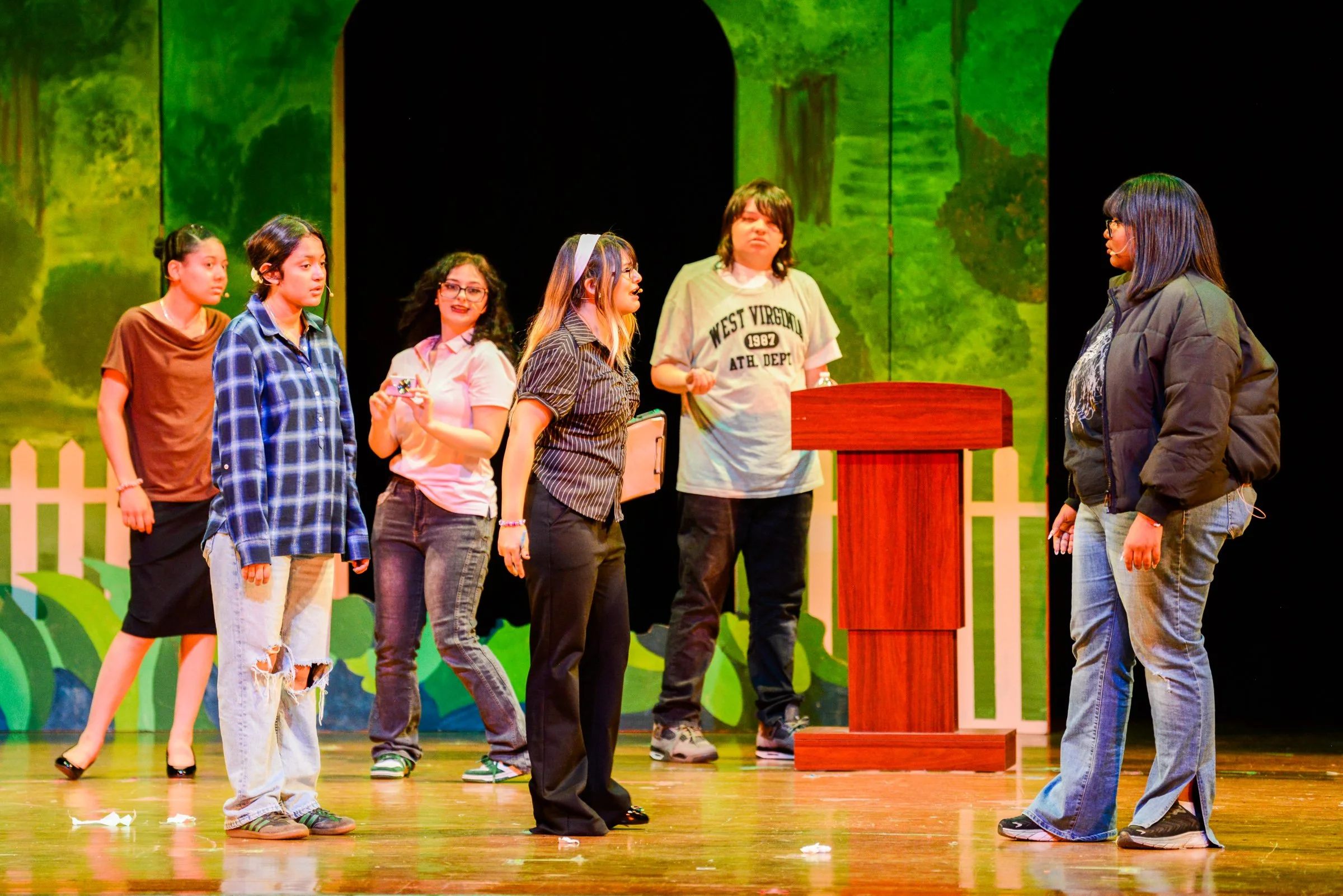
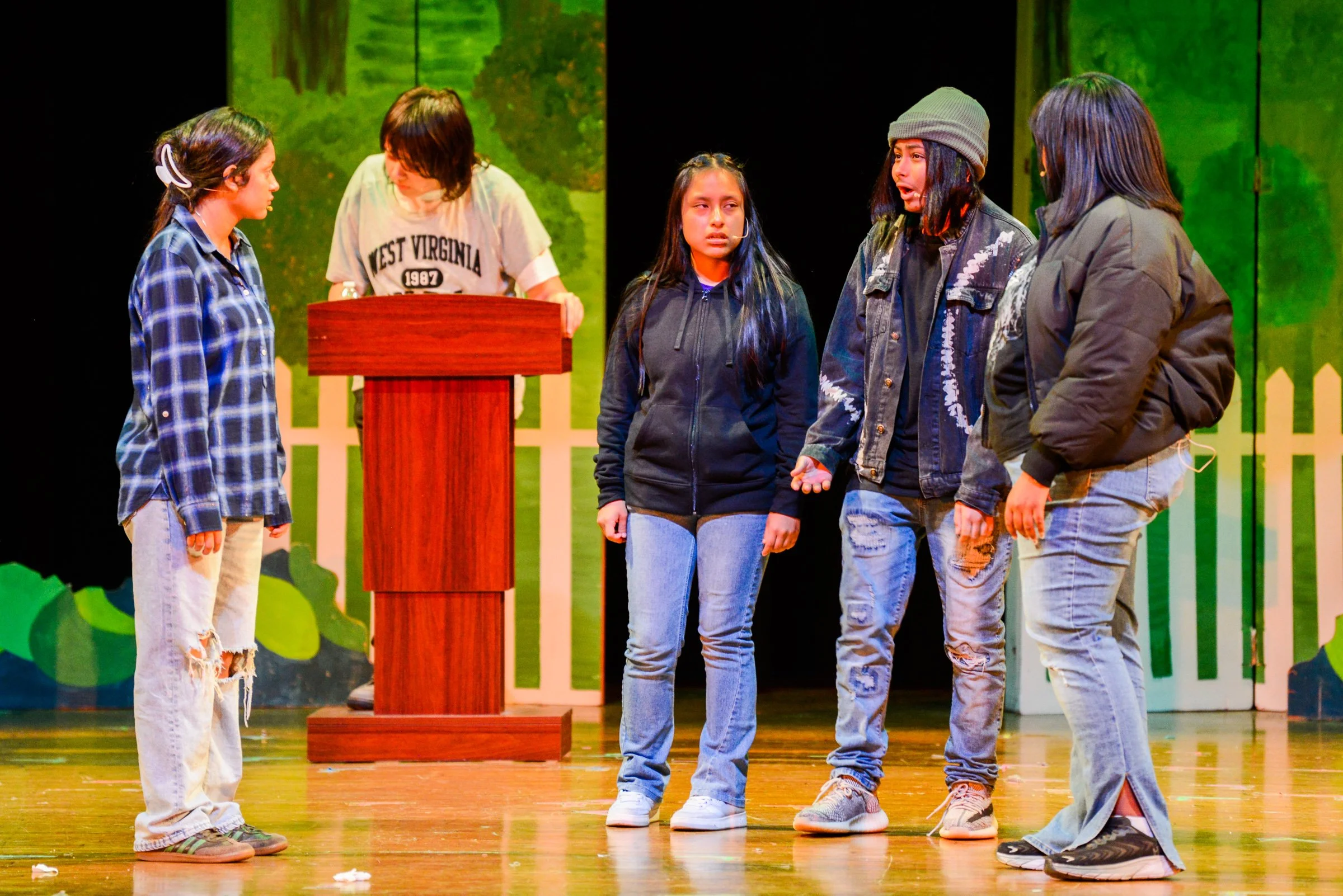
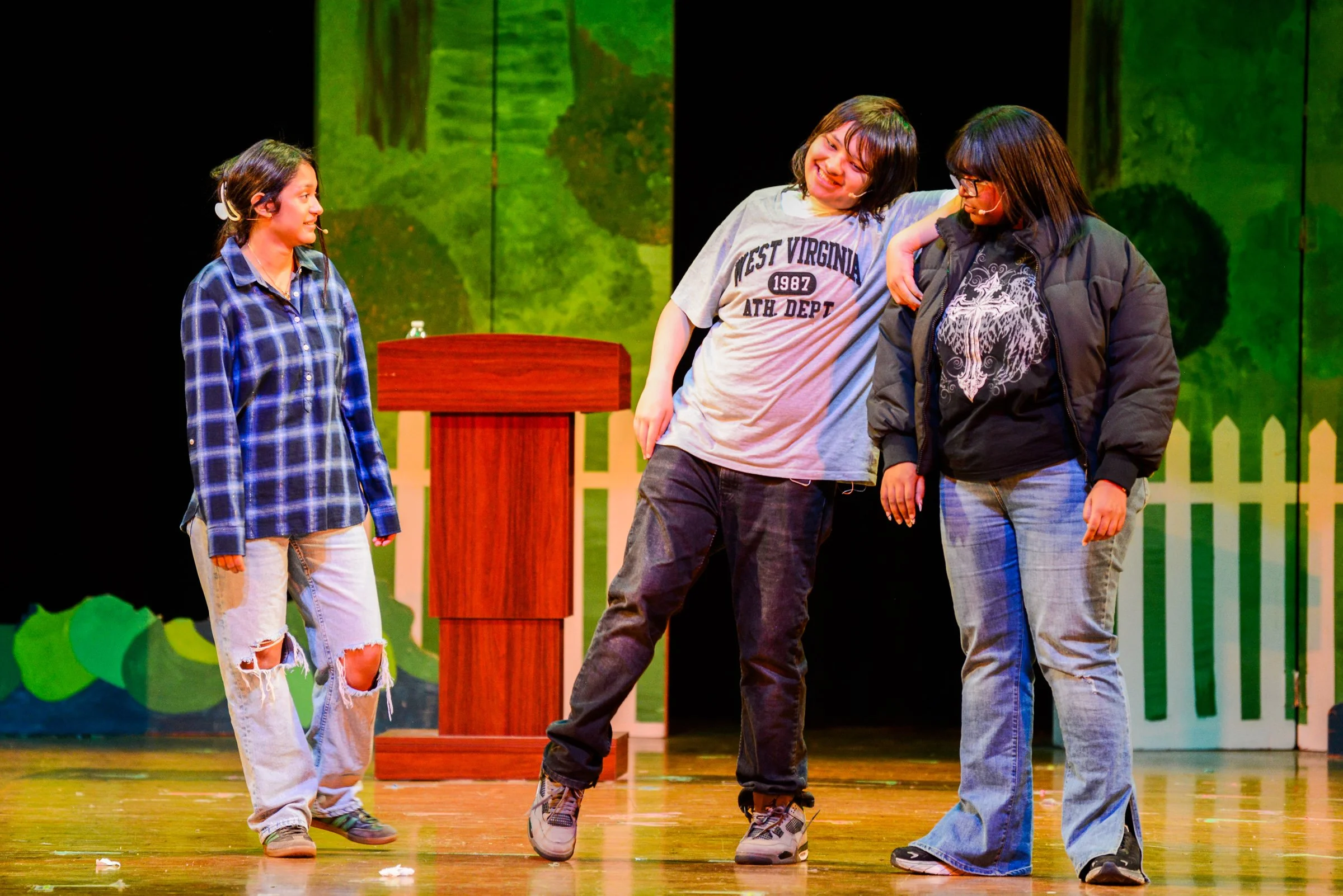
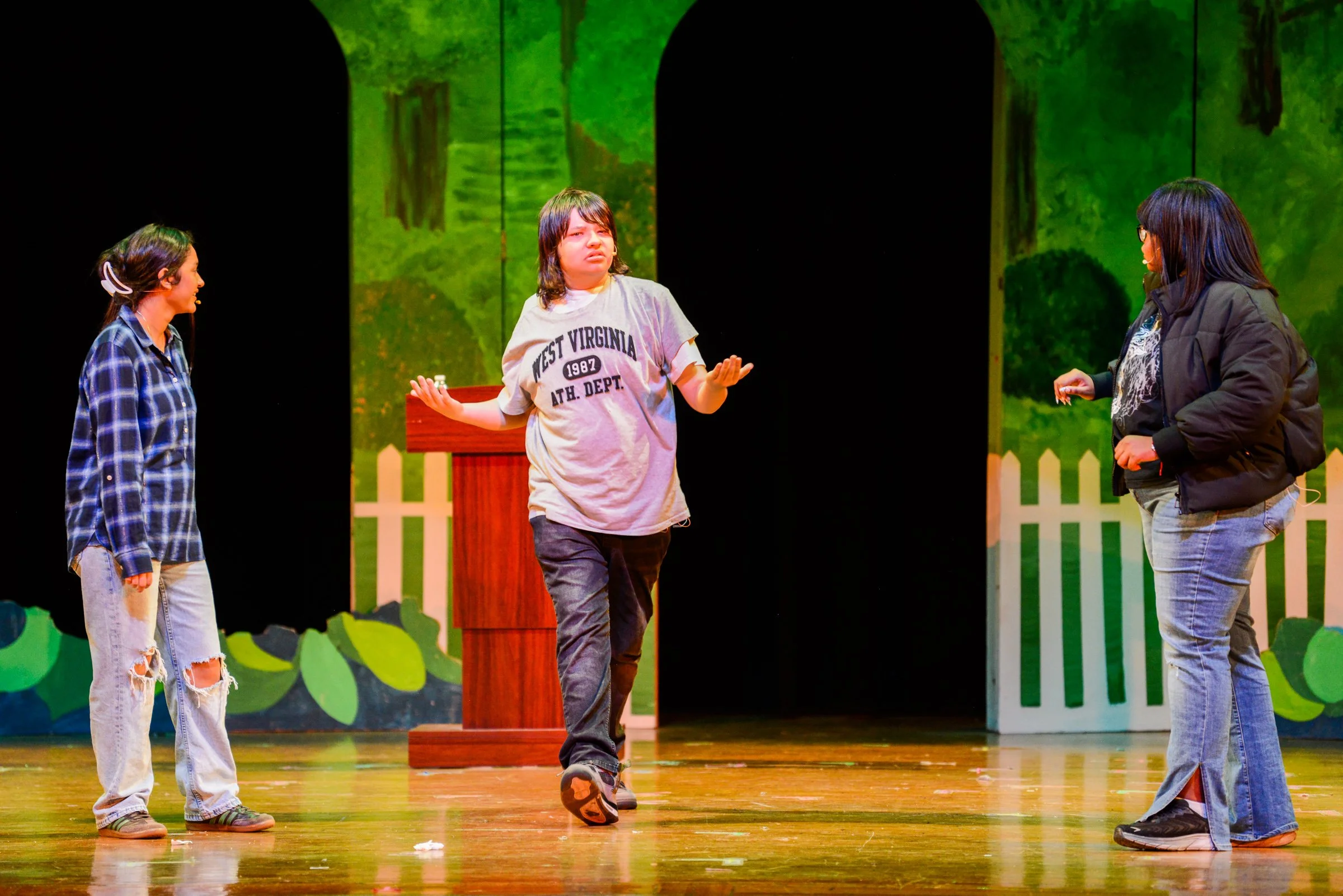
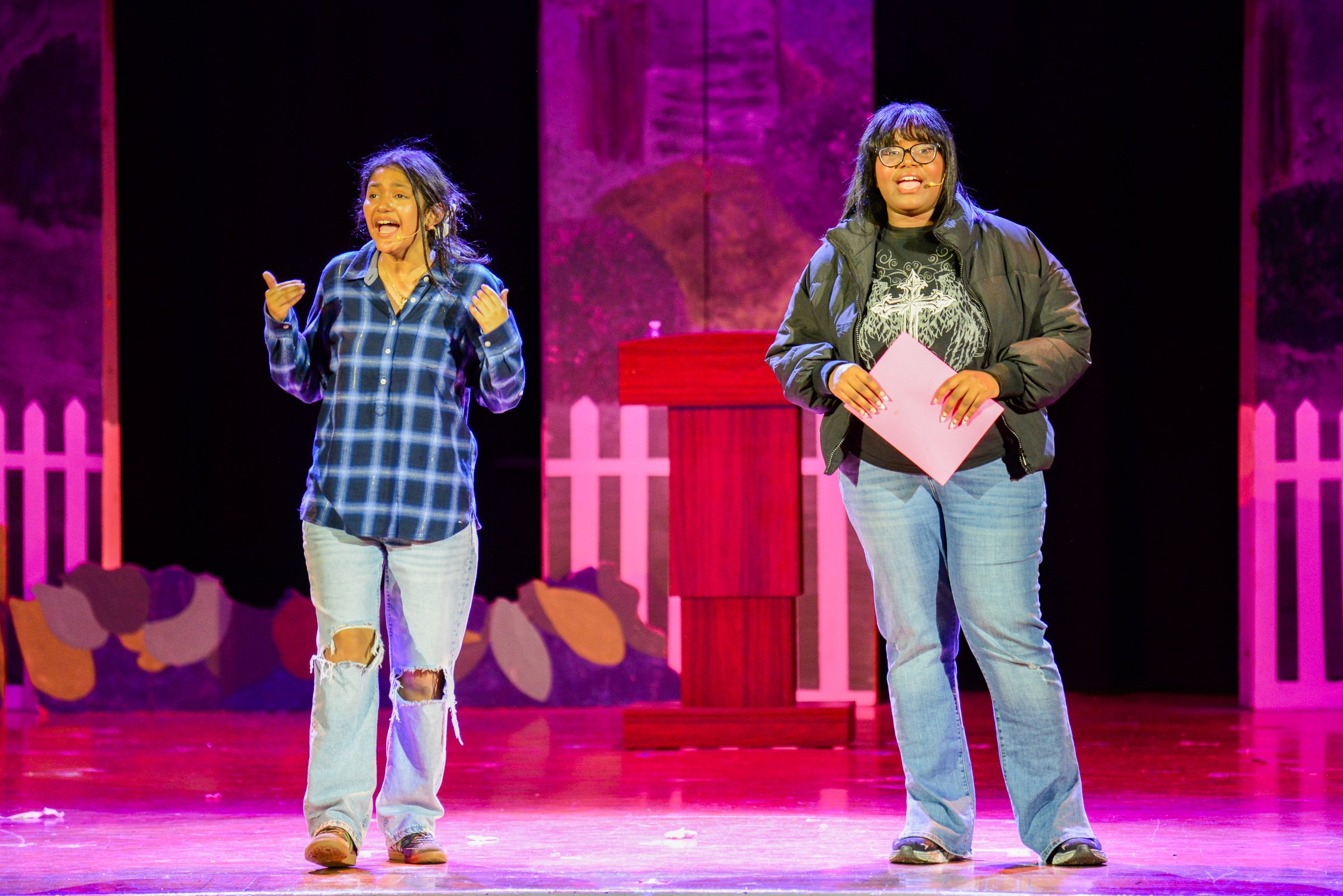
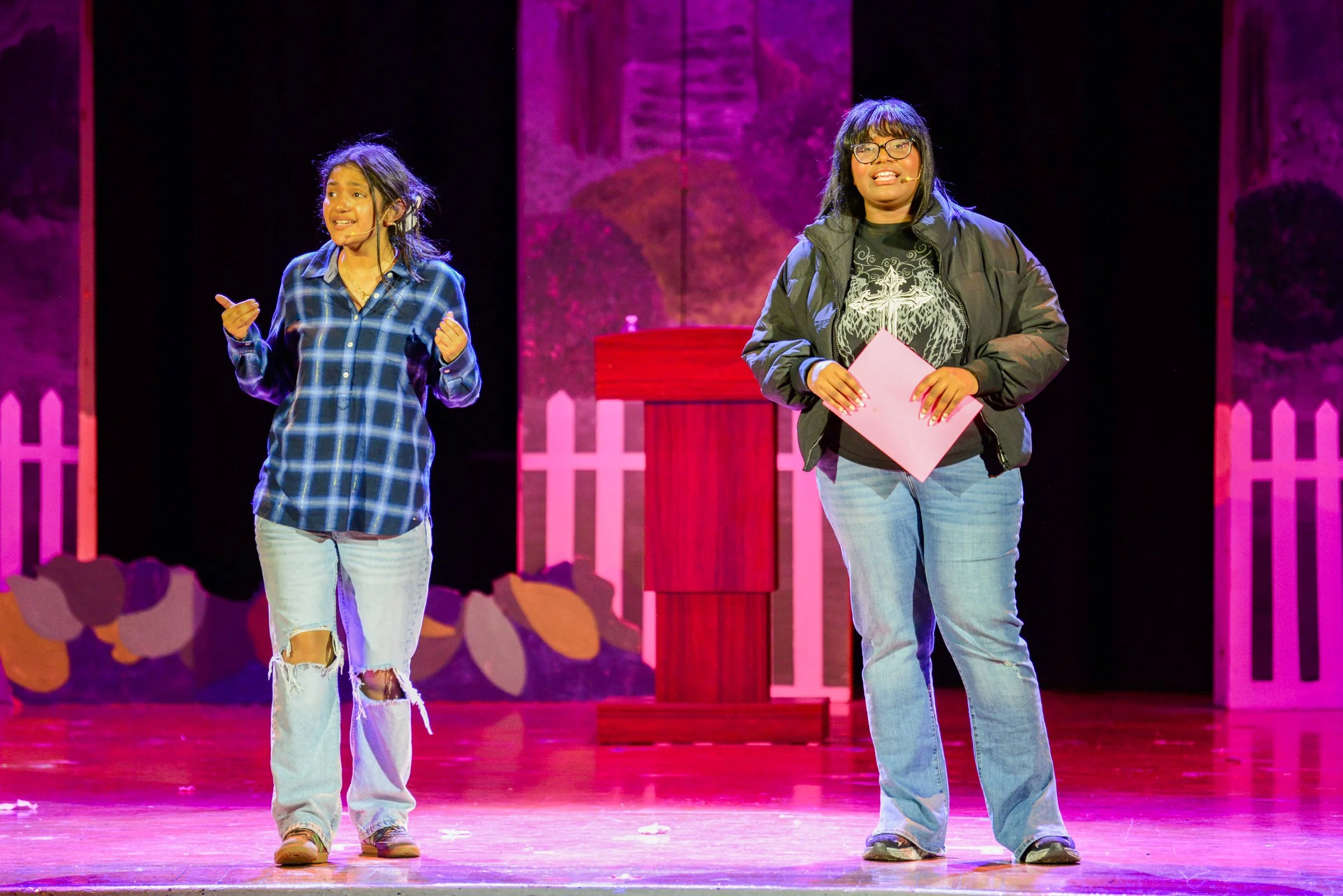
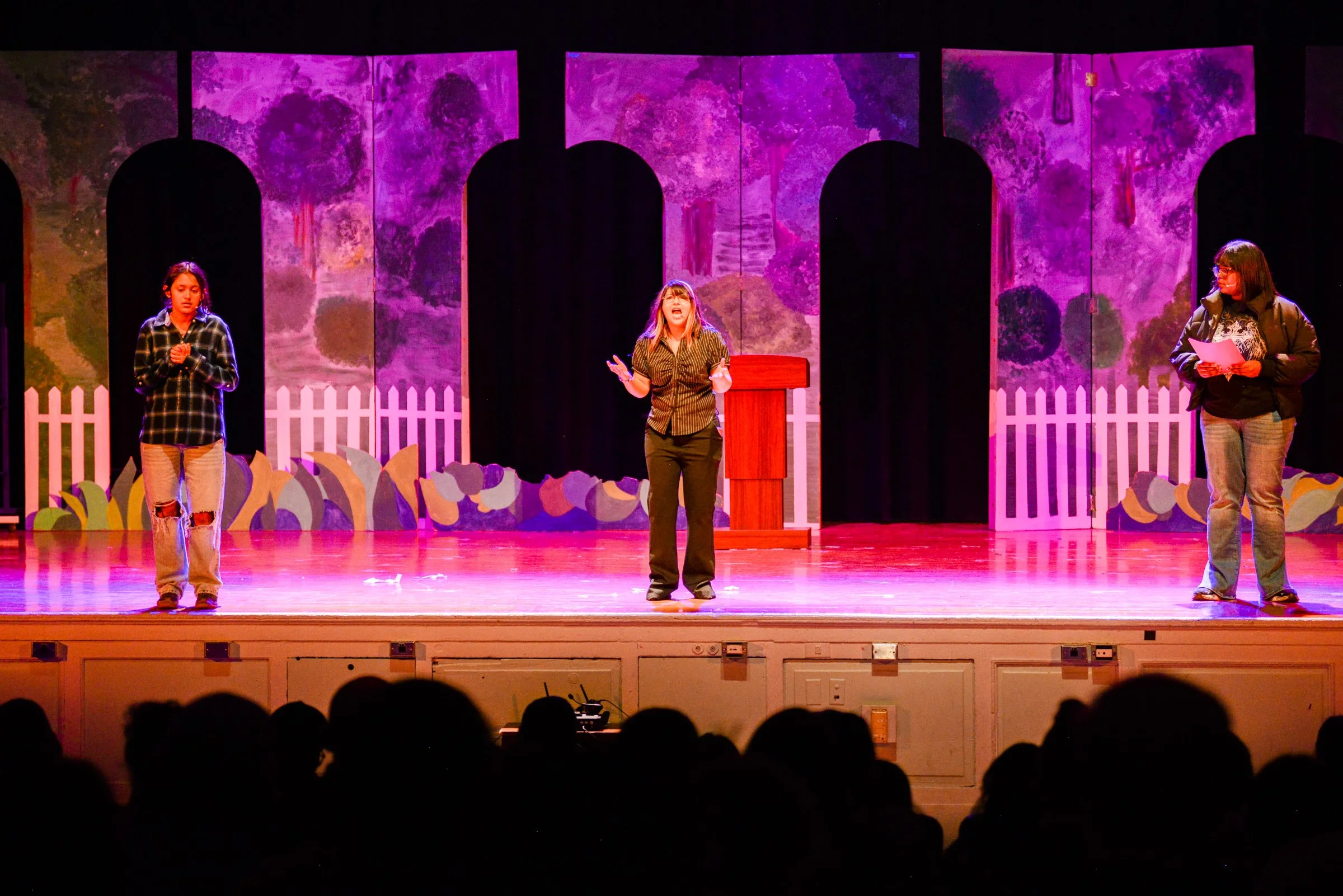
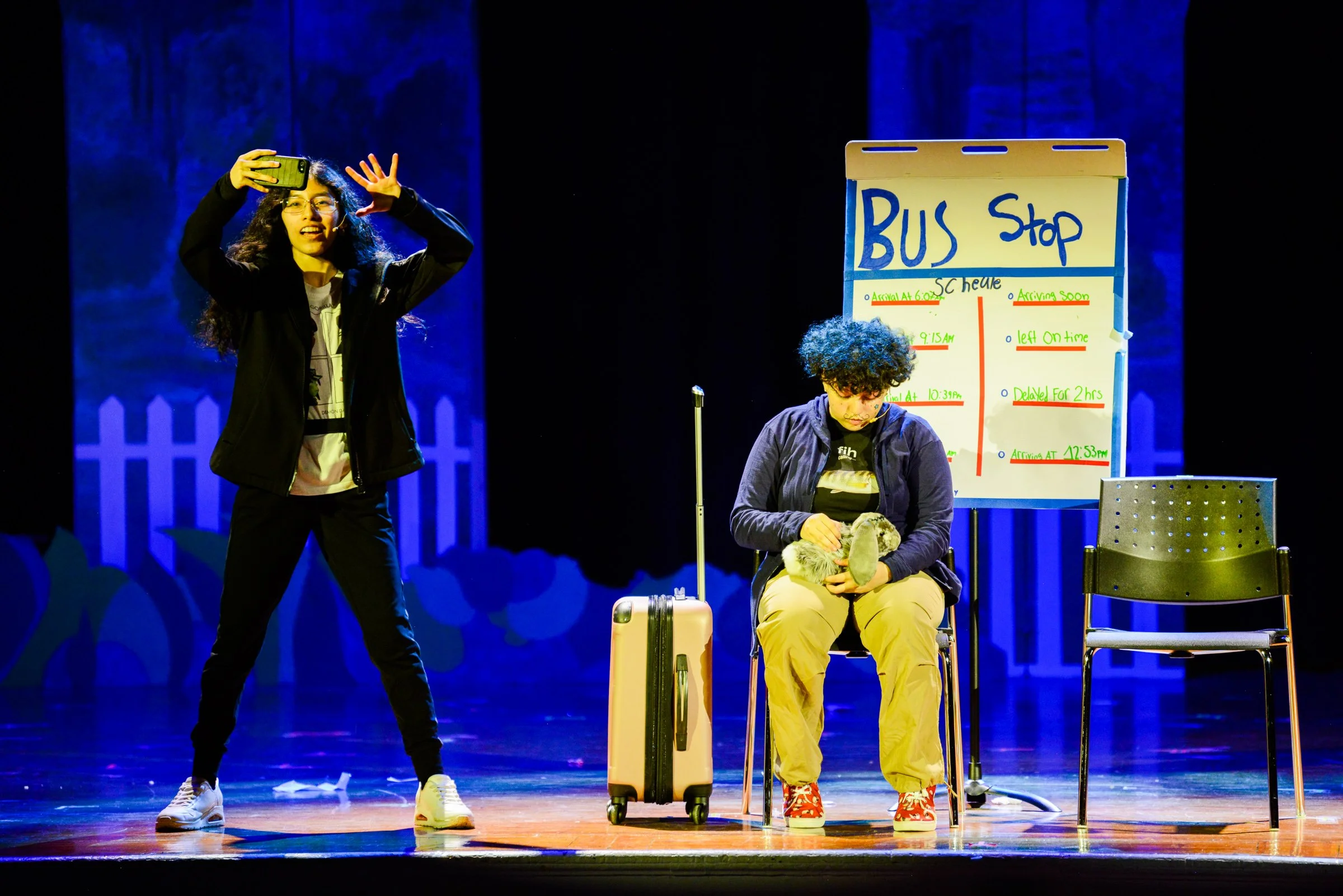
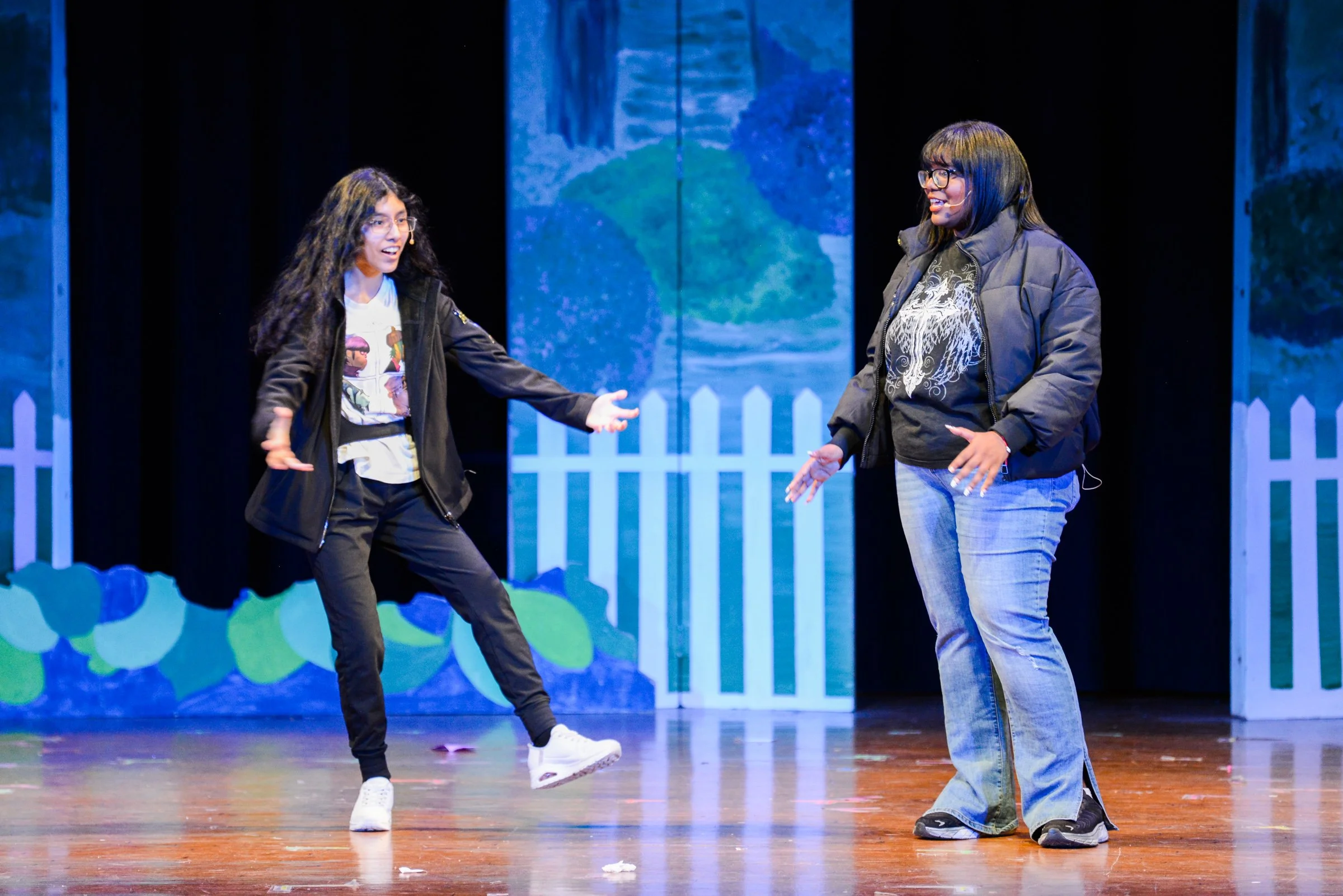
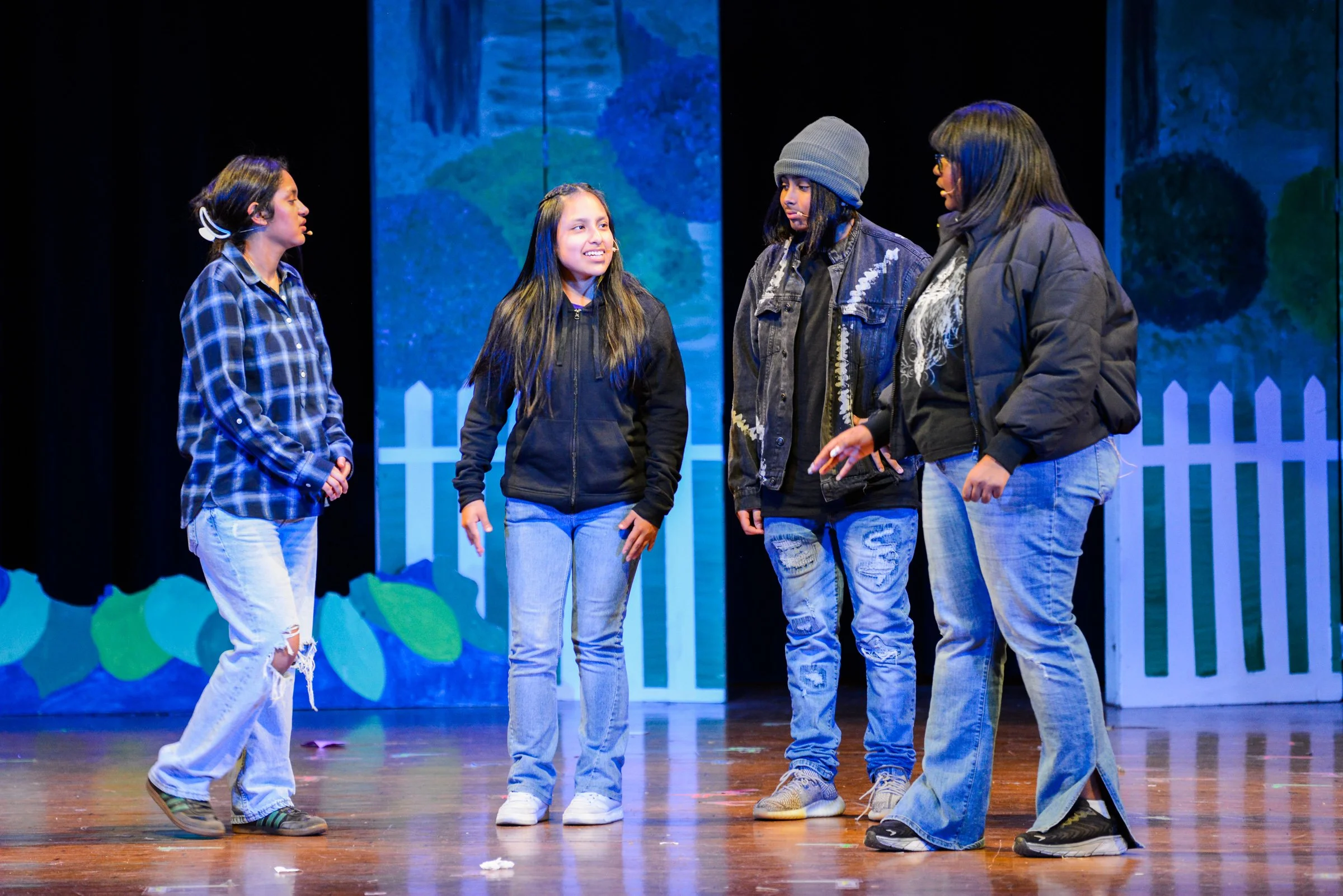
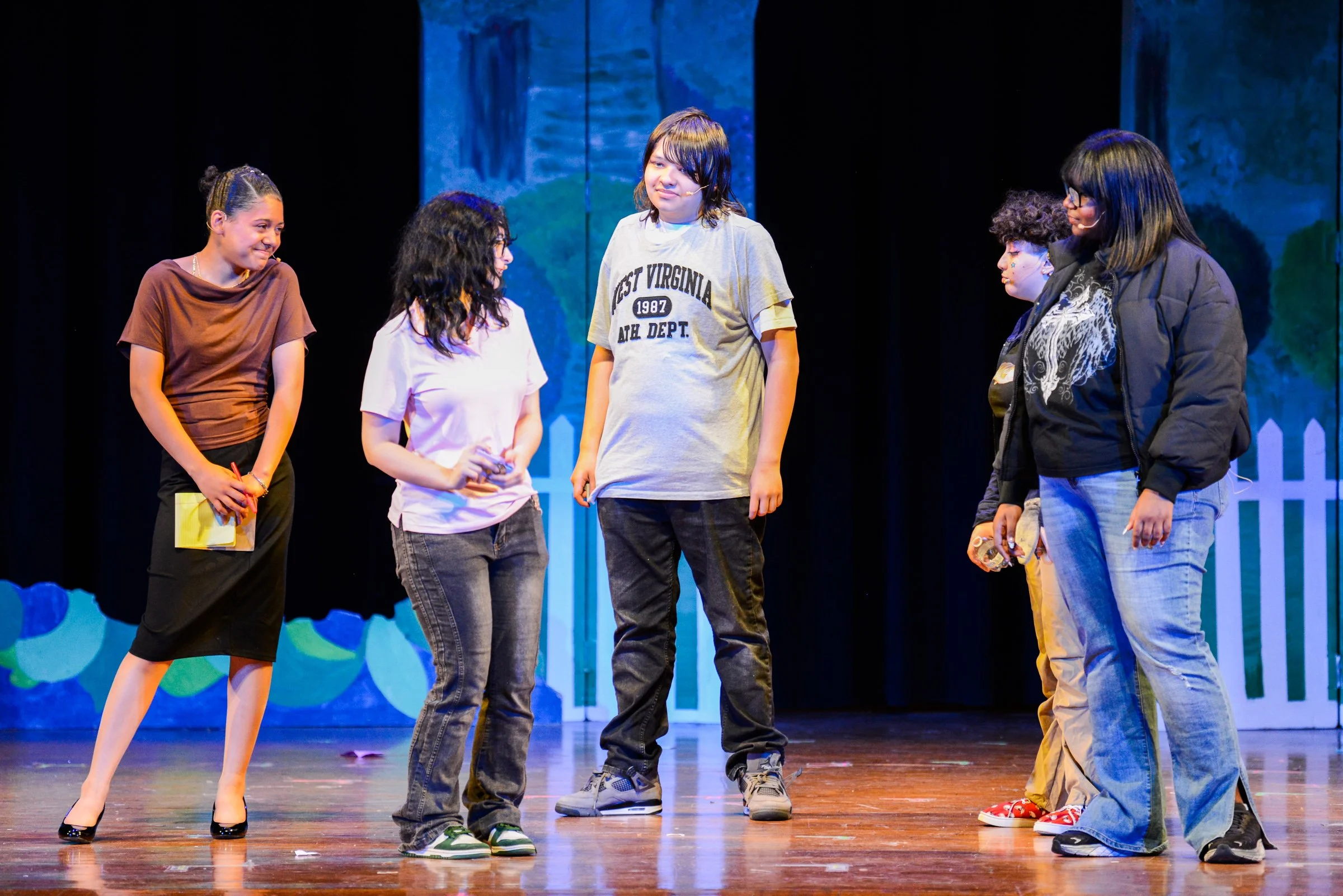
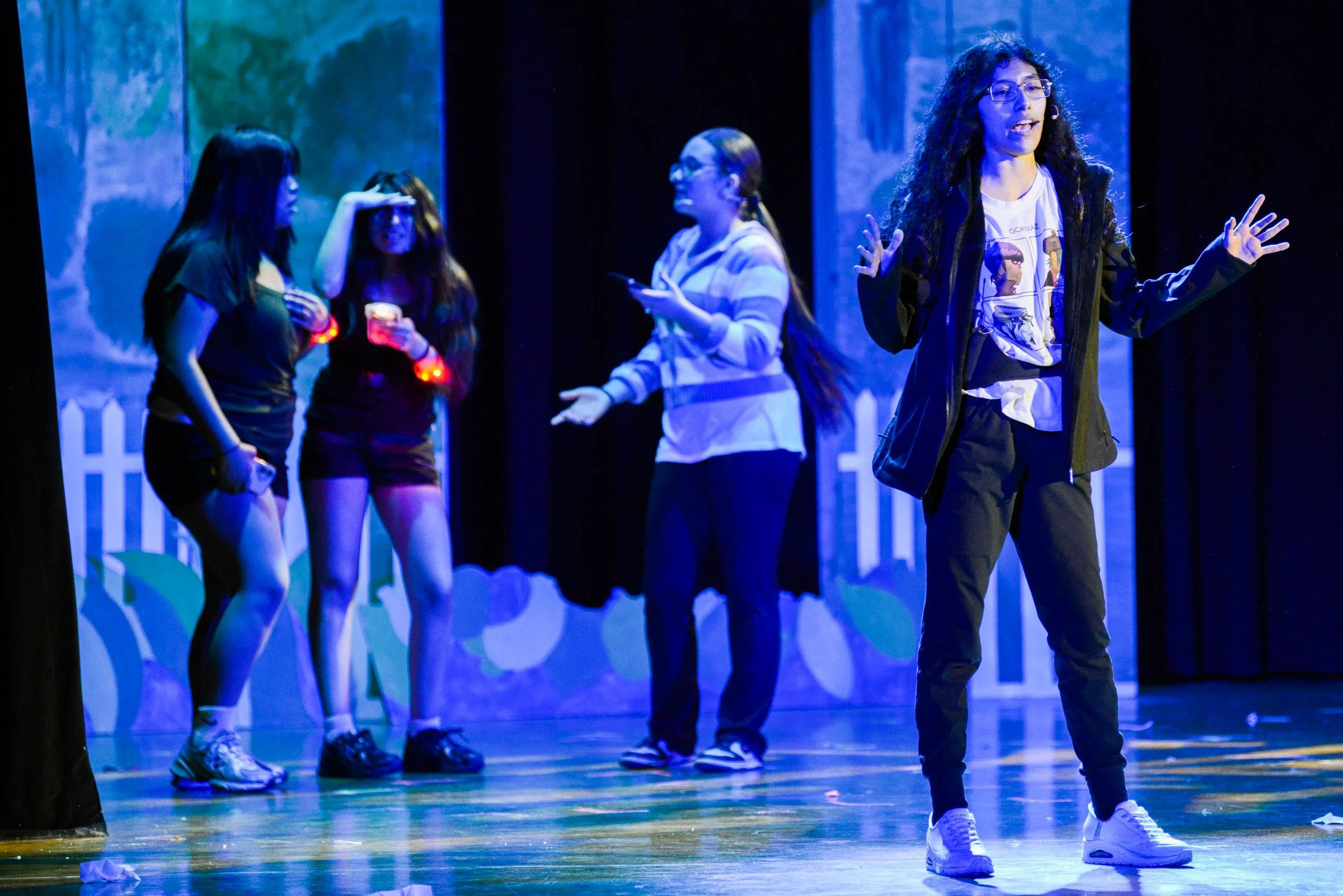
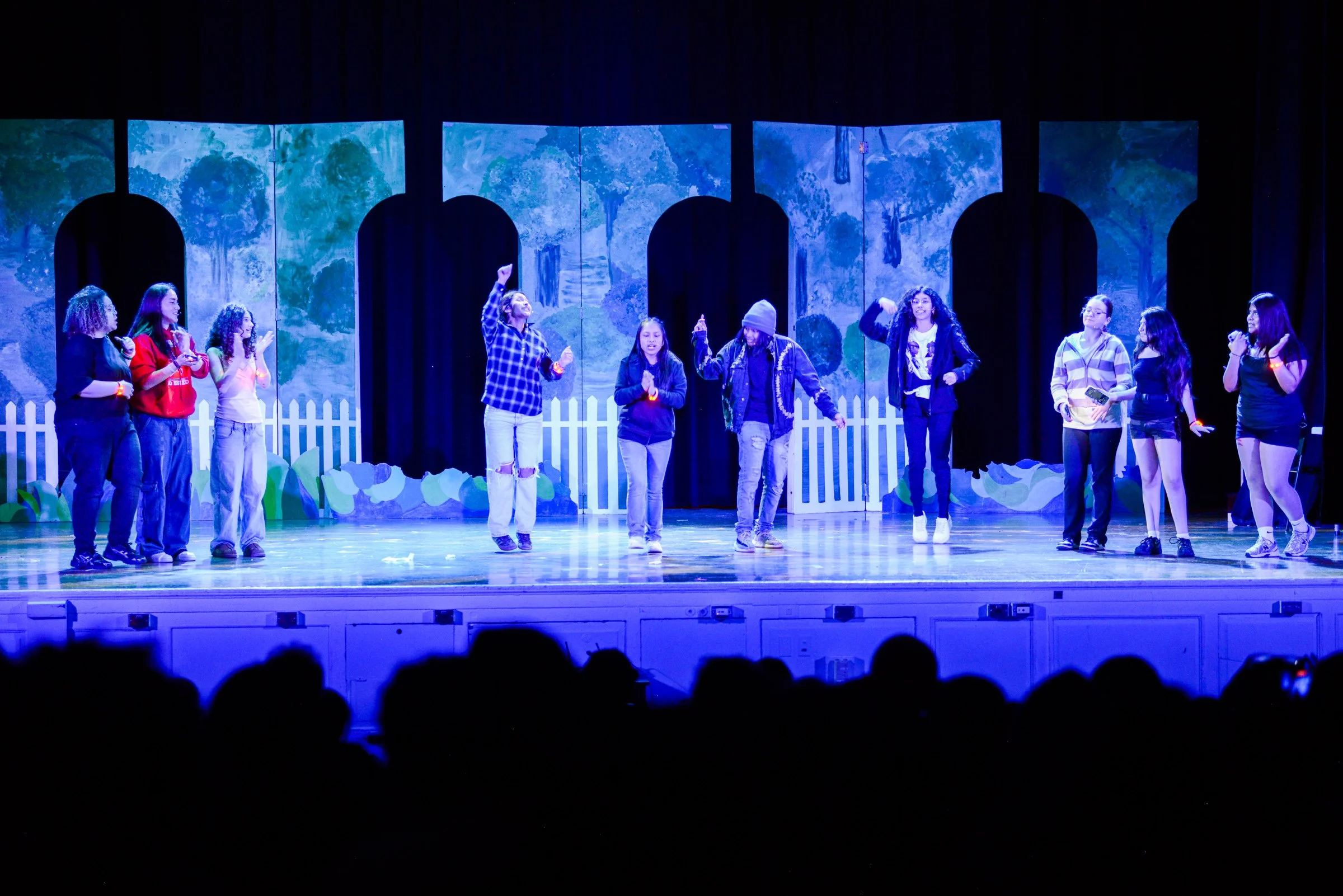
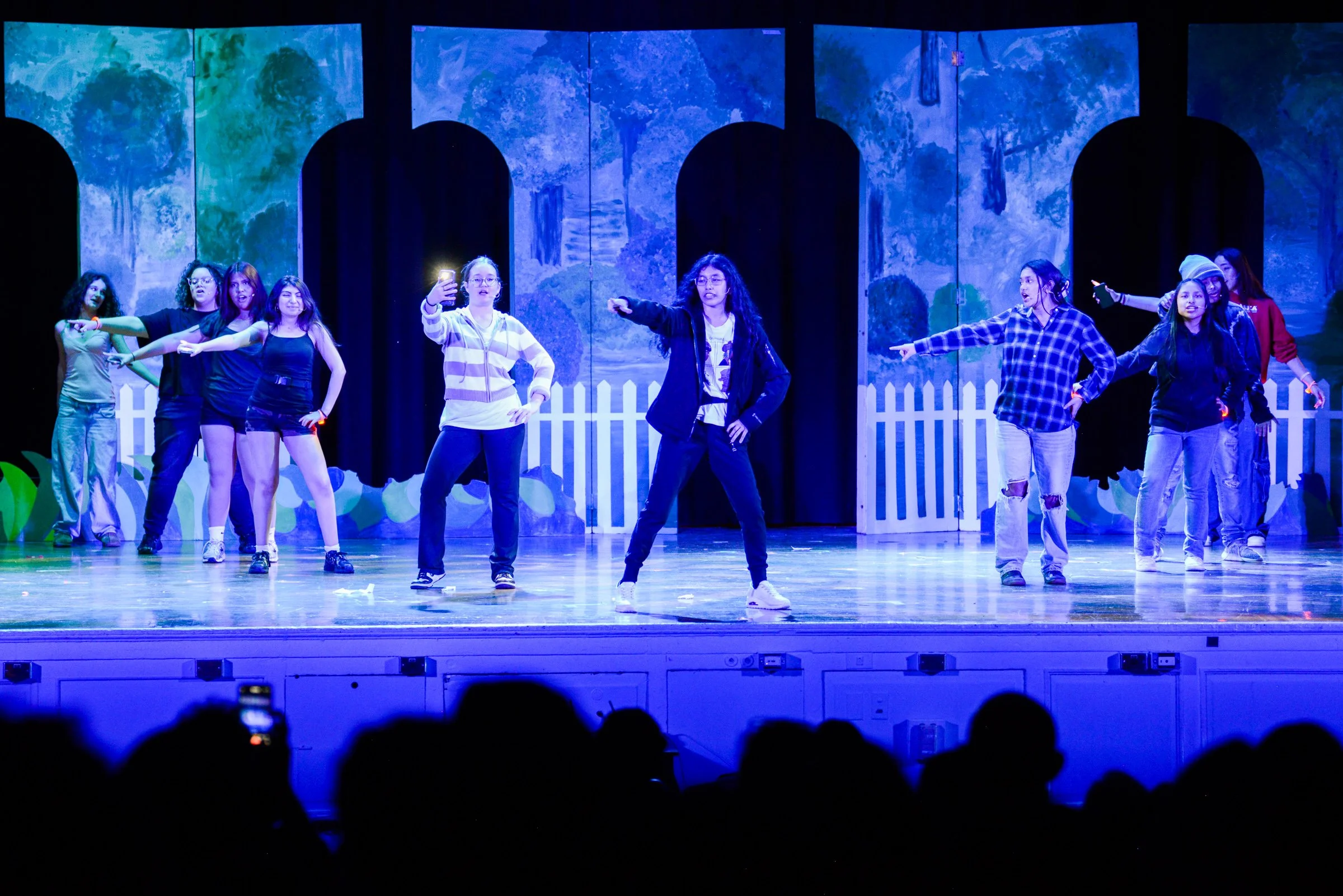
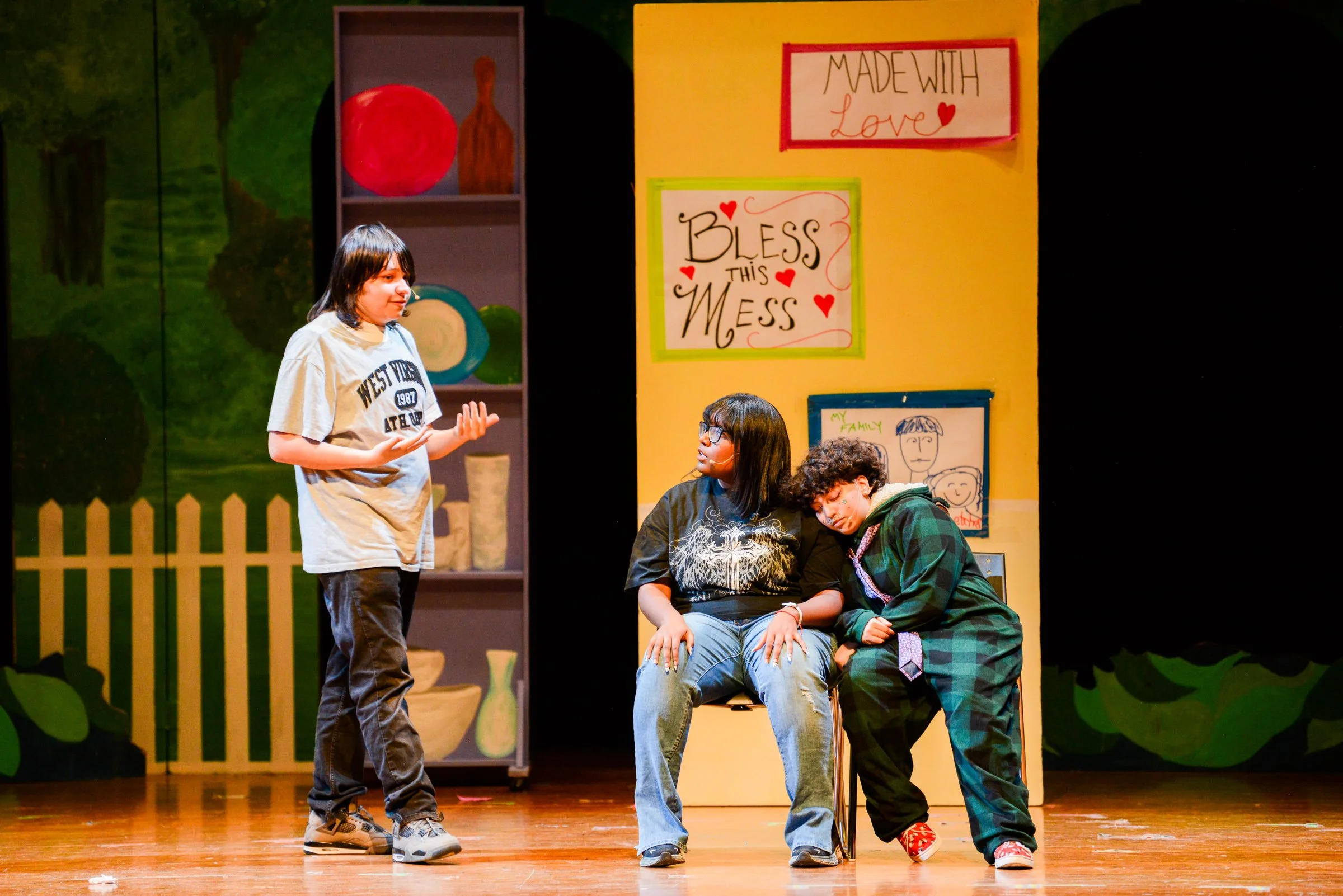
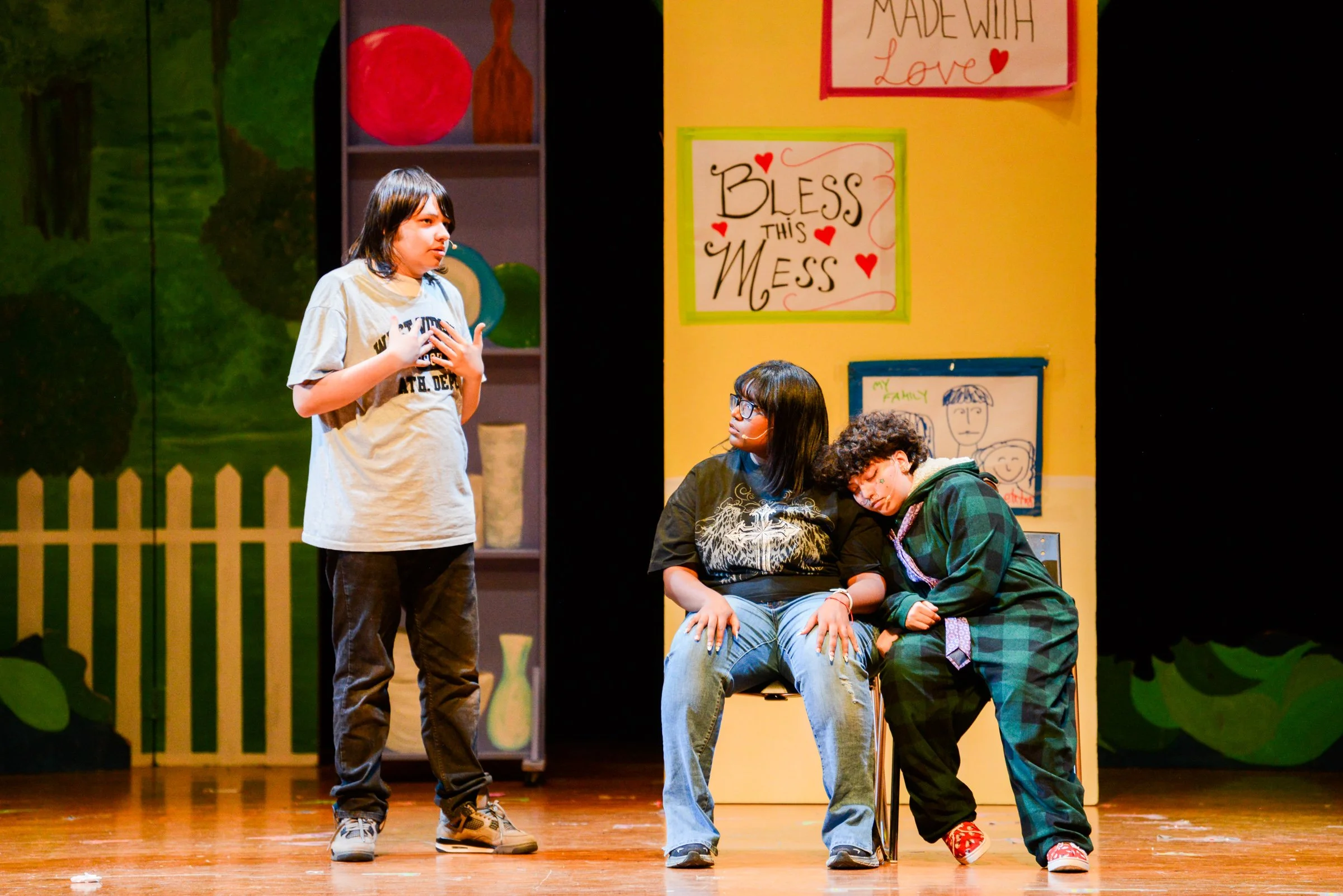
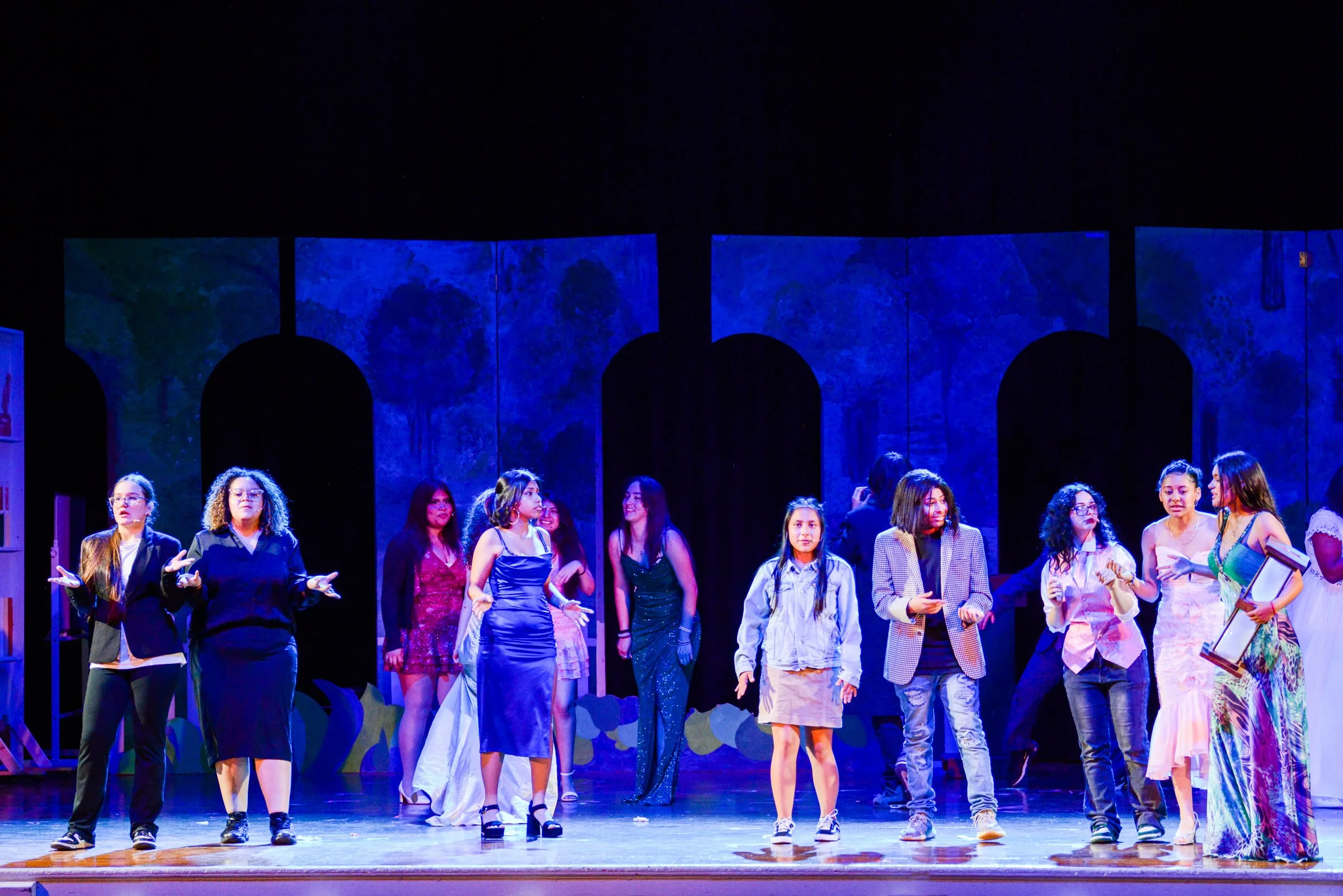
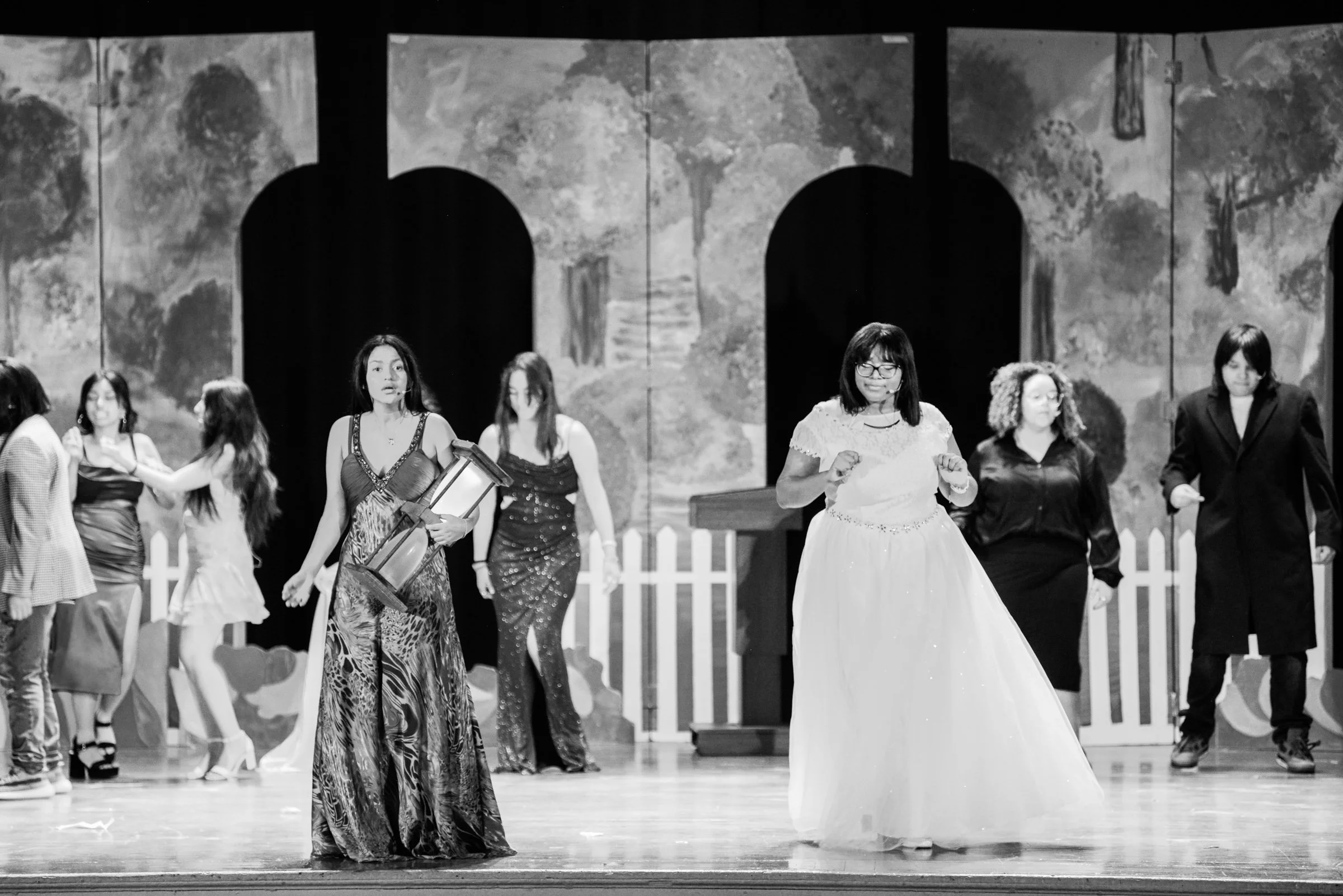
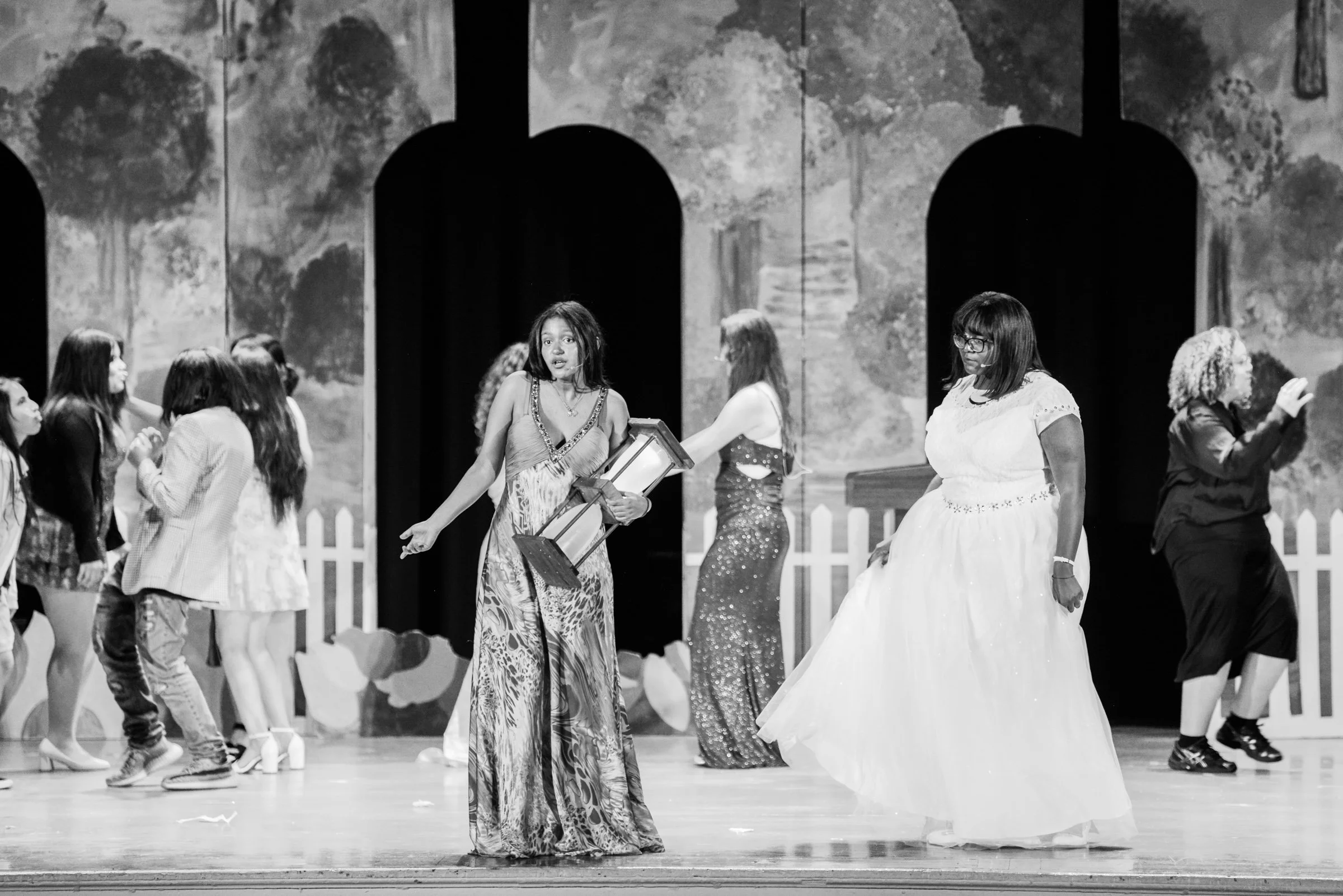
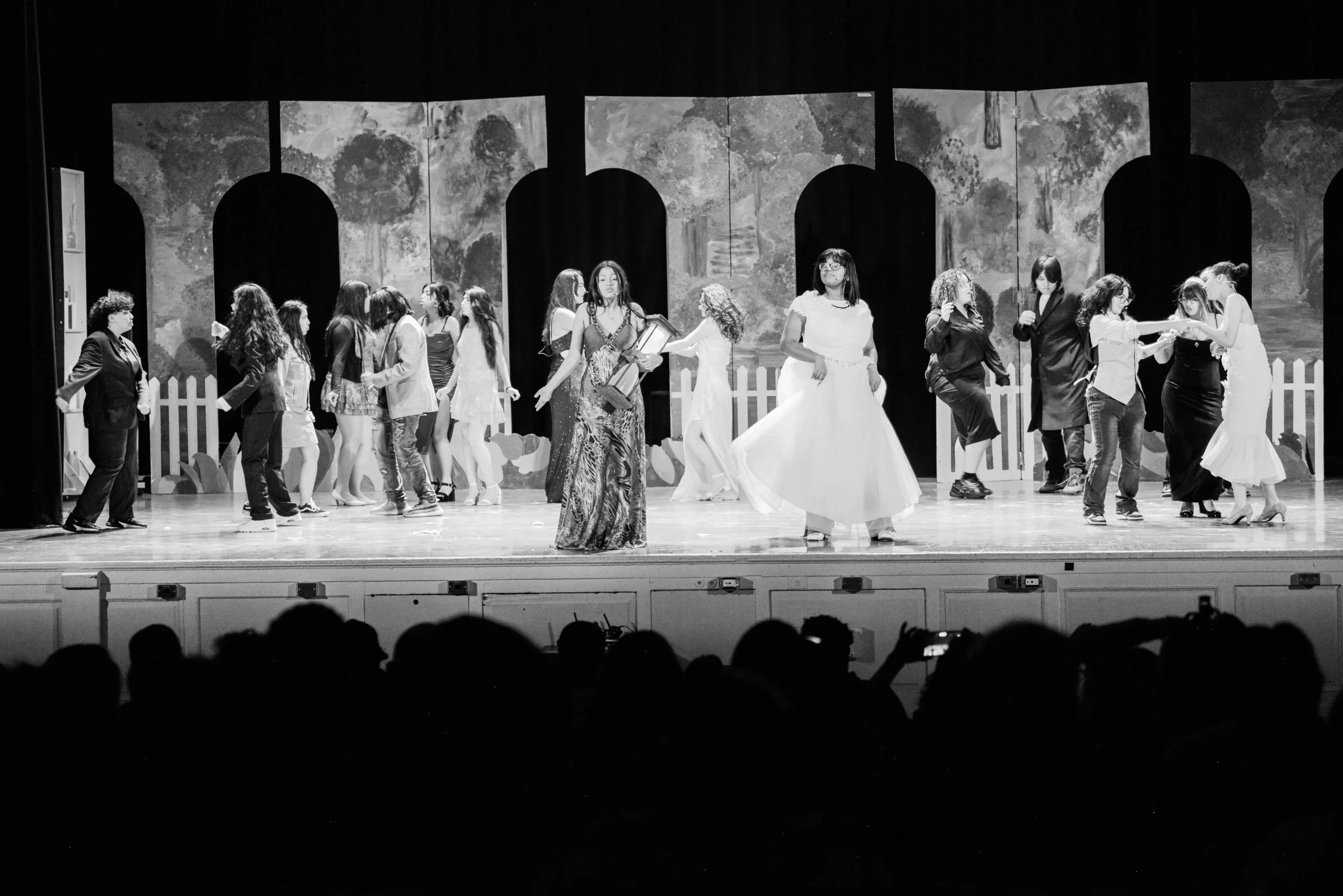
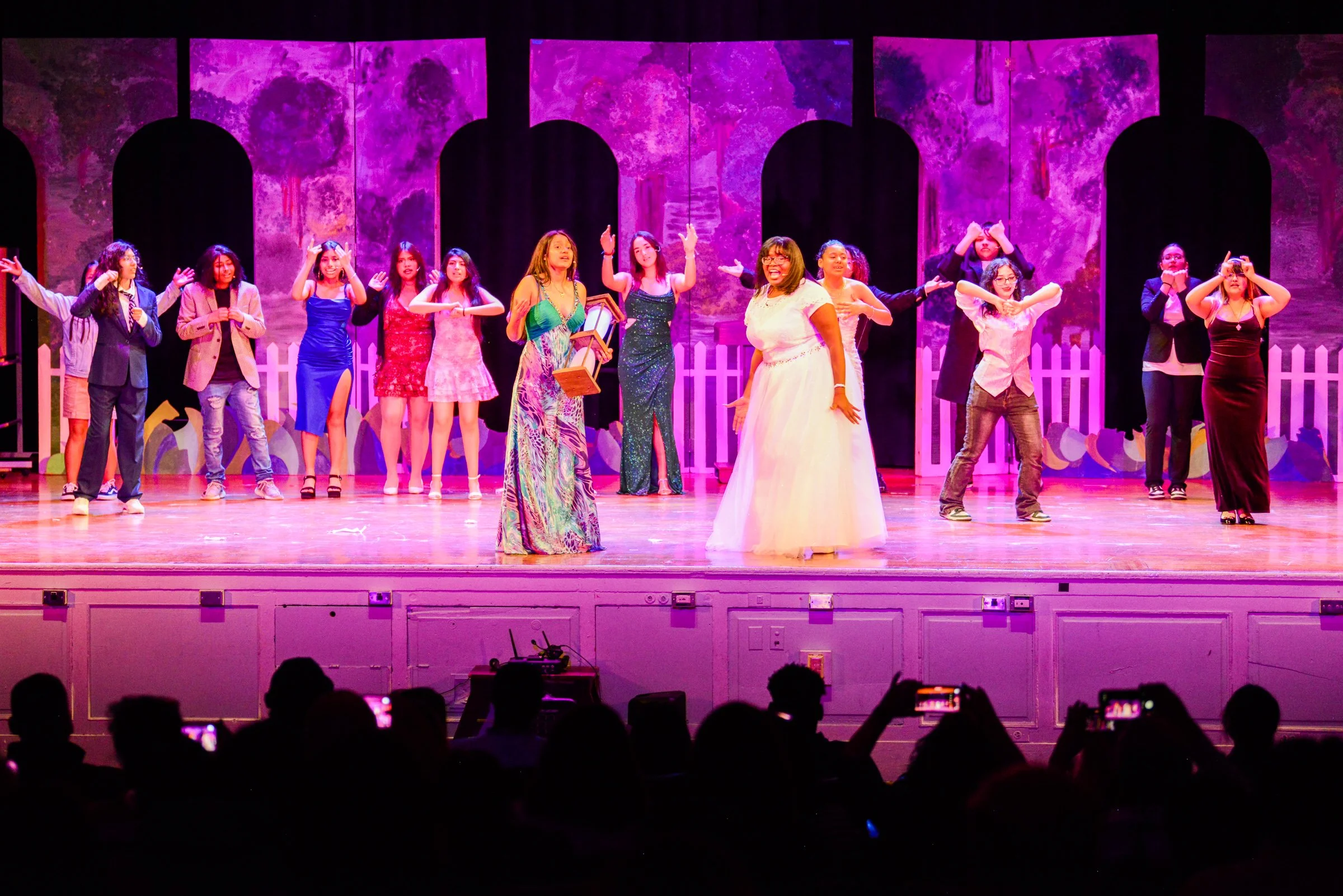
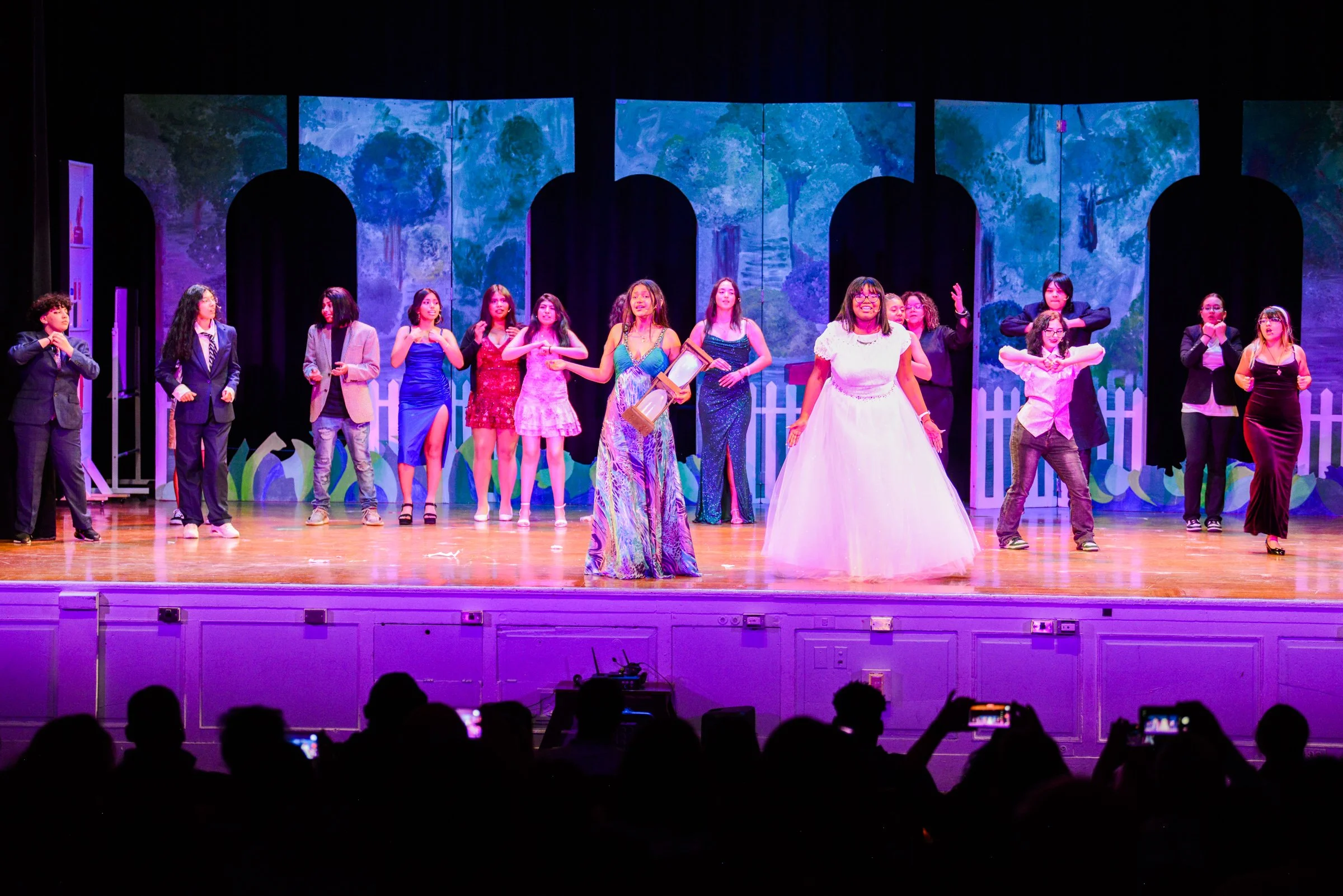
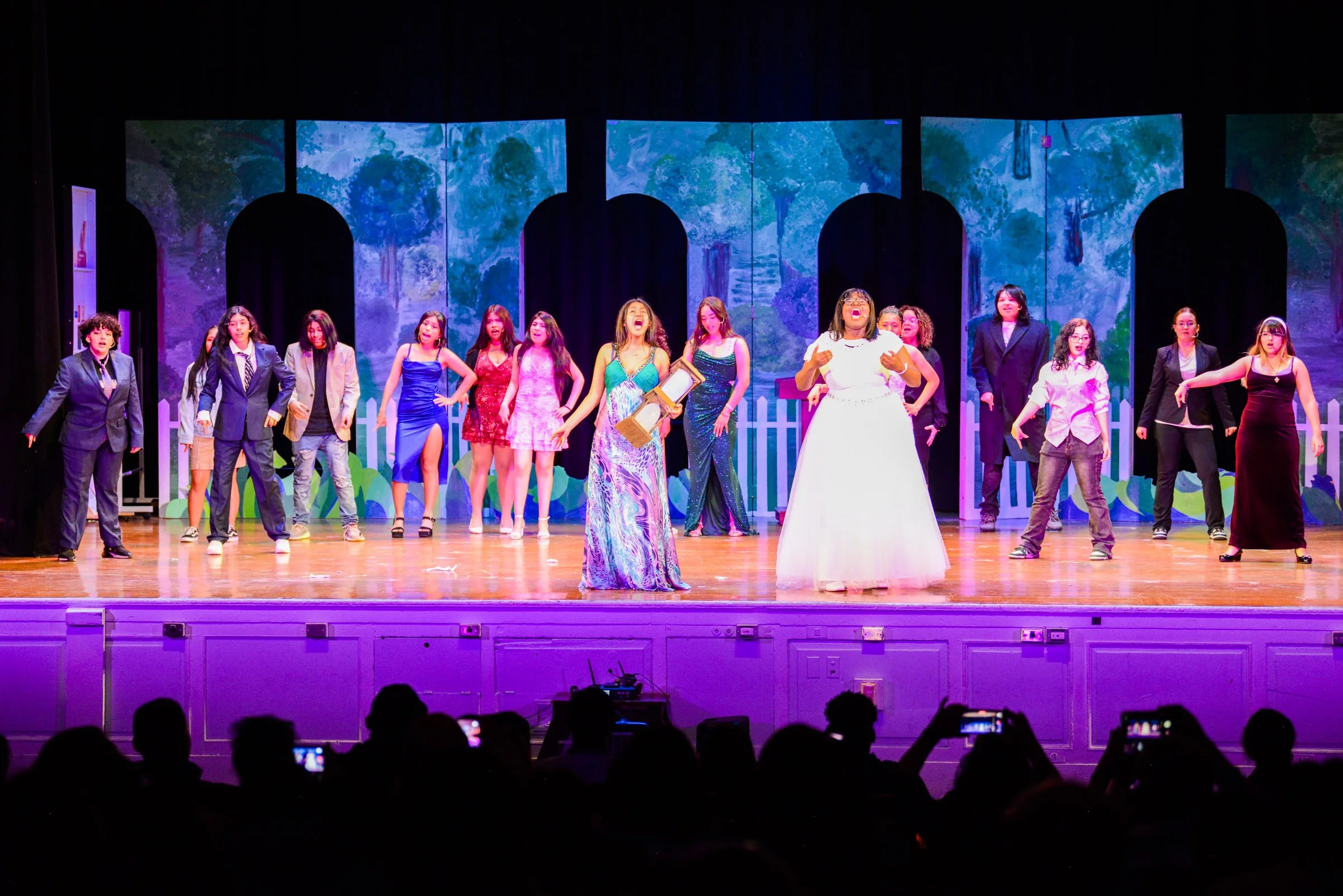
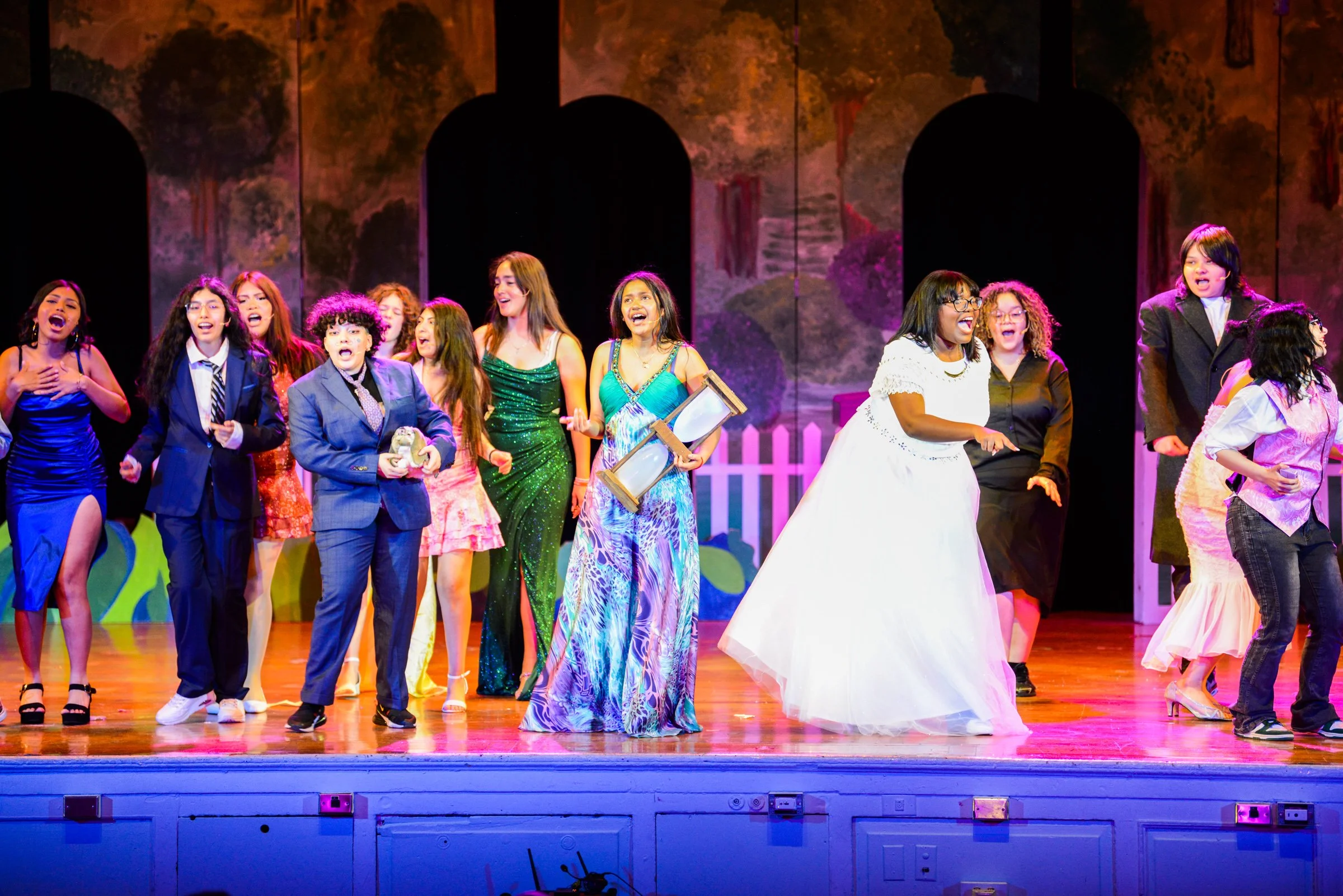
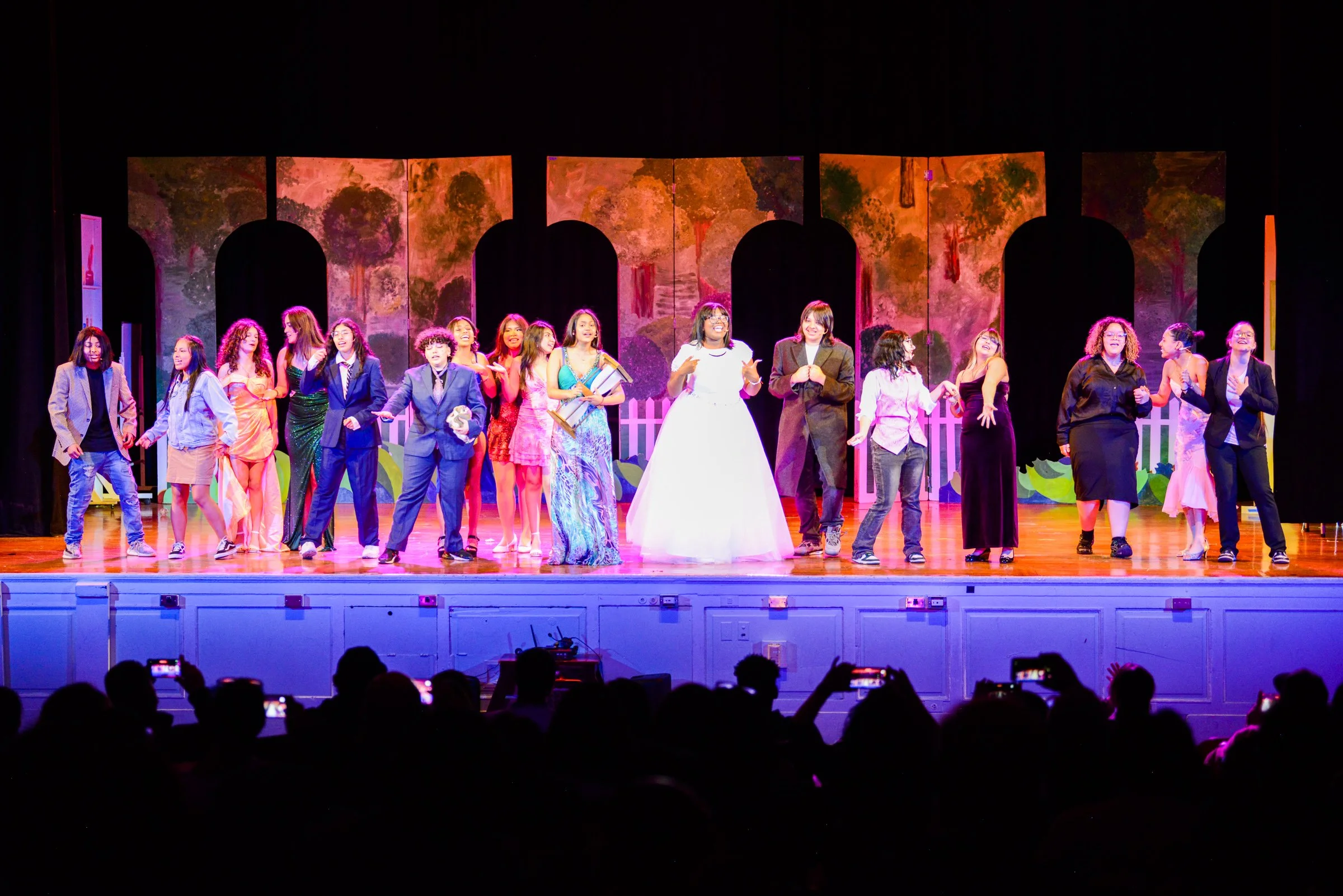
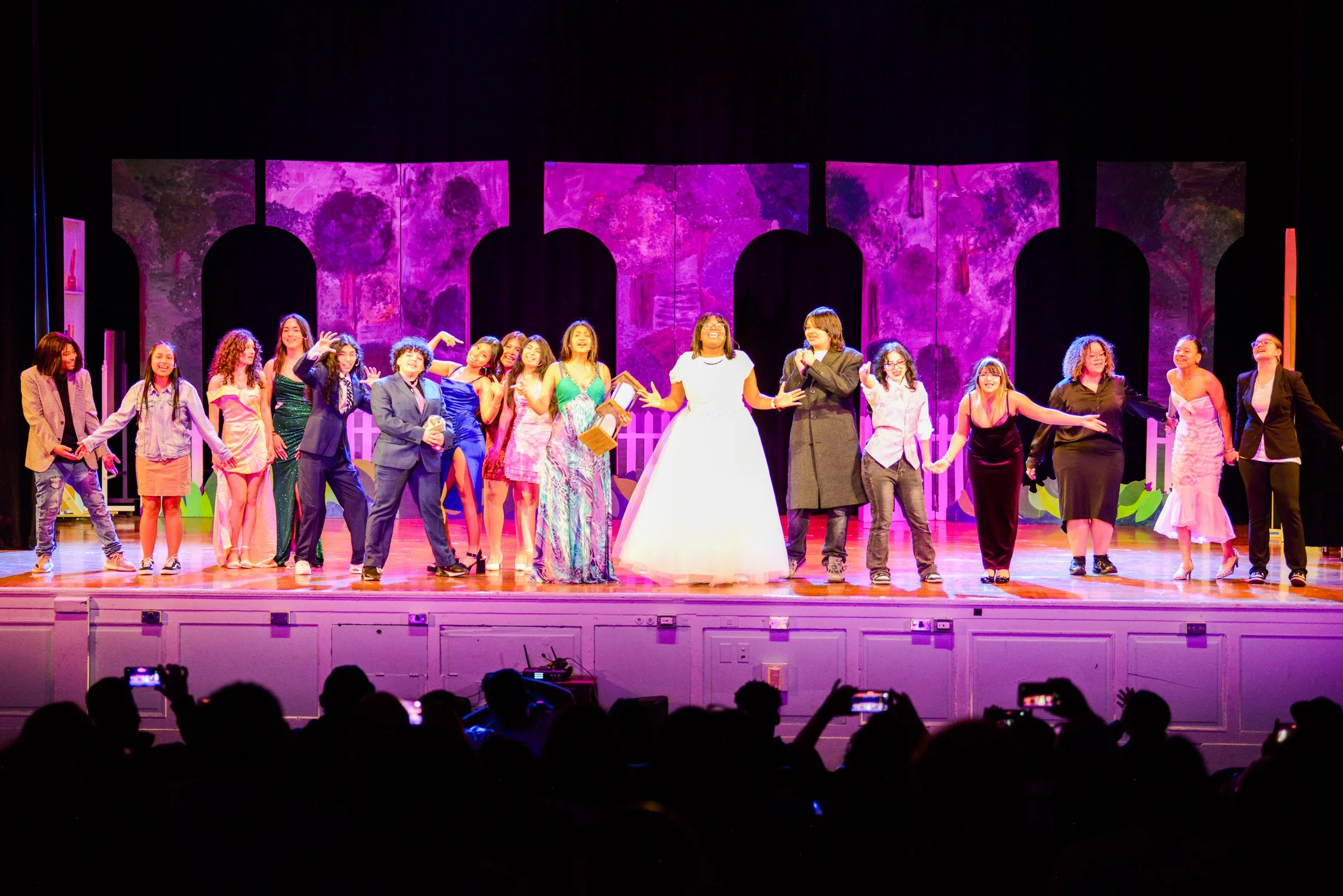
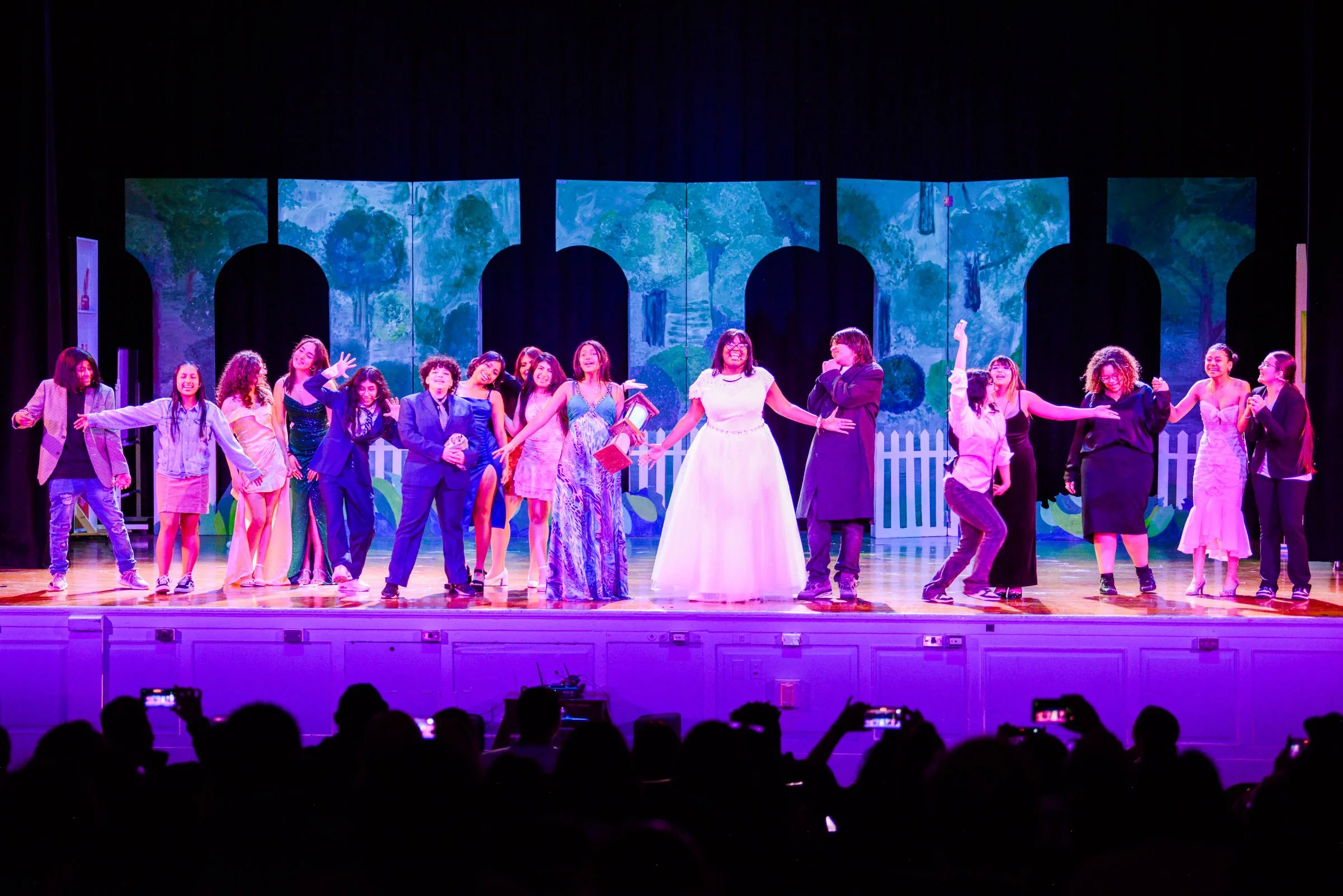
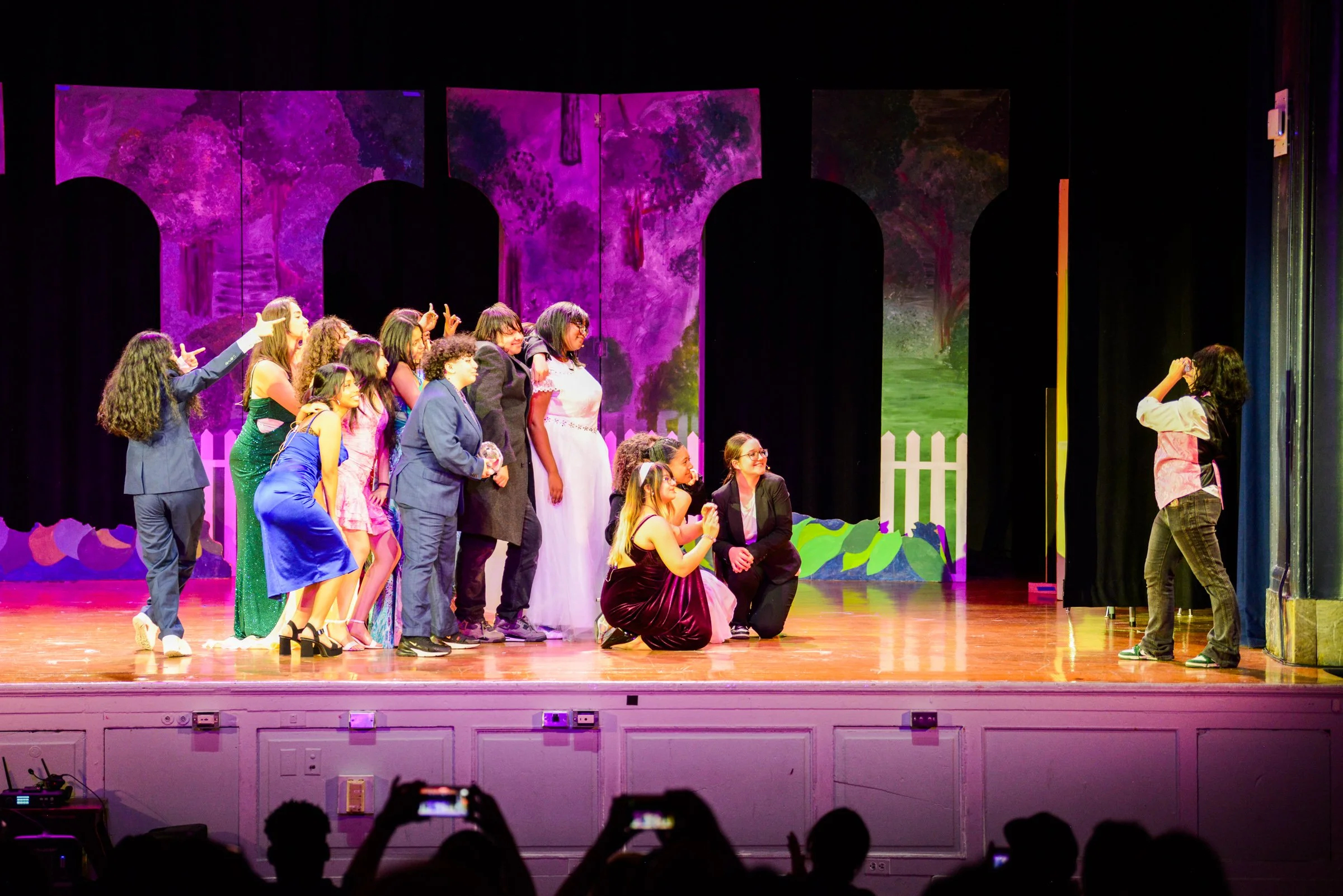
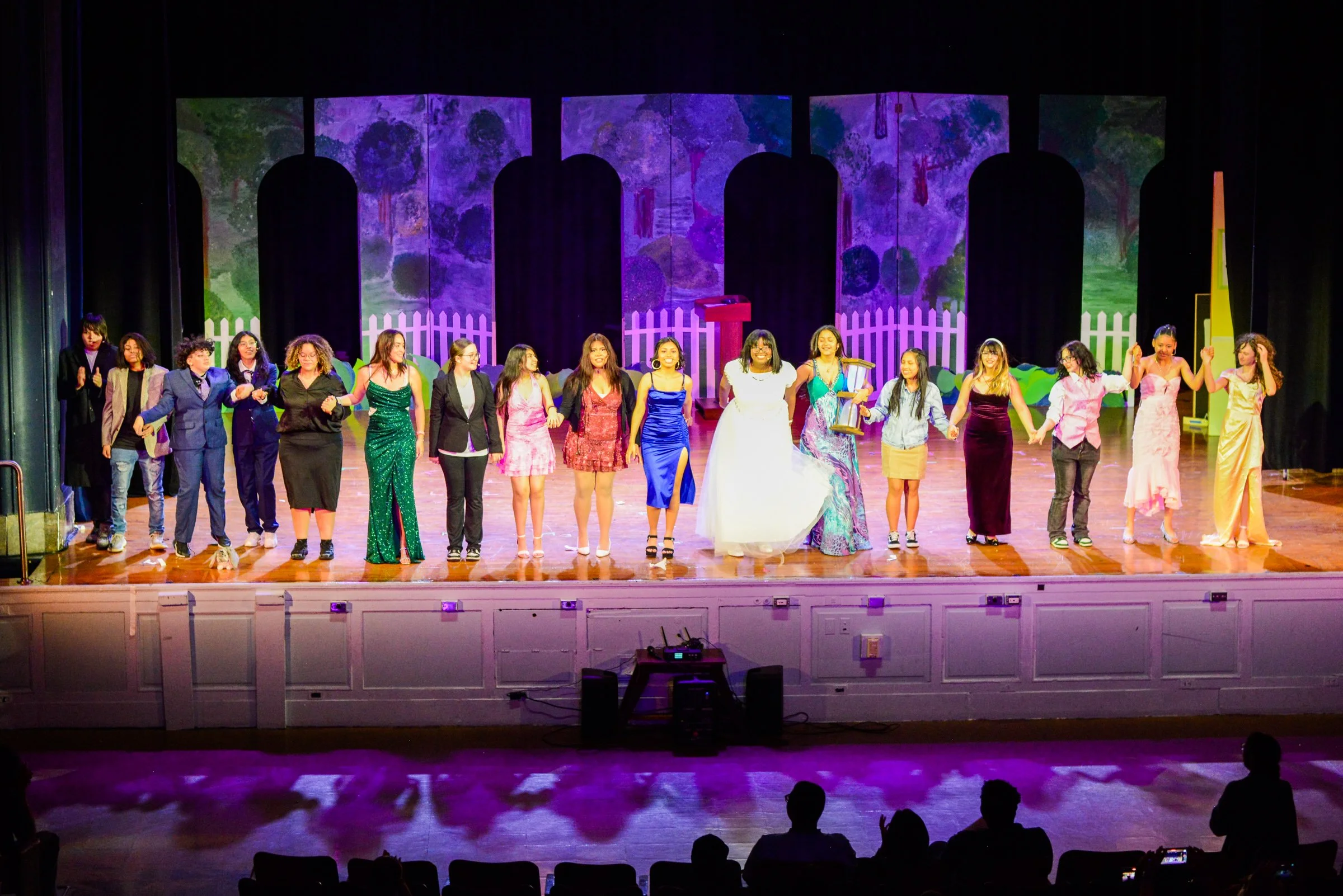
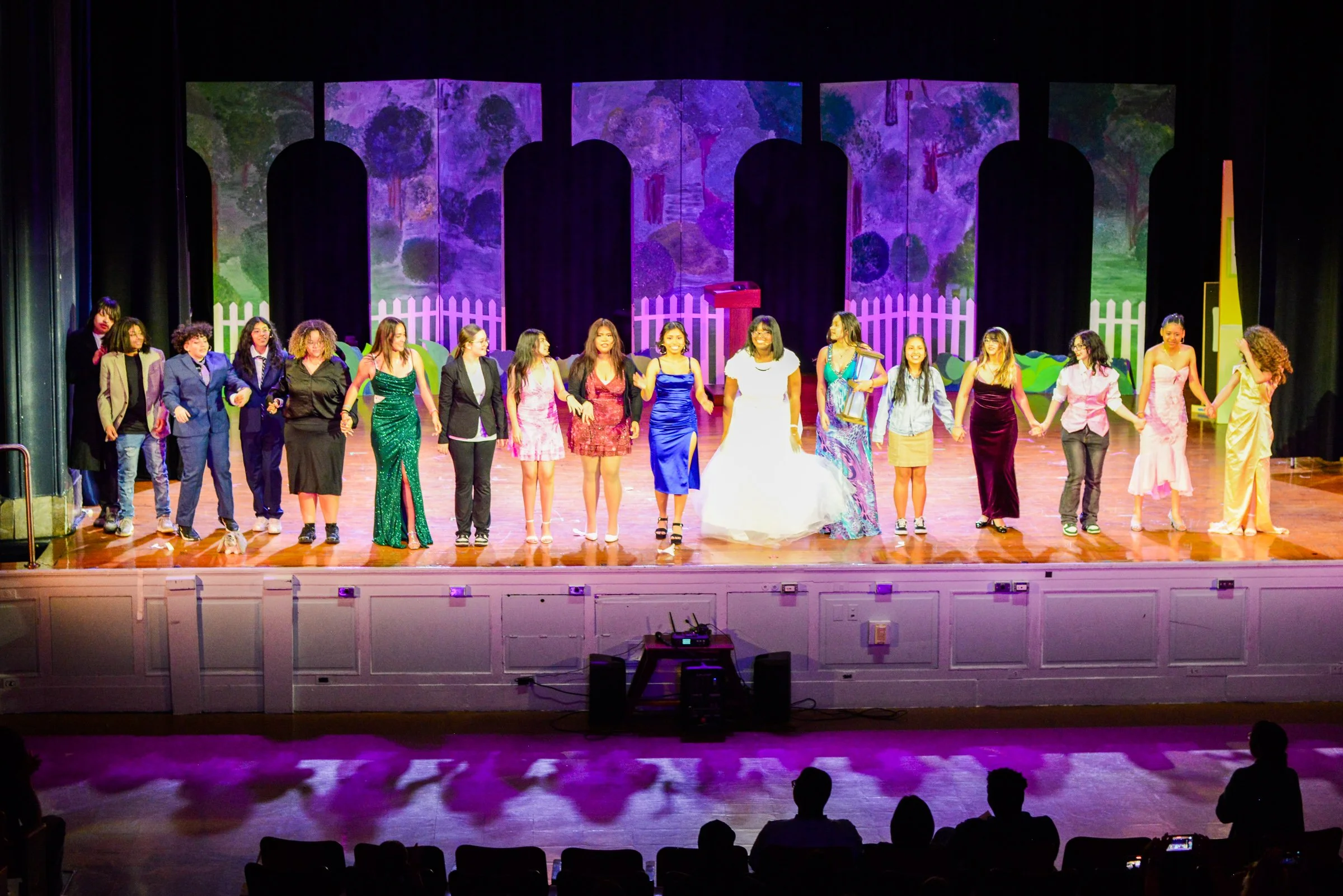
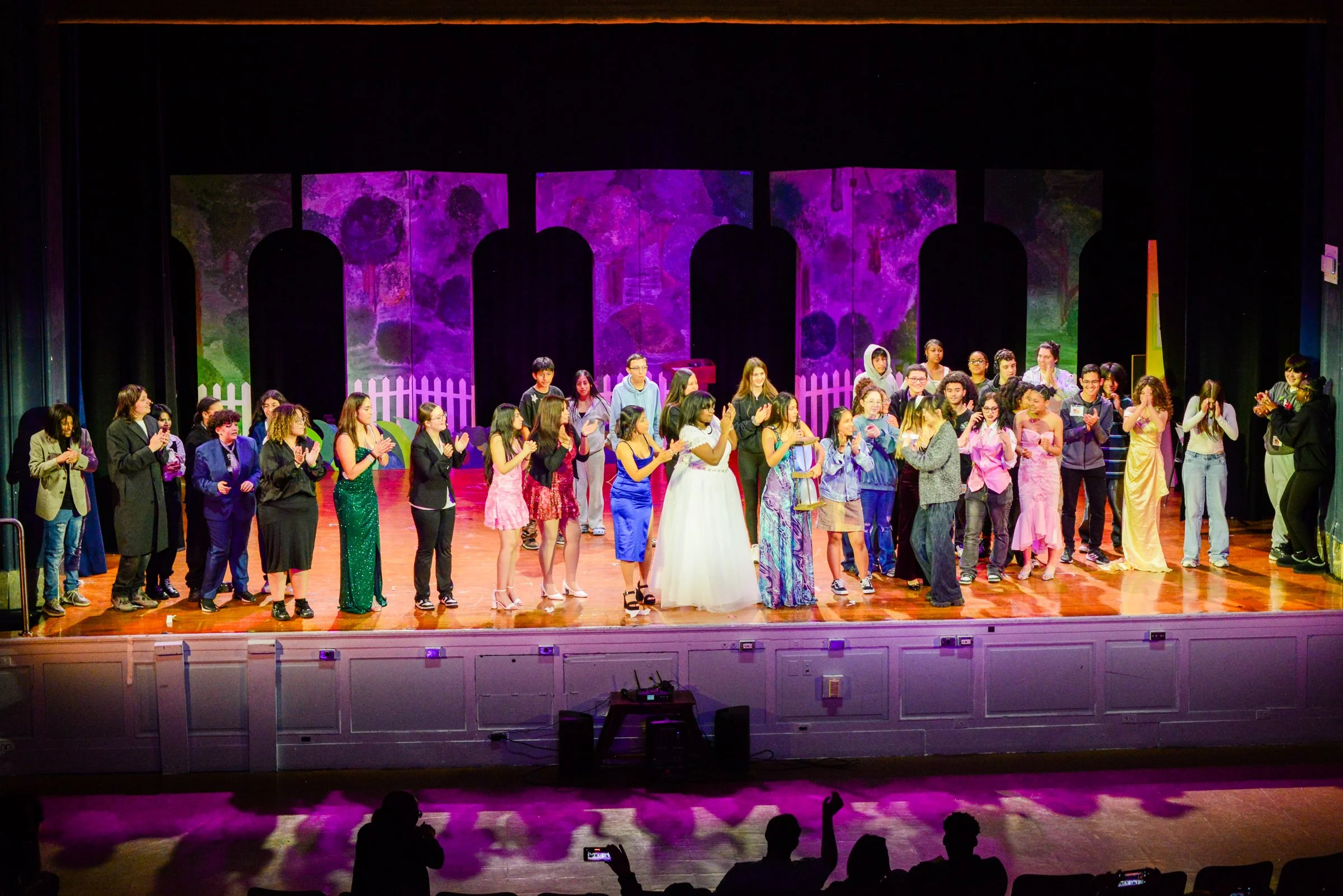
The cast of Freaky Friday at Grover Cleveland High School
We Can Do Hard Things
Walk into a high school theater rehearsal often enough and a pattern begins to emerge.
At first, adults do almost everything. They hand out scripts, explain expectations, answer questions, solve conflicts, track attendance, remind students about deadlines, and repeat instructions that somehow seem to disappear the moment they are spoken. Progress can feel slow, particularly in schools where students are balancing academic demands, family responsibilities, jobs, athletics, and the countless social pressures that accompany adolescence.
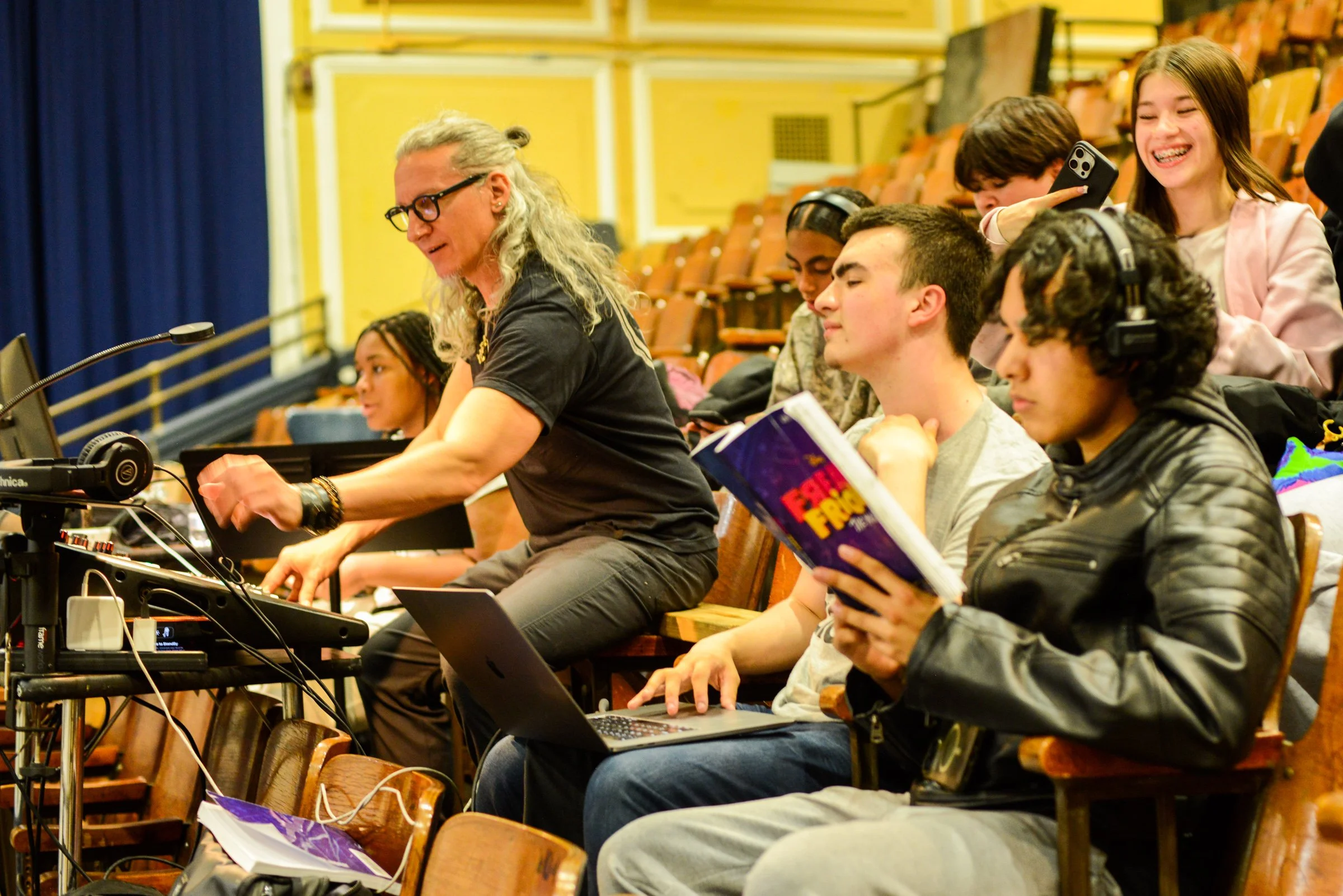
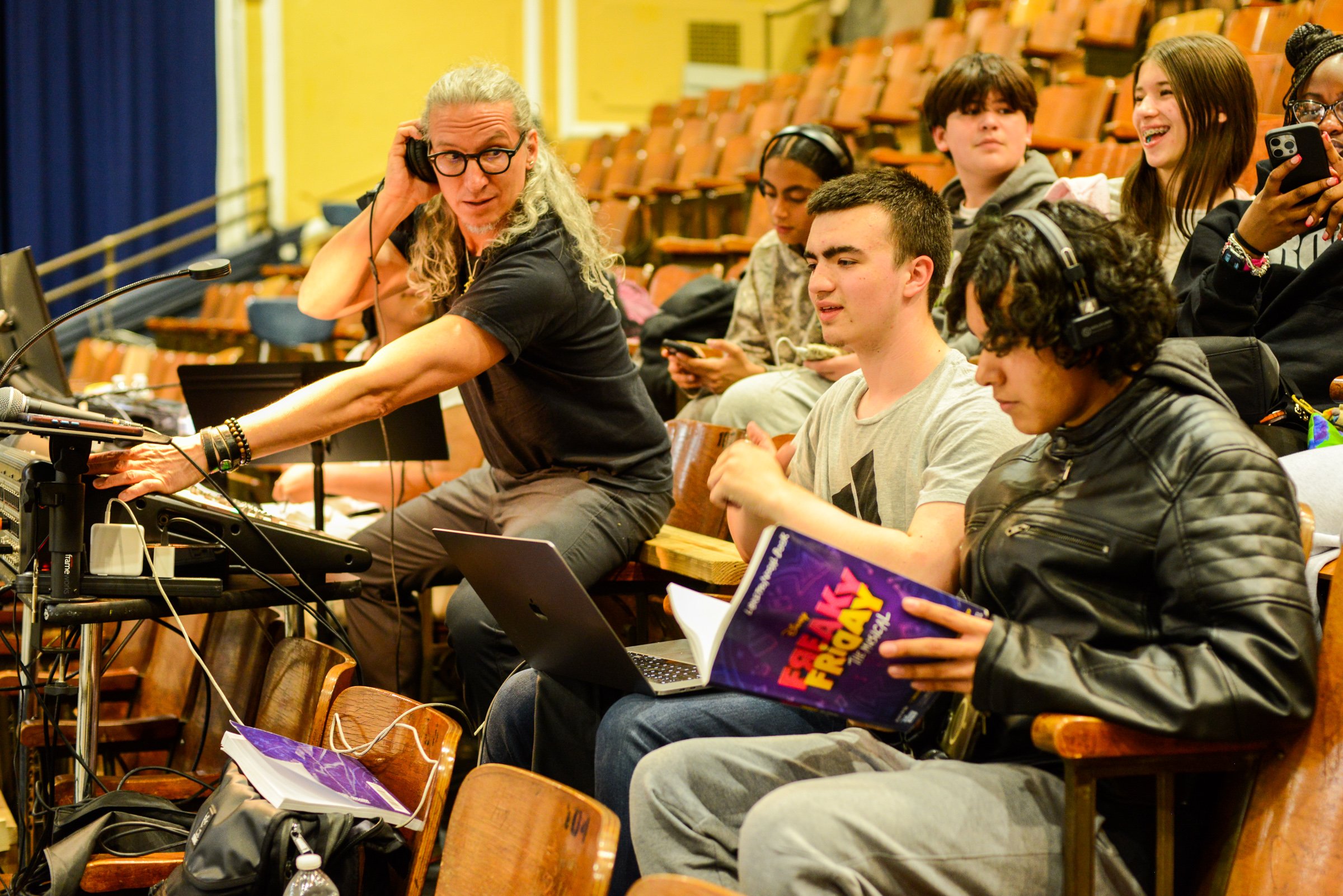
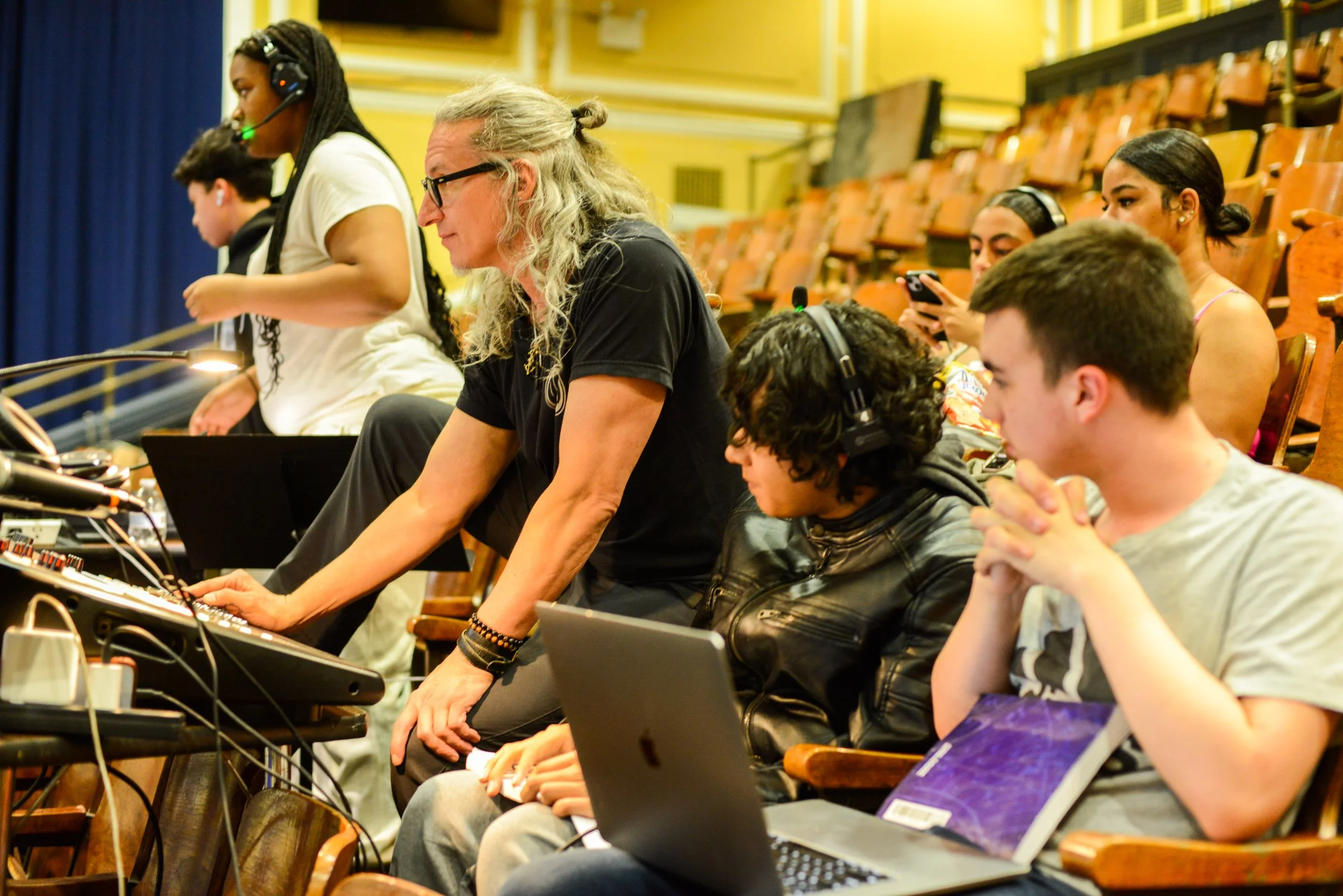
Then, if things go well, something begins to shift. Students start answering one another's questions. A cast member reminds someone about an entrance before the teacher has a chance to speak. A stage manager solves a problem independently. A technician notices something that needs attention and fixes it without being asked. Little by little, the center of gravity moves and te work begins to belong to the students.
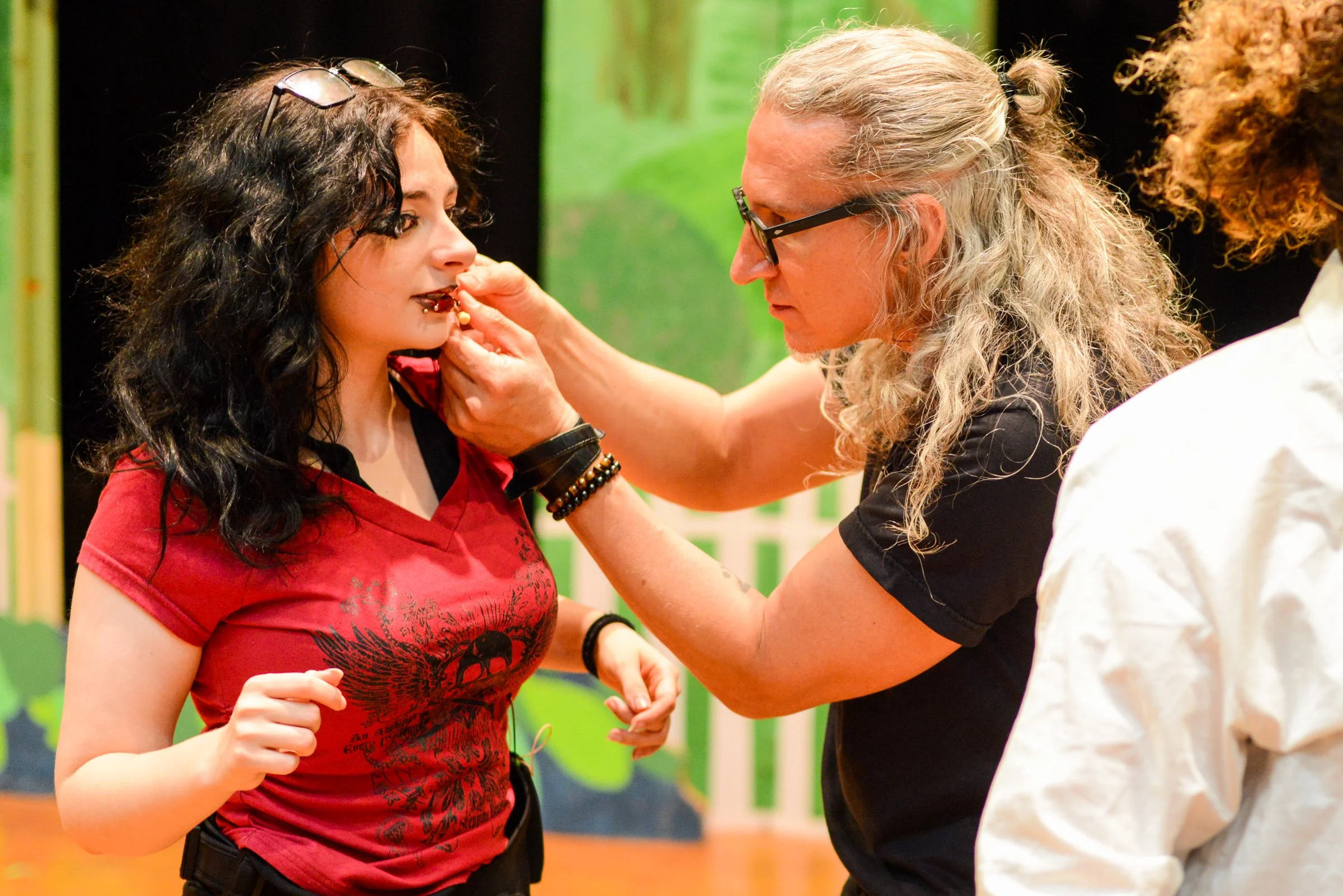
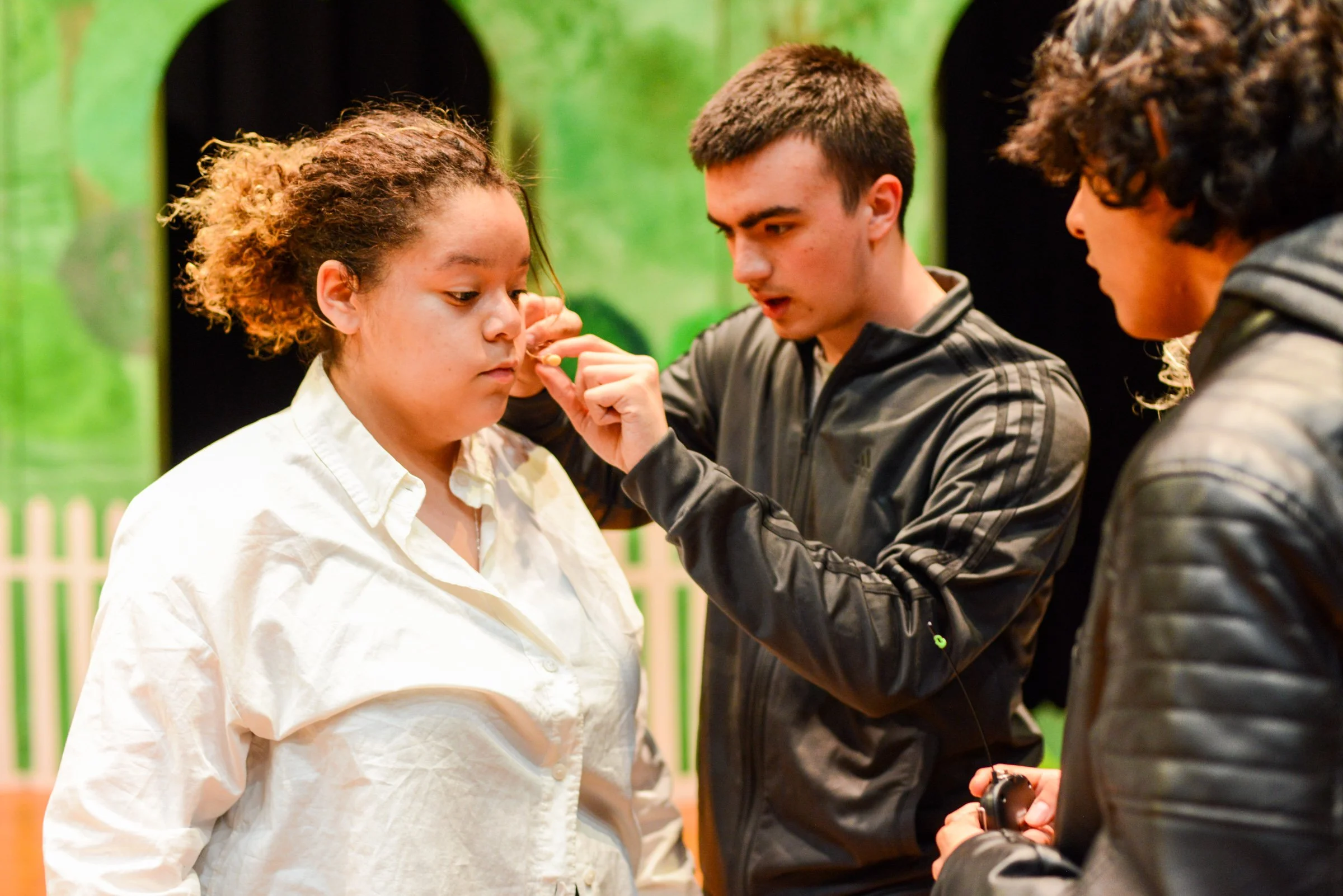
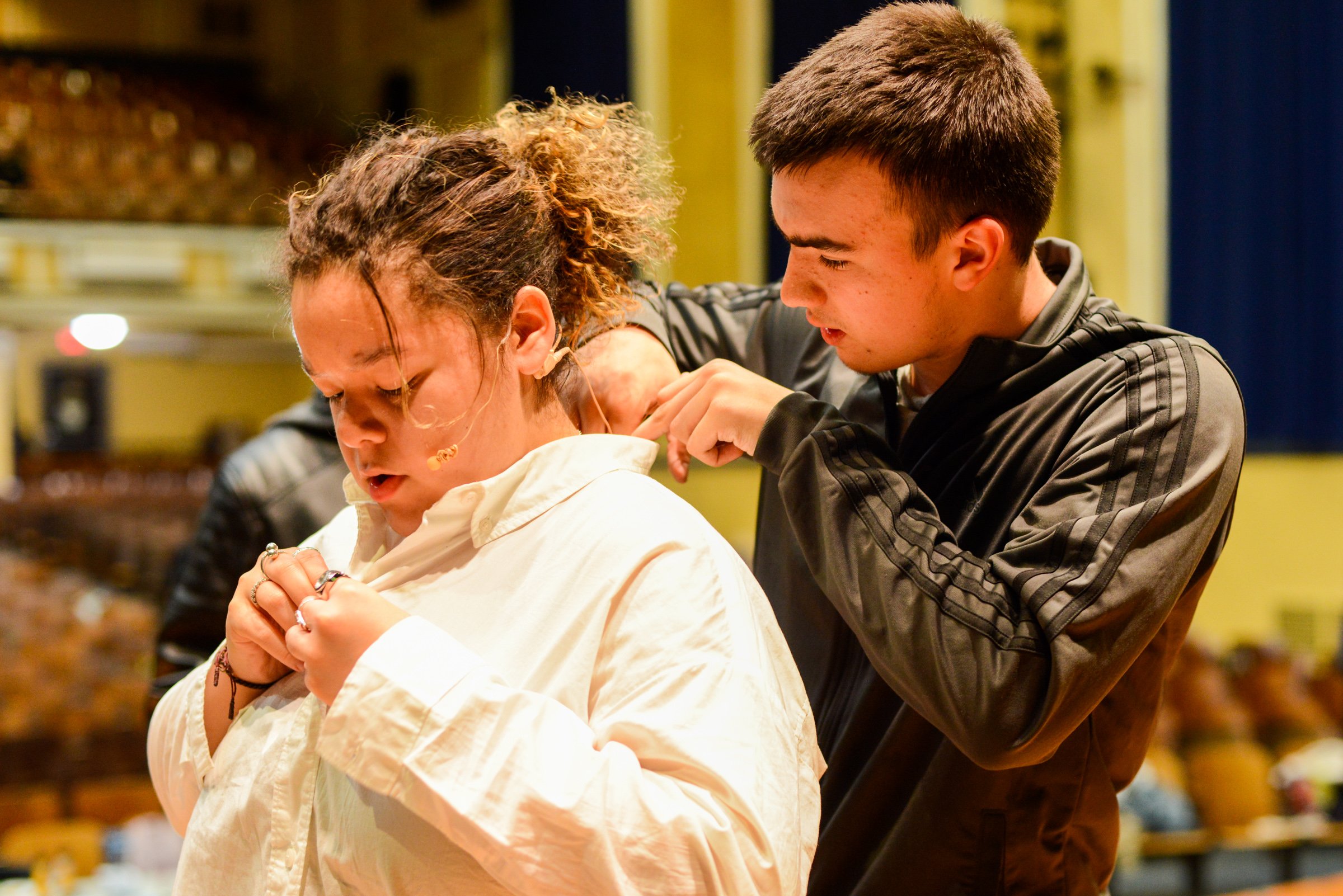
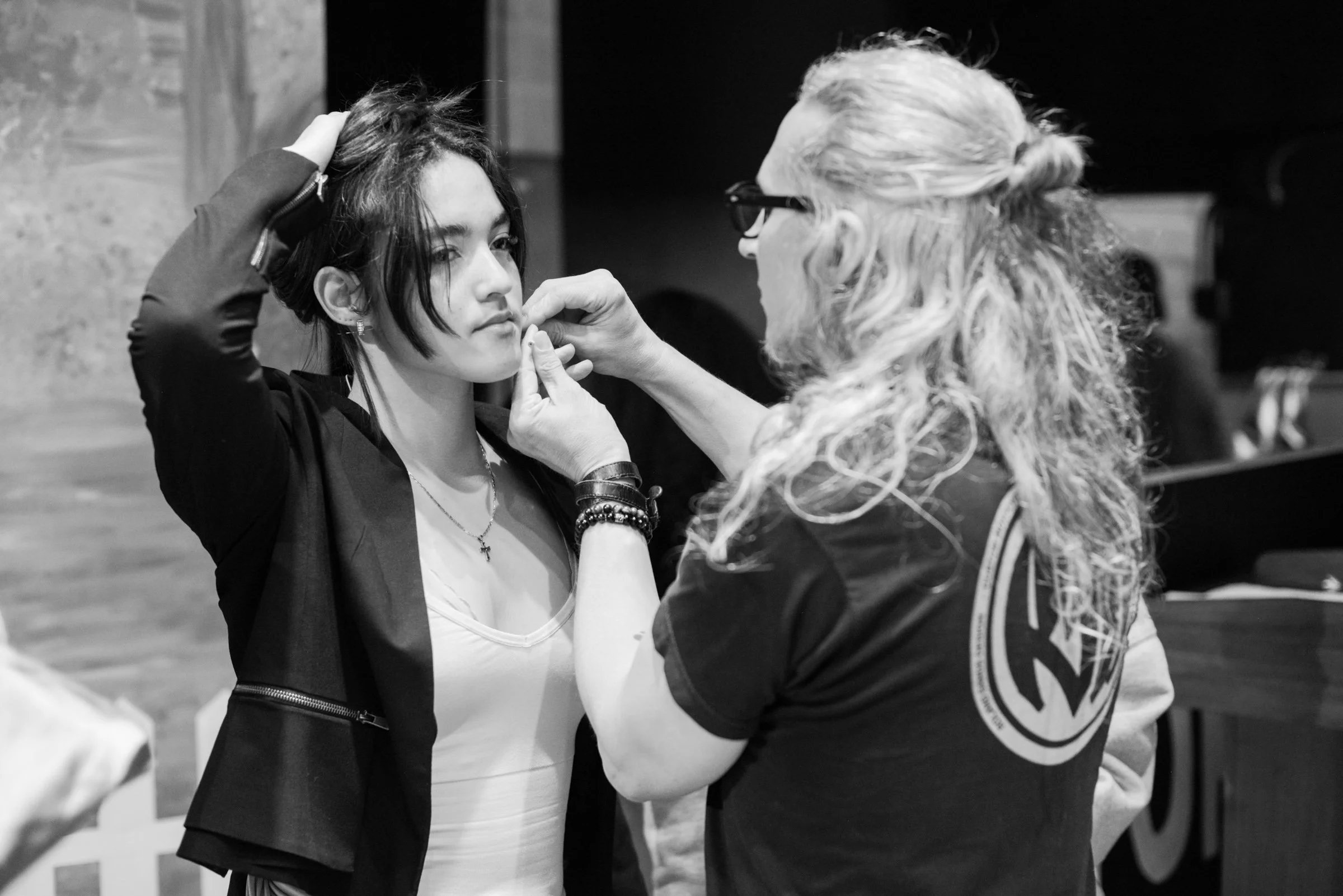
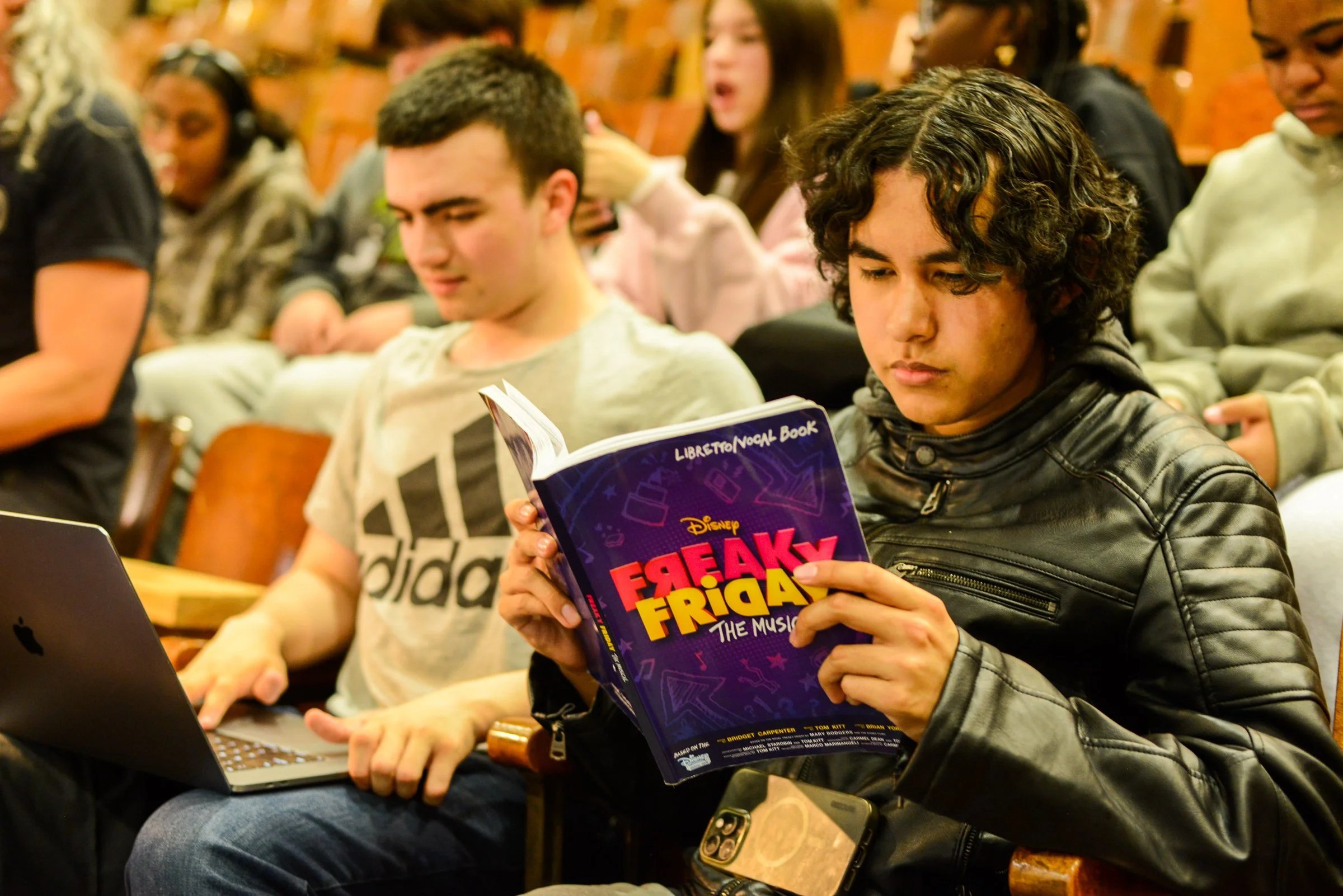
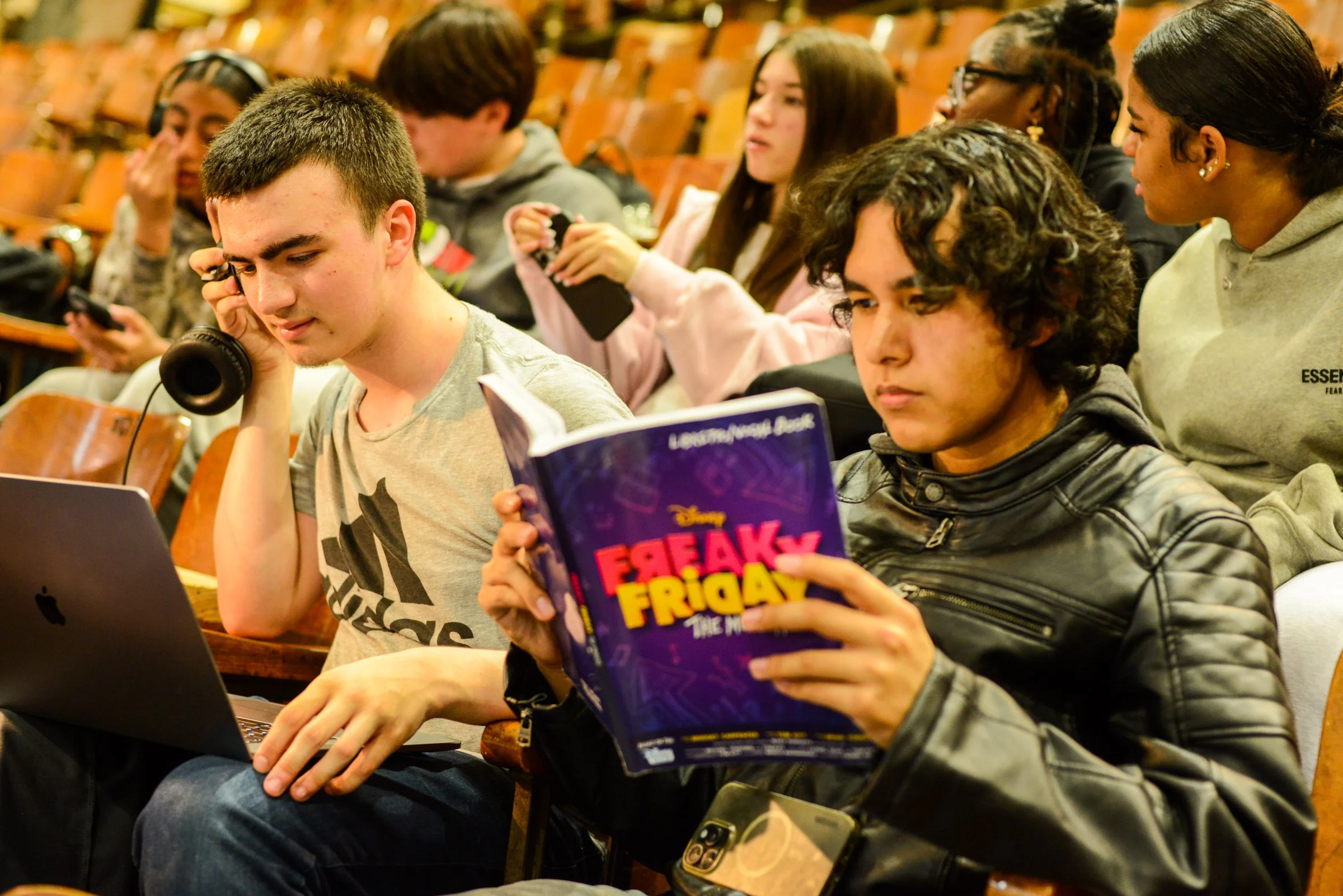
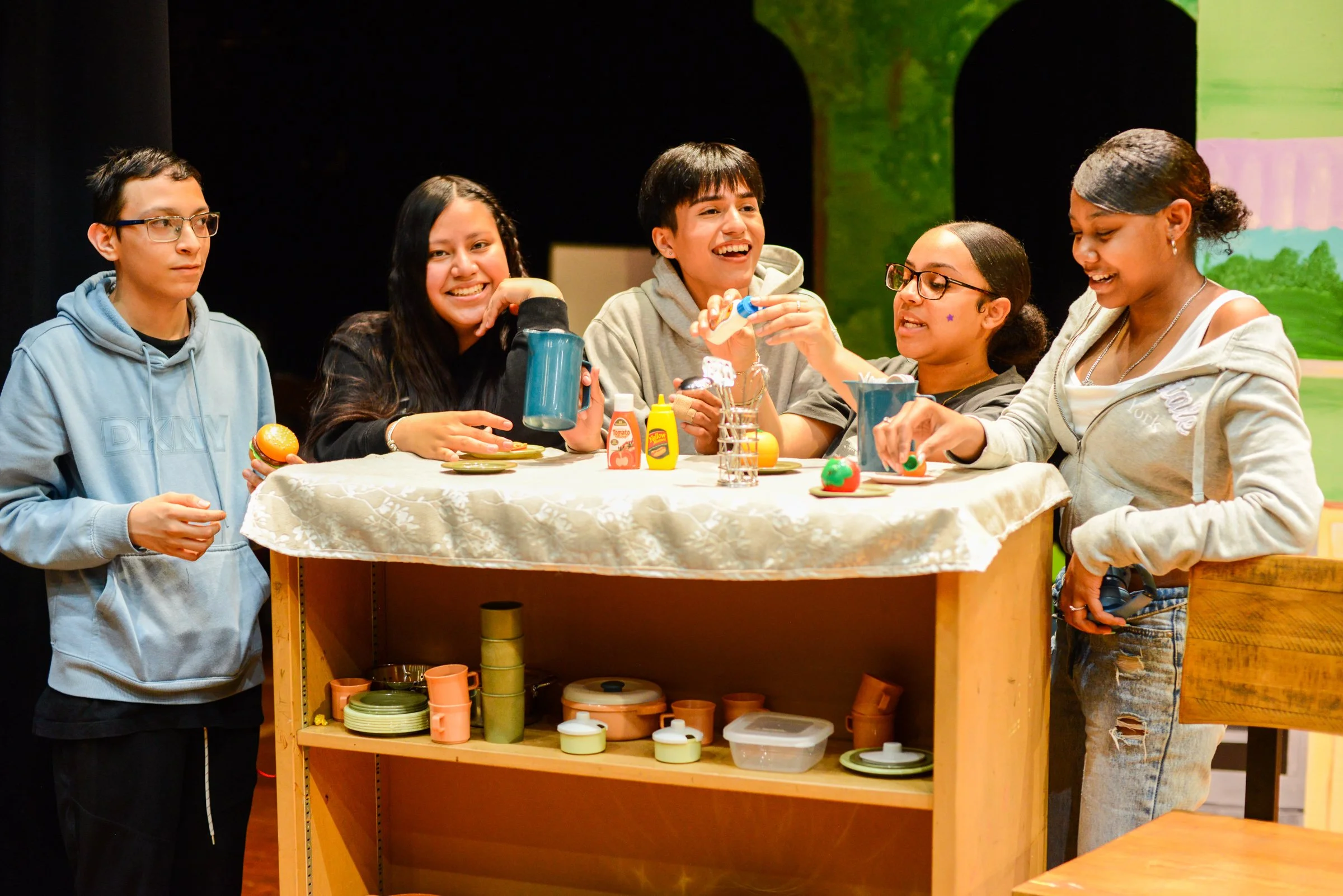
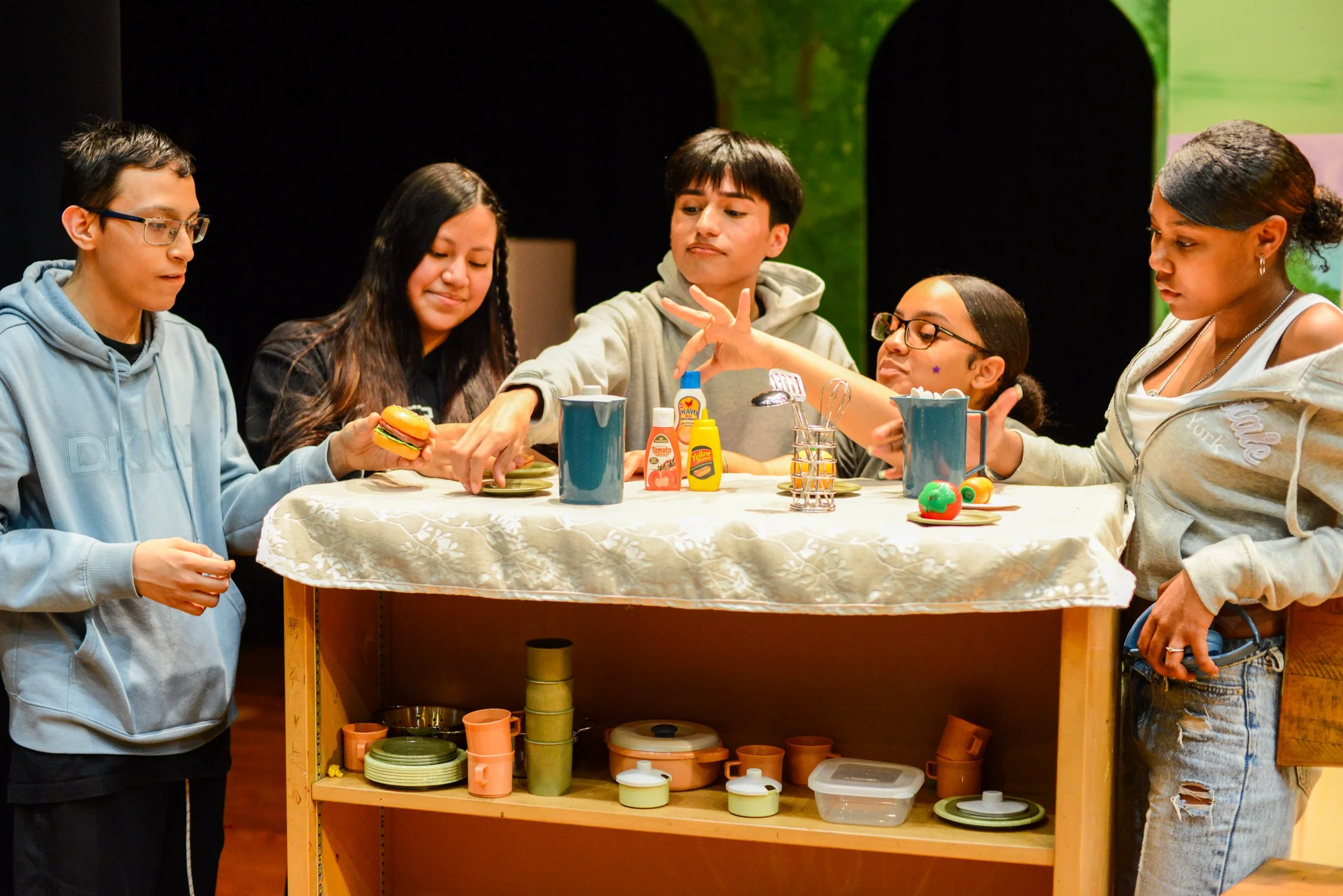
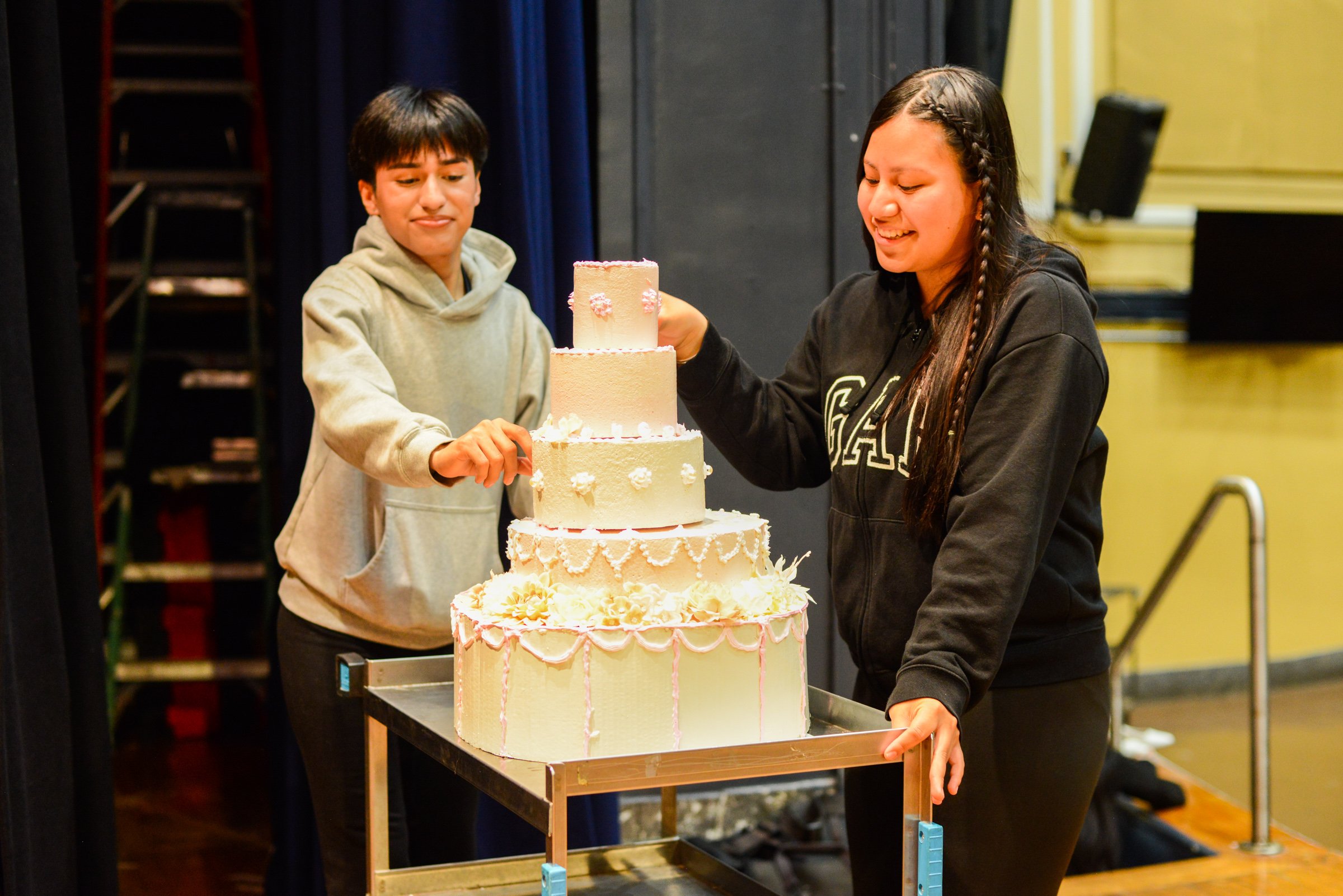
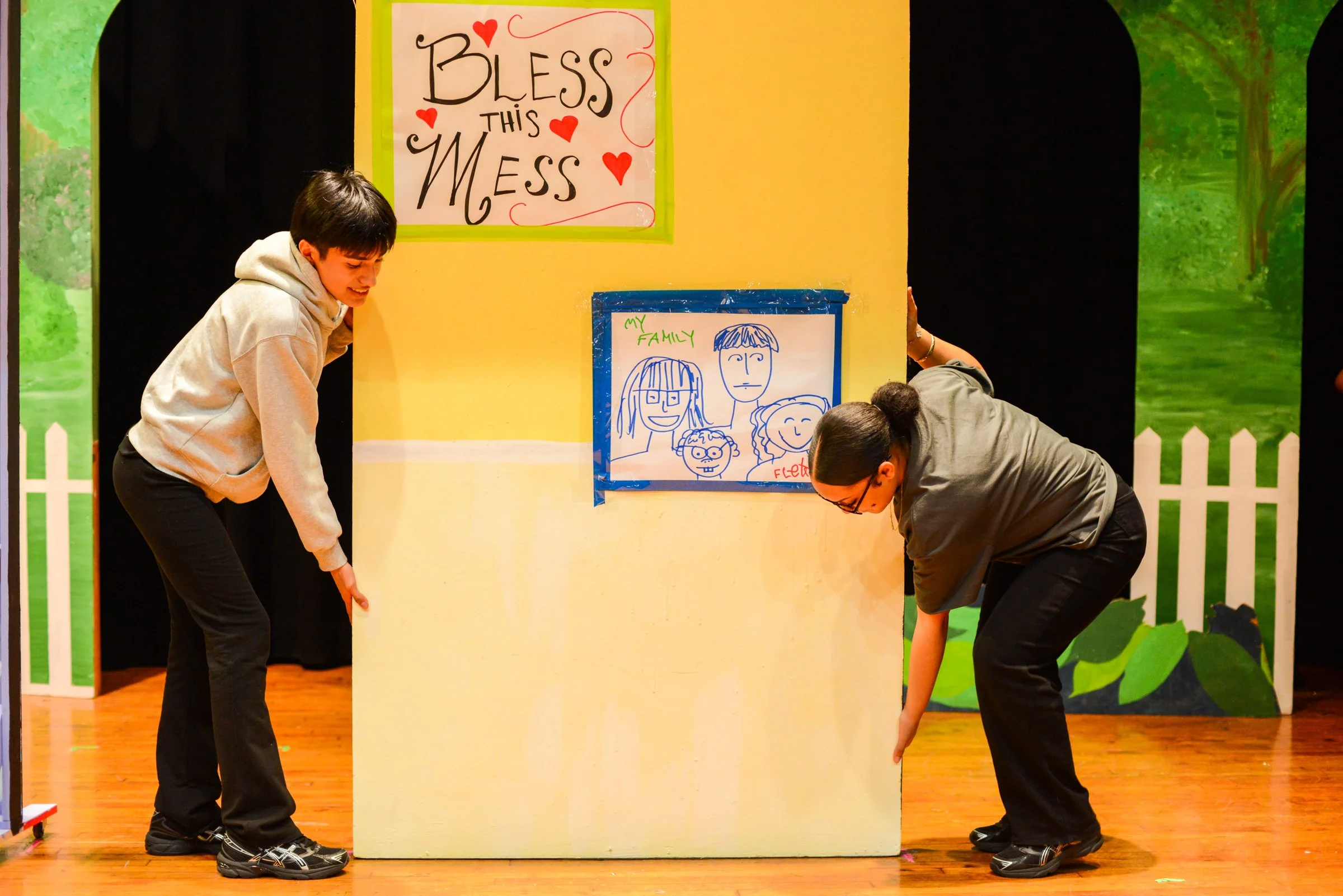
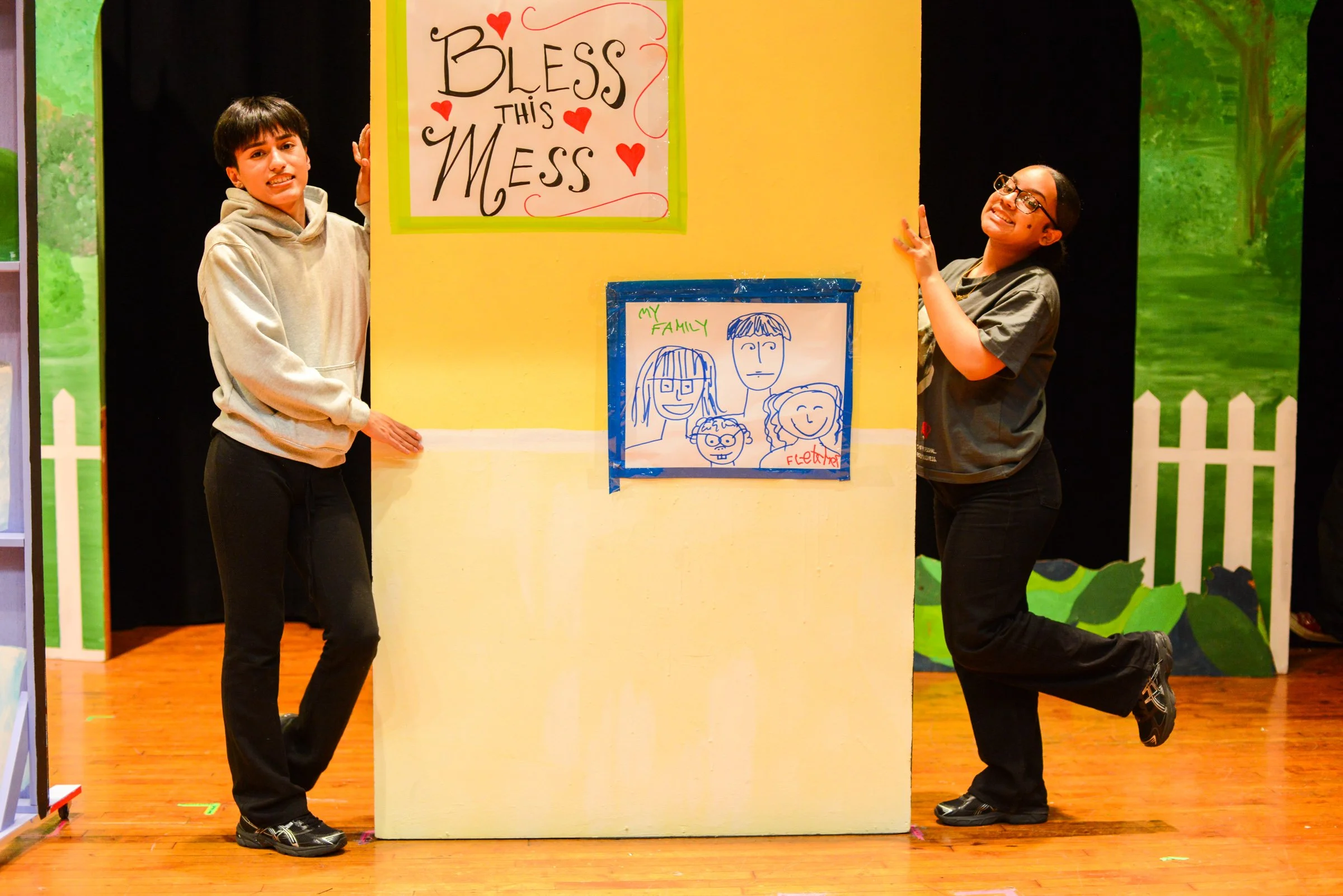
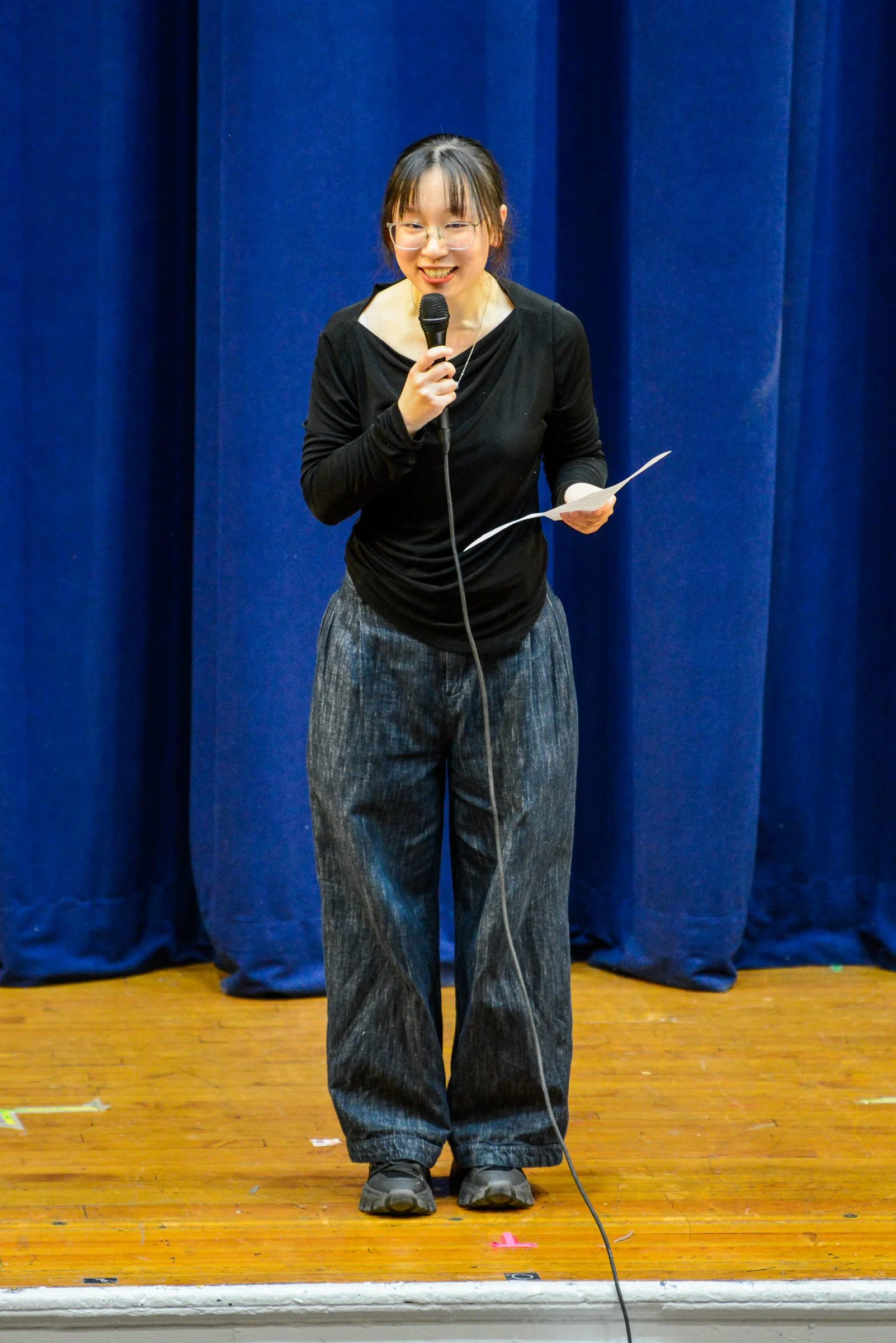
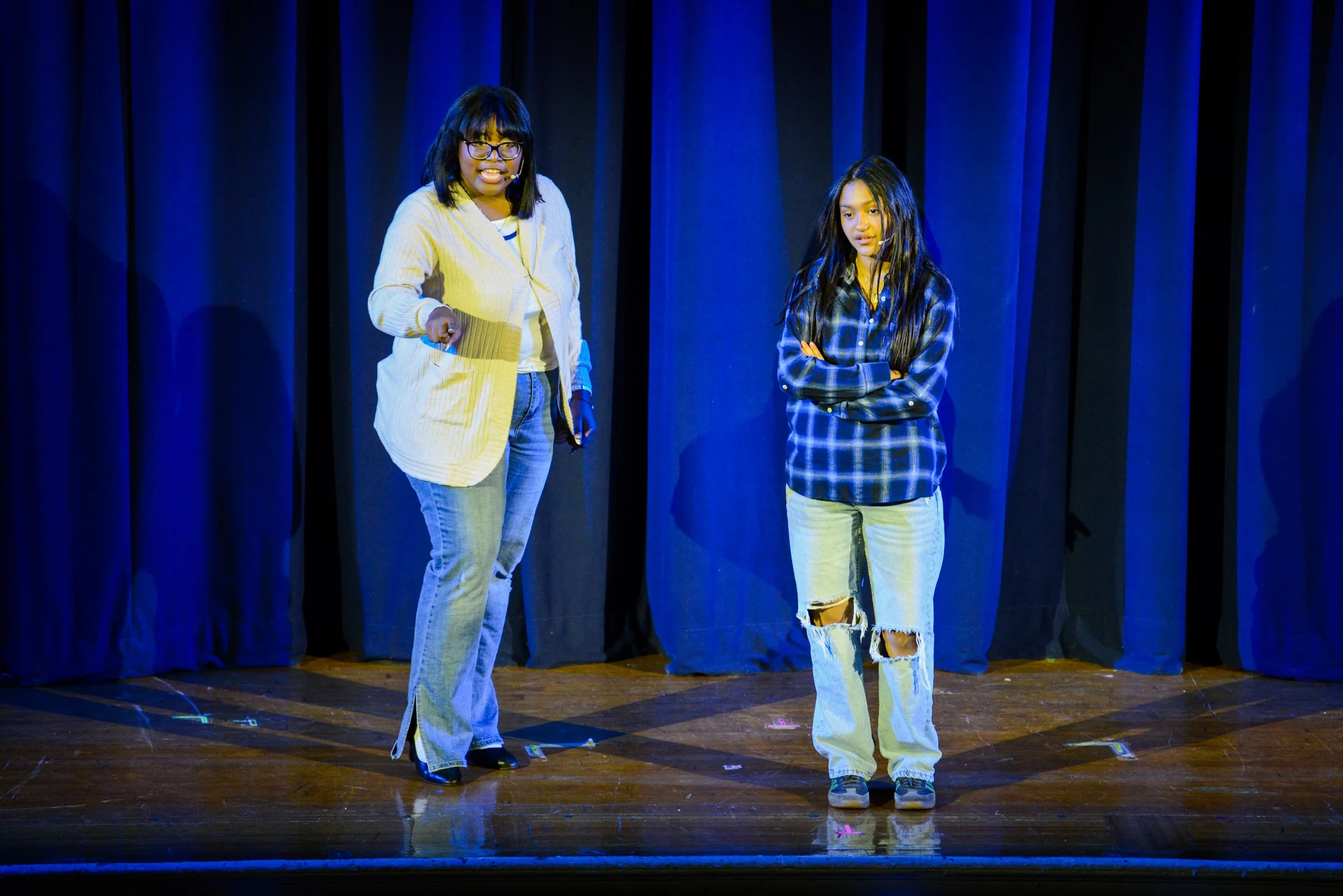
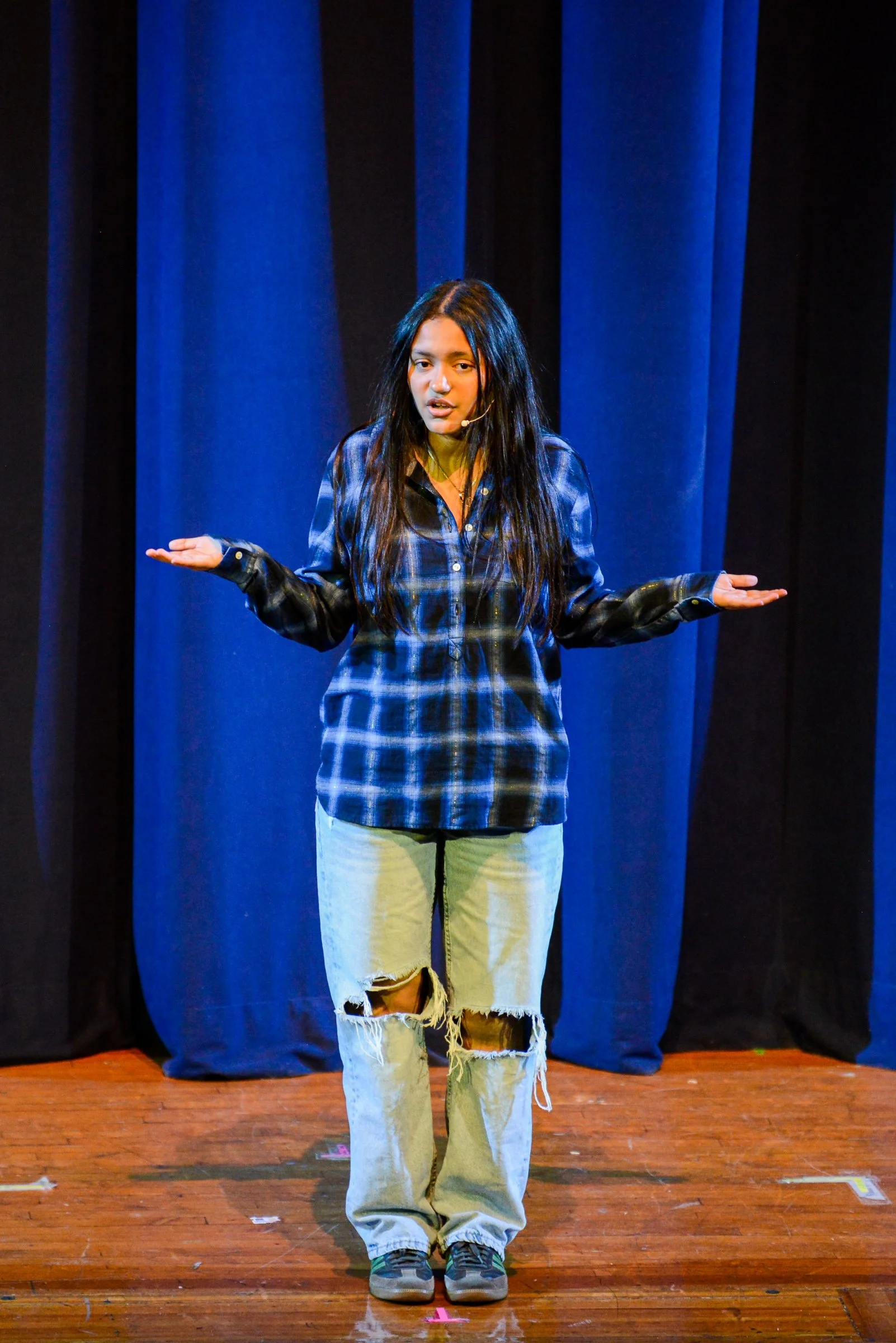
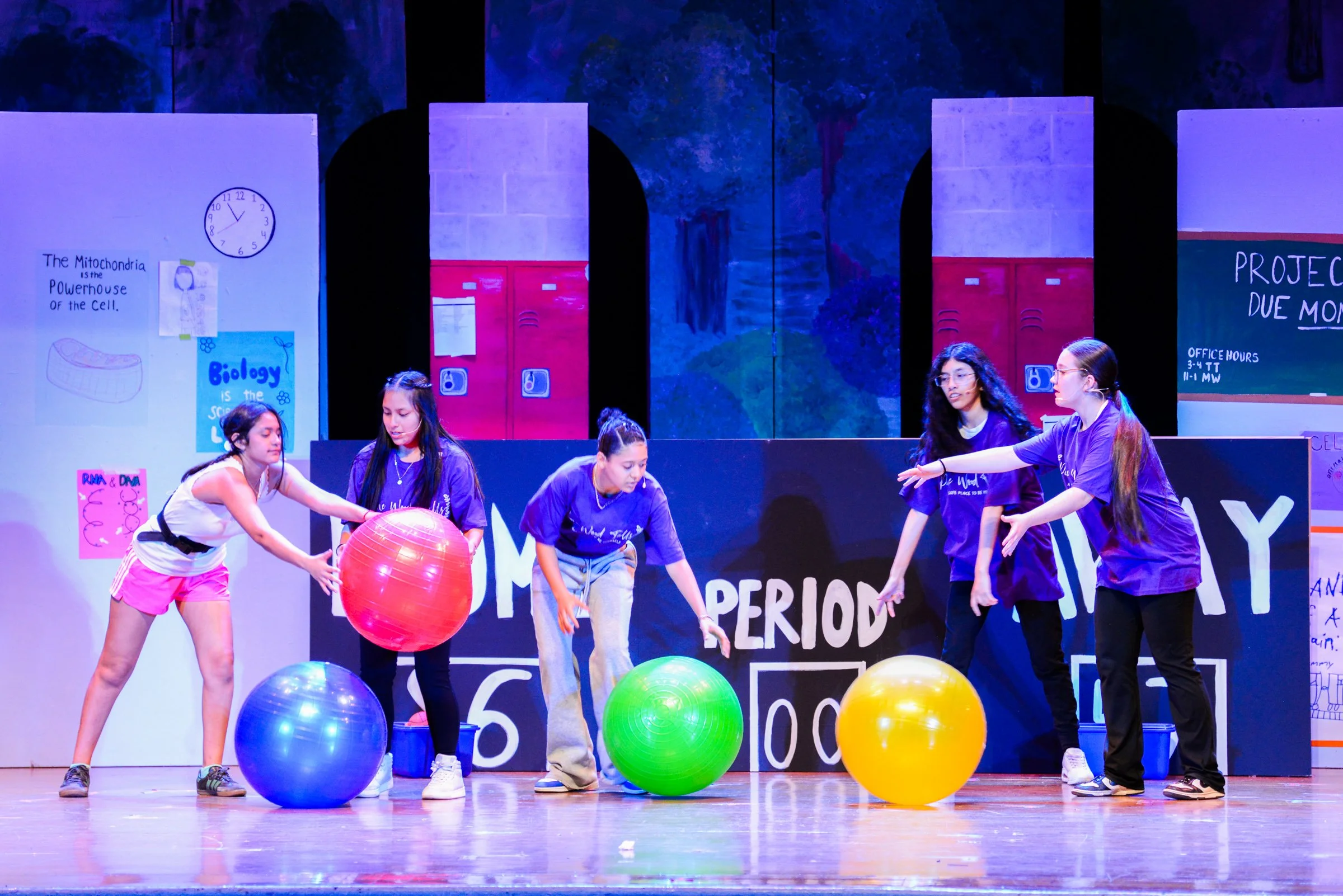
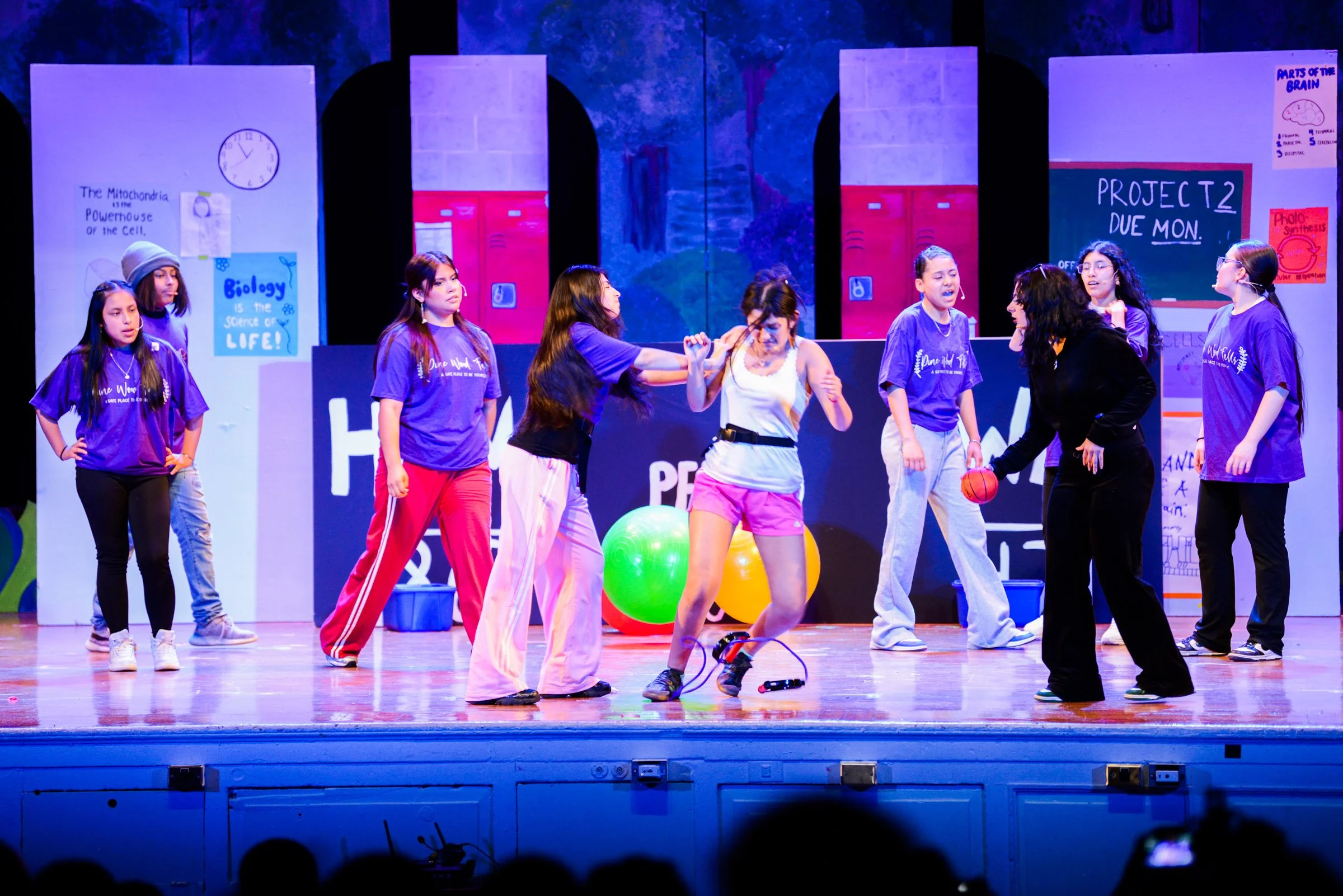
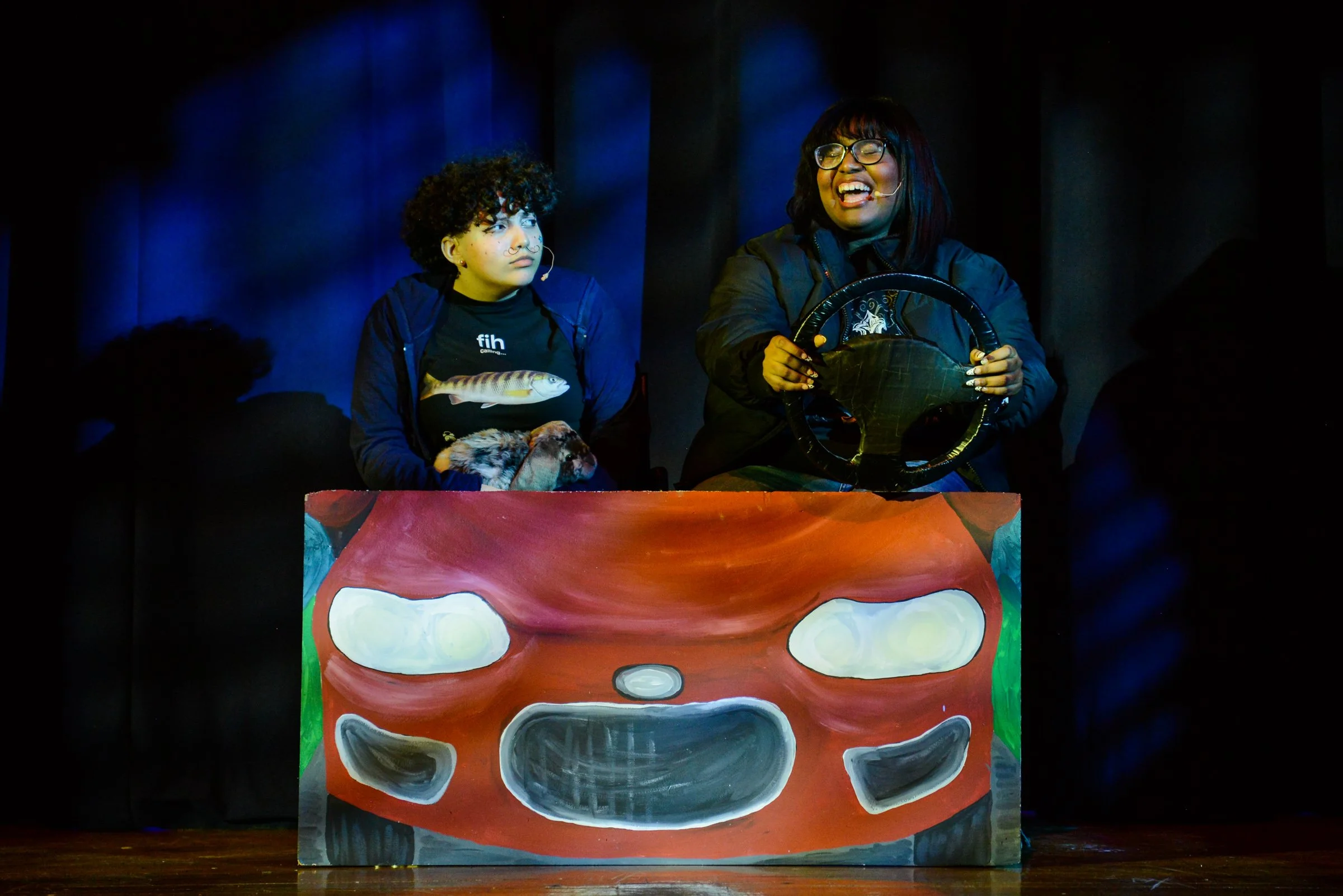
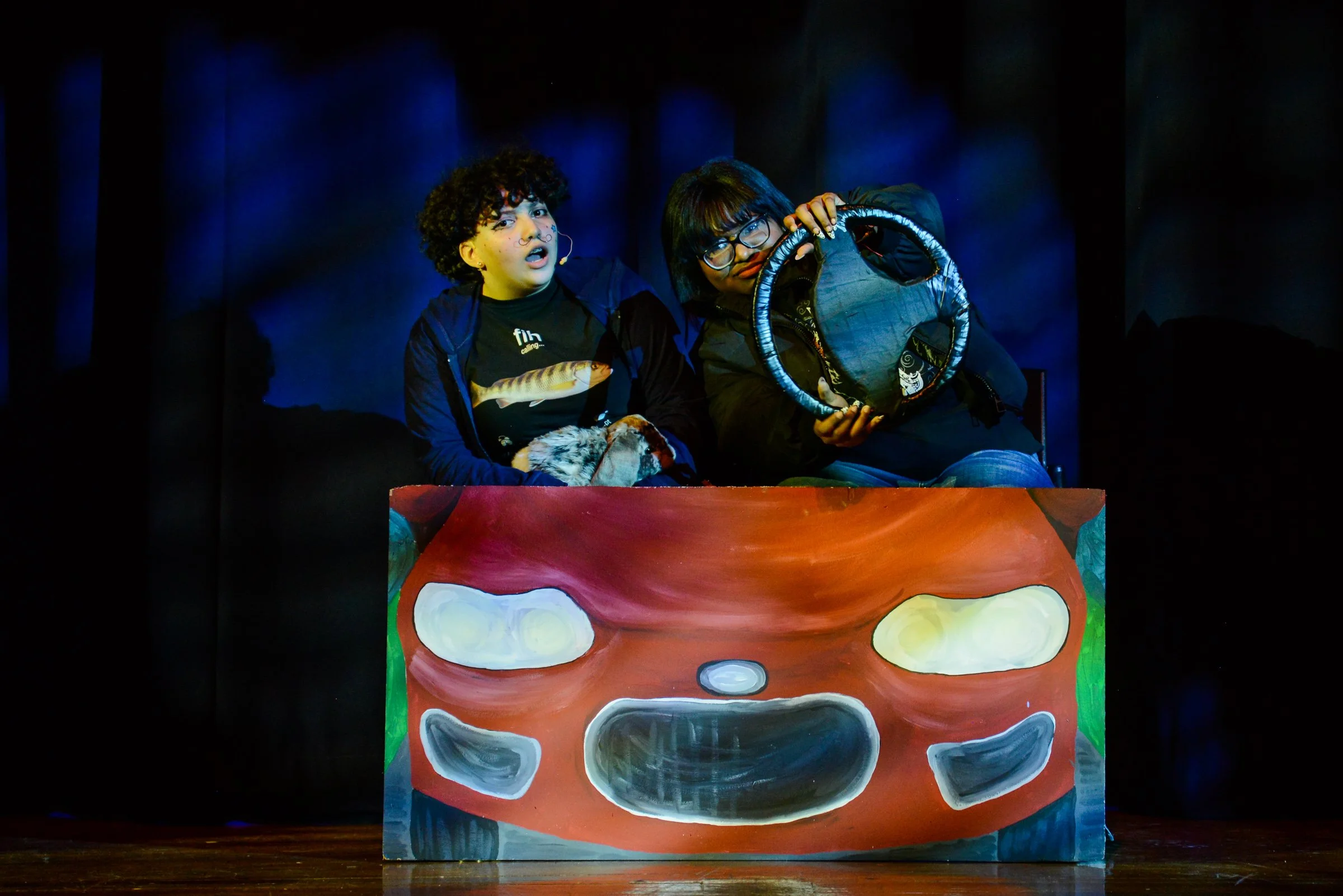
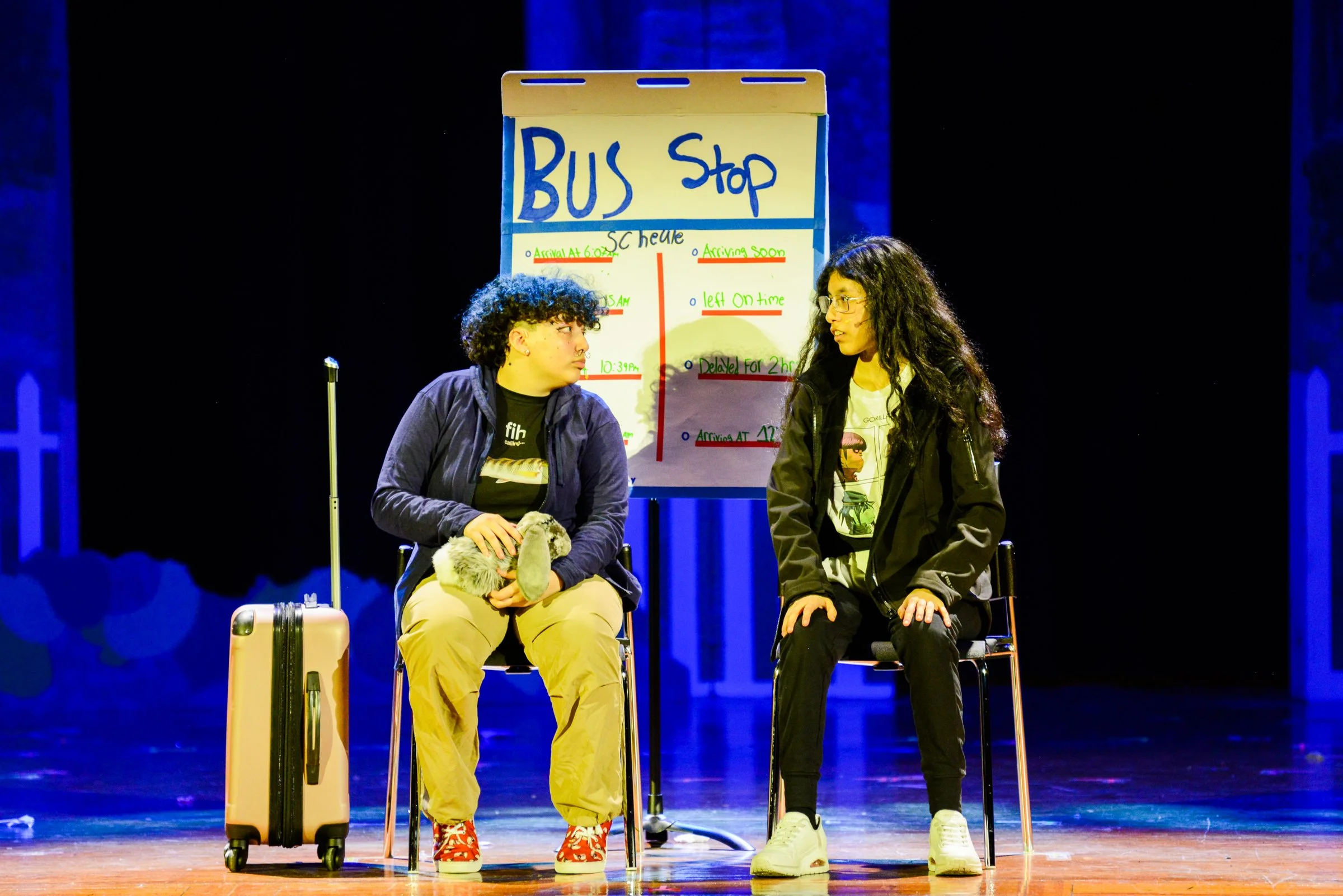
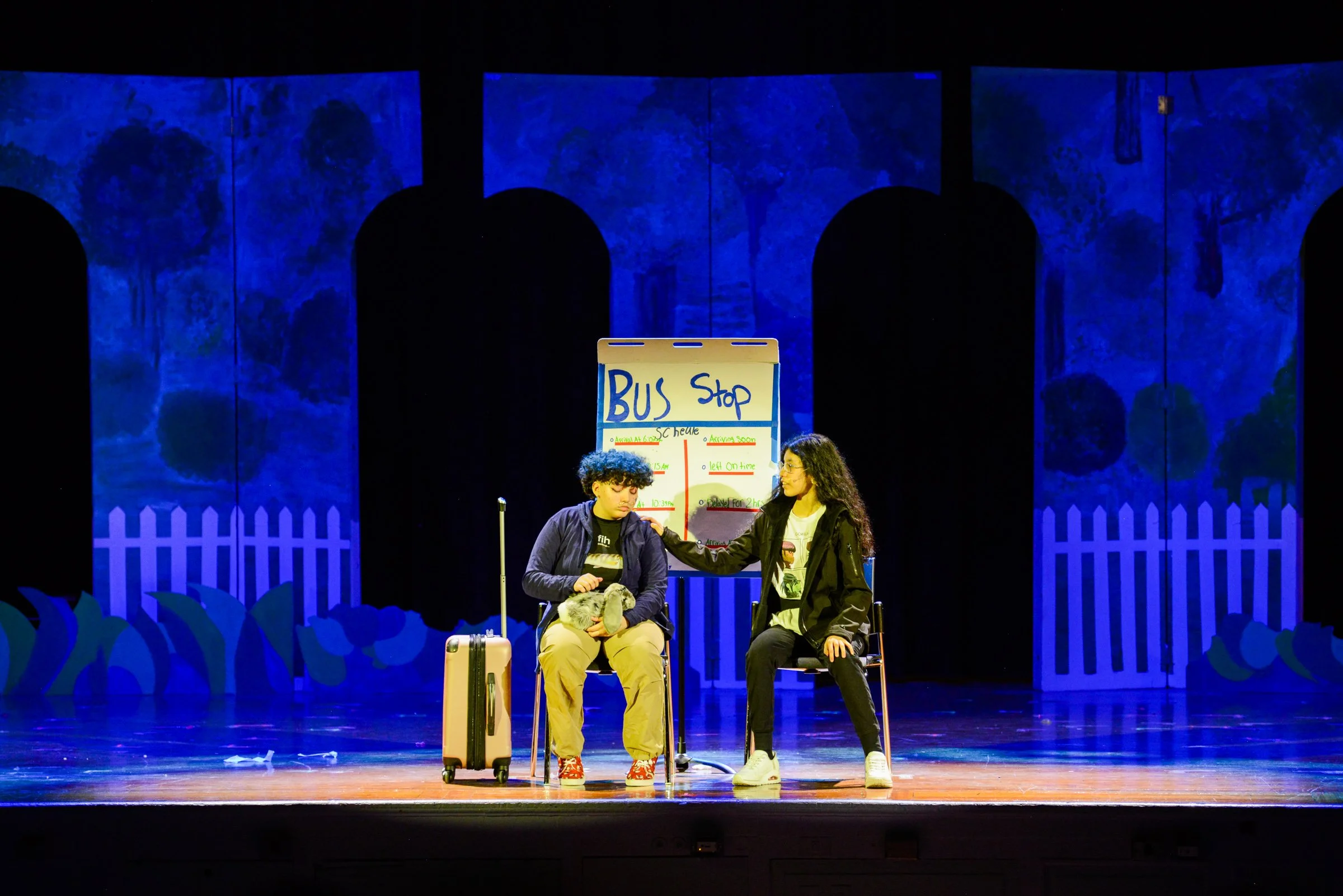
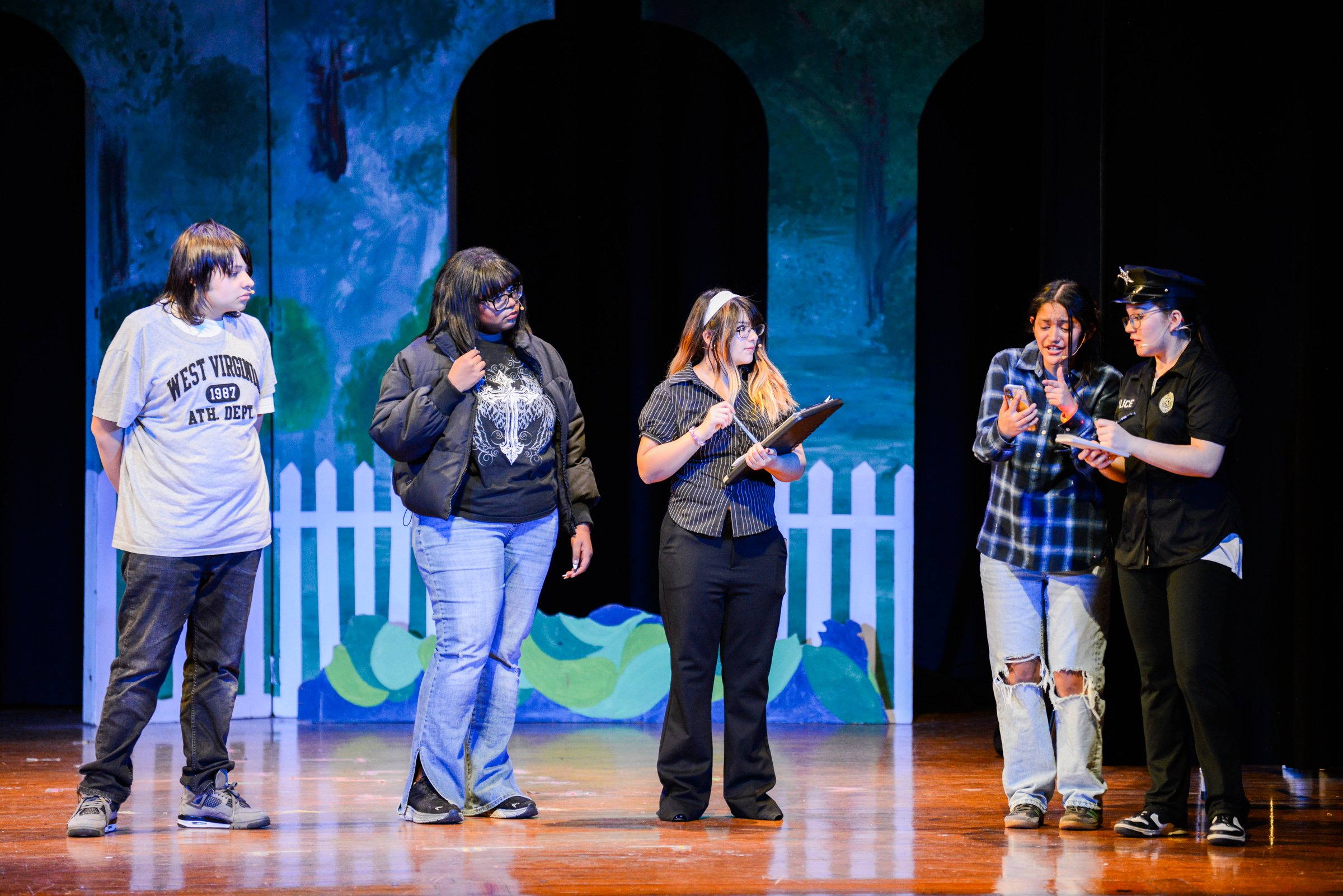
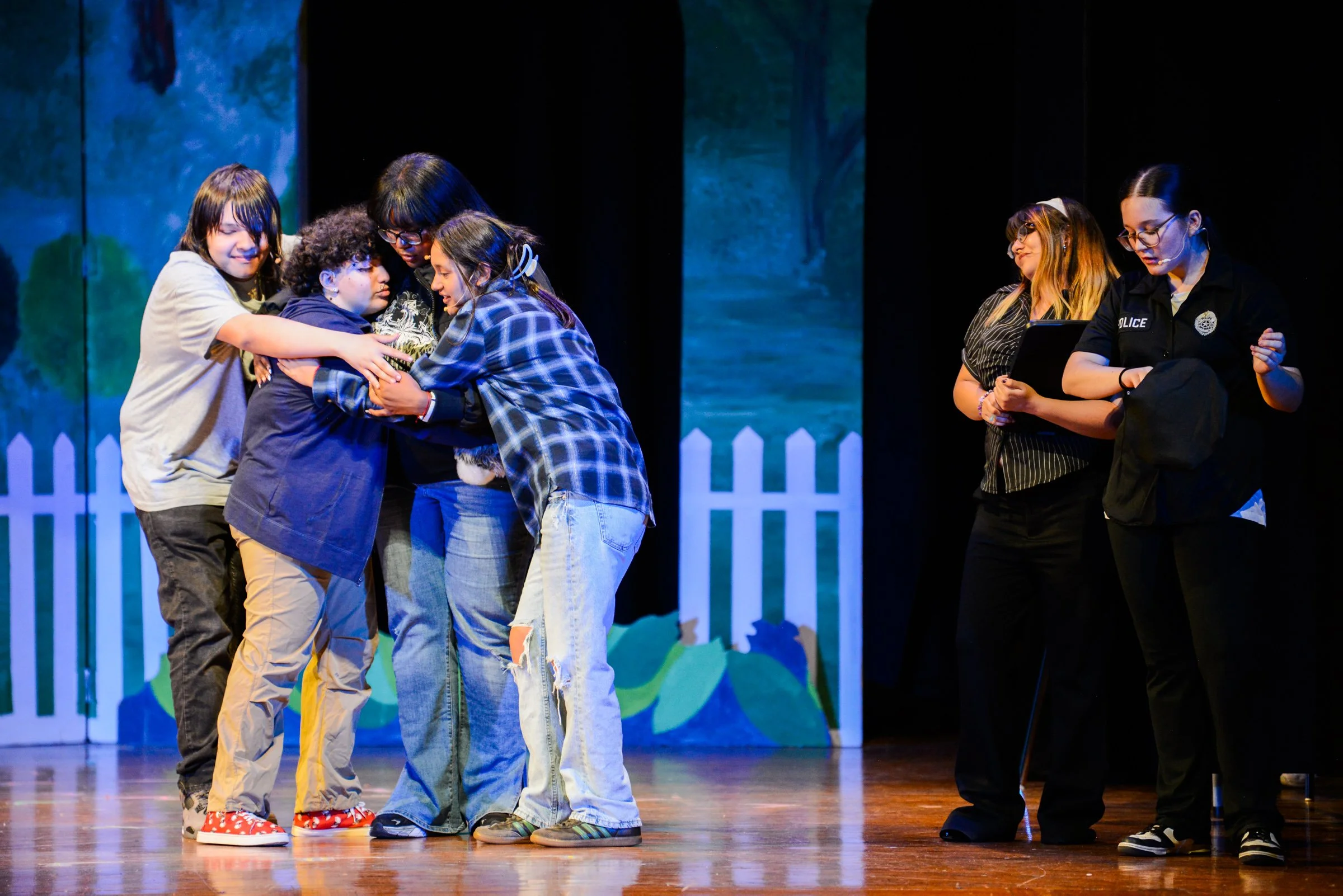
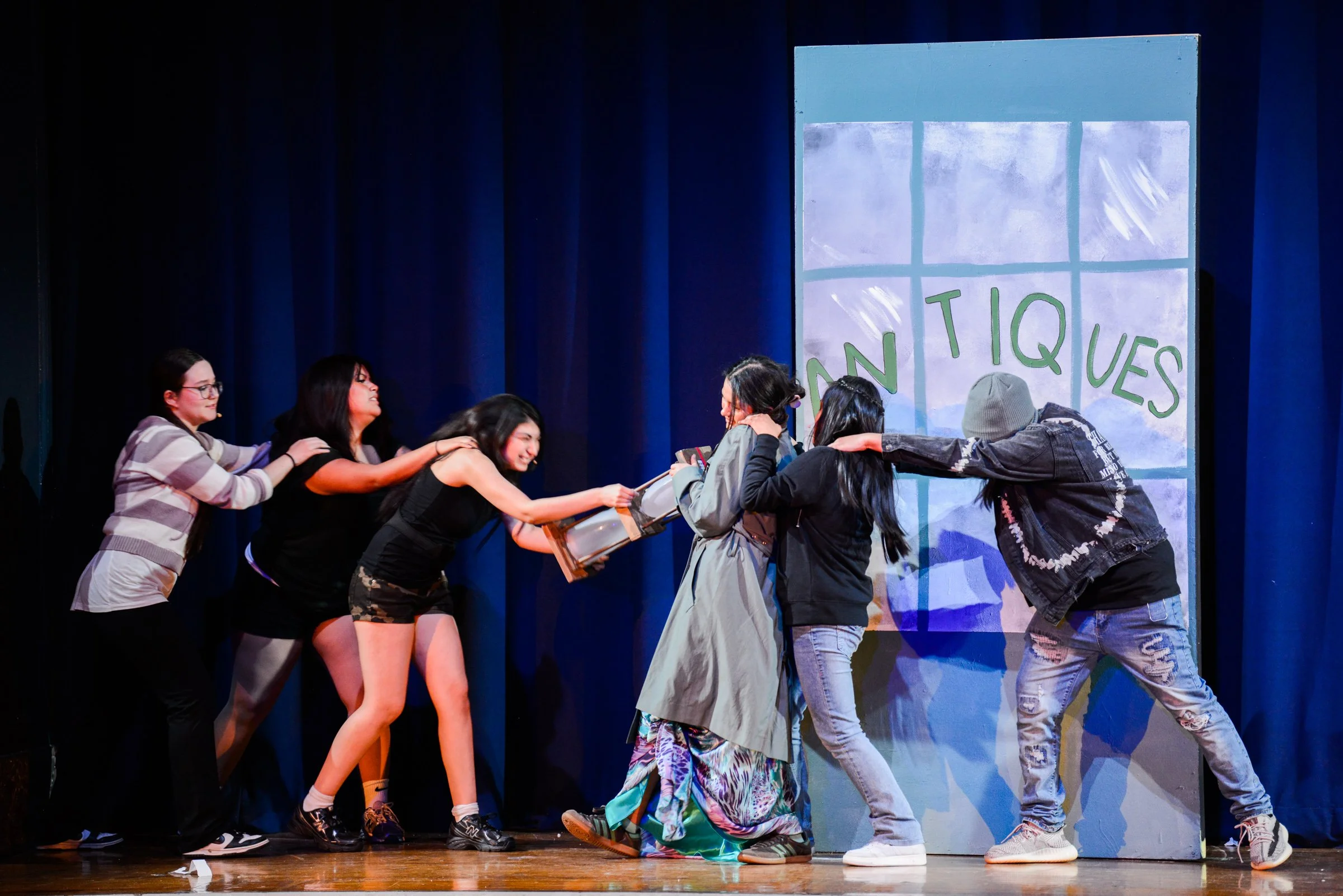
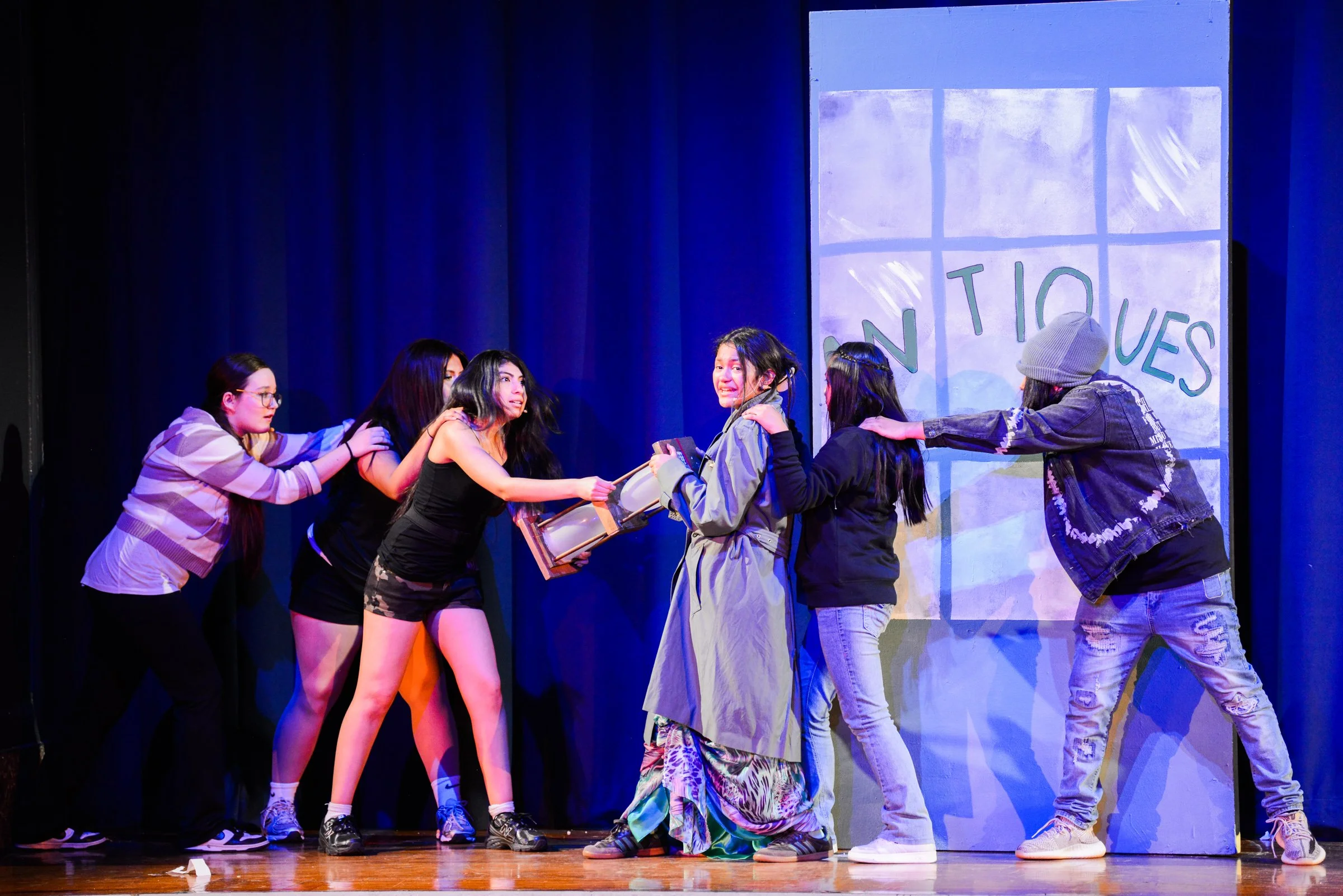
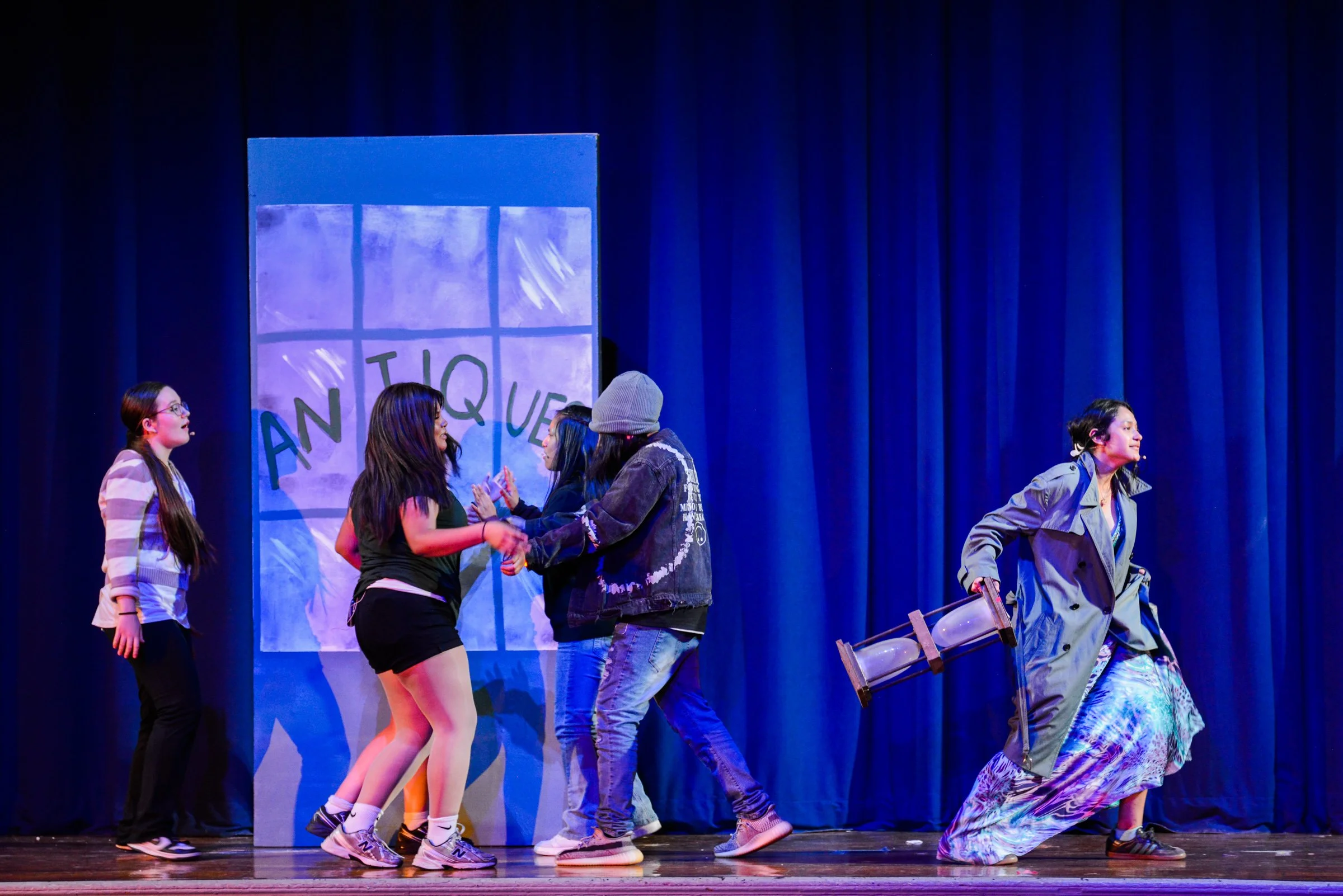
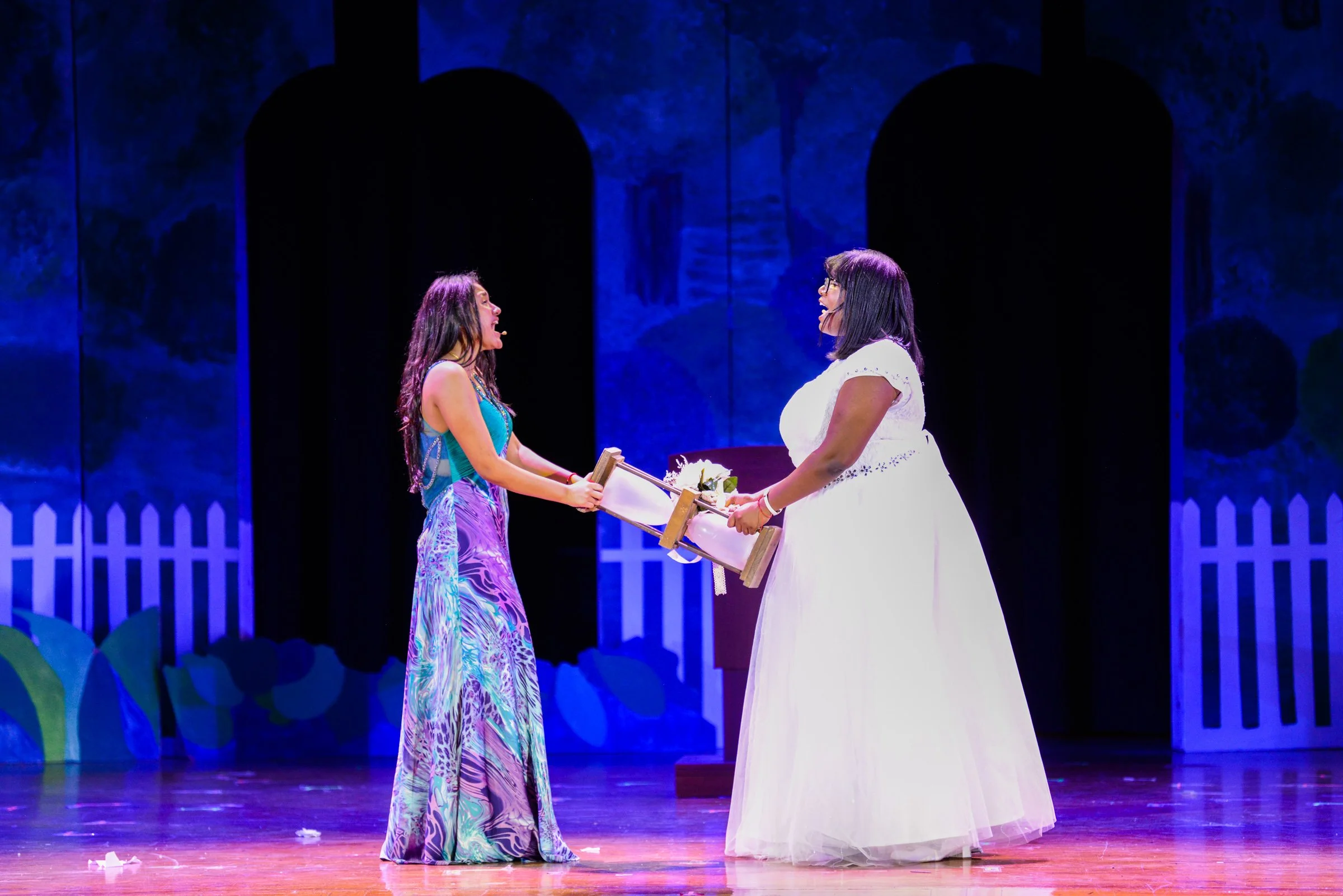
That shift was perhaps the most striking aspect of this year's production of Freaky Friday at Grover Cleveland High School in Ridgewood, Queens. Throughout the school year, approximately seventy-five students participated in musical theater classes and after-school rehearsals that culminated in a fully staged production of the Disney musical.
On the surface, the project looked much like countless school productions that take place across New York City every spring. Students rehearsed scenes, learned music, memorized lines, built sets, operated technical equipment, and prepared for opening night.
What made the experience noteworthy was not the performance itself, but the process that unfolded over the months leading up to it.
Grover Cleveland is a large, diverse public high school serving students from a wide range of linguistic, cultural, and socioeconomic backgrounds. Like many Title I schools, it faces the realities familiar to educators throughout New York City: competing priorities, limited resources, varying levels of student preparedness, and the challenge of creating meaningful learning experiences for young people whose lives often extend far beyond the classroom walls.
Educational theory often speaks confidently about concepts like student engagement, project-based learning, and authentic assessment. Observing the production process offered a reminder that these ideas become far more complicated when applied in real classrooms with real students. Engagement is rarely constant. Motivation fluctuates. Deadlines are missed. Conflicts emerge. Learning is messy. Yet that messiness may be precisely what makes project-based learning so powerful.
Unlike many traditional classroom assignments, a musical cannot be completed the night before it is due. It cannot be crammed for. It cannot be completed in isolation. It demands sustained effort over an extended period of time and requires students to rely on one another in ways that few academic experiences do. The production gave students something that many classroom assignments struggle to provide: a shared purpose.
Every rehearsal, every technical adjustment, every costume fitting, every line memorized and every set piece constructed contributed toward a common goal that students could see taking shape in front of them. The work was not theoretical. It was tangible. The consequences of participation—and nonparticipation—were immediately visible.
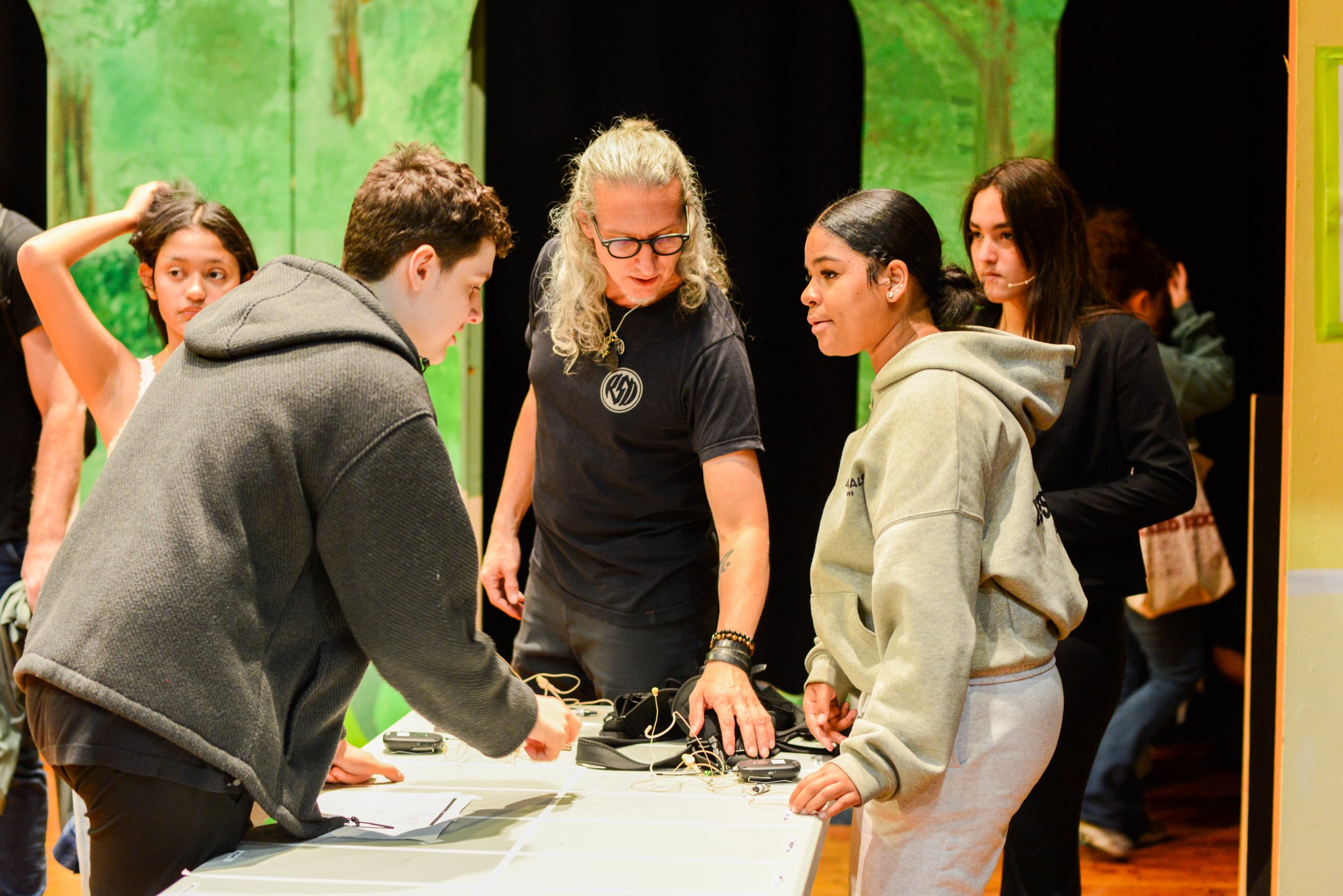
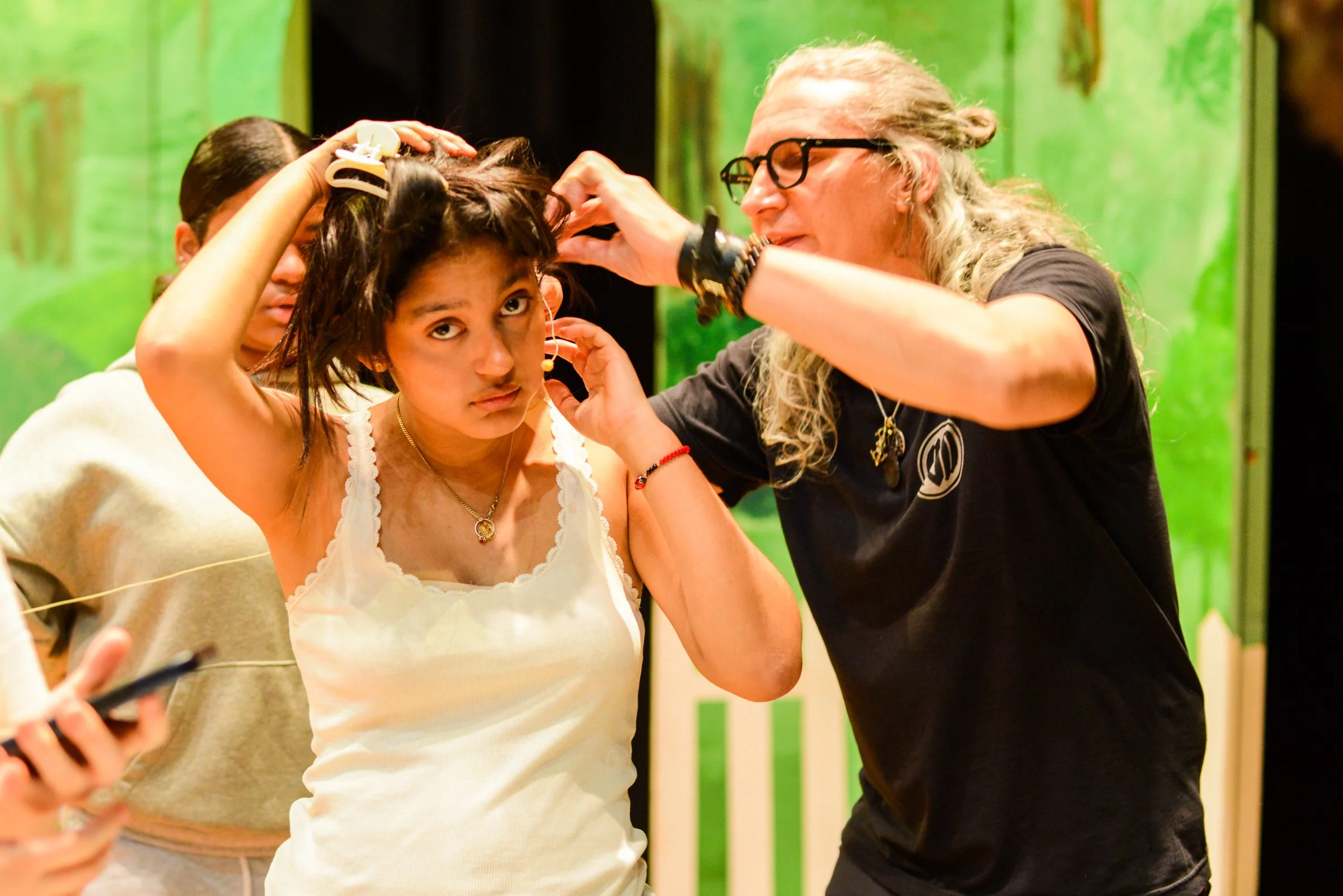
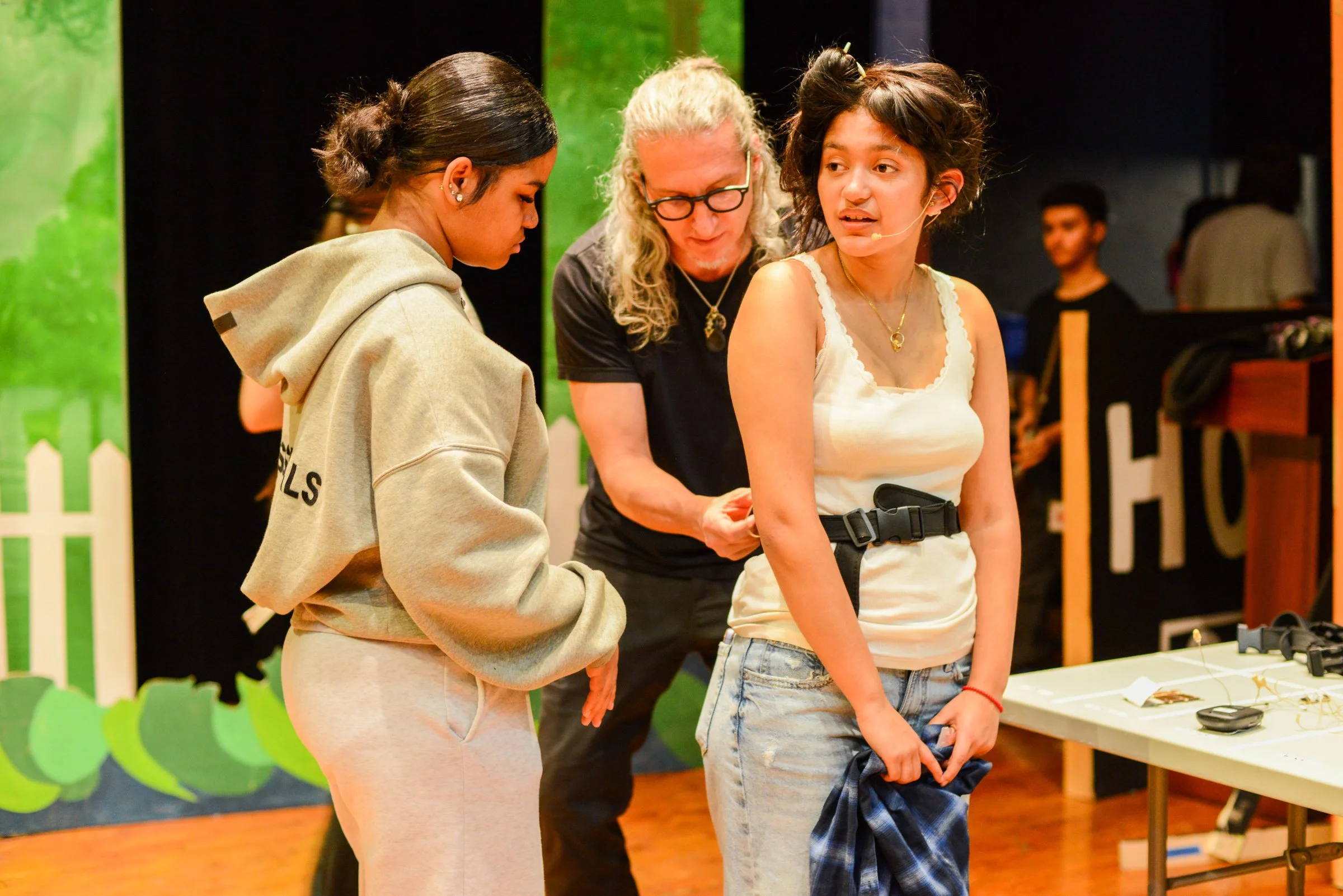
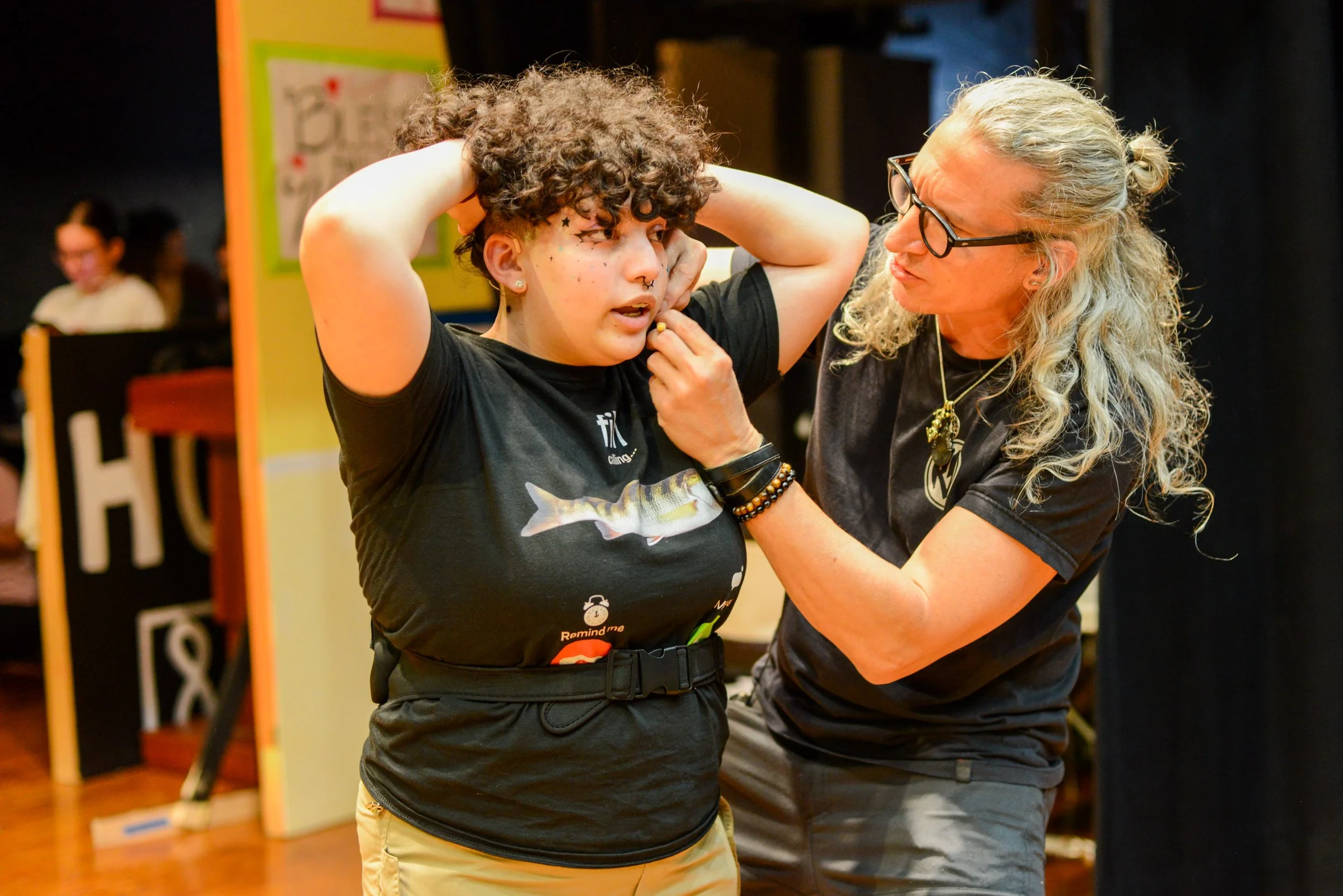
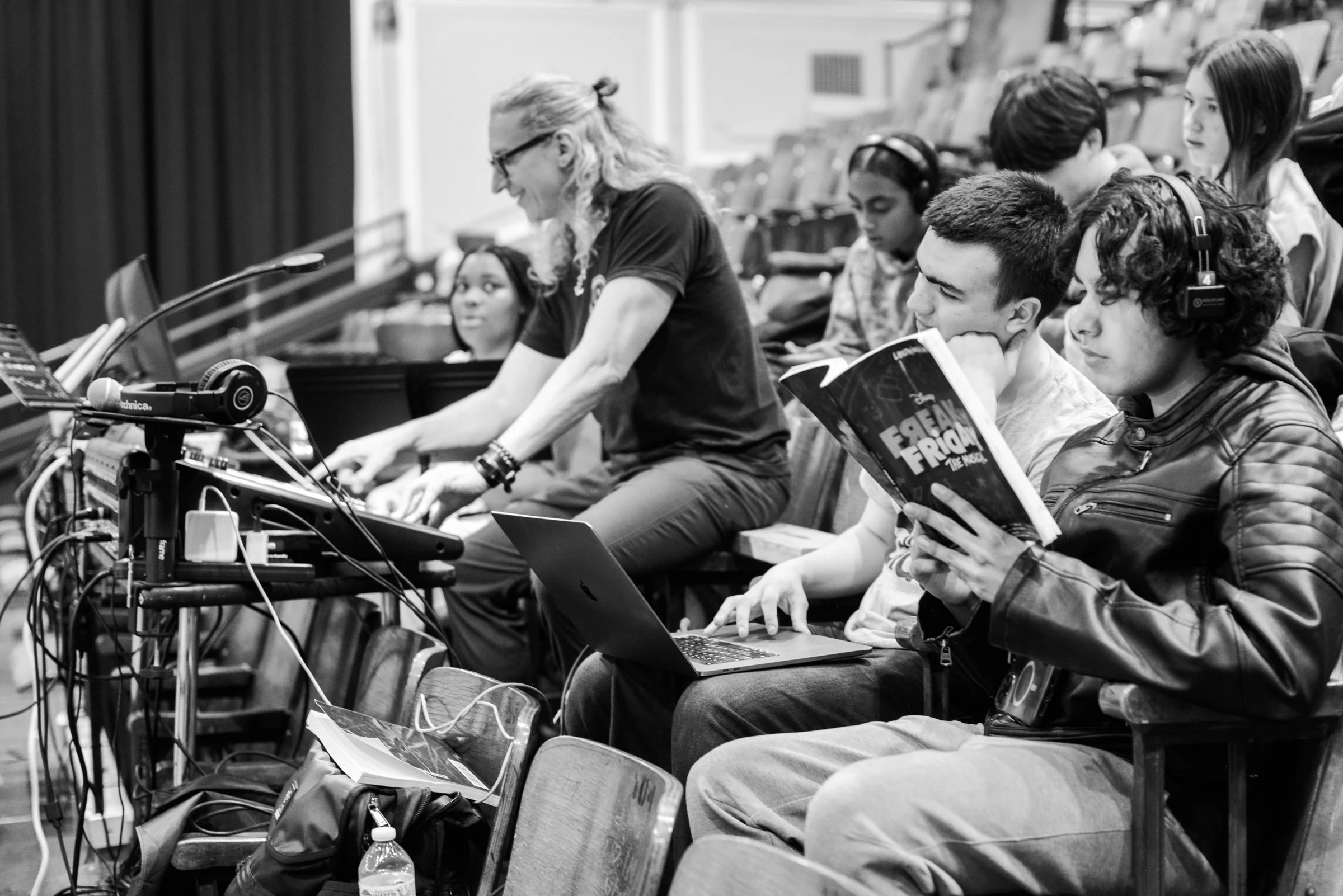
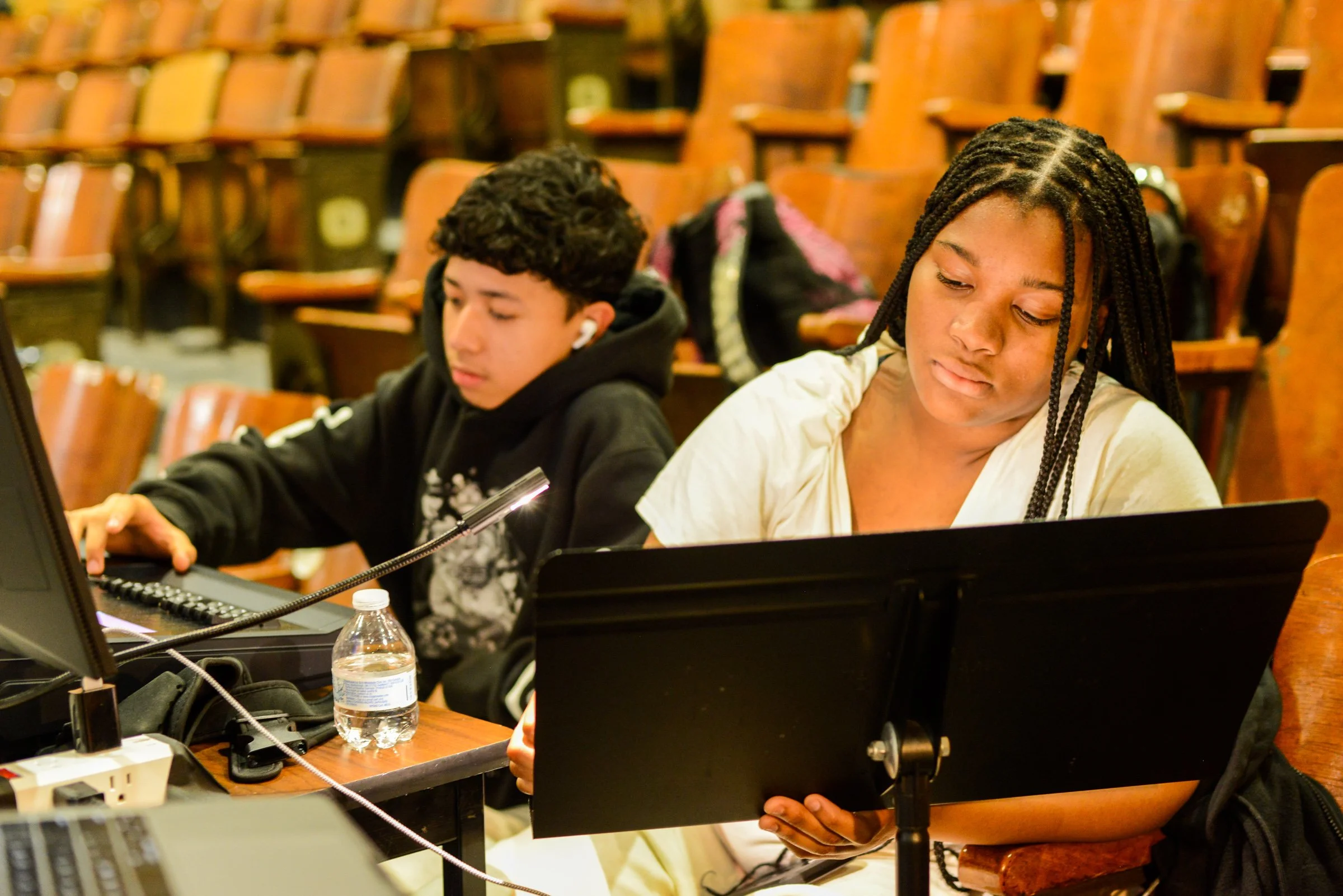
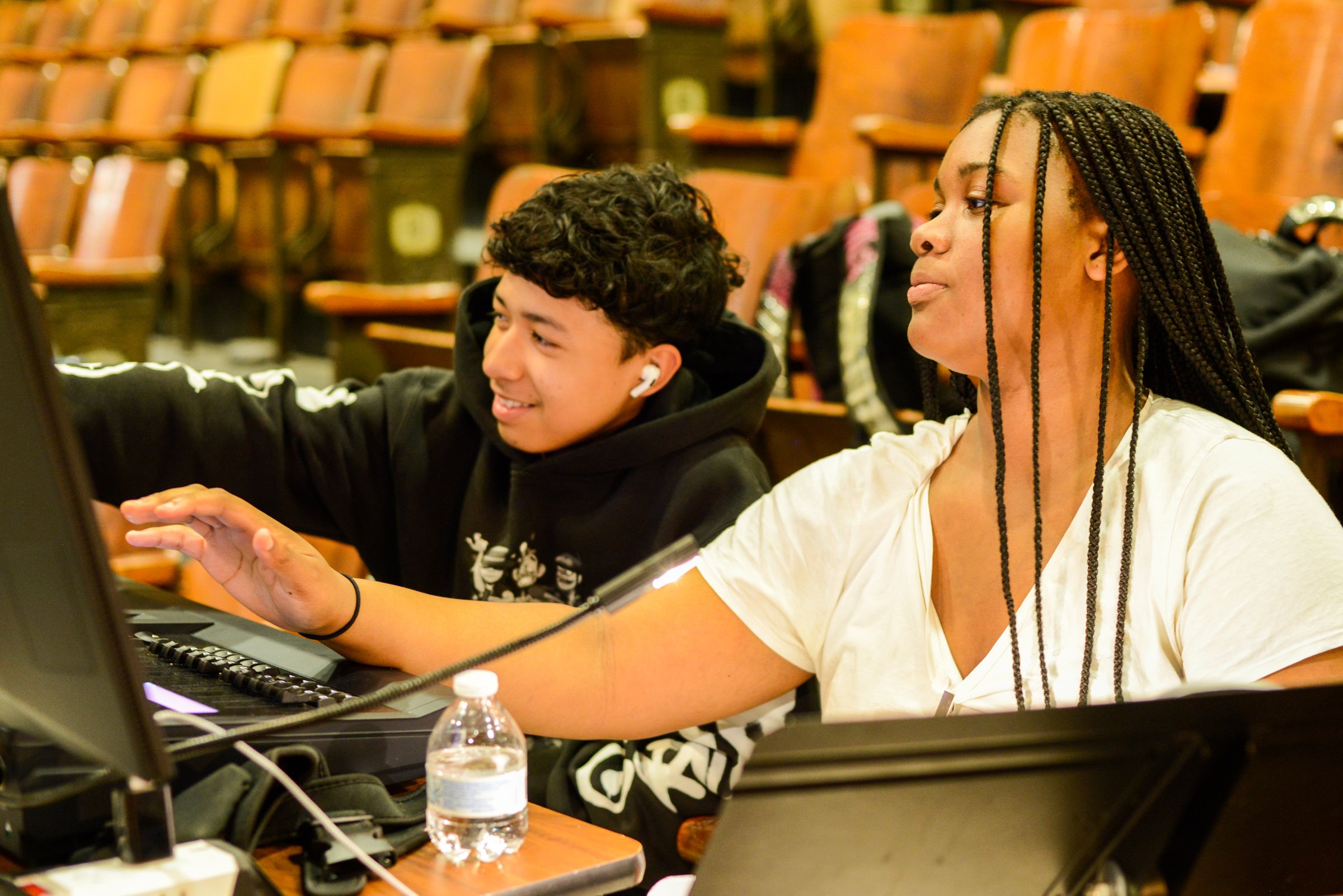
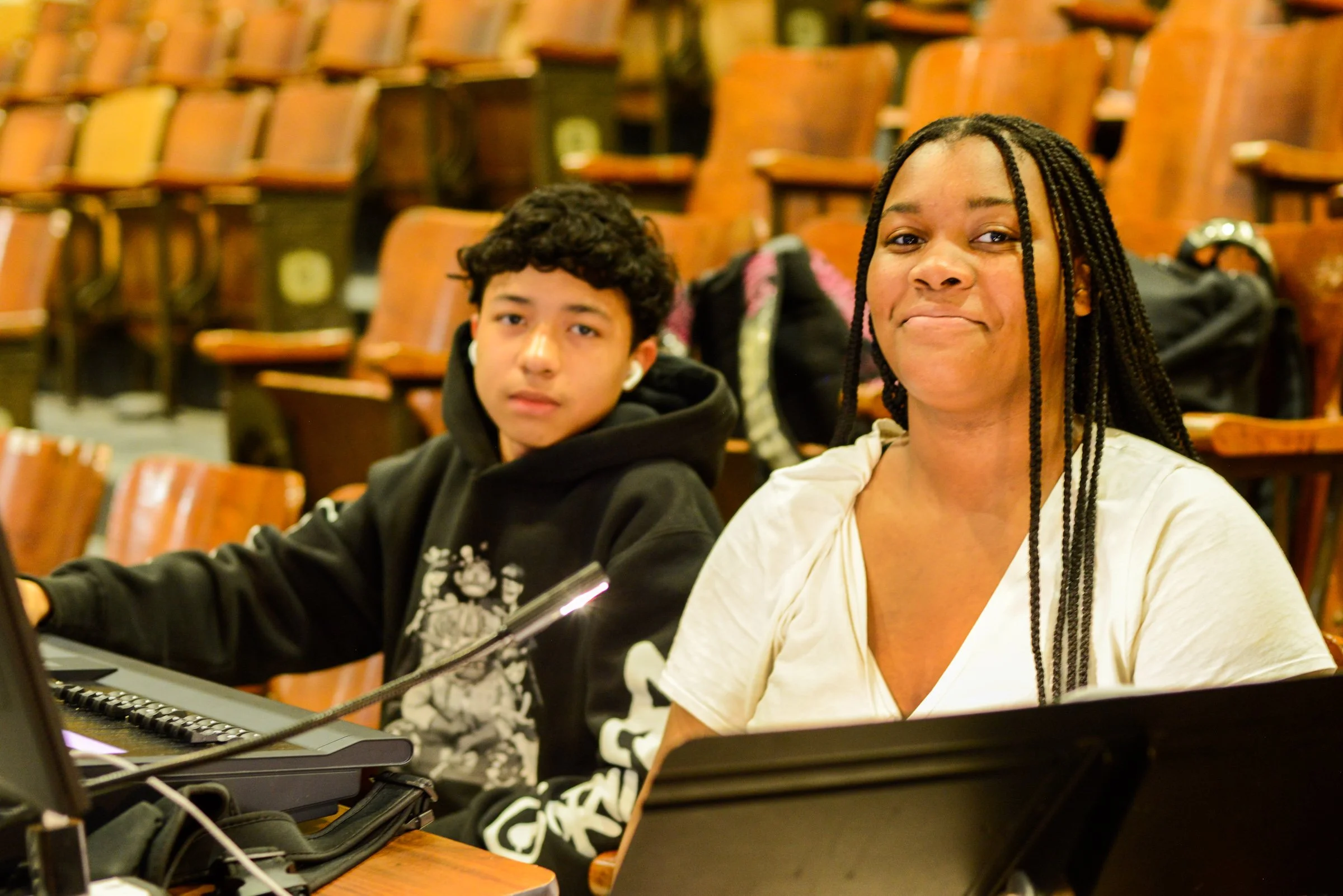
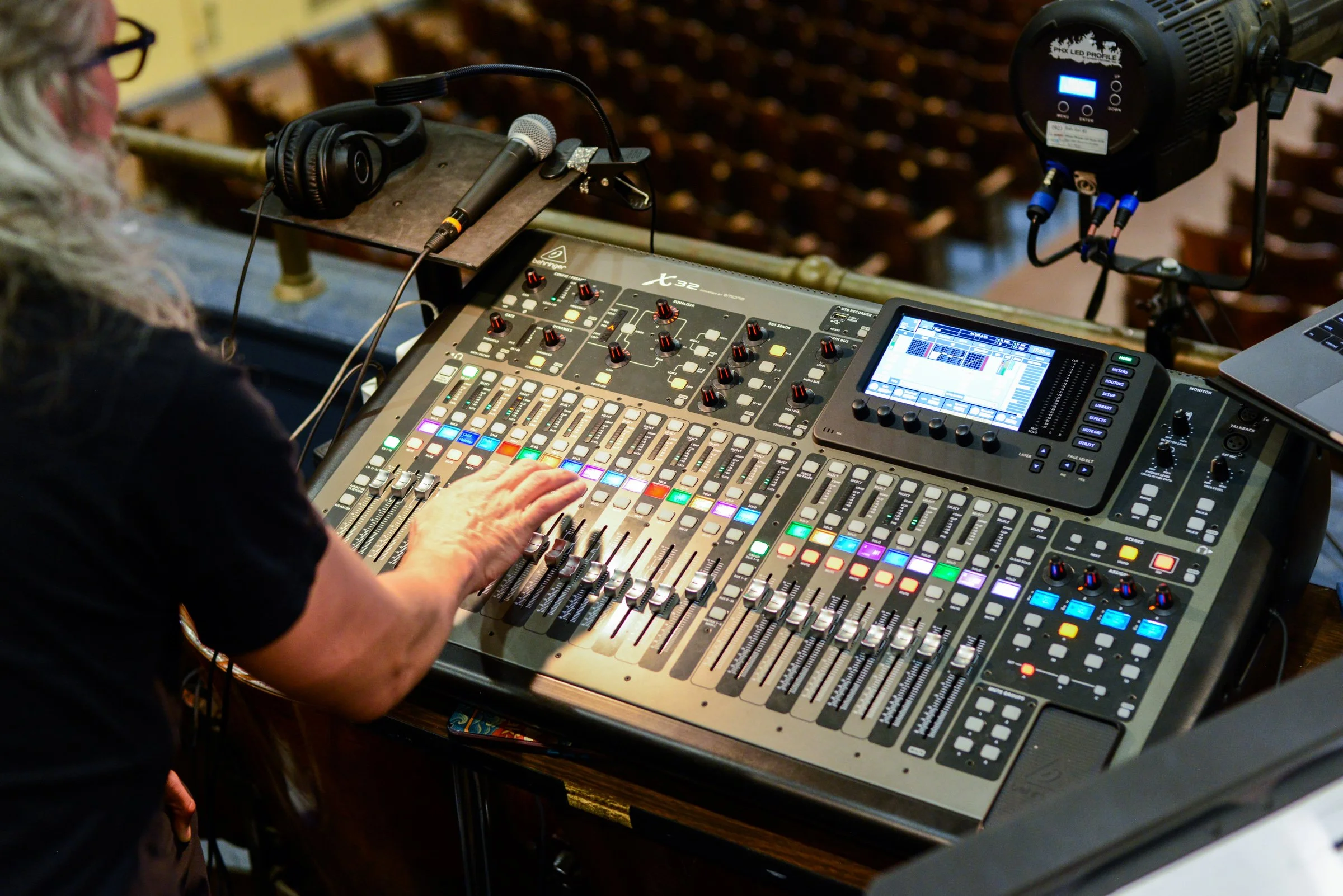
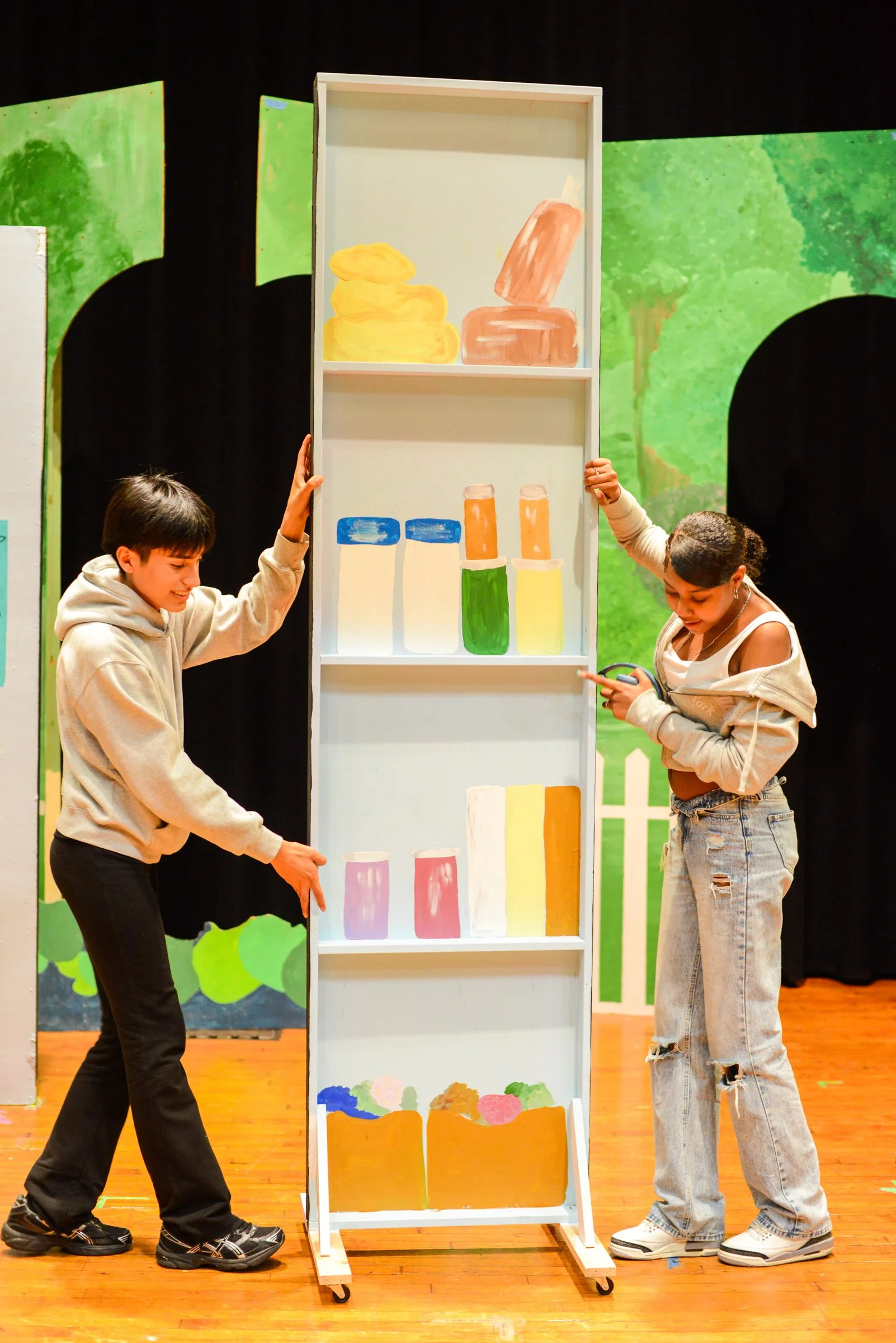
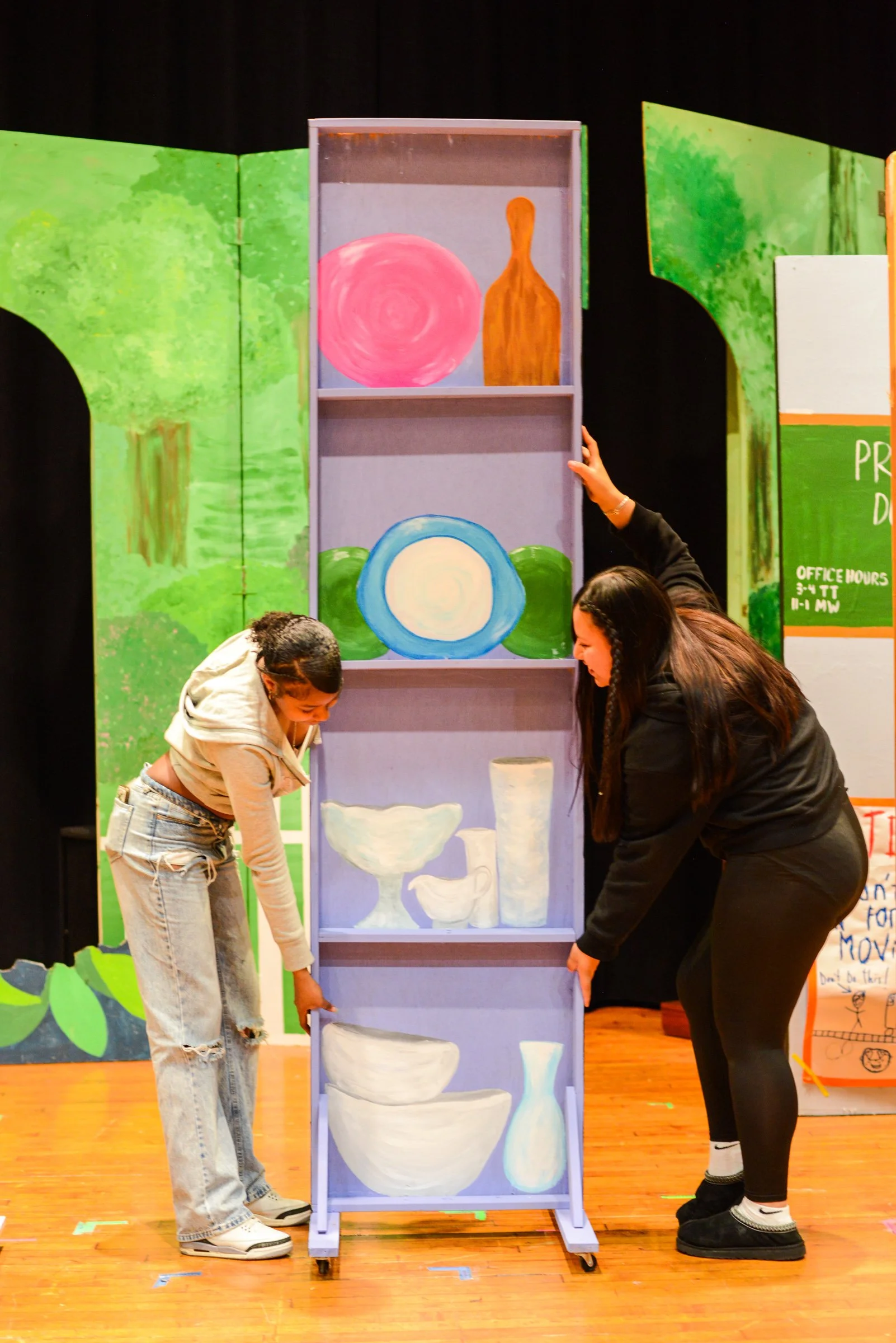
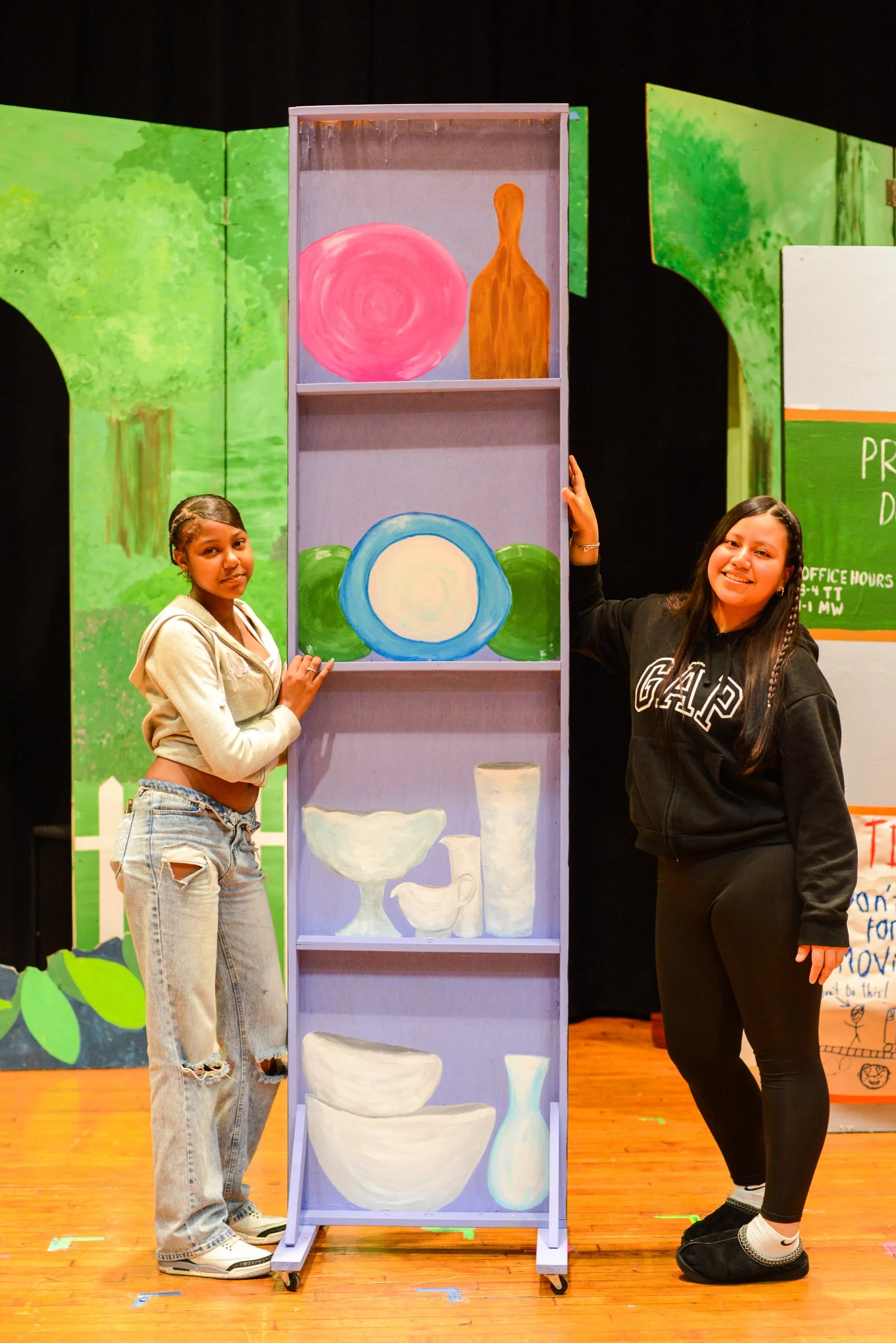
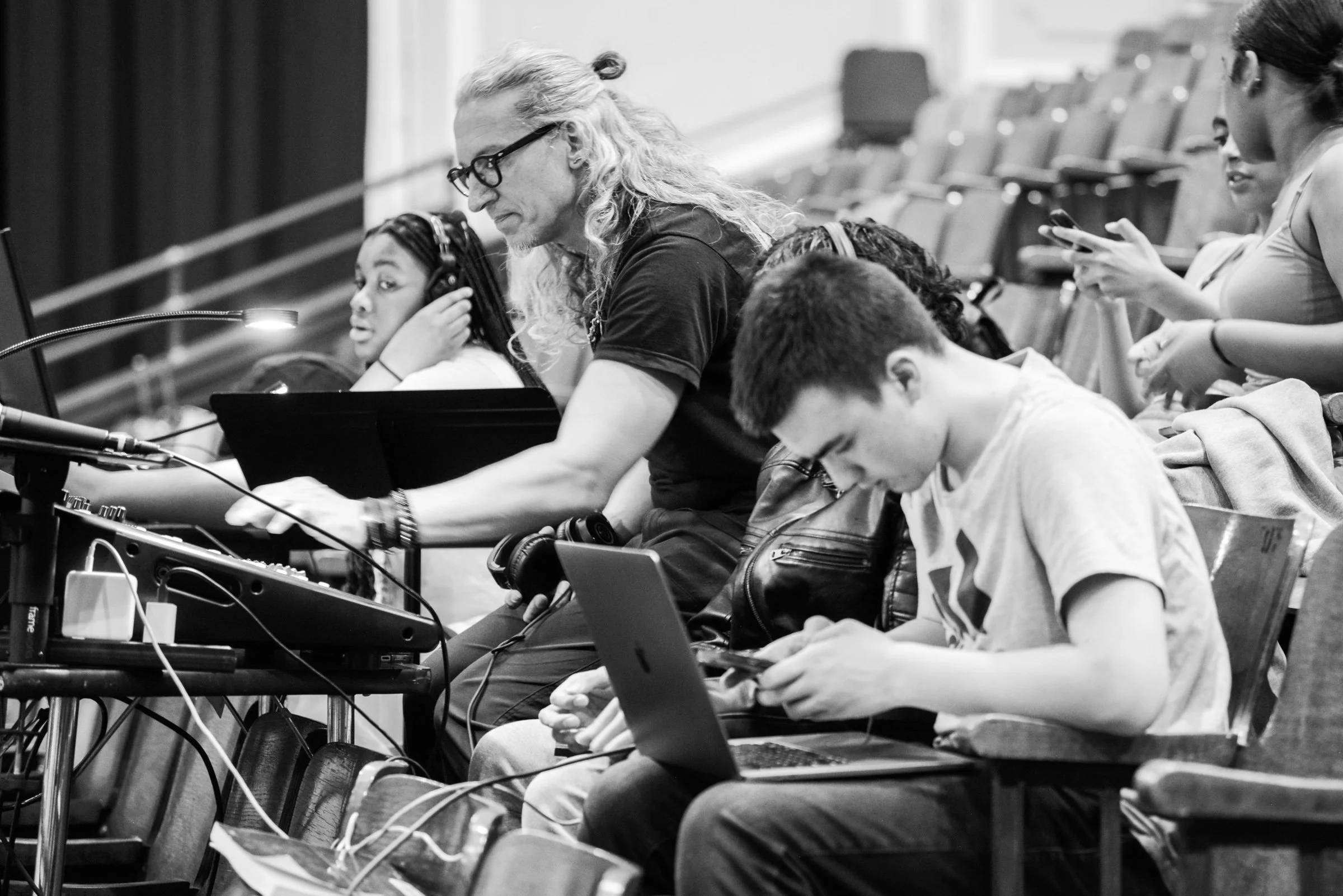
One of the most revealing aspects of the process was watching students discover that theater extends far beyond performance. Many of the students who appeared least interested in acting became deeply invested once they encountered the technical and production elements of the work. Lighting, sound, stage management, scene changes, and set construction offered alternative pathways into the creative process. Students who struggled to connect with traditional classroom instruction often demonstrated remarkable focus when presented with concrete problems that needed solving and responsibilities that carried real consequences.
The lesson was not simply that students have different talents. It was that they often reveal those talents only when given authentic opportunities to use them. A student who appears disengaged during a lecture may become indispensable when responsible for coordinating a complex backstage operation. Another may discover a passion for technical theater. Another may emerge as an organizer capable of managing people and logistics under pressure. The production became a laboratory for forms of leadership that are not always recognized or rewarded in conventional academic settings.
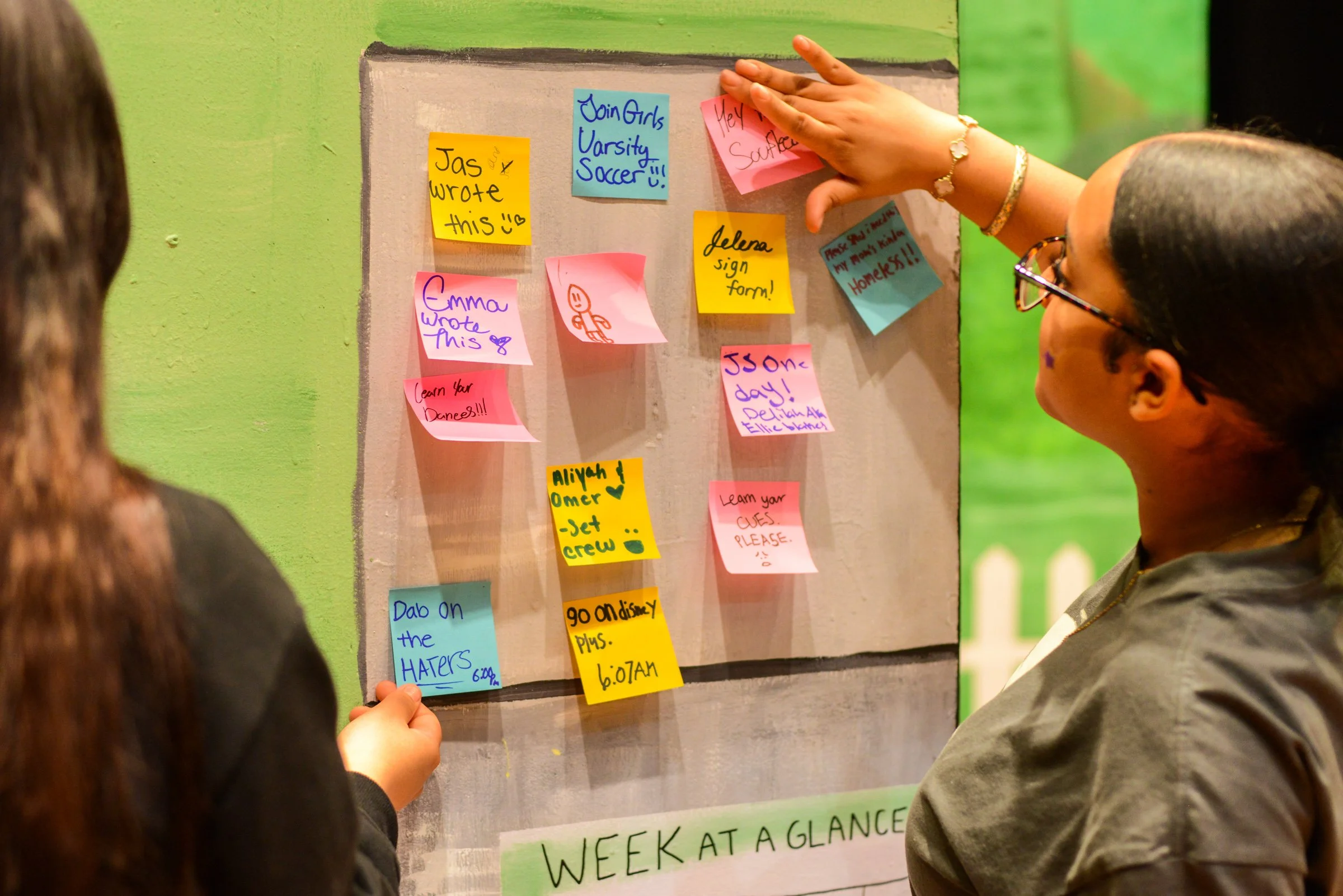
What emerged over time was a growing sense of collective ownership. Early in the year, students frequently looked to adults for answers. By the final weeks of rehearsal, many of those same students were leading significant portions of the production themselves. They managed scene changes, operated technical systems, supported peers, and solved problems independently. The adults remained essential, but their role increasingly shifted from directing the work to supporting it.
This transition may be one of the most underappreciated goals of education. Success is often measured by what students can do while adults are watching. The more meaningful question is what students can do when adults step back. By opening night, students were leading nearly every aspect of the production. Actors performed. Stage managers coordinated. Technicians ran sound and lighting systems. Crew members executed complex transitions. What audience members witnessed was not simply a school musical. It was the culmination of months spent learning how to function as a community.
Parents saw students who had developed confidence and professionalism. Administrators observed significant growth in the quality of the program. Students themselves celebrated the performance, but they also celebrated something less visible: the realization that they were capable of more than they had initially believed.
Theater is often praised for teaching artistic skills, and it certainly does. Students learn how to sing, act, dance, design, build, and perform. Yet the most enduring lessons tend to have little to do with the stage. Students learn that meaningful work requires persistence. They learn that other people depend on them. They learn that setbacks are inevitable and that progress rarely occurs in a straight line. They learn that communities function best when individuals contribute their unique strengths to a shared endeavor.
Most importantly, they learn that responsibility is not something assigned by an adult. It is something accepted. The production of Freaky Friday ended, as all productions do, with applause, photographs, and the gradual dismantling of everything that had been built. What remained was something harder to see.
For a brief period, seventy-five students had created and sustained a complex system that depended upon trust, collaboration, and mutual accountability. They learned how to lead it. They learned how to support it. And eventually, they learned how to make it work without relying on adults to carry it for them. In education, there are few stronger indicators of success than that.