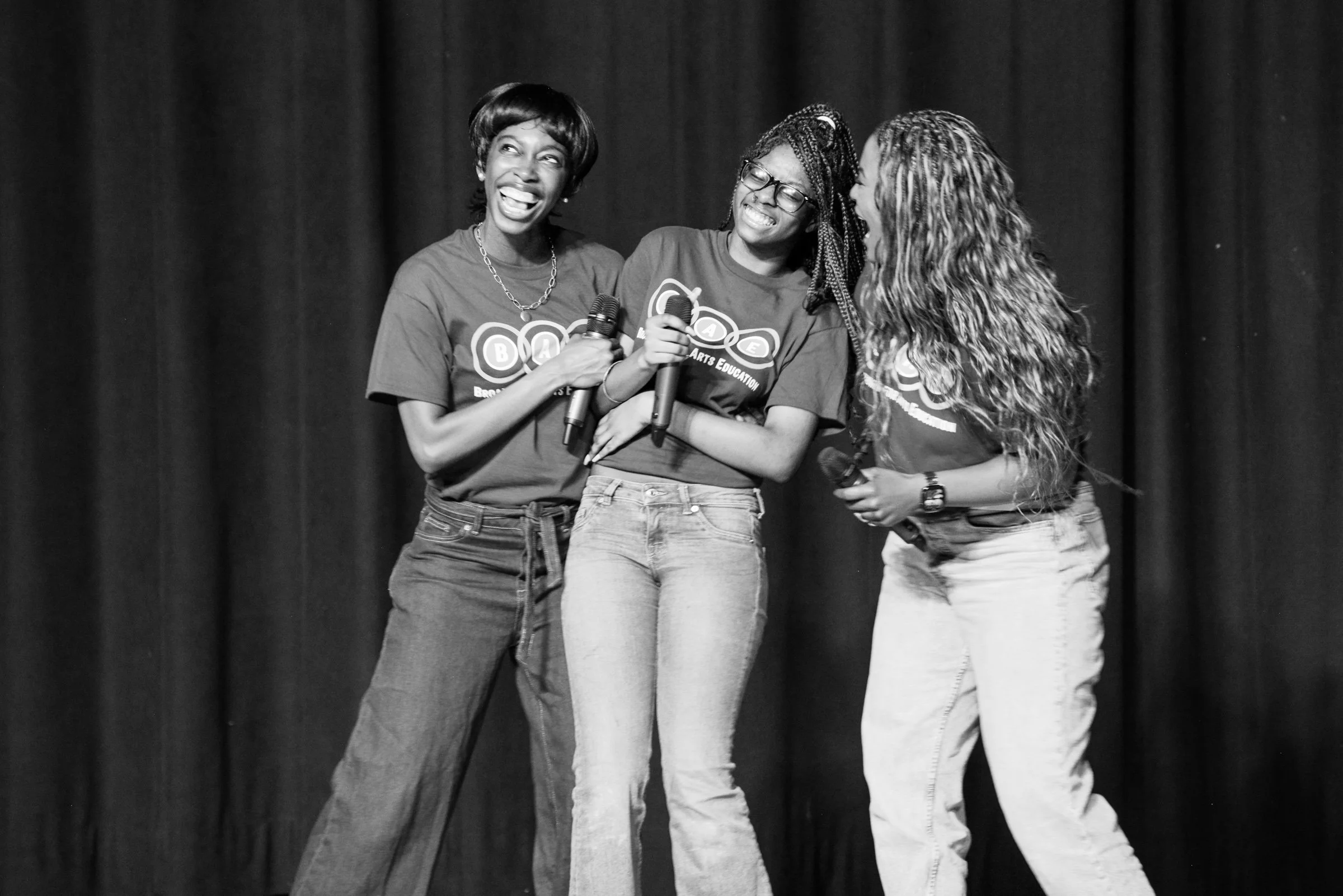
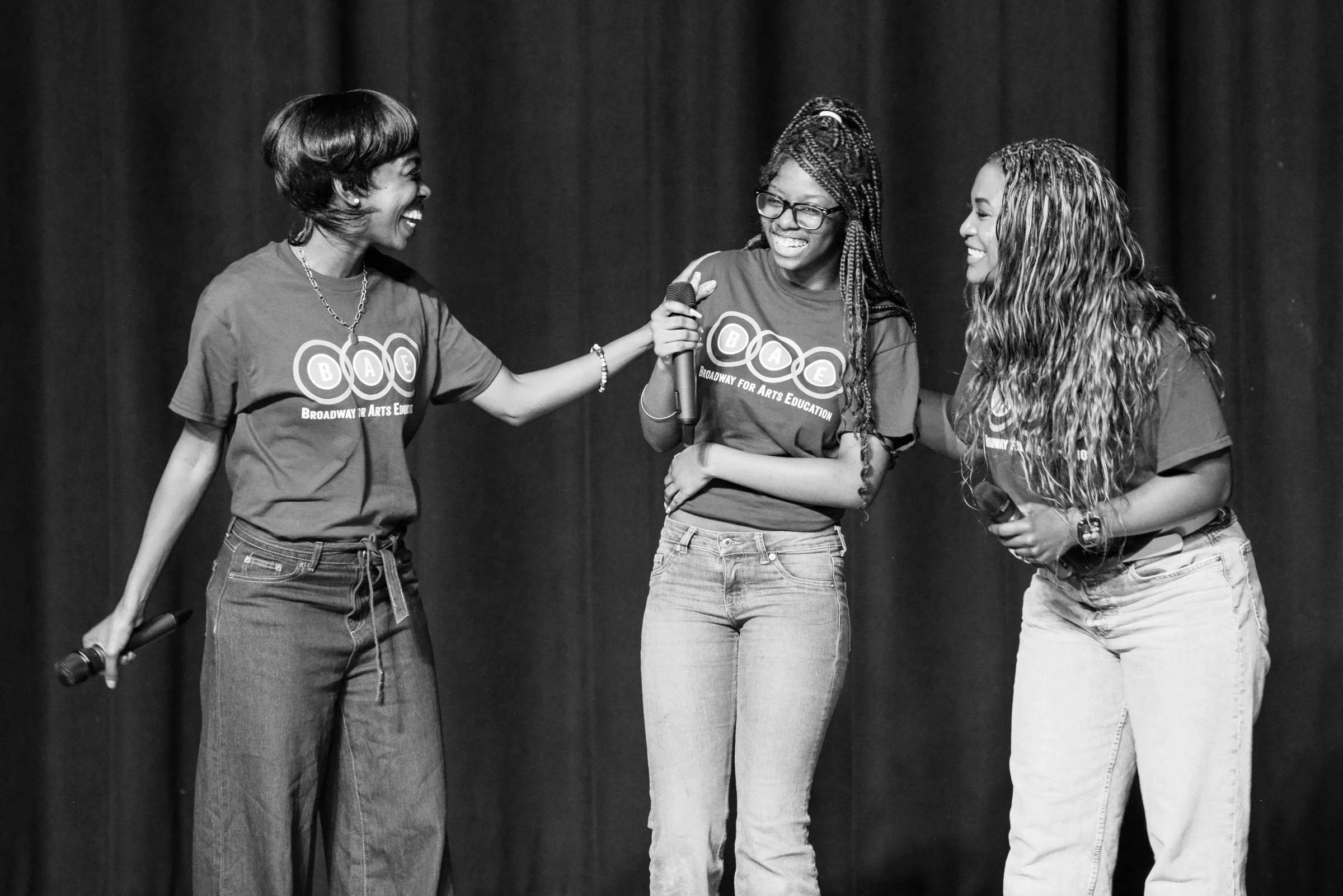
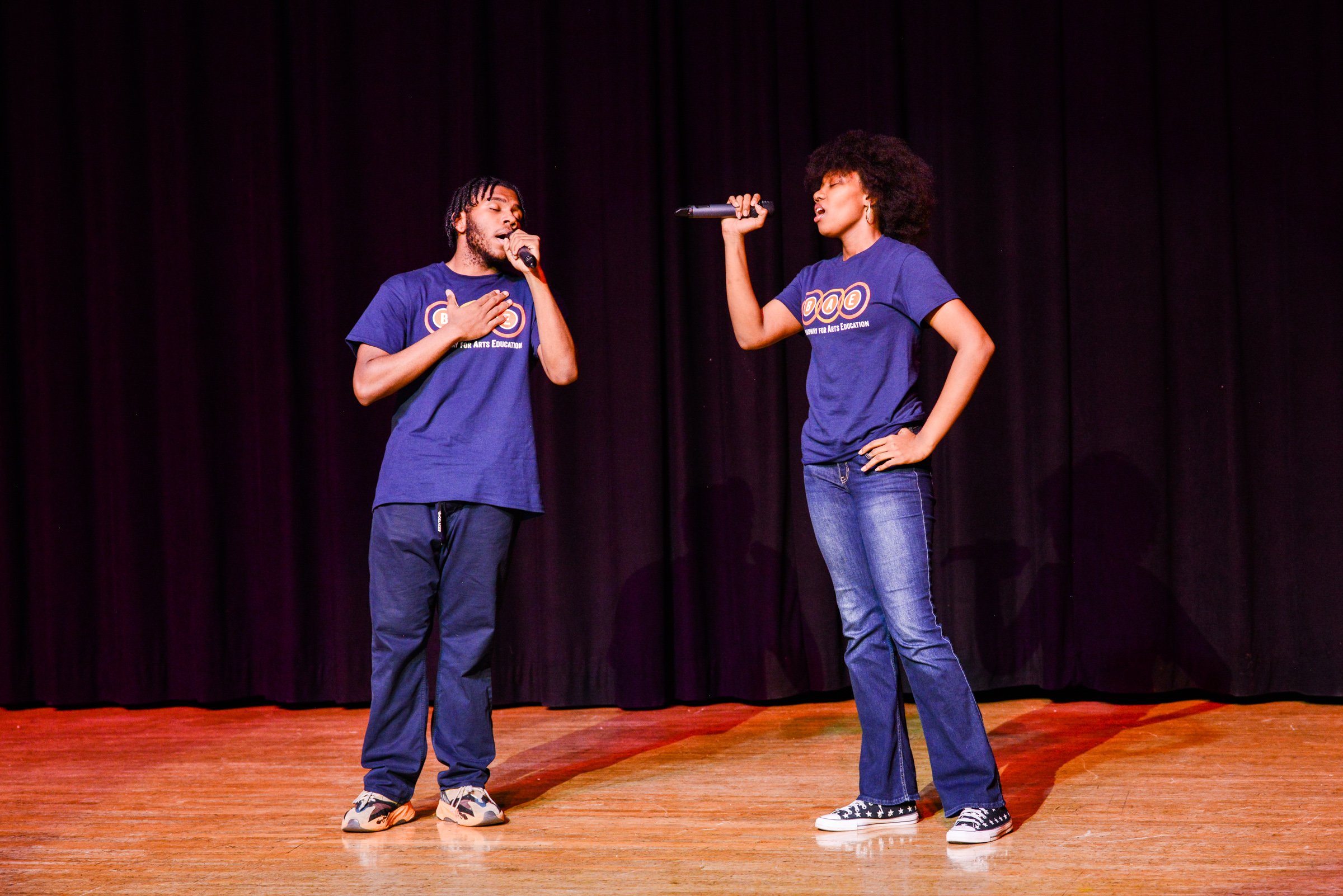
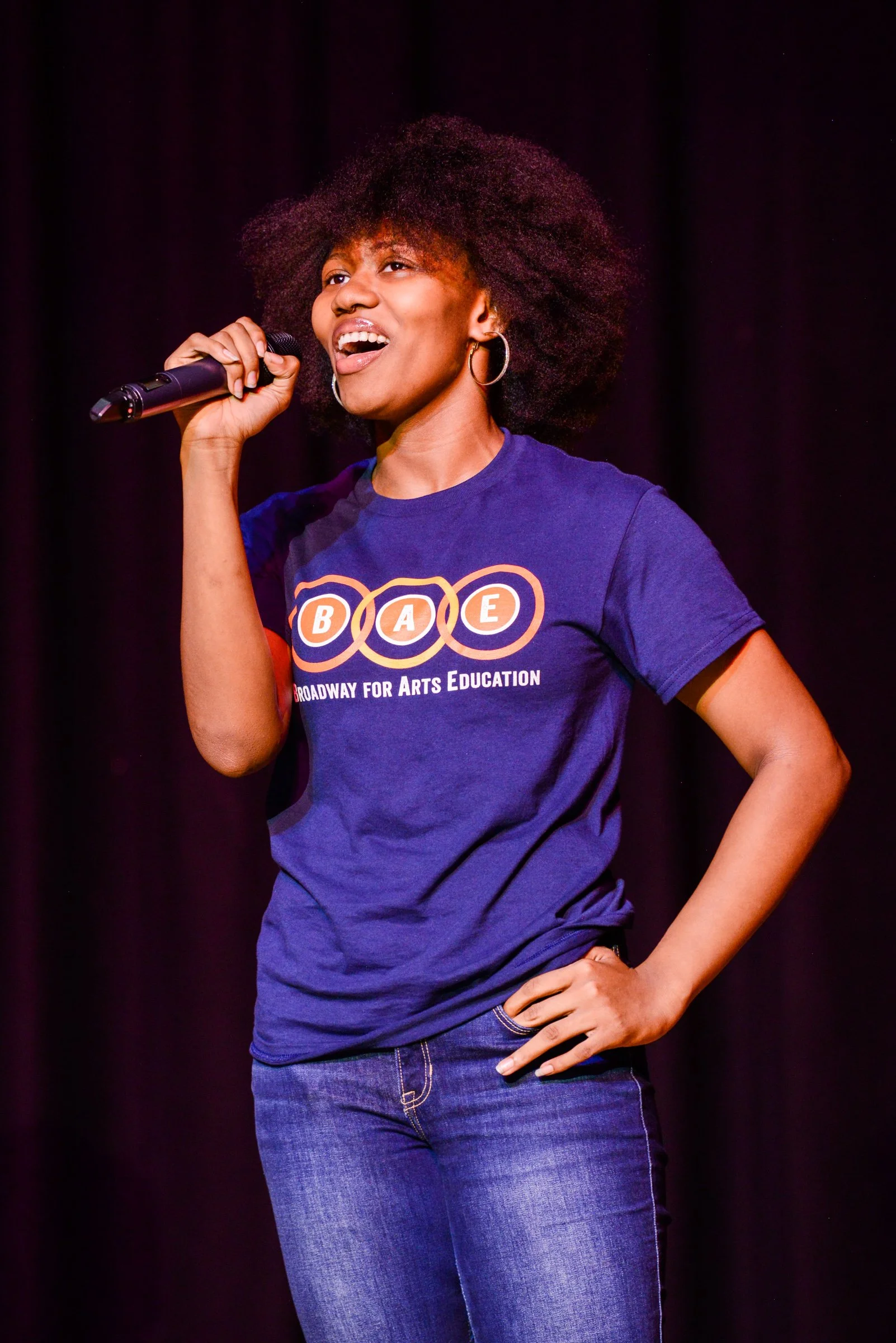
Wadleigh Broadway Cabaret
Finding Their Voice at Wadleigh
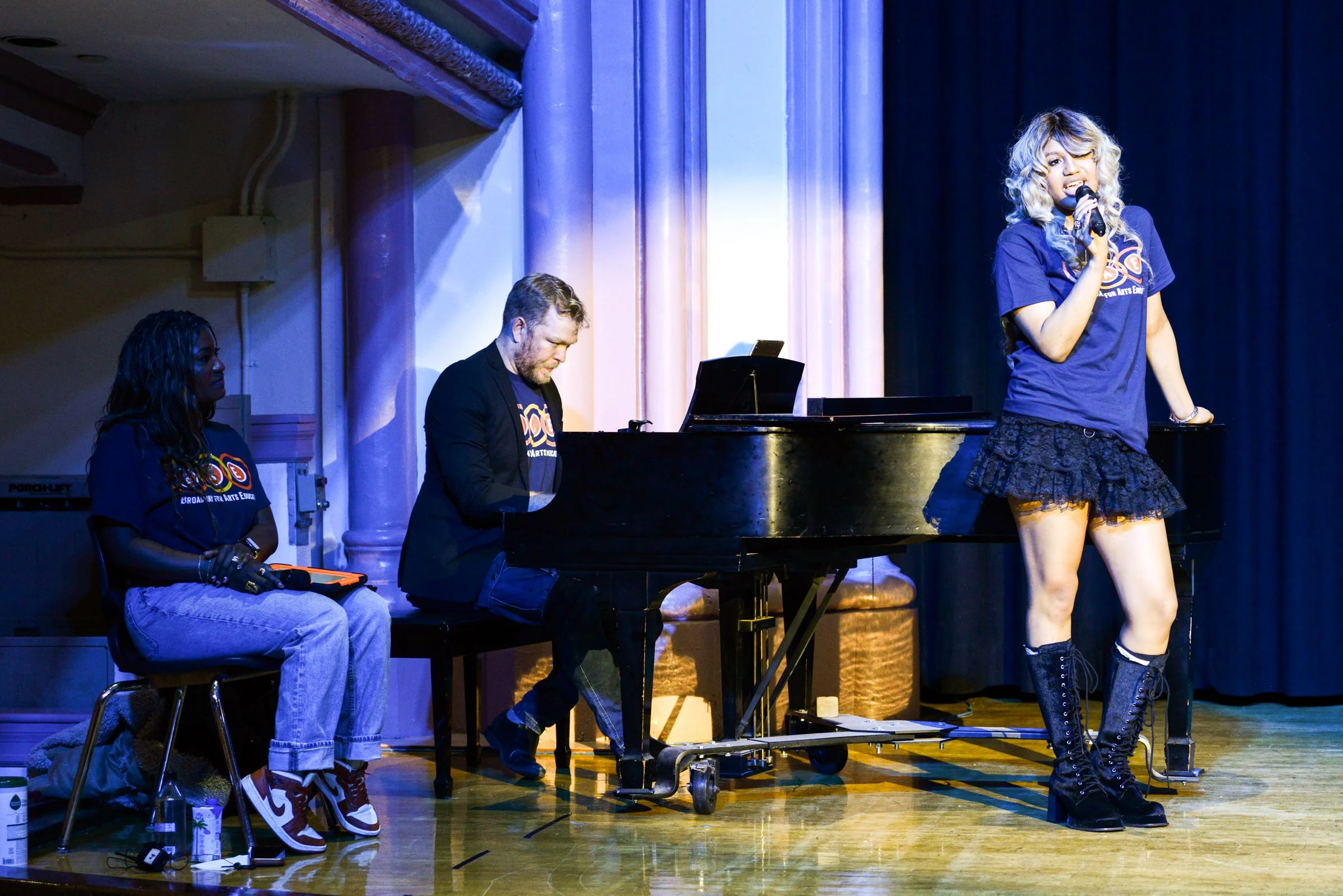
When Broadway for Arts Education first arrived at Wadleigh Secondary School for the Arts in Harlem this winter, many of the students who would eventually take the stage in the school's Musical Theater Cabaret were carrying more than sheet music and rehearsal materials.
They carried nerves. They carried self-doubt. They carried the familiar fear that comes with asking young people to stand in front of an audience and reveal something of themselves.
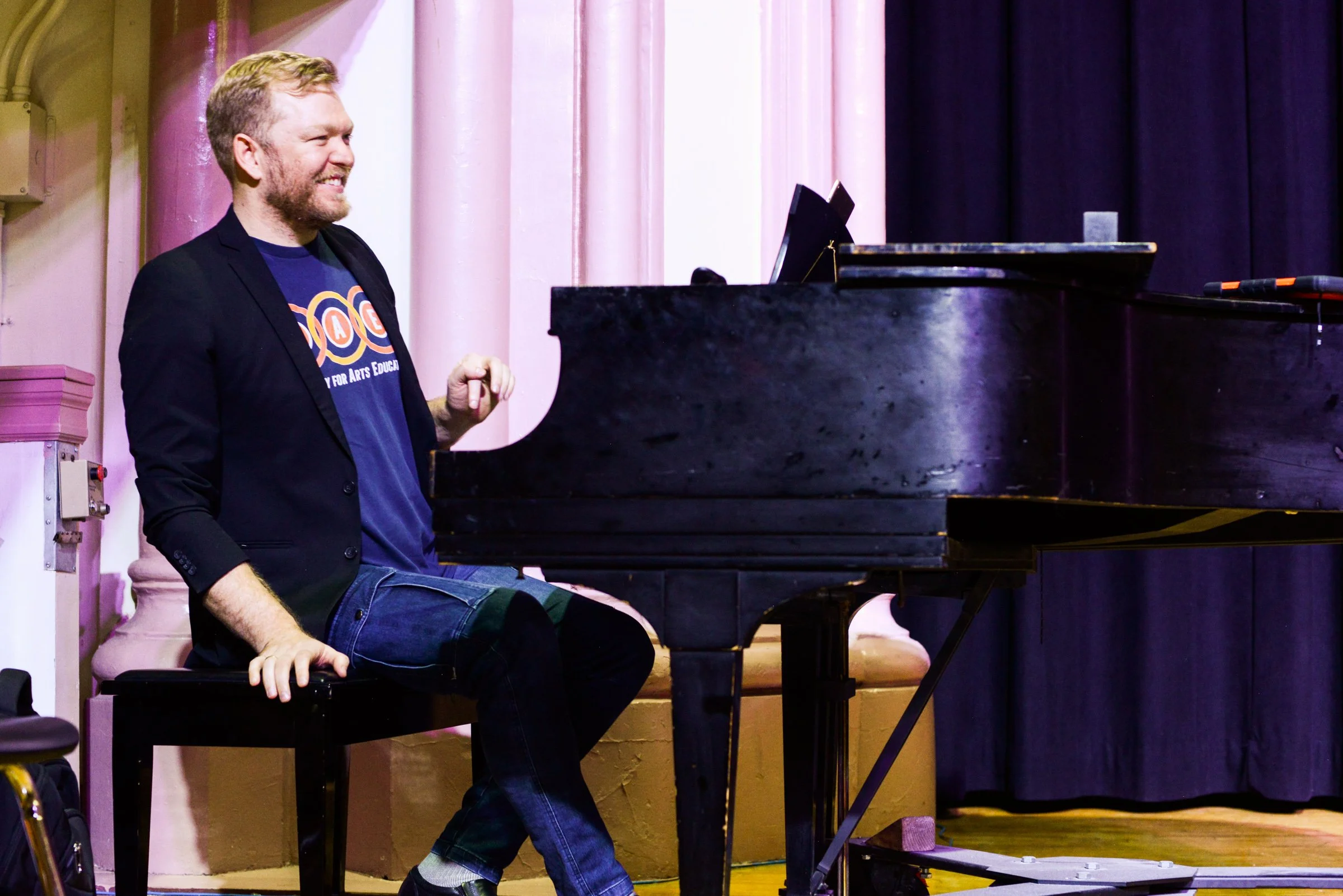
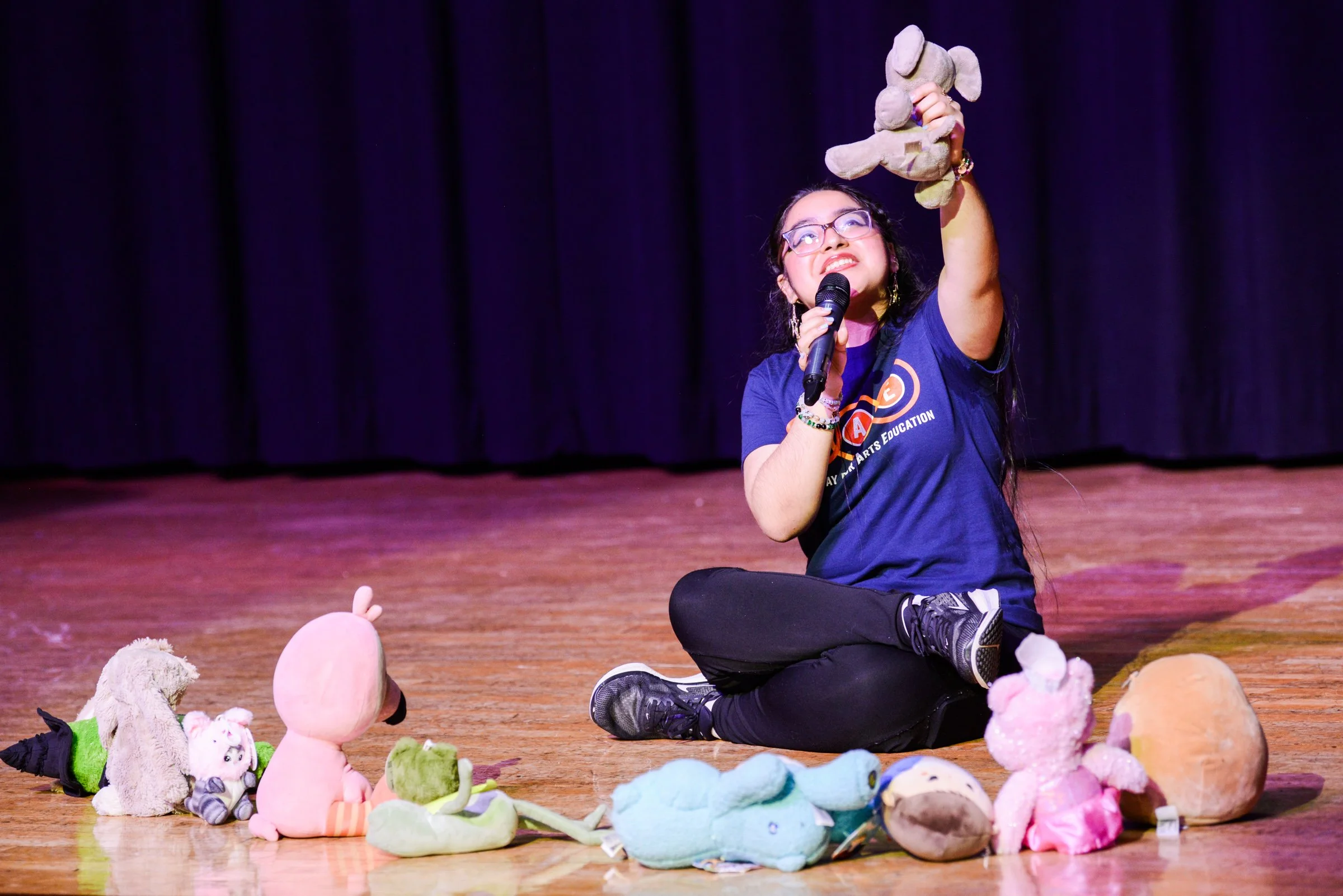
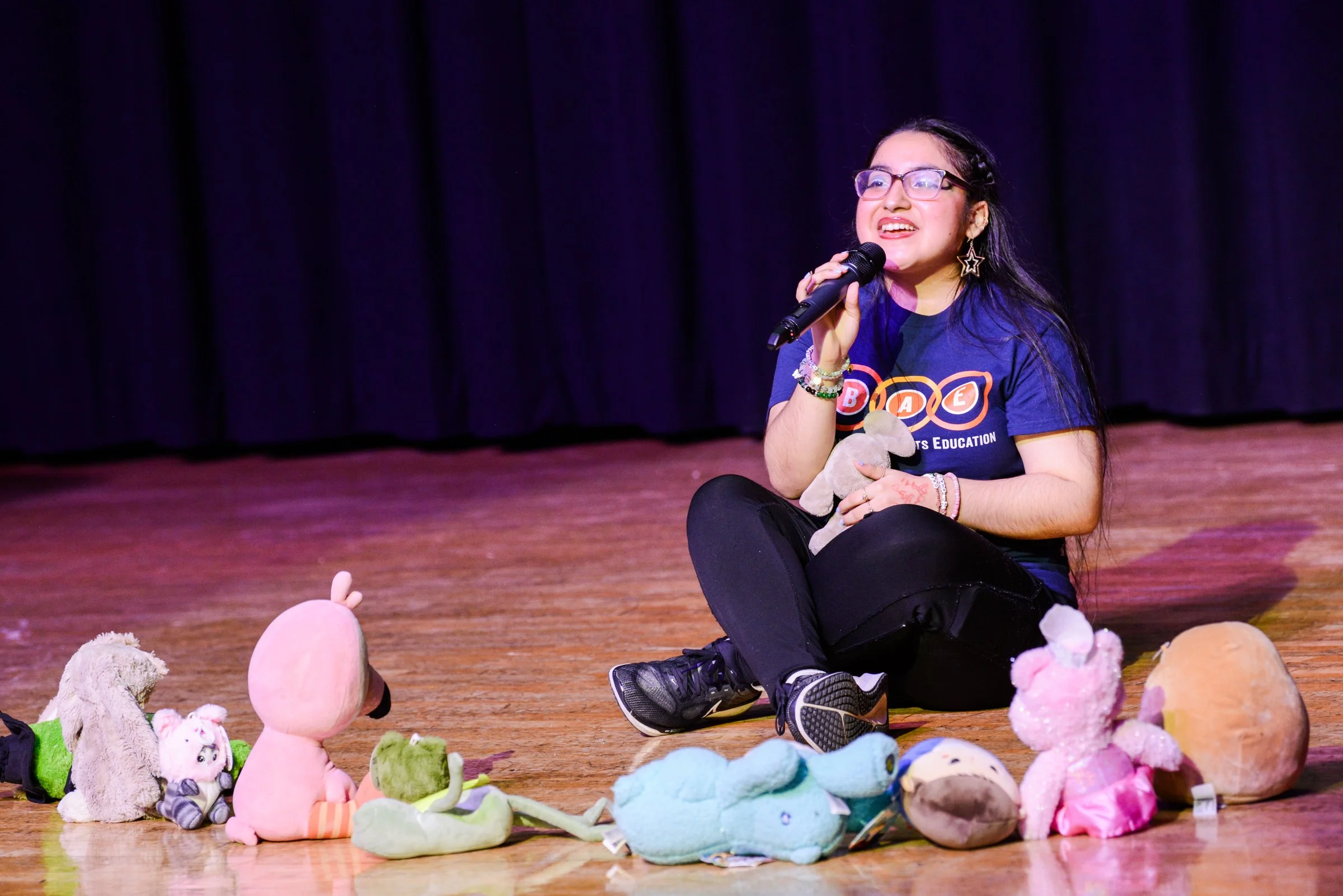
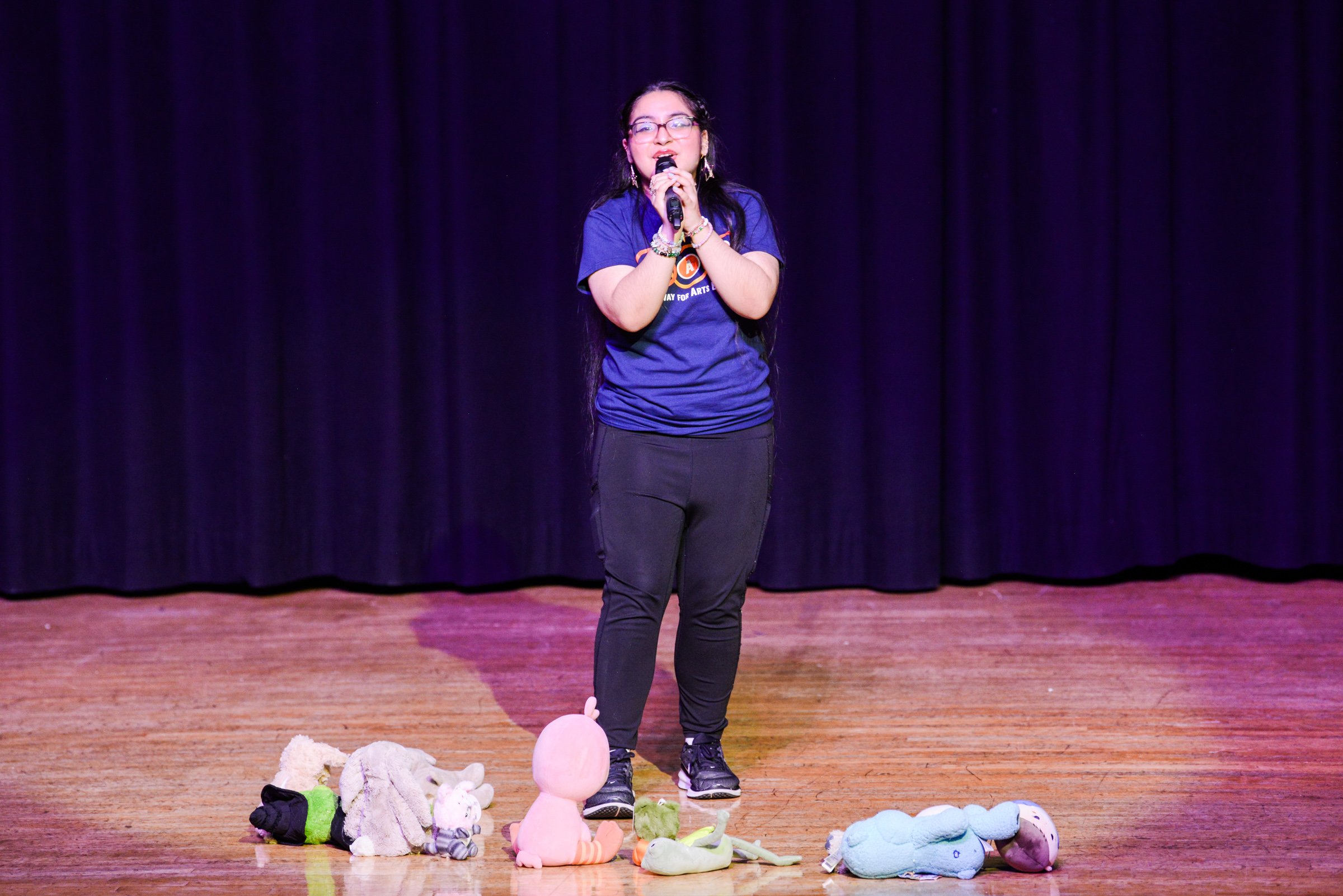
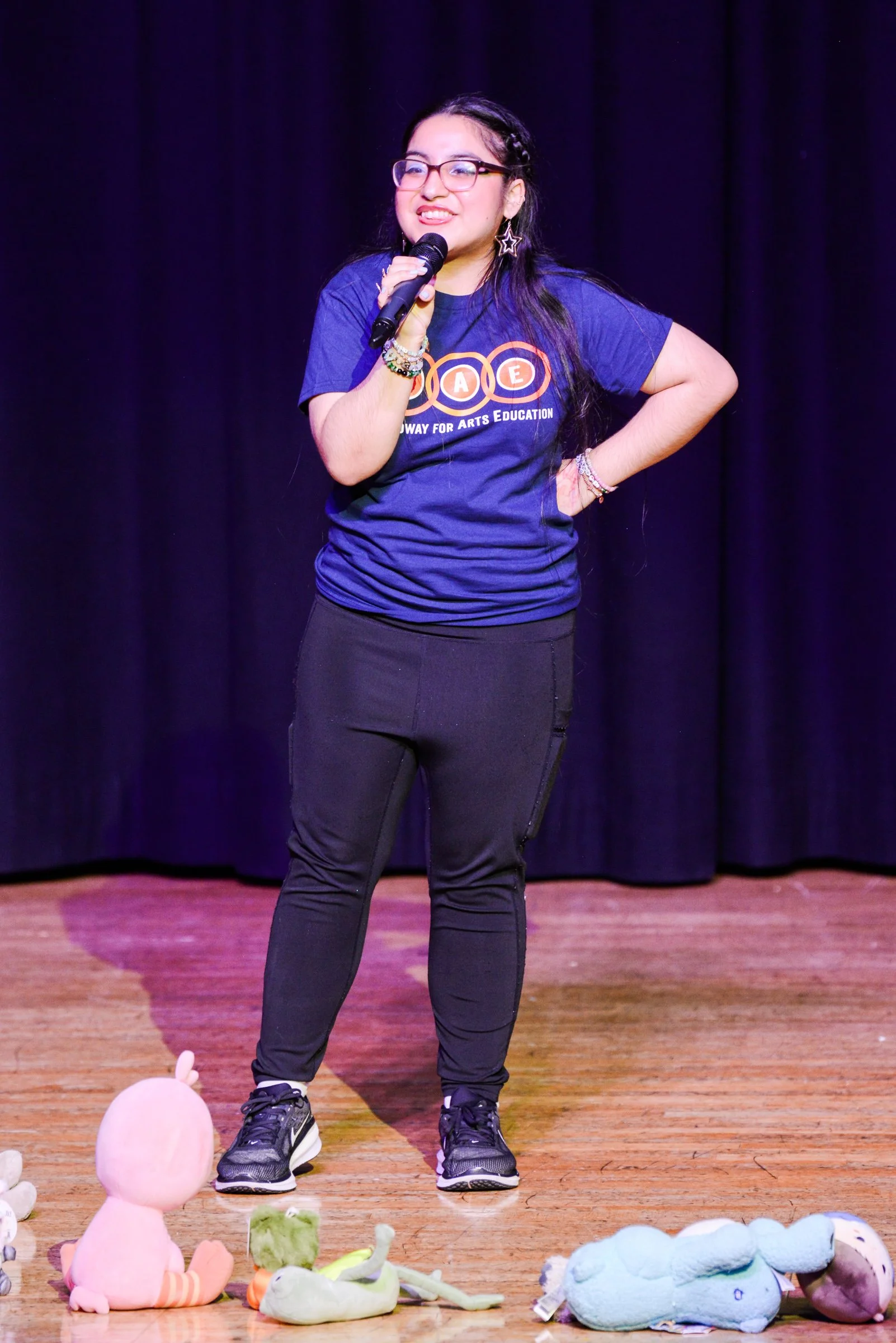
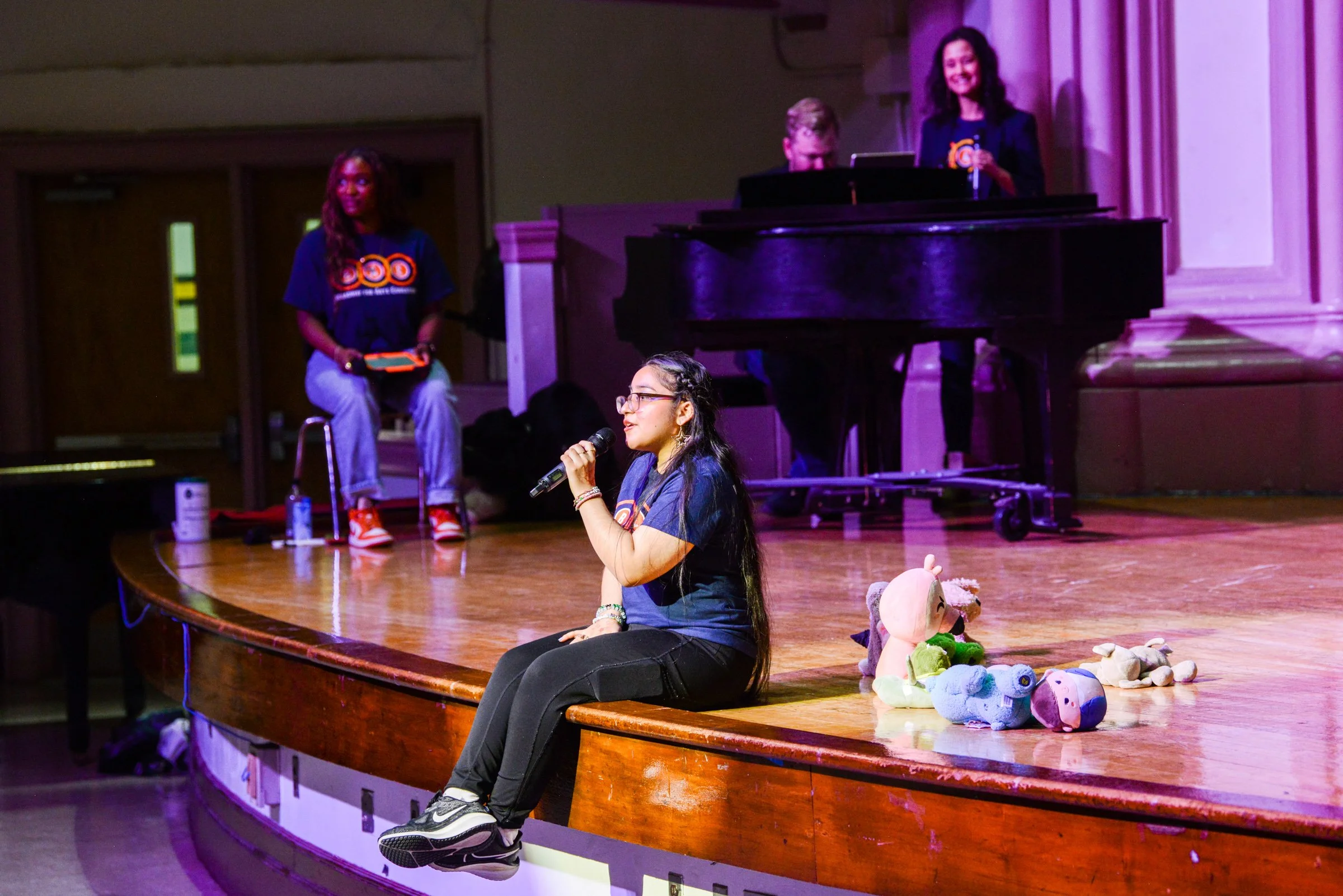
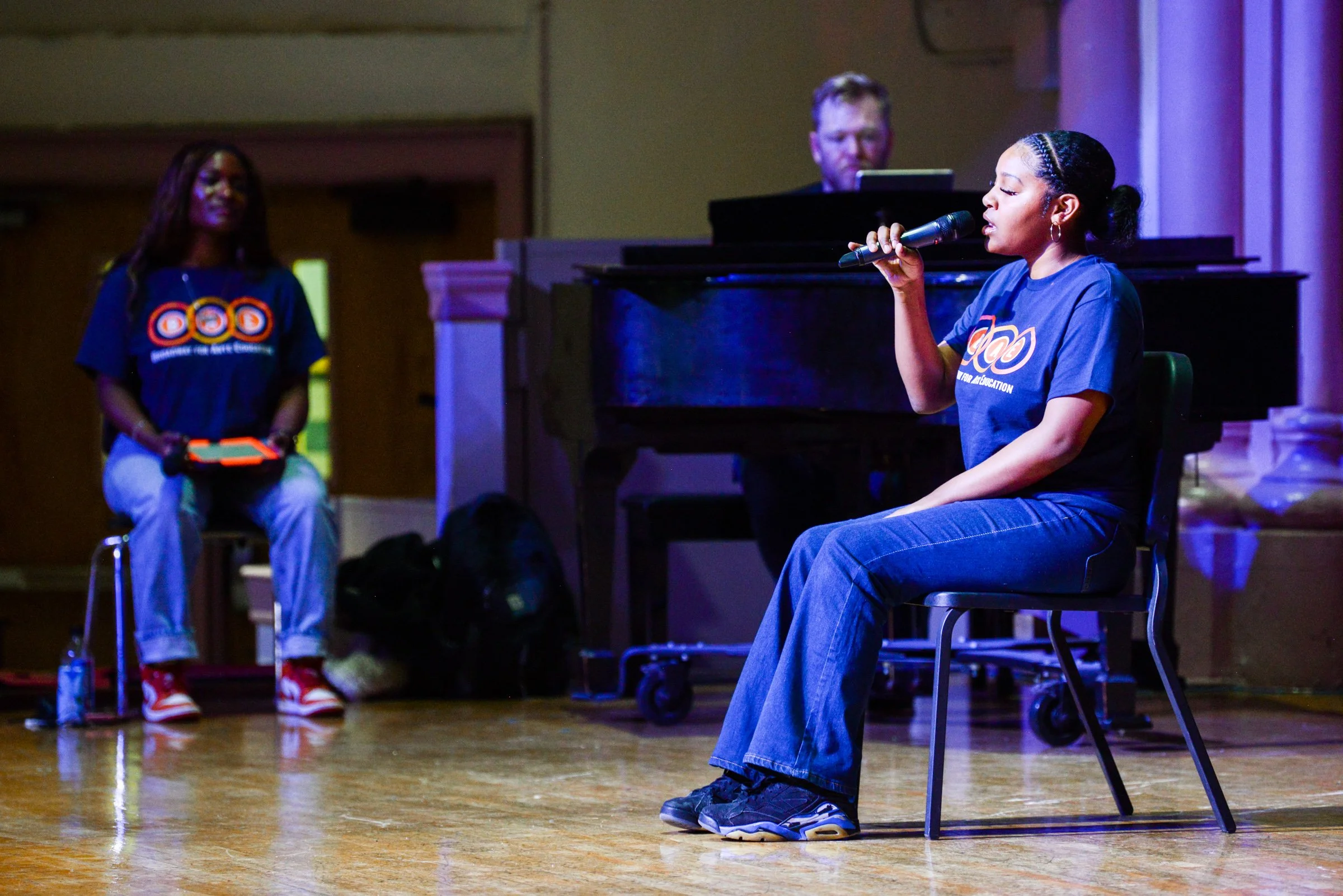
Some students were so anxious during the first sessions that they struggled to finish their songs. Others could barely be heard above the piano accompaniment. One student frequently relied on stuffed animals to help her feel safe enough to participate. Another later shared that the cabaret would be the first time she had ever sung a solo outside of a choir setting.
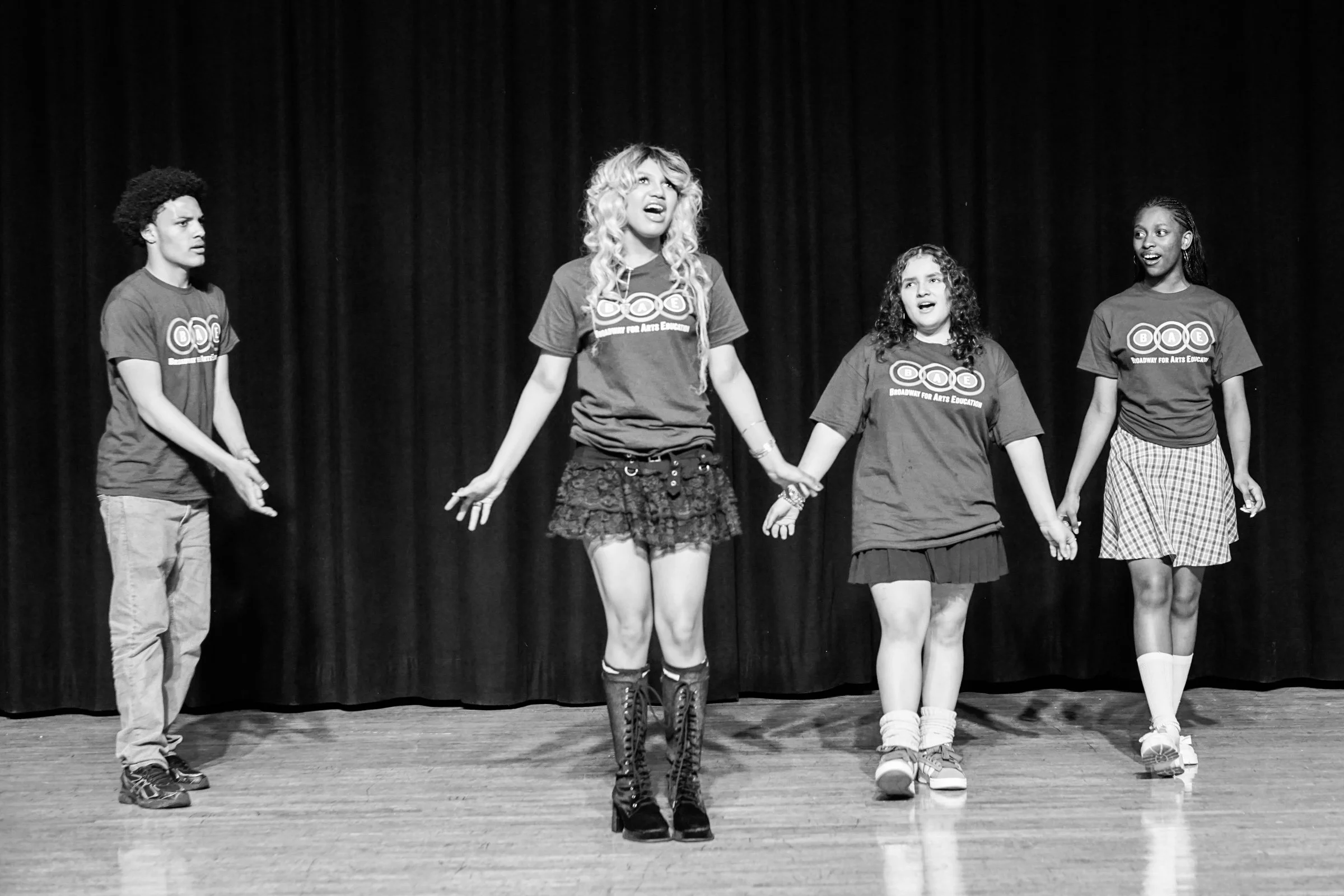
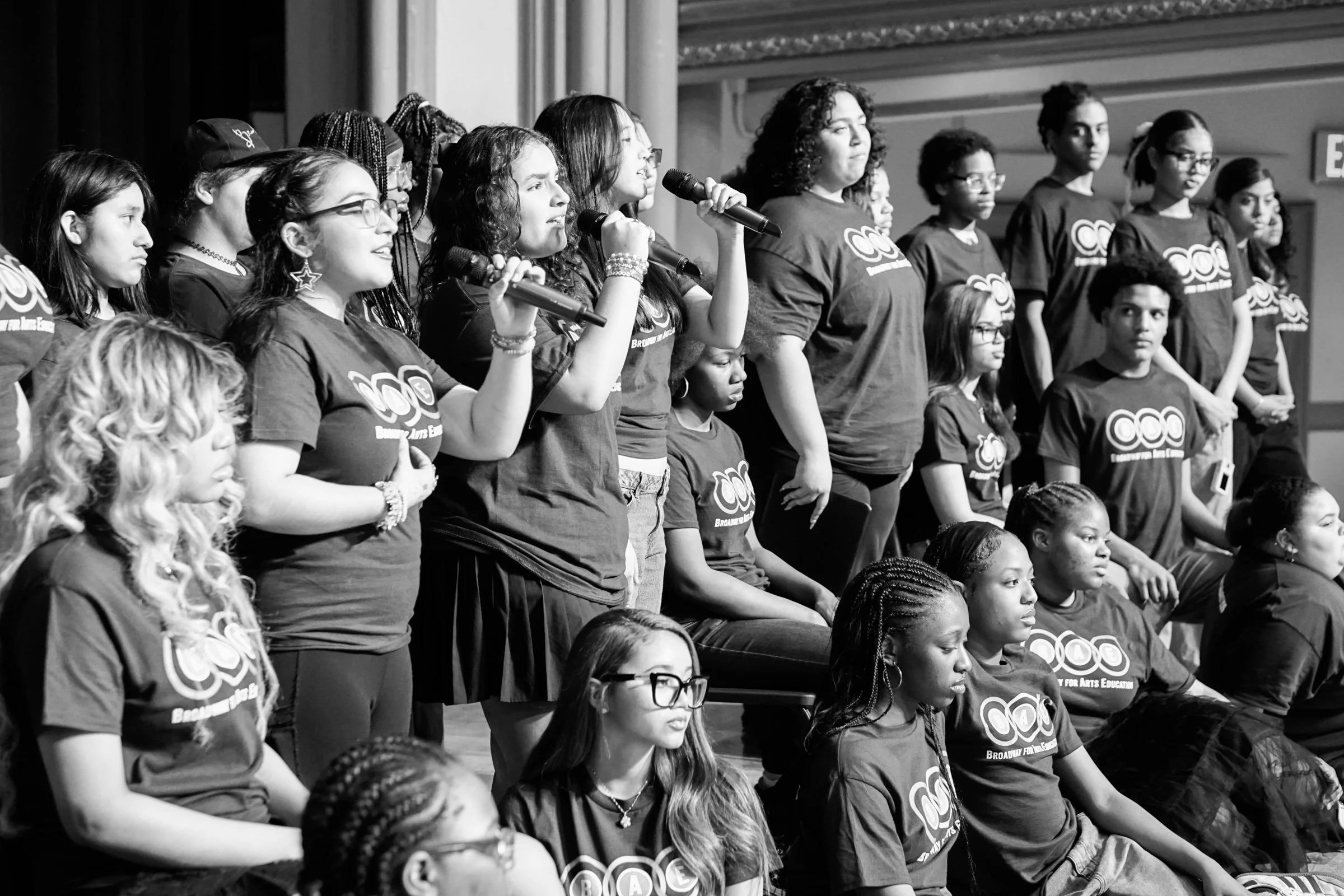
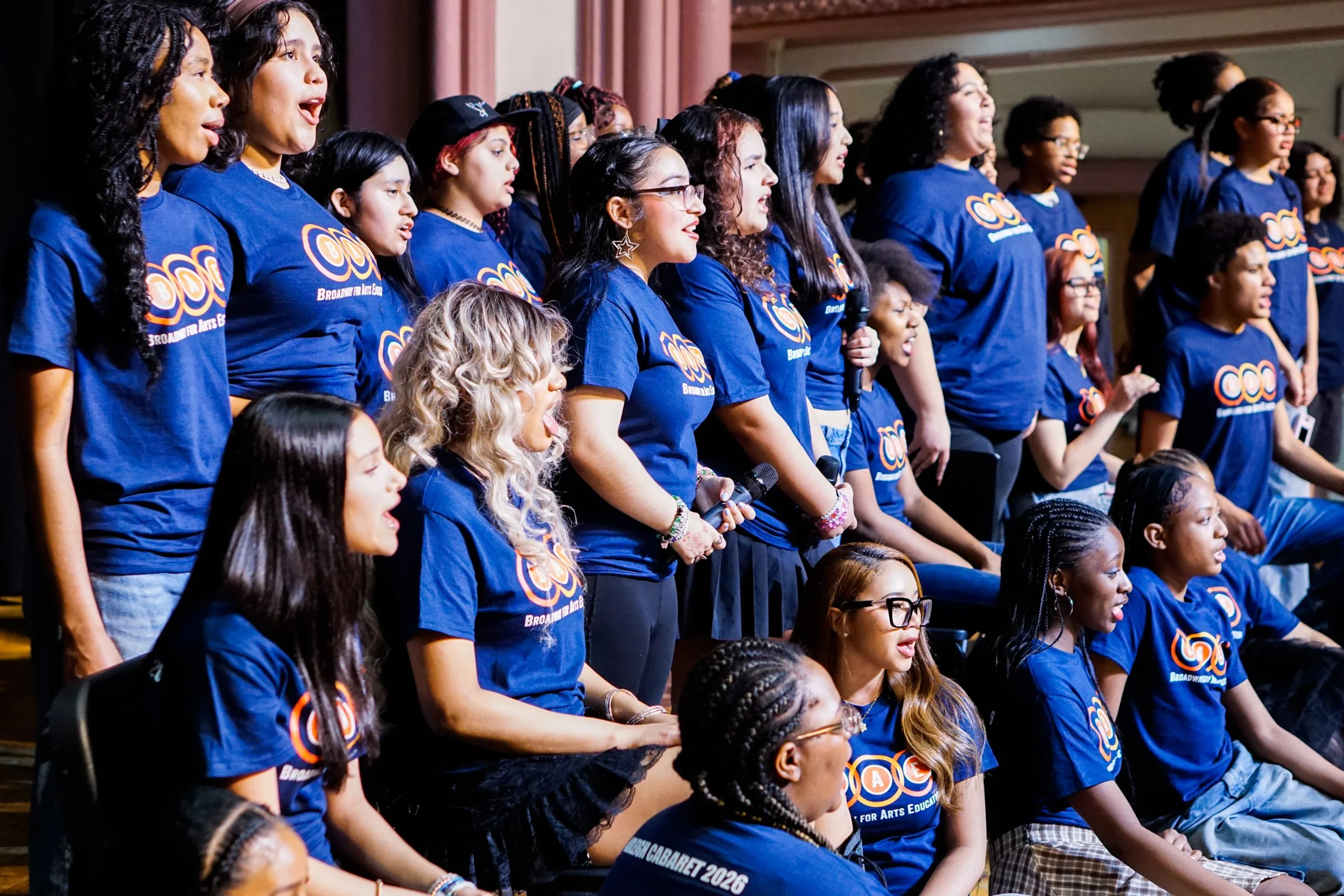
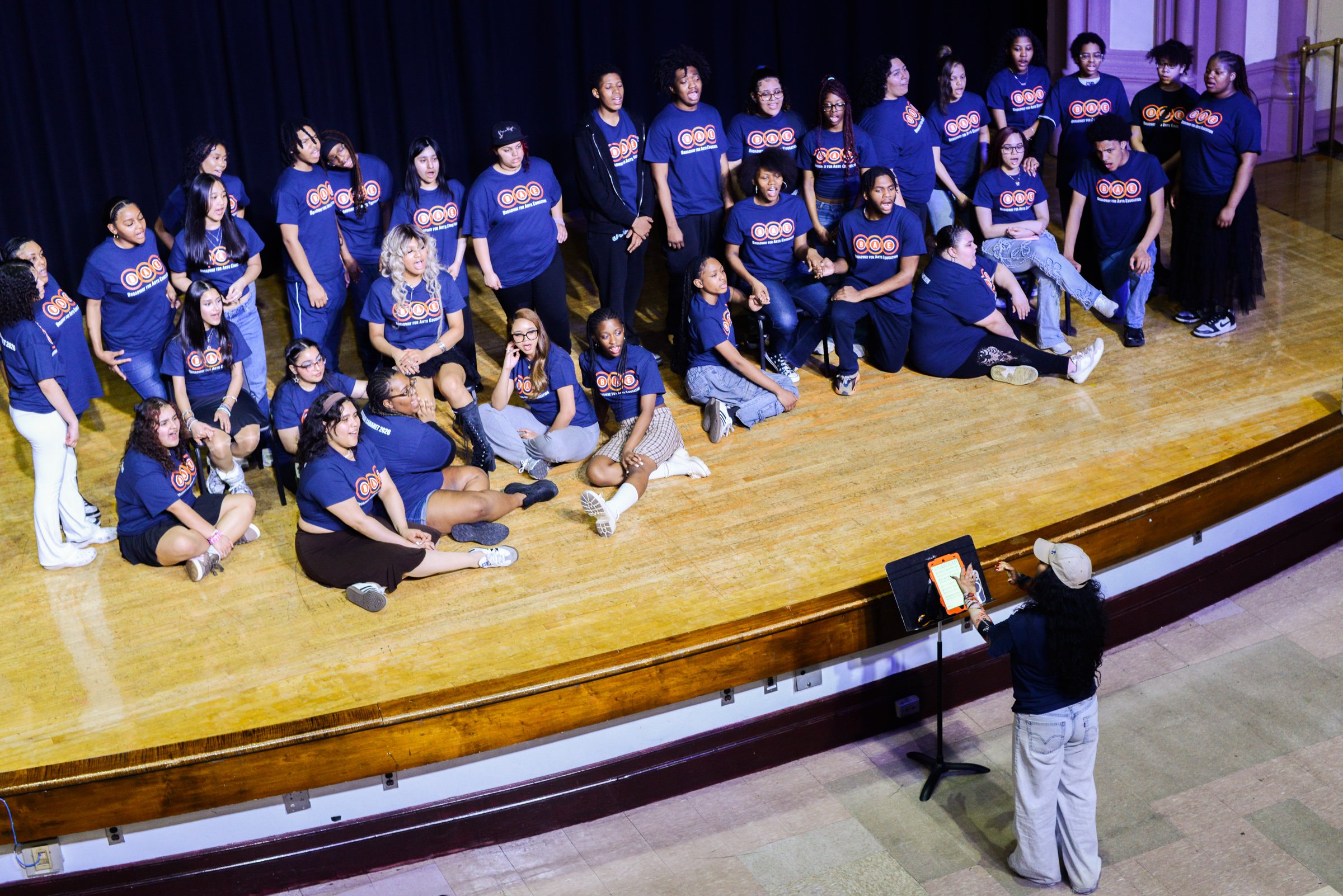
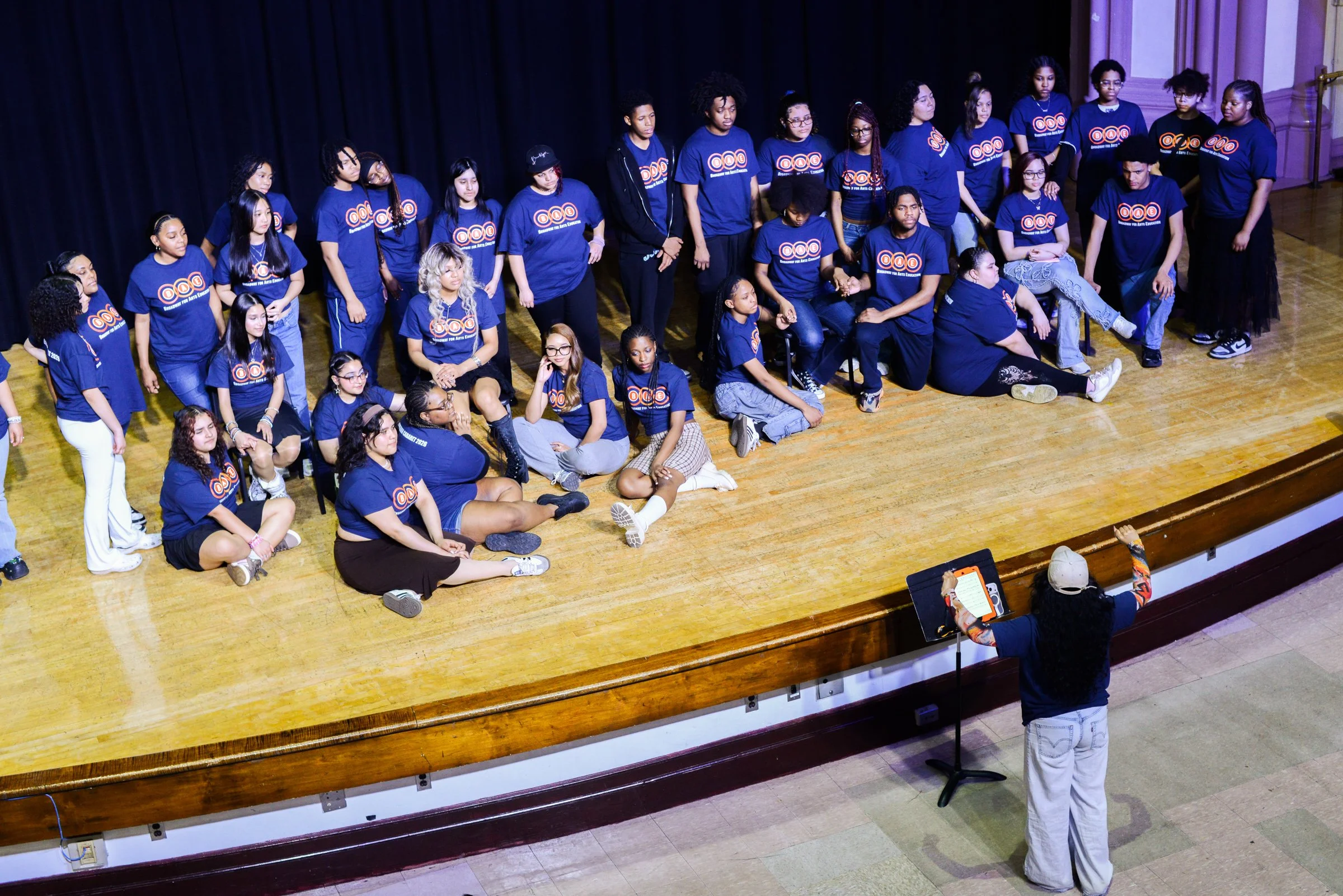
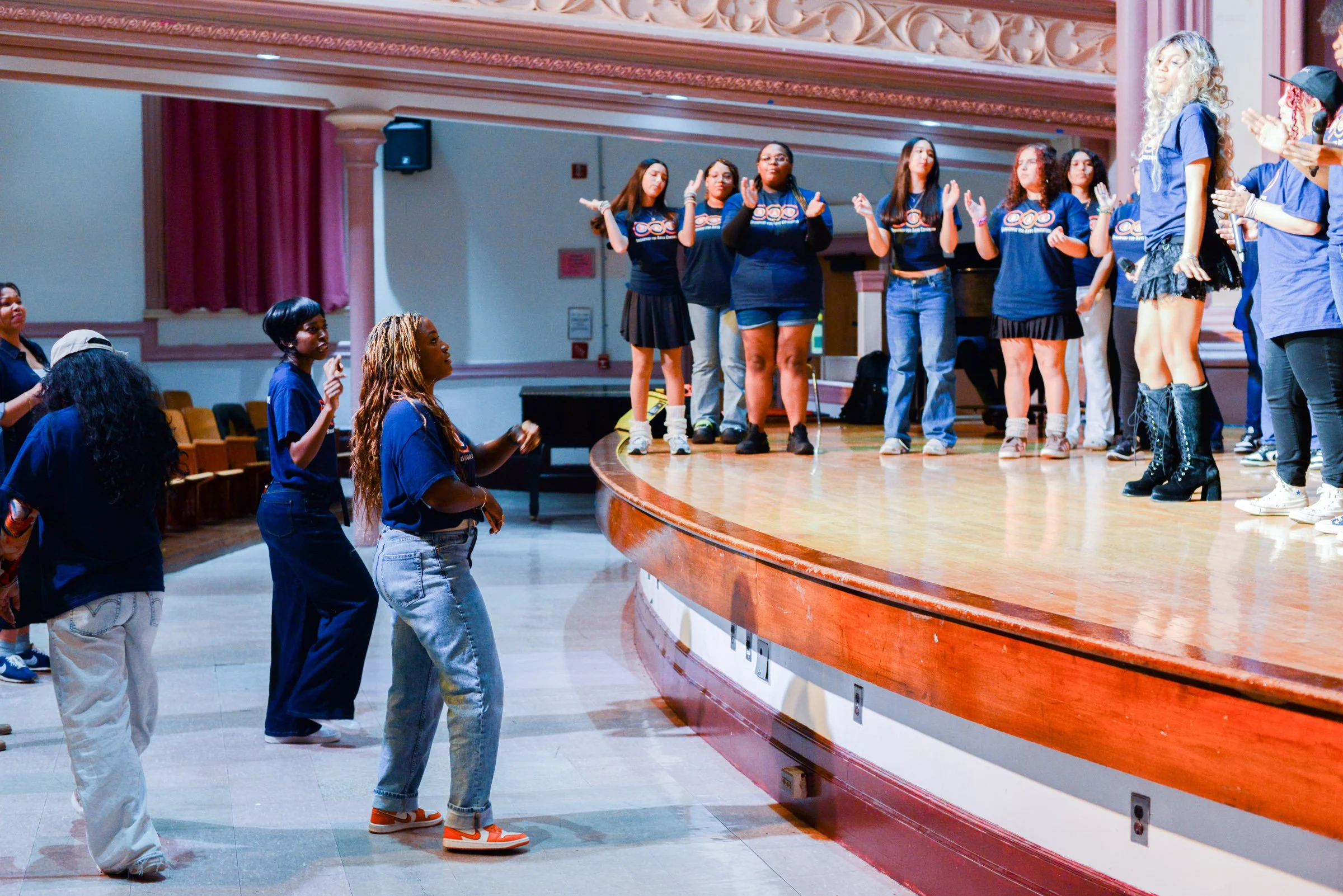
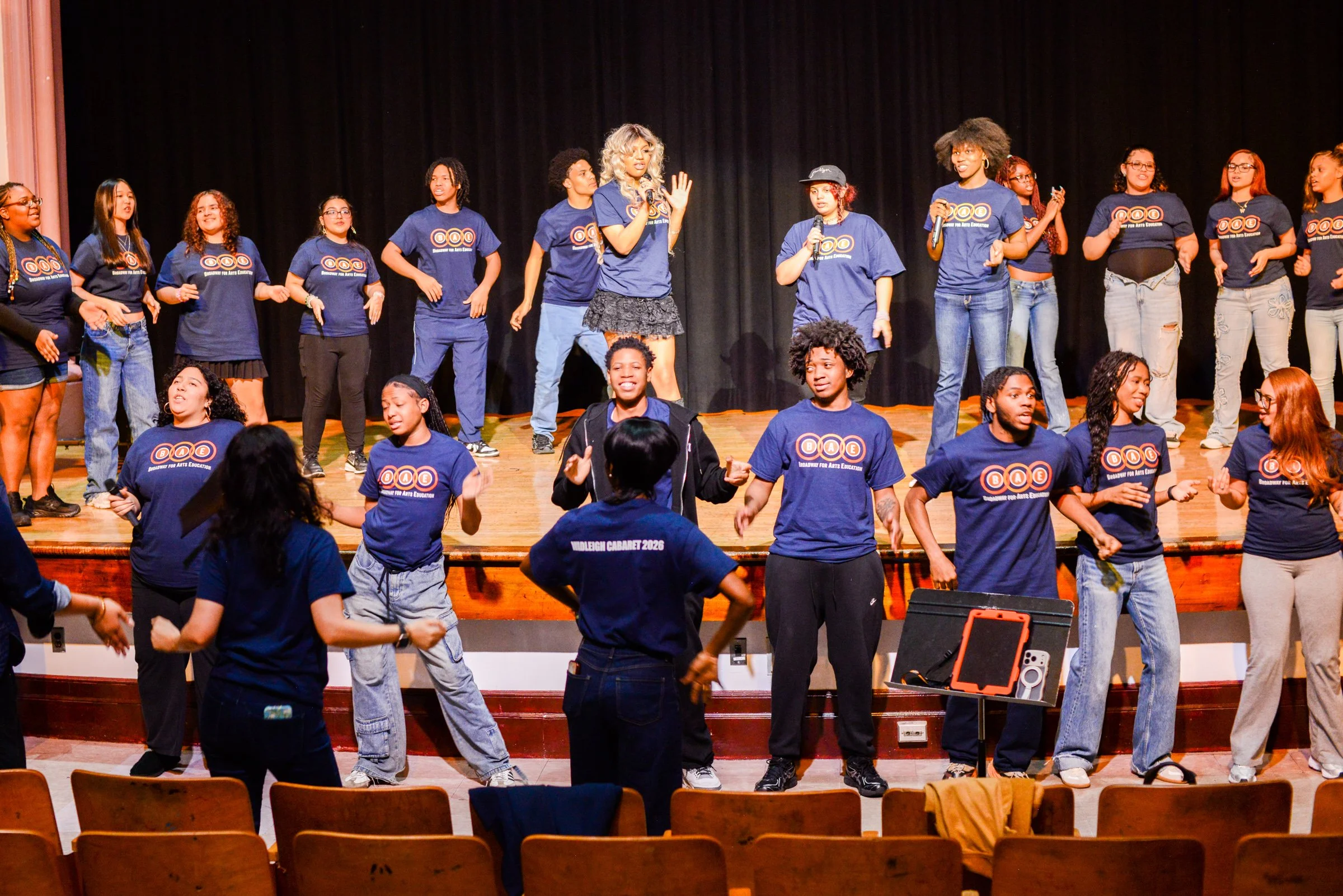
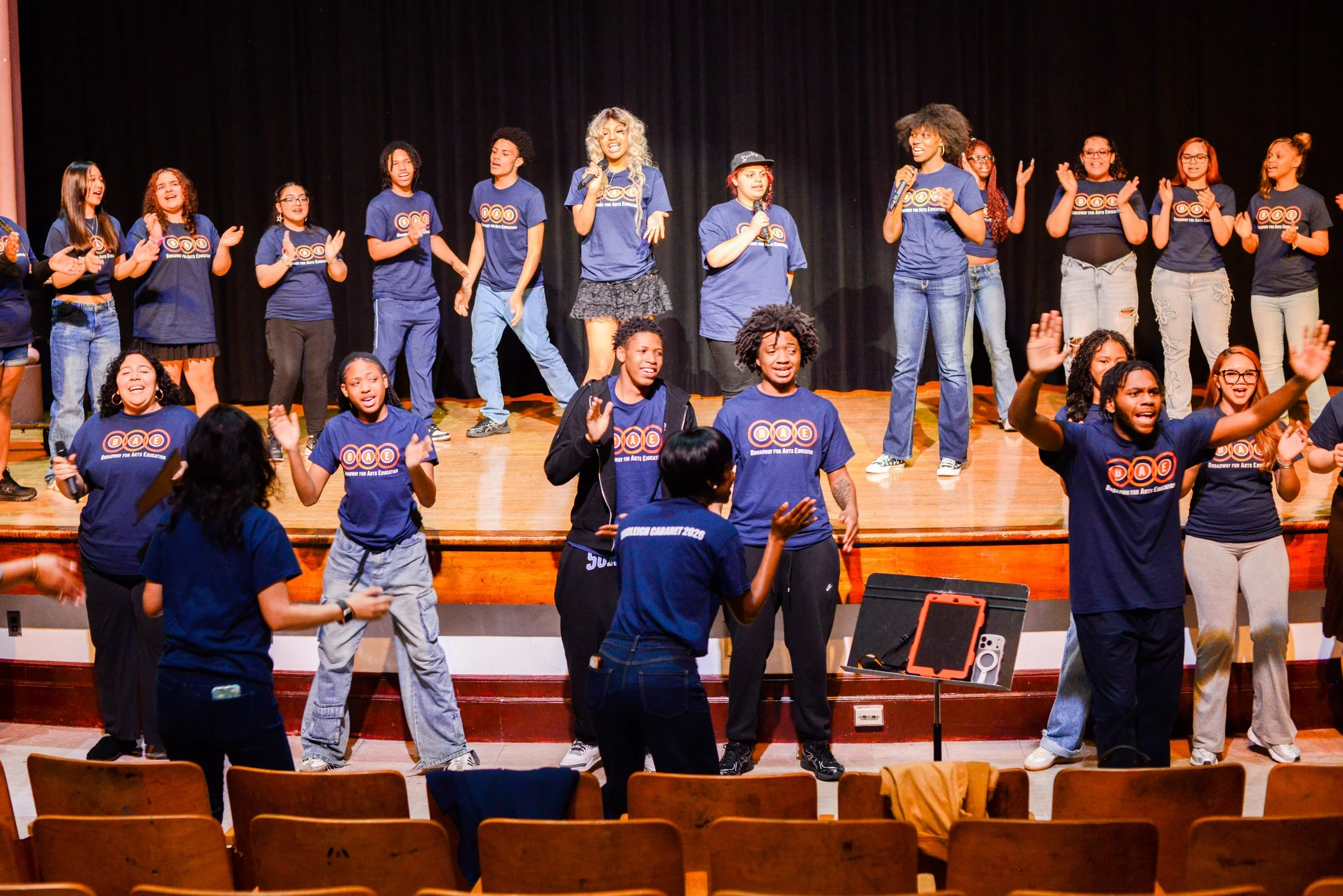
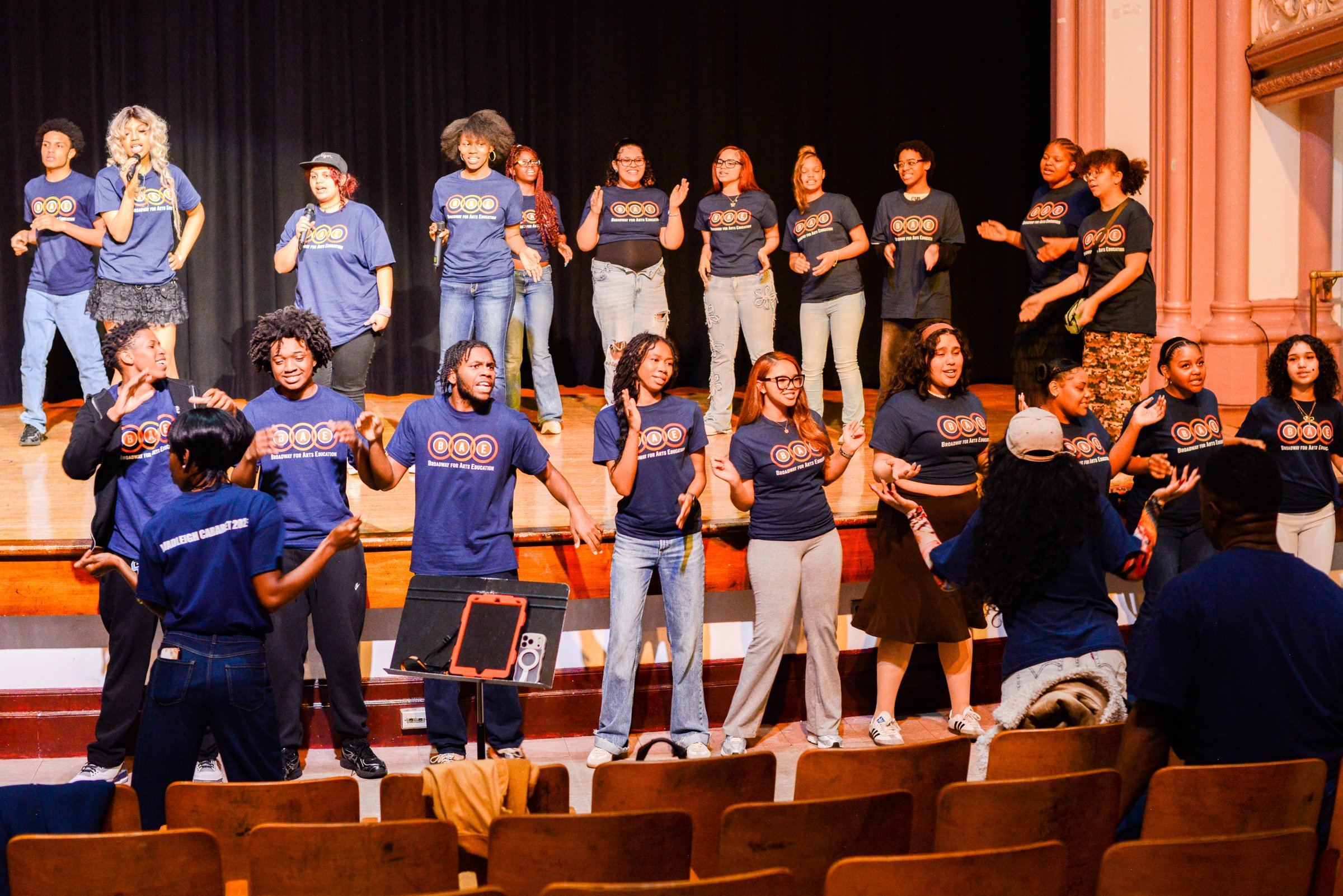
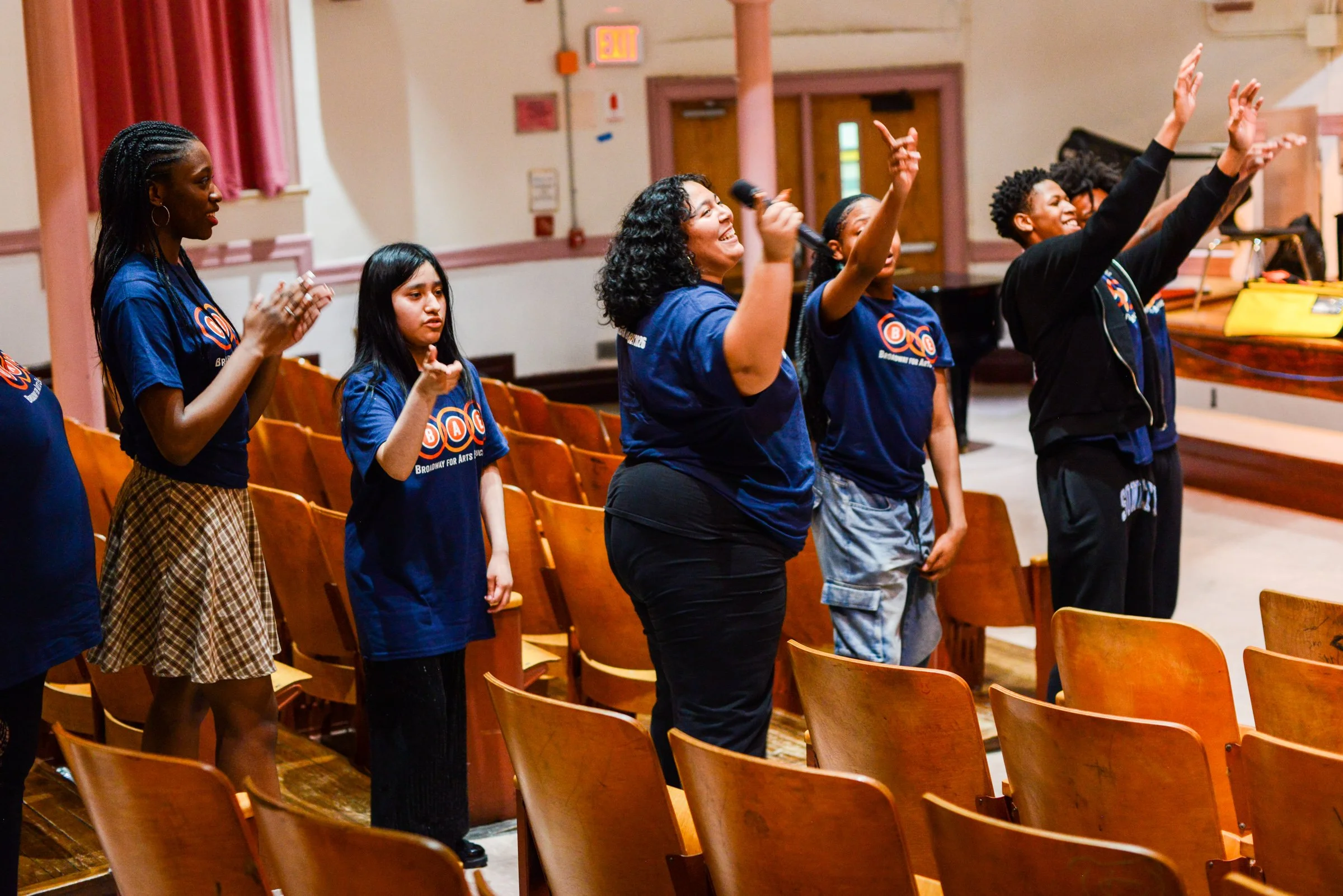
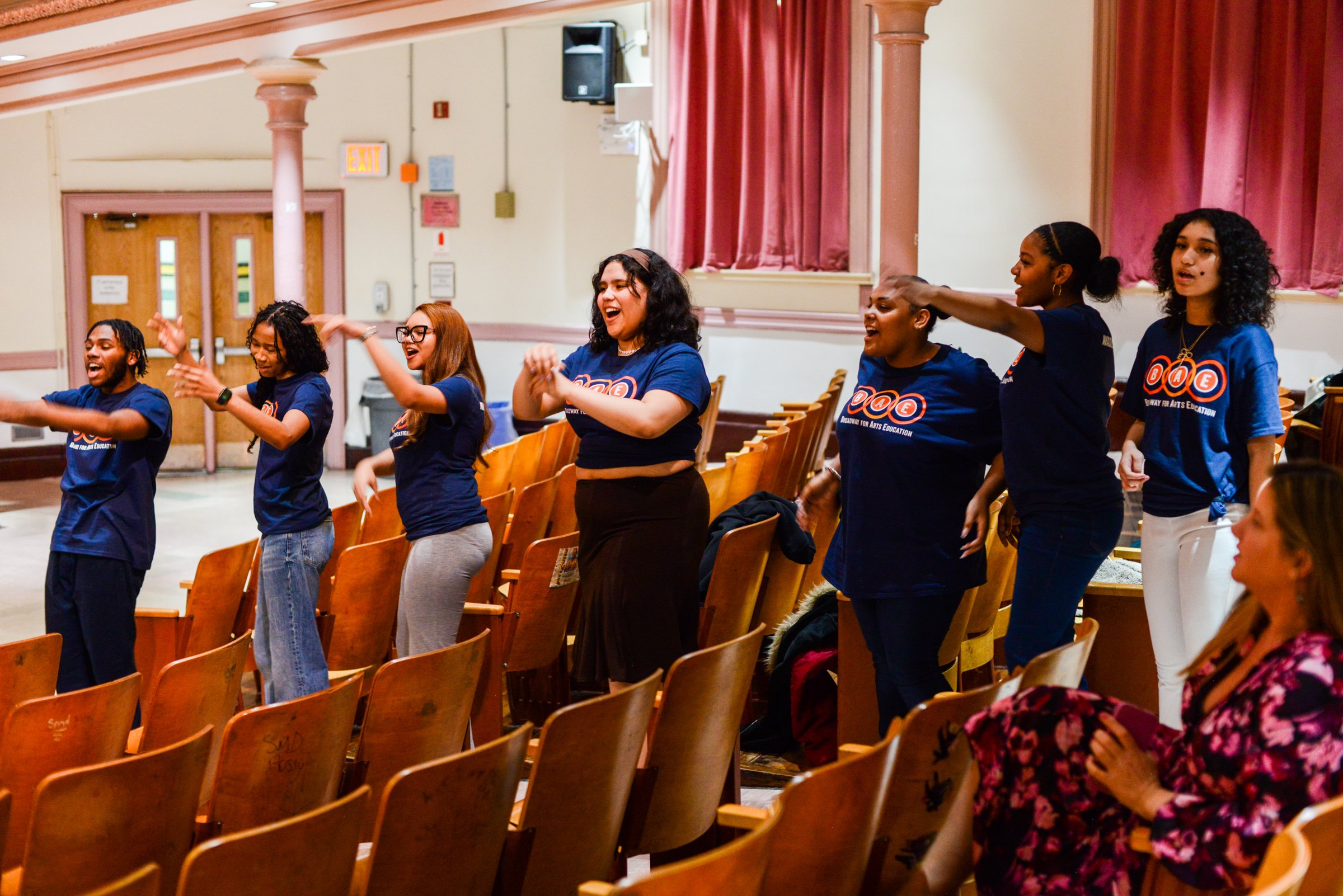
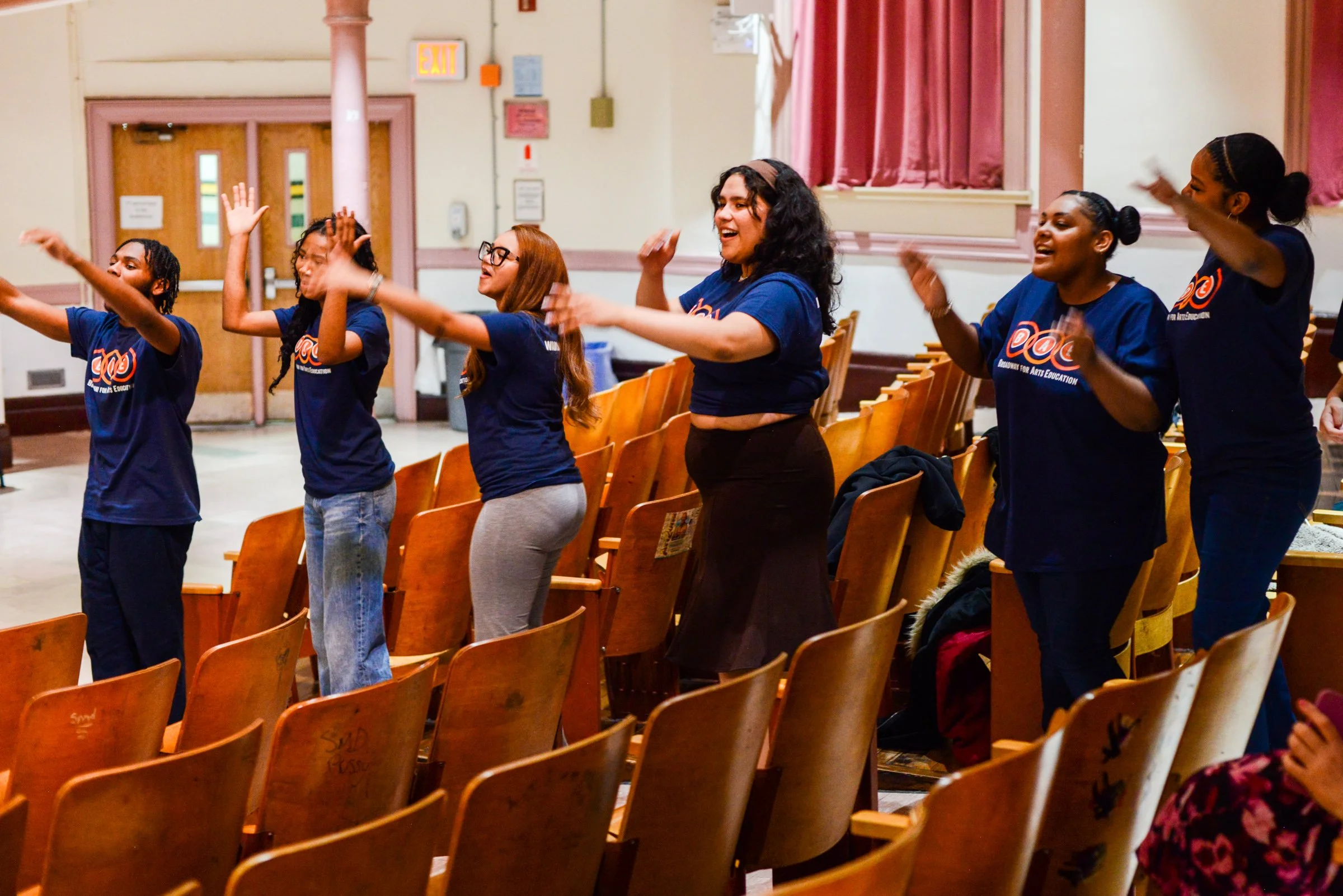
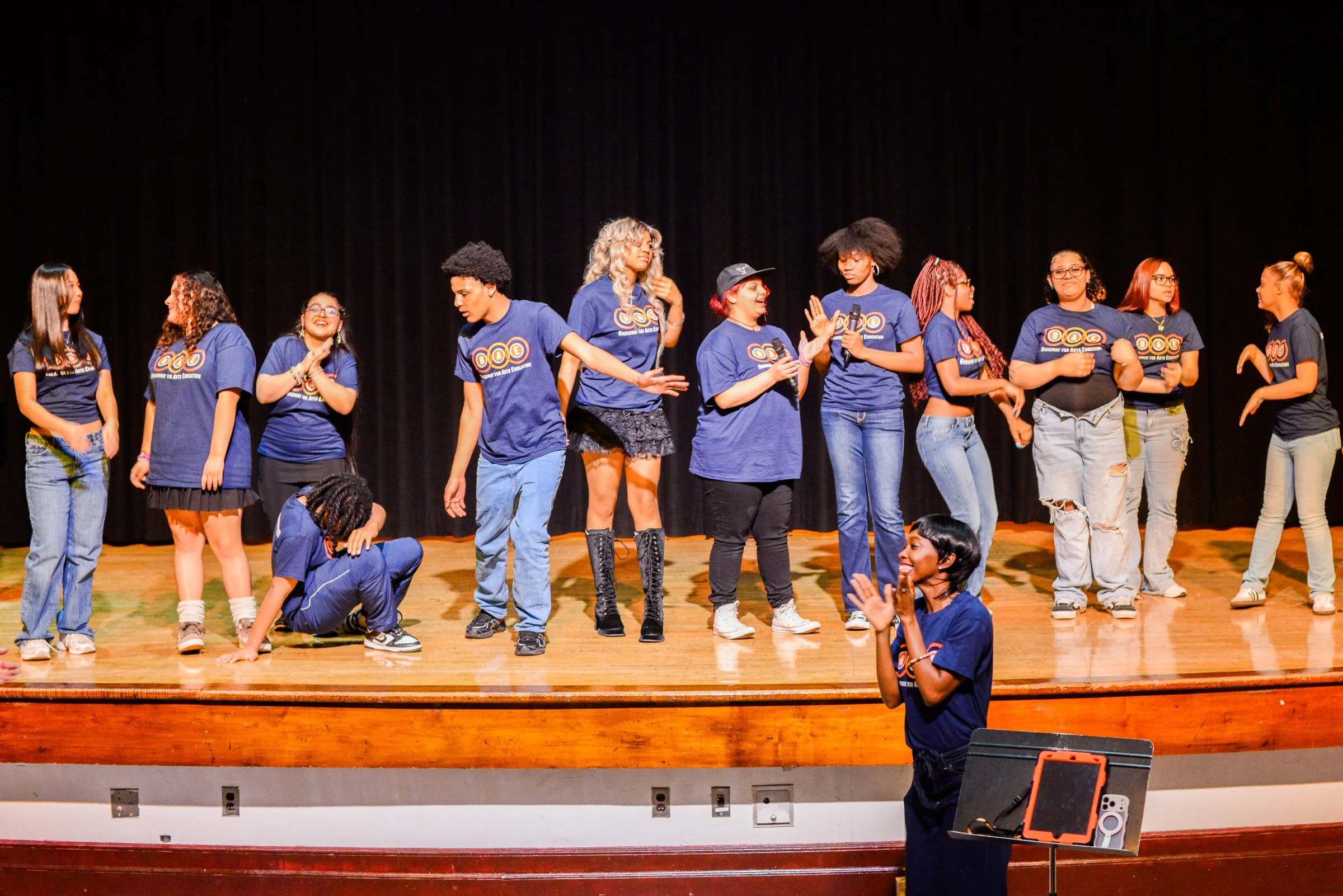
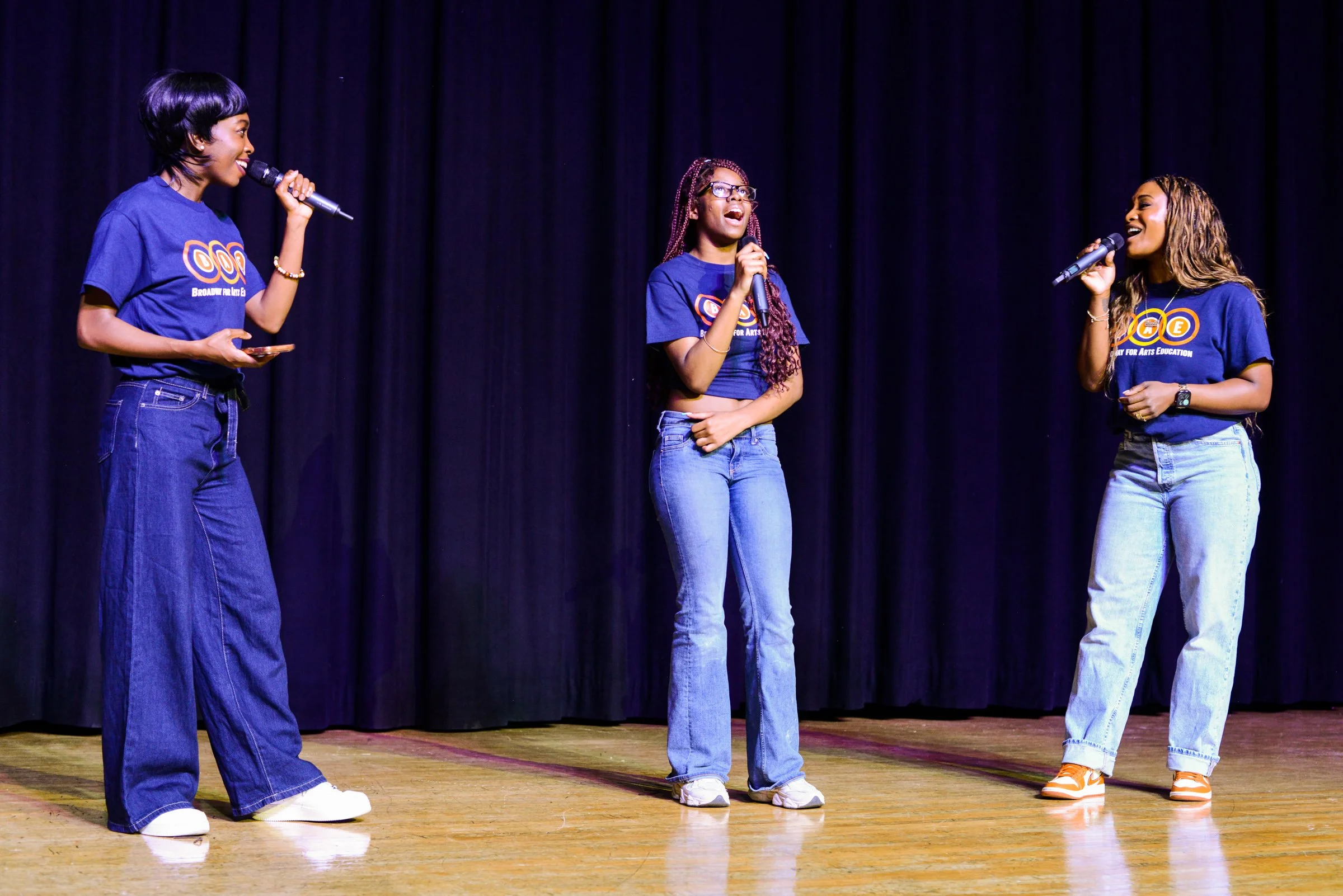
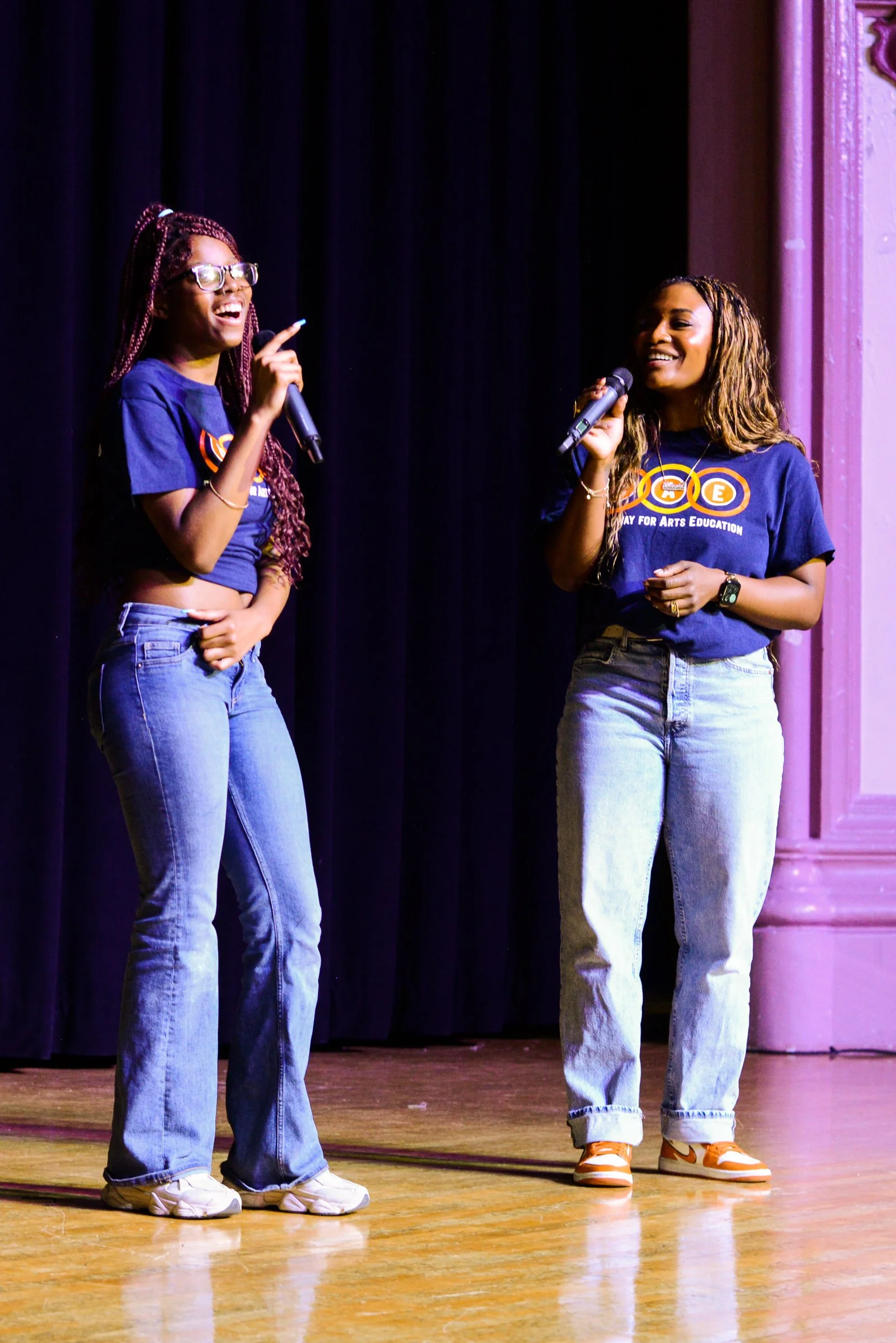
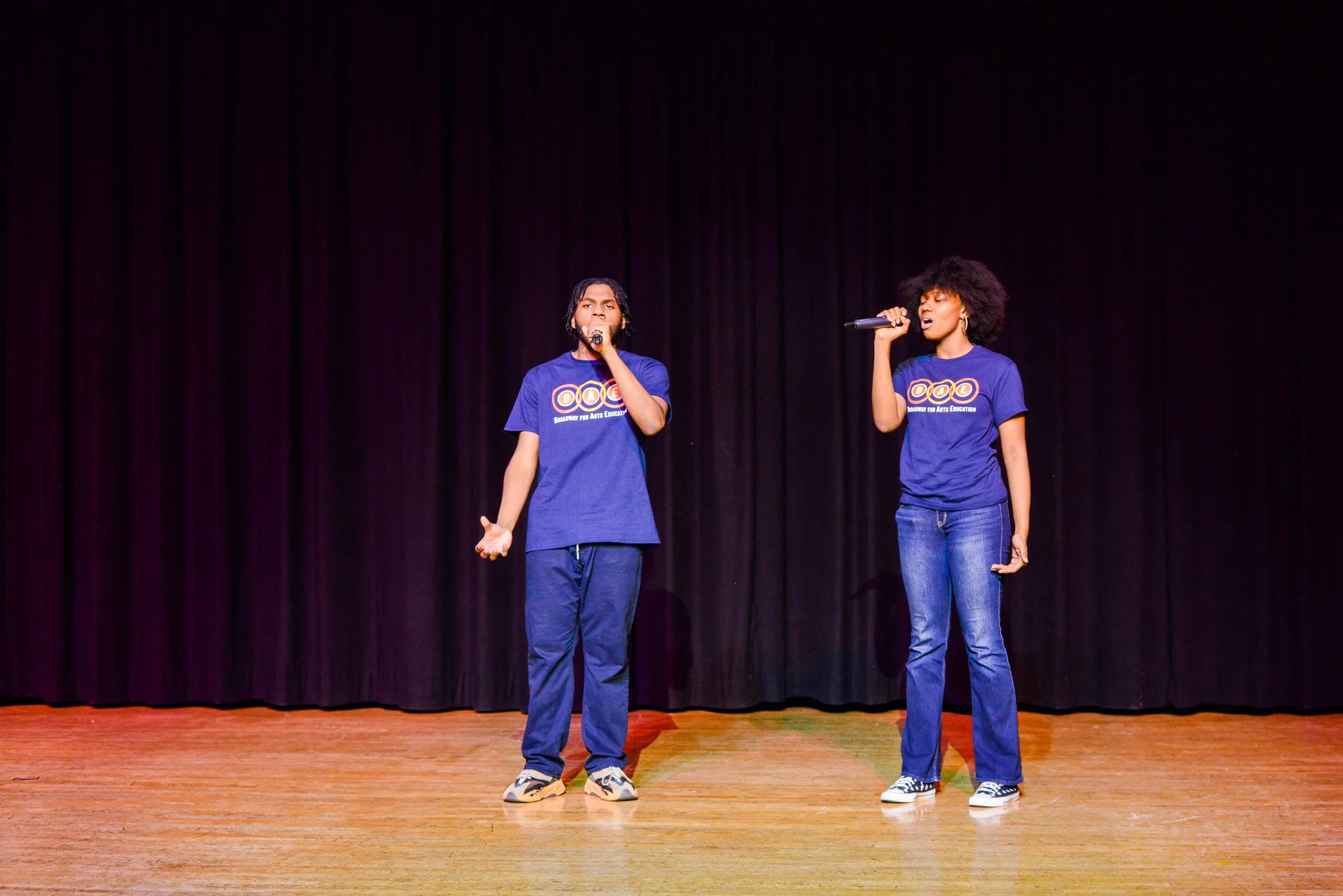
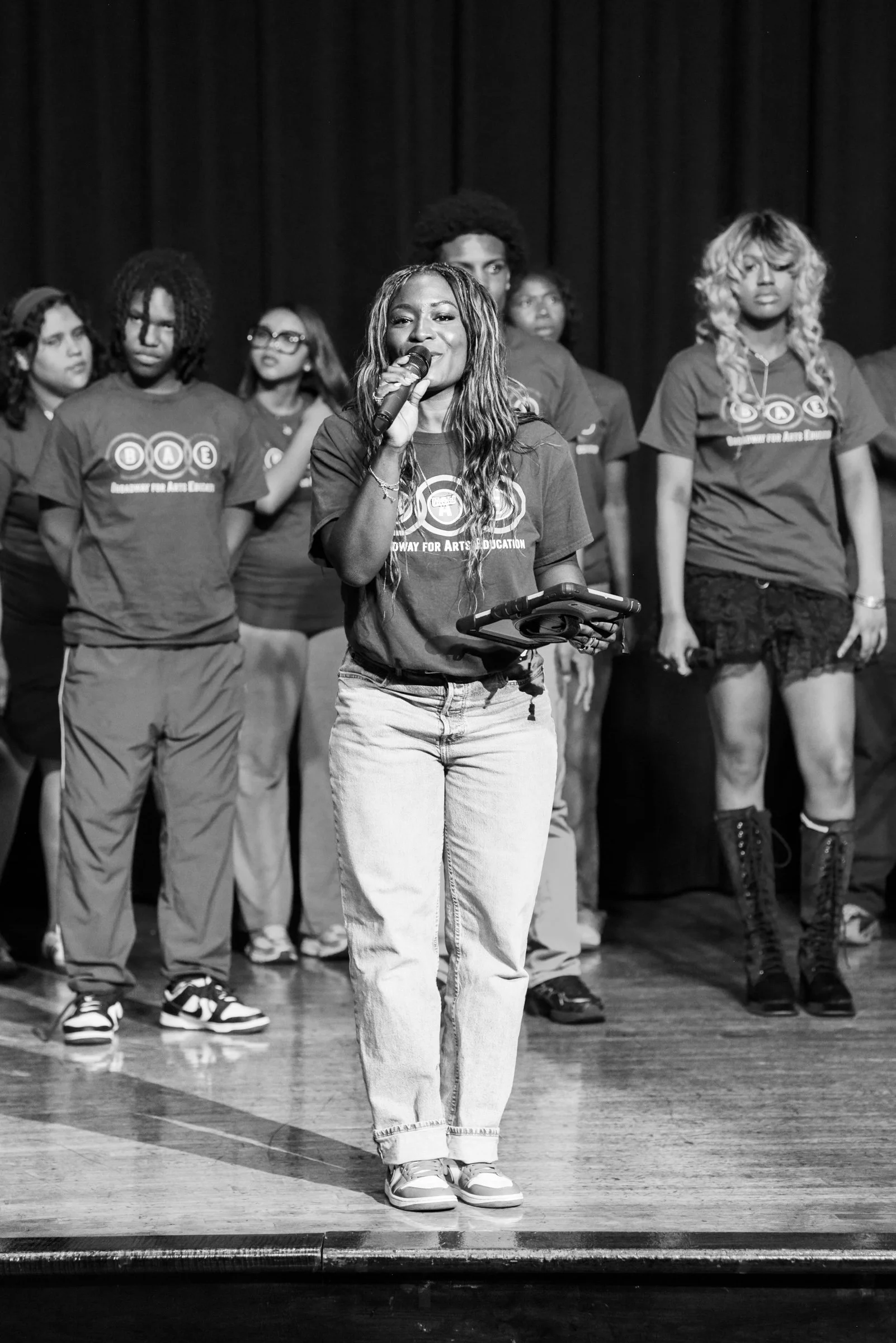
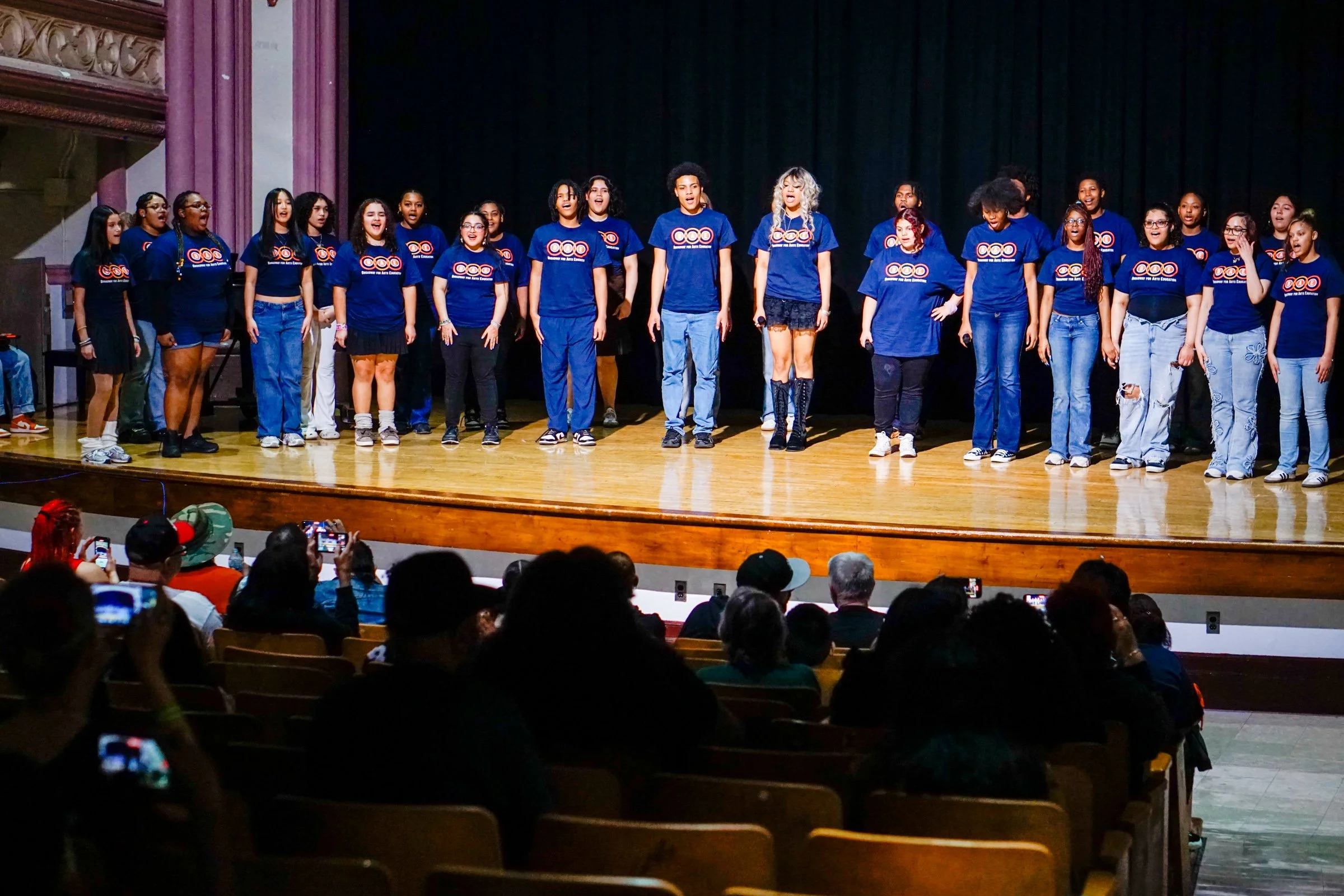
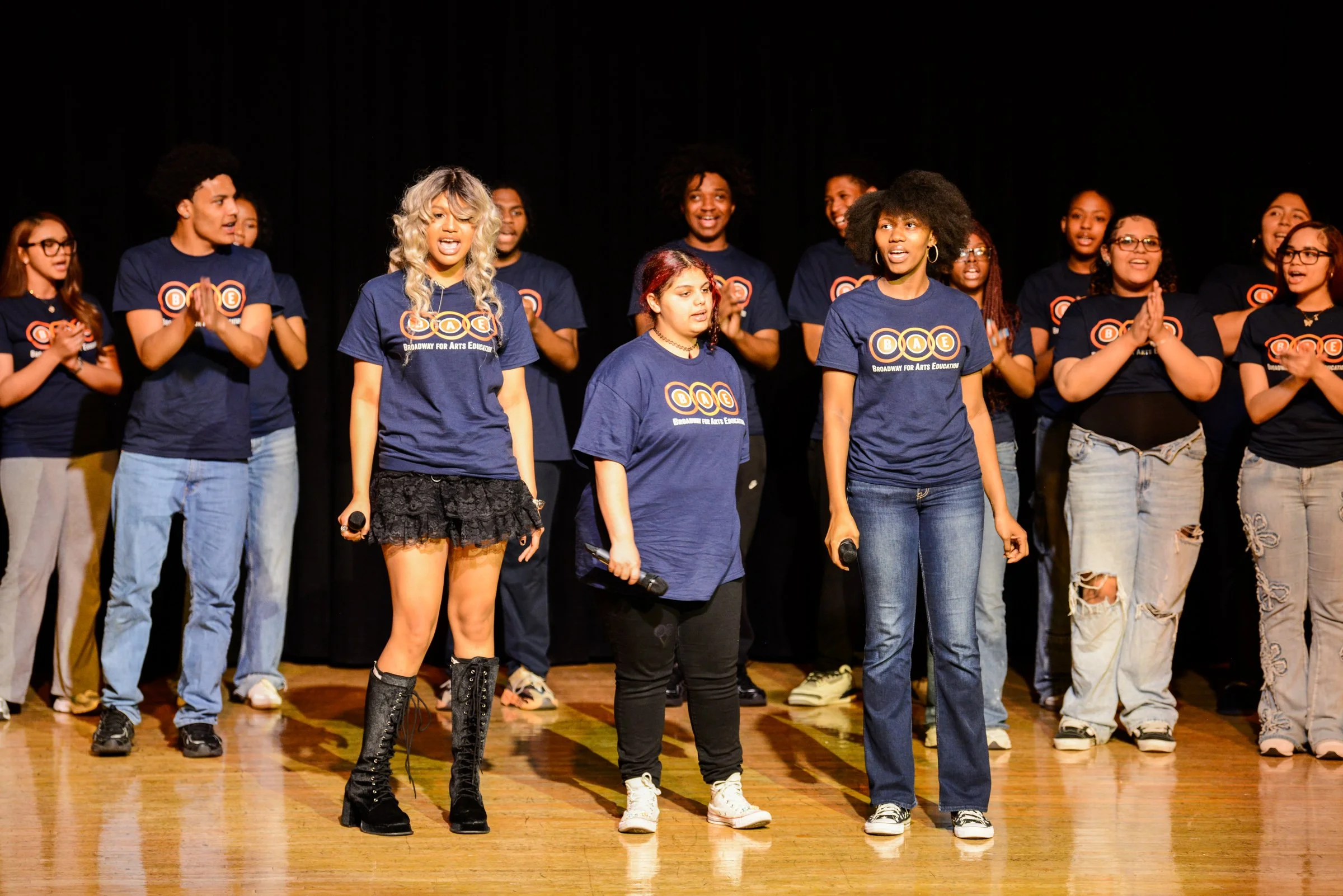
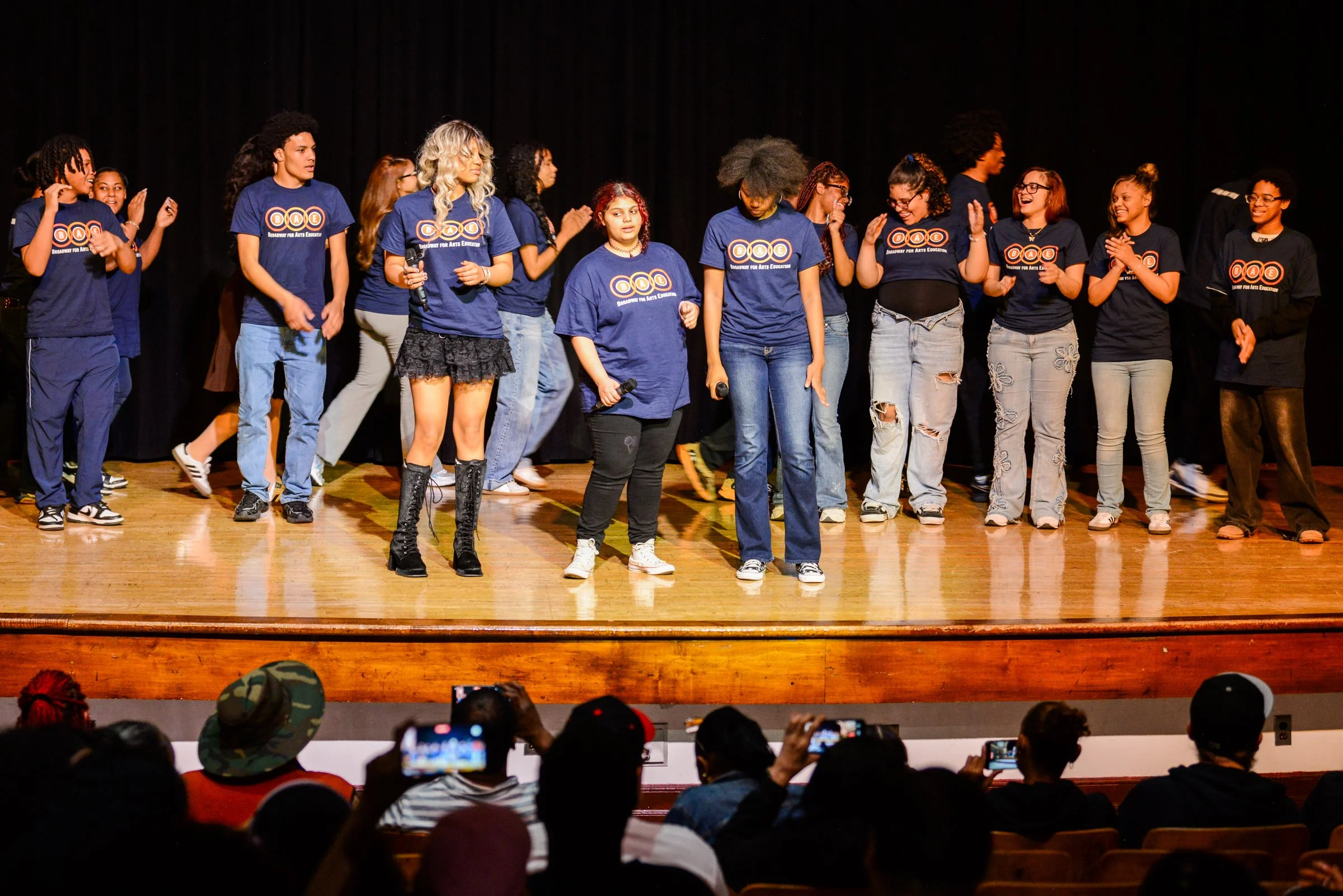
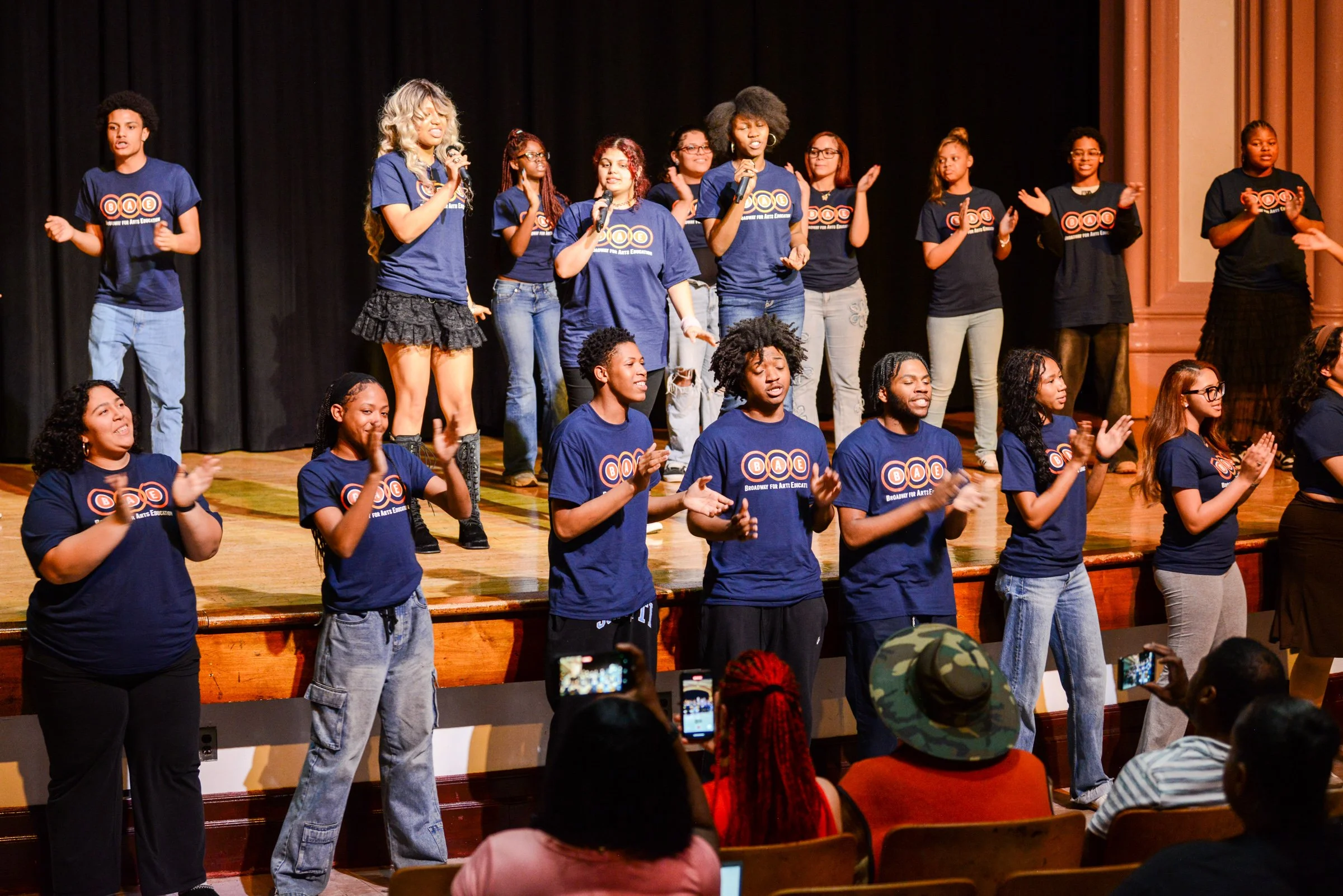
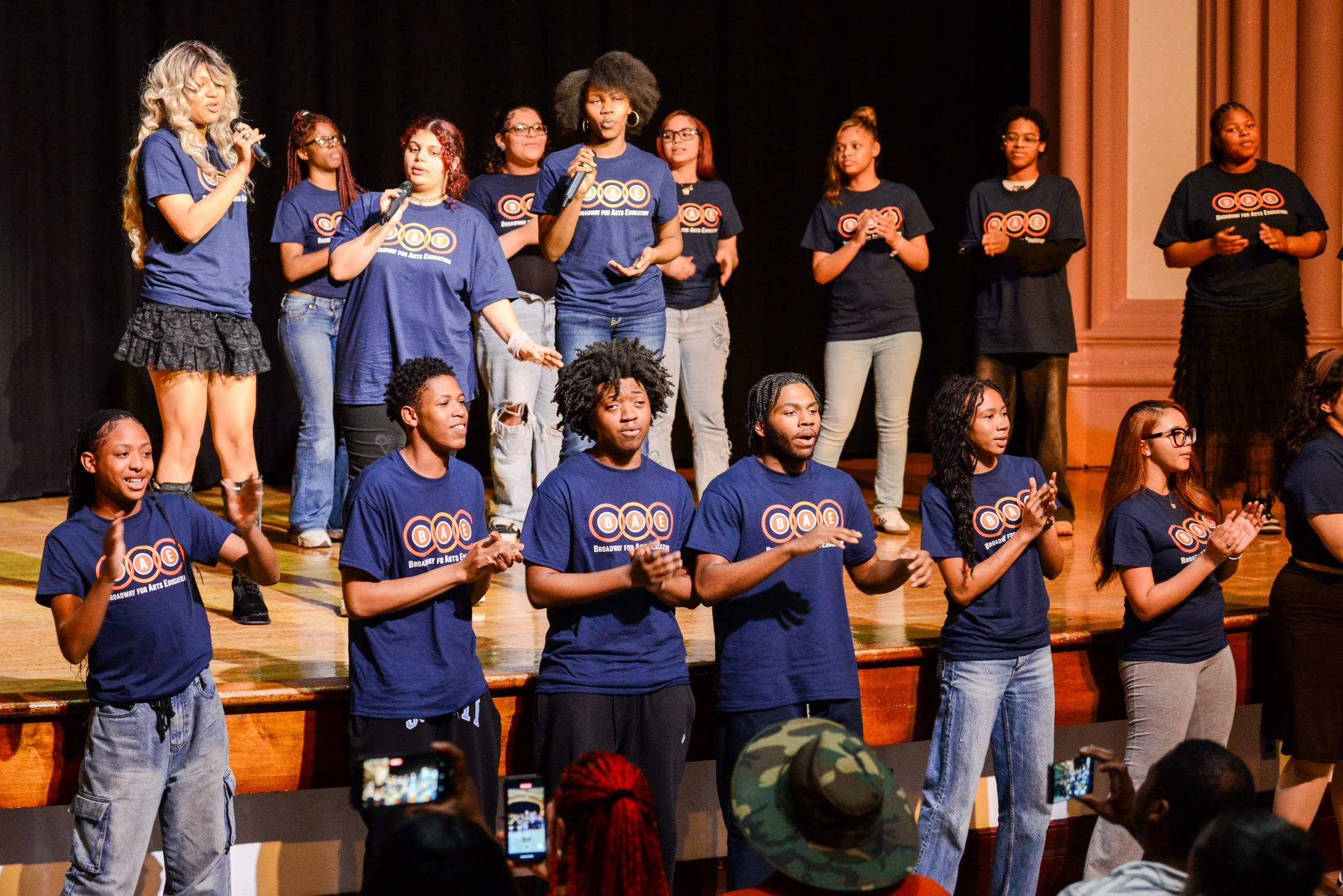
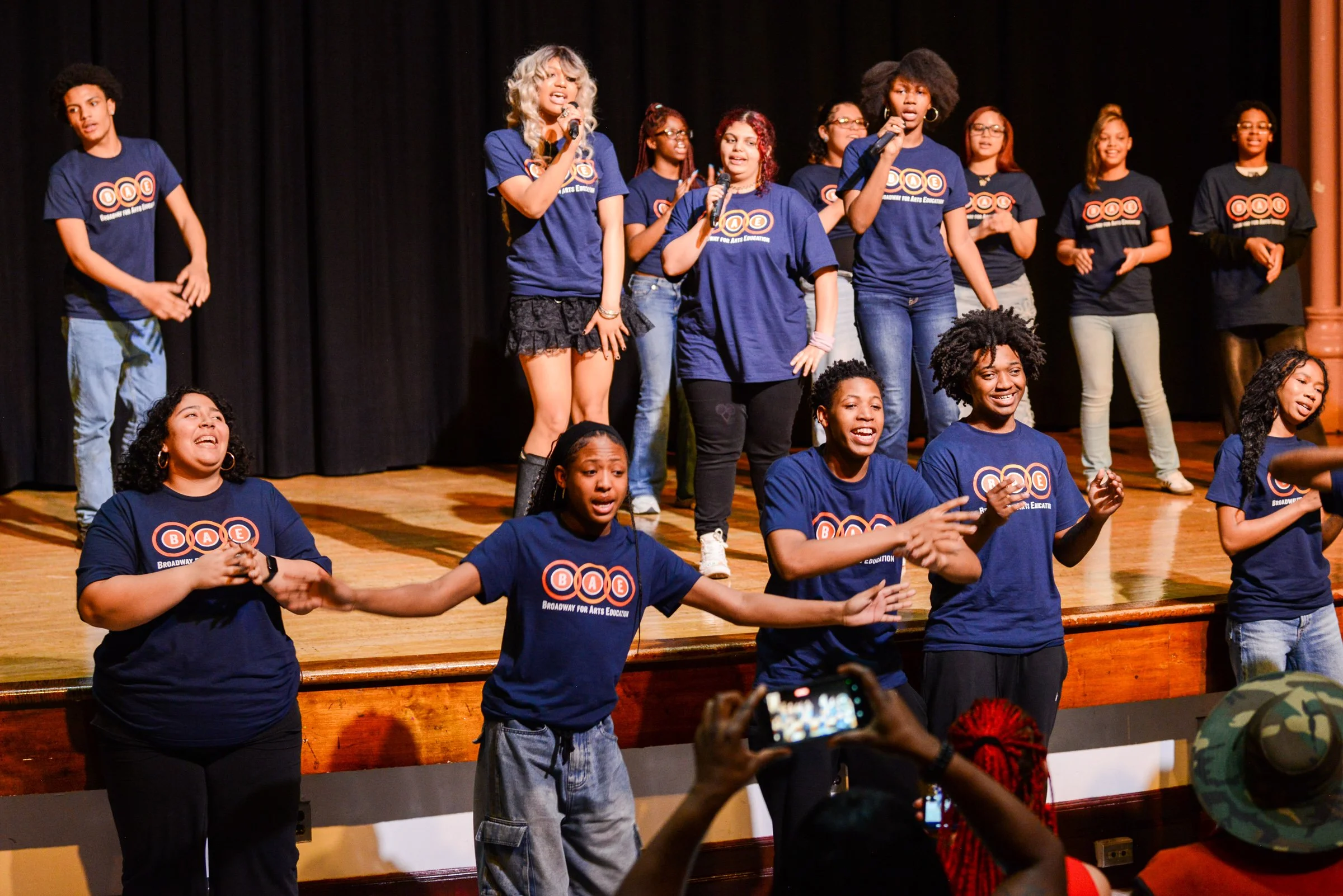
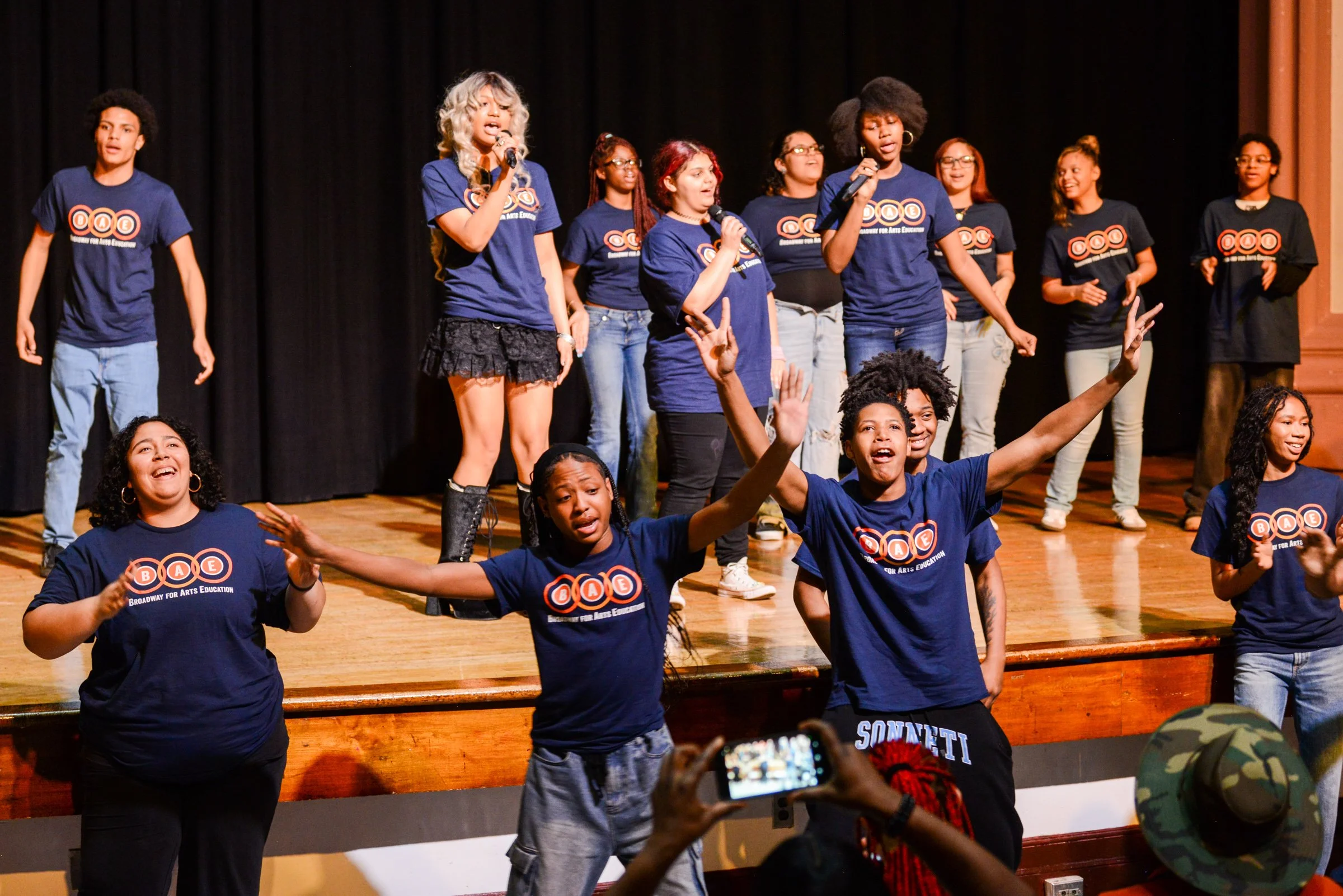
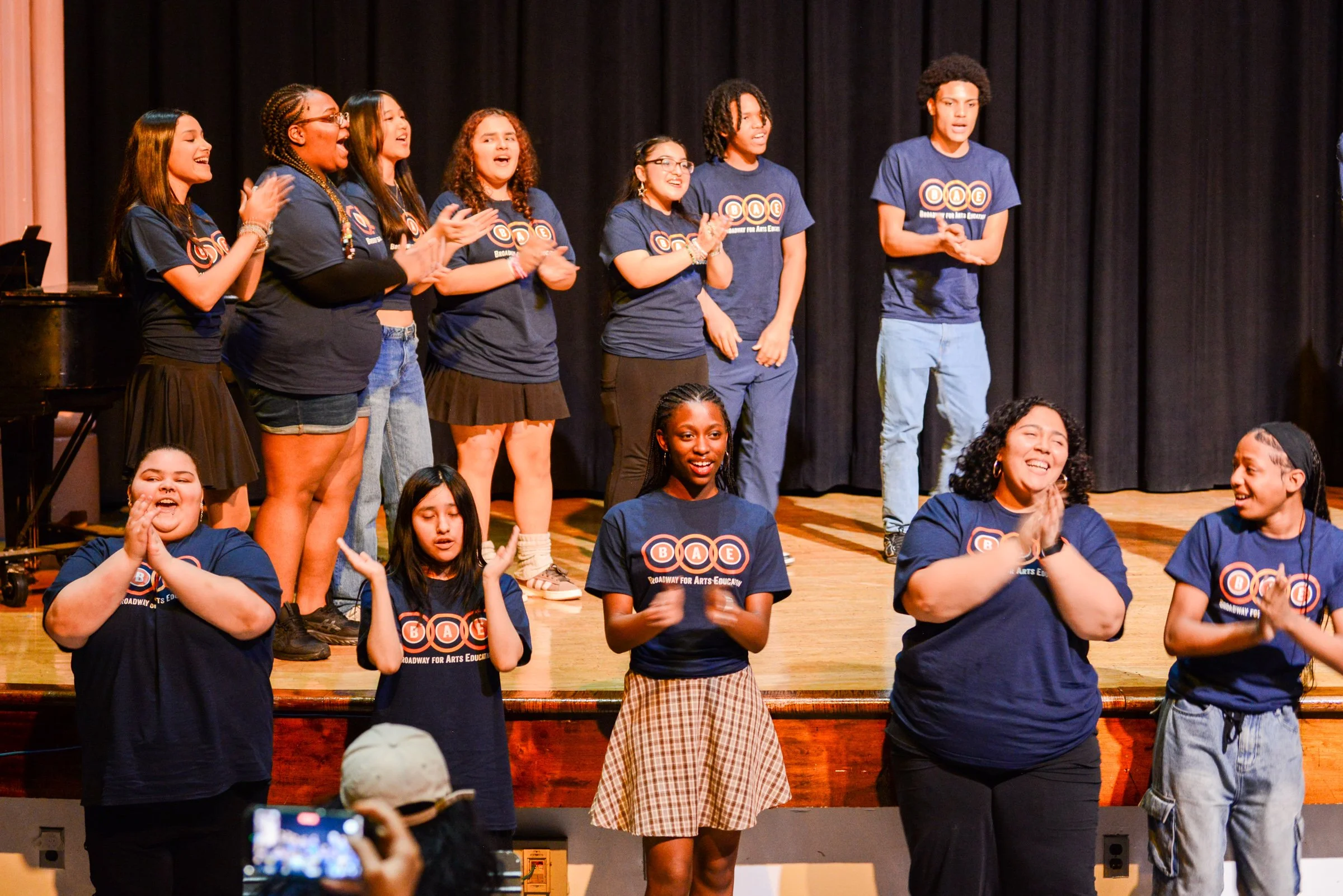
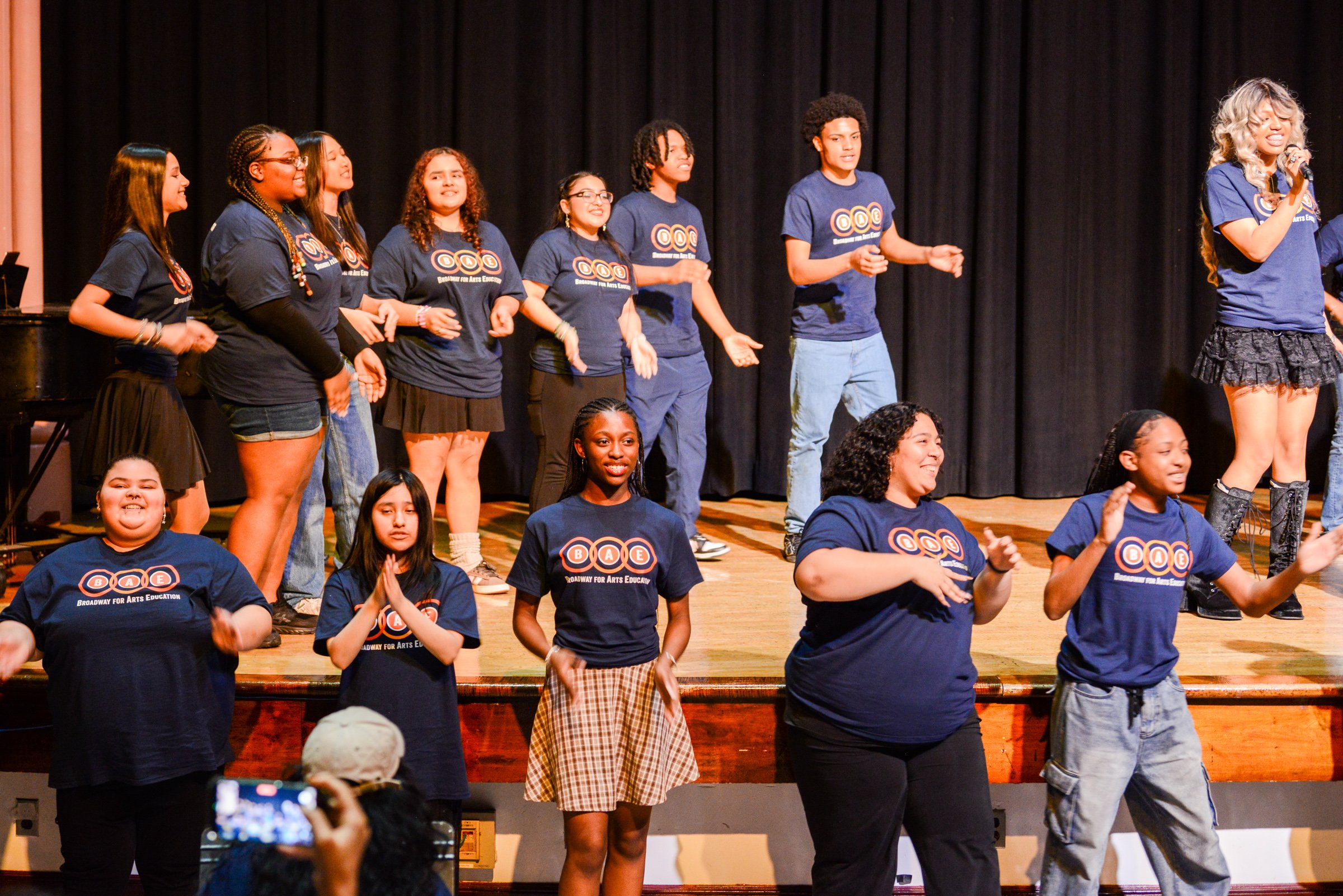
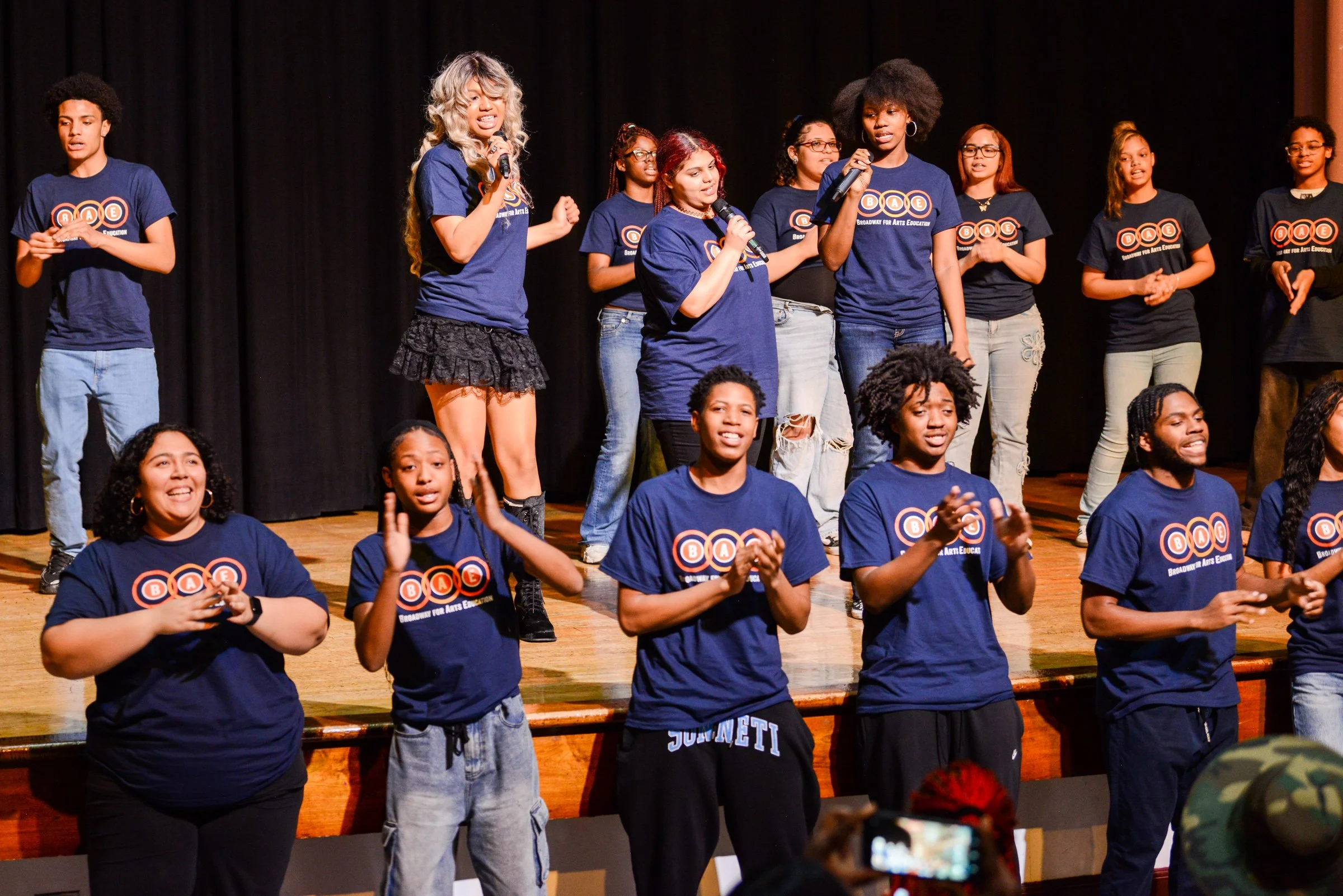
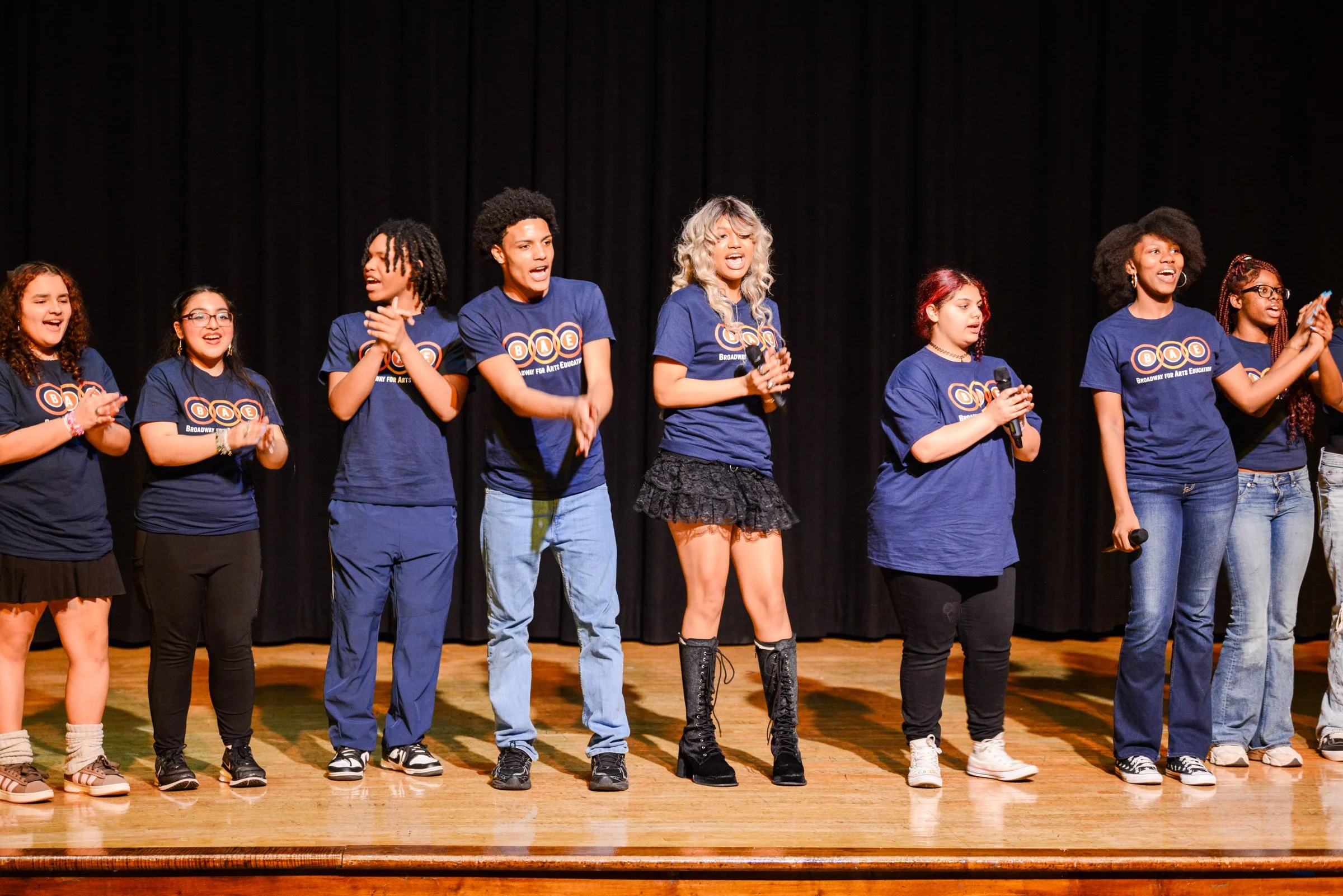
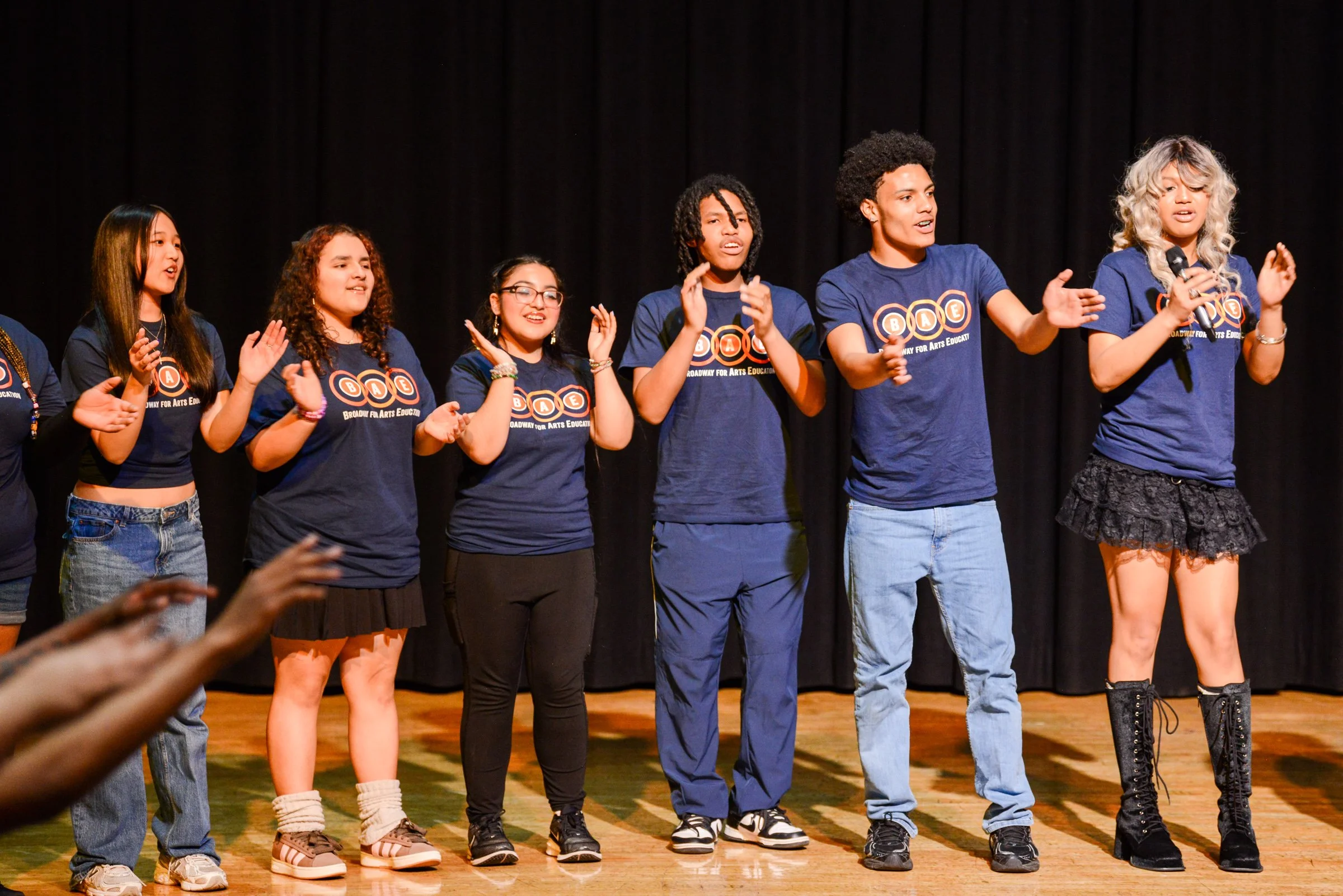
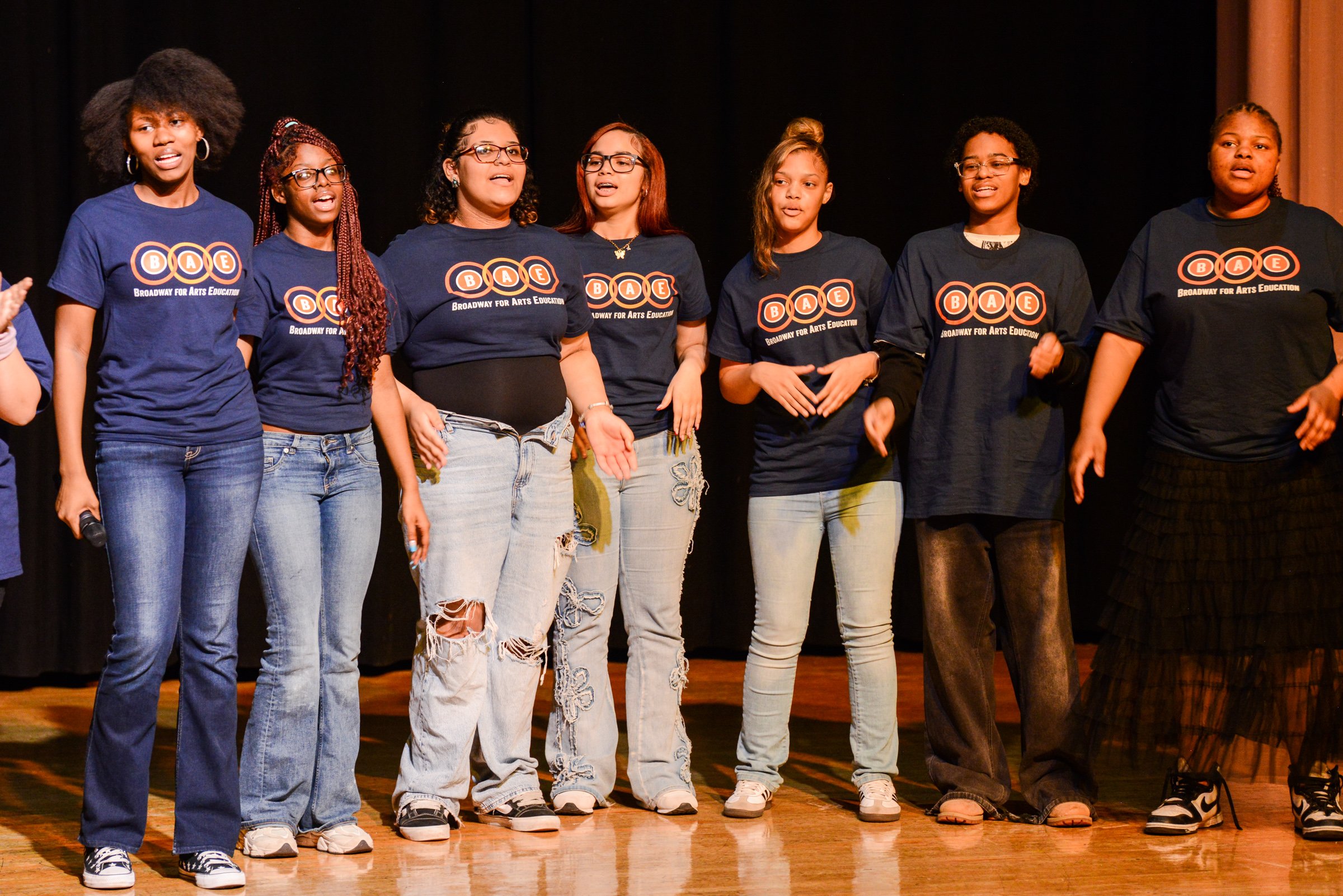
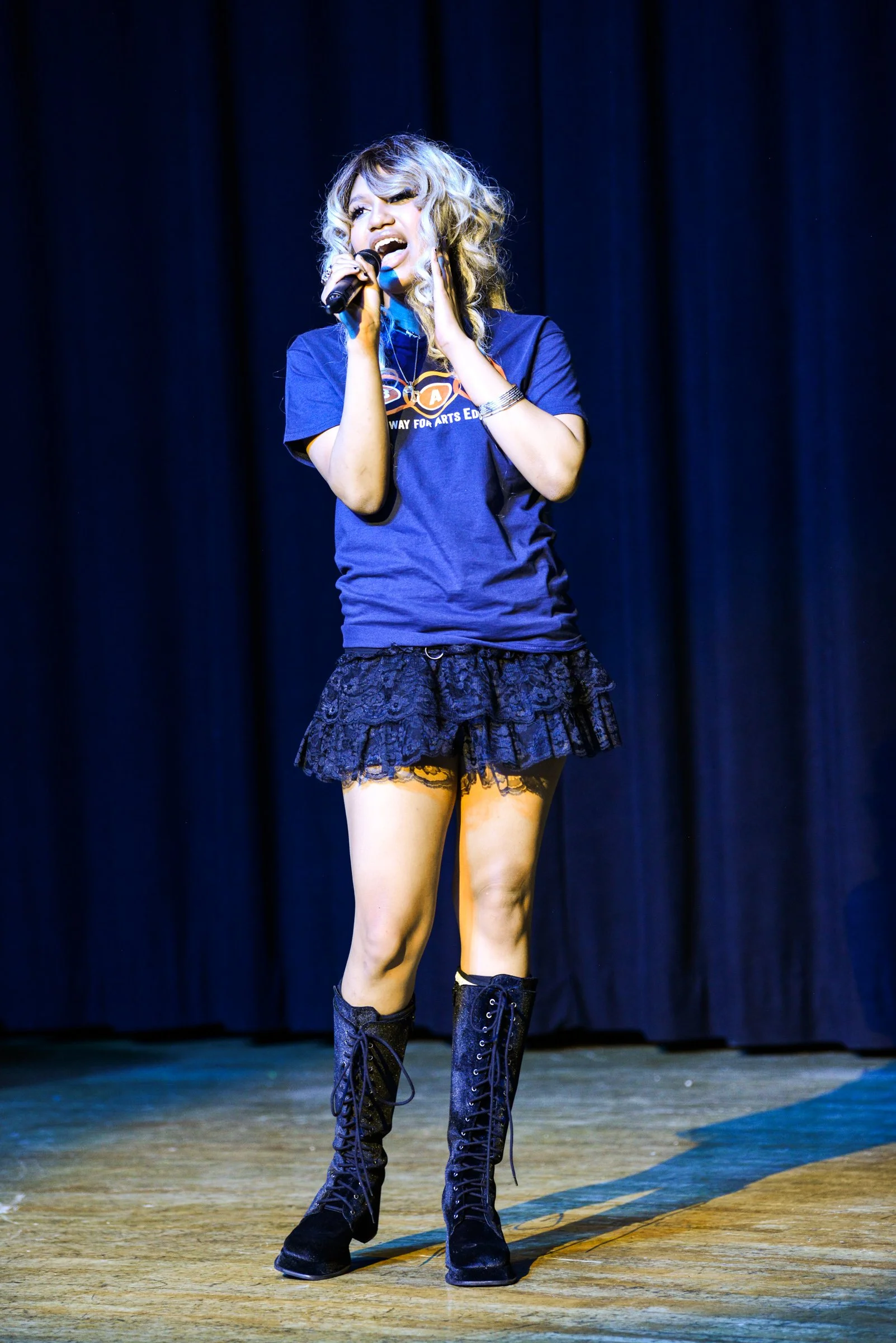
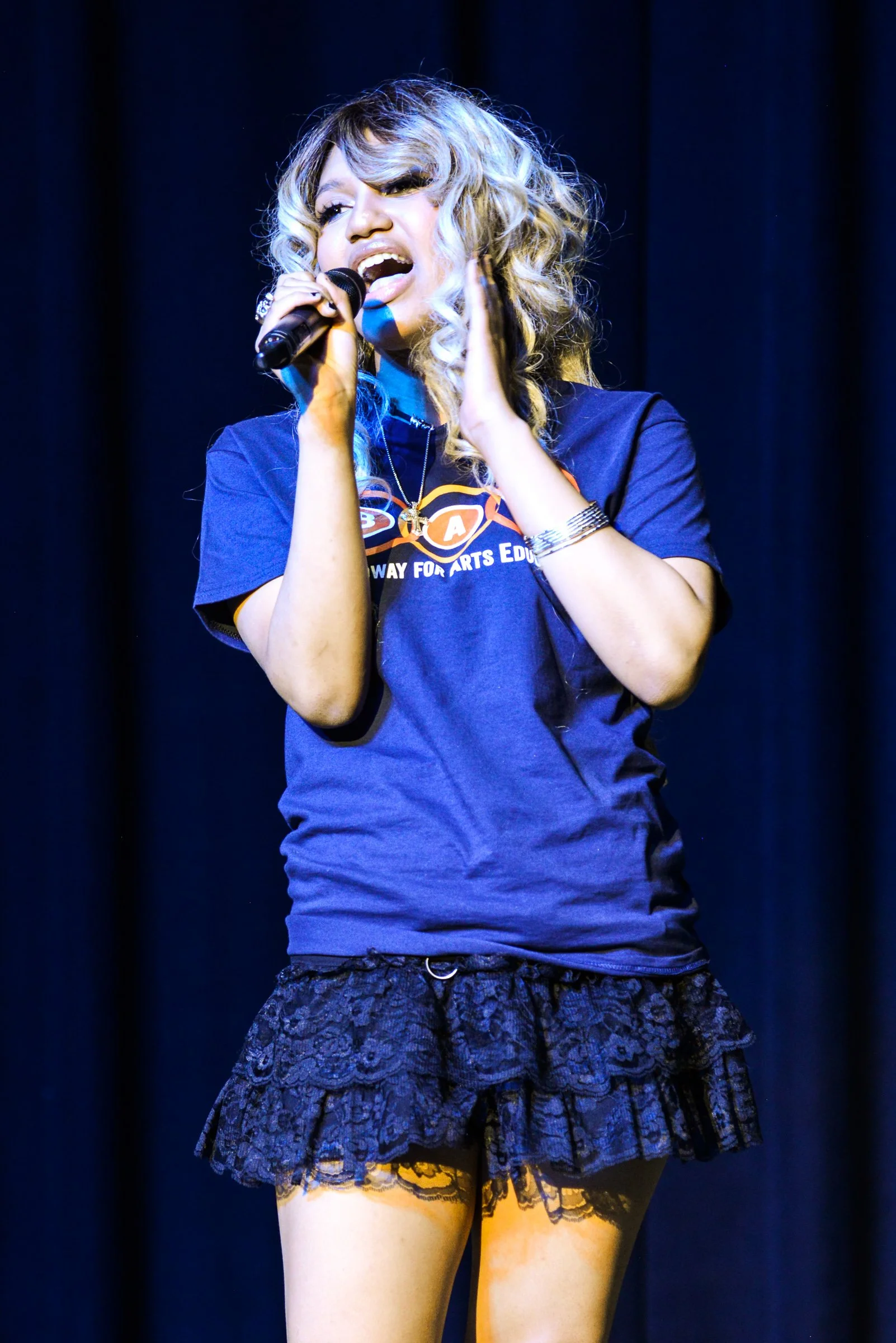
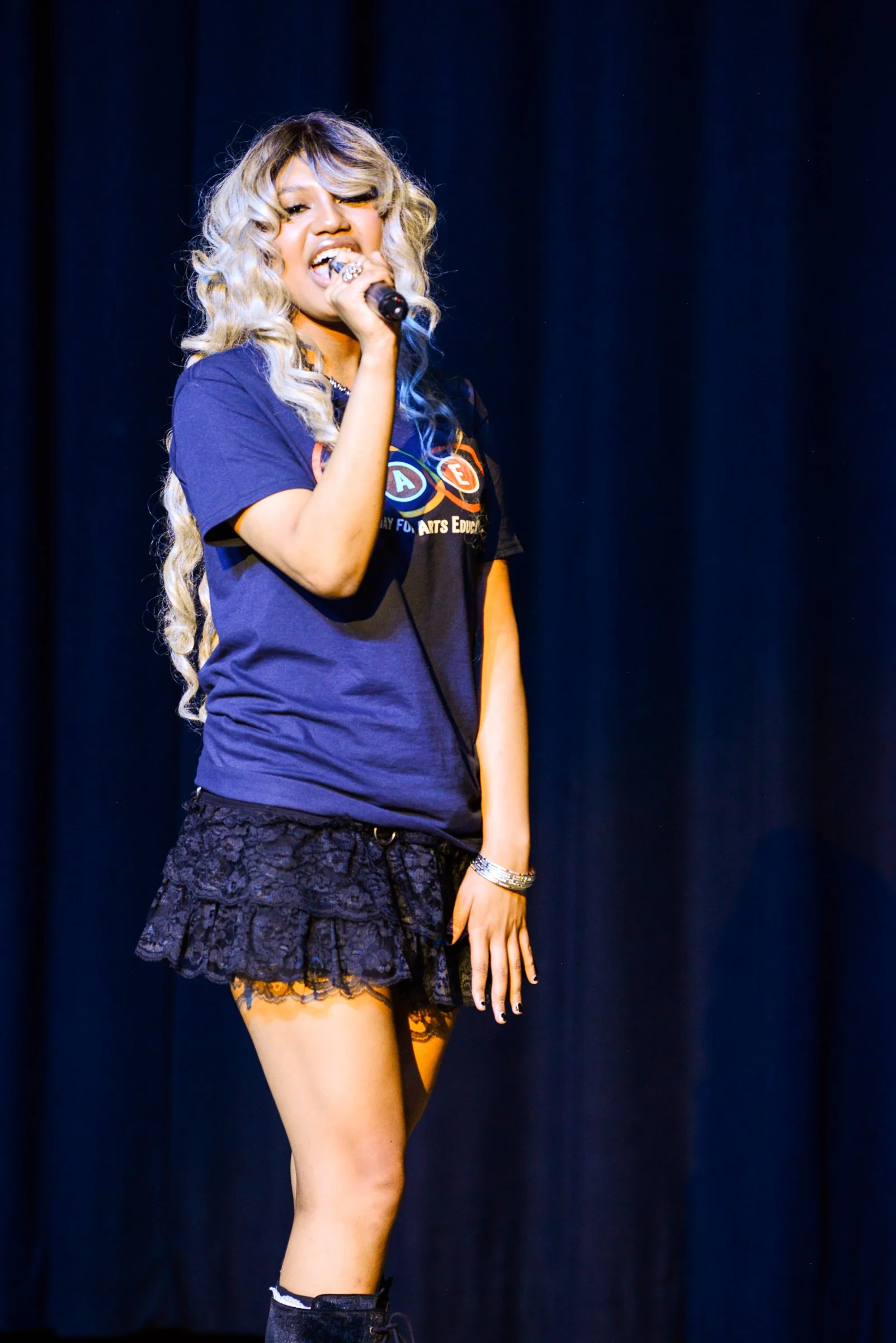
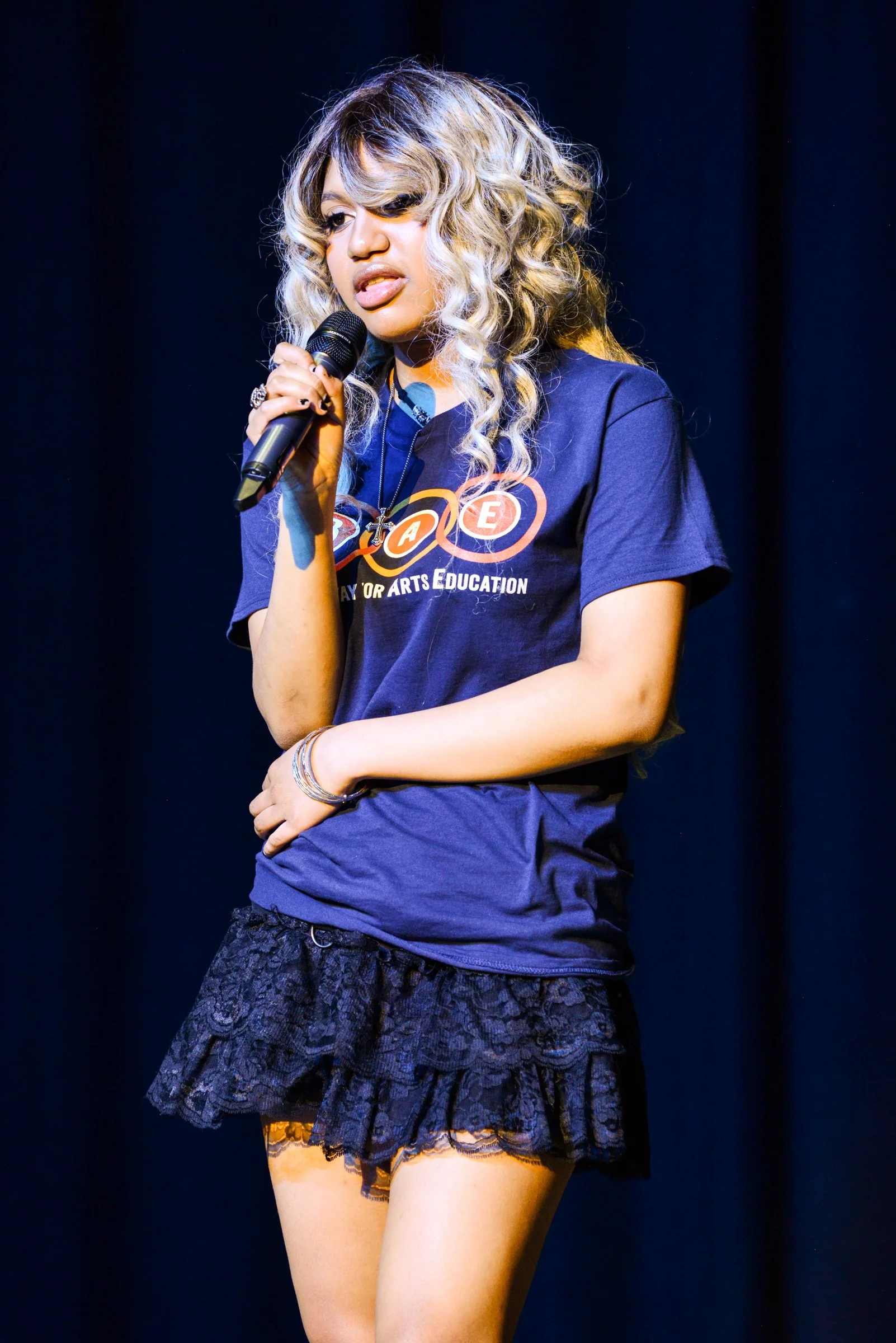
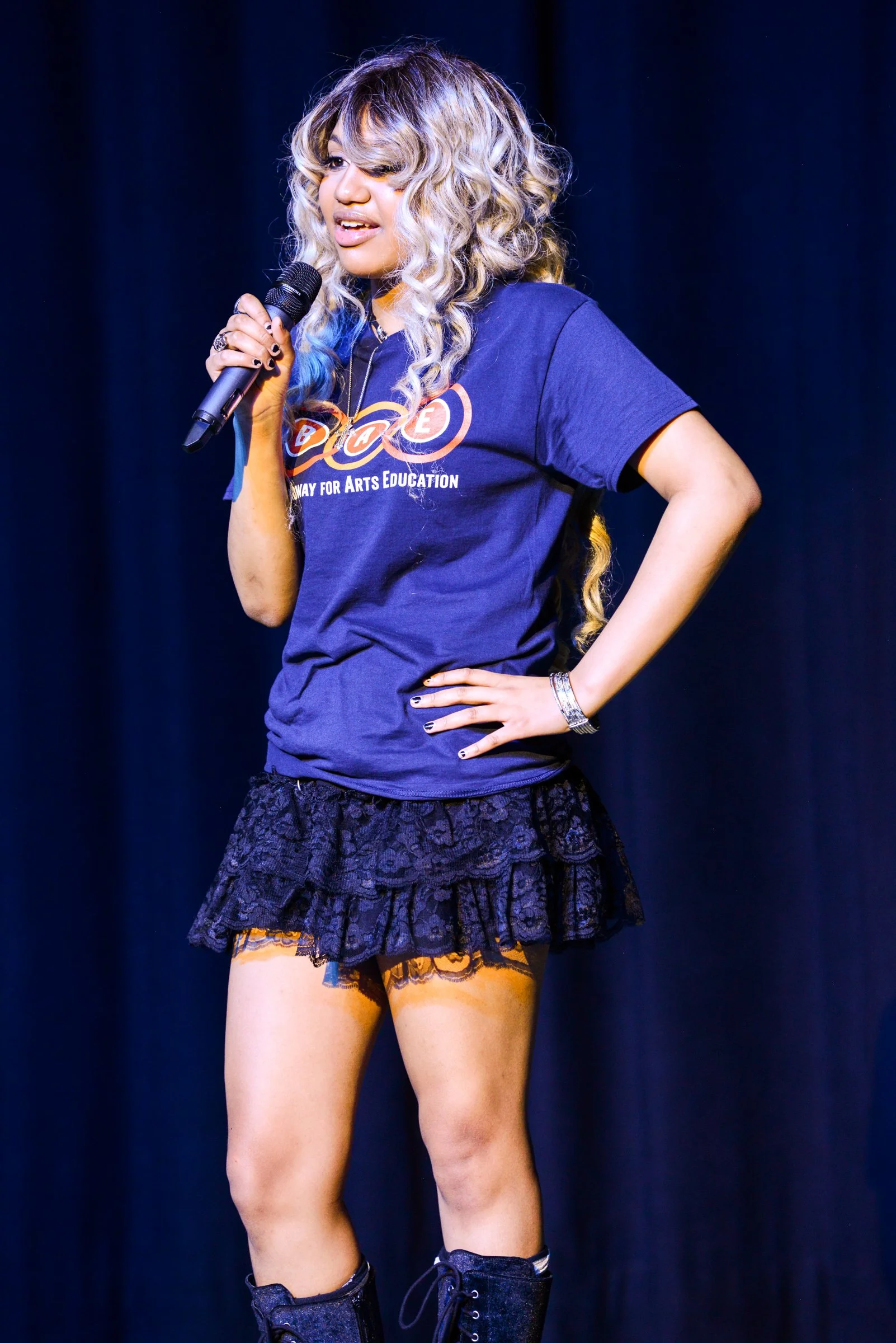
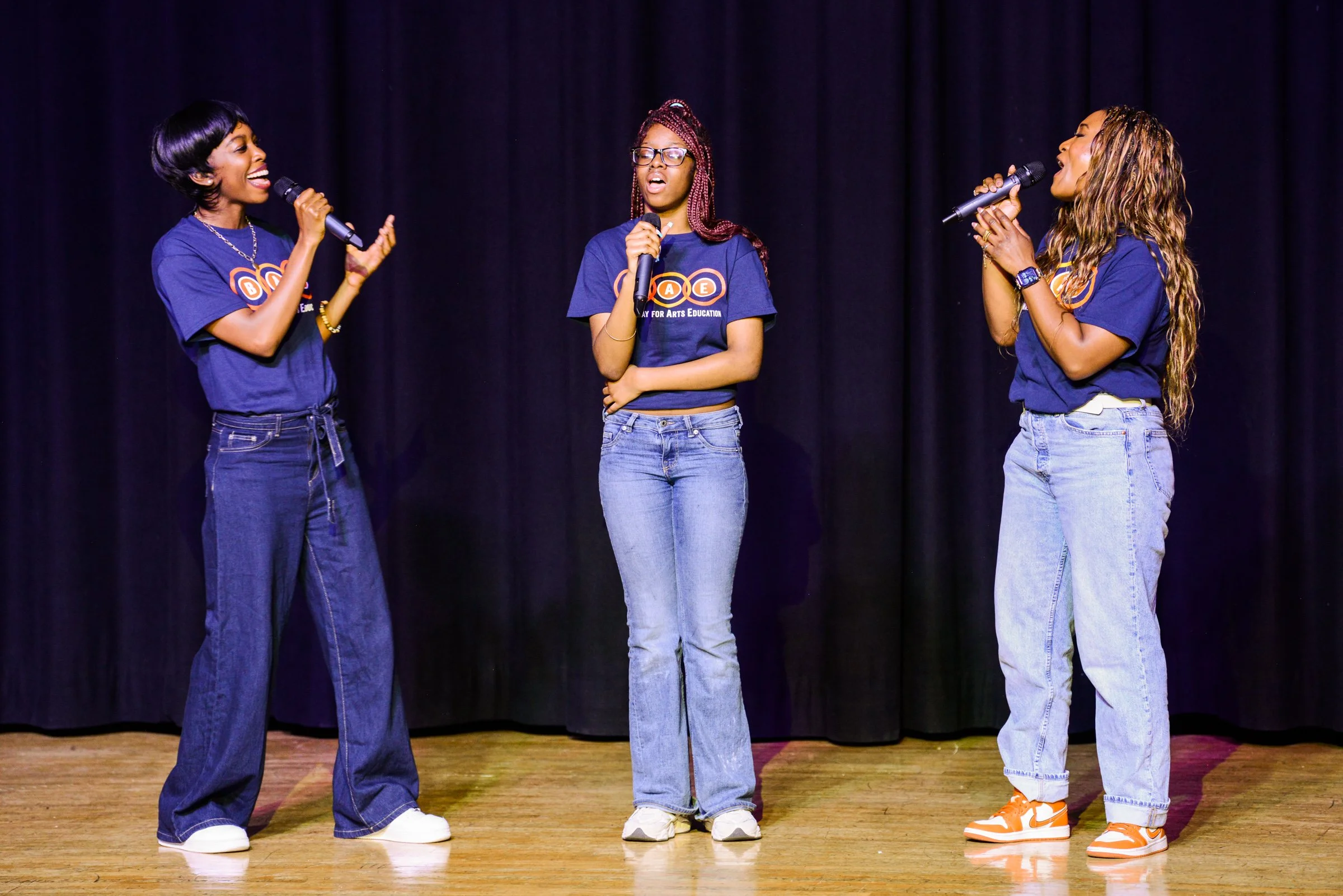
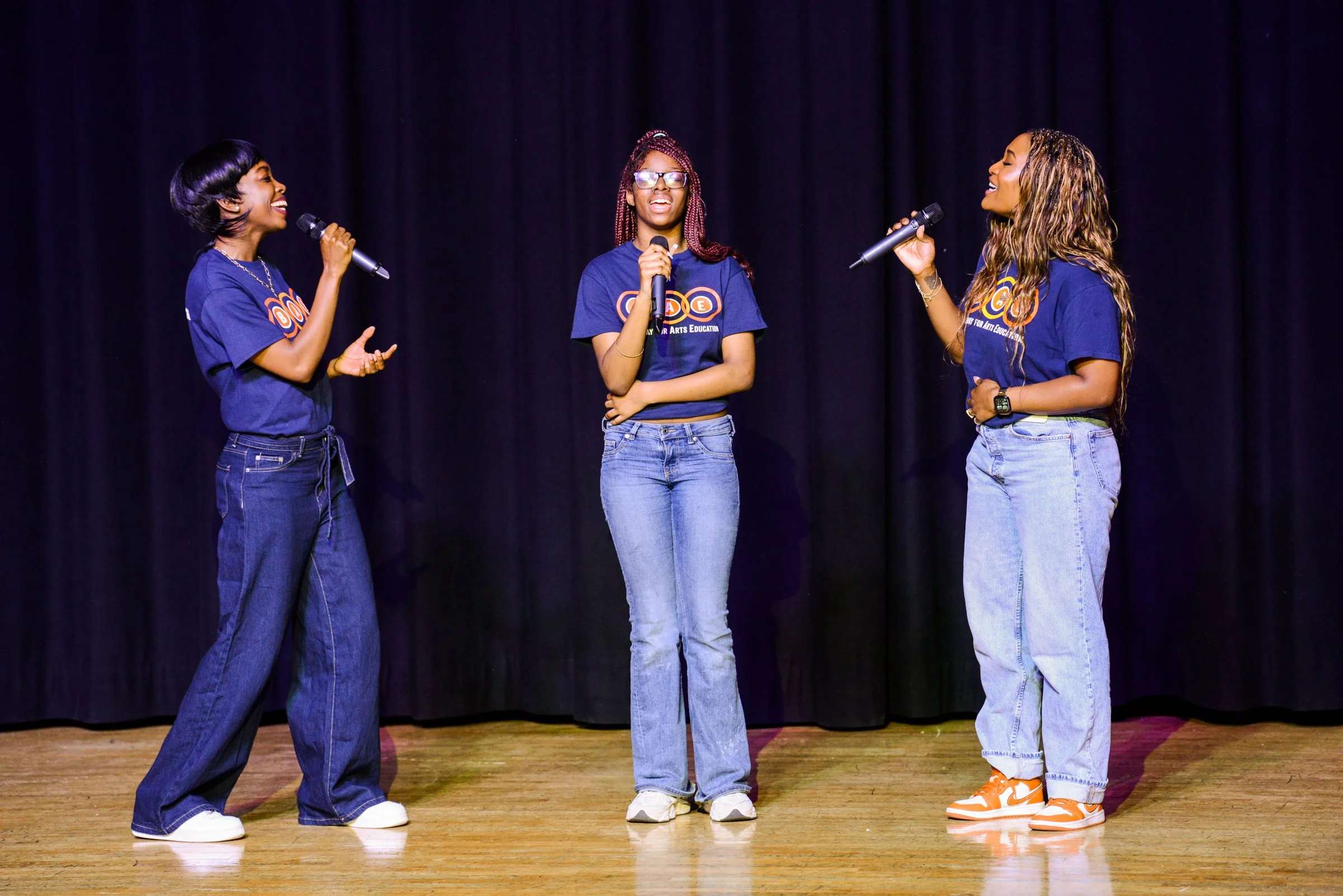
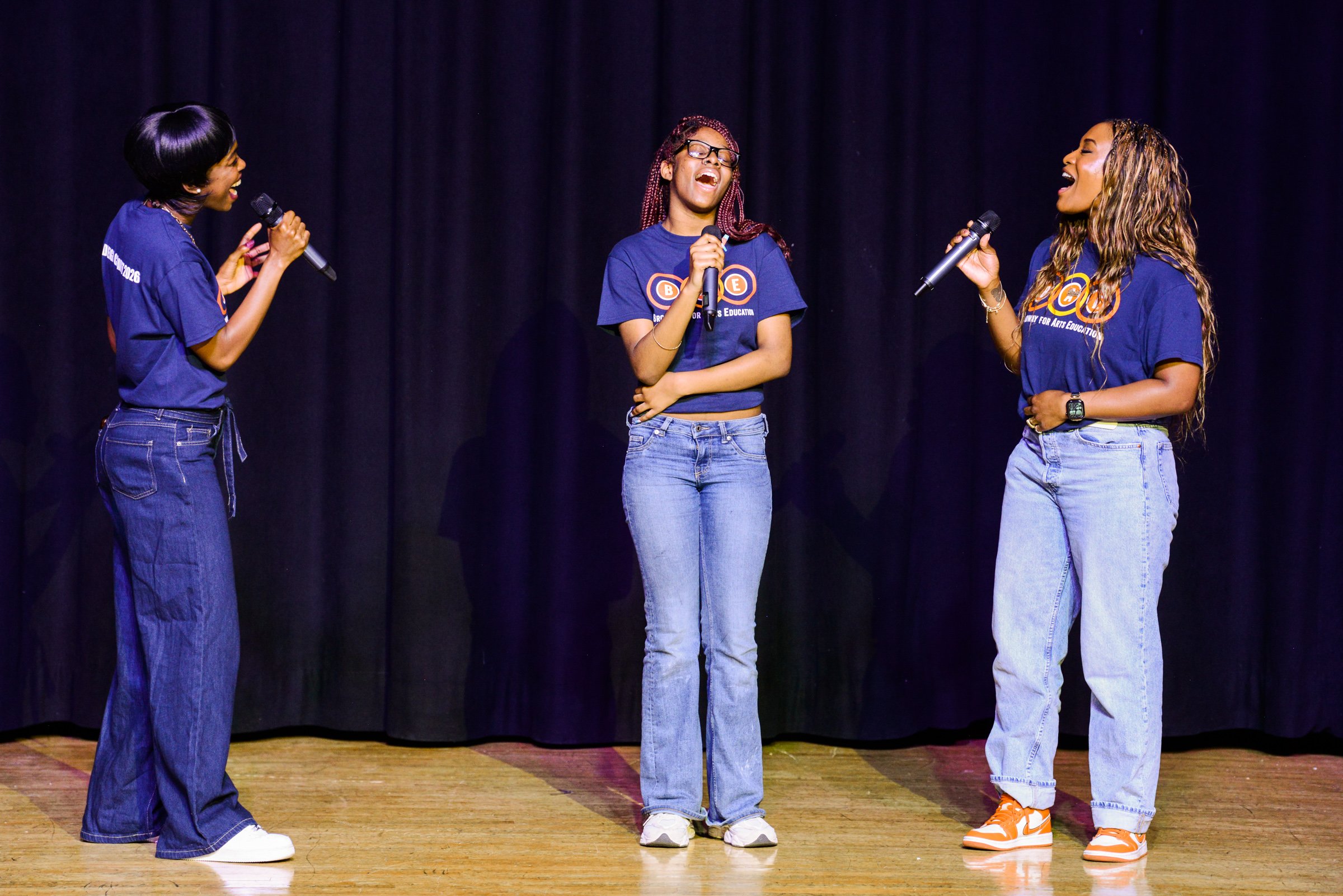
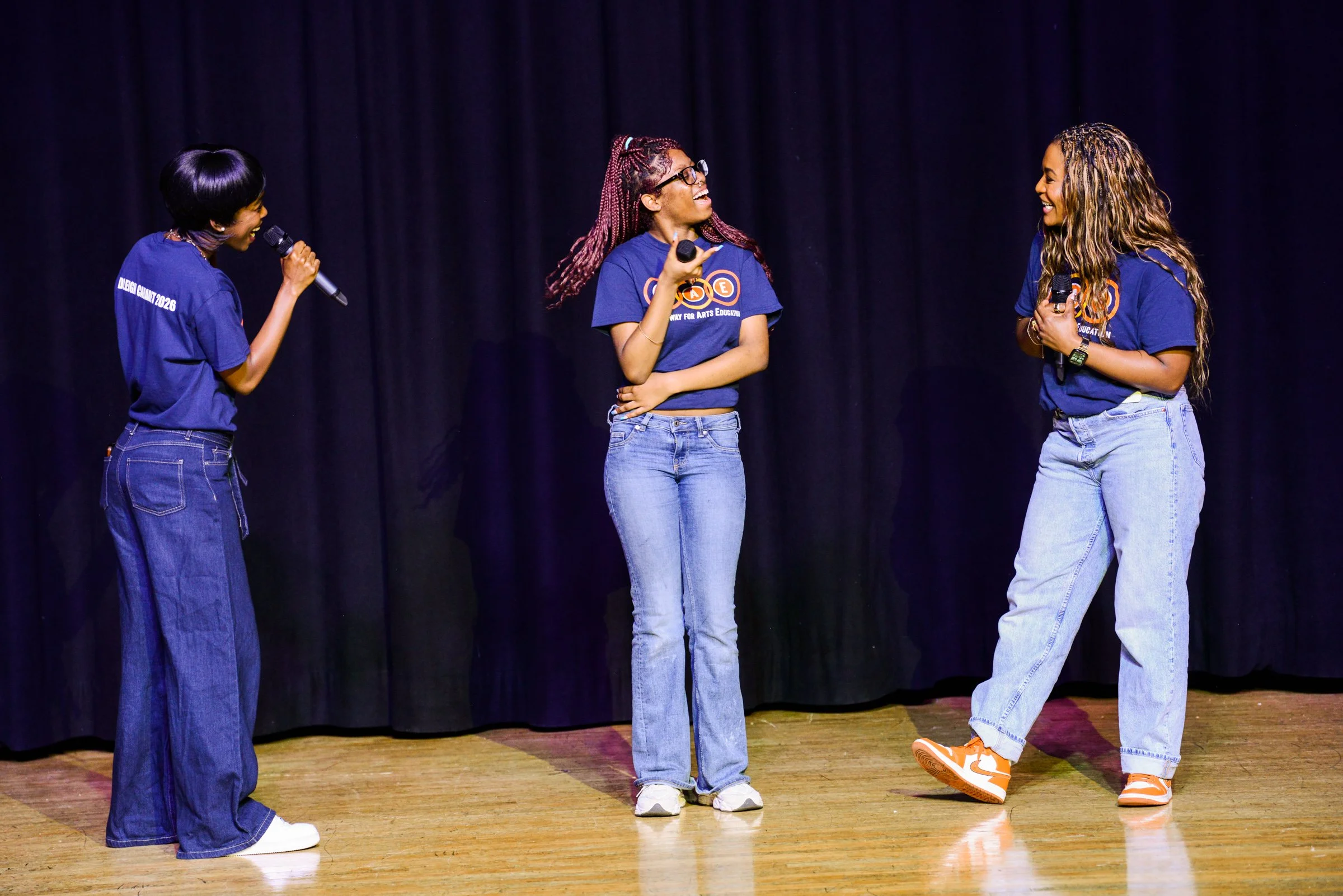
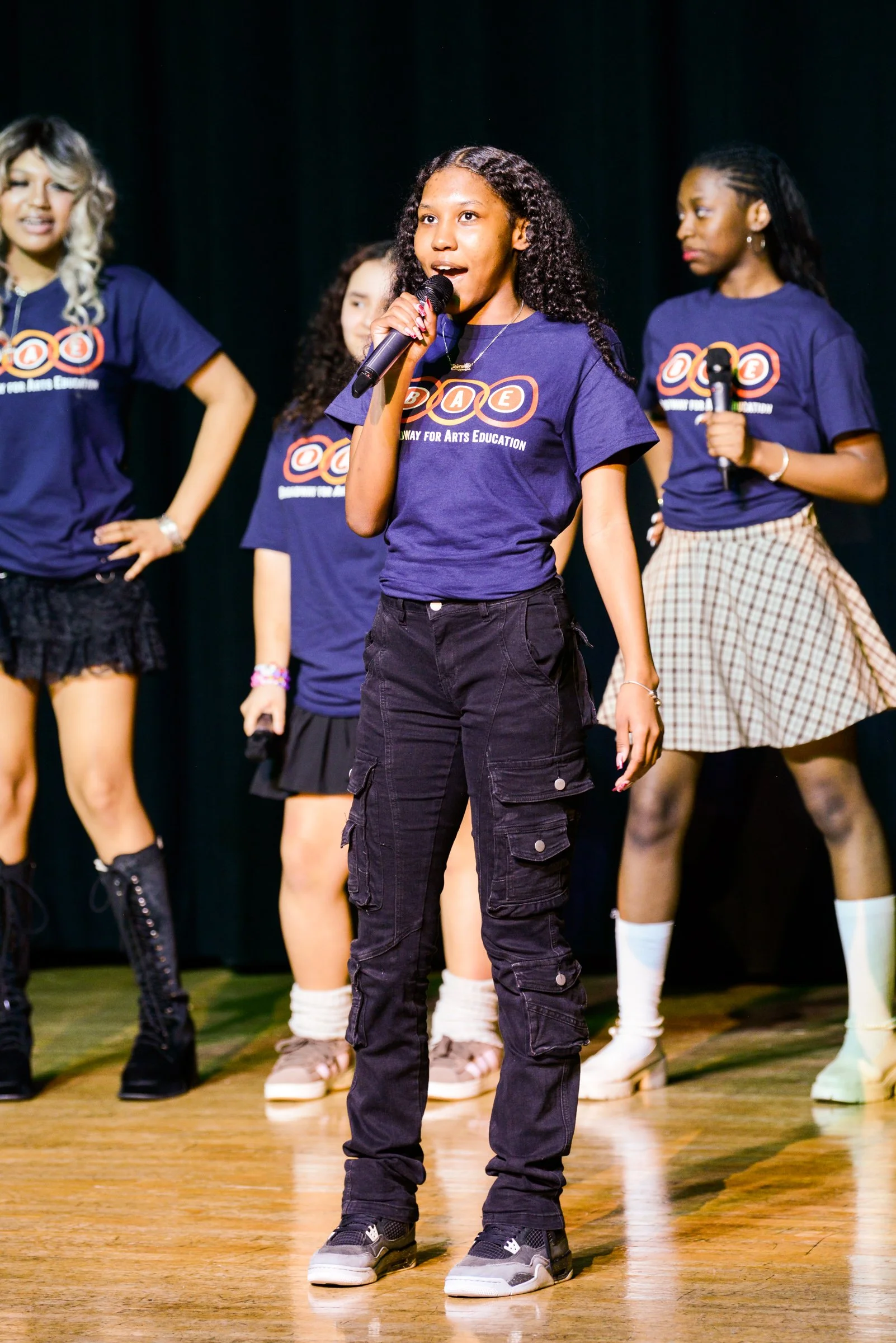
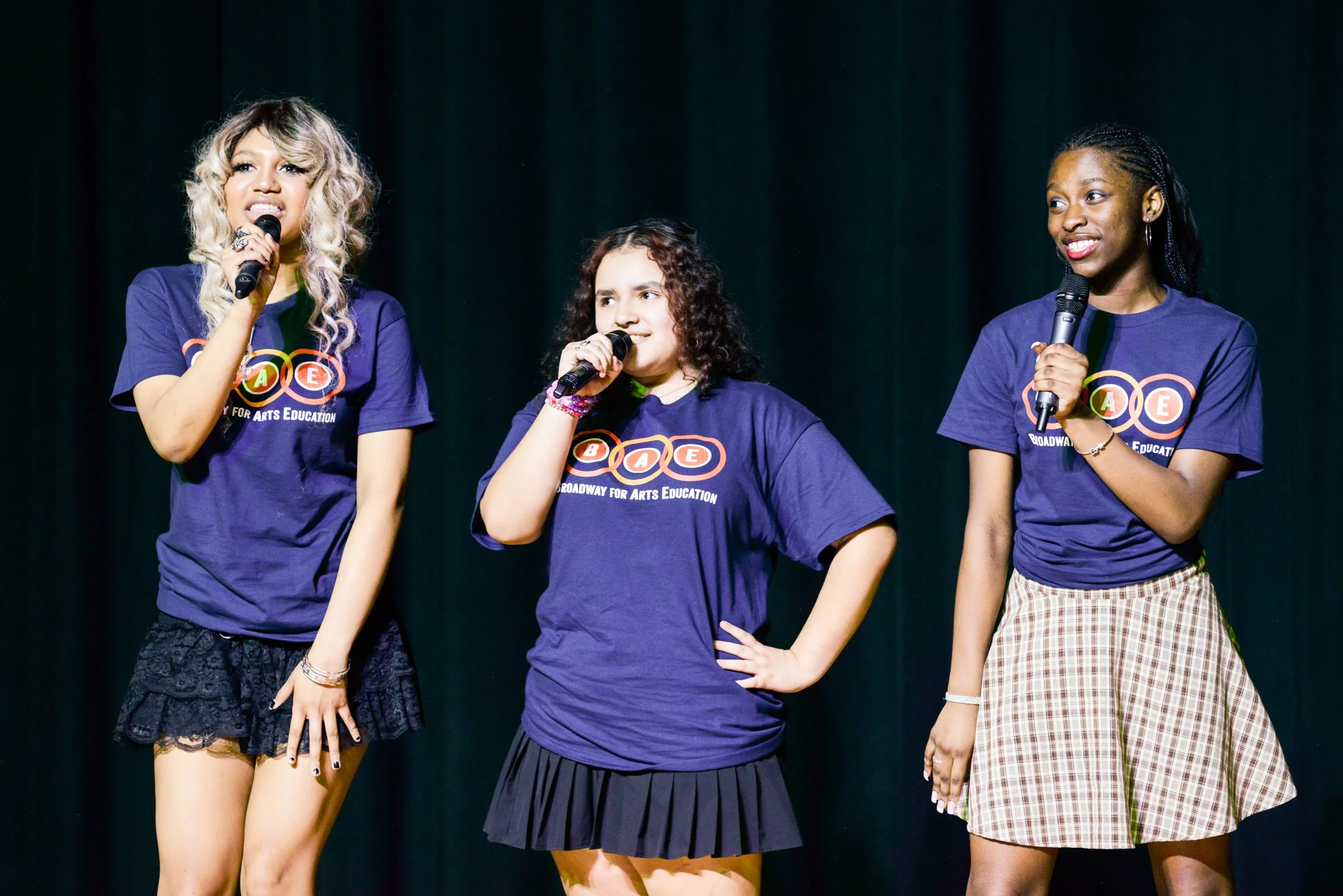
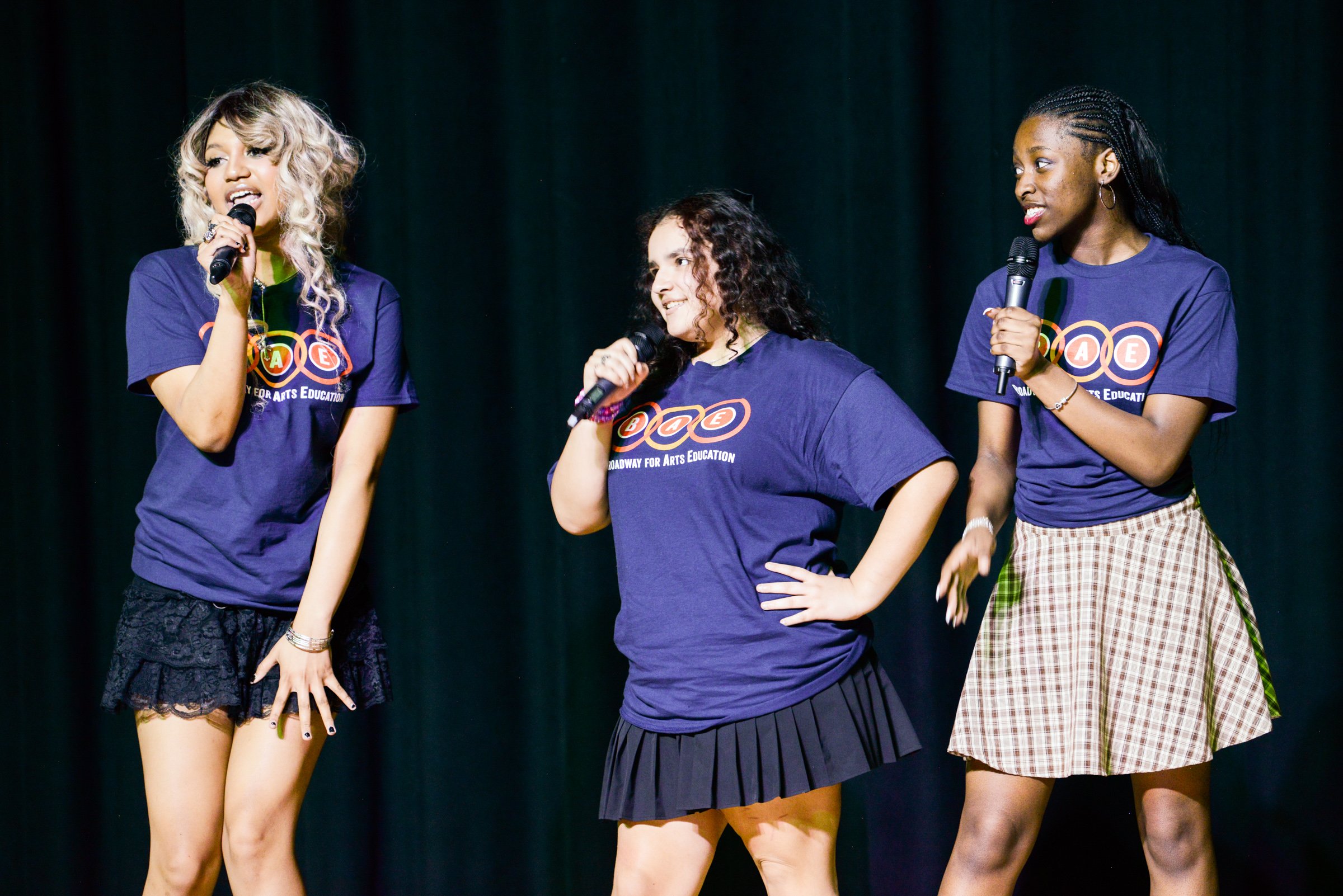
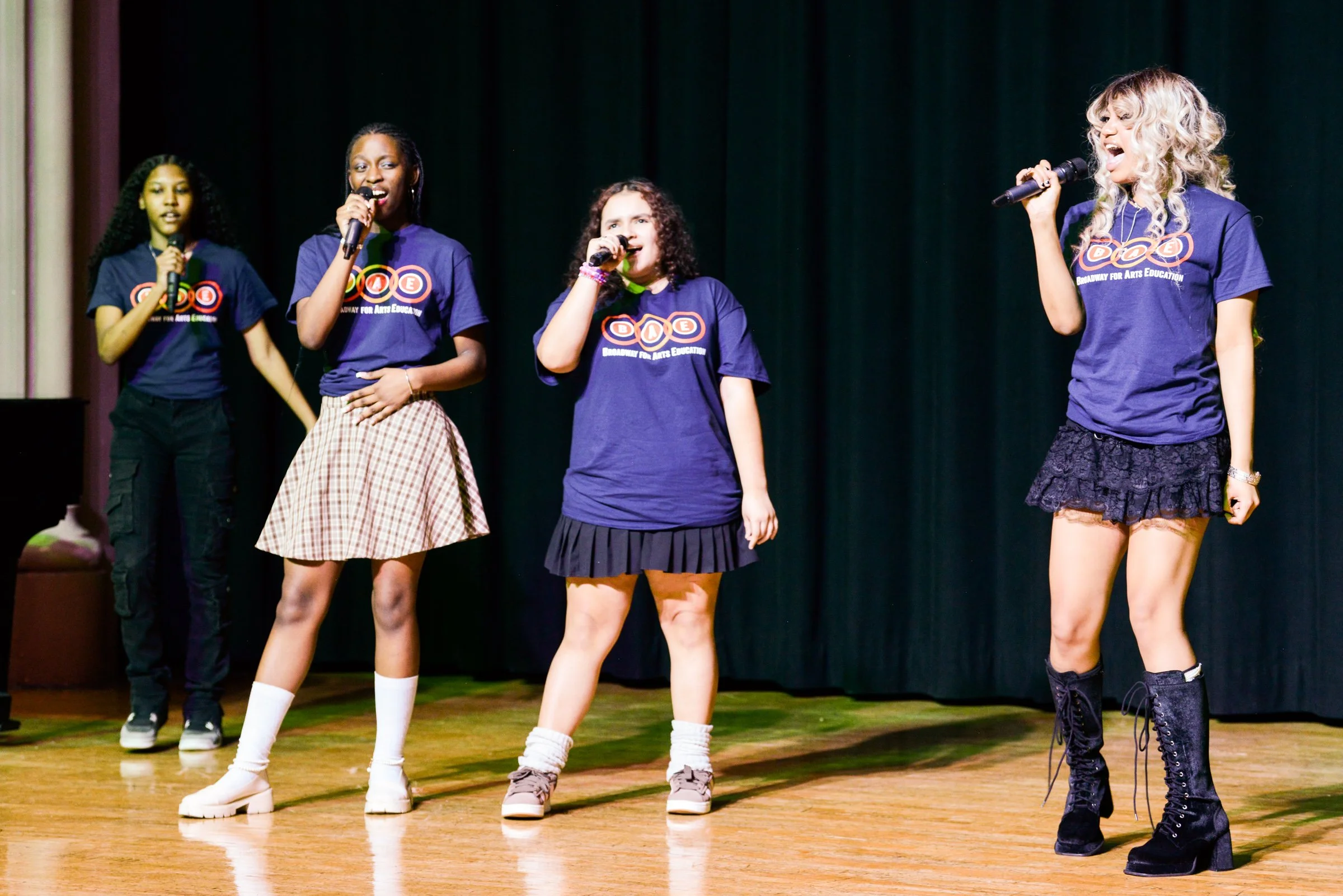
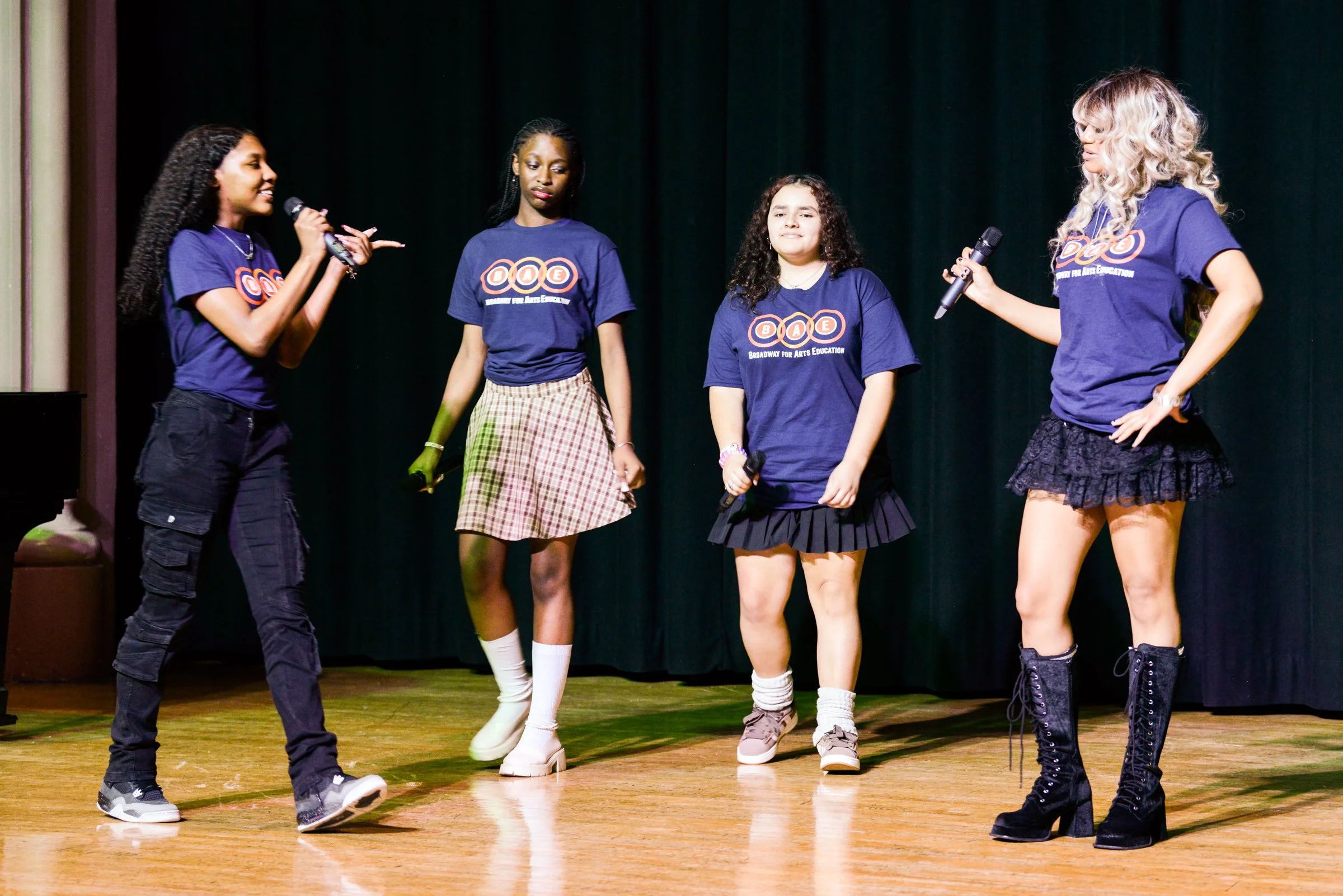
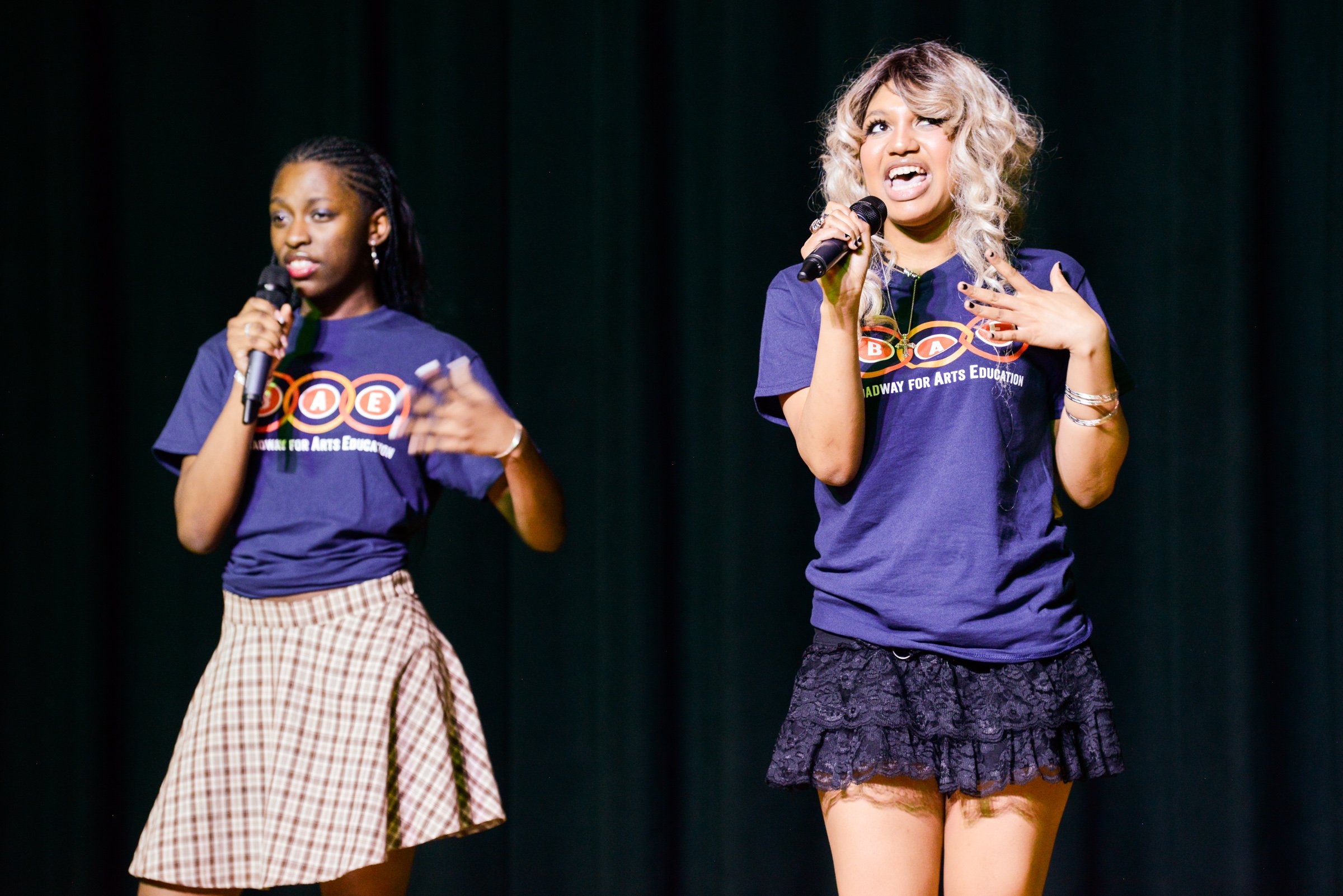
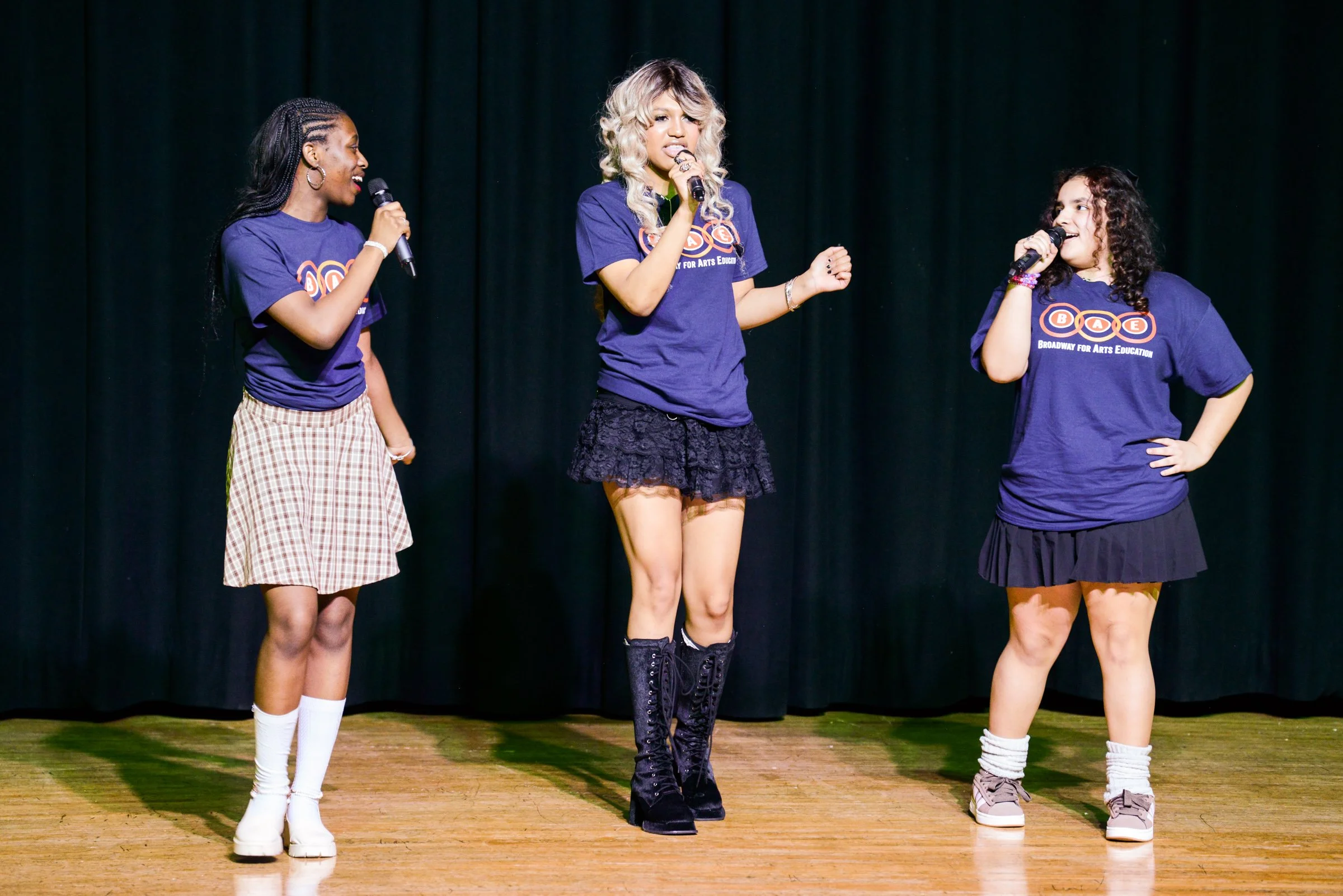
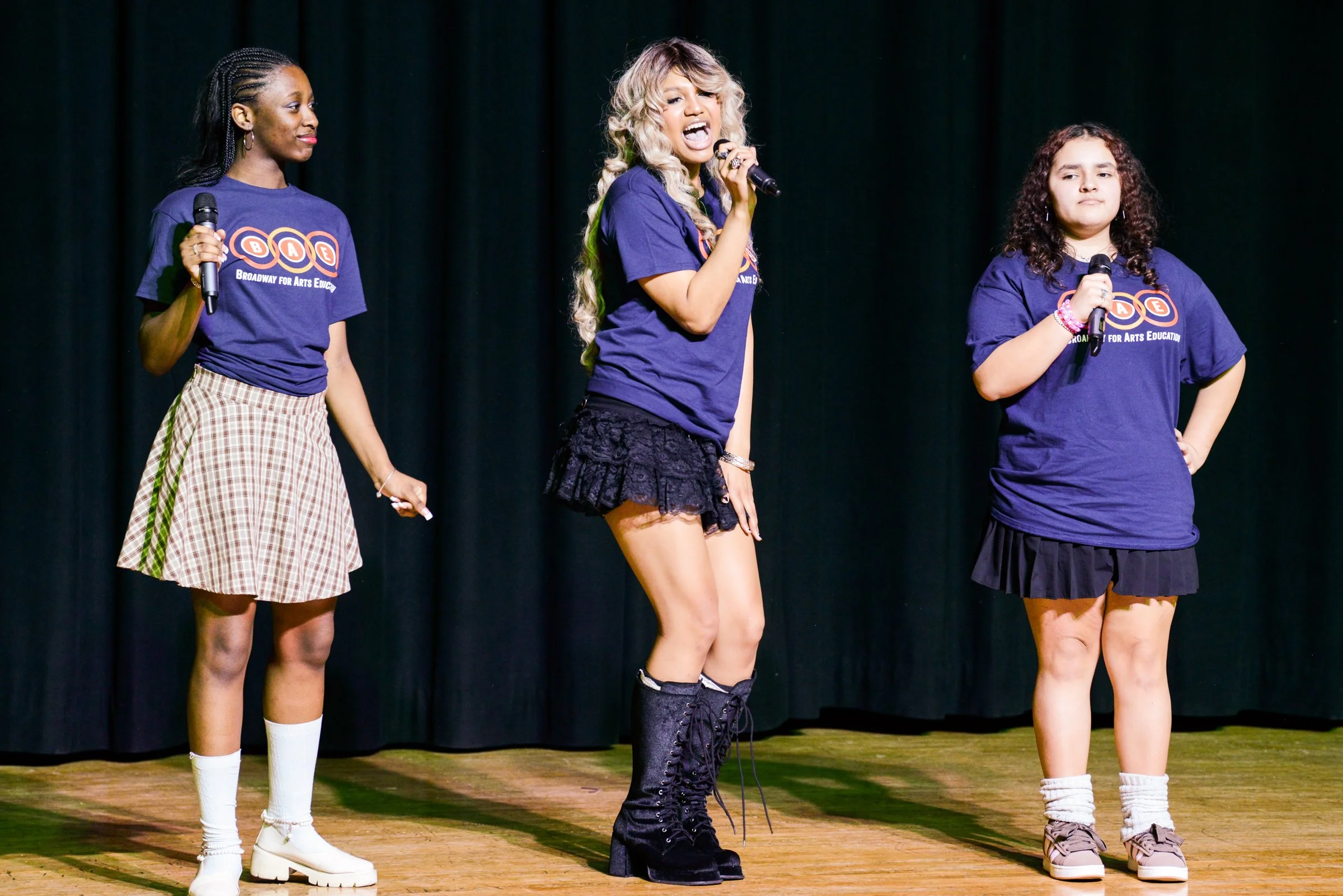
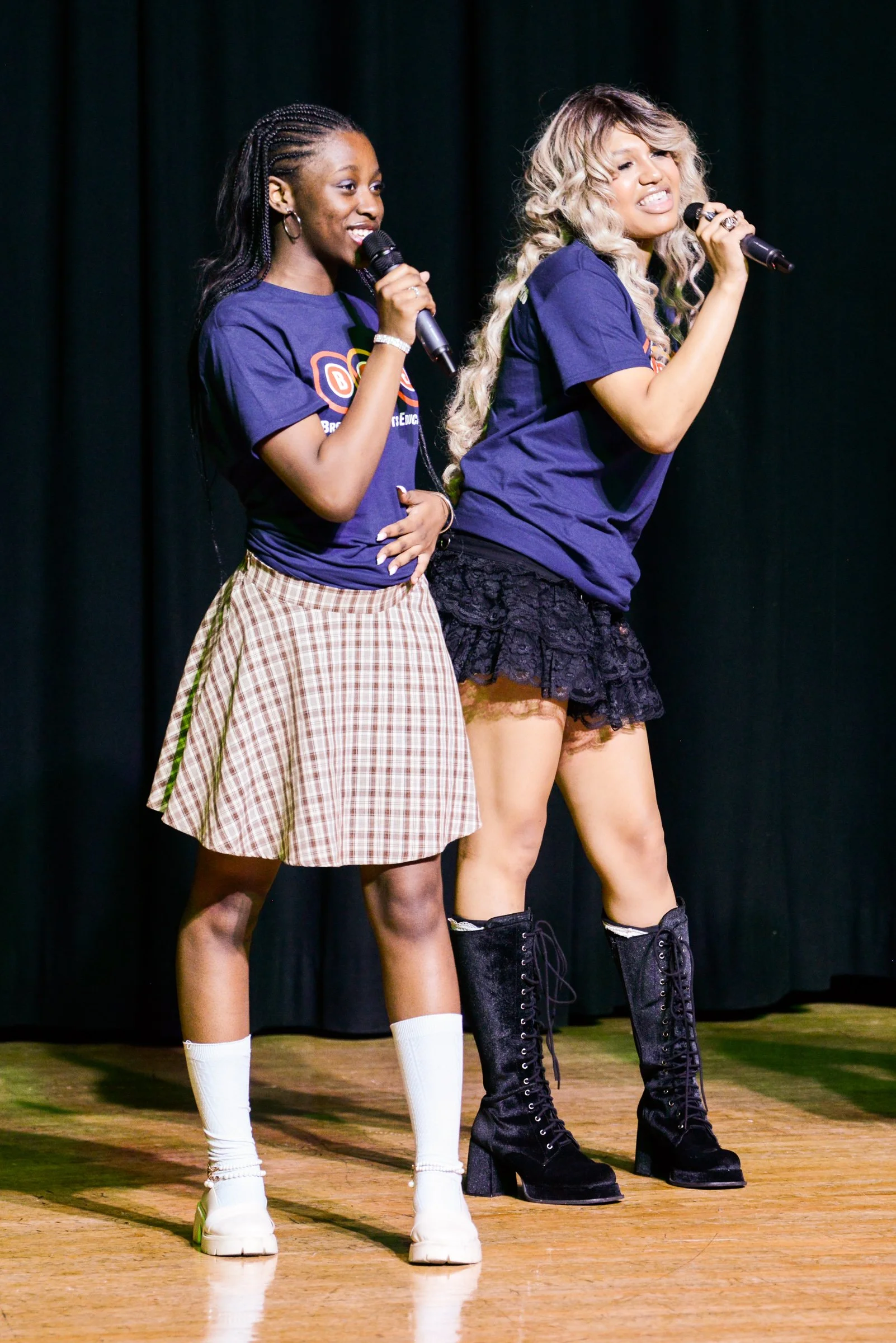
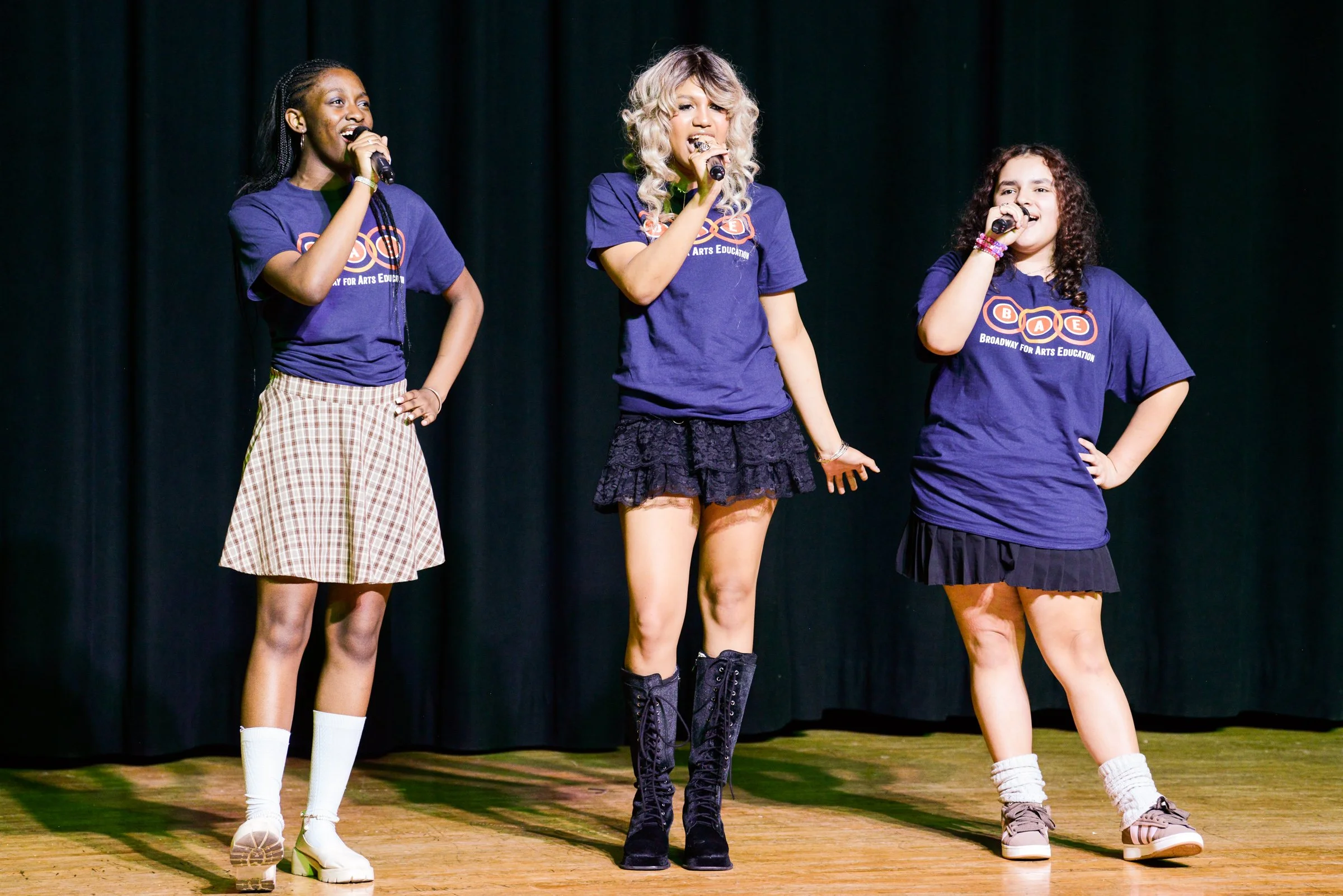
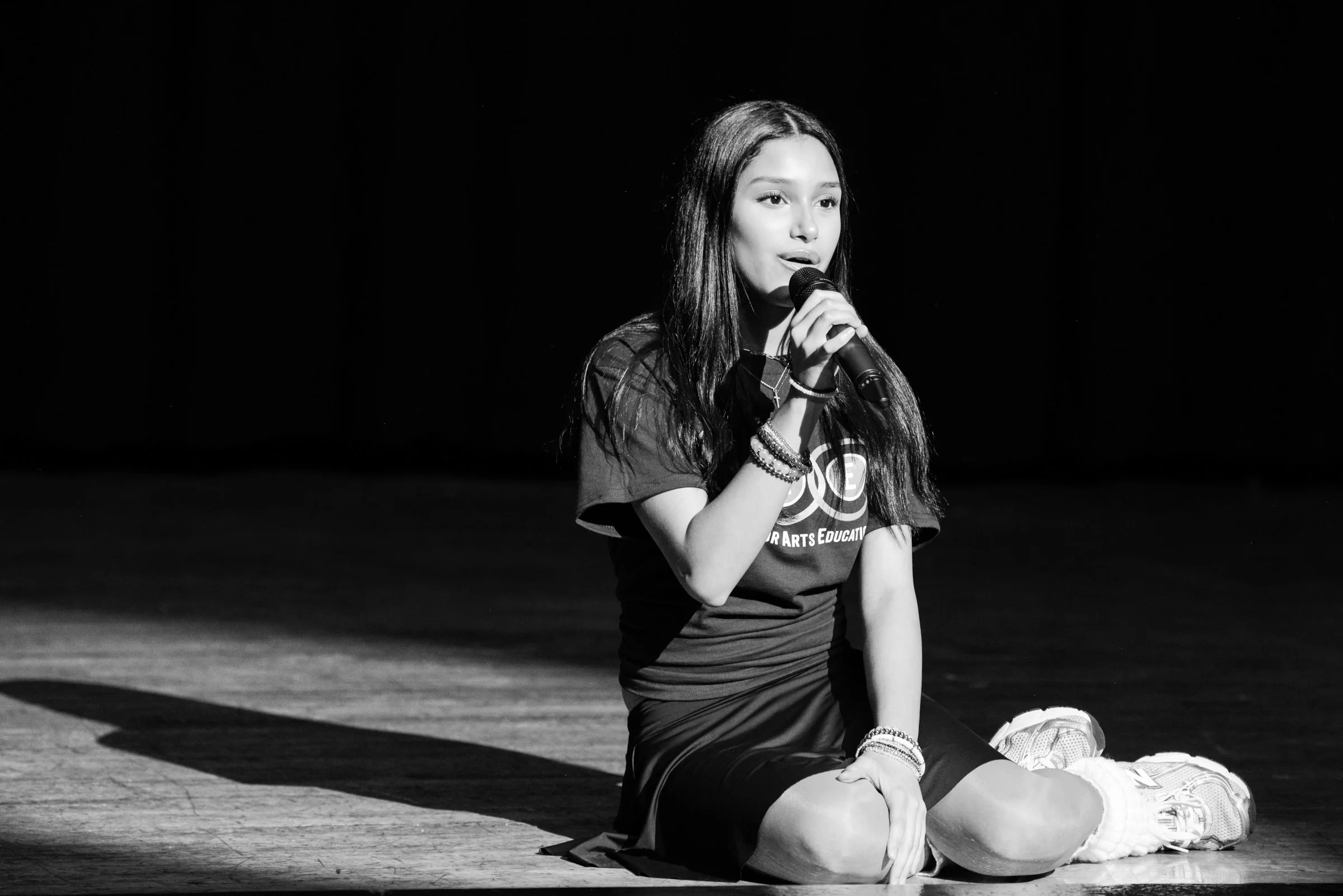
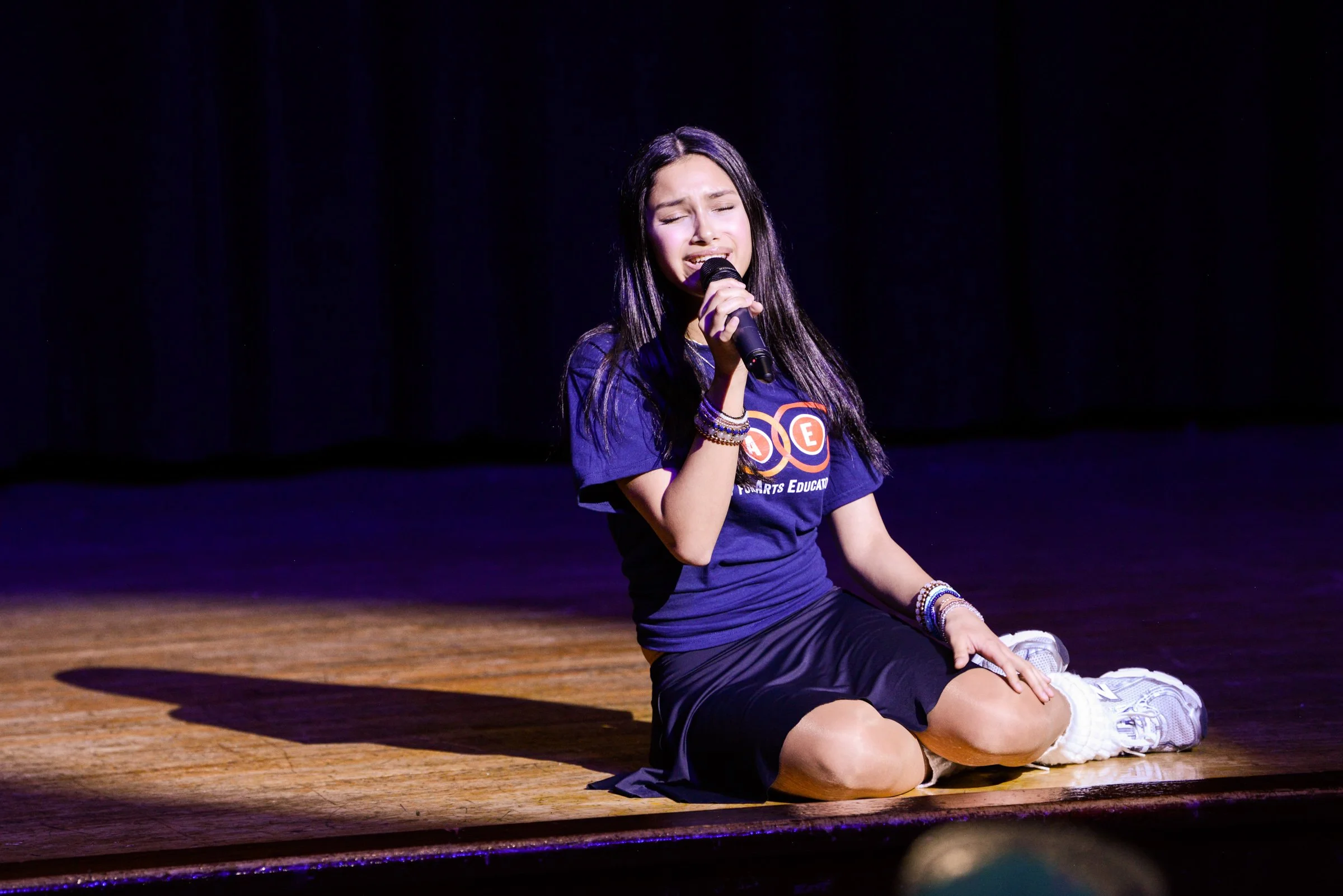
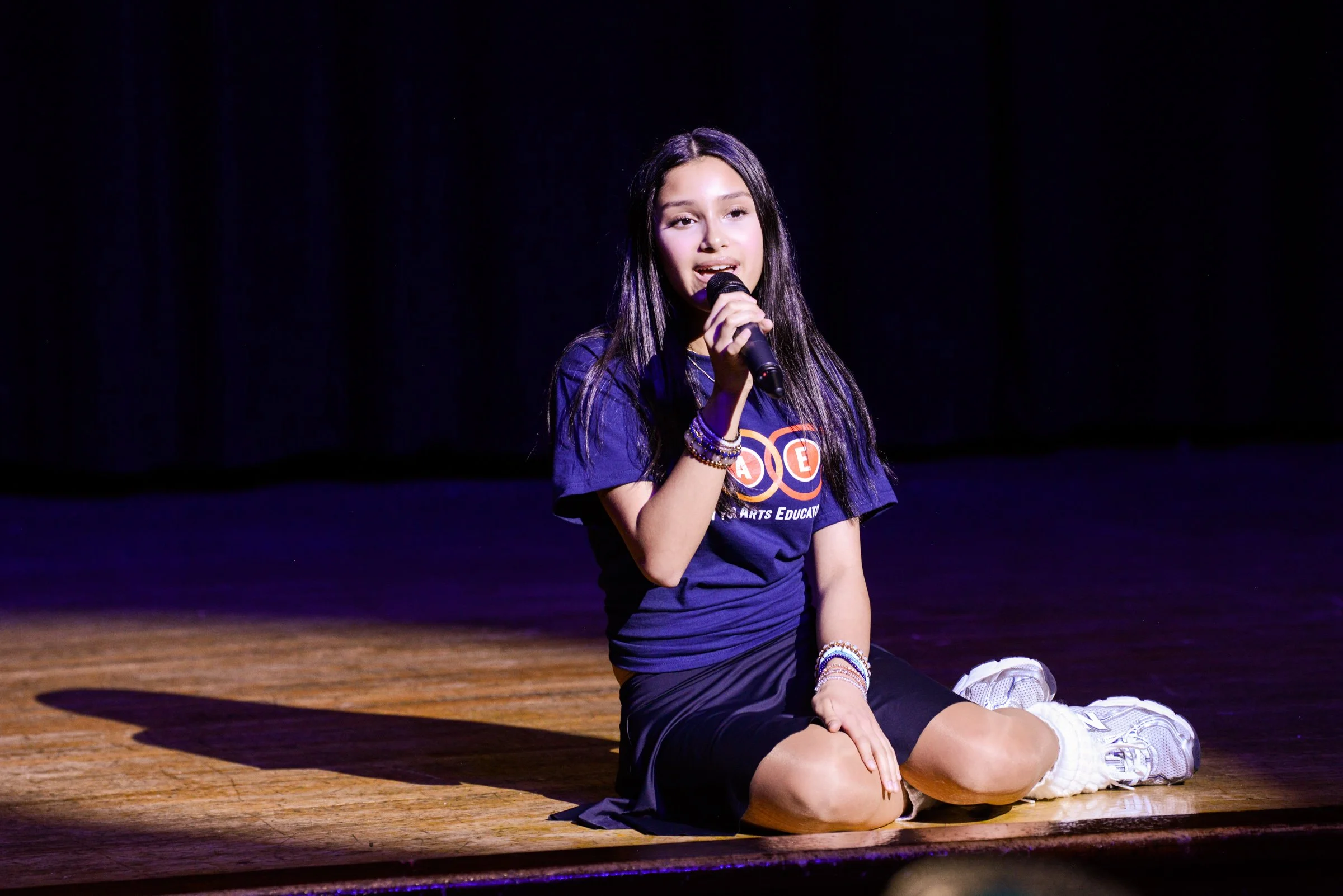
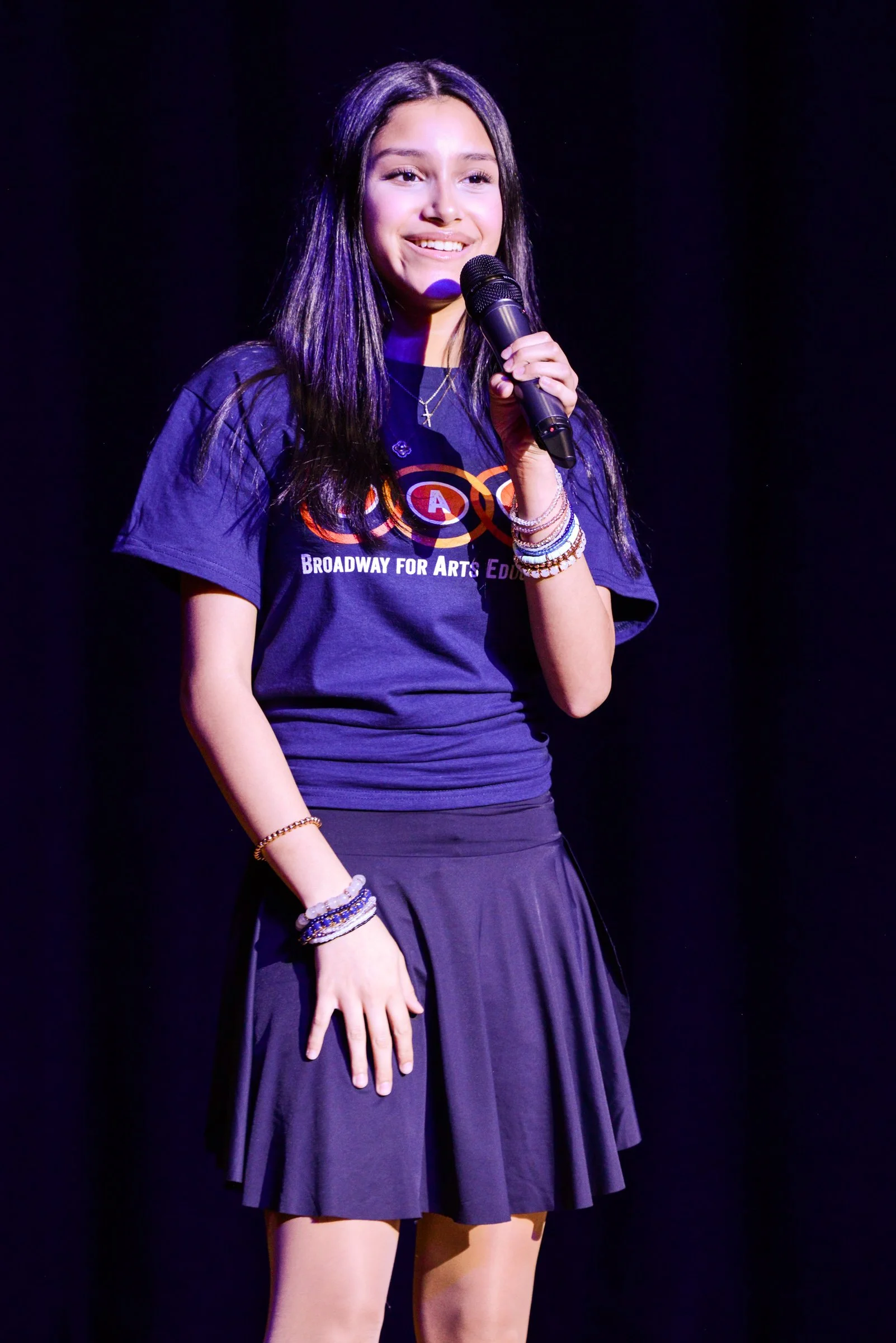
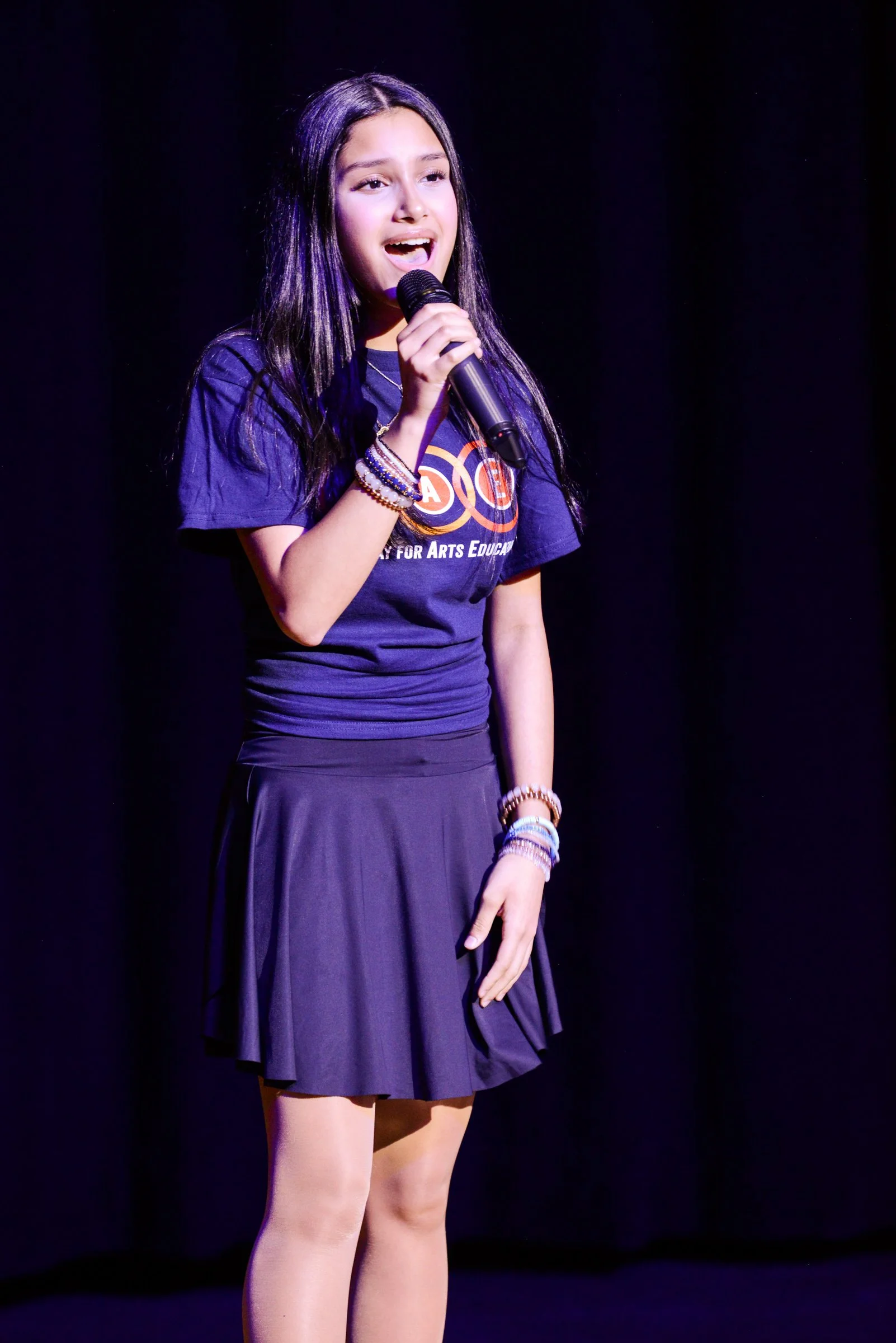
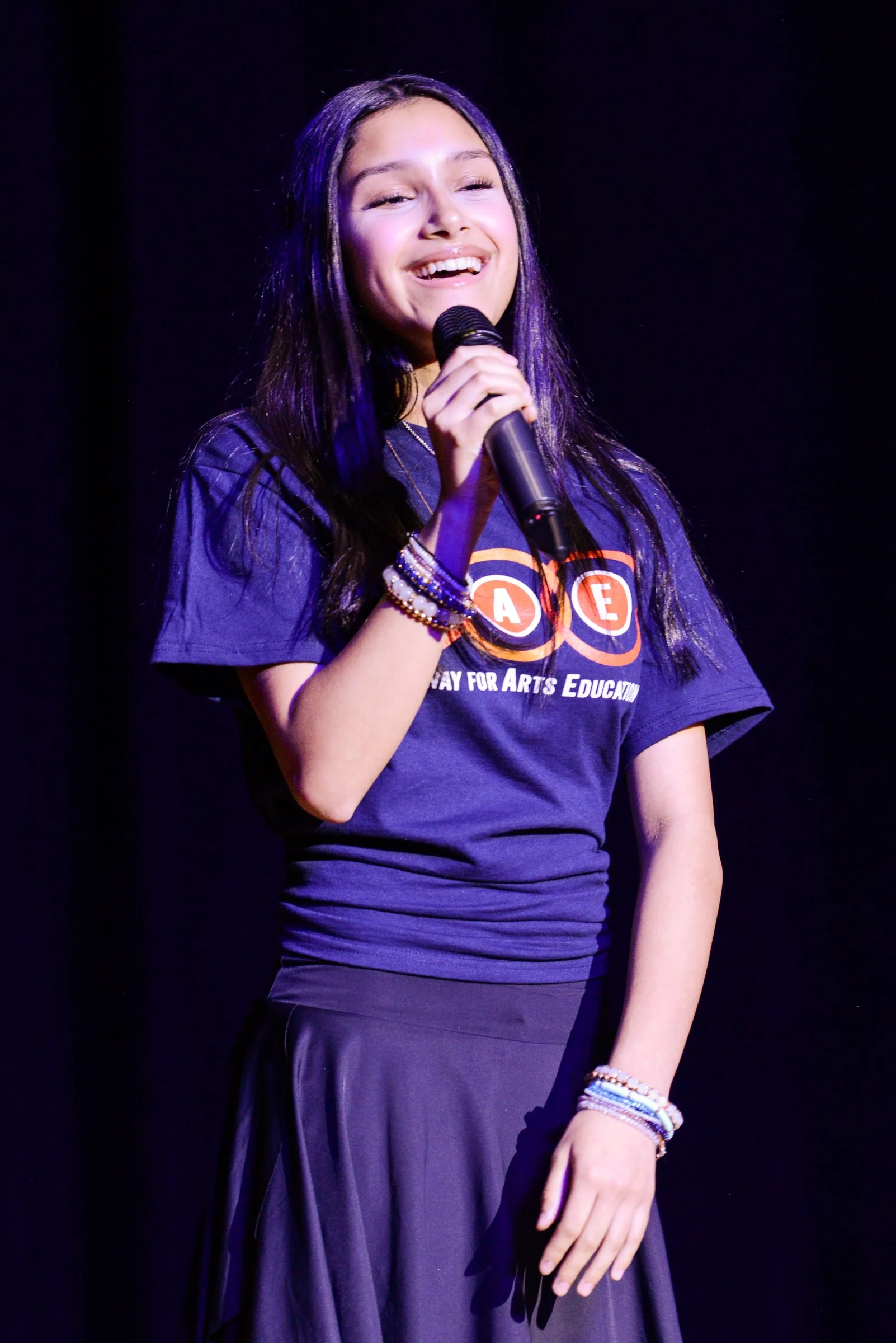
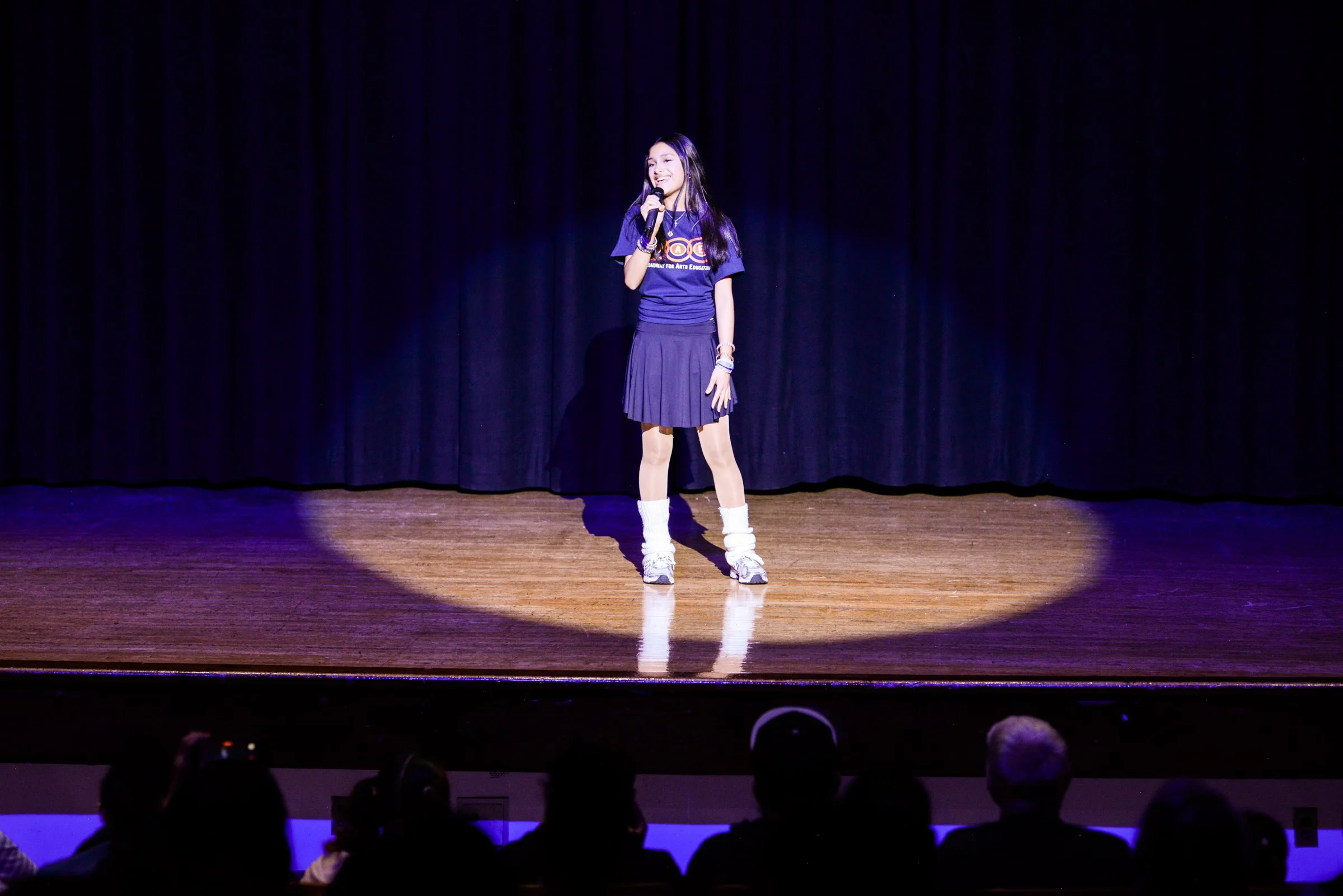
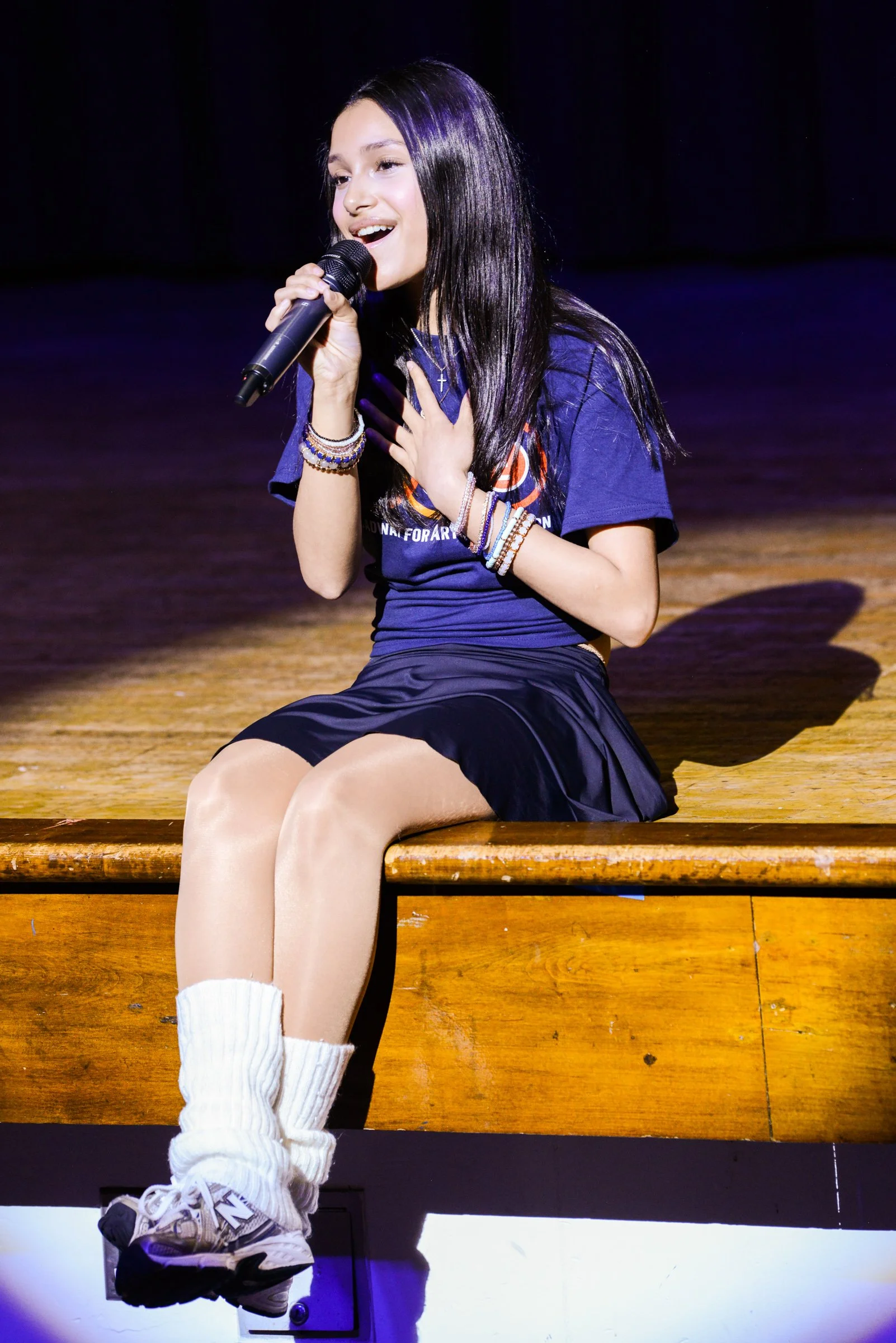
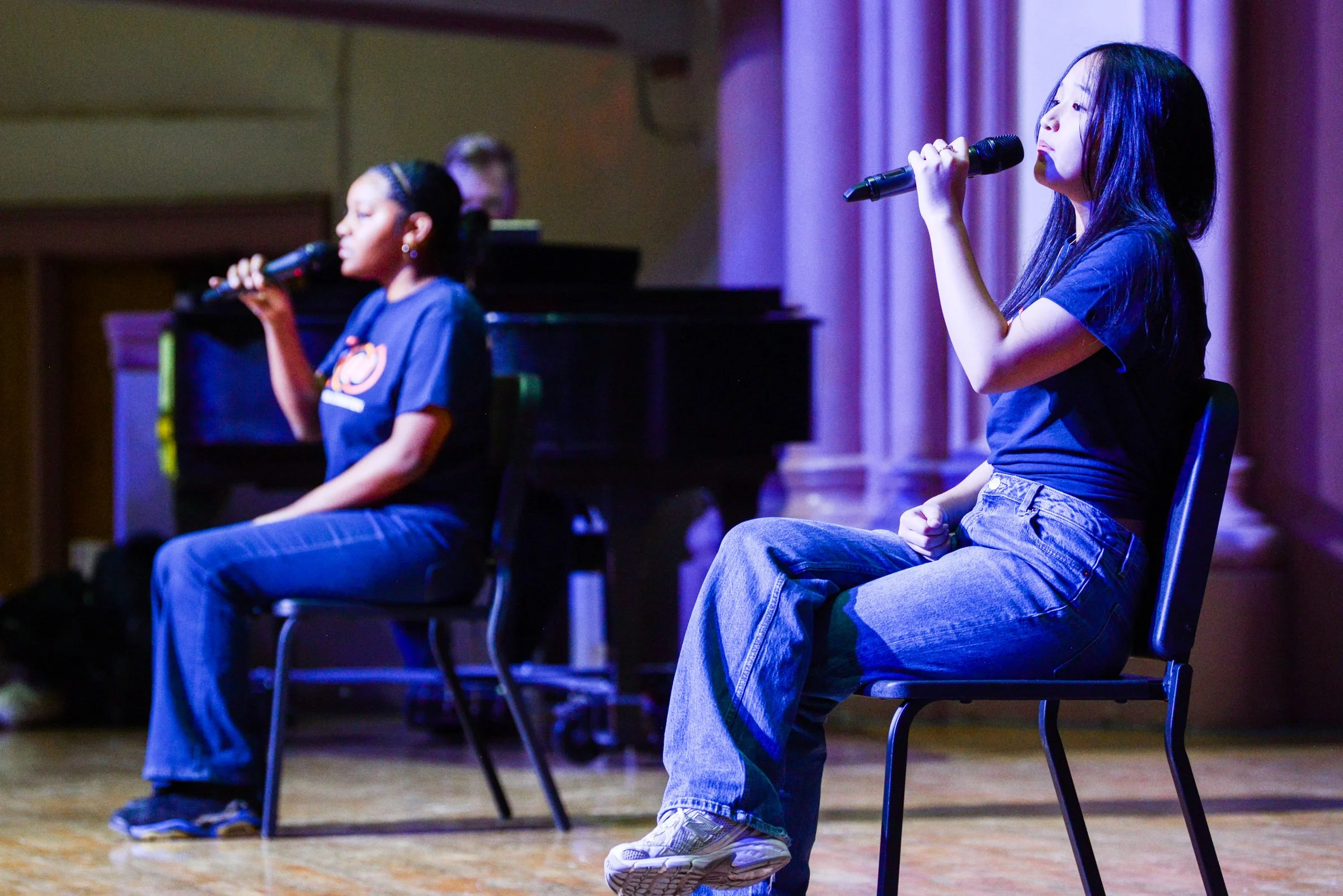
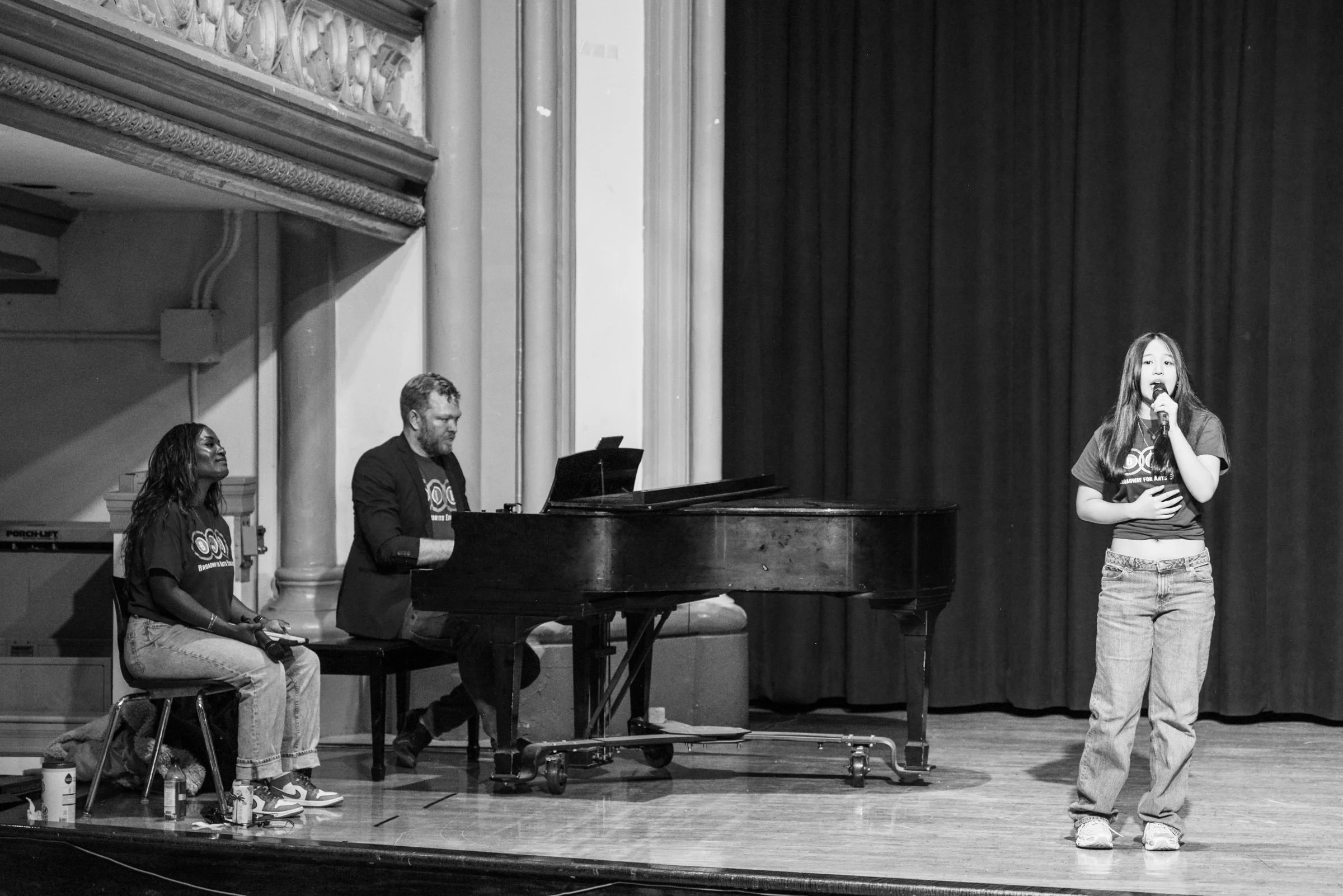
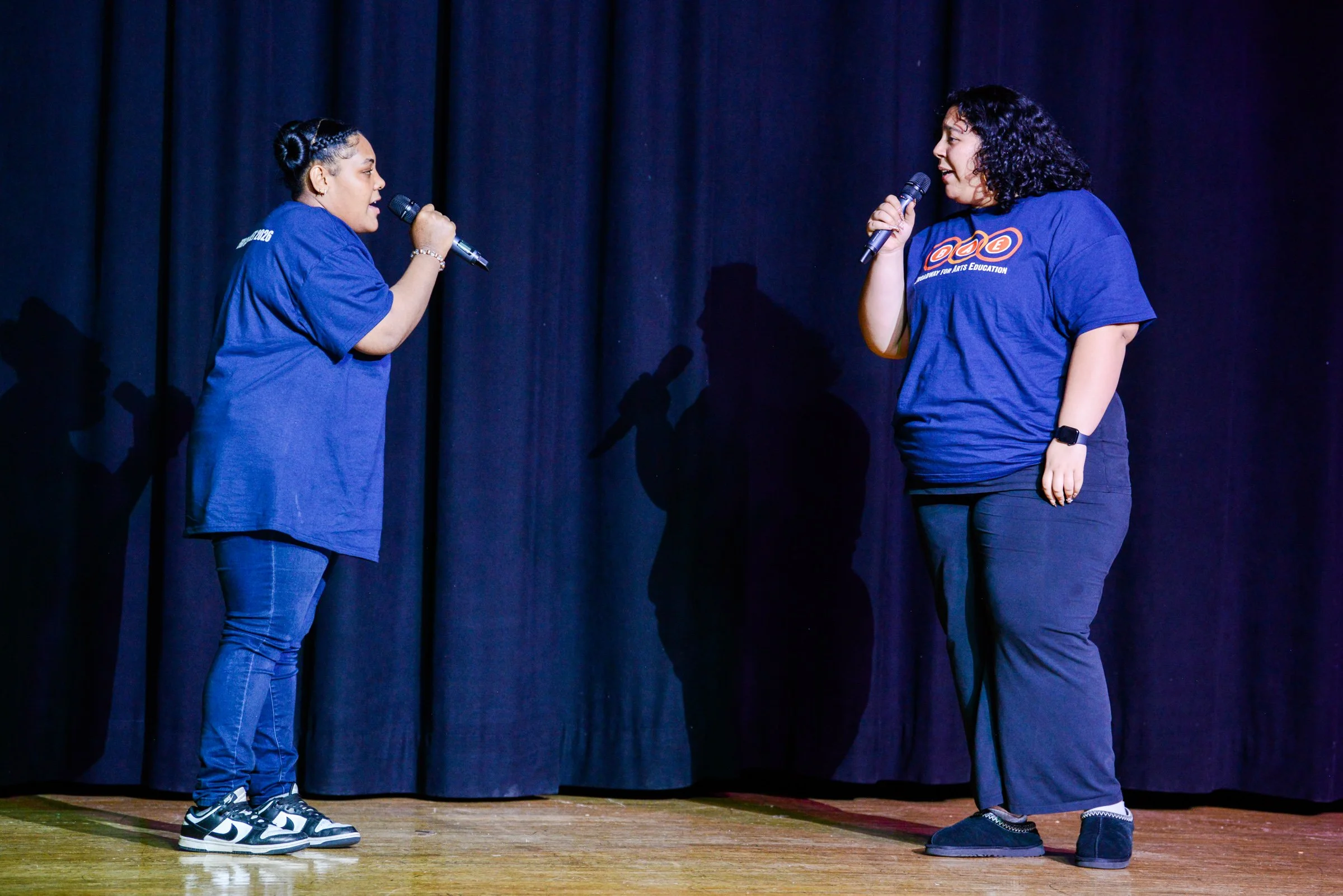
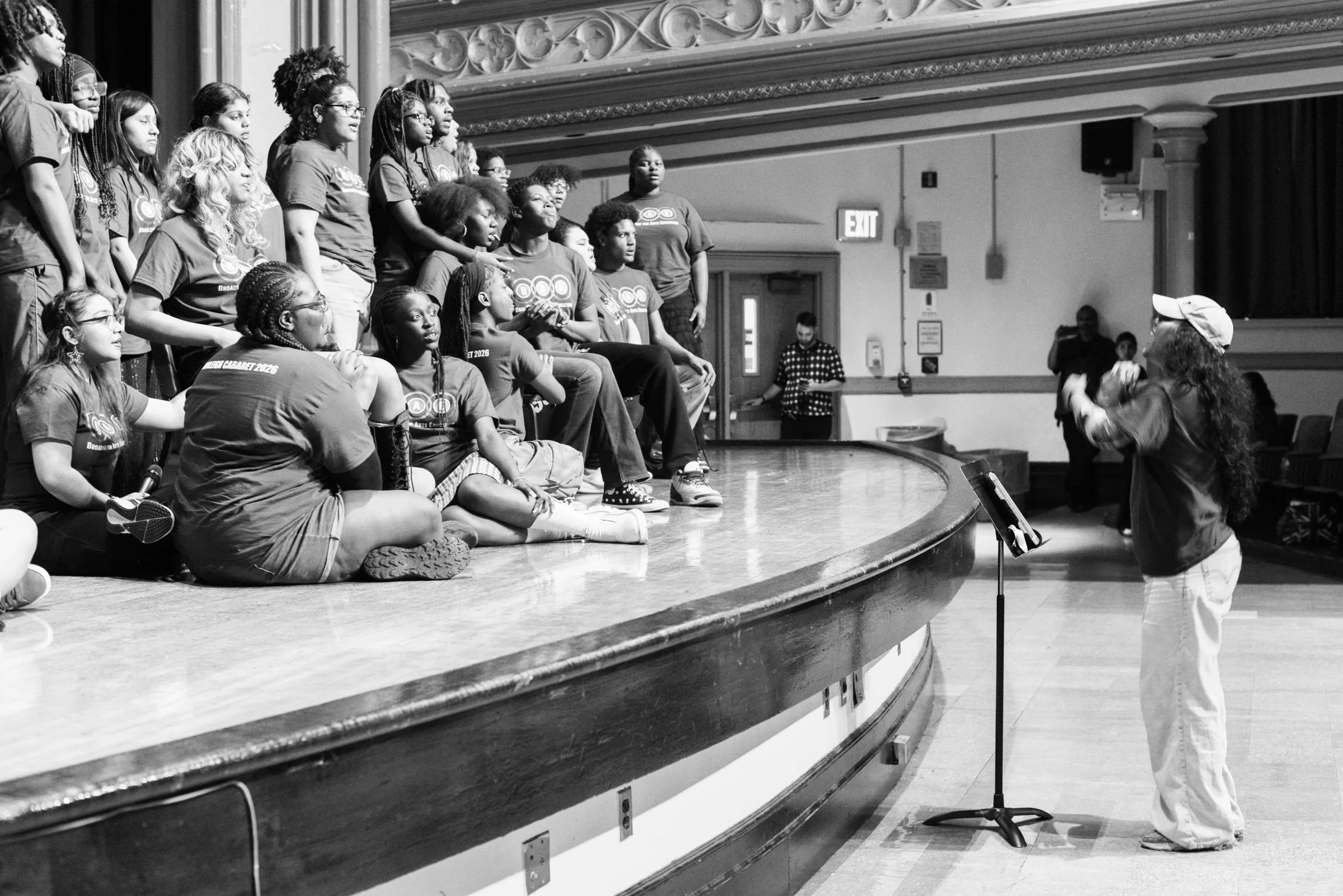
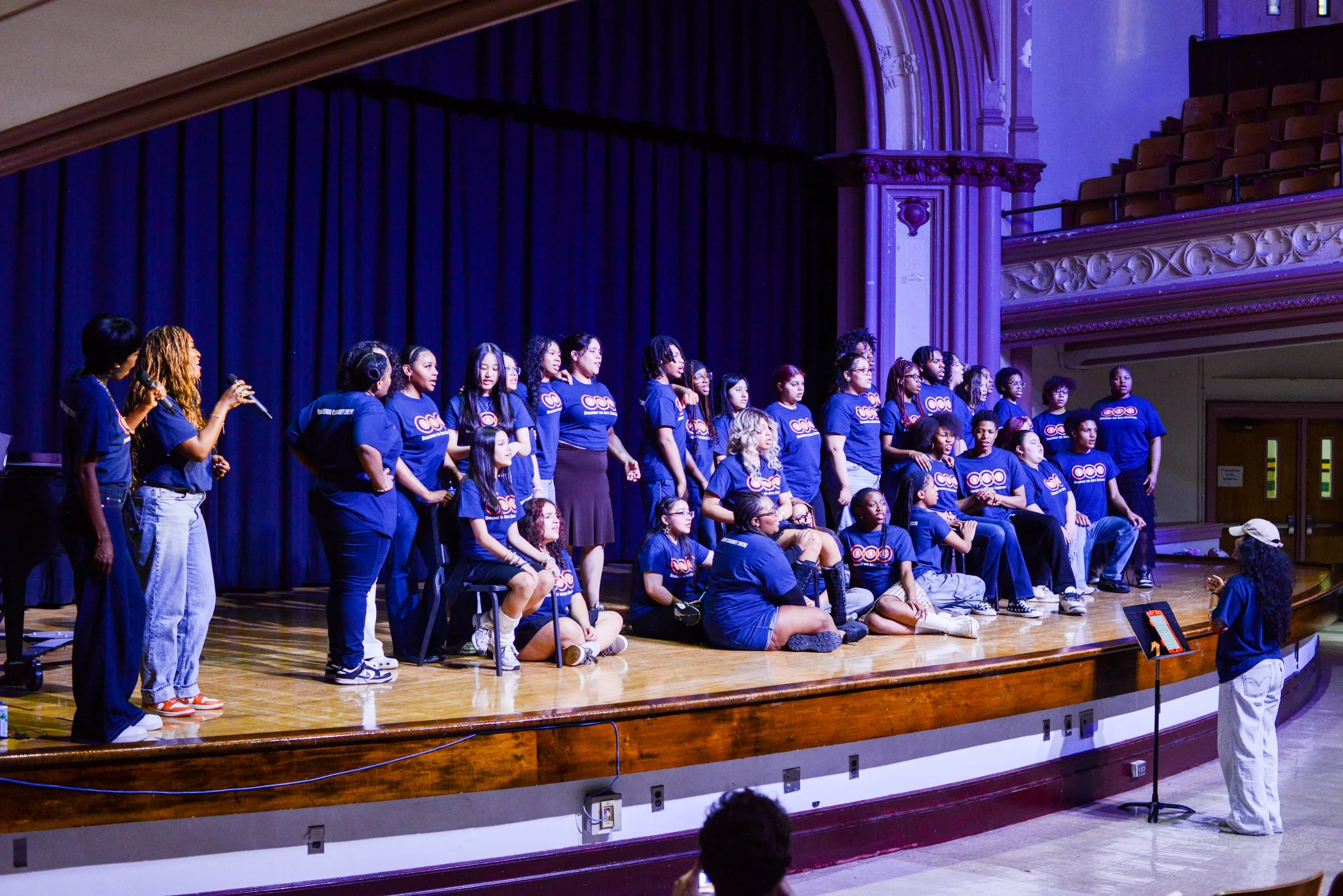
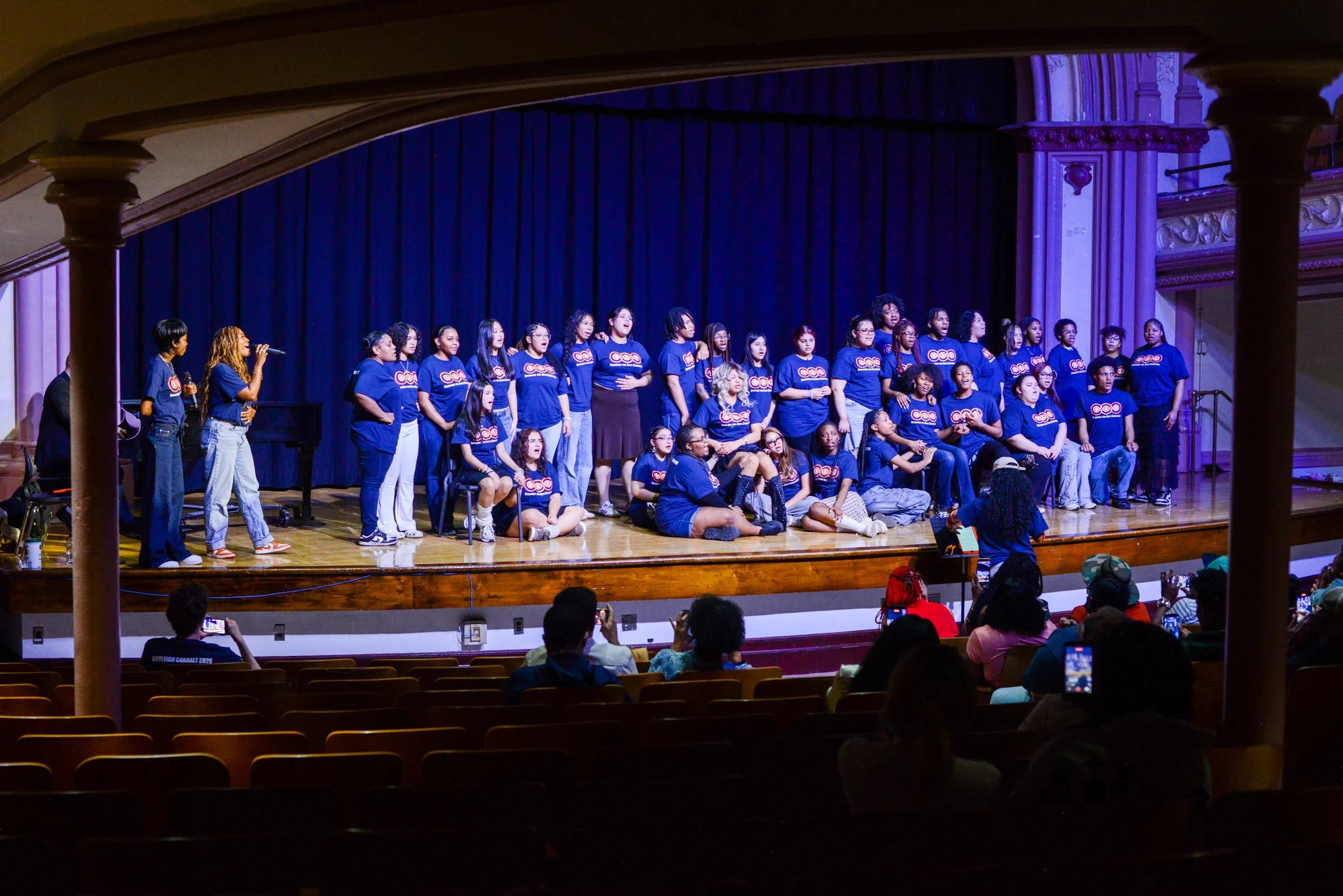
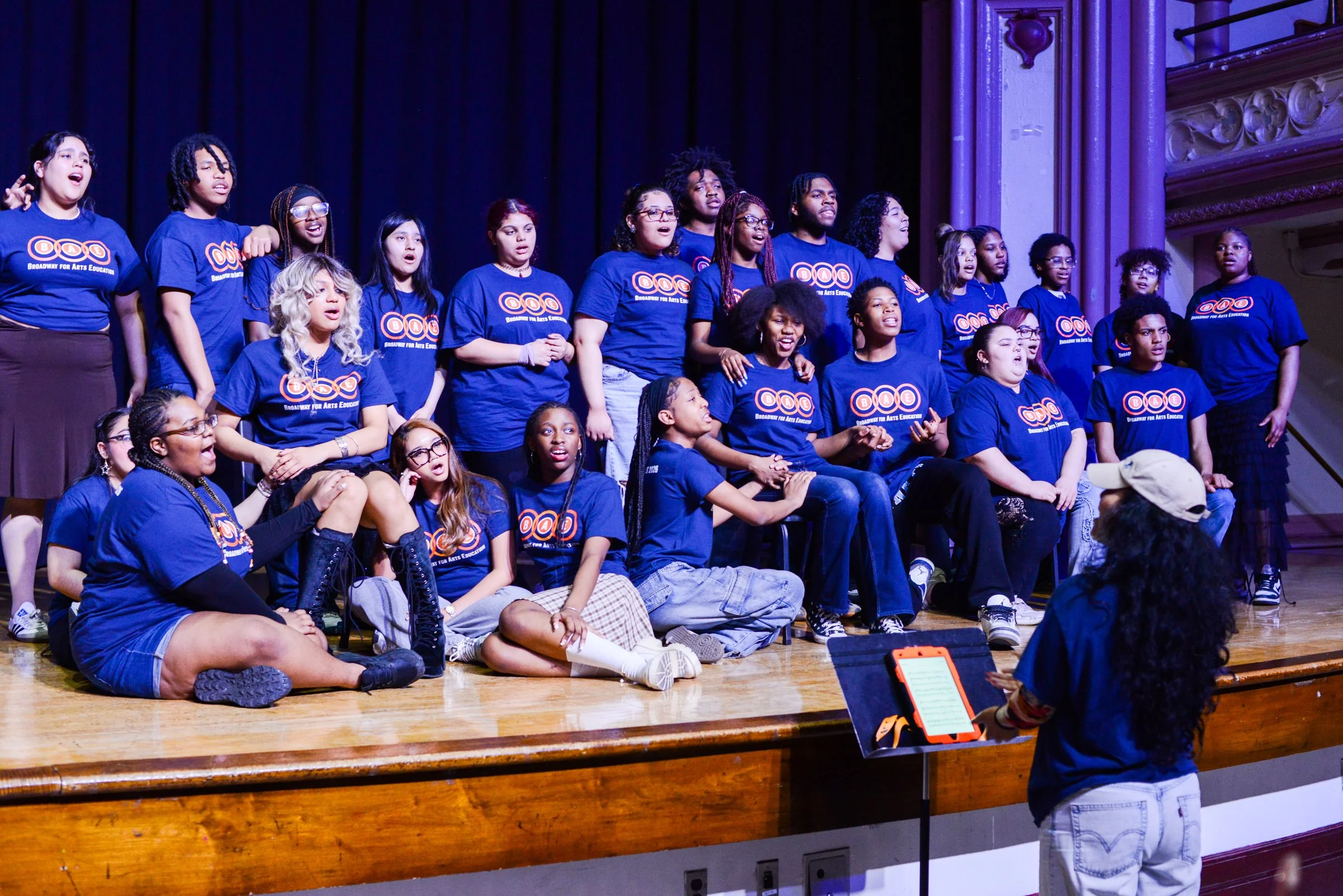
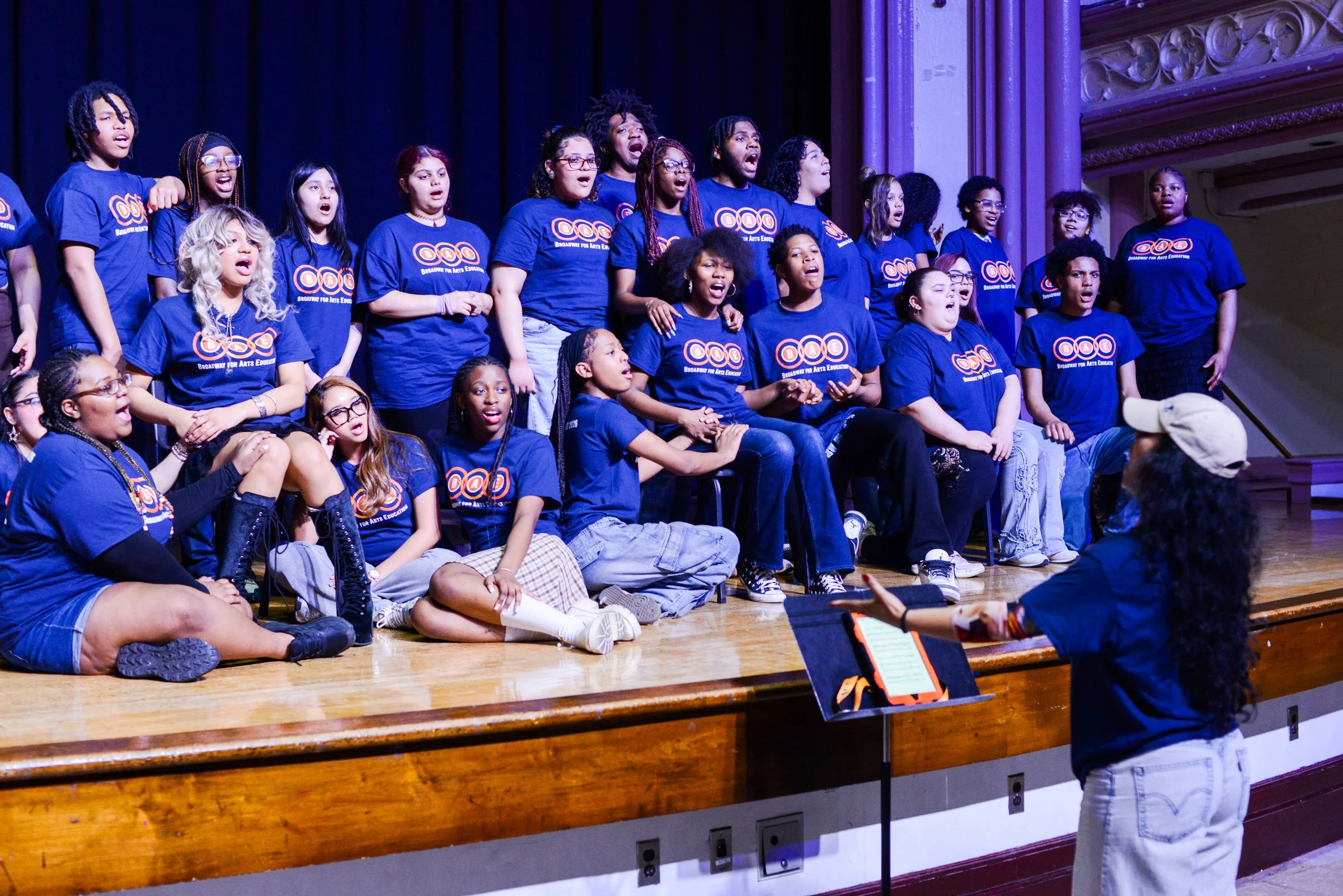
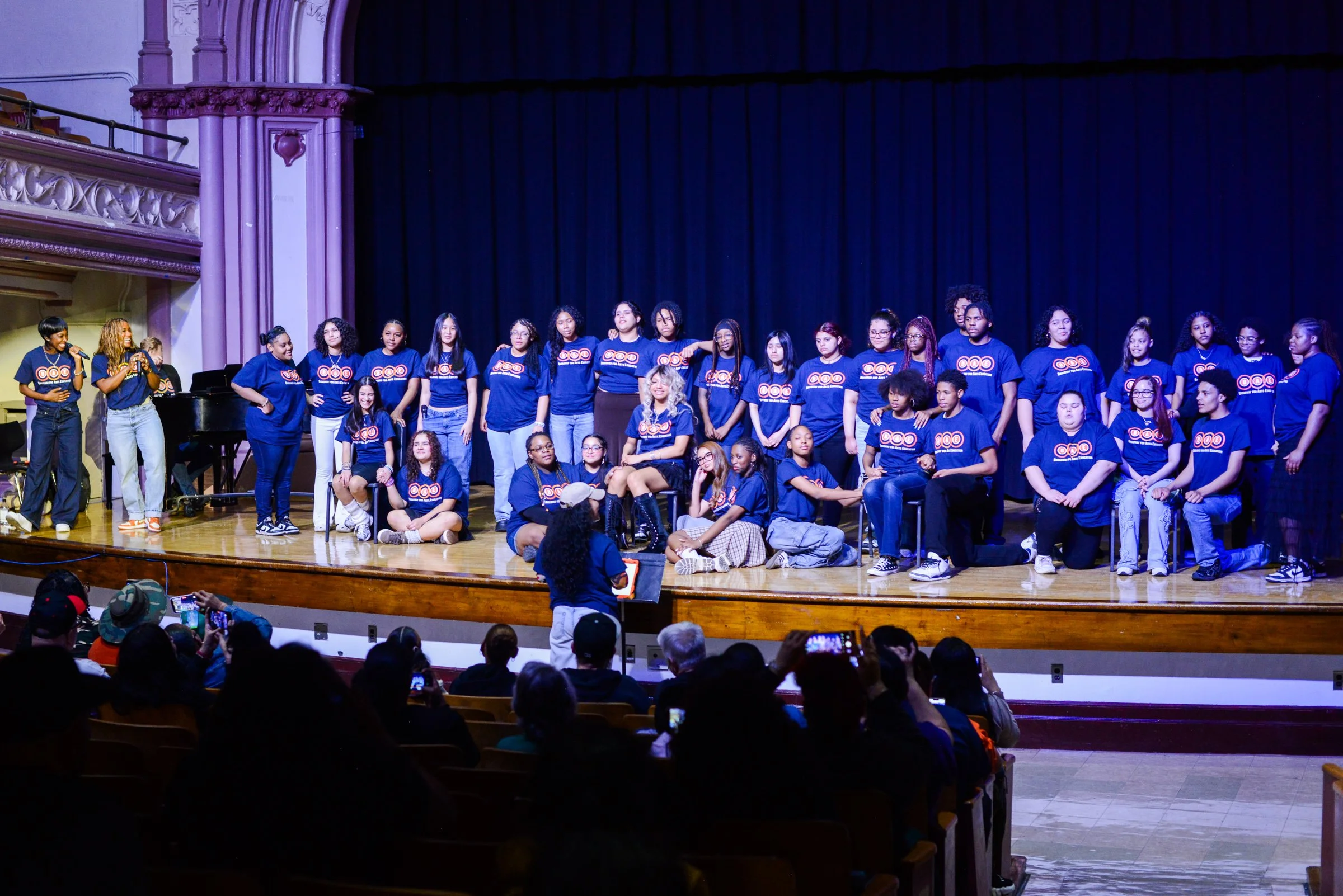
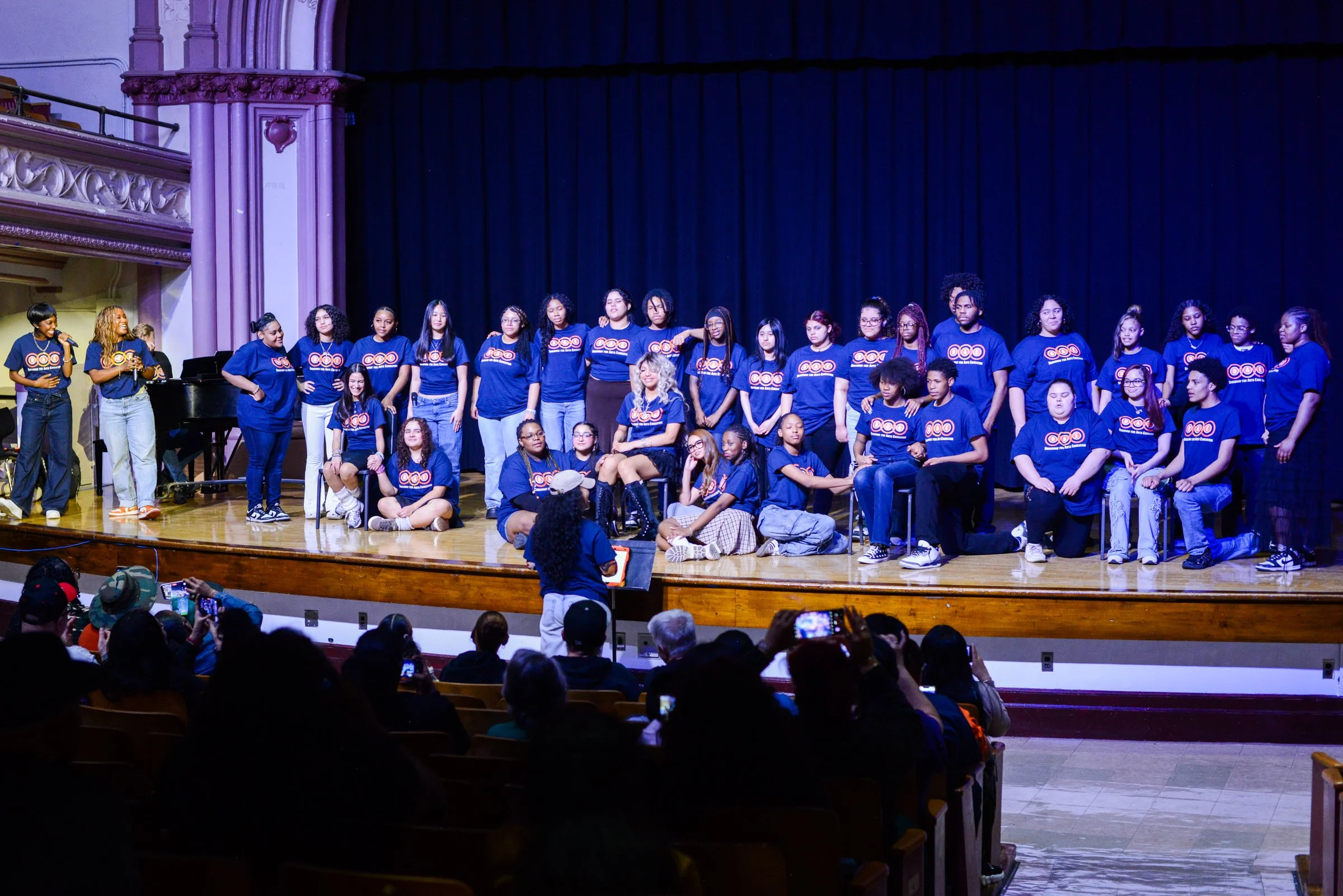
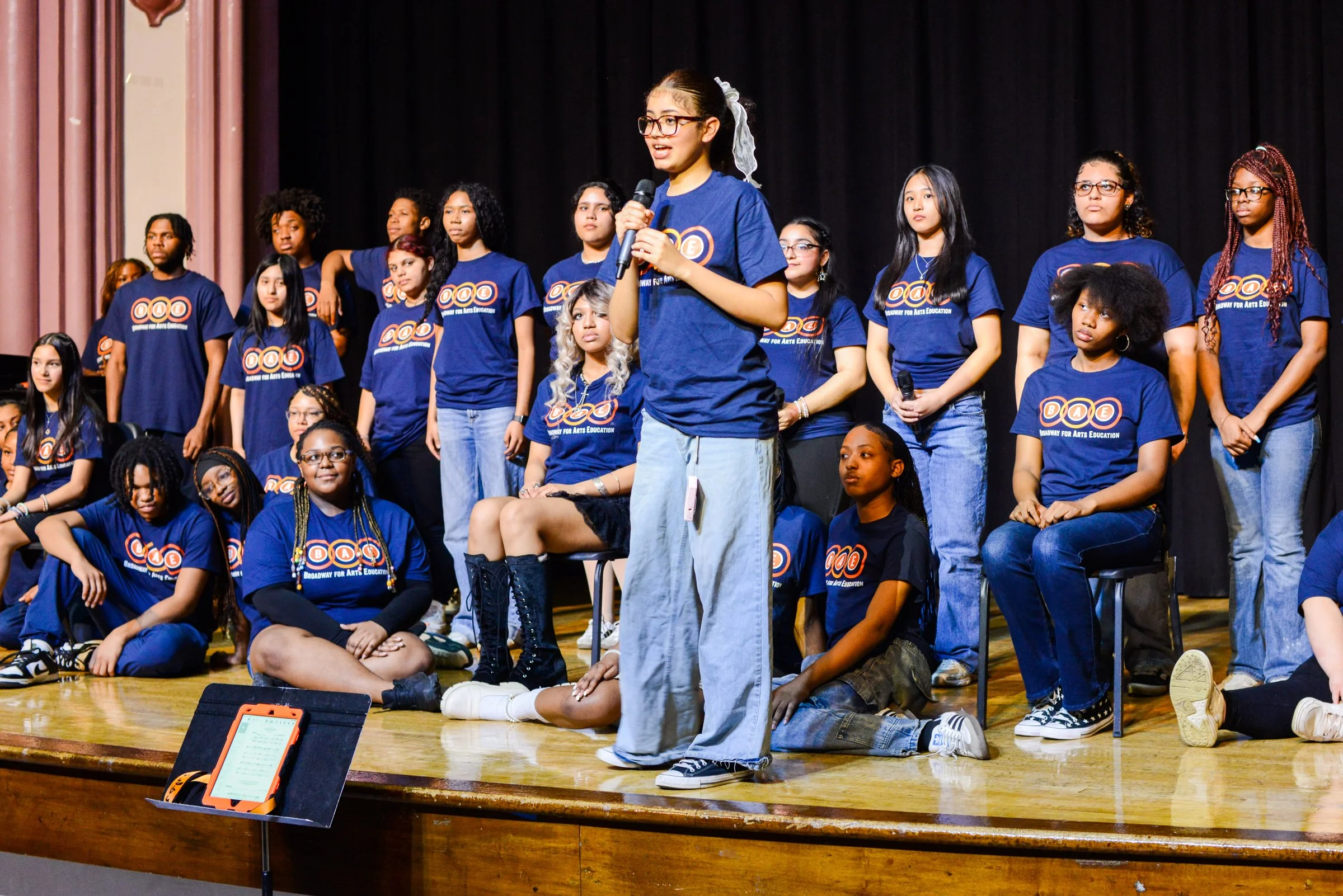
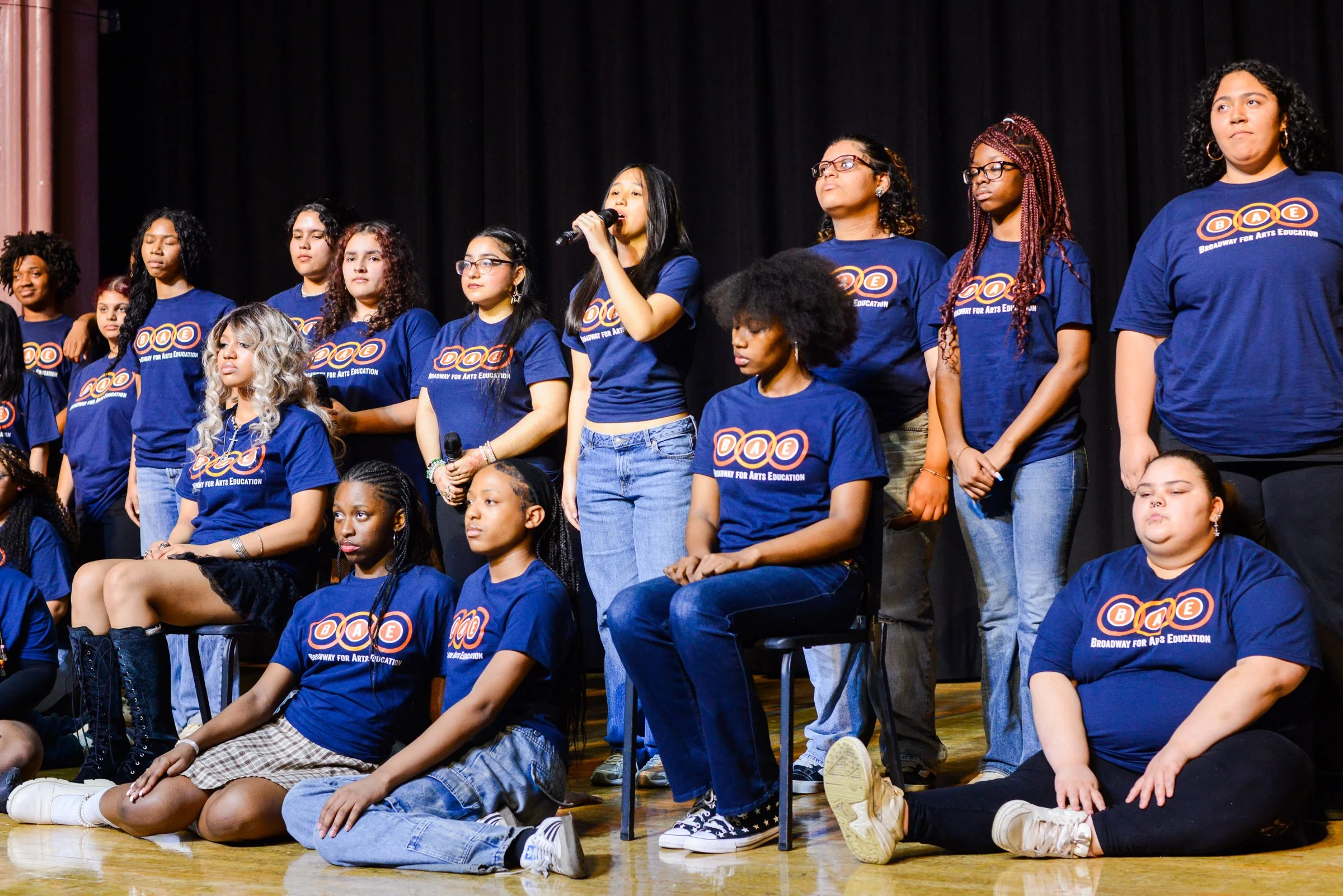
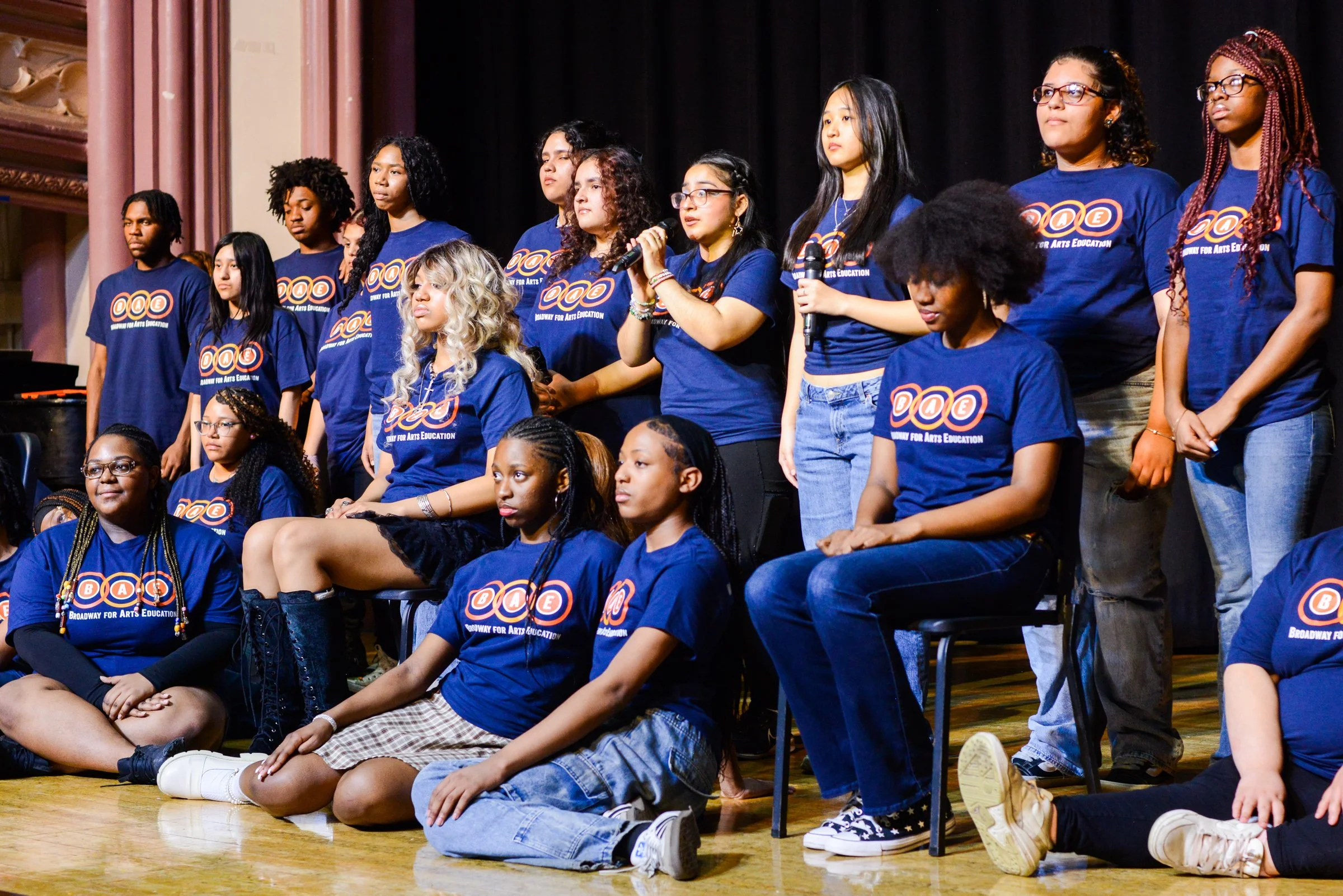
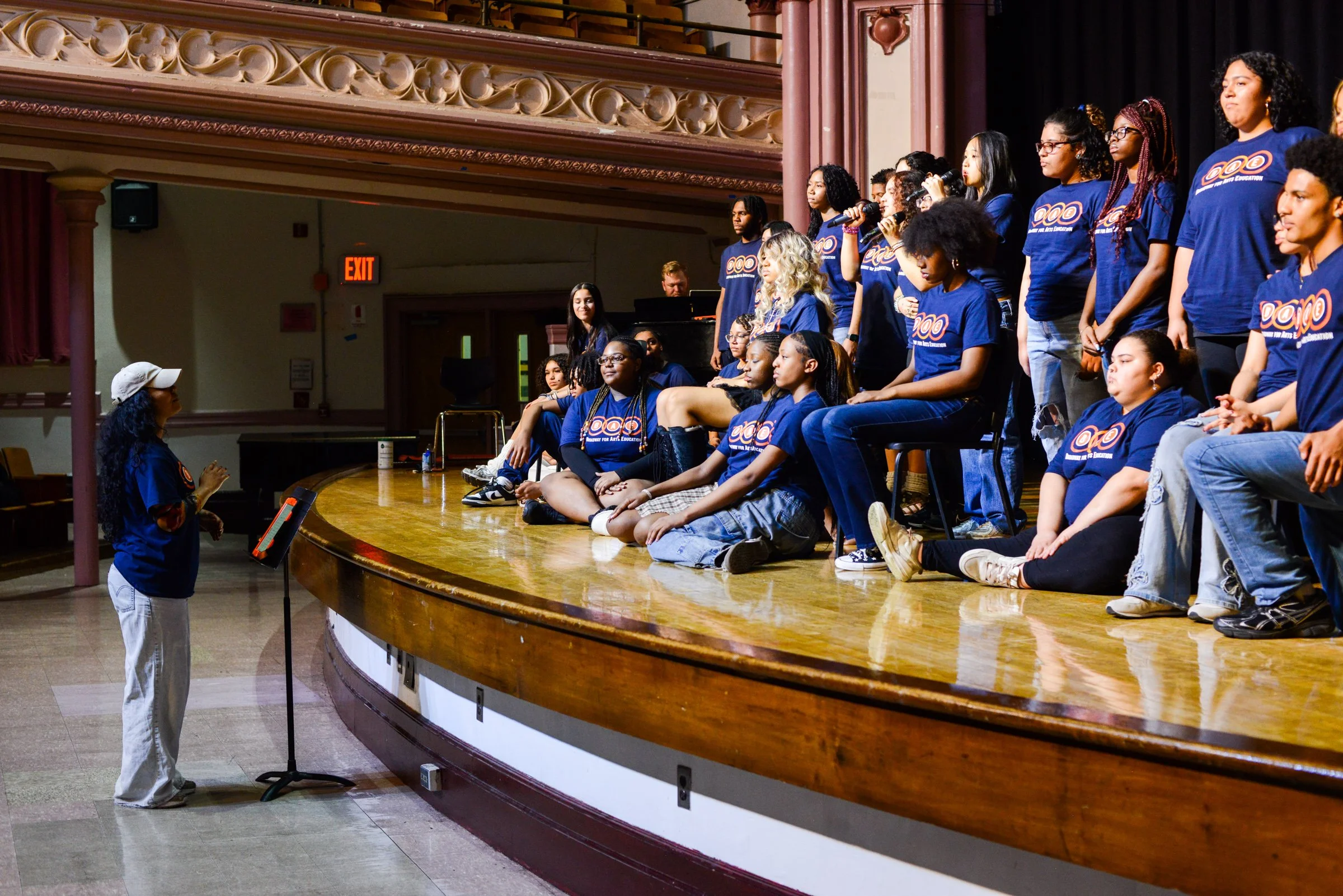
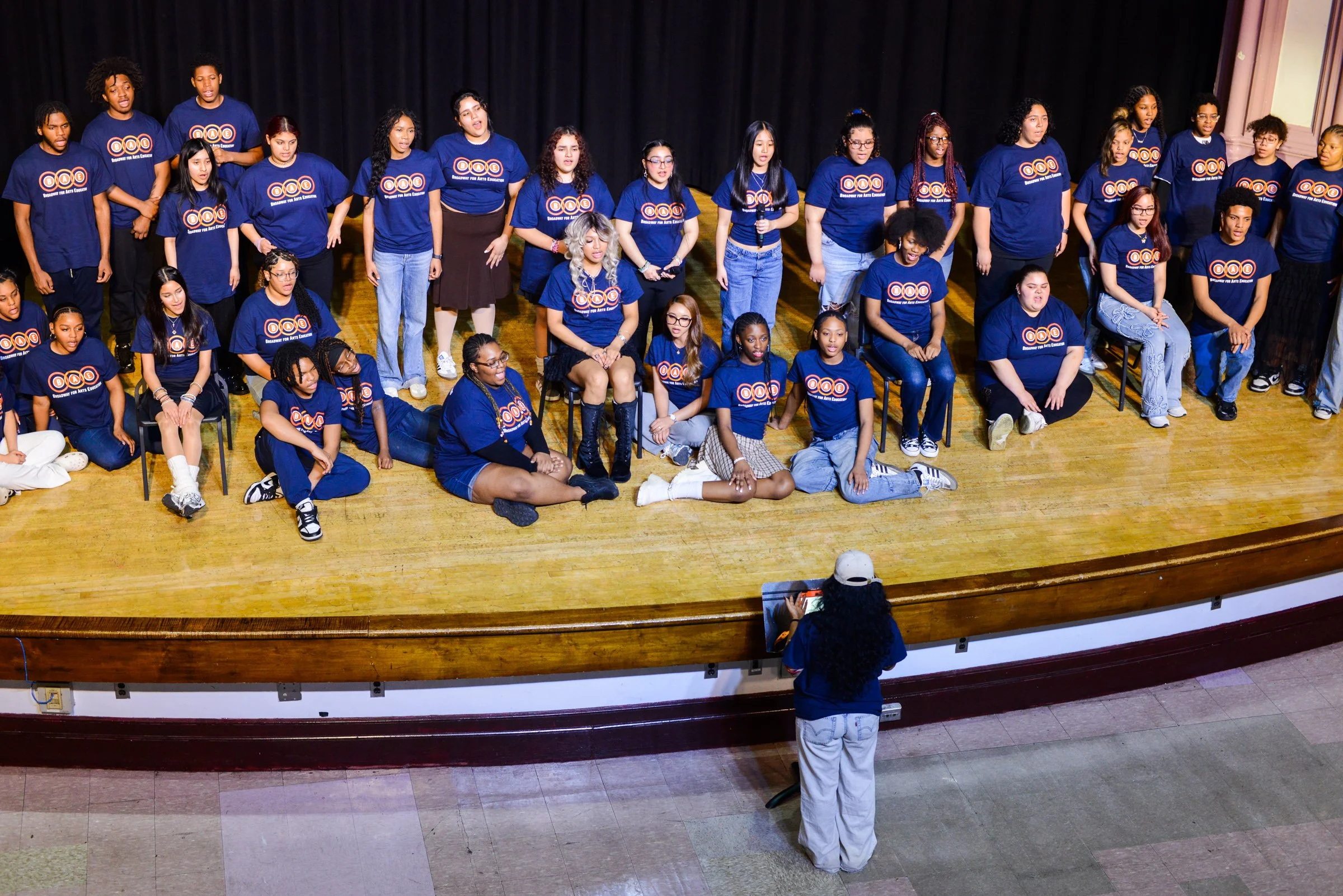
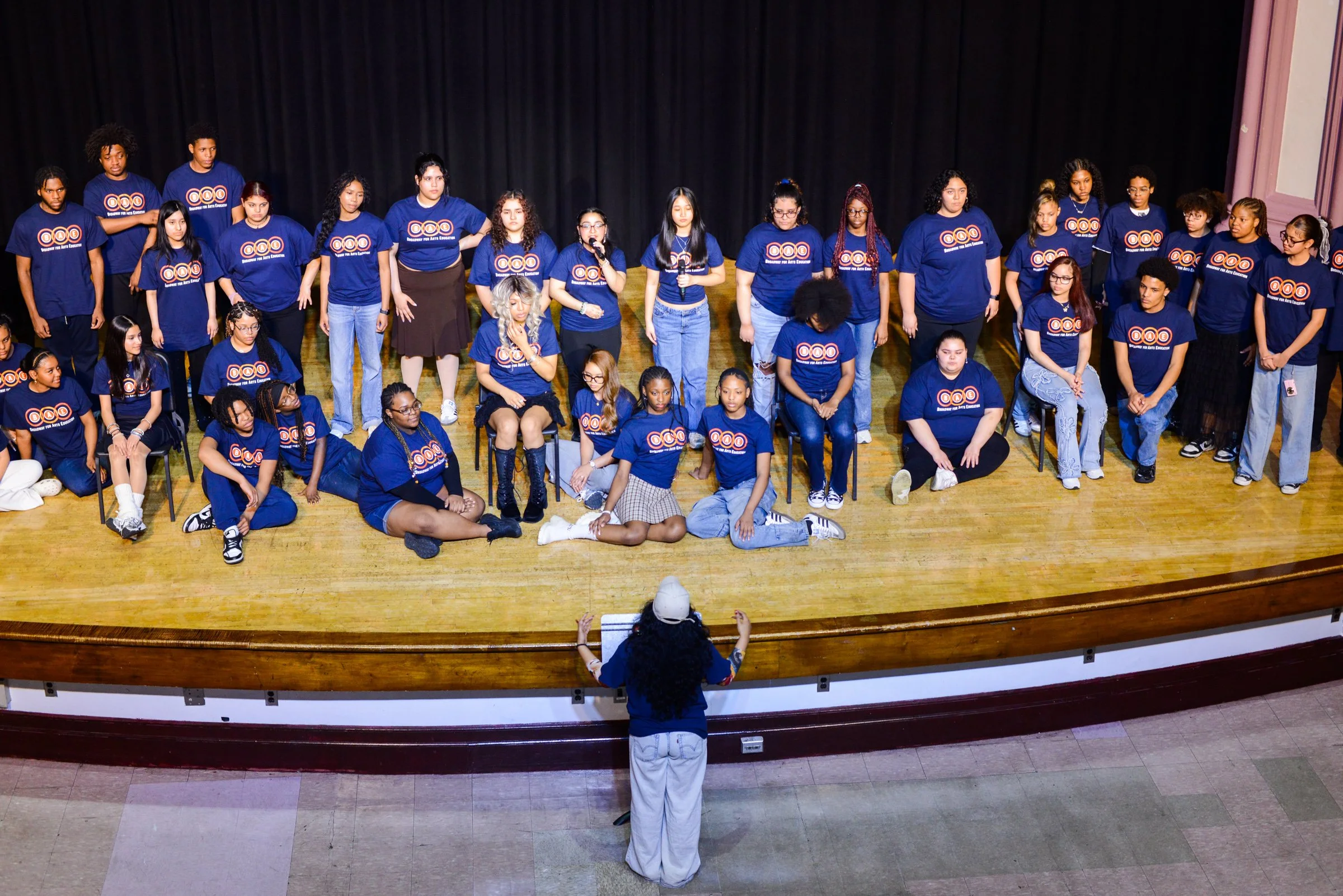
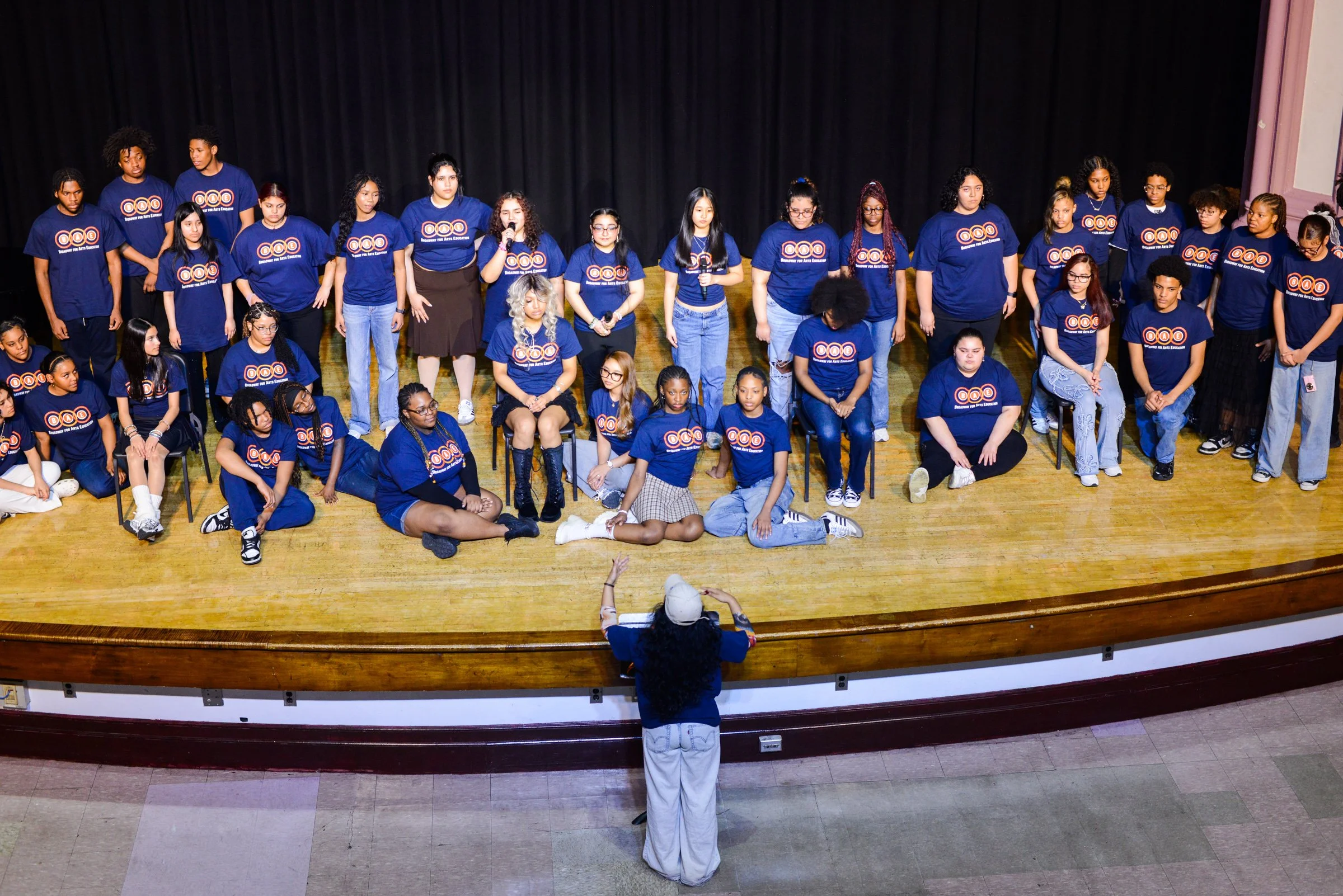
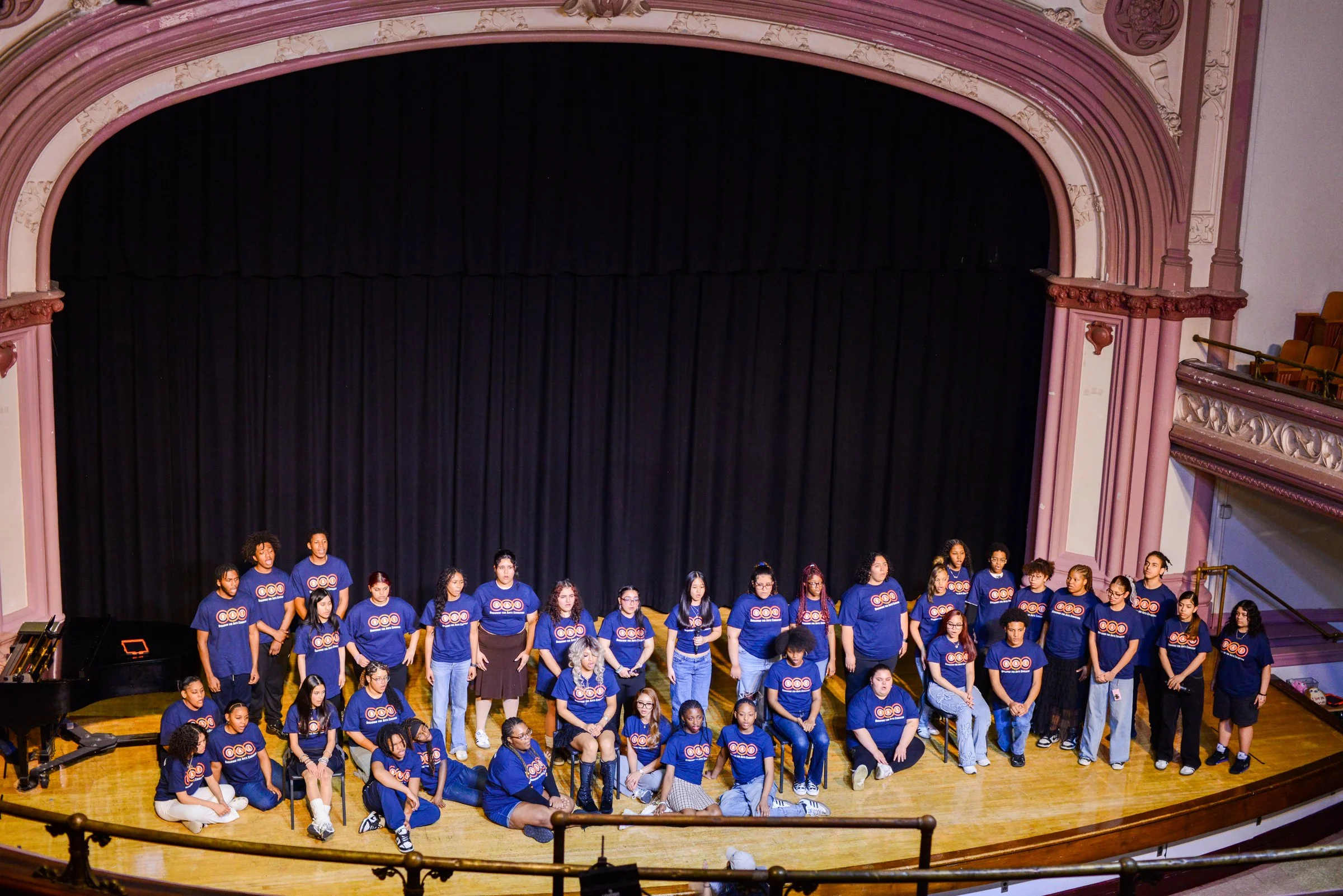
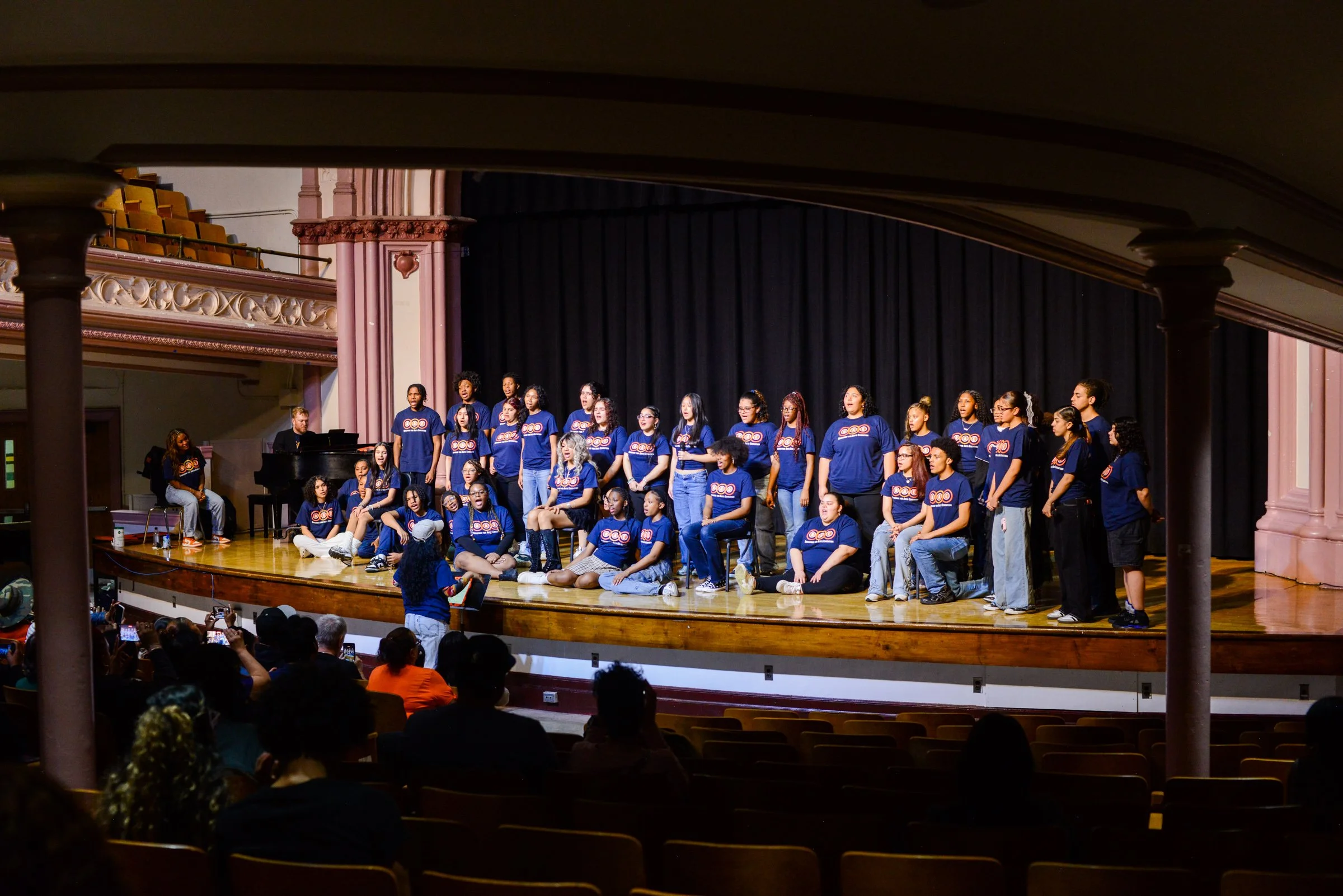
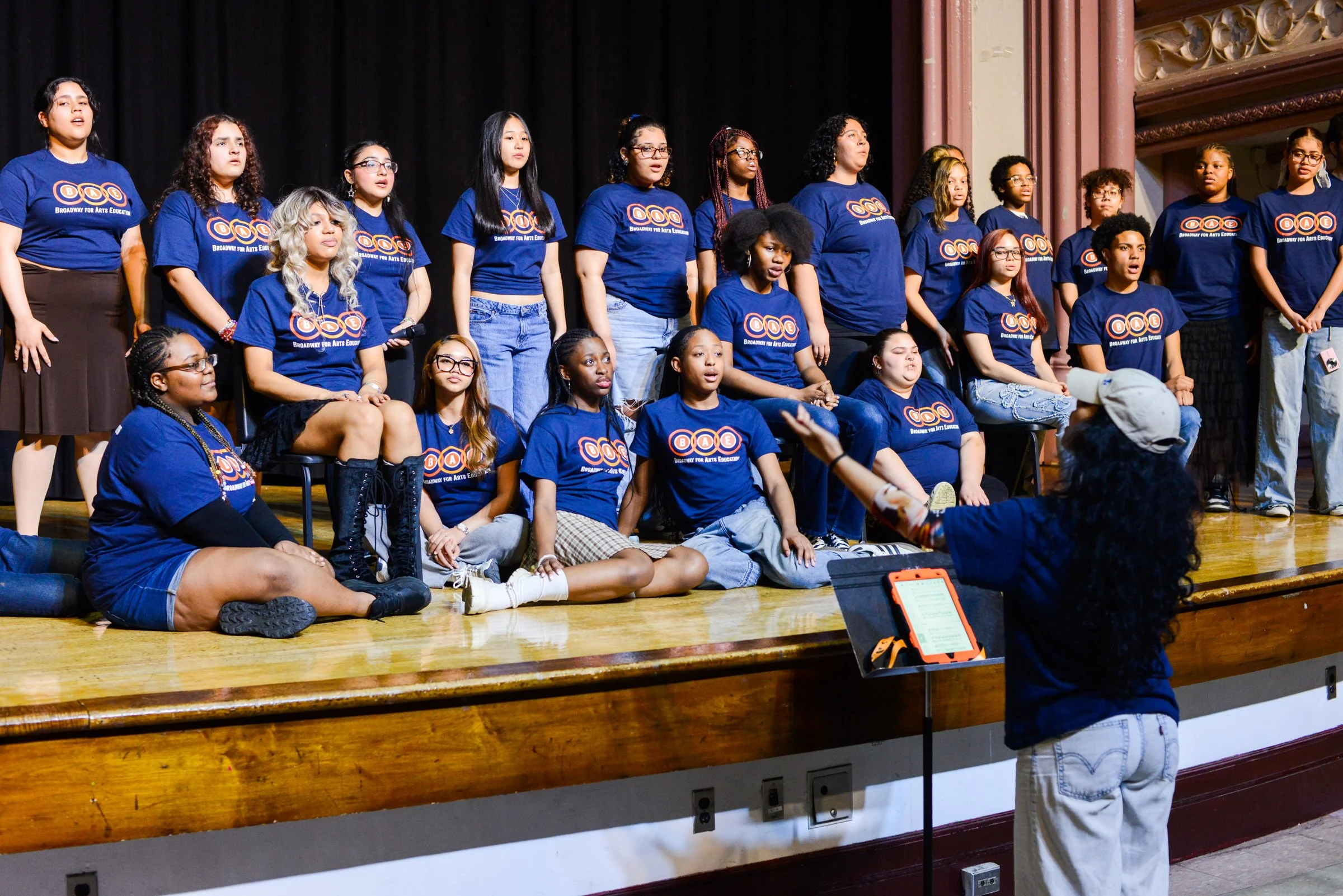
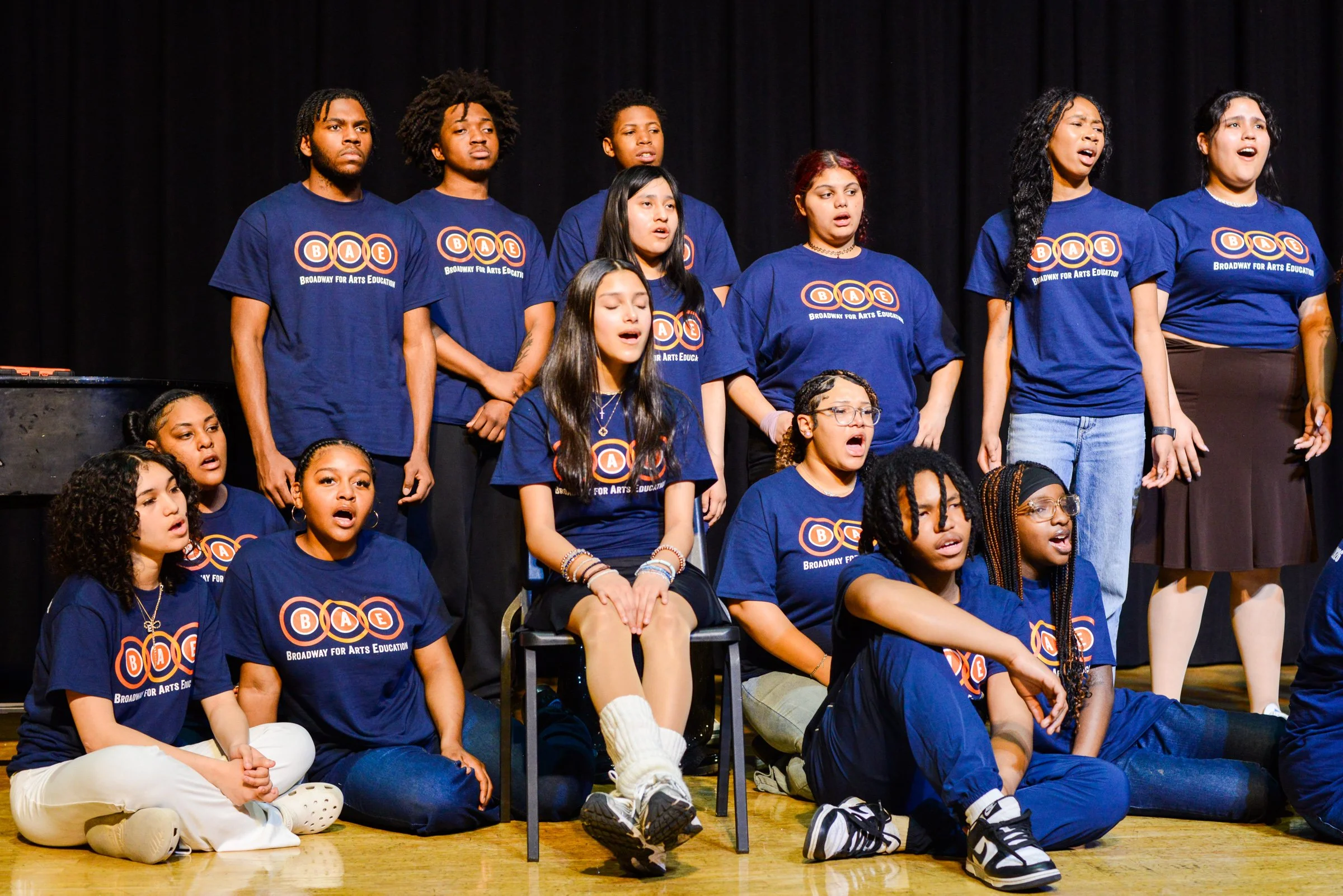
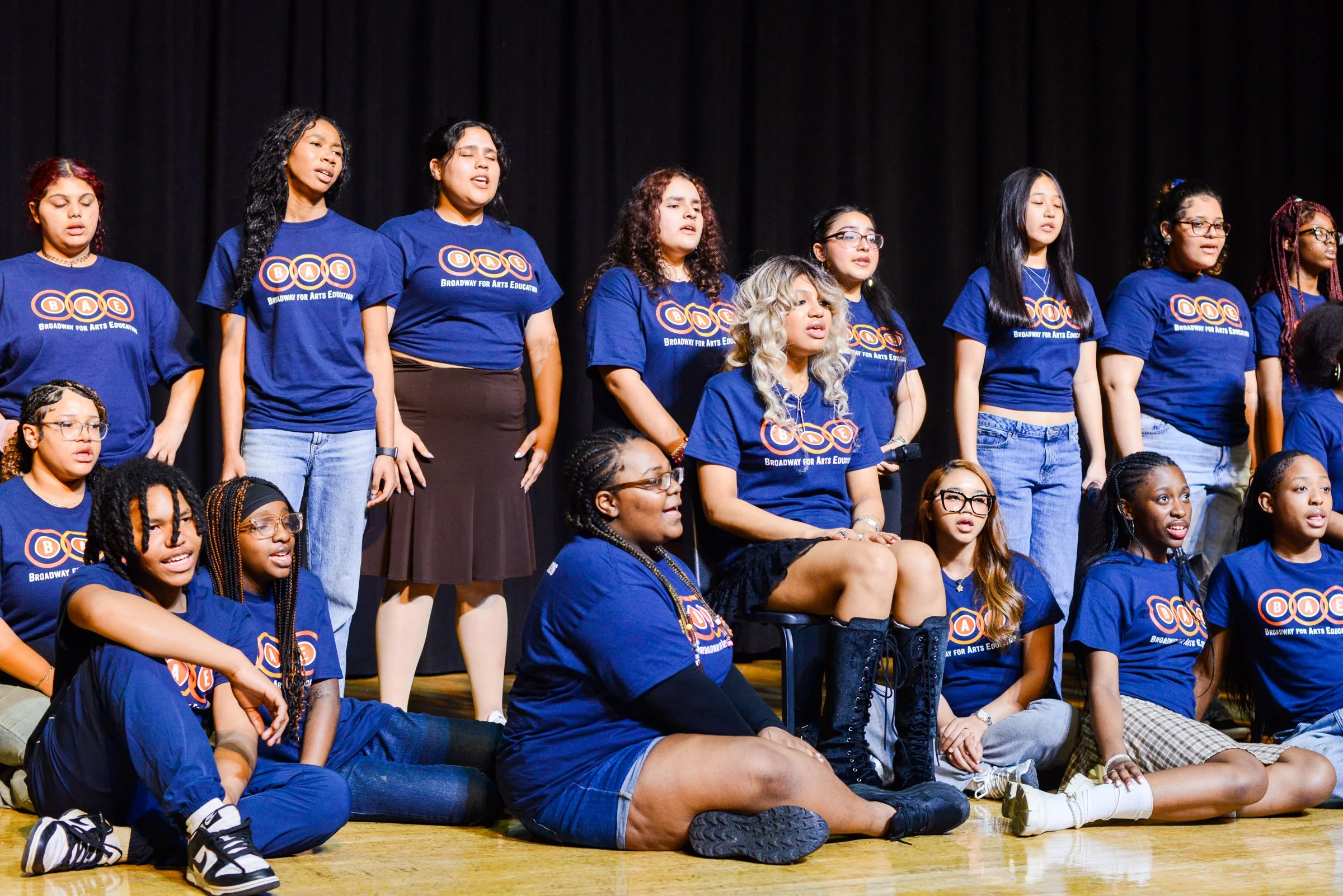
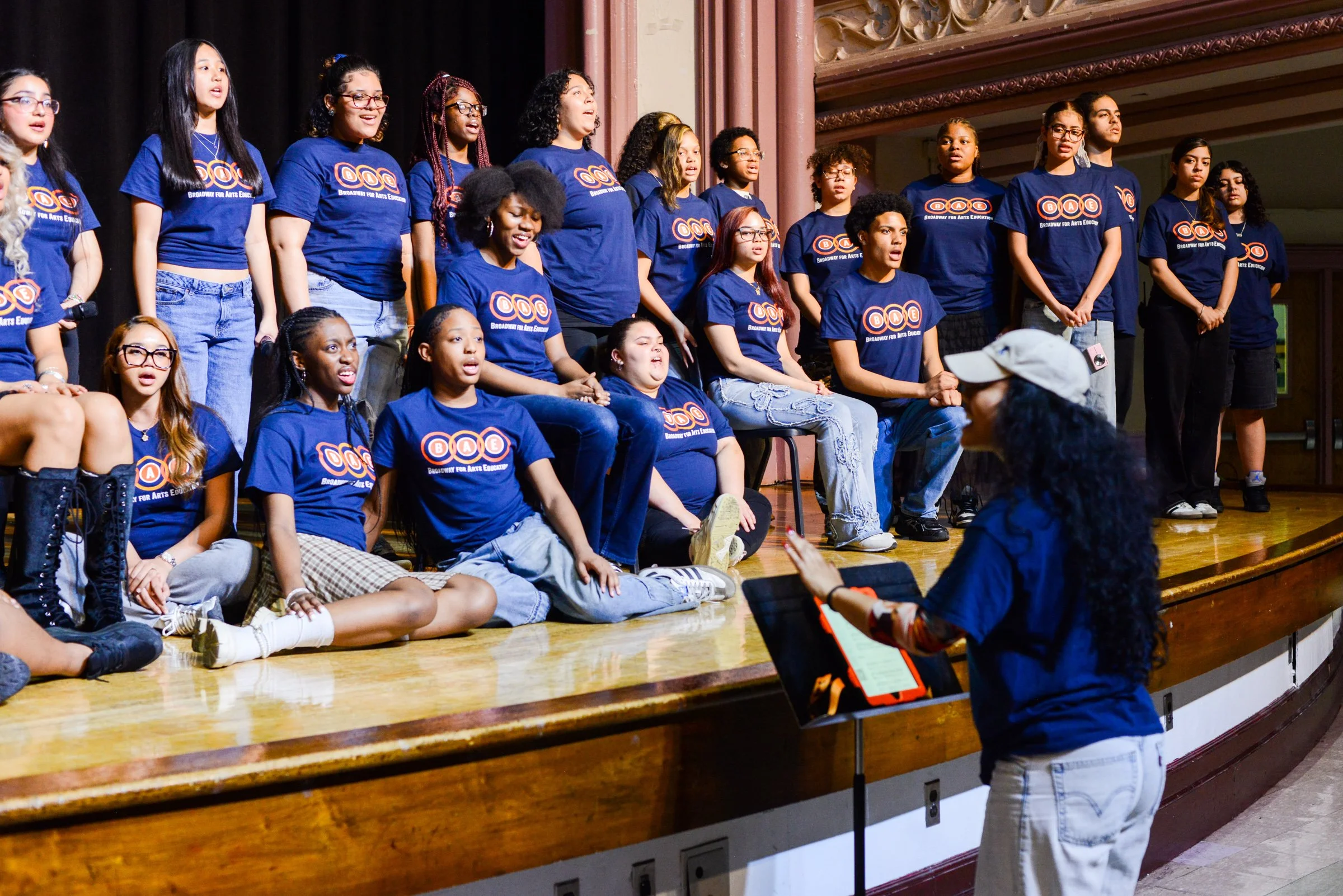
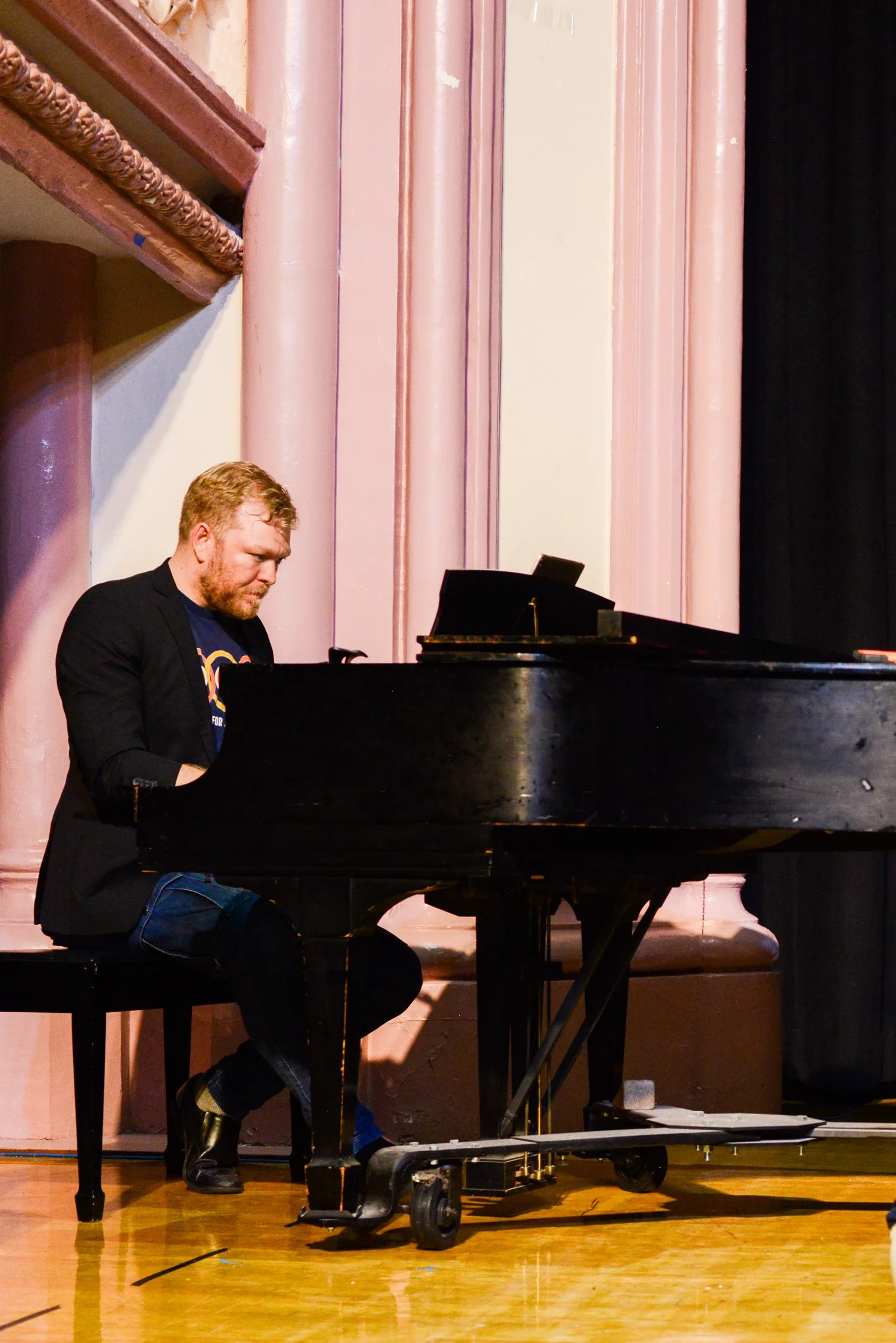
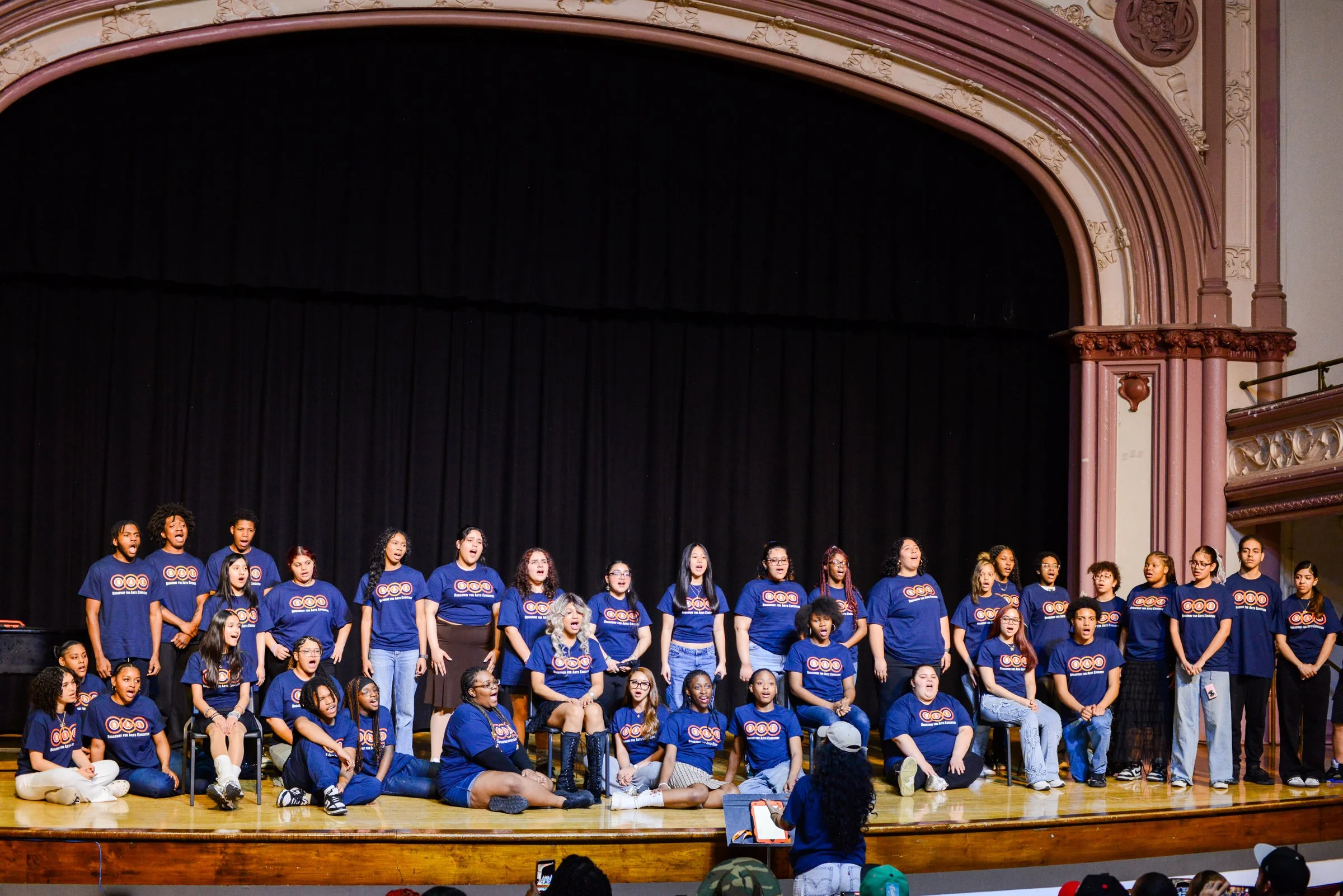
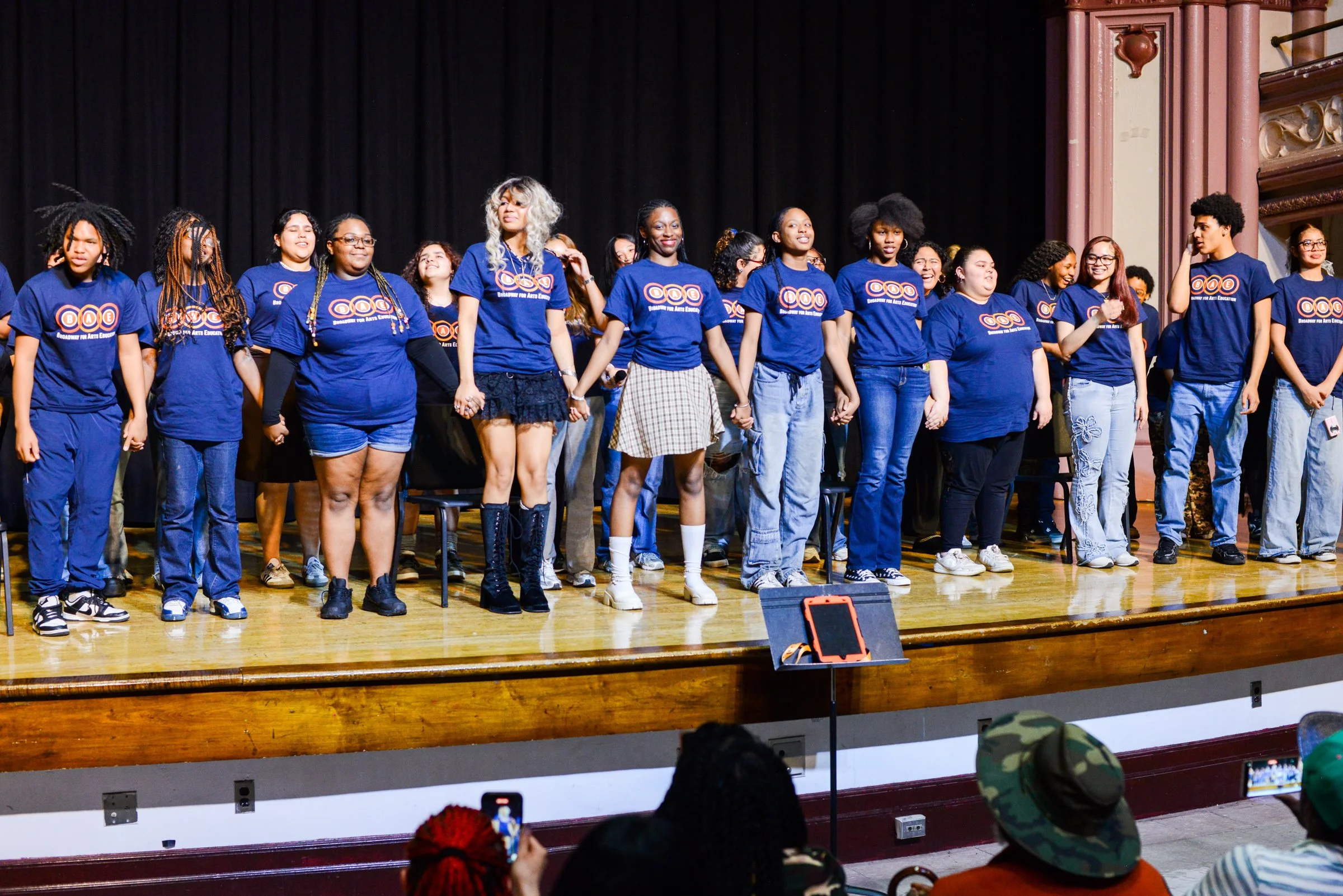
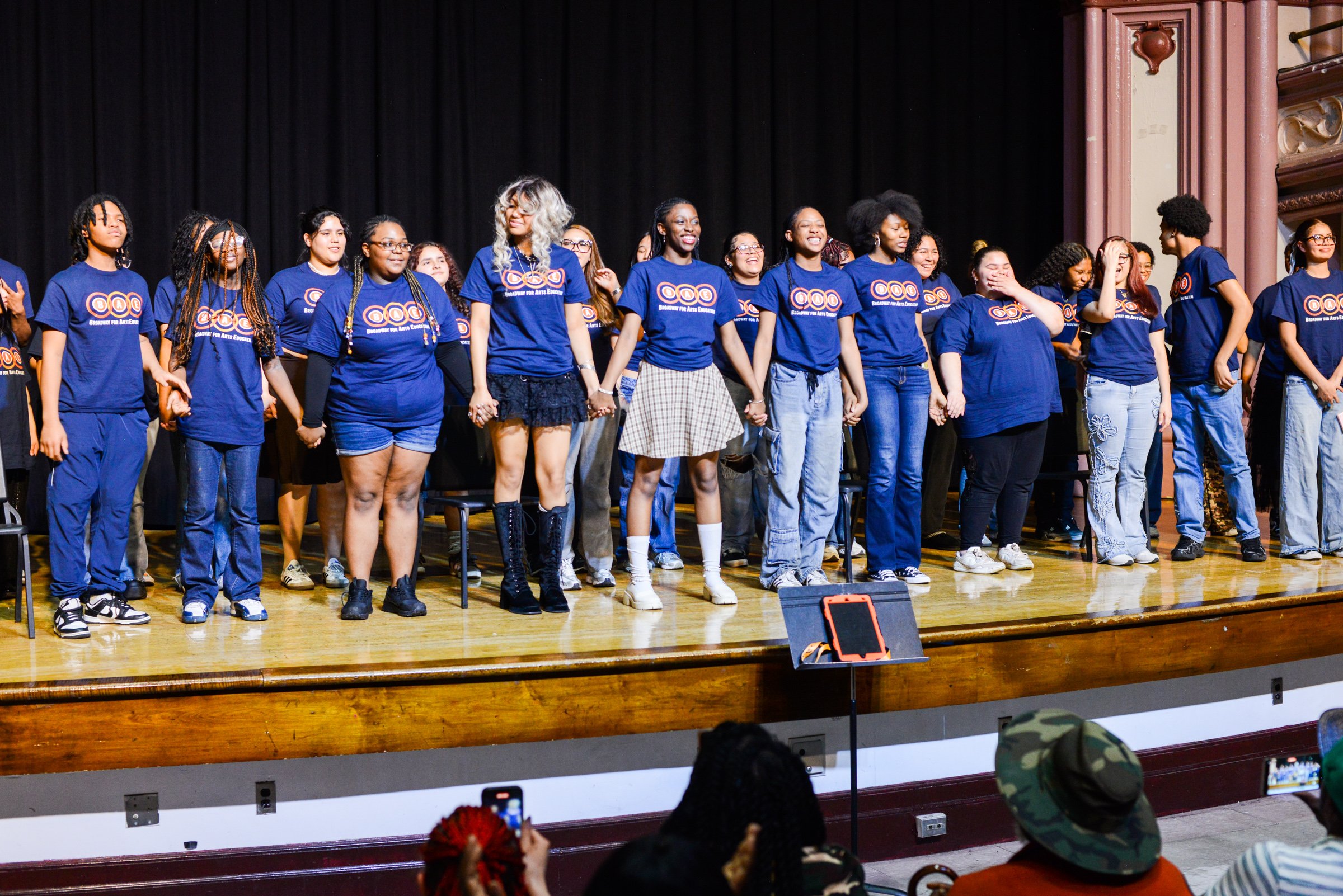
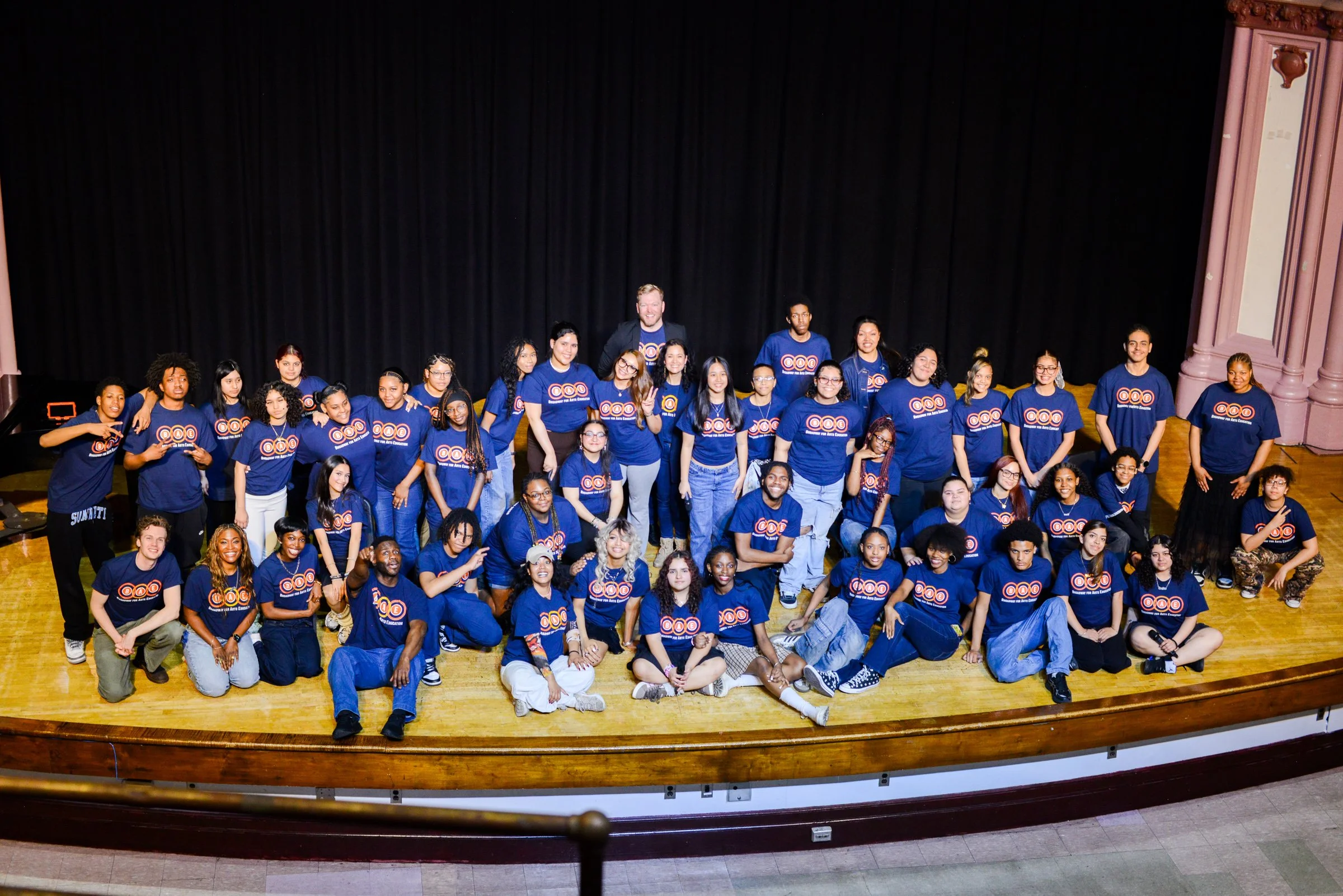
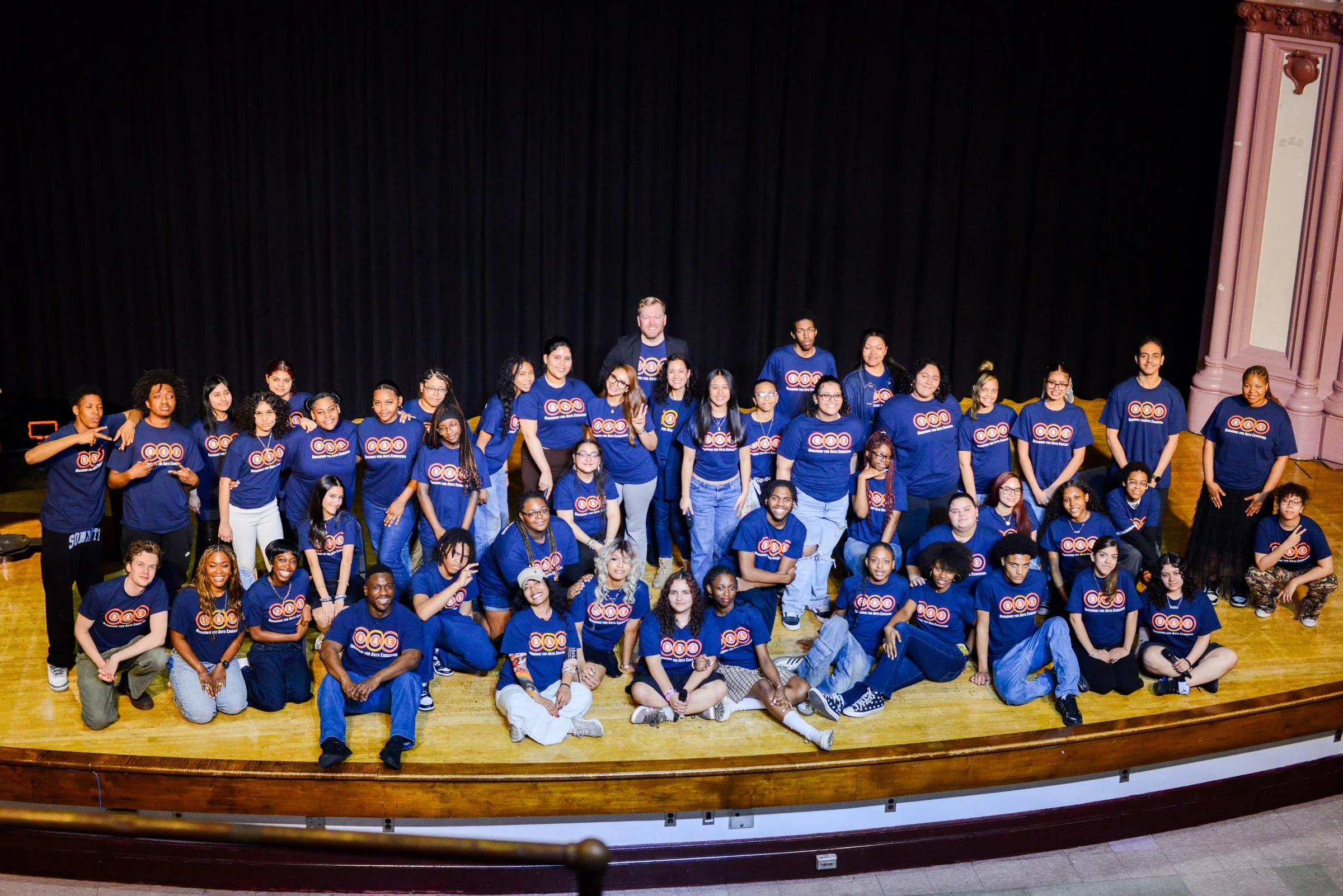
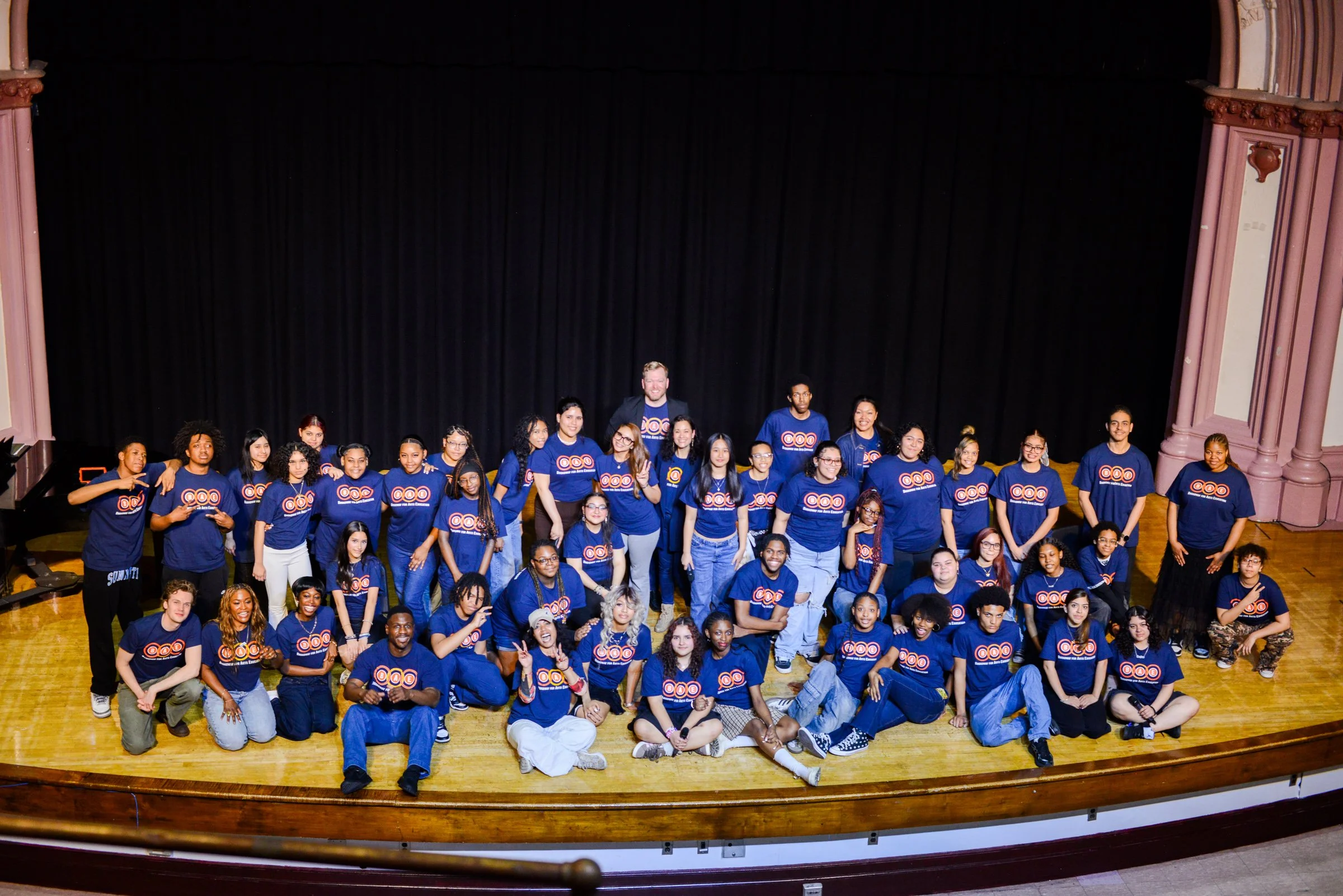
Three months later, those same students stood in front of a packed audience of family members, educators, school leaders, district representatives, and community supporters and delivered a performance so moving and accomplished that district officials immediately invited them to perform again at an upcoming school board meeting.
The transformation was remarkable. But it was not magic. It was the result of months of trust-building, artistic exploration, mentorship, and the unwavering belief that young people are capable of far more than they sometimes believe themselves.
For Broadway for Arts Education, the Wadleigh partnership represented a rare and exciting opportunity. Wadleigh is an arts-focused public school with a rich history and a faculty deeply committed to creative learning, yet like so many schools across New York City, it faces the ongoing challenge of balancing ambitious arts programming with limited resources and the ever-present demands of academic accountability.
The vocal music teacher, who had been at the school for 17 years, reflected on how much had changed over the years.
"We used to do cool things all the time," she told us.
There was no bitterness in the comment, only a recognition of a reality facing many arts educators today. Opportunities that once felt routine—special performances, guest artists, meaningful enrichment experiences—have become increasingly difficult to sustain.
When New Visions selected Broadway for Arts Education to launch this partnership and private donors stepped forward to help support the work, there was a sense that something special might be possible. What none of us fully anticipated was just how ready the students were to embrace the opportunity.
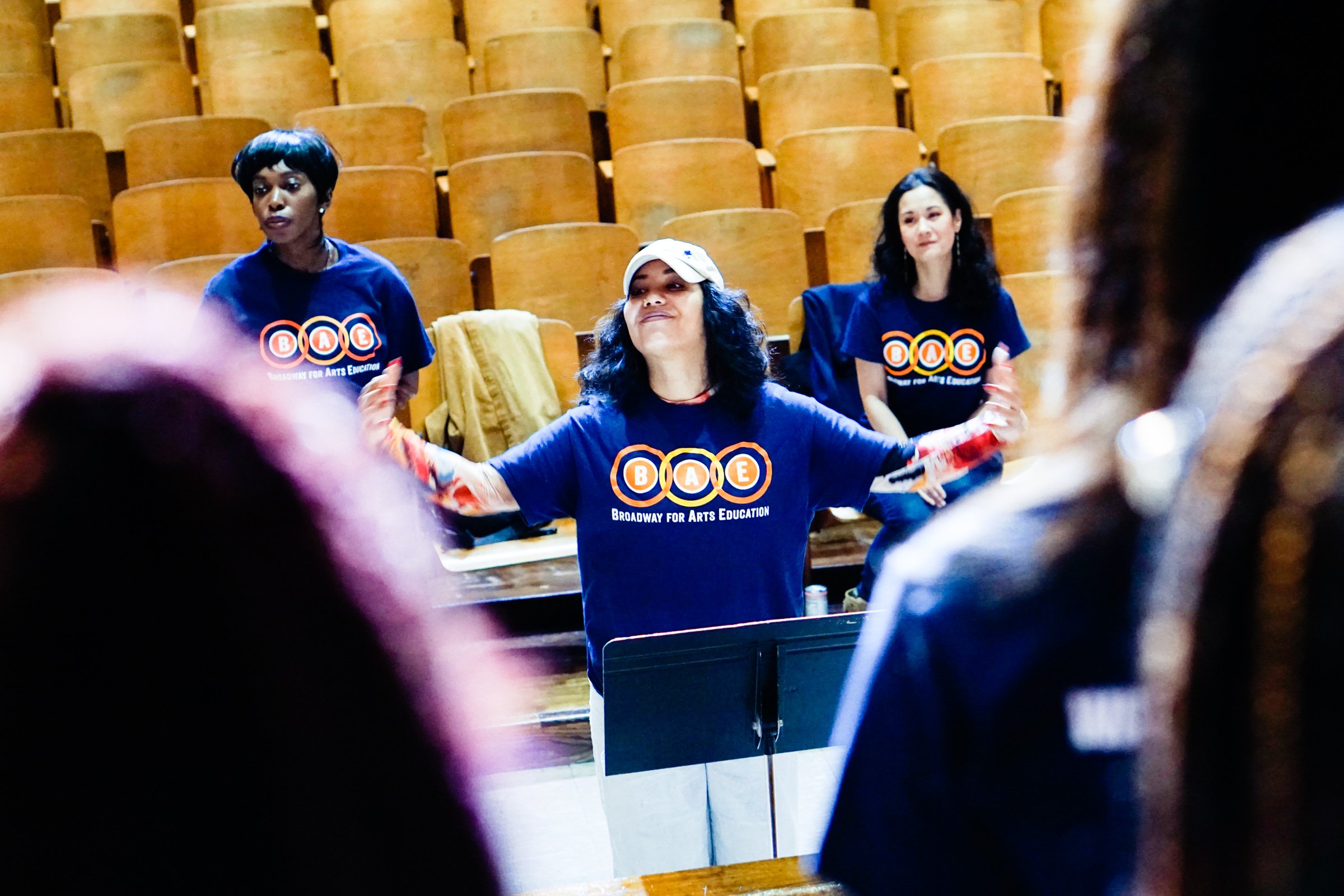
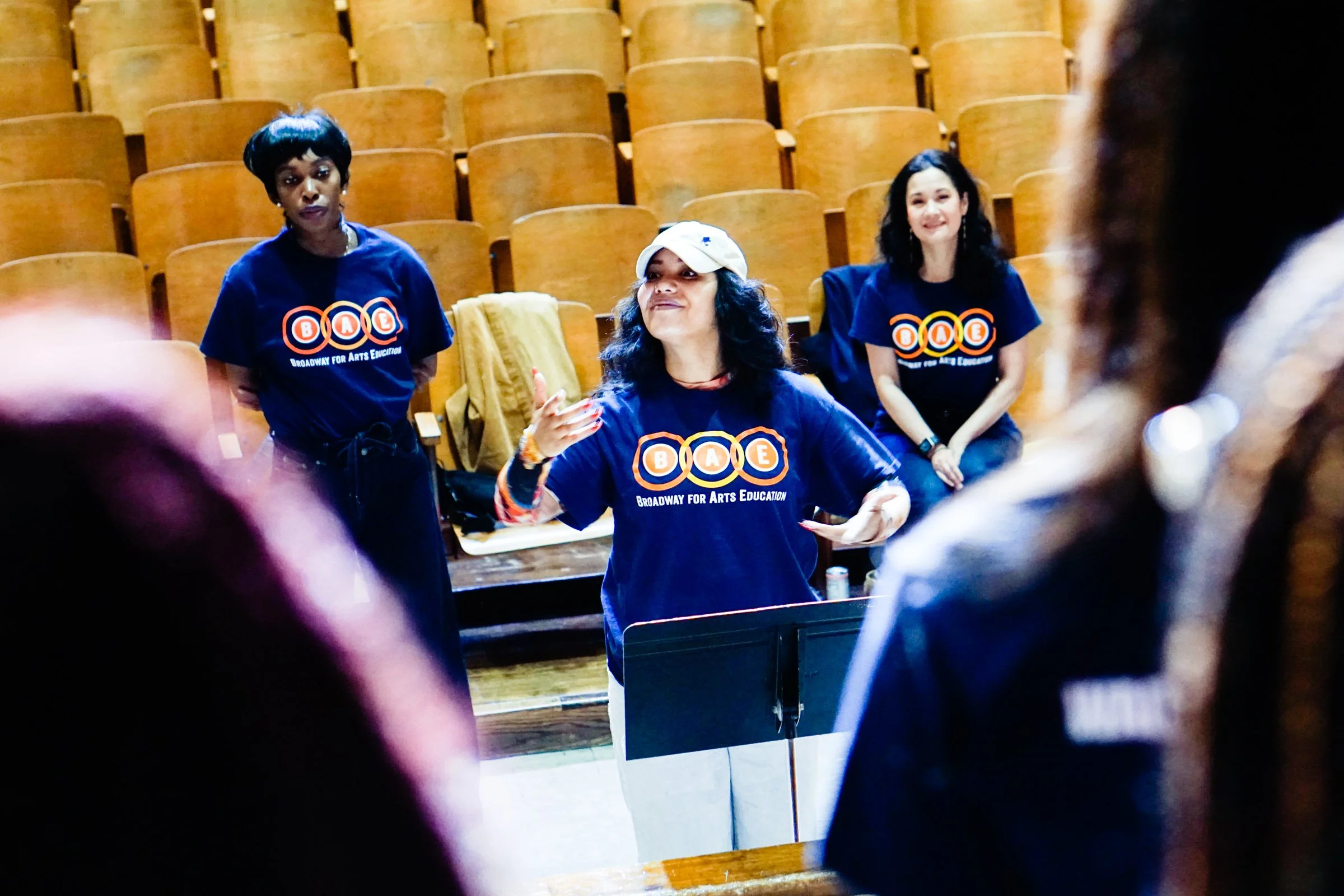
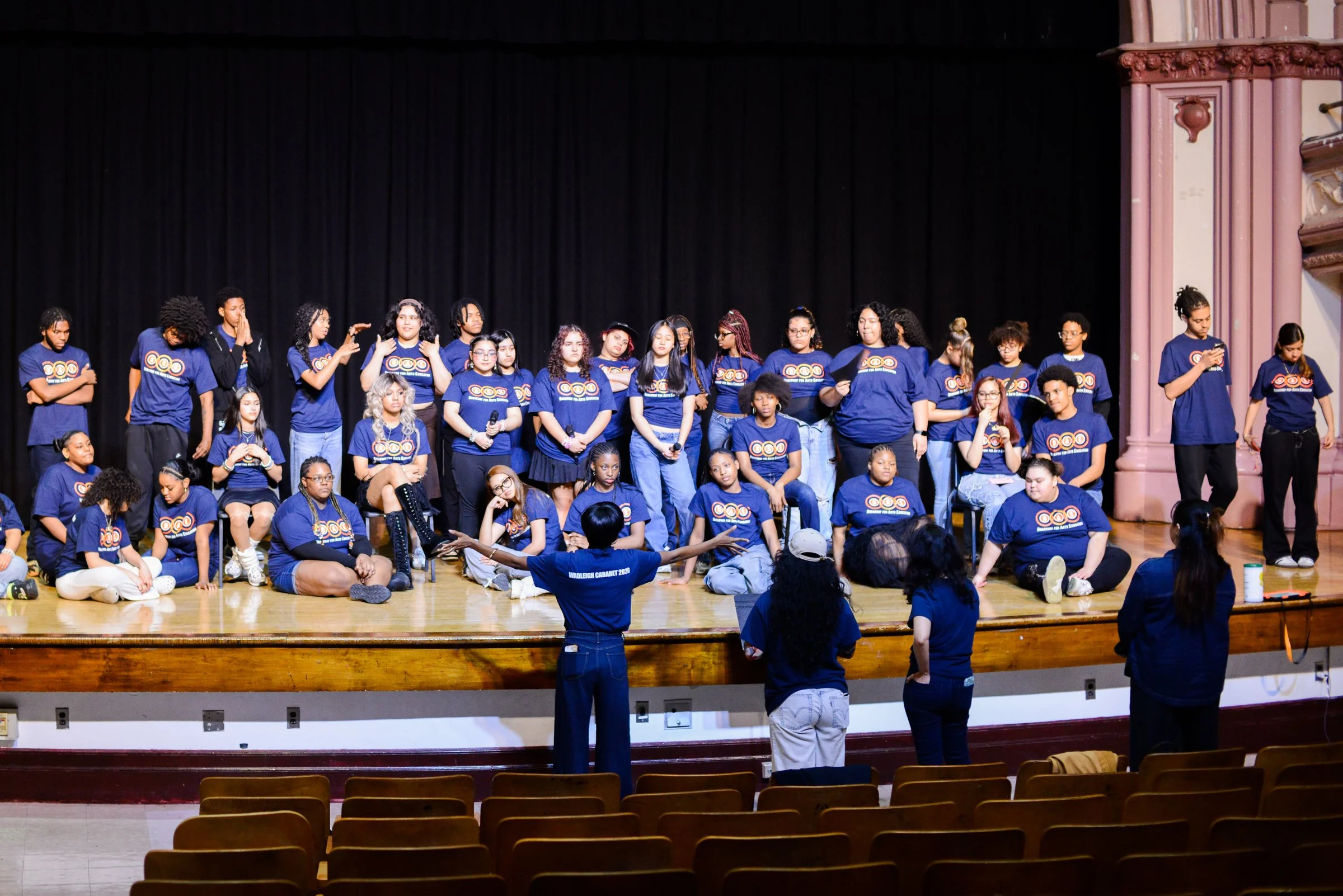
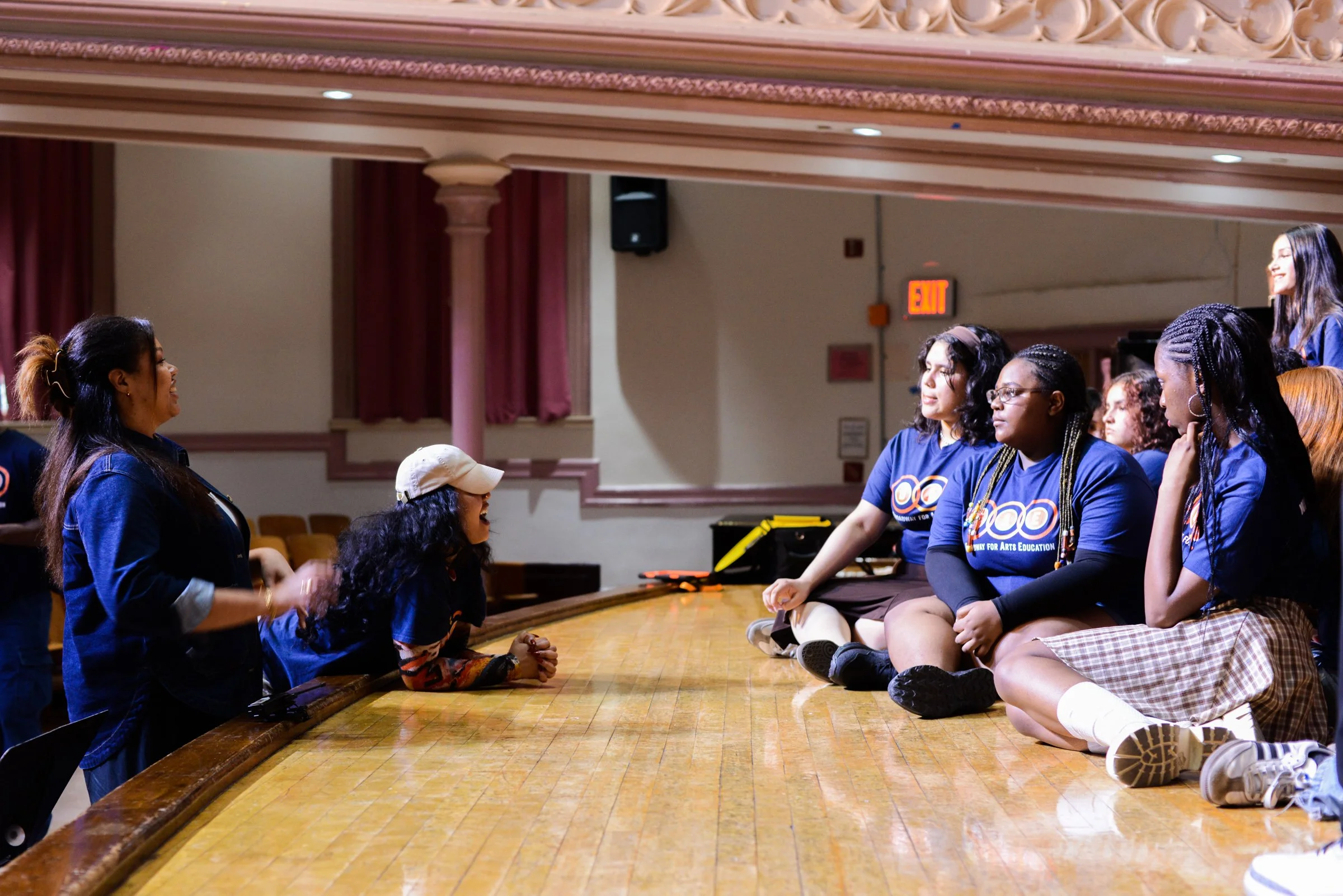
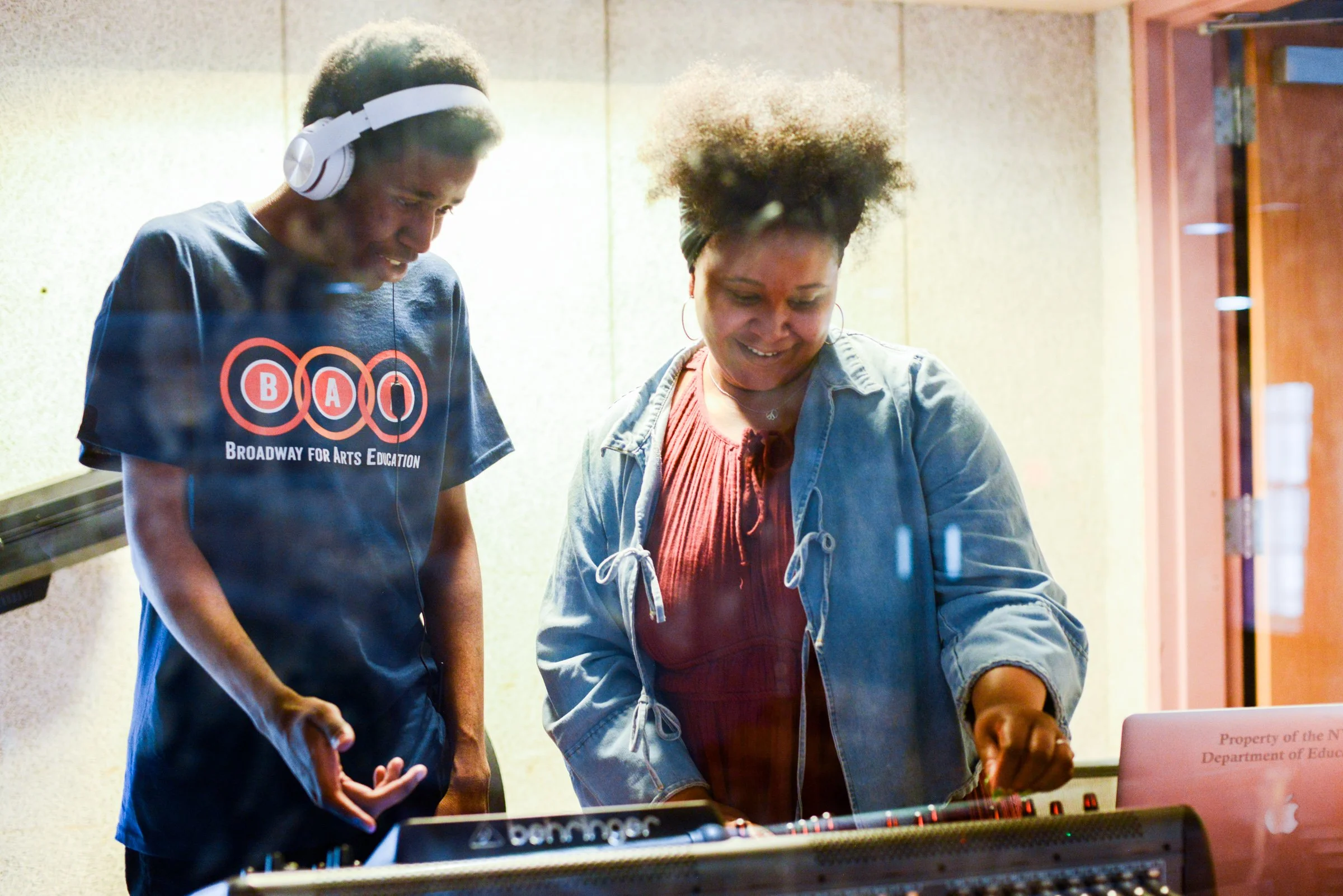
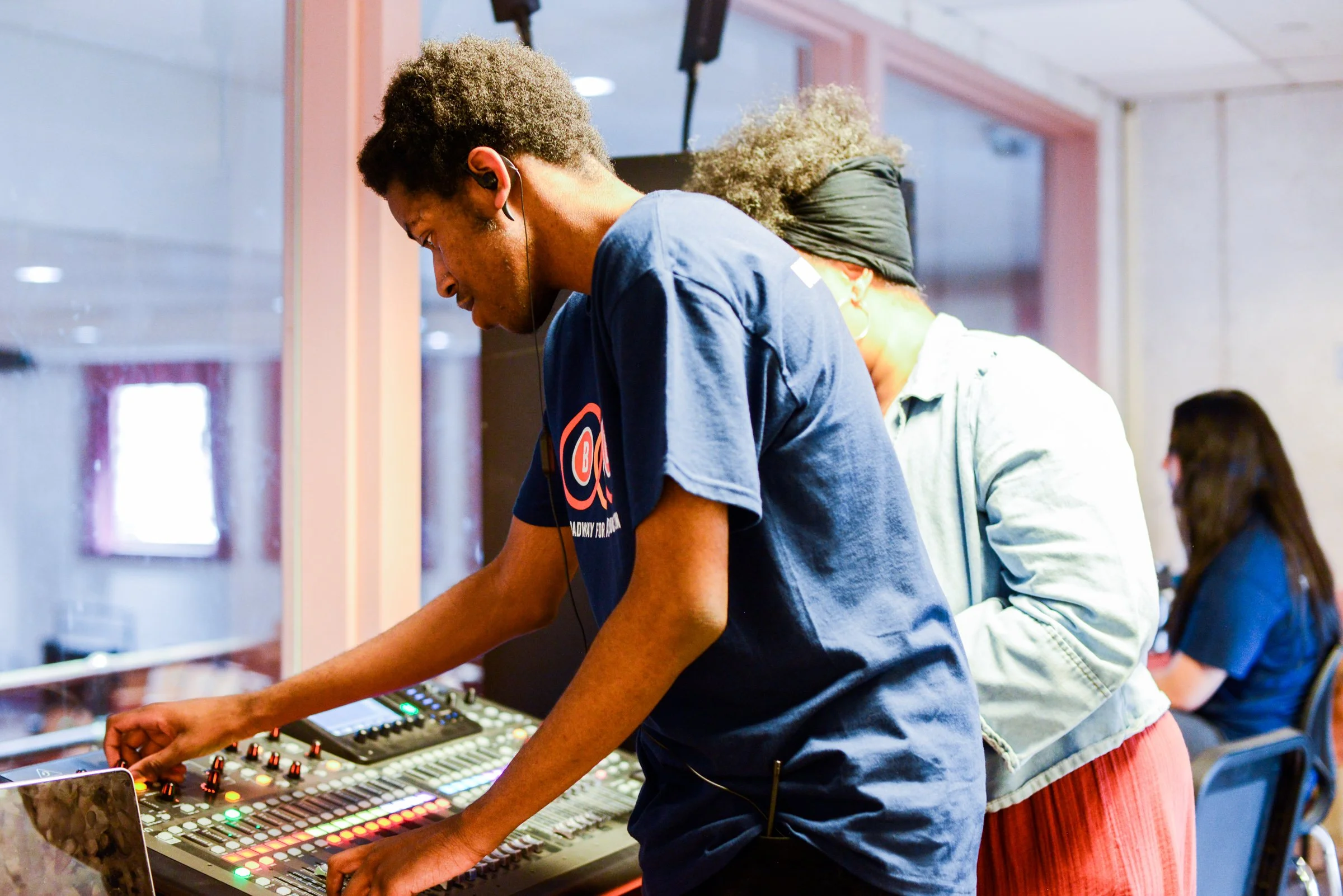
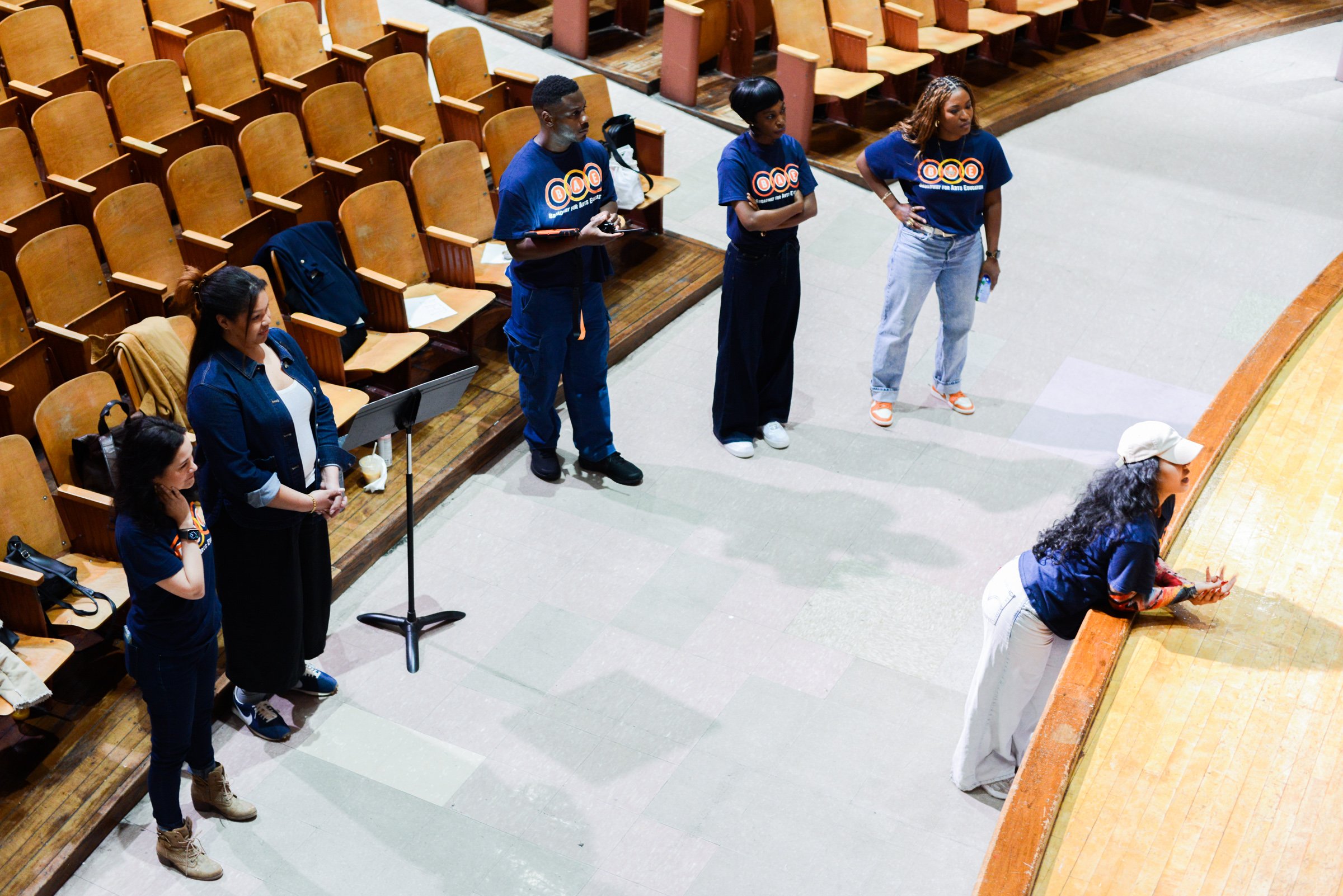
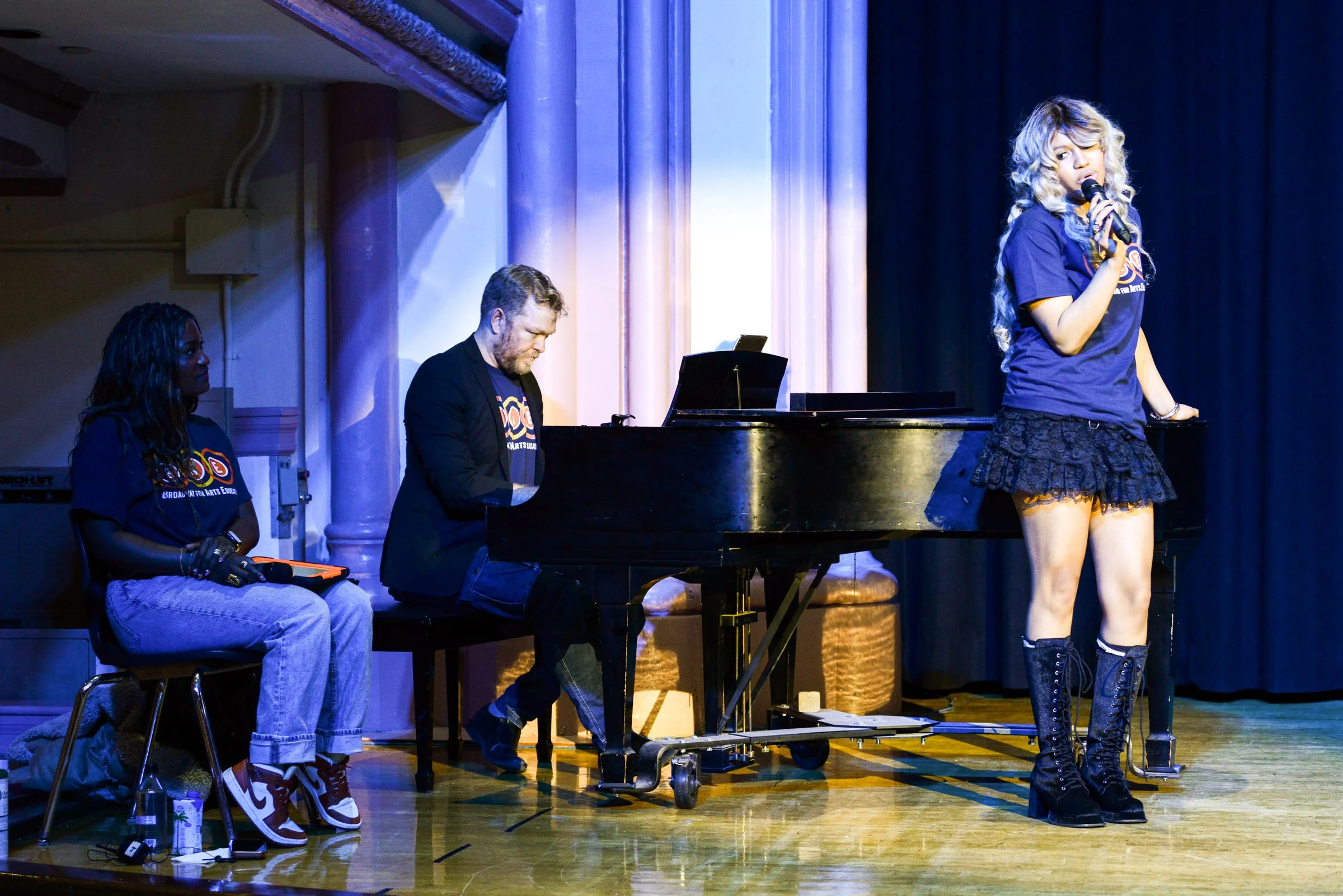
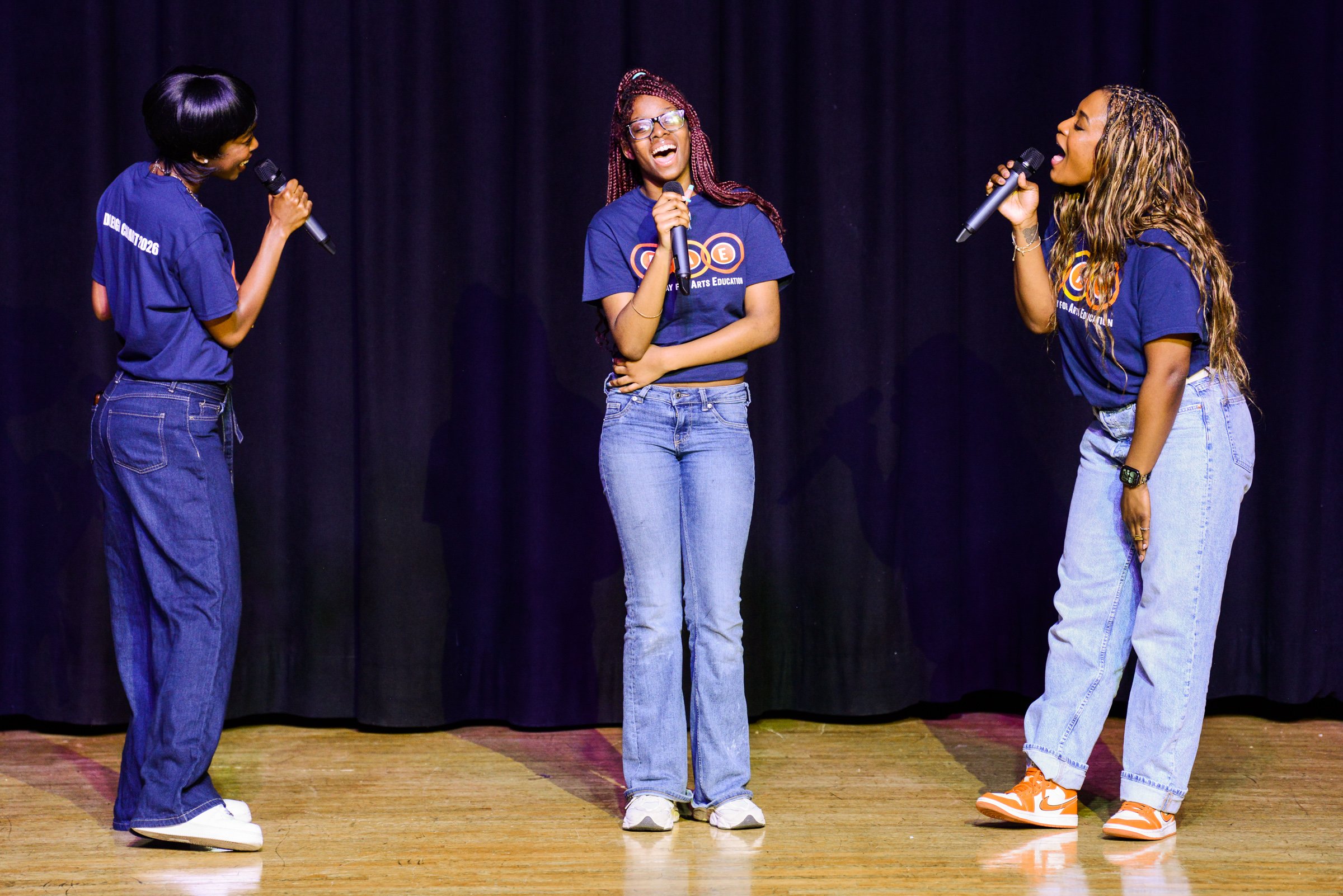
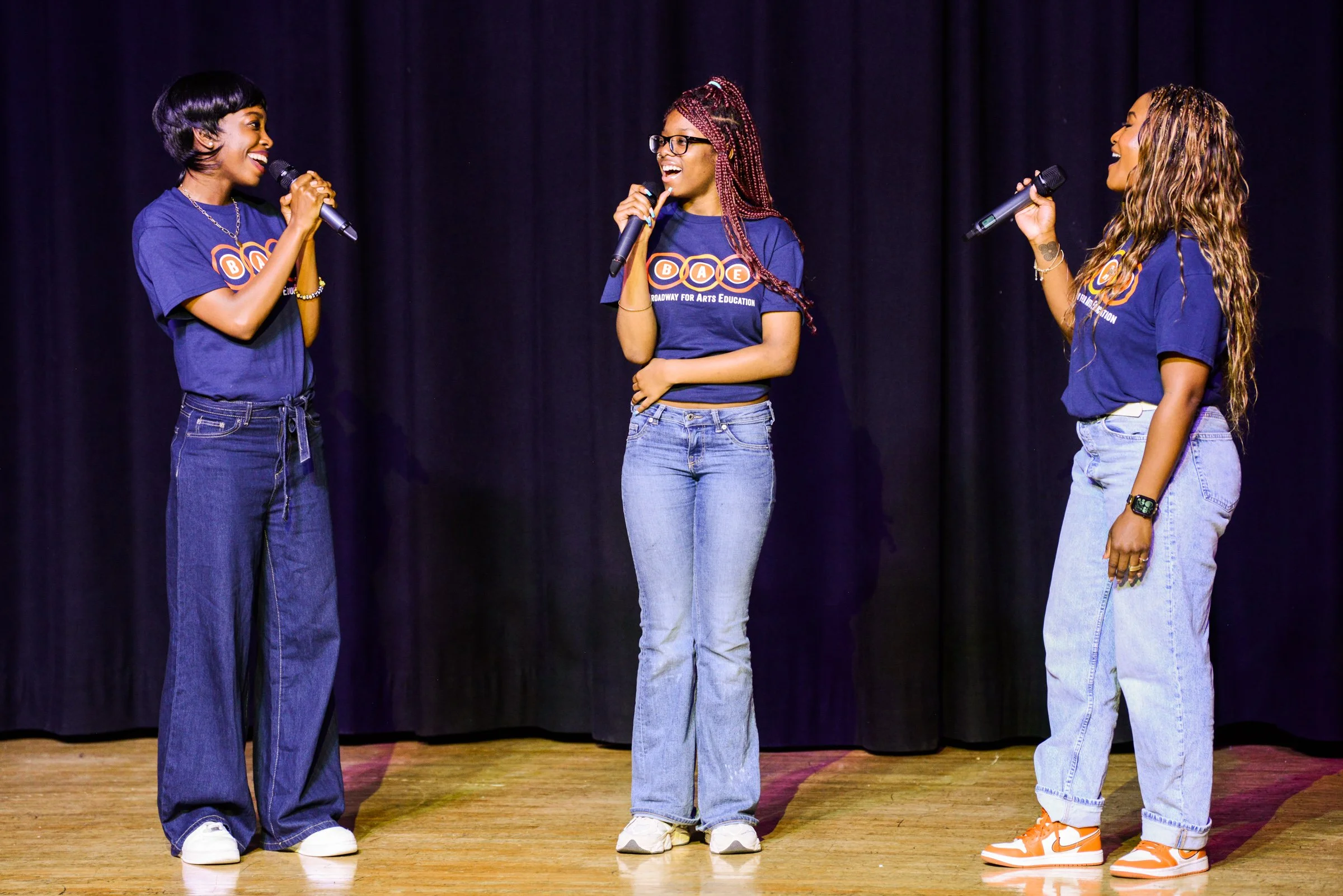
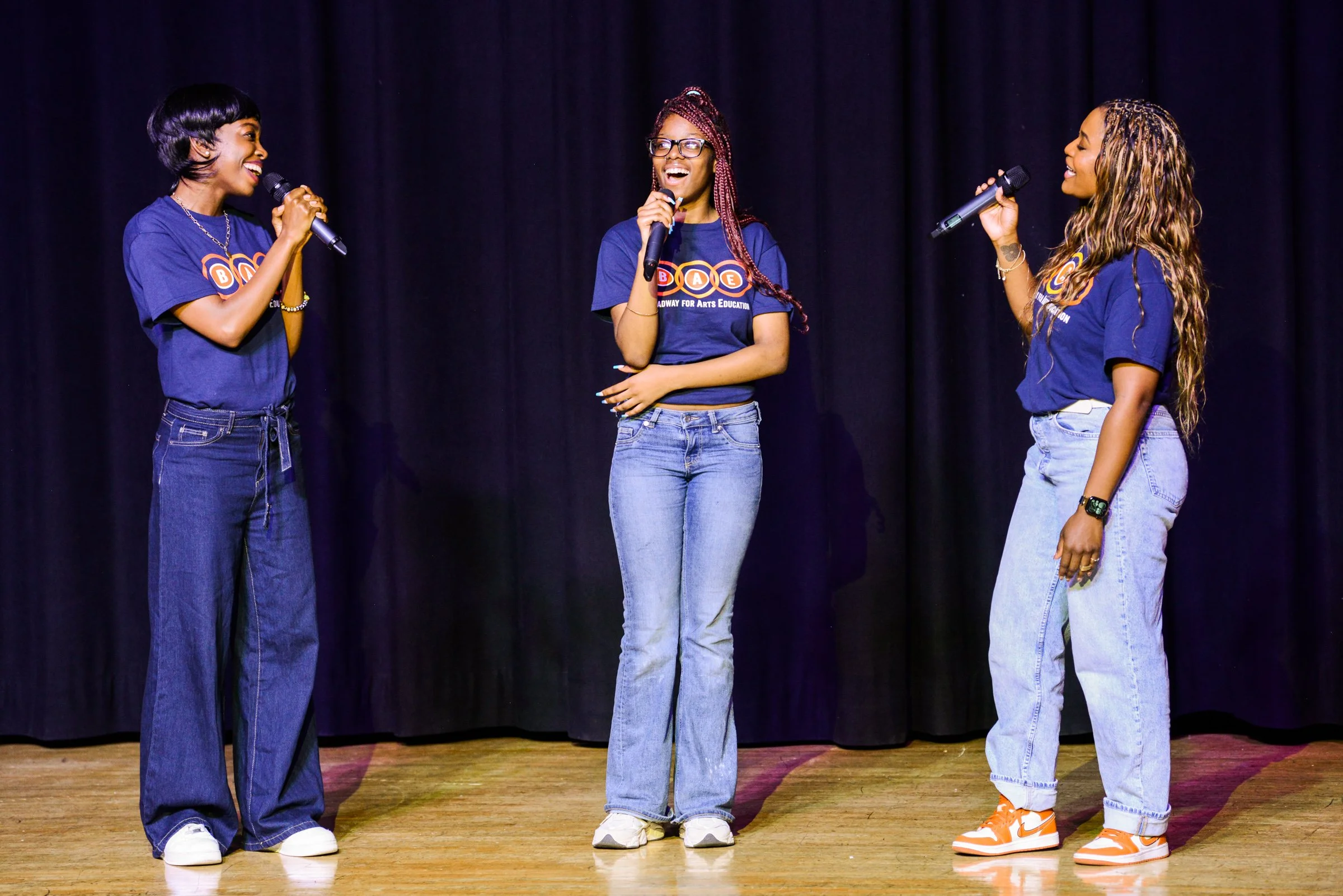
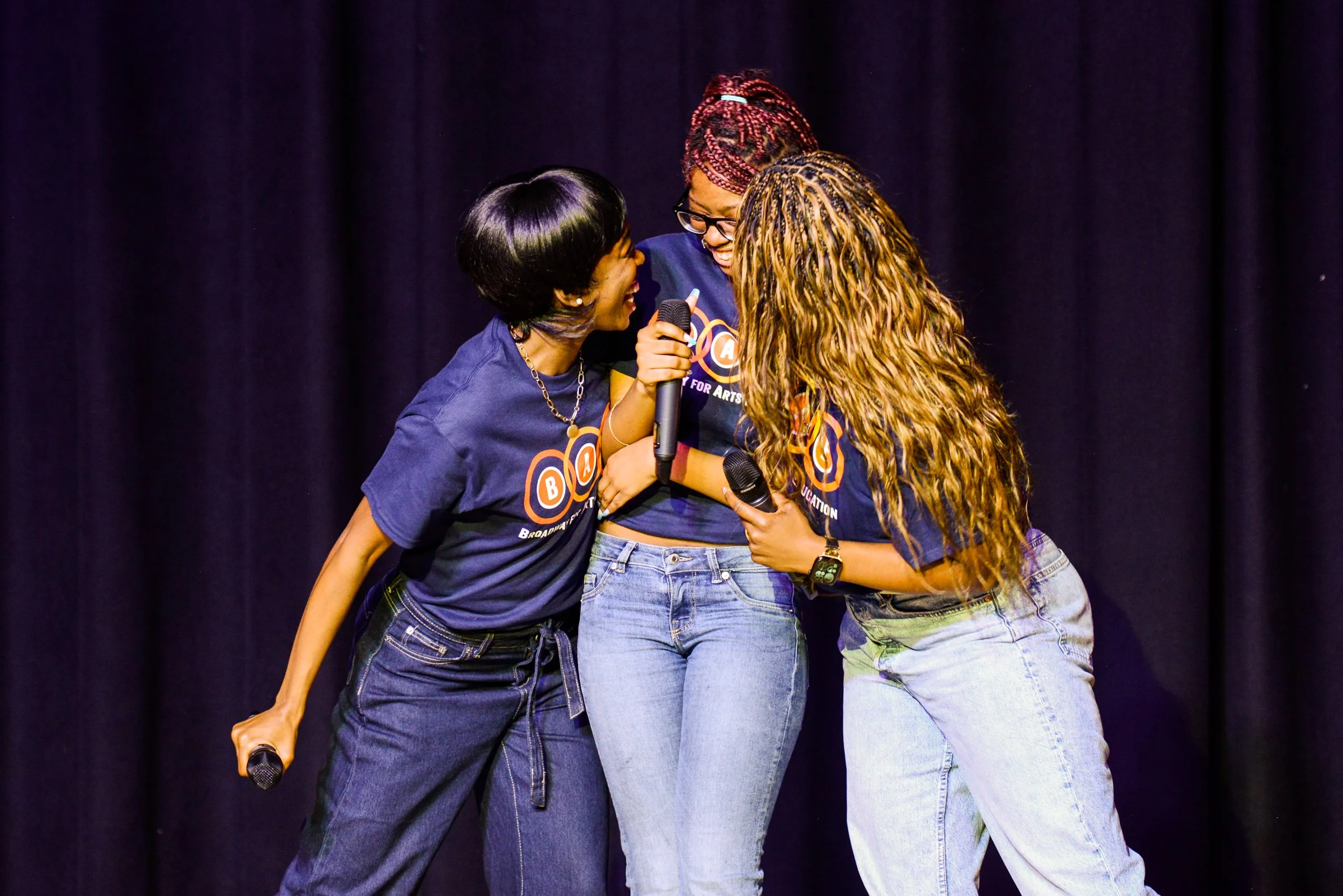
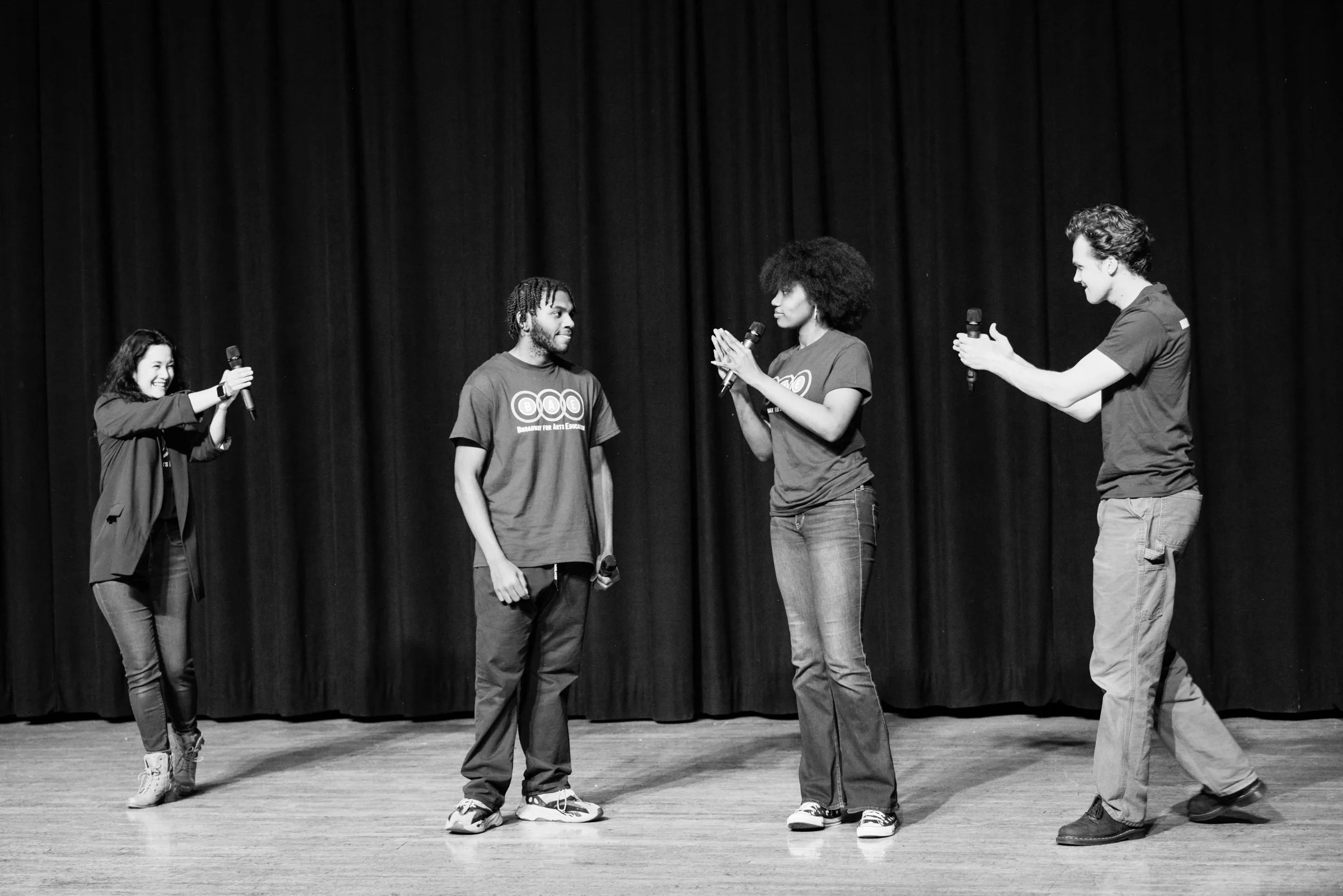
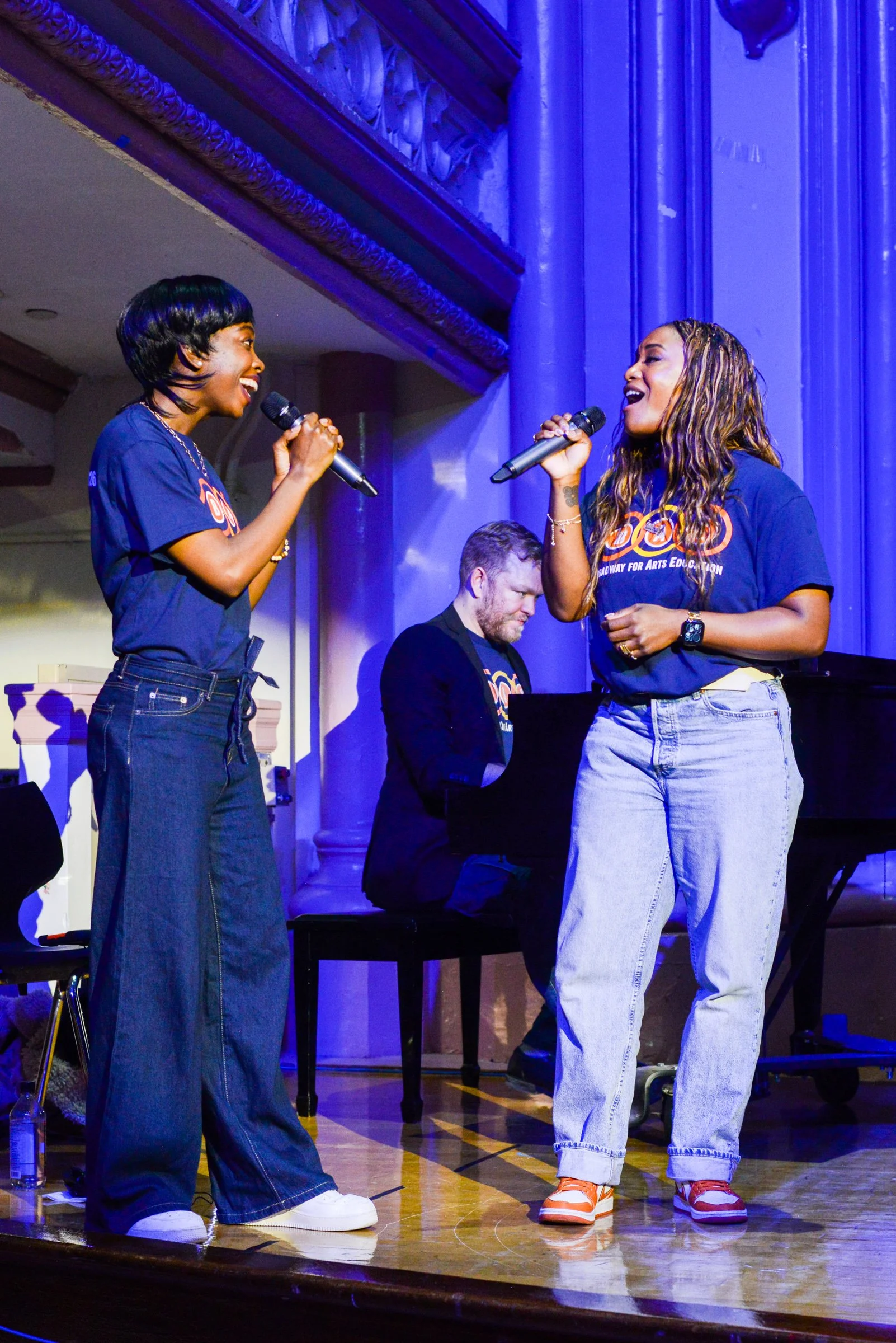
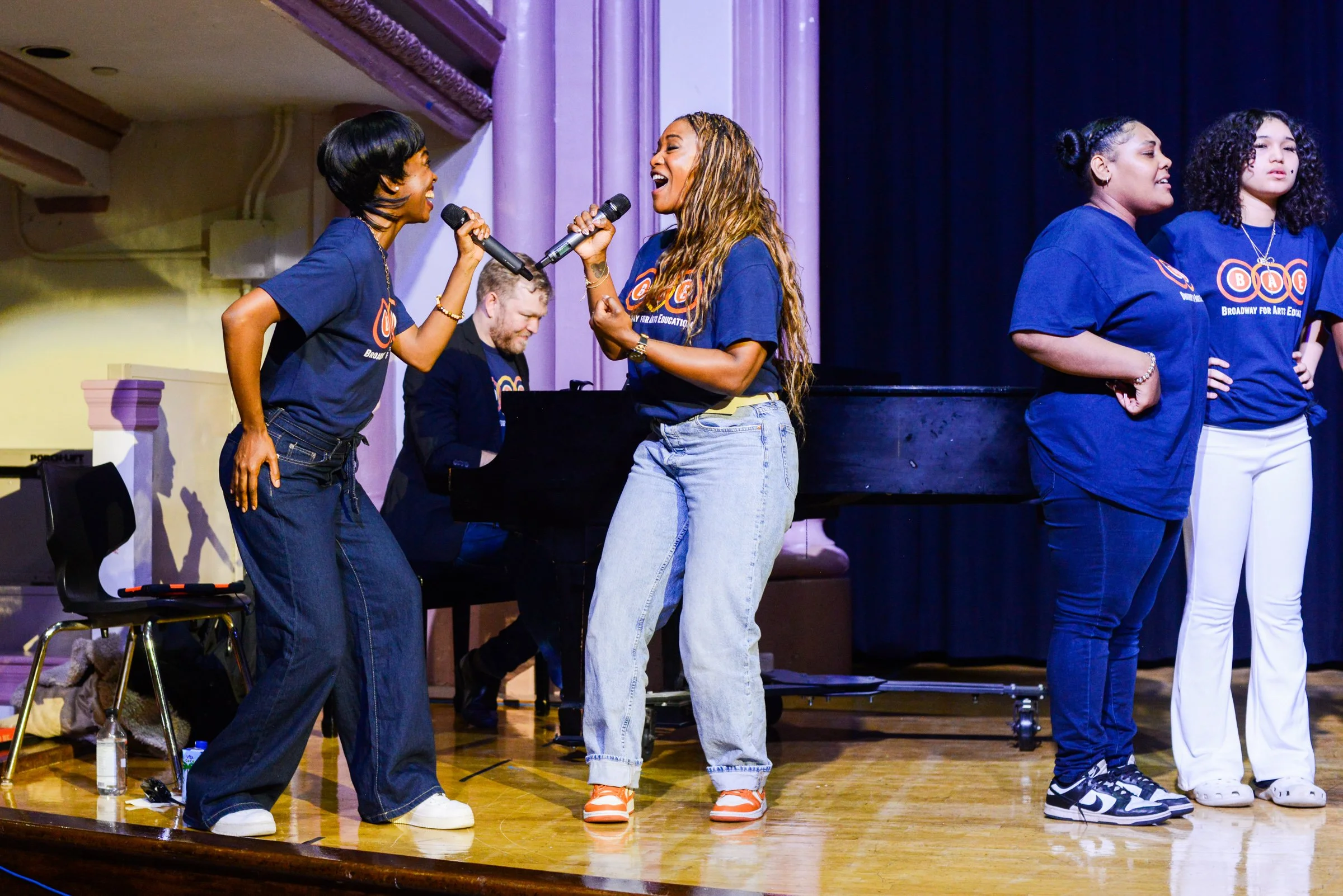
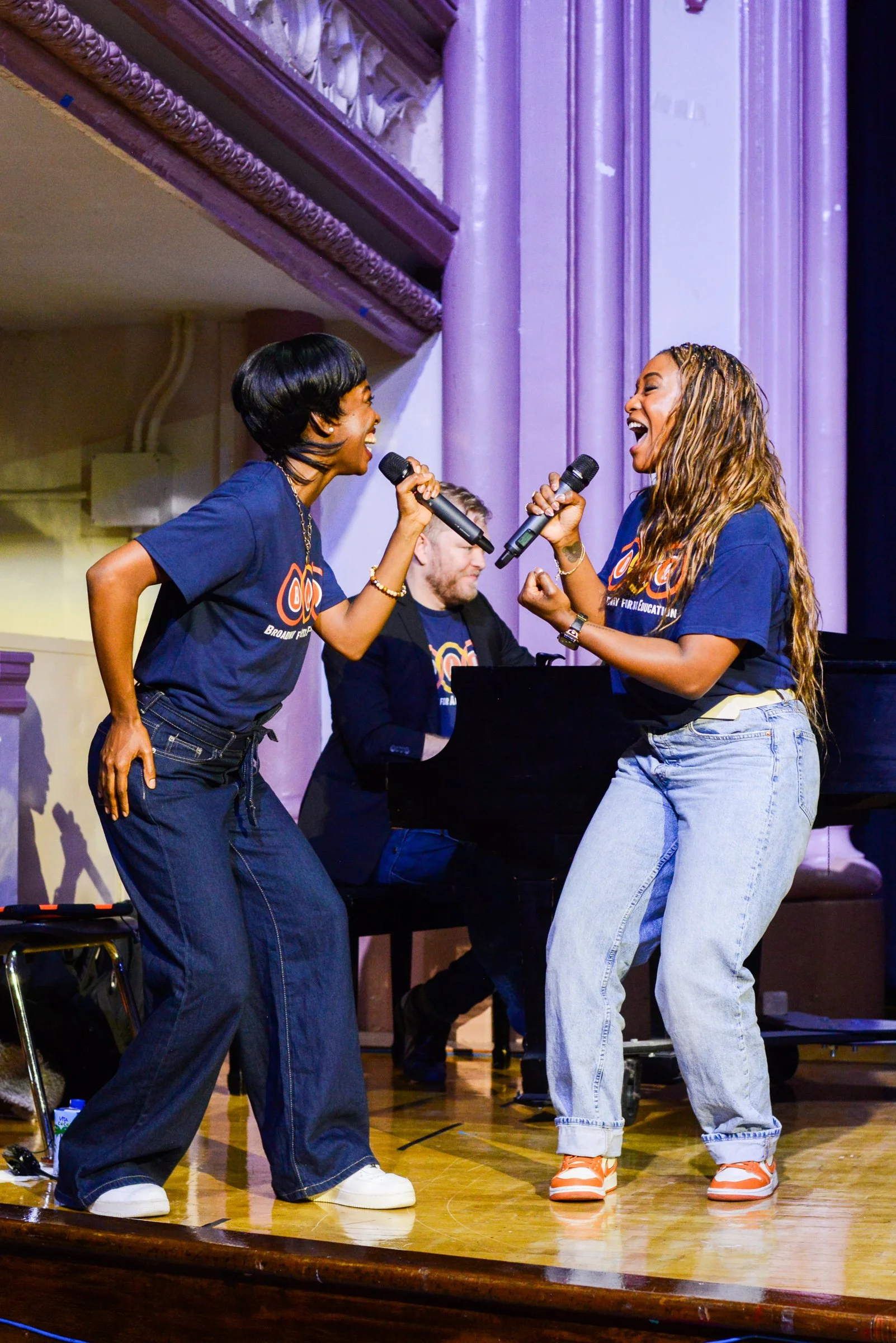
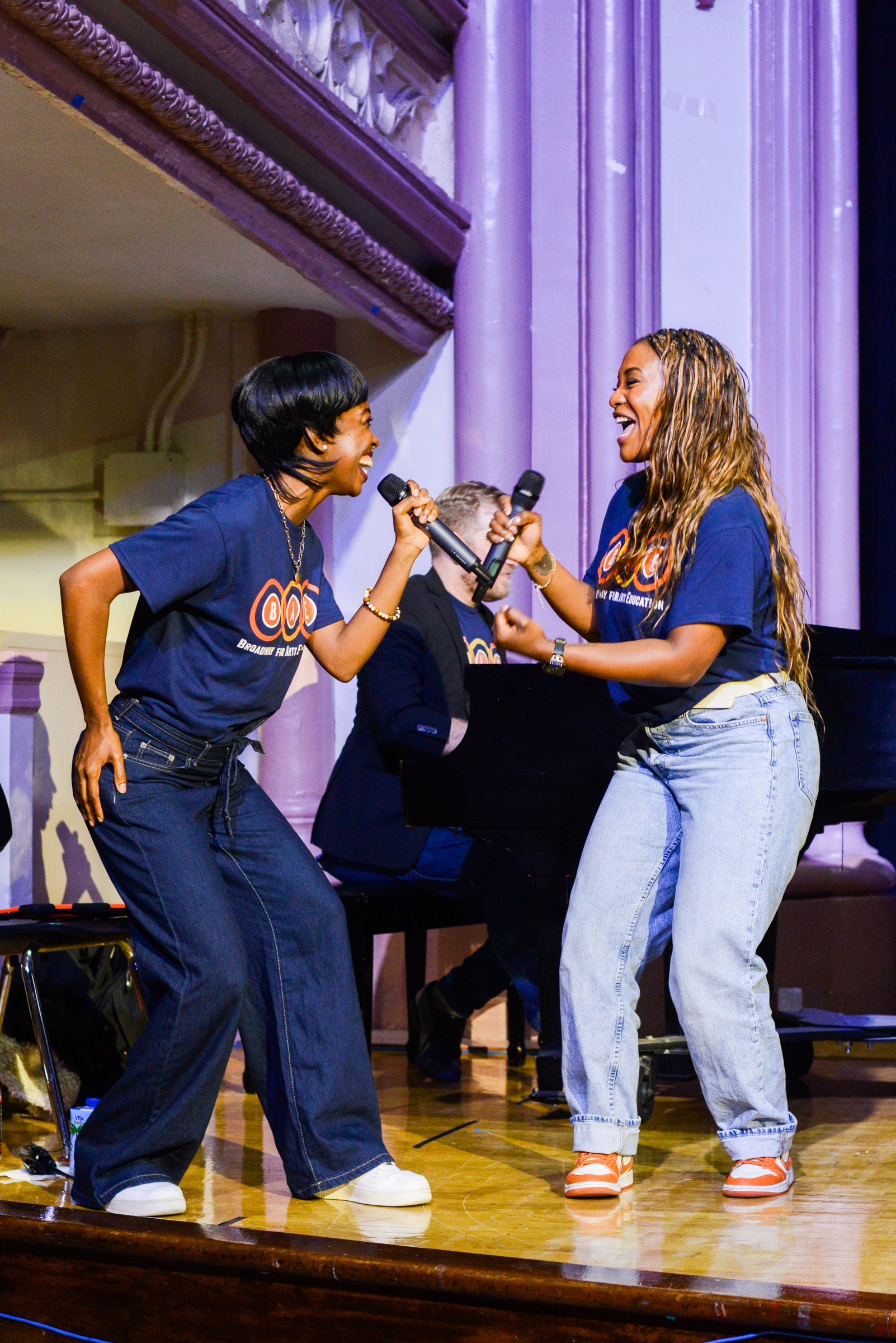
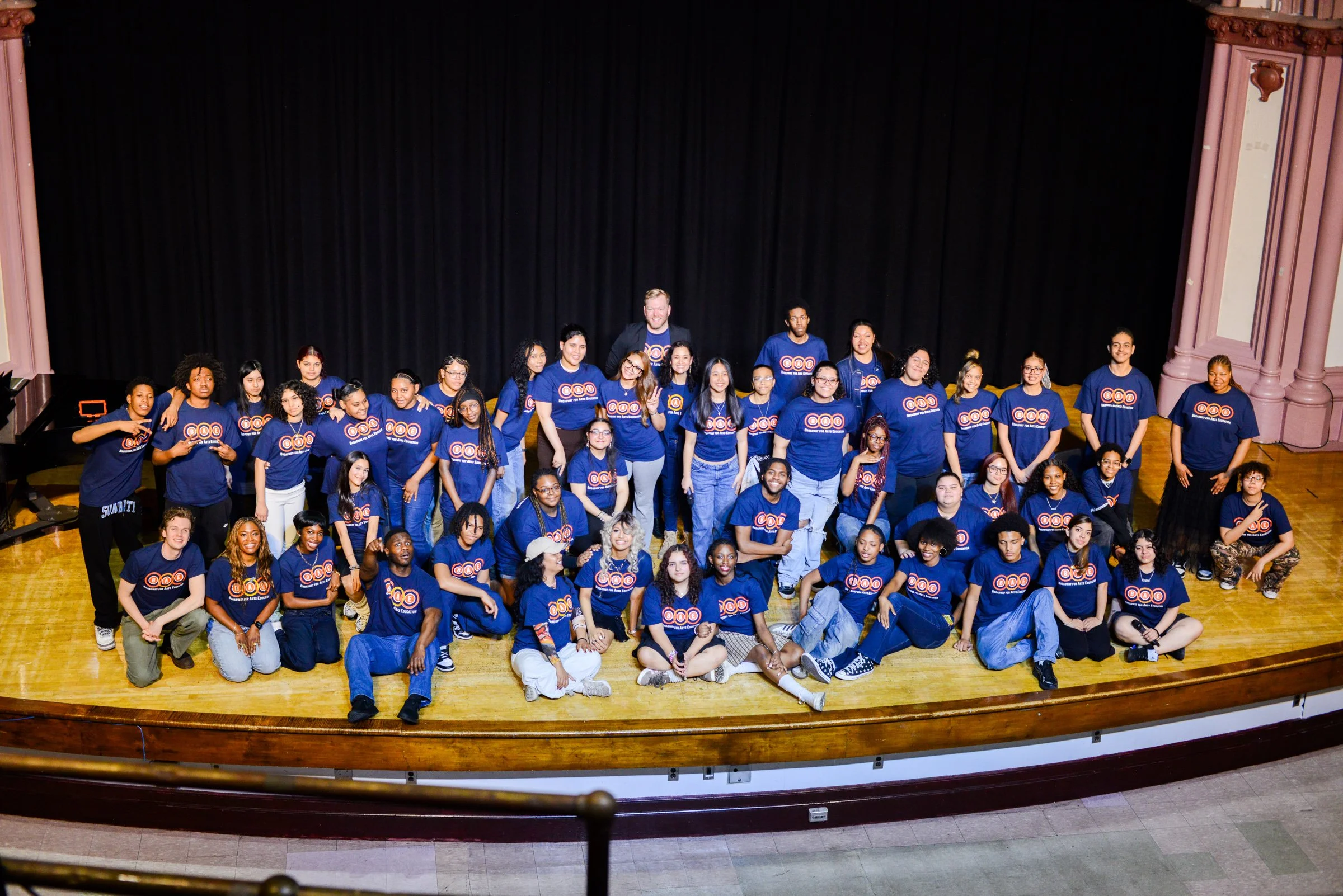
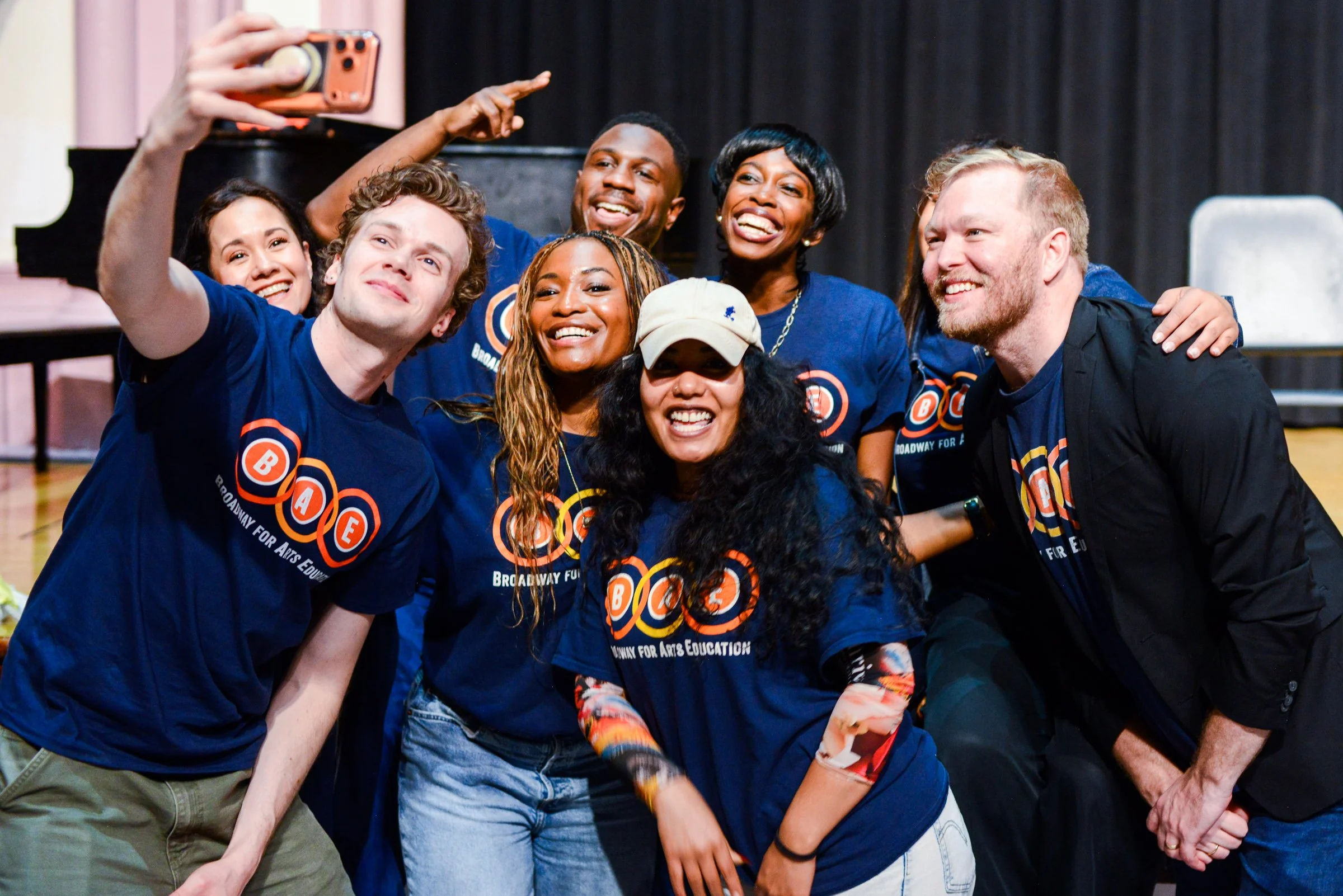
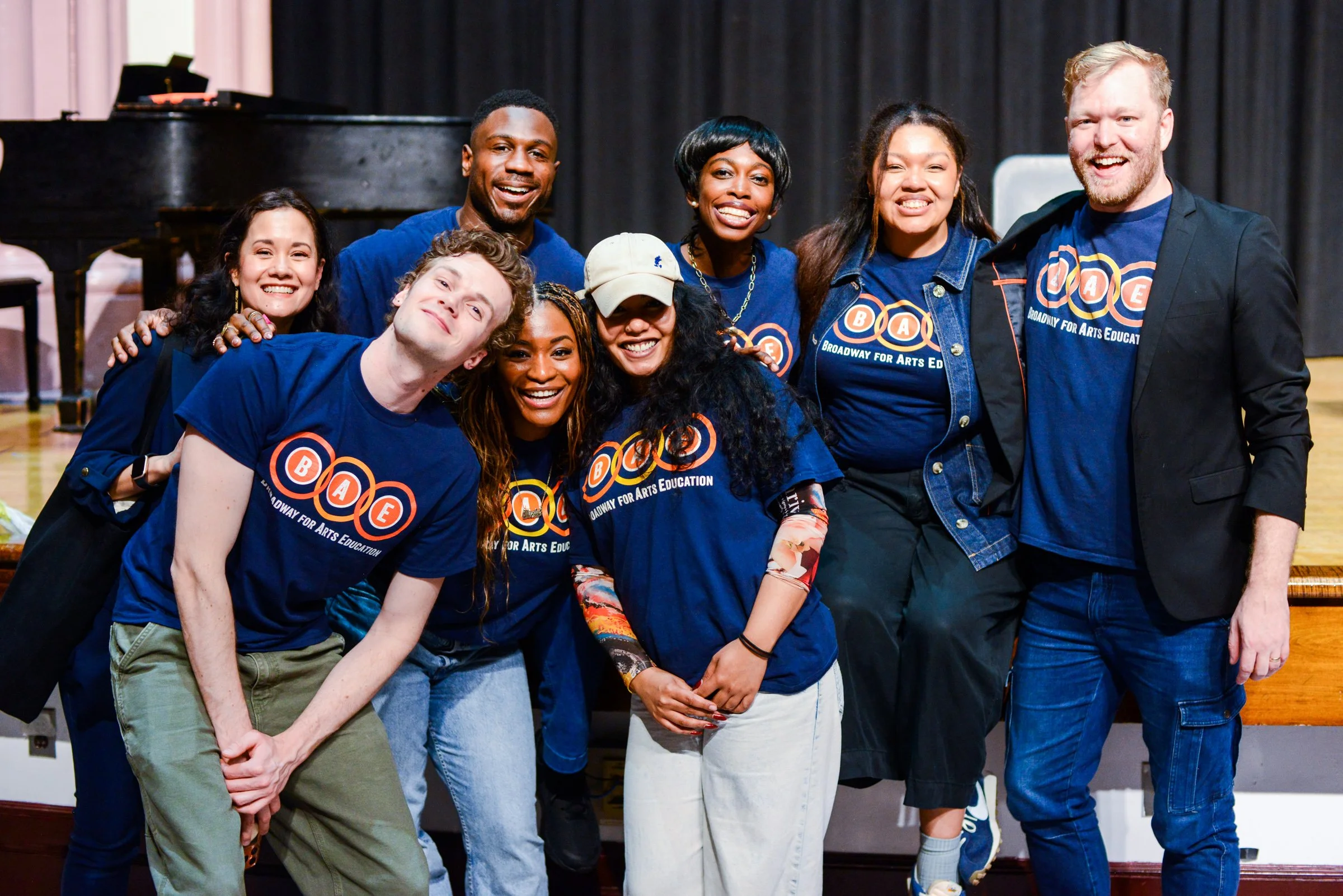
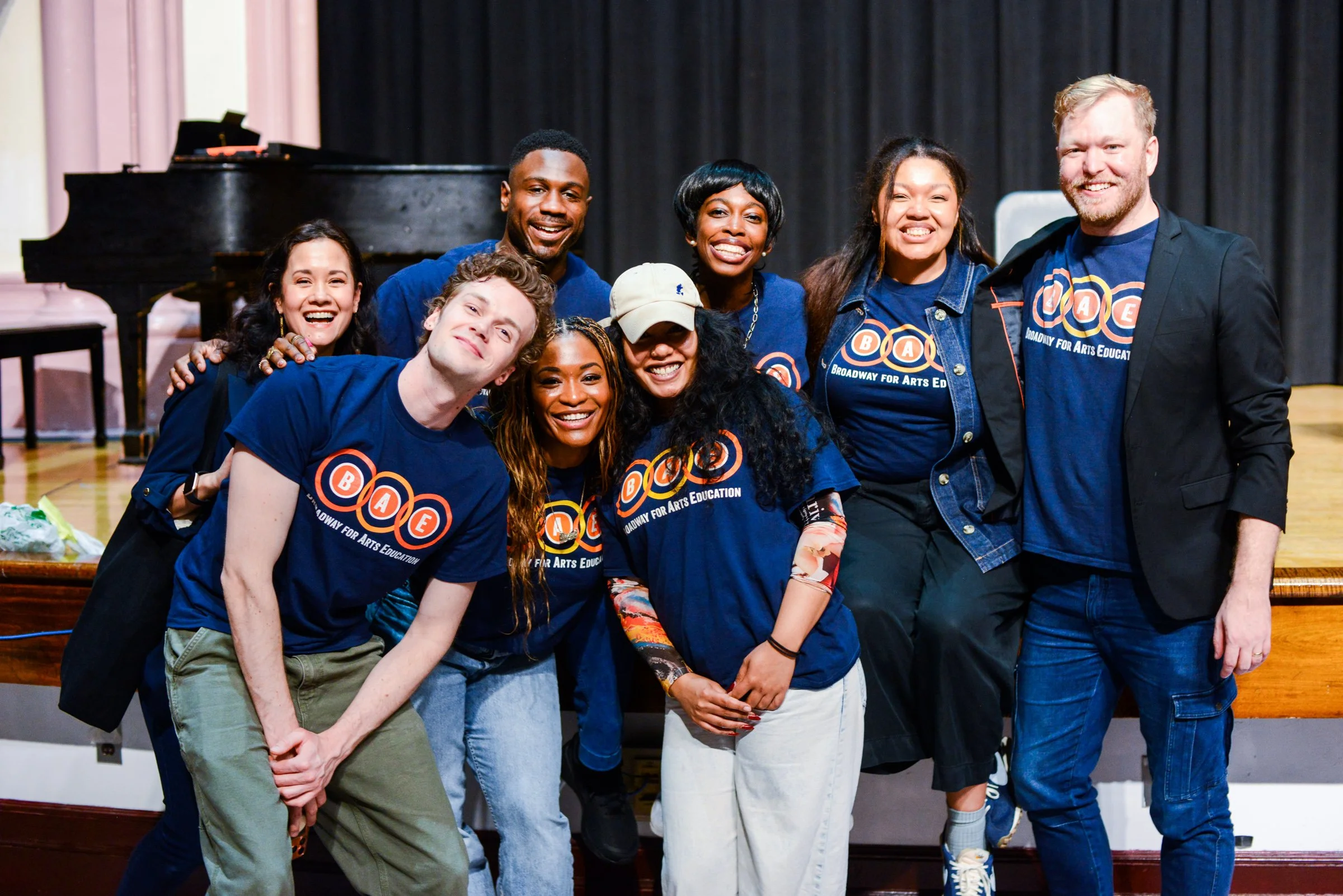
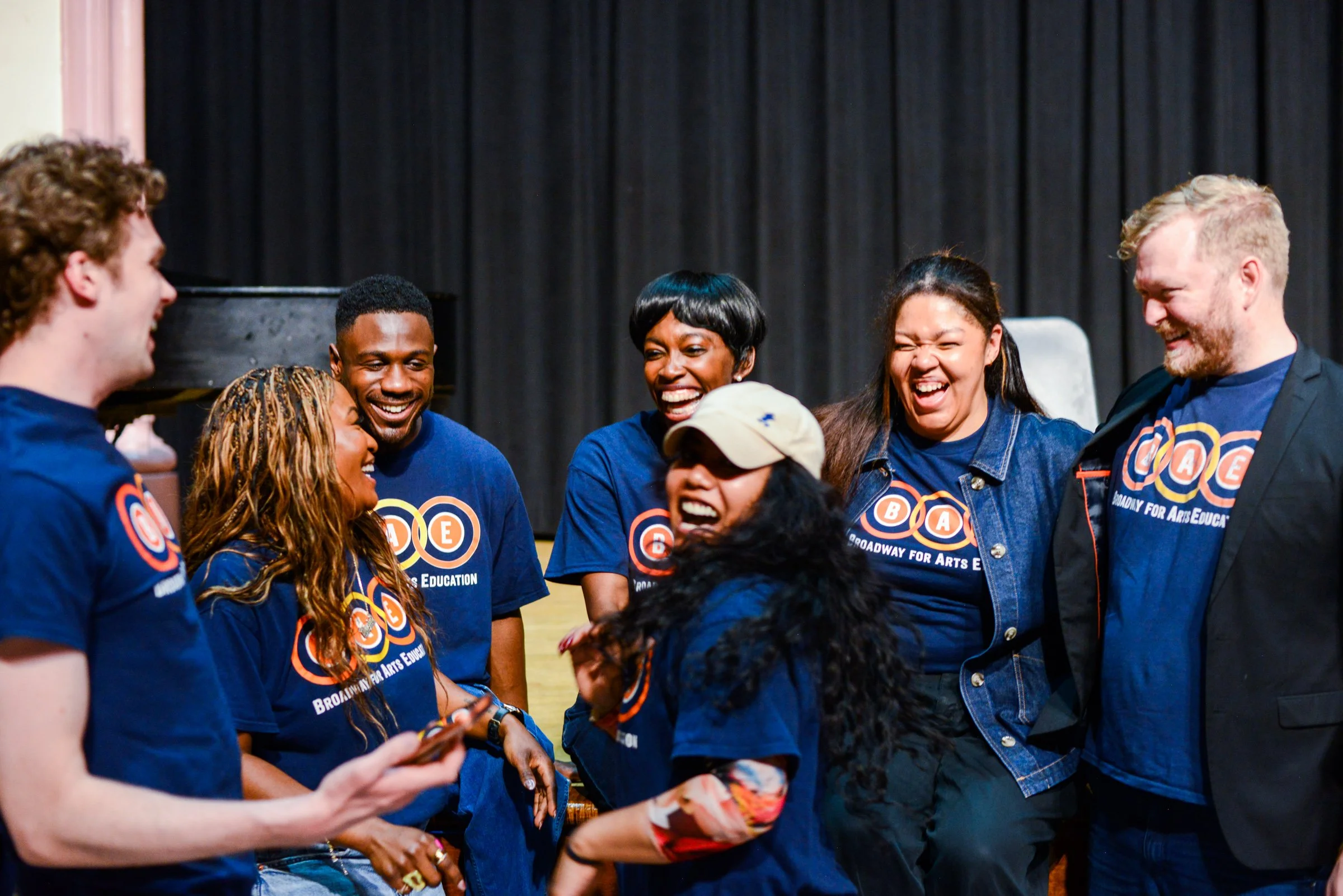
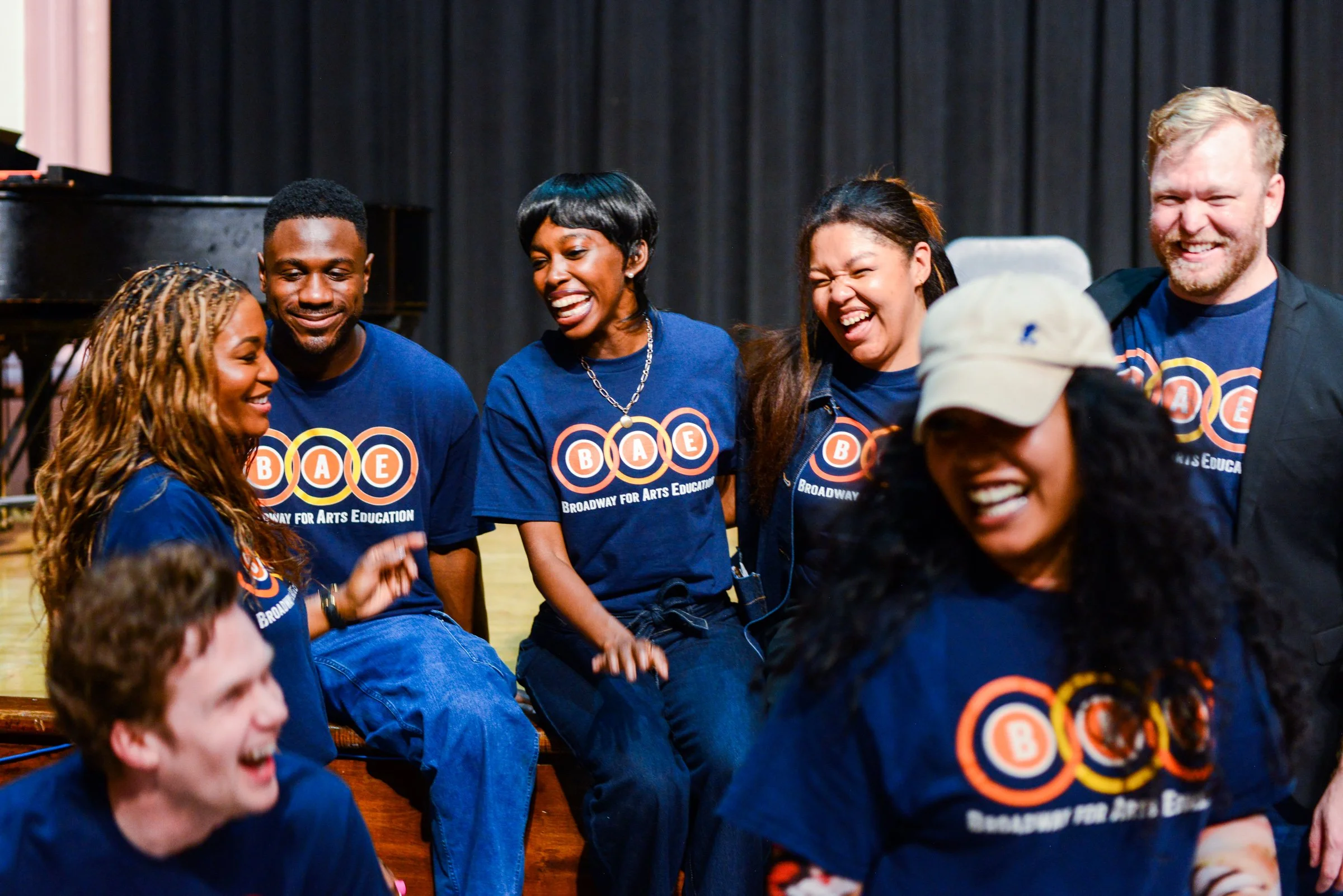
Between January and March, students worked alongside fourteen Broadway Buddies representing productions including SUFFS, The Book of Mormon, The Phantom of the Opera, Les Misérables, The Lion King, Ragtime, & Juliet, Merrily We Roll Along, The Color Purple, and many others. Some artists would spend the afternoon coaching students before heading directly to their evening performances. Others returned repeatedly throughout the residency, building relationships that extended far beyond a single workshop or master class.
What emerged was not a typical artist visit but a genuine mentoring community.
The Broadway Buddies quickly became invested in the students' success, celebrating breakthroughs, offering encouragement during moments of frustration, and sharing the kind of practical artistic wisdom that can only come from lived experience. For many students, this was the first time they had received sustained one-on-one coaching from working professional artists. For the artists themselves, it became an opportunity to discover and deepen their own skills as educators and mentors.
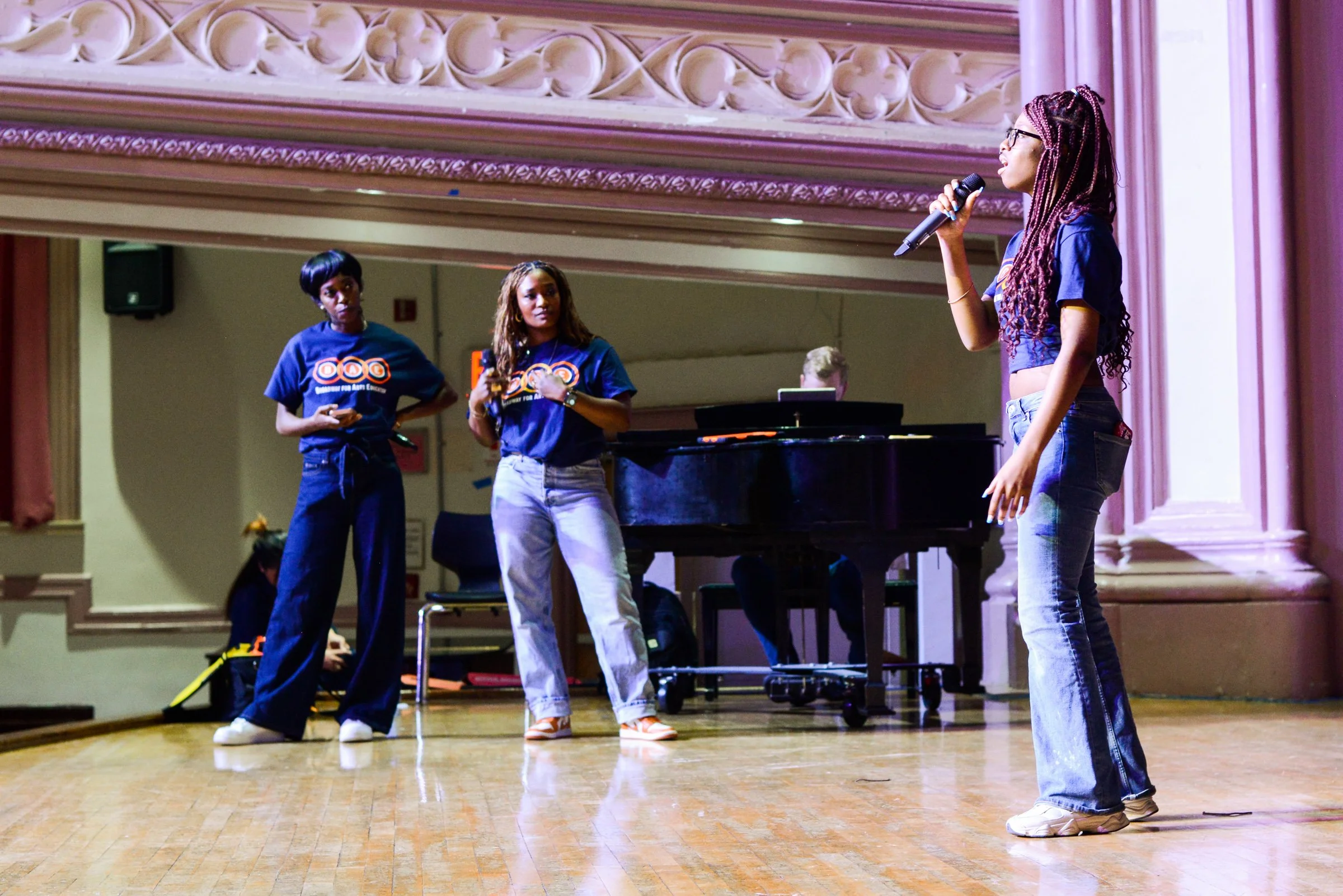
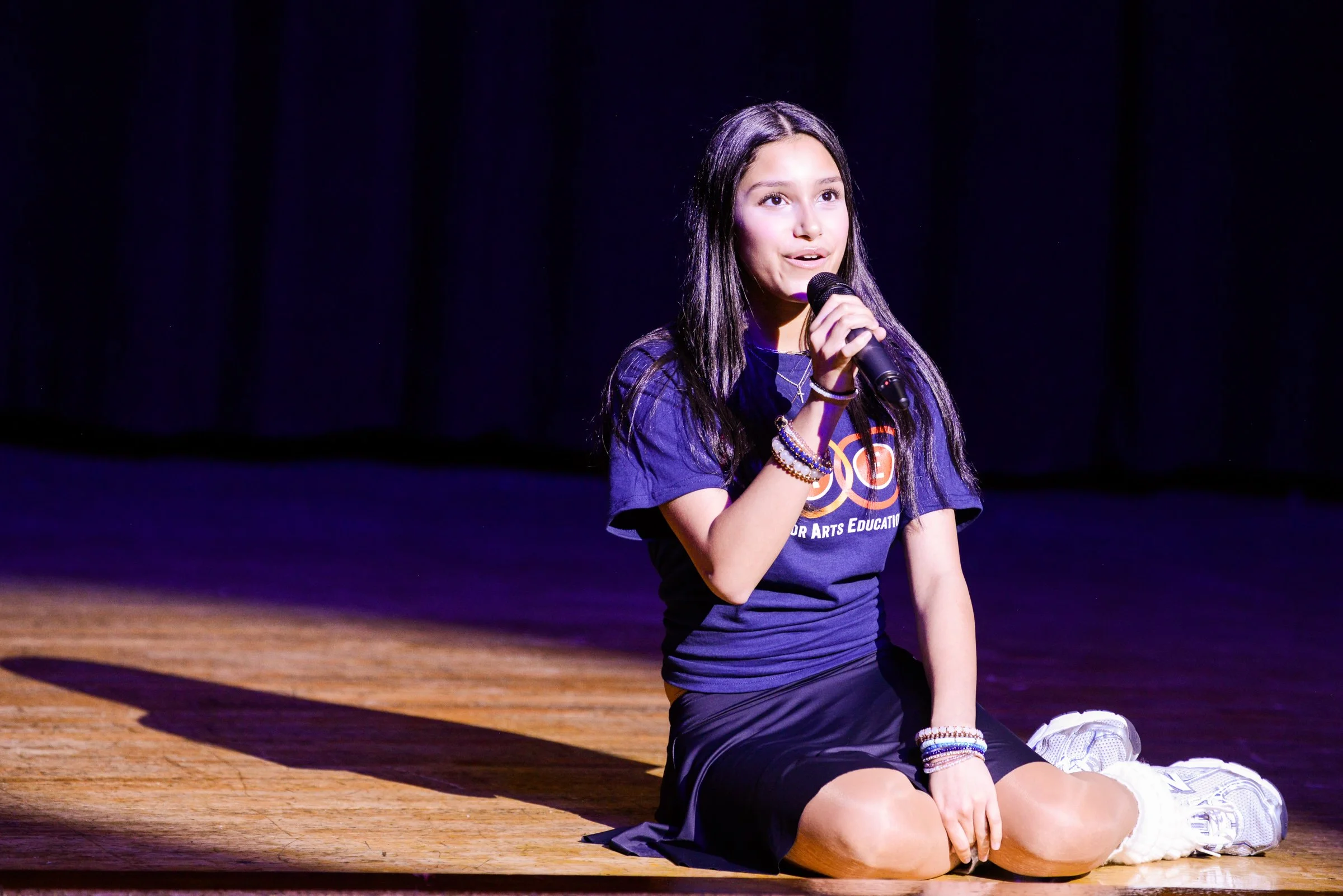
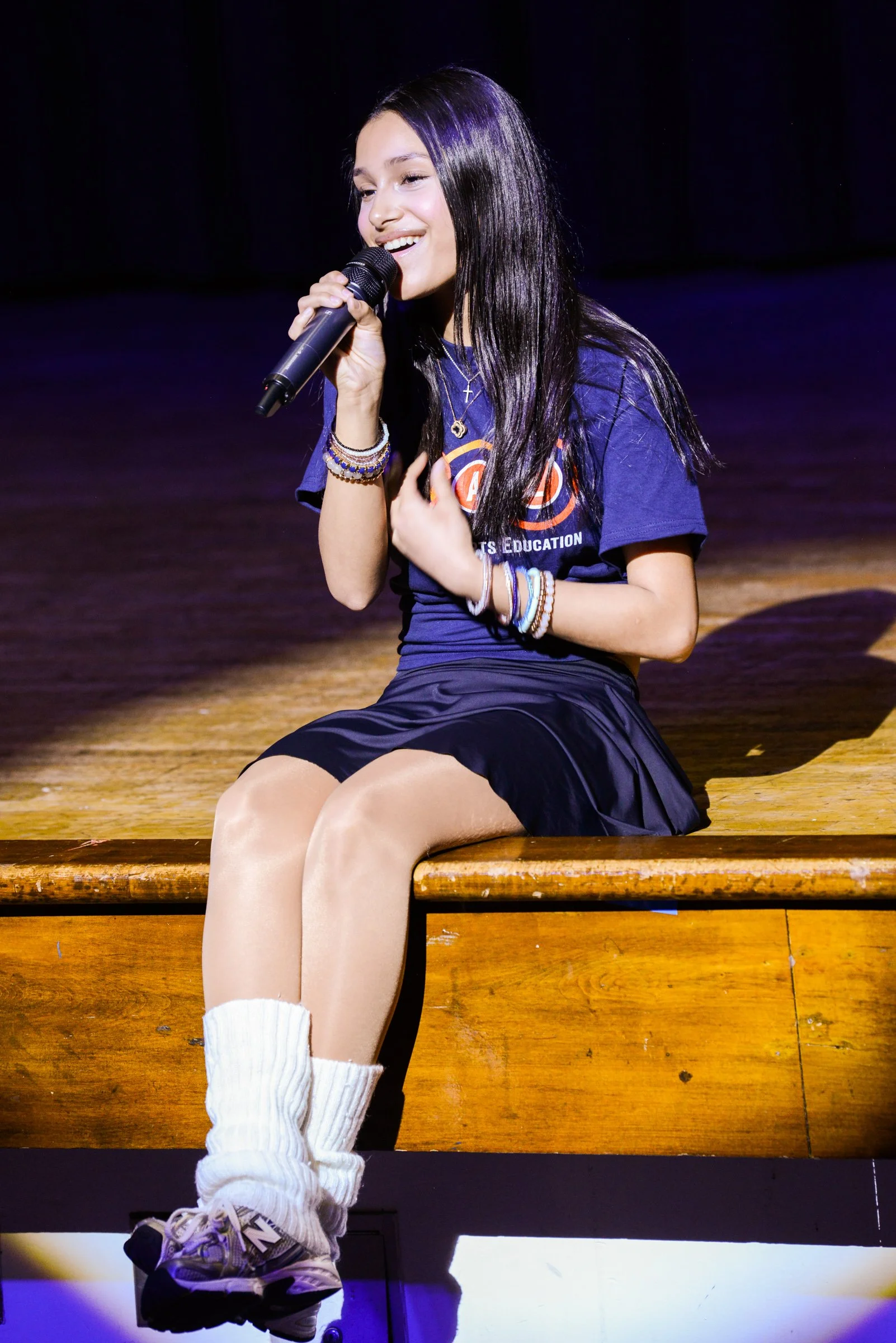
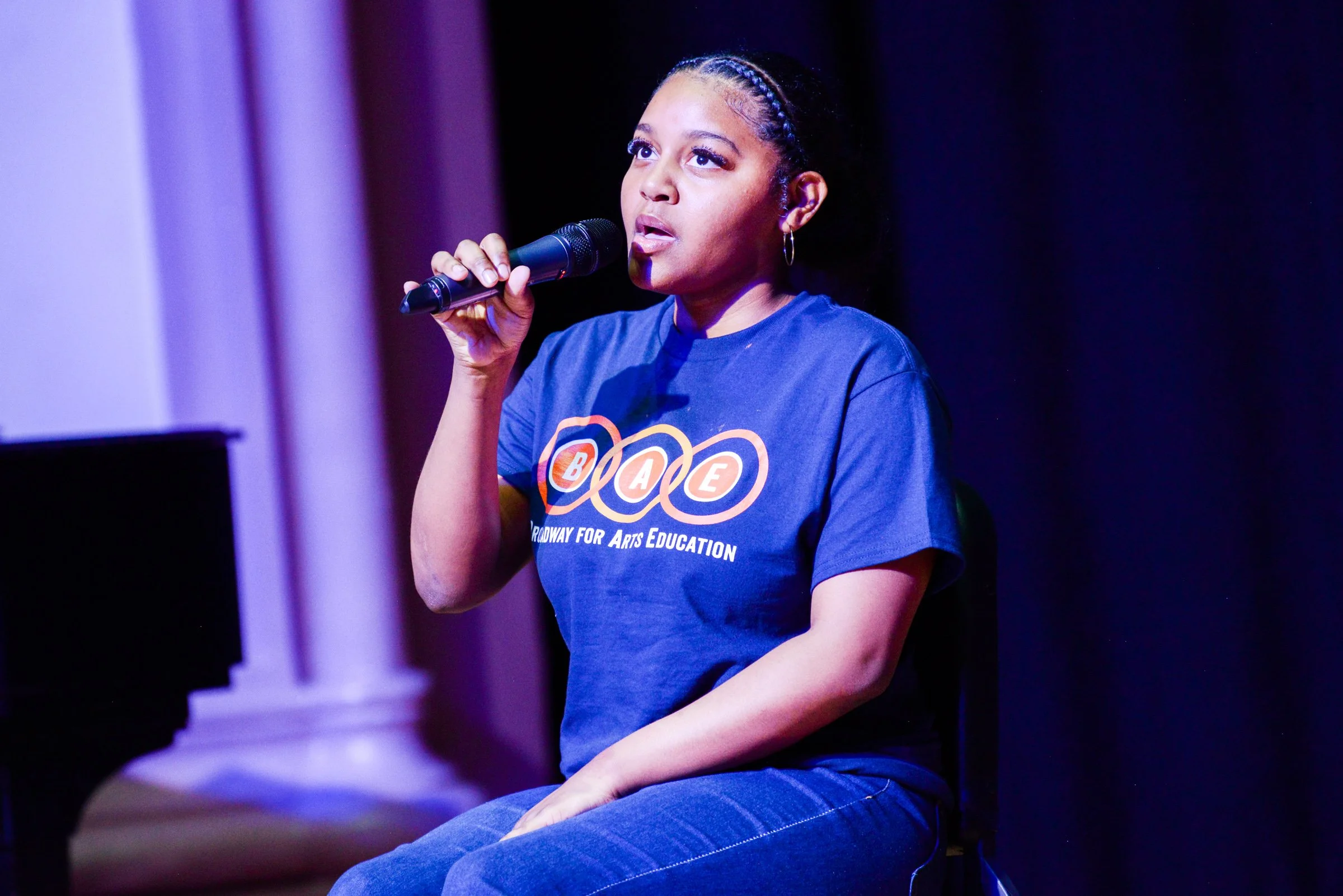
One particularly memorable moment came when Broadway Buddy Brennyn Lark, who played Eponine in Les Misérables on Broadway, worked with a student preparing "On My Own." The student later shared that this would be her first solo performance outside of a choir setting and that she had been battling significant nerves. Learning that someone who had performed the role professionally on Broadway was personally invested in helping her succeed changed everything. The coaching suddenly felt less intimidating and more empowering. Someone who knew the role intimately believed she could do it.
Again and again, moments like these accumulated.
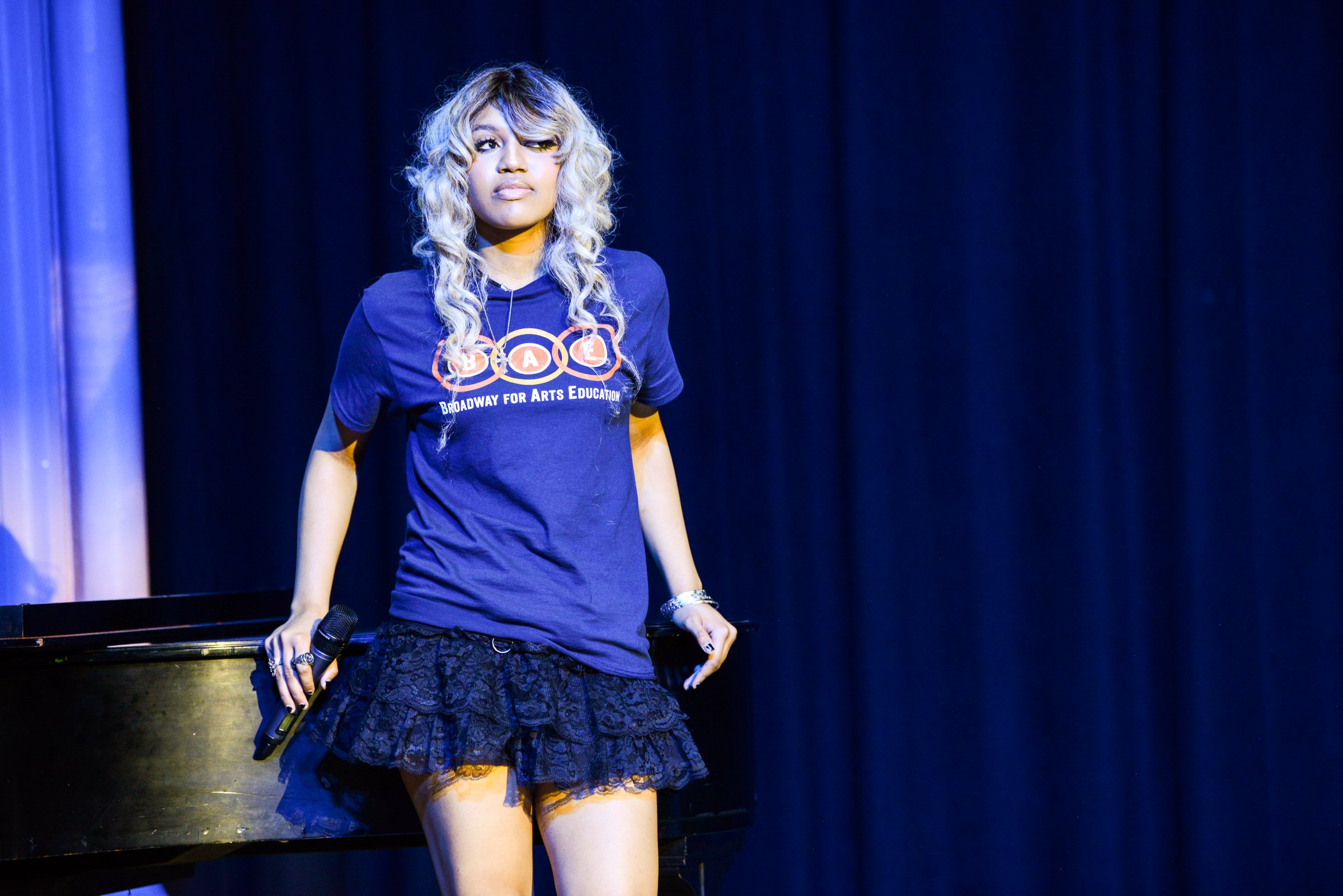
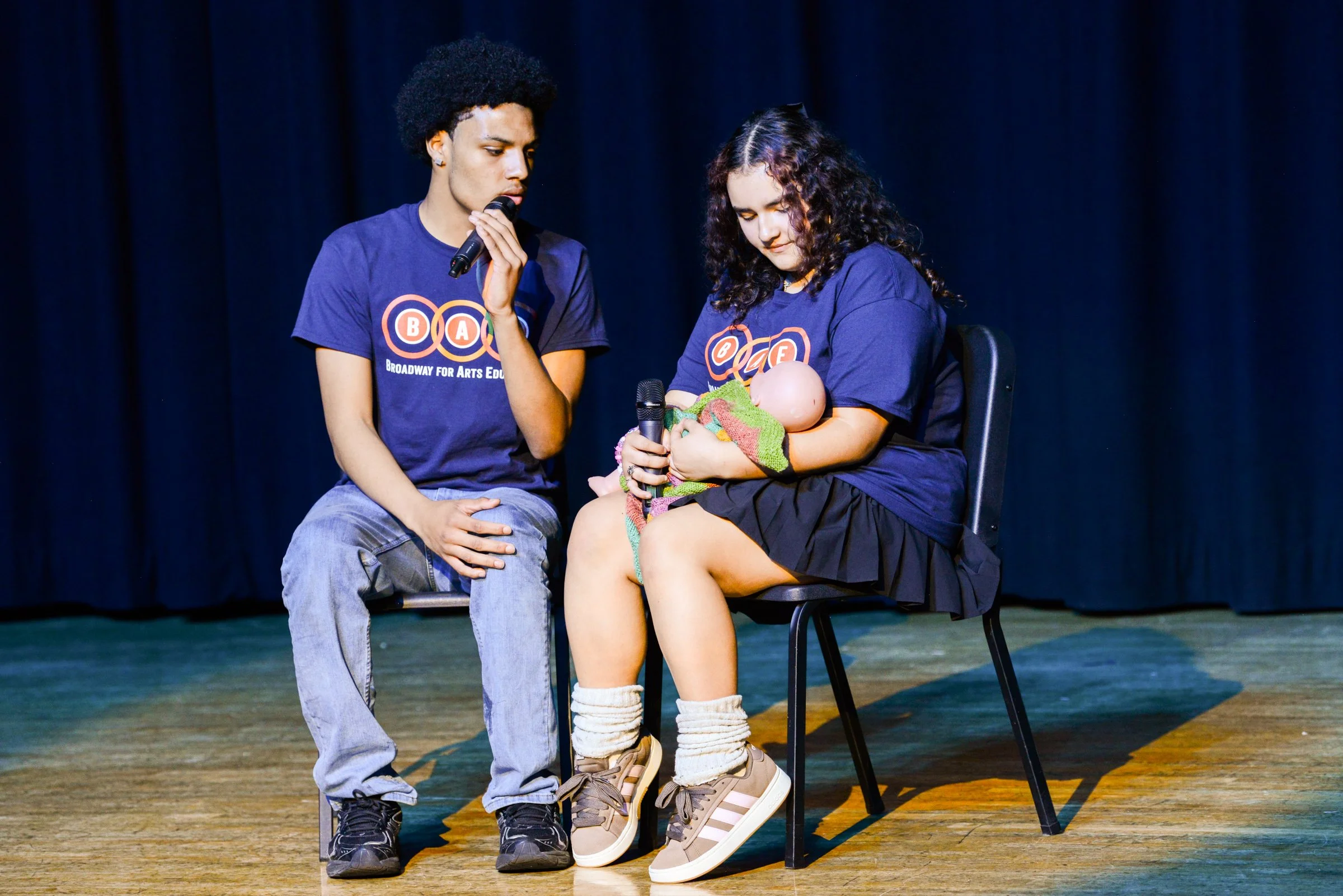
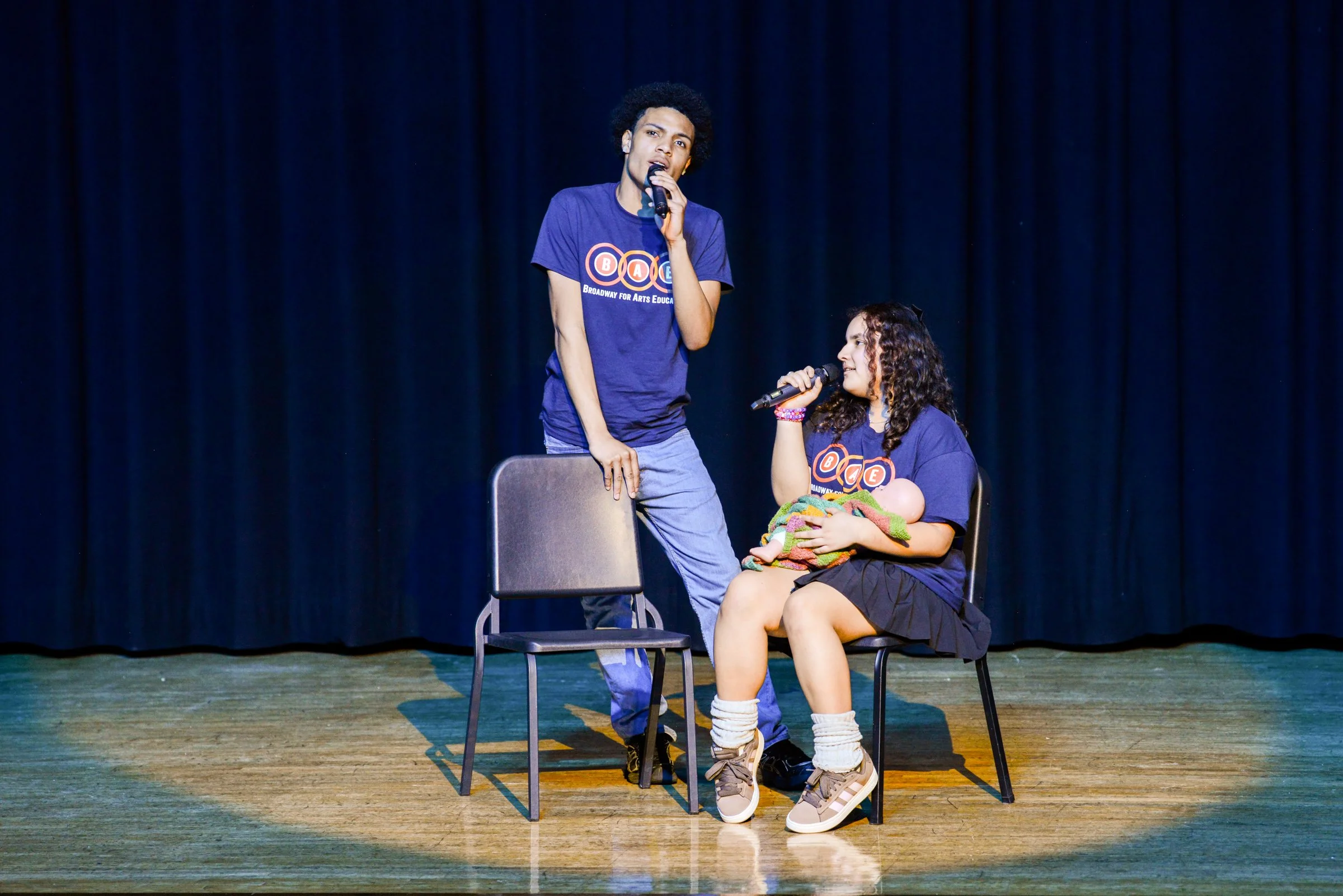
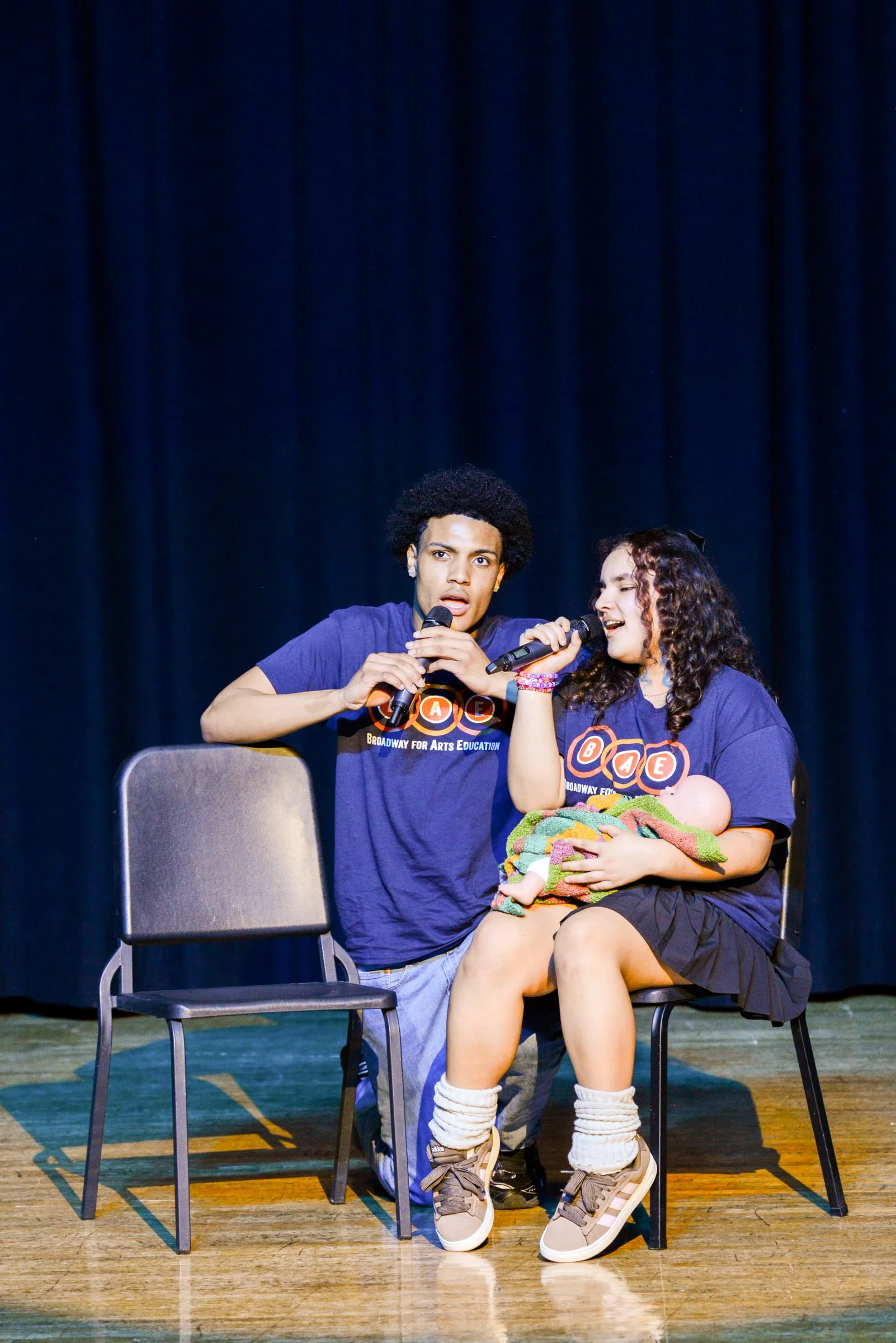
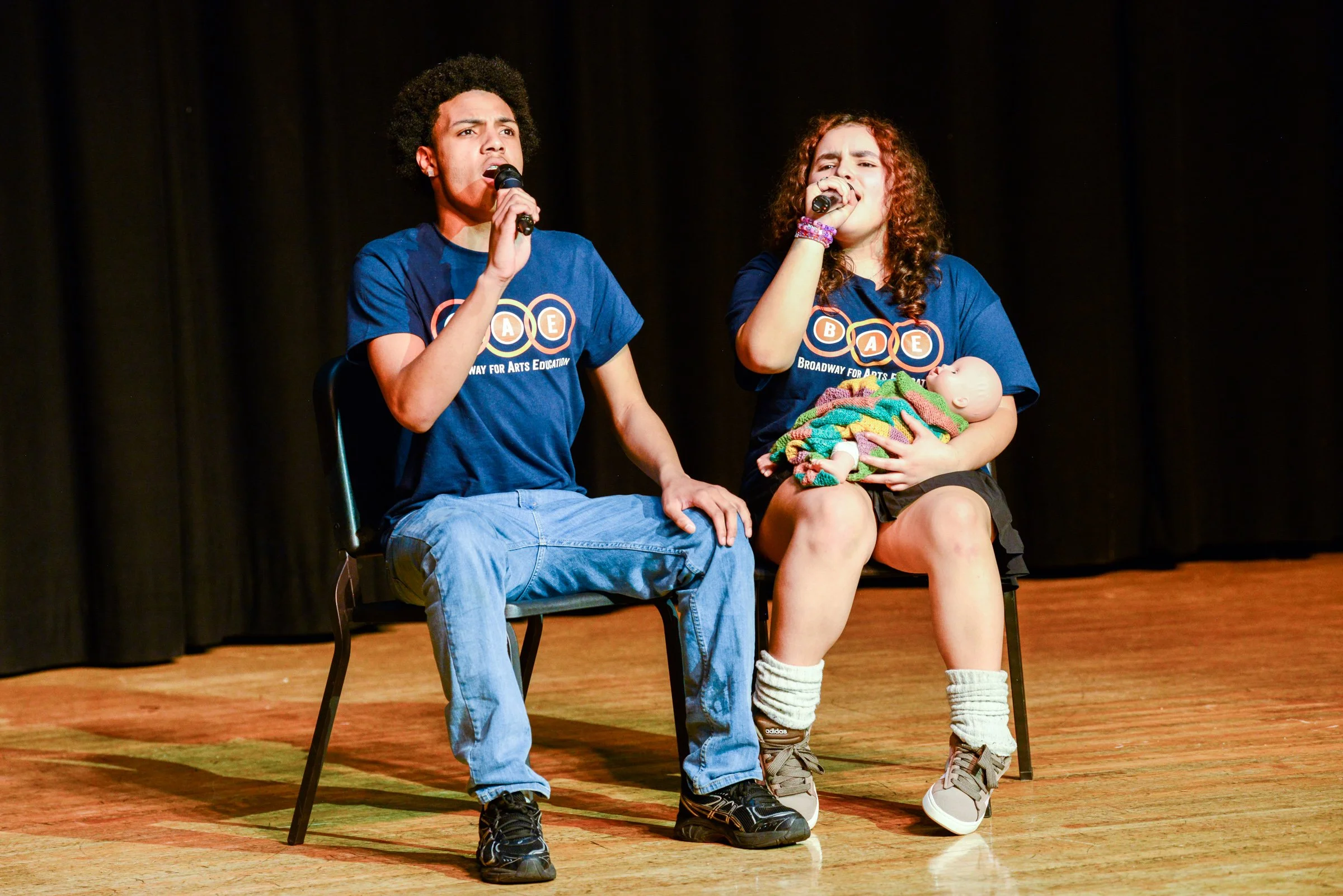
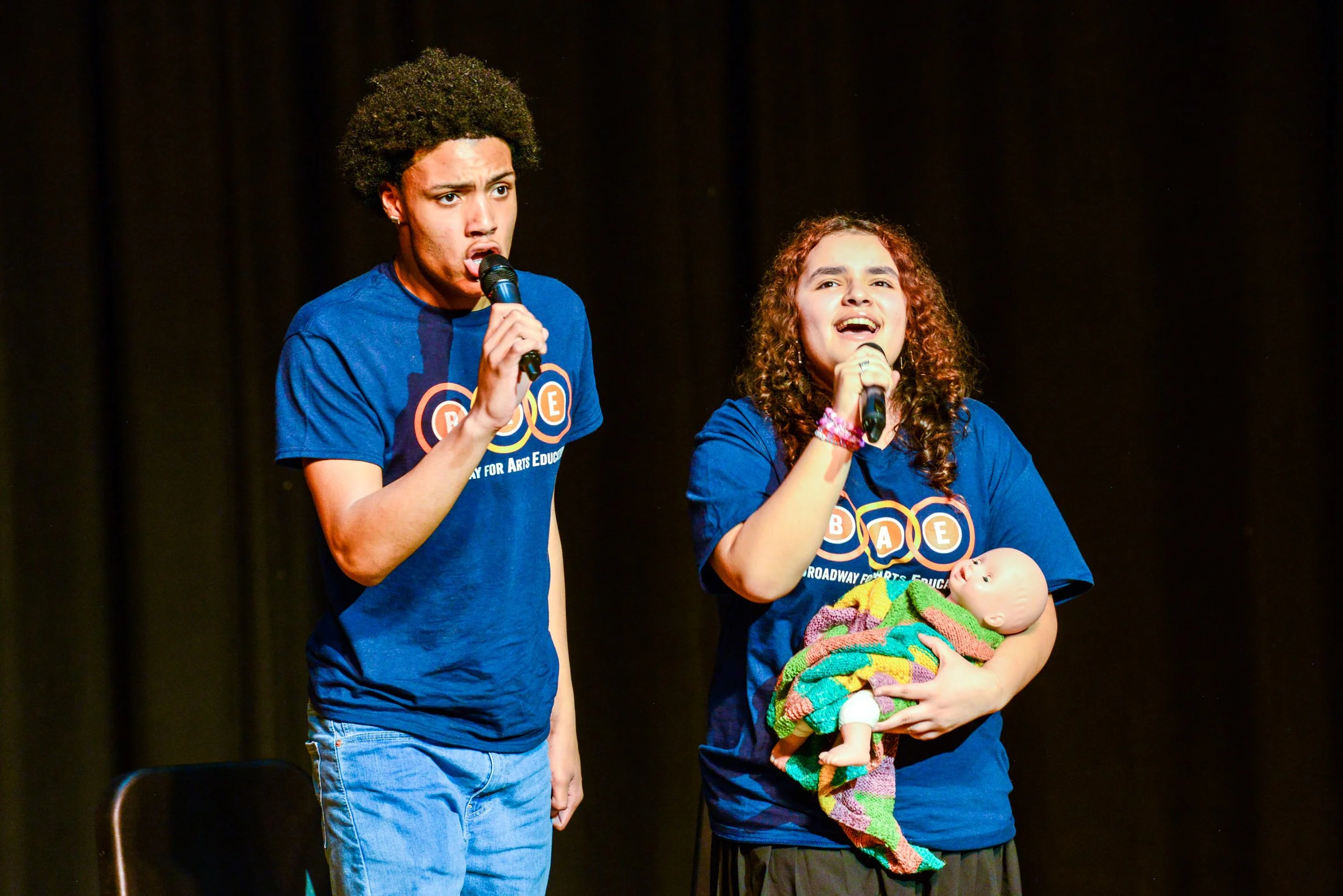
A student who often relied on stuffed animals for comfort was encouraged by Broadway star Ali Ewoldt not to hide that part of herself but to incorporate it into her performance. What might have been viewed as an obstacle instead became a source of connection and authenticity. With something familiar to ground her, her voice opened up. Her confidence grew. By the final performance, she had become one of the evening's standout performers.
Perhaps the greatest surprise, however, was how dramatically expectations evolved throughout the process. When we first envisioned the cabaret, we assumed that the Broadway Buddies would ultimately perform alongside the students, providing support during the final concert. It seemed like a practical and perhaps necessary way to ensure success. As the months progressed, however, that assumption quietly disappeared.
The students didn't need the safety net. They were ready.
For educators, there is a particular satisfaction in recognizing when support can be removed and students can stand fully on their own. The gradual release of responsibility is one of the clearest indicators that learning has truly taken root. By the time the performance arrived, it was obvious that the students had earned that moment.
The final cabaret was filled with extraordinary performances, but several moments lingered long after the applause ended.
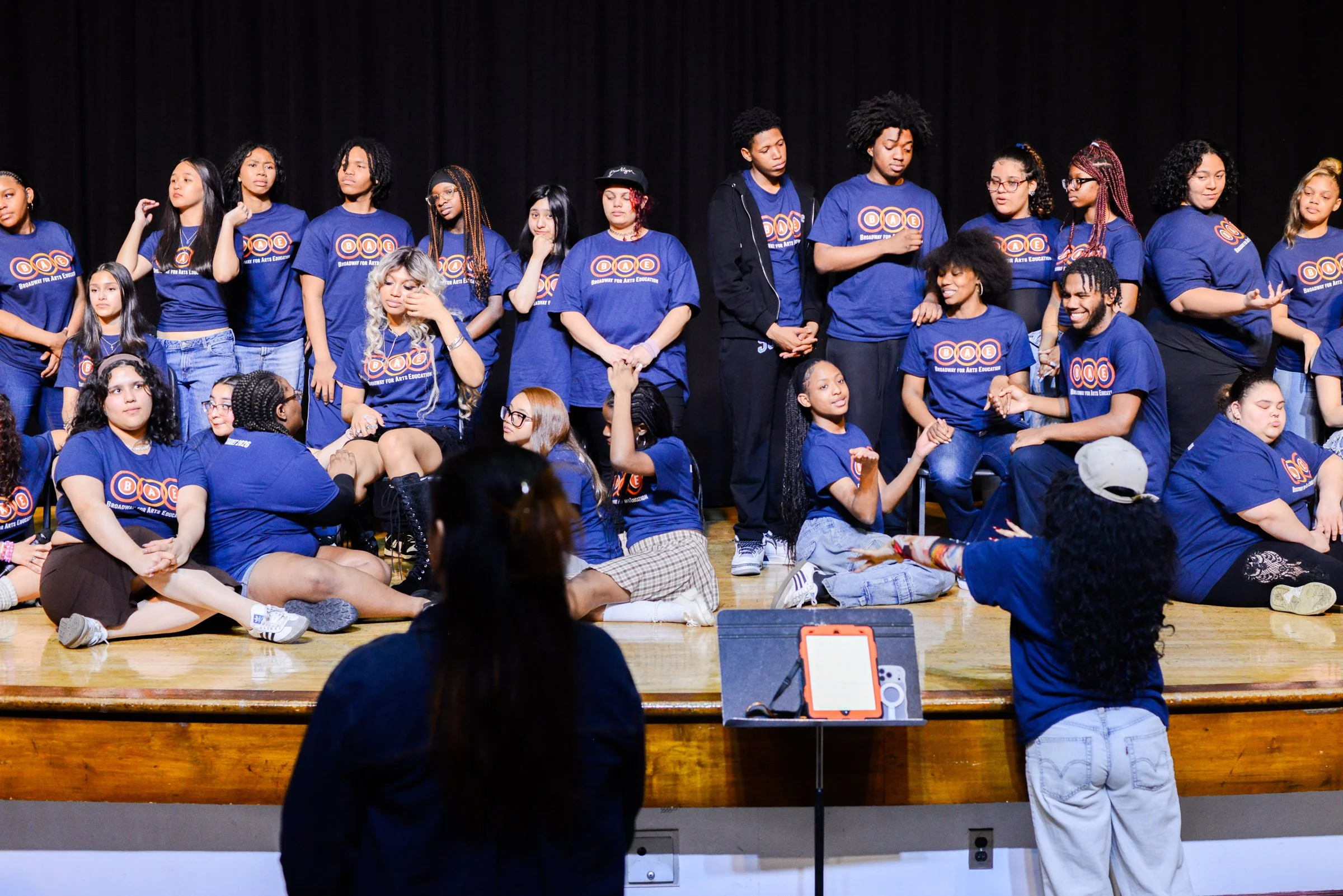
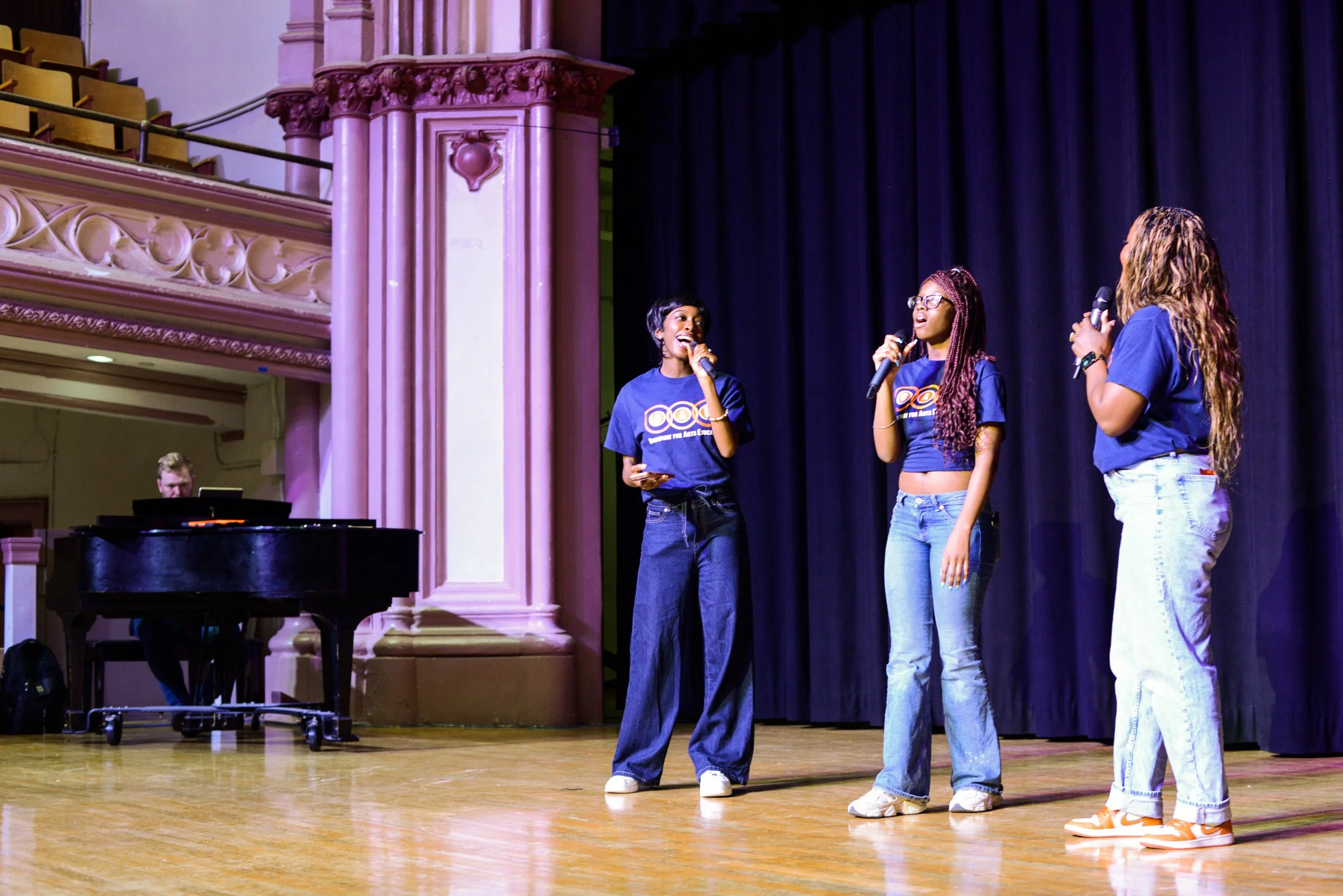
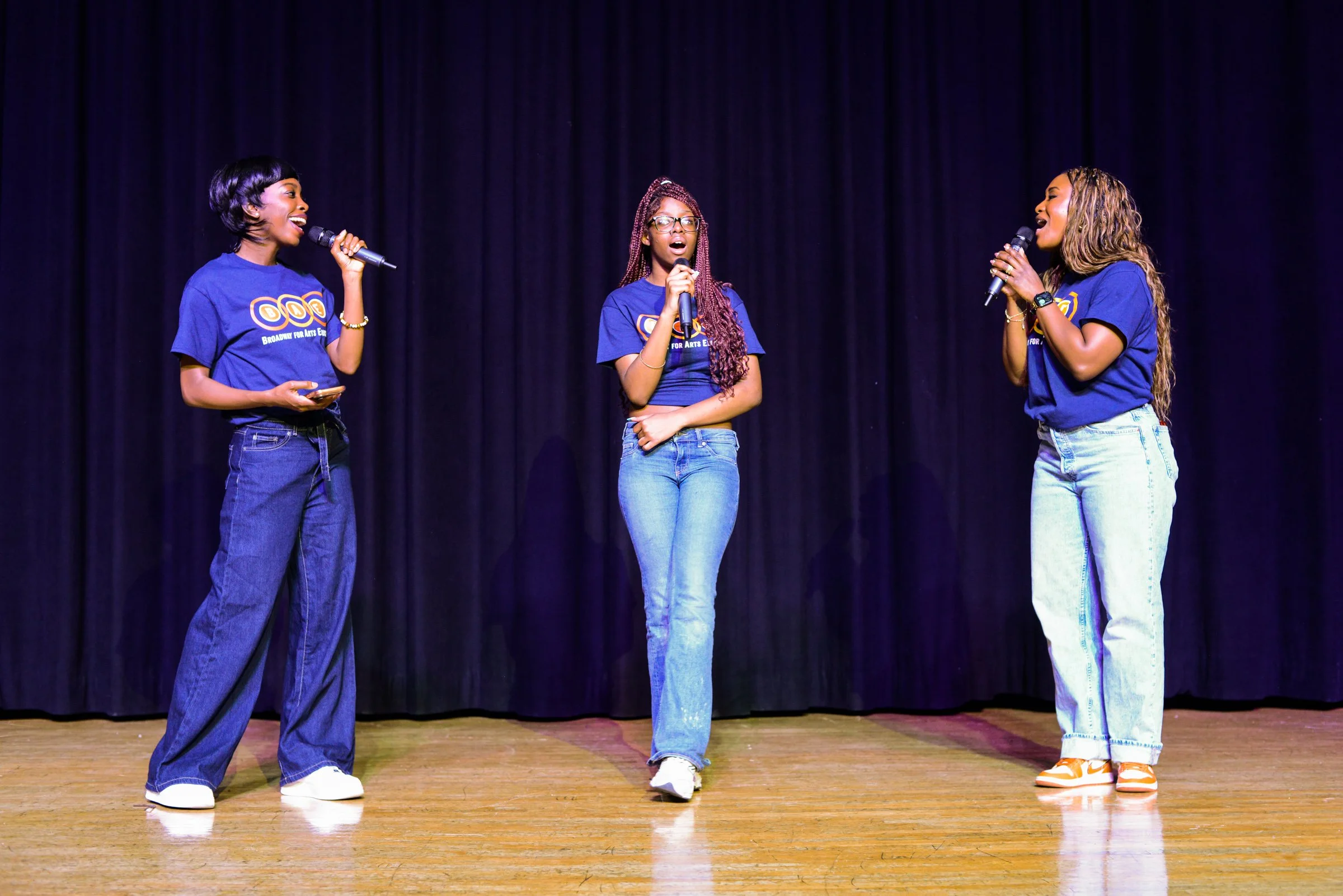
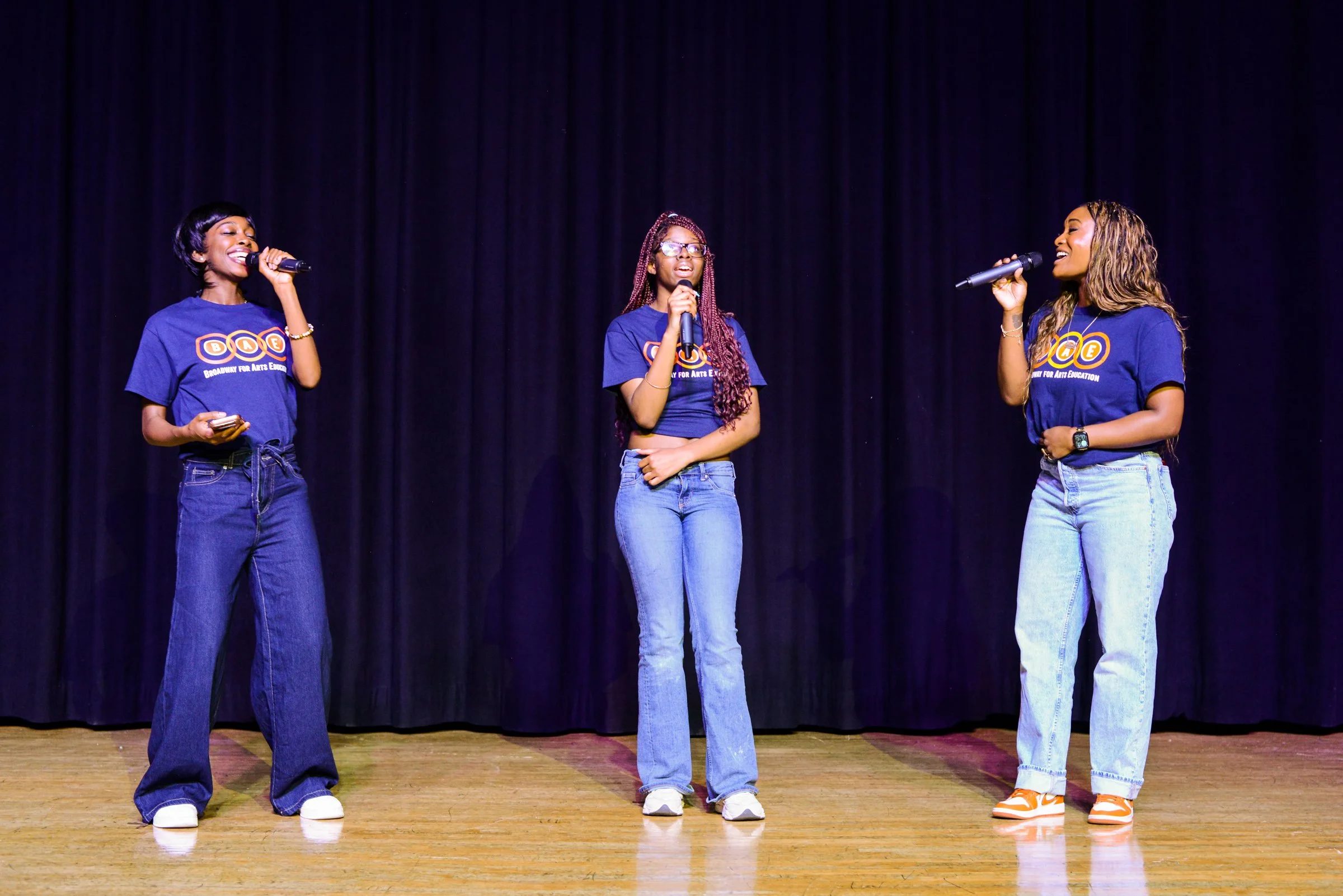
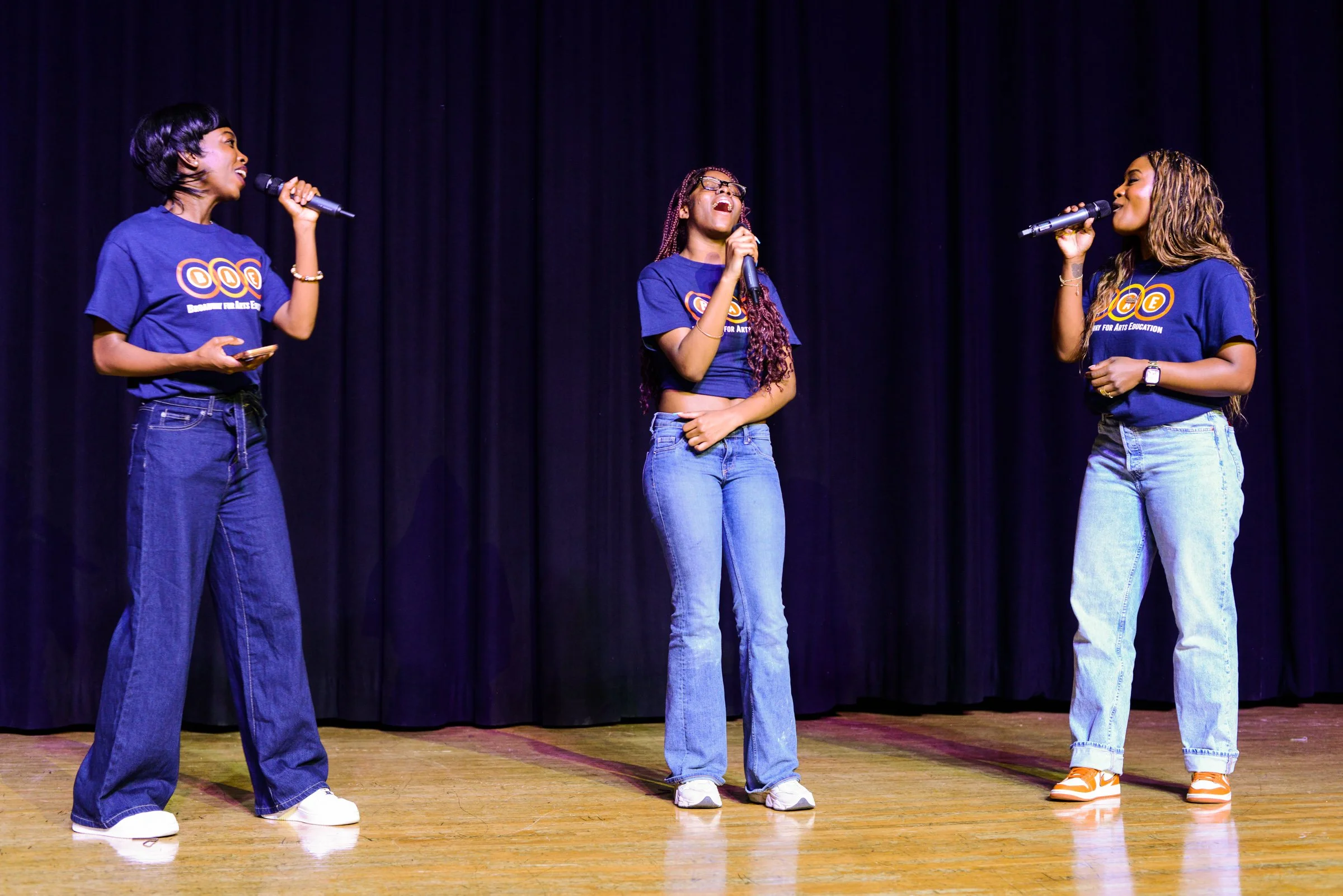
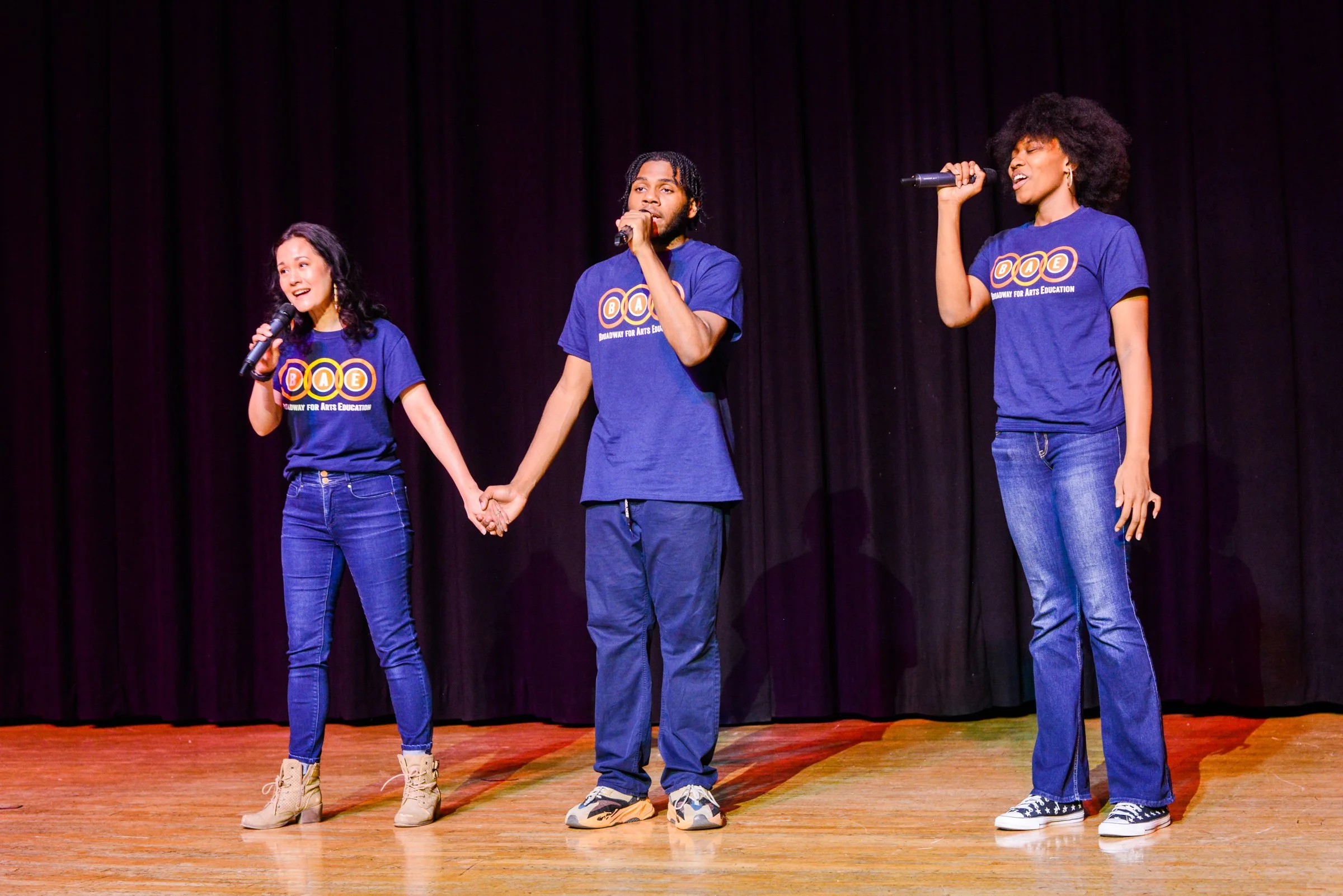
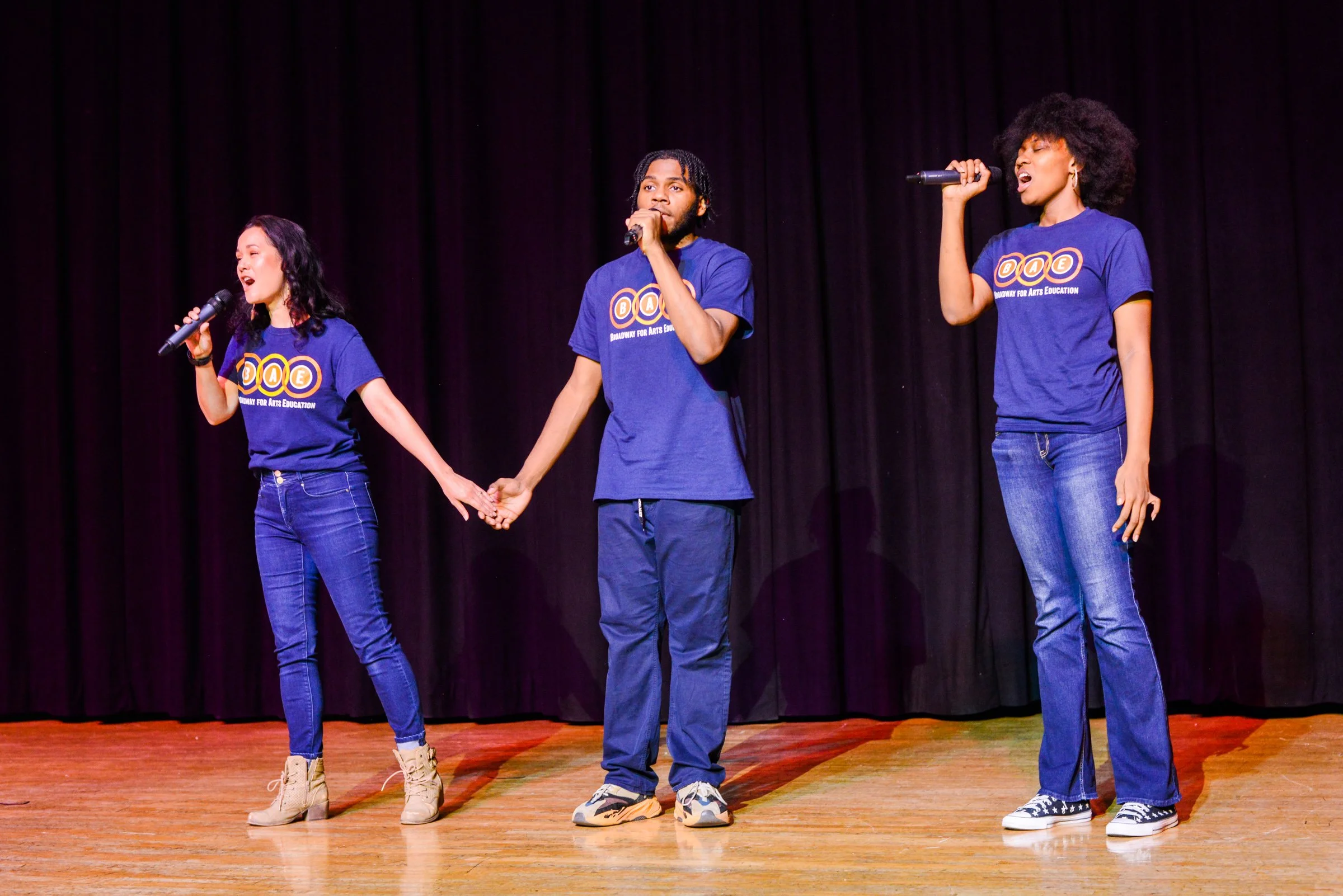
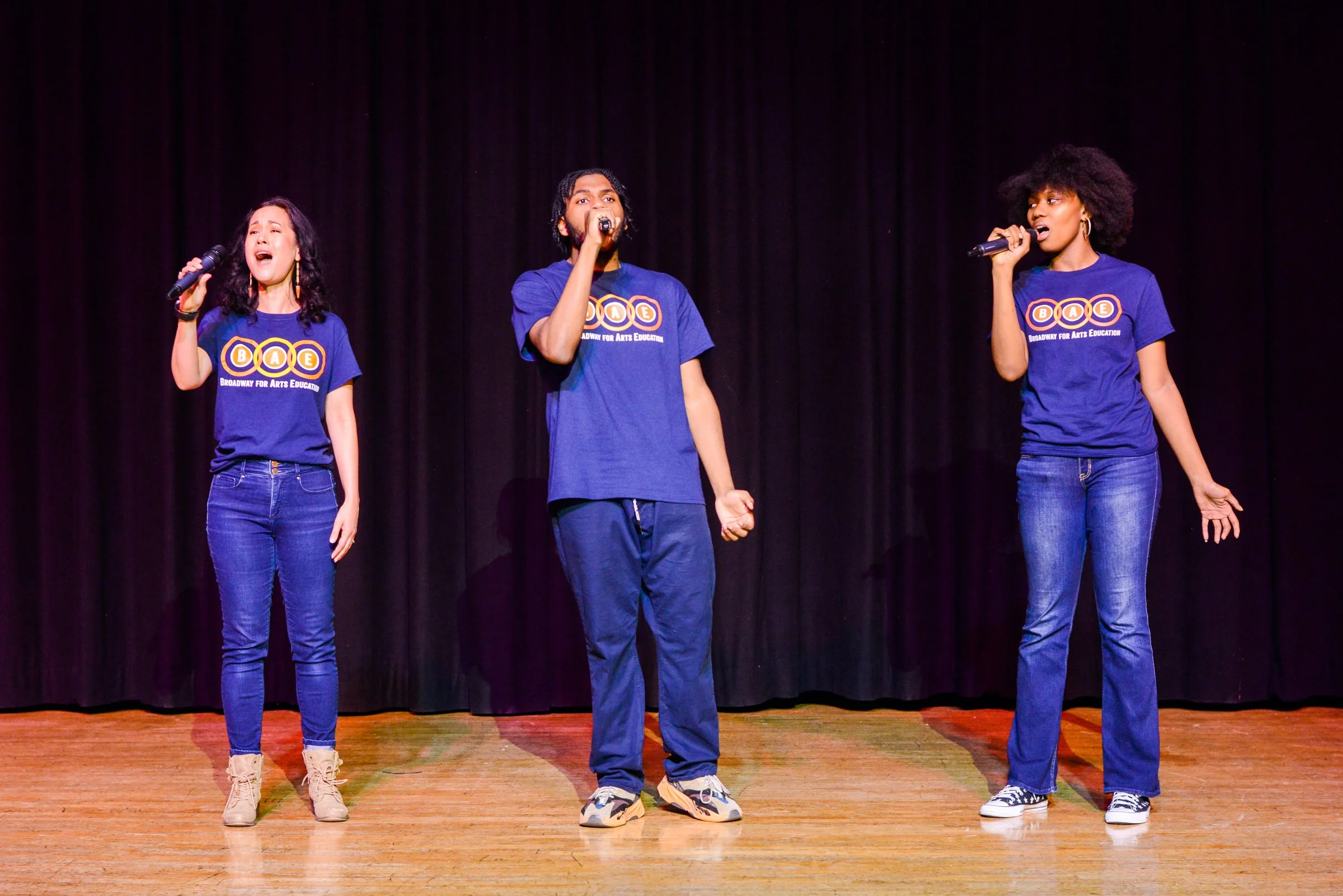
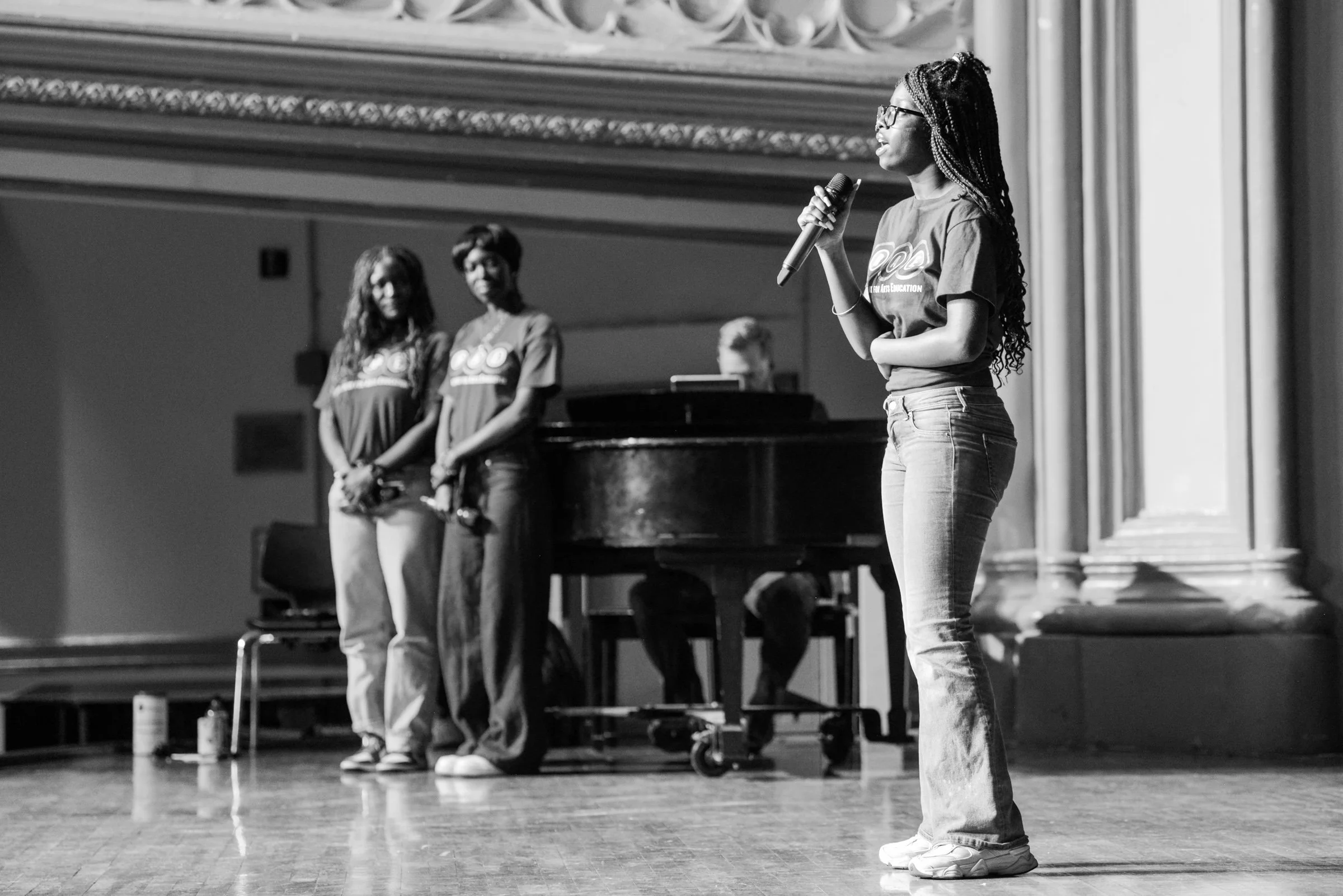
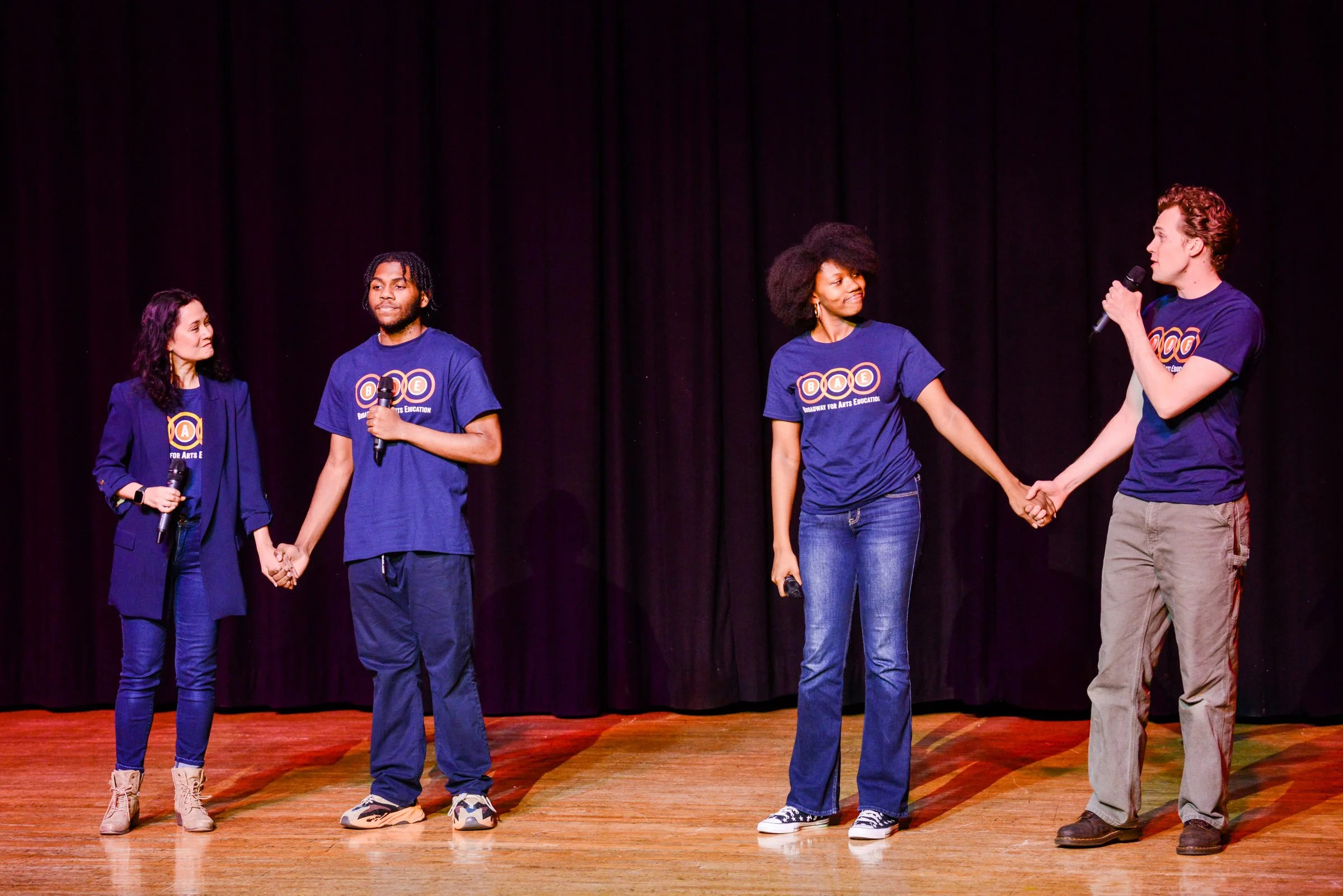
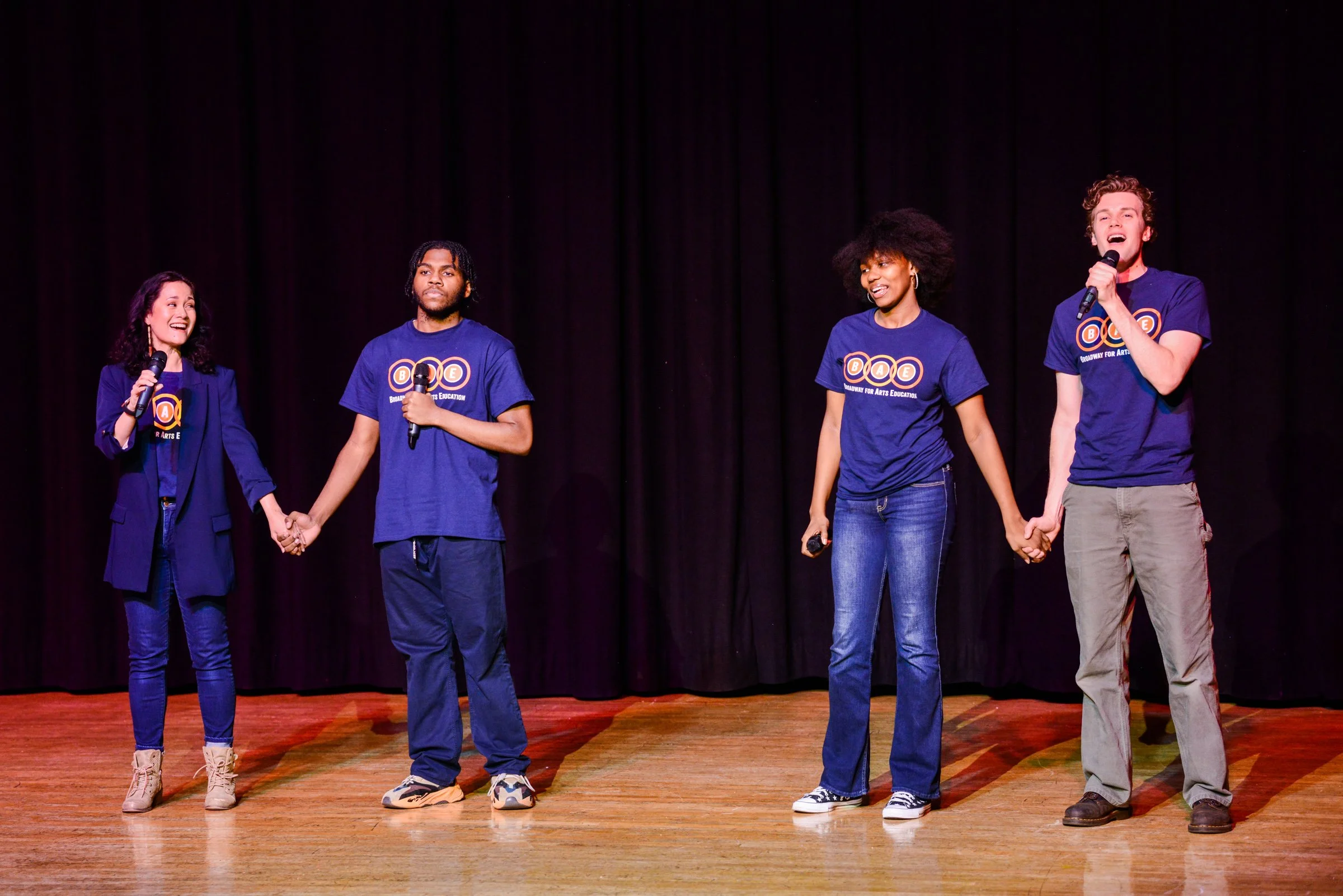
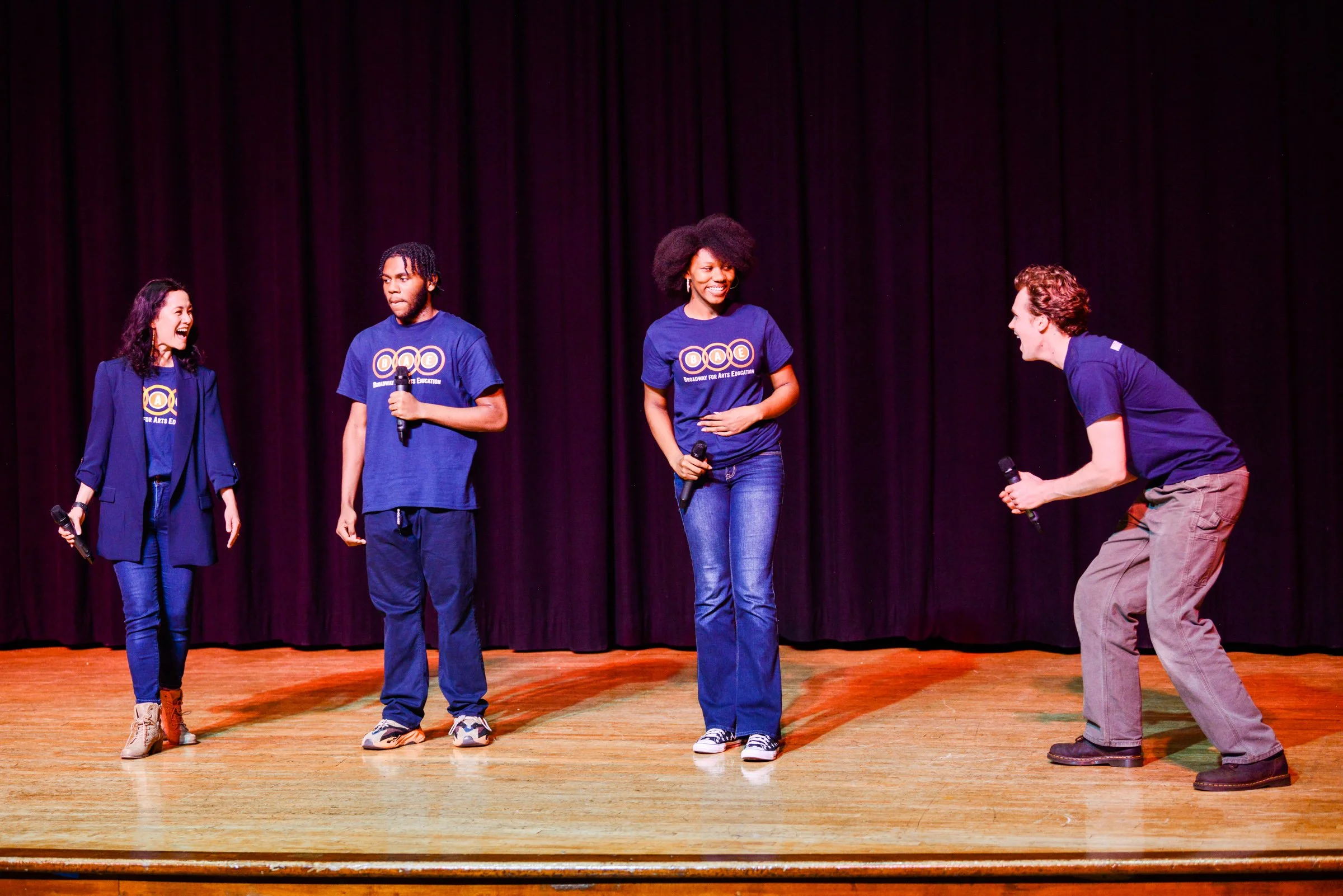
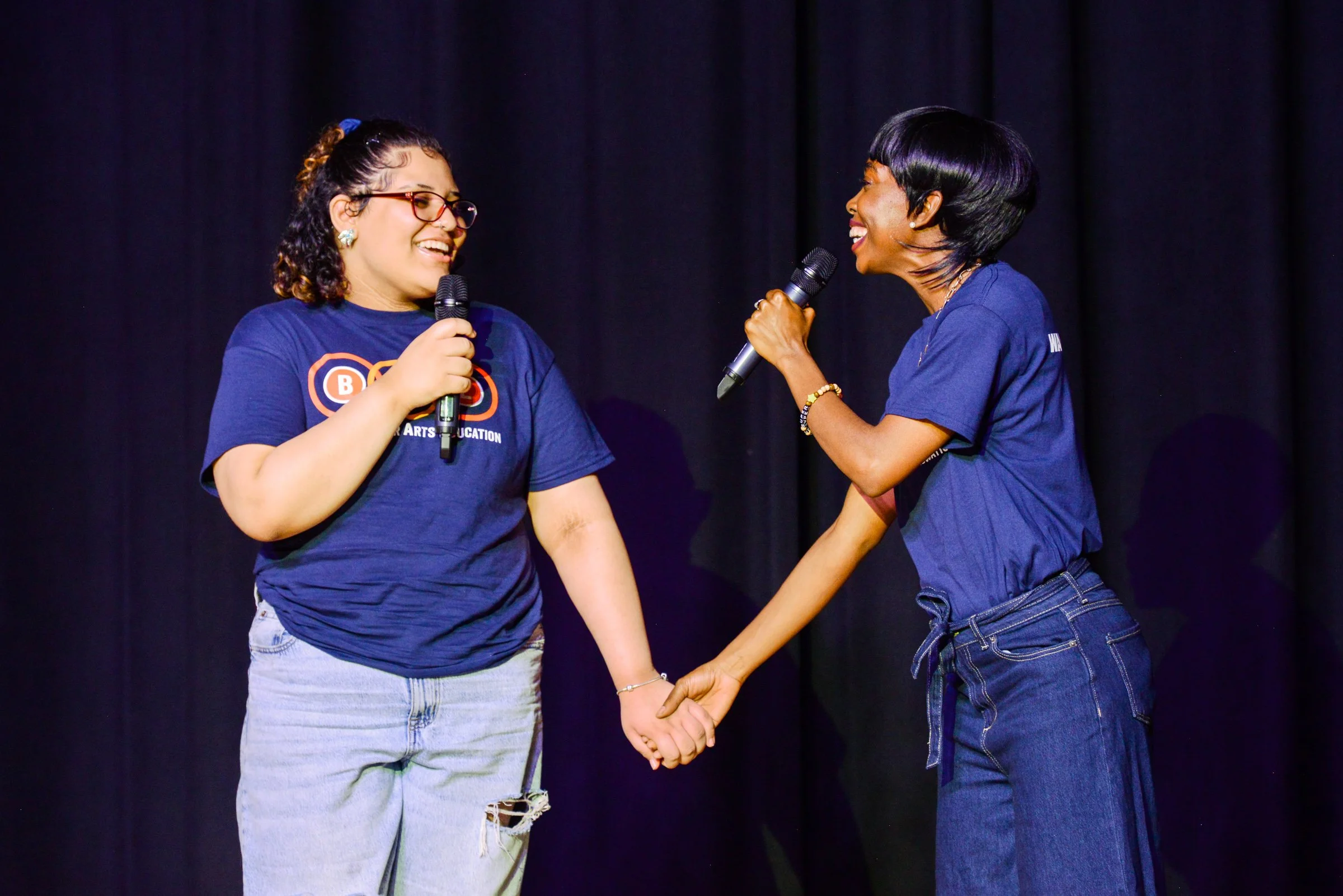
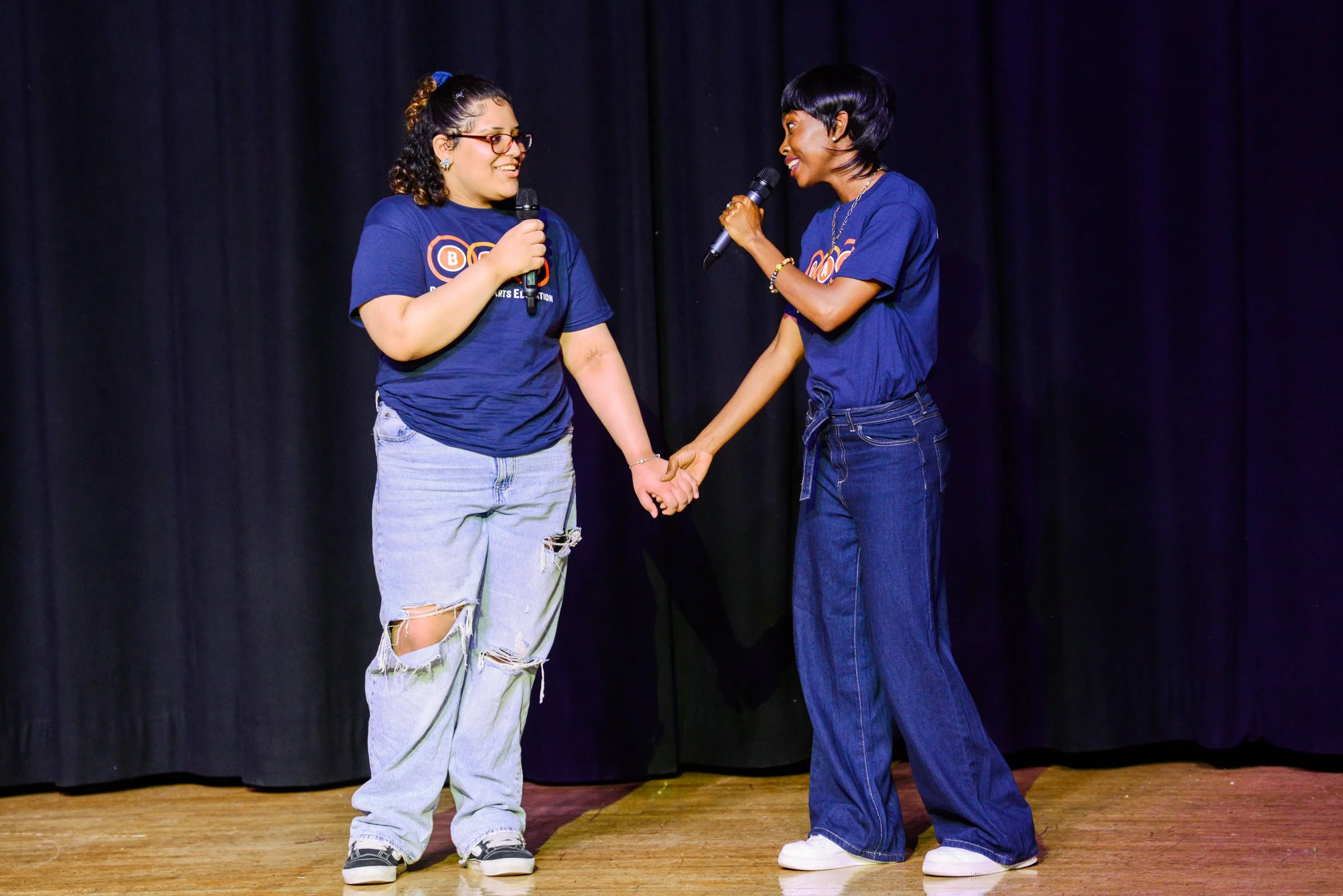
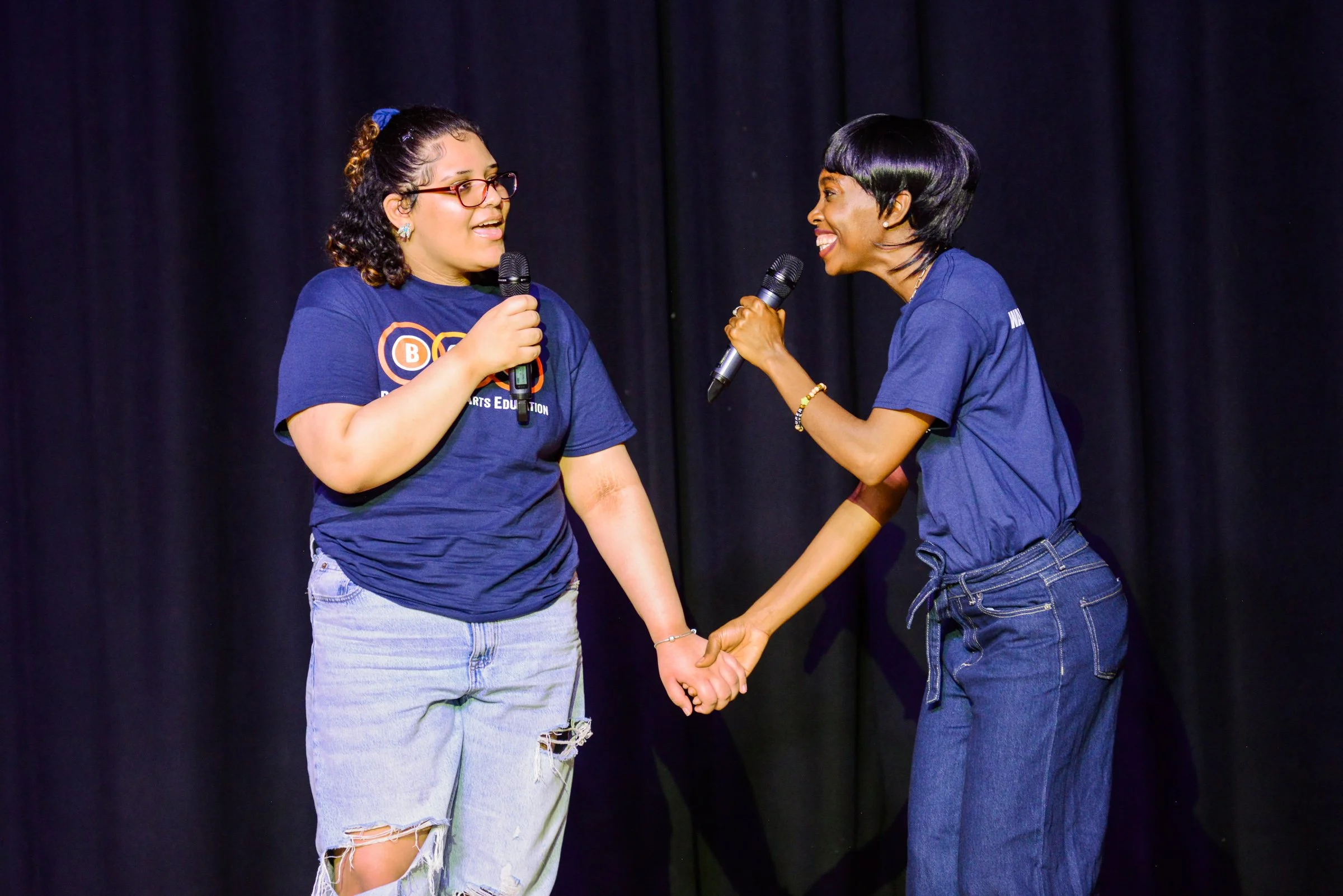
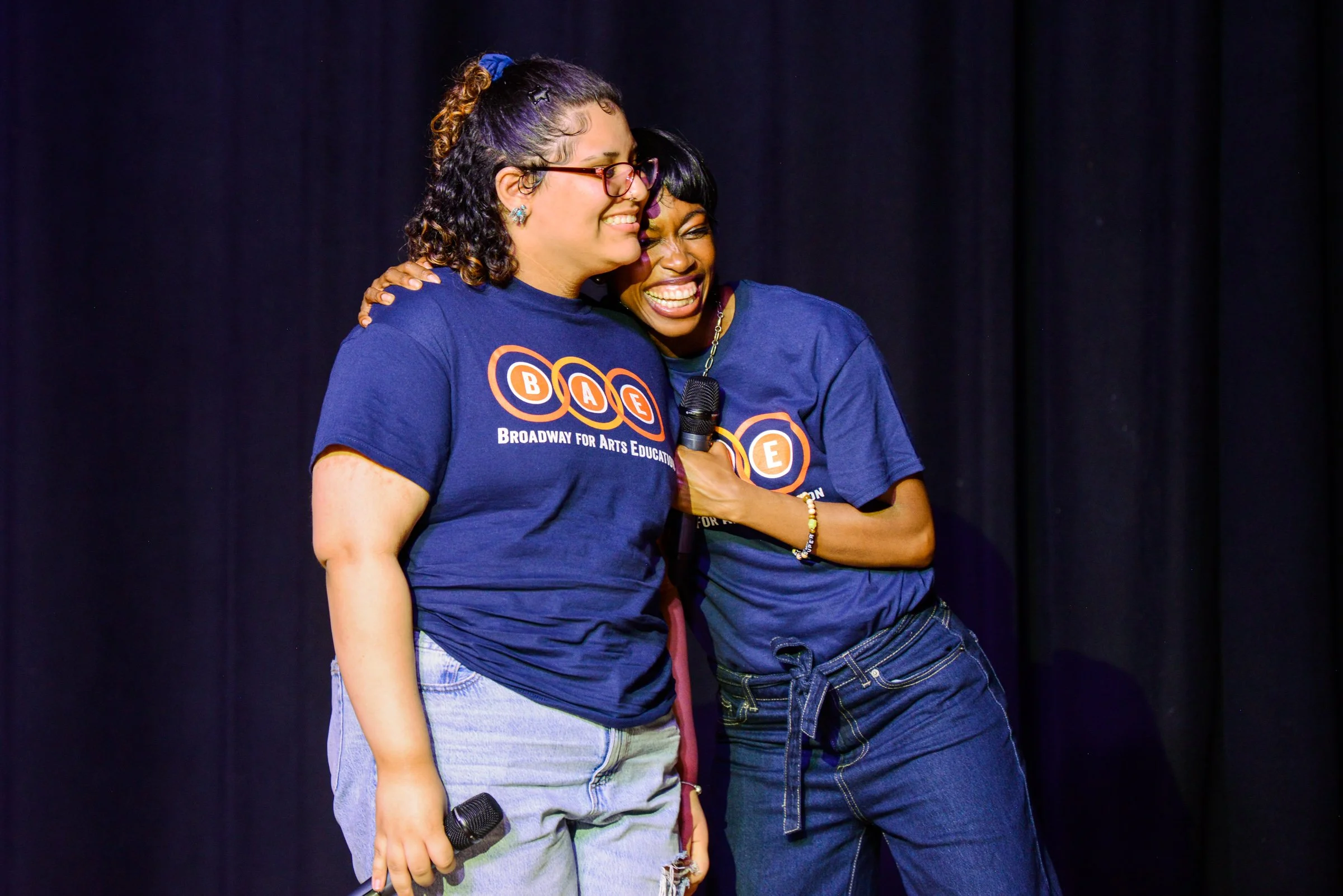
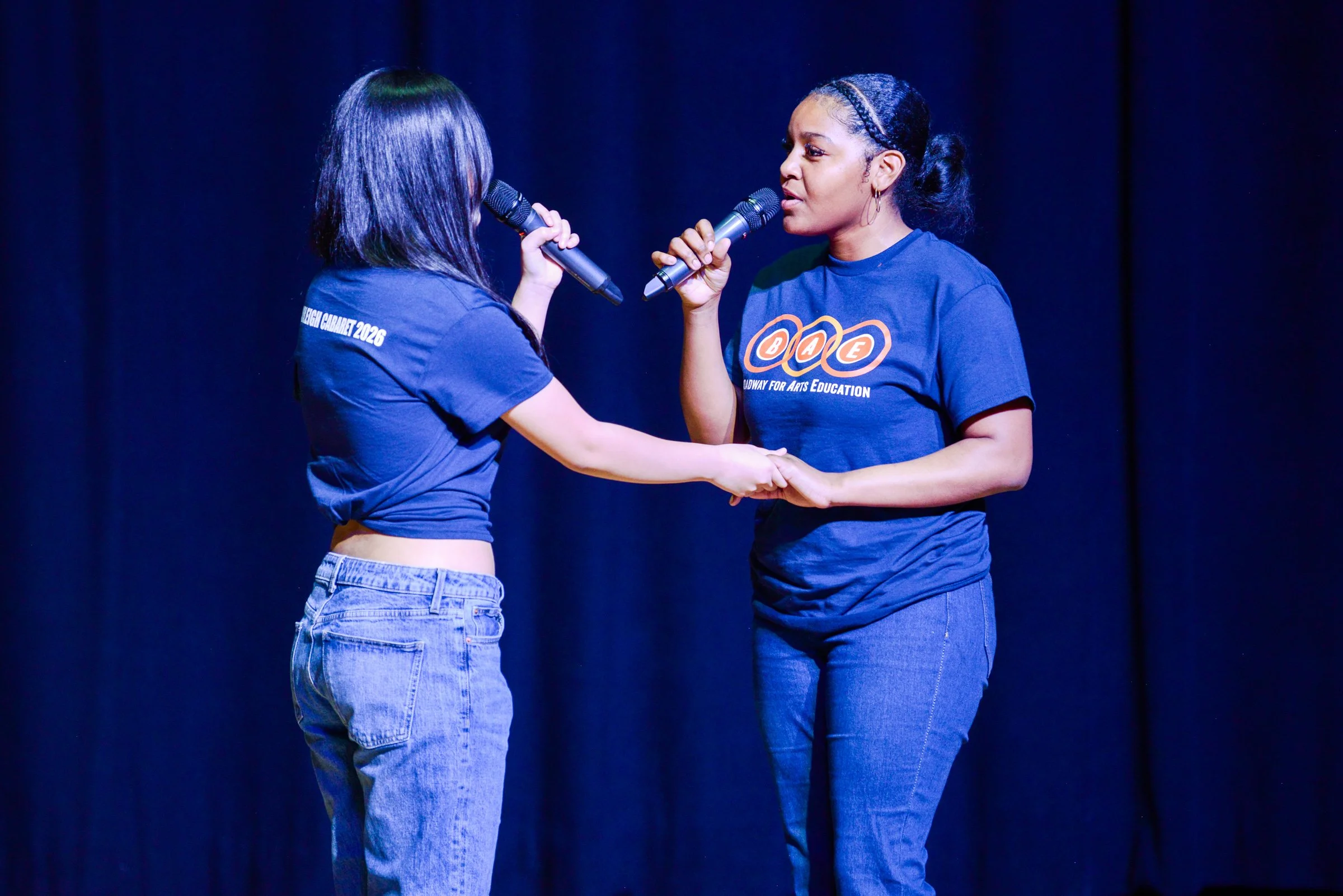
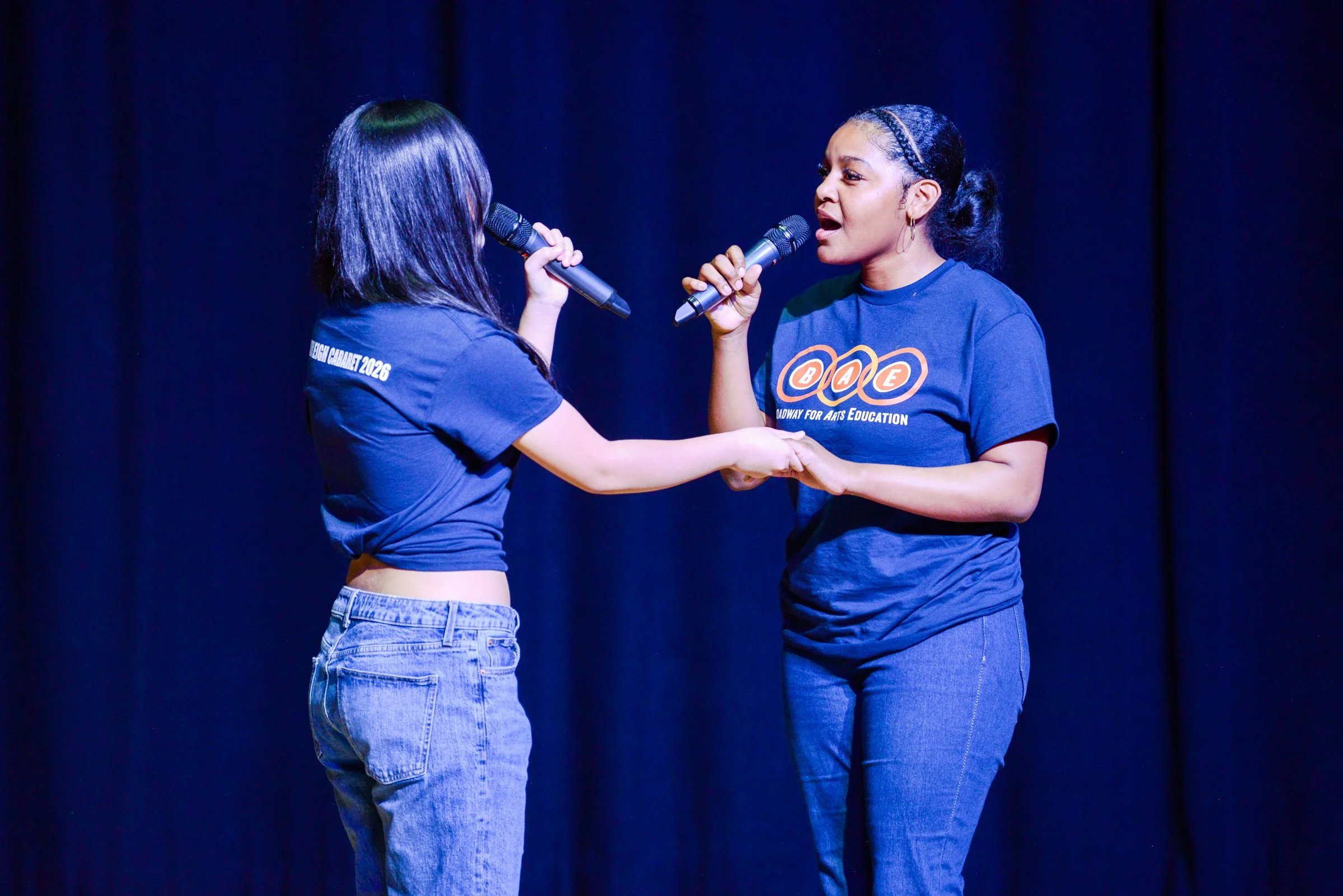
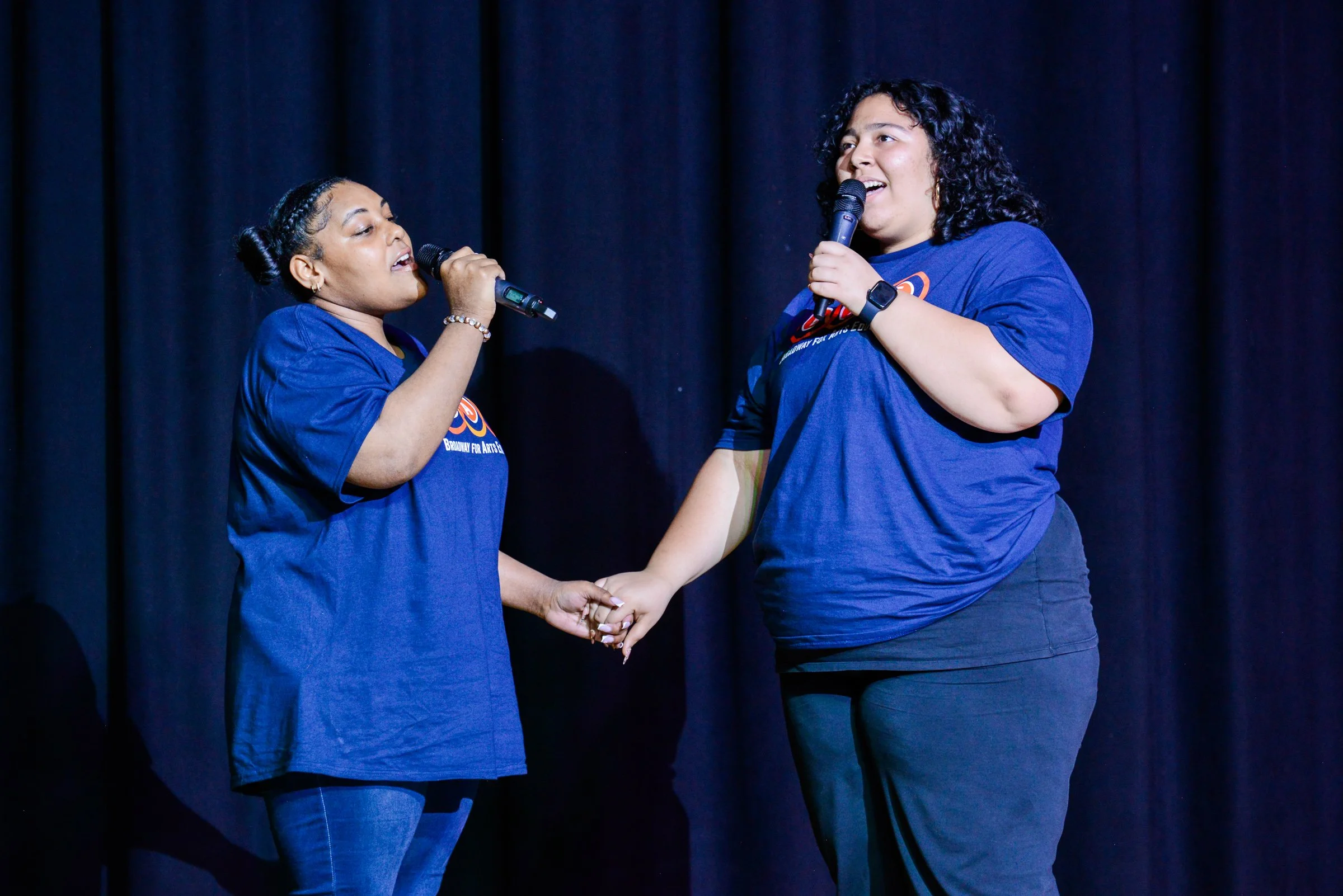
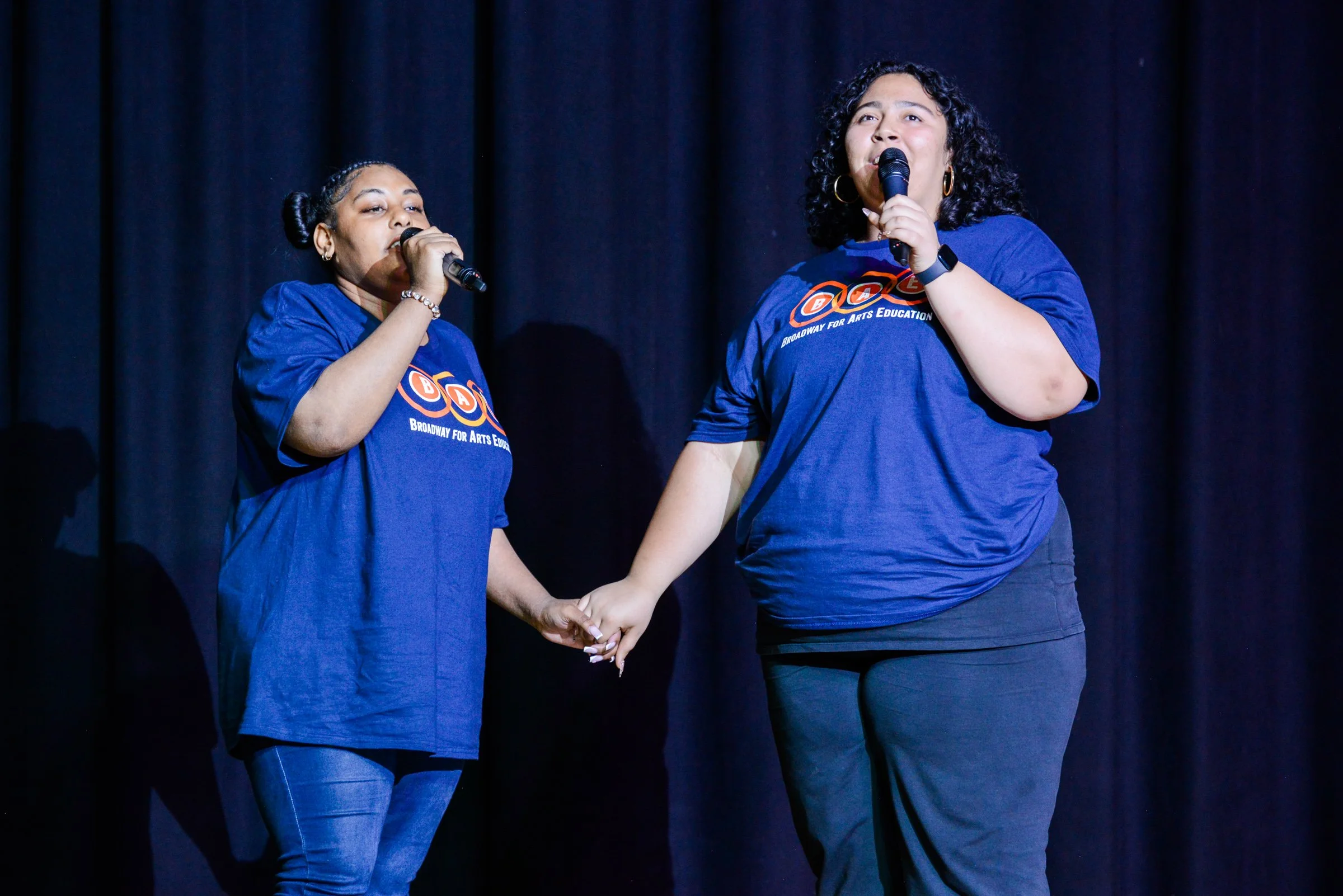
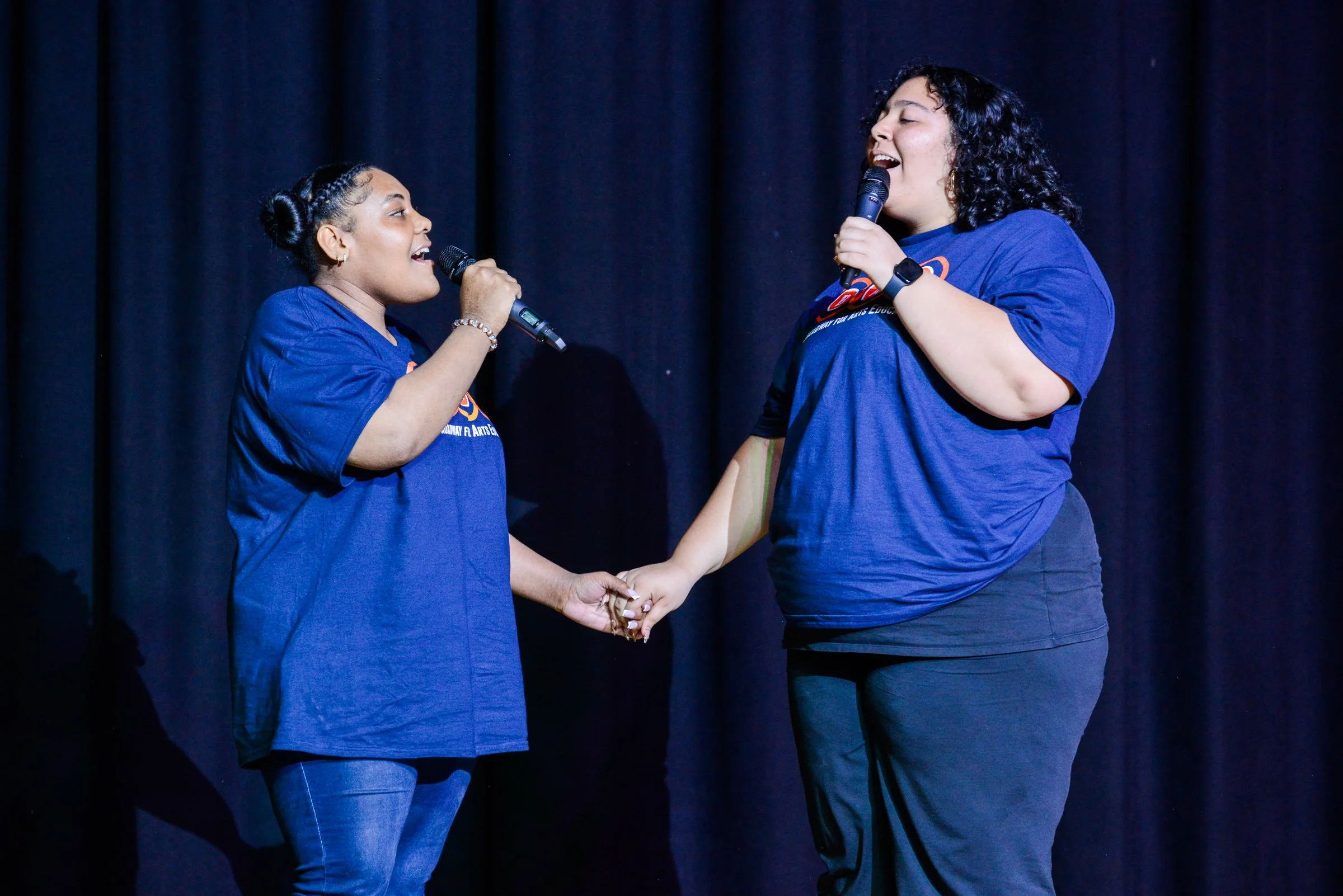
During "The Color Purple," [video embedded above] Broadway Buddies Nasia Thomas and Khalifa White joined the students in a performance whose emotional power came not from elaborate staging but from simplicity. Sitting together in chairs, holding hands and resting hands on one another's shoulders, the performers created a moment of profound connection. Their voices blended into a harmony that was both intimate and expansive, transforming the auditorium into a space of collective reflection and hope.
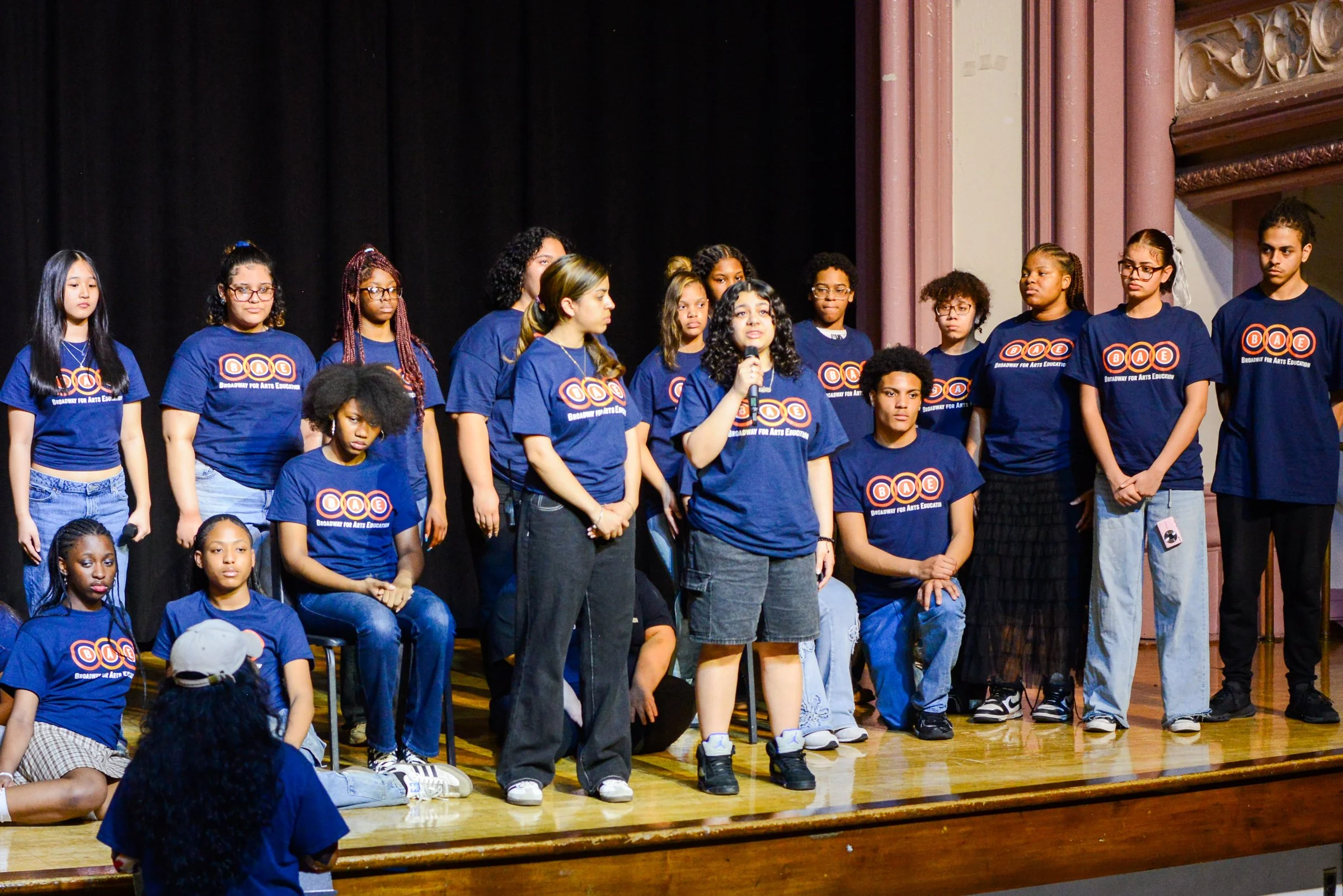
Equally powerful were the original spoken-word sections integrated into "You Are Not Alone." Written by students in both English and Spanish, these pieces expressed solidarity with immigrant communities facing fear, uncertainty, and discrimination. For many of the students, these themes were not abstract political issues but deeply personal realities affecting their families and communities. Watching them use art as a vehicle for advocacy, empathy, and self-expression served as a powerful reminder of the role arts education can play in helping young people make sense of the world around them.
By the end of the evening, the audience was visibly moved. Families celebrated. School leaders beamed with pride. District representatives spoke enthusiastically about future opportunities. There was a widespread sense that everyone had witnessed something far greater than a school performance.
At Broadway for Arts Education, we often talk about prioritizing process over product. The relationships matter more than the performance. The growth matters more than the applause. And yet every so often, a project offers both. The Wadleigh Cabaret was one of those rare experiences where months of meaningful process culminated in an artistic product that exceeded even our most optimistic expectations.
The impact continues to ripple outward. Broadway Buddies have returned to lead additional workshops. Students have reprised their performances at BAE events. School and district leaders have expressed strong interest in continuing and expanding the partnership. Most importantly, students who entered the program unsure of themselves left with a new understanding of what they are capable of achieving.
Long after the final curtain call, that confidence remains.And in many ways, that confidence is the real performance we were hoping to create all along.